


Serious in Tirana/ 11 dead dogs found in a garbage bin
A serious incident has occurred in Tirana, where 11 dead d...


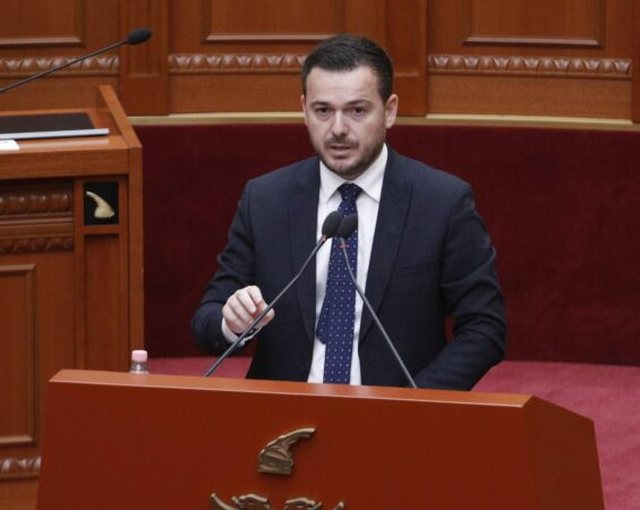
The Minister of Agriculture, Andis Salla, stated in Parliament that during 2025, 32 milk samples were analyzed for the presence of aflatoxin M1, of which 13 resulted non-compliant.
According to him, administrative measures have been taken in all cases and products, including thousands of liters of milk and processed products, have been blocked. The Minister emphasized that the control system has reacted in a timely manner and has followed traceability all the way to the farm.
He explained that aflatoxin in milk comes mainly from contaminated animal feed, especially corn or concentrates, so controls have been extended to the entire food chain, from the import of animal feed to the final product.
During 2025, 40 fines were also imposed and the activity of 6 facilities was suspended for violating standards.
Minister Salla emphasized that food safety remains a priority and that Albania has a legal basis harmonized with European Union standards, while controls are carried out at every link in the chain, from farm to market.
"To properly understand the situation, we must start from a simple reality: the dairy sector in Albania is a vital sector for the rural economy and for the country's food security, but it is a sector still in transition and with structural challenges inherited over the years.
It is characterized by high fragmentation. Most of our farms are family farms, with 1.2-3 heads of cattle, which produce mainly for family consumption. Only about 4,500 farms have more than 3 (three) heads of cattle, while about 11,300 farms have over 30 small cattle.
Total milk production in the country is estimated at around 1 million tons per year. Some is delivered to processing plants, some is consumed on the farm for family consumption or processed in small units, often in remote mountainous areas.
This structure is an economic and social legacy and it constitutes the real panorama with which we work every day, creating real challenges:
•in quality control,
•in maintaining the food safety chain,
•and in traceability.
Where do we stand today in relation to EU standards?
The Ministry of Agriculture and Rural Development is responsible for the full approximation of legislation with the European Union, within the framework of Chapter 12. Technically, Albania today has a complete legal basis harmonized with the European Union.
Today, Albanian legislation on food safety, hygiene, traceability, microbiological criteria and contaminant levels is aligned with EU regulations.
And the system currently in place controls by:
•AKU – in processing and trading facilities.
•AKVMB – at farm level, for animal health and the use of veterinary medicines
•ISUV and 7 regional laboratories of the AKU – IN SUPPORT OF THE OFFICIAL CONTROL SYSTEM for milk and milk-based products.
How does this control mainly work?
Control is not a single act. It is a dynamic process that follows the product from farm to table:
1. On the farm, animal feed, breeding conditions and hygiene are controlled;
2. At the collection points, the quality of the delivered milk is checked;
3. During processing, technological processes and hygiene and sanitary standards are verified;
4. The final product is controlled in the market.
There are 262 collection and processing facilities operating in Albania, of which 215 are classified as high risk, in other words, they are inspected more frequently - which proves the attention of the Ministry of Agriculture and Rural Development towards this sector.
During 2025, all facilities were inspected and 45 warnings were issued for non-compliance with legislation, 40 fines were imposed and the activity of 6 facilities was suspended.
So, when there are violations, there are measures.
Let's focus on the issue of aflatoxin, which has rightly been raised as a concern by us, as well as by you.
During 2025, 32 samples were analyzed for aflatoxin M1 in milk, of which 13 resulted non-compliant.
For all non-conforming cases, administrative measures have been imposed, products have been blocked, specifically thousands of liters of milk and tens of kilograms of processed products, and traceability has been followed back to the farm.
This is very important to note, the system is active.
He reacted.
And he reacted in time.
It is important to understand the source of the problem and to emphasize that aflatoxin in milk is not created in the facility or dairy. It comes primarily from contaminated animal feed, primarily from aflatoxin B1 in corn or concentrates.
This is why we have not limited control to the final product, but have extended it to the entire chain, from imported animal feed, TO THE BORDER.
And, regarding the issue of aflatoxin, in certain areas like the one mentioned by Mr. Braçe, we must emphasize that all procedures have been followed within the deadlines for this concern that we are addressing today. We should not encourage any of our farmers to be part of this process regardless of how we feed the animals, regardless of how we proceed in this very important procedure, which is food safety and the one that we must guarantee to all Albanian consumers food safety and a quality and controlled consumption. So, among other important elements is also that which is transparency.
I want to say today that this sector is very delicate and we must stand by citizens with food security, all together, to have a transparent process and a process to help this very important sector.
"Finally, it's about something very essential, the food that we, our children and our families consume every day and the health of our citizens. And for this, there is no compromise," said Salla./ CNA

A serious incident has occurred in Tirana, where 11 dead d...
The Assembly has rejected the DP's request for an expedite...
Democratic Party MP, Gjin Gjoni, has reacted to the interv...
Democratic Party MP Eno Bozdo spoke in the Assembly during...
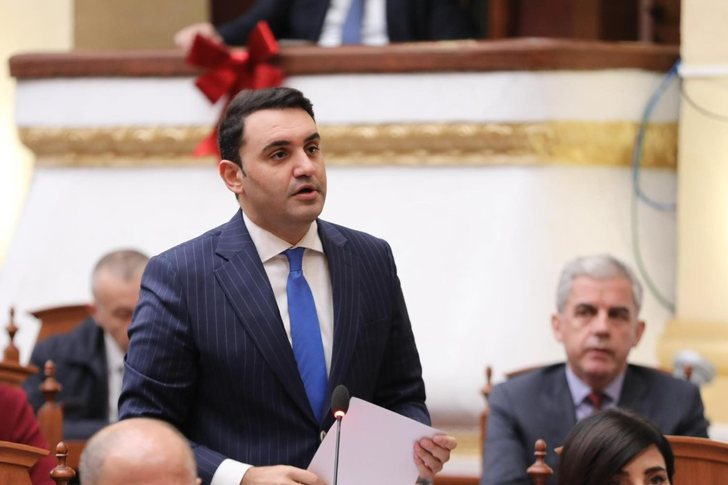
Democratic Party MP Belind Këlliçi has reacted on social m...
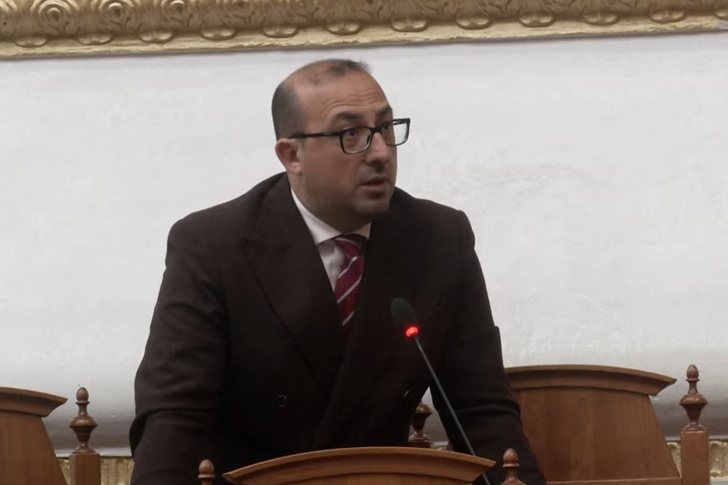
Democratic Party MP Saimir Korreshi, during his speech in ...
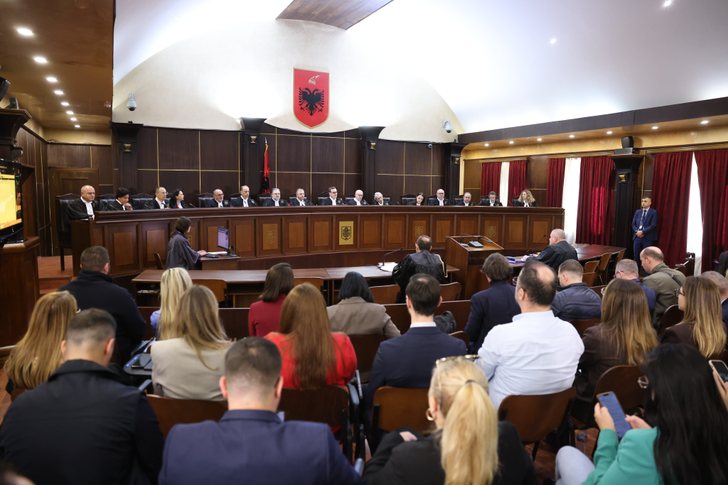
A court hearing is taking place at the Supreme Court befor...
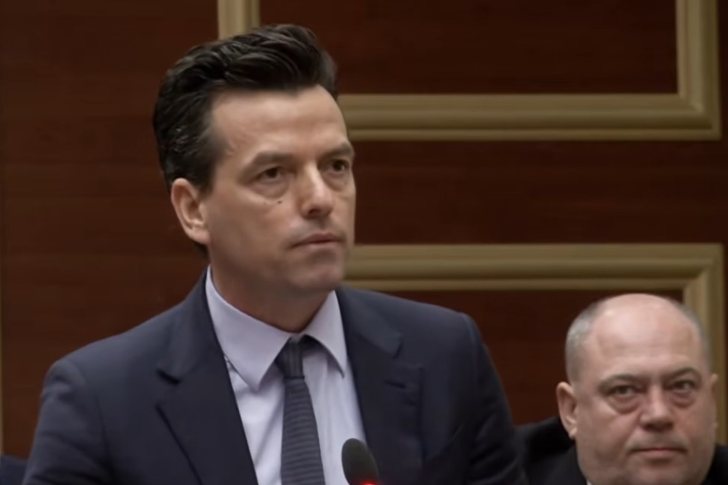
The Joint Panels of the Supreme Court are holding a sessio...
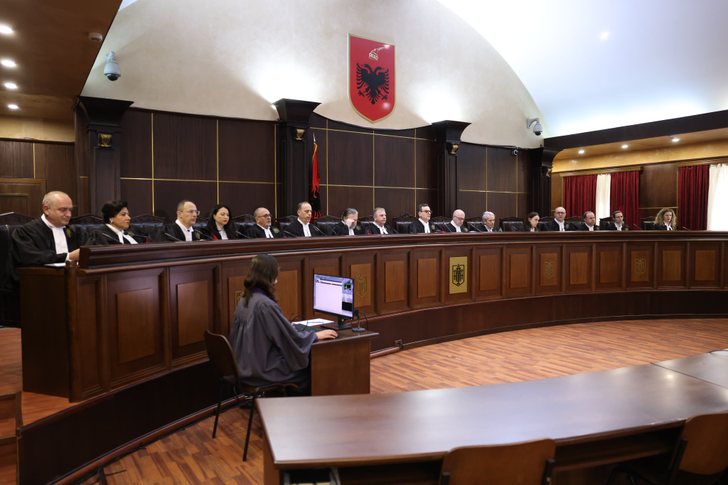
In examining the issues raised before the Joint Panels reg...
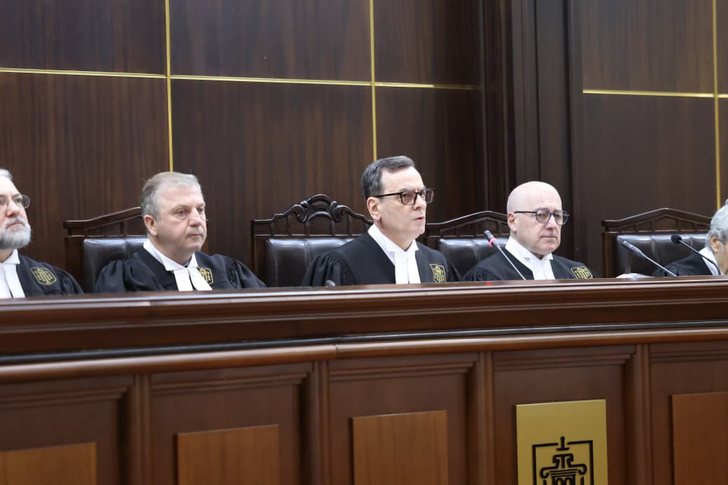
Pre-trial detention as an extraordinary measure, concrete ...
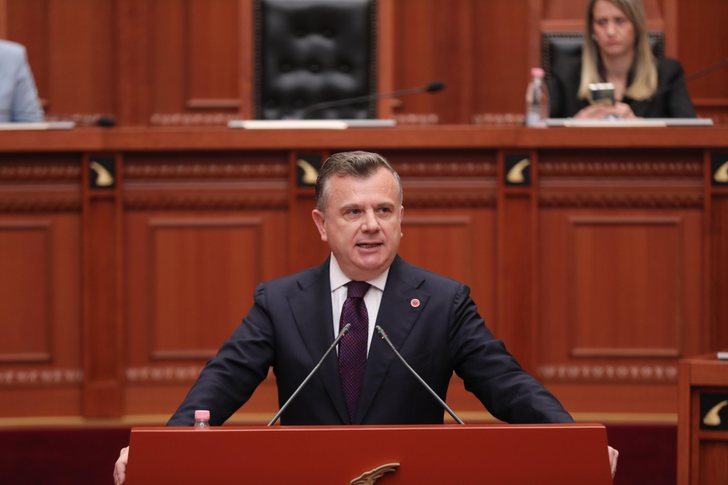
The Head of the Socialist Party Parliamentary Group, Taula...
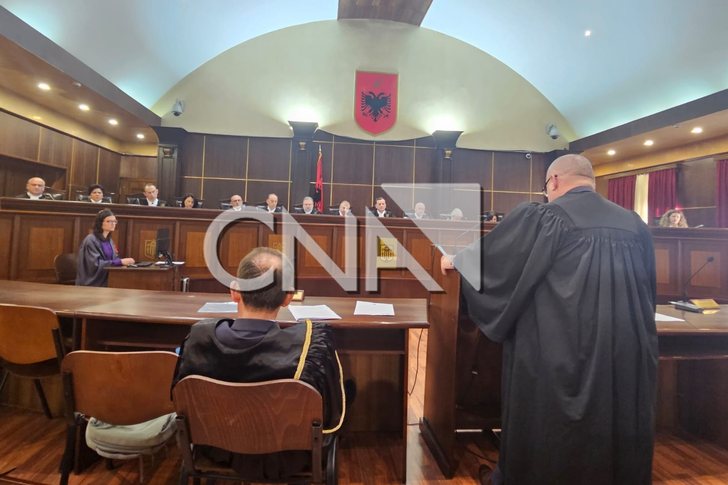
The court hearing before the United Colleges continues. Th...
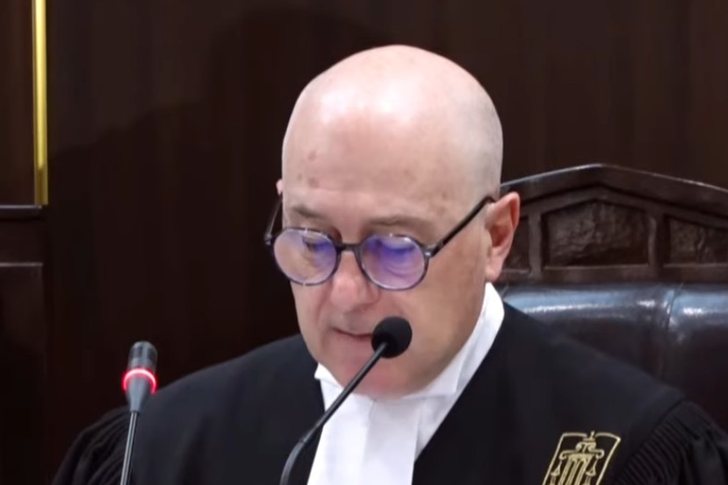
The court session before the United Colleges continues whe...
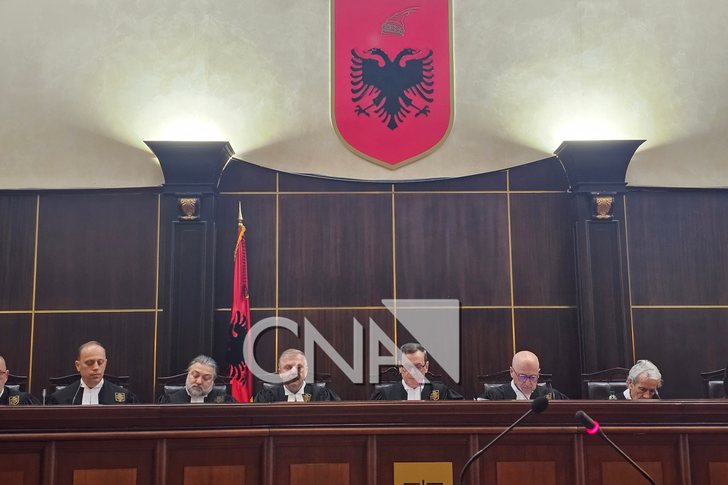
The President of the Supreme Court, Sokol Sadushi, has ann...
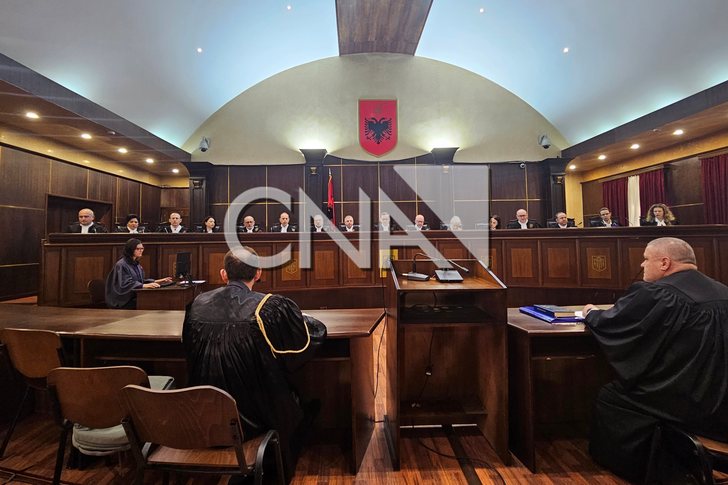
A court hearing has begun before the United Colleges where...
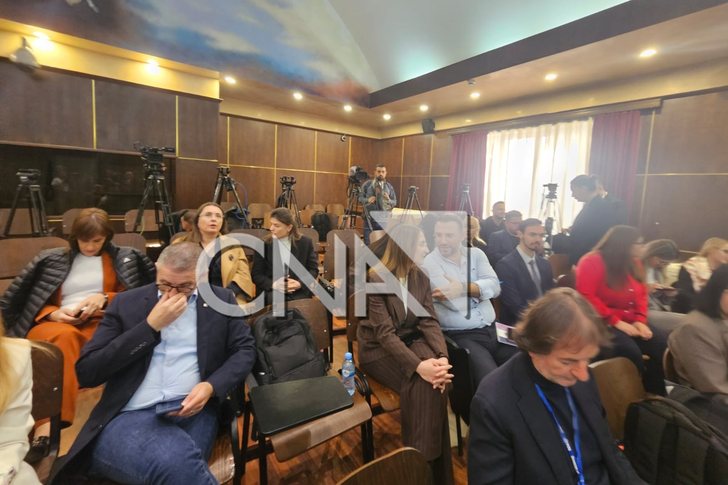
In a few minutes, the court session will begin before the ...
In a few minutes, the meeting of the United Colleges is ex...
Today at 09:30, a court session will be held before the Un...
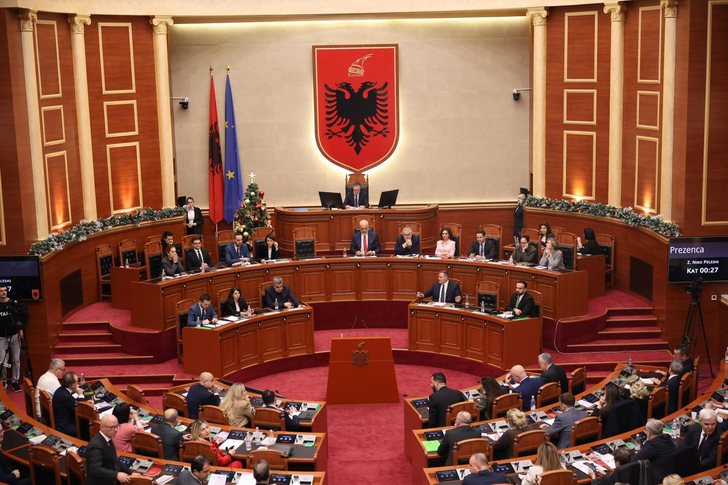
The Parliament of Albania will hold its plenary session ac...
Tomorrow at 9:30 am, a court session is expected to be hel...
SPAK's standards, the way it investigates, how it secures ...
Irfan Hysenbelliu claims to be a big businessman, an hones...
The murder of officer Enea Mekolli in the line of duty has...
The next case broadcast on the show "Stop", this Thursday,...

The Special Board of Appeal (KPA) decided this Monday ...

The KPA vetting decided this Thursday to dismiss the p...

Suela Salavaçi, a prosecutor in the Prosecutor's Offic...

The Special Board of Appeal reinstated the prosecutor ...
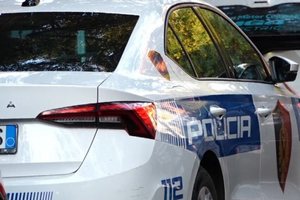
Another gunshot wound occurred at the scene. According to...
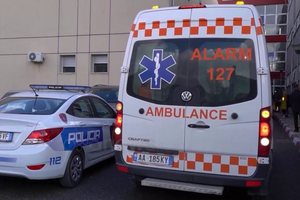
A gunshot wound occurred this afternoon in Shijak. Accordi...
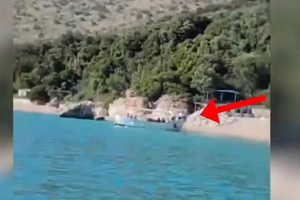
The Border Police blocked the vessel and fined the driver ...
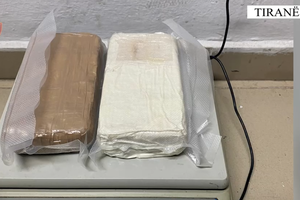
A police operation codenamed "Zonet" has ended with the se...
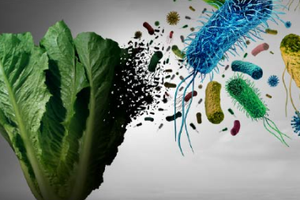
More than 860 million people fall ill and 1.5 million die ...
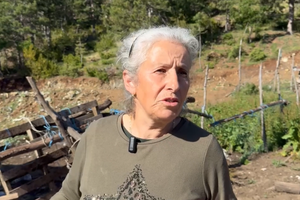
The mother of Violand Braçellari, the perpetrator of the s...

The modern European traveler seeks a meaningful connection...
This Sunday, weather conditions are forecast to be clear a...
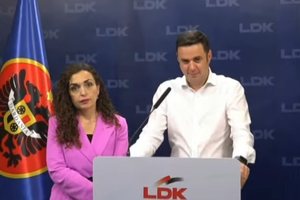
LDK leader Lumir Abdixhiku and former president Vjosa Osma...
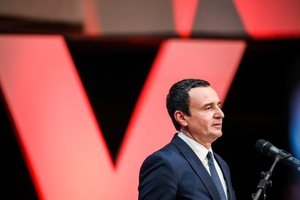
The Vetëvendosje movement has declared victory in the snap...
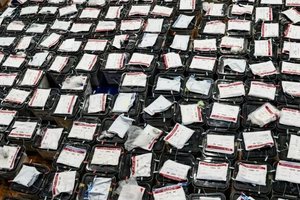
The counting of votes for political entities in Kosovo is ...
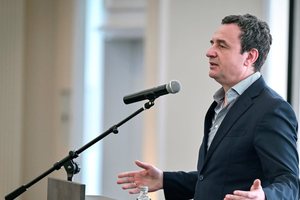
Kosovo's acting Prime Minister, Albin Kurti, has reacted a...
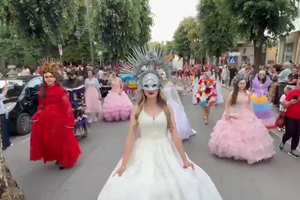
Korça has transformed this weekend into the capital of cel...
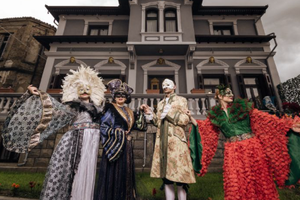
Korça is ready to open the summer season with one of the c...
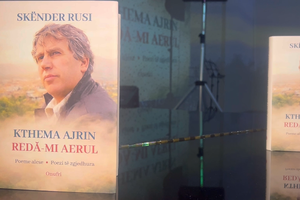
Two years after his passing, the renowned Korçë poet Skënd...
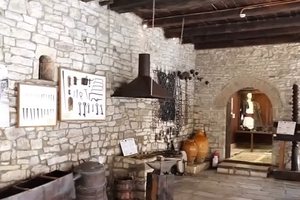
The Ethnographic Museum of Berat has opened its doors to v...
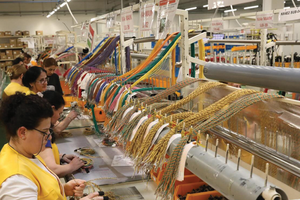
The automotive industry in Albania is currently at a turni...
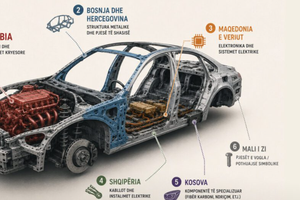
If you were to follow the industrial map of the Western Ba...
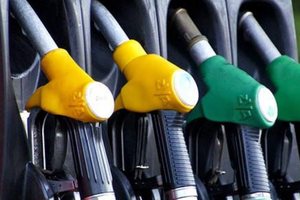
The Transparency Board, in today's meeting, decided to red...

This Saturday, one US dollar is bought for 81.4 lek and so...