


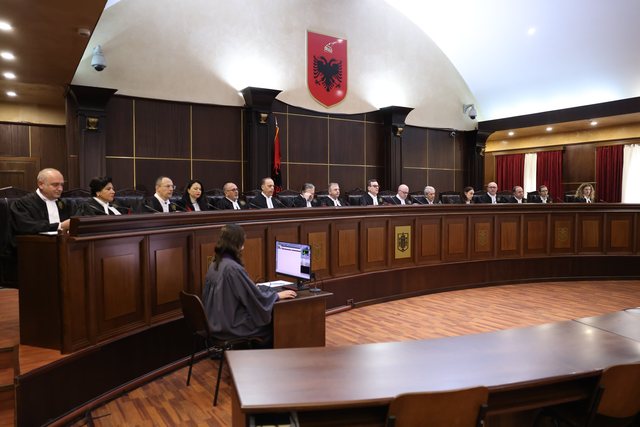
In examining the issues raised before the Joint Panels regarding the interpretation of Articles 228 and 230 of the Code of Criminal Procedure and their relationship with Article 5 § 3 of the European Convention on Human Rights, an approach must be avoided that, under the pretext of strengthening guarantees, risks distorting the very logic of judicial decision-making and shifting the focus from real analysis towards procedural formalism.
Firstly, the thesis according to which the court must, in every case, analyze in detail the alternative measures as a necessary premise for ordering “prison arrest”, does not find direct support in the text of the law.
Articles 228 and 230 of the Code of Criminal Procedure do not require an inventory-type analysis of every possible measure, but a concrete assessment of the necessity and appropriateness of the measure sought. Transforming this obligation into a detailed and mandatory analysis of every alternative constitutes an interpretative addition that does not stem from the law, but from an excessively formalistic approach.
The court is not called upon to conduct a theoretical exercise on all possible security measures, but to decide on a specific request submitted by the prosecution. If the analysis of the specific circumstances shows that only the measure of “prison arrest” is capable of neutralizing the risk, then the conclusion on the inadequacy of the alternatives is included in this finding itself and there is no need for a separate justification for each of them. To demand the opposite means to replace the substantive analysis with a formal ritual of justification.
Secondly, the attempt to exclude the nature of the criminal offense as an assessment element in determining risk constitutes another deviation from the logic of the law.
It is indisputable that risk cannot be automatically and abstractly presumed solely on the basis of the seriousness of the offence, but it is equally wrong to claim that the nature of the offence is an irrelevant or useless element in this assessment.
The nature of the offence, the manner in which it was committed and the severity of the sanction are objective elements that directly affect the assessment of risk and cannot be excluded from the analysis without making it artificially truncated. The problem lies not in the use of these elements, but in their use exclusively and without reference to the specific circumstances of the case.
Thirdly, the thesis according to which the inappropriateness of detention in prison must be proven by the defendant constitutes an unacceptable reversal of the burden of proof and contradicts the fundamental principles of criminal procedure.
In an accusatory system, it is the prosecution that must justify any restriction of personal freedom, while the defendant does not and cannot have the obligation to prove the absence of conditions for imposing the measure.
Any interpretation that implies the opposite not only violates the presumption of innocence, but risks turning the security measure into a mechanism that is applied in the absence of sufficient evidence, simply due to the defendant's inability to produce evidence to the contrary.
In this context, the problems identified in judicial practice – the use of stereotypical formulas, the lack of concrete analysis, and the automatism in determining pre-trial detention – do not stem from an erroneous normative or interpretative standard, but from a deficient implementation of the existing law.
Consequently, the attempt to address these problems through a reformulation of unifying practice risks treating the symptom rather than the cause, adding formal requirements without guaranteeing a real change in the quality of decision-making.
In conclusion, the interpretation of articles 228 and 230 of the Criminal Procedure Code should remain focused on the concrete analysis of the risk and the real necessity of the requested measure, without shifting towards a formalism that does not add substantial guarantees.
Any deviation from this approach, whether in the form of an obligation for detailed analysis of alternatives or in the form of reversing the burden of proof, risks violating the balance between the effectiveness of criminal proceedings and the protection of personal freedom./ CNA

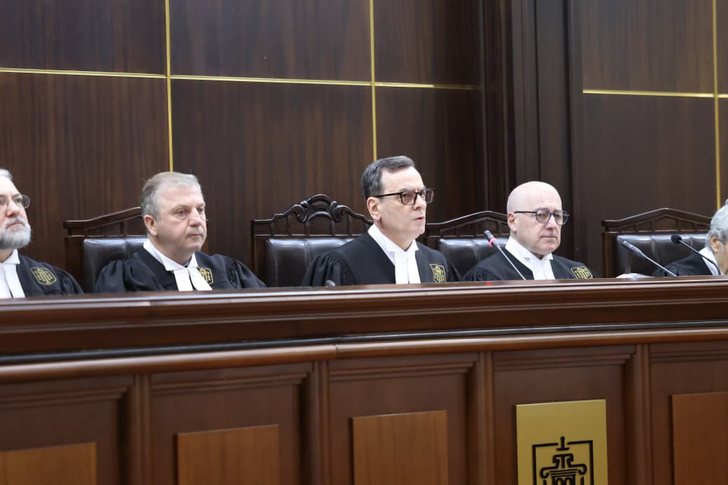
Pre-trial detention as an extraordinary measure, concrete ...
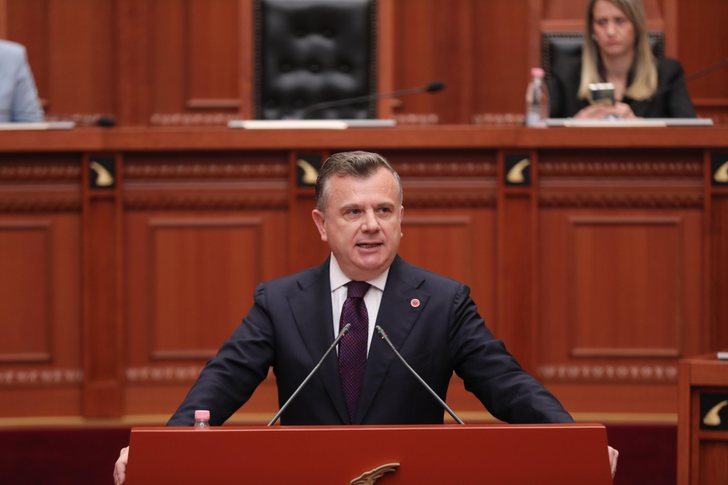
The Head of the Socialist Party Parliamentary Group, Taula...
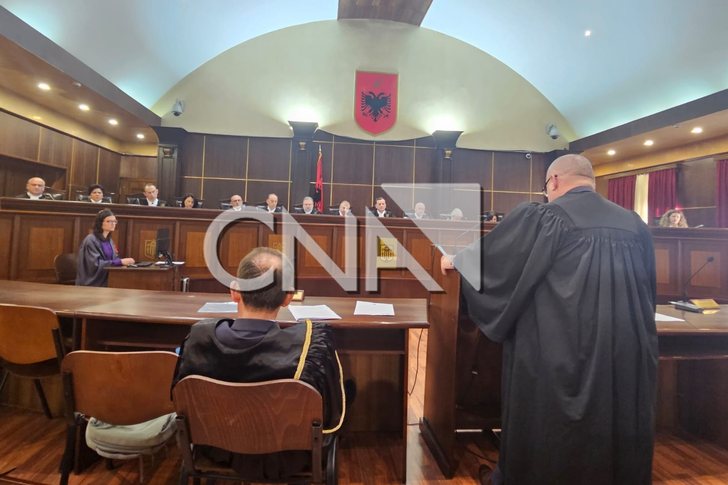
The court hearing before the United Colleges continues. Th...
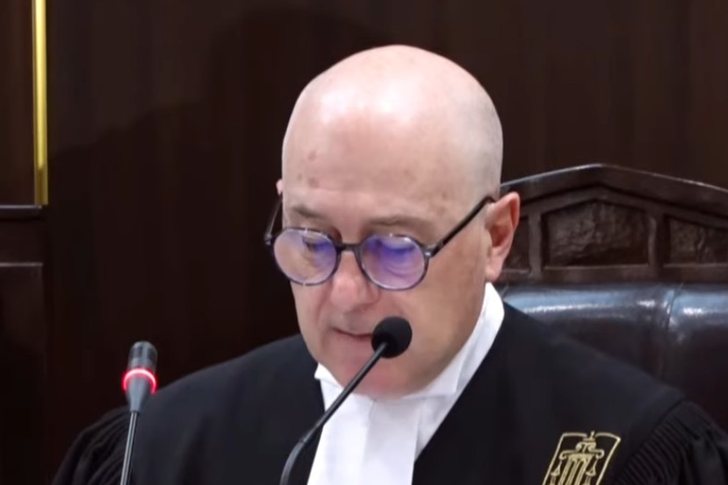
The court session before the United Colleges continues whe...
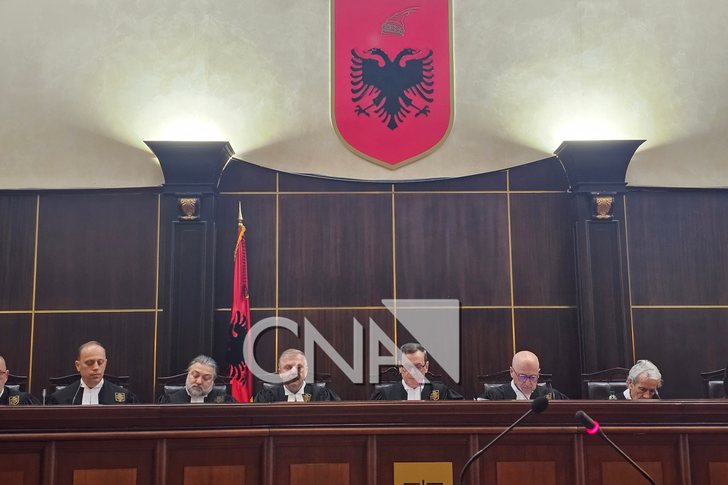
The President of the Supreme Court, Sokol Sadushi, has ann...
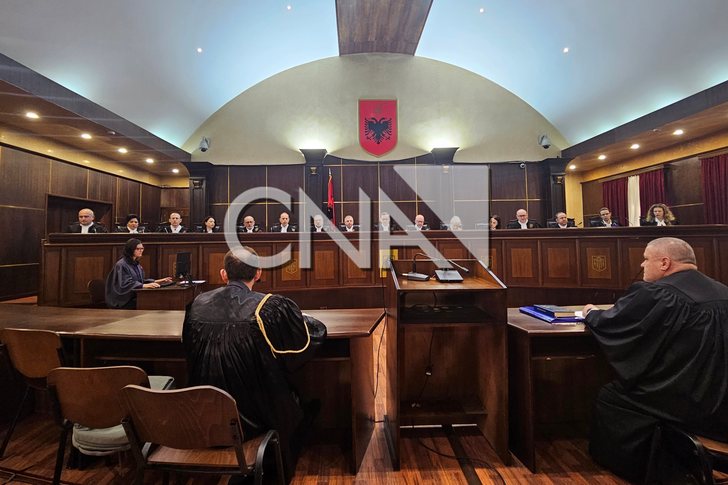
A court hearing has begun before the United Colleges where...
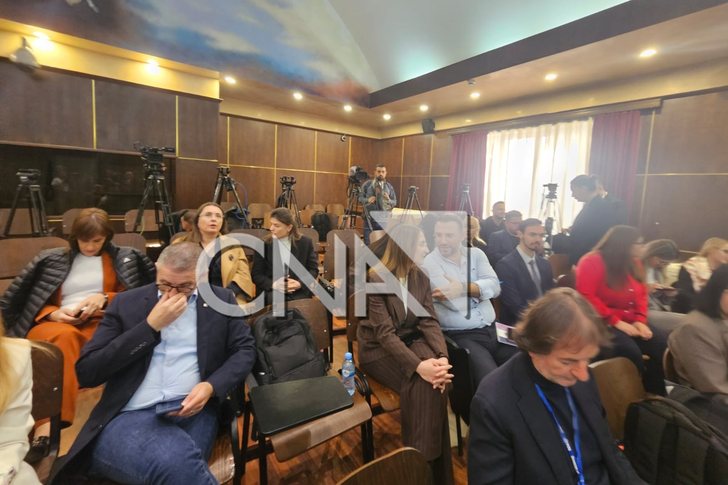
In a few minutes, the court session will begin before the ...
In a few minutes, the meeting of the United Colleges is ex...
Today at 09:30, a court session will be held before the Un...
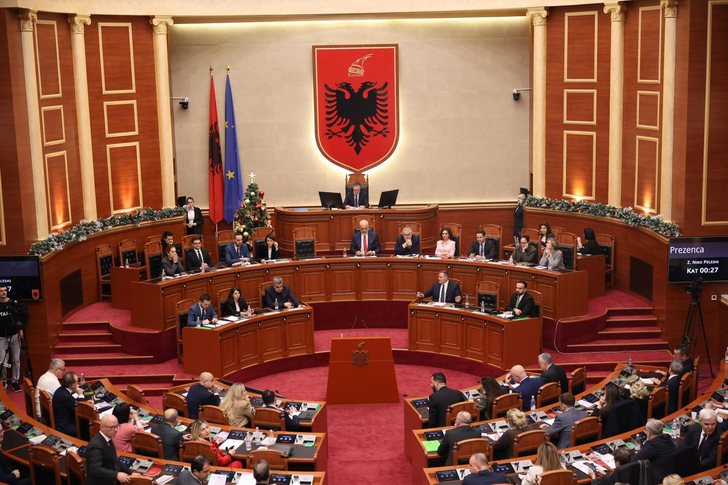
The Parliament of Albania will hold its plenary session ac...

Tomorrow at 9:30 am, a court session is expected to be hel...

On the afternoon of this Wednesday, which coincides with t...
Democratic Party MP Belind Këlliçi has reacted regarding t...

The United States Embassy in Tirana announced this Wednesd...
There are only 16 hours left until the meeting of the Unit...
The Criminal Court of Kosovo (GJKKO) today issued a decisi...

The leader of the Freedom Party, Ilir Meta, has reacted af...
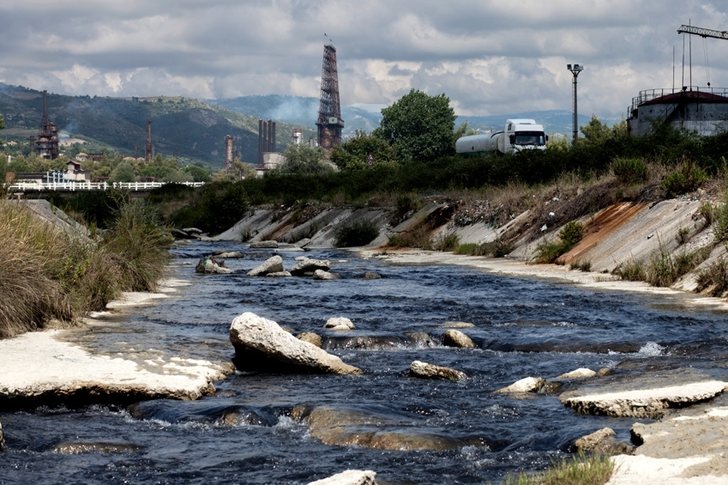
A report by the Environmental Resource Center (REC Albania...
The Constitutional Court has rejected the request of the l...
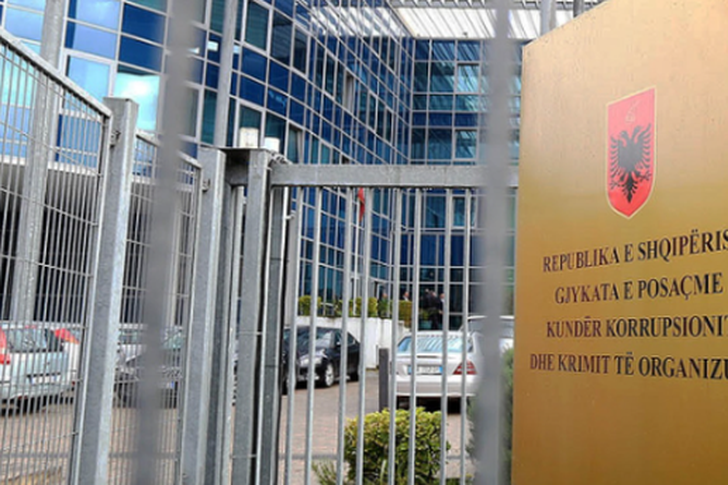
The Special Court has decided to accept the request of the...

SPAK's standards, the way it investigates, how it secures ...

Irfan Hysenbelliu claims to be a big businessman, an hones...

The murder of officer Enea Mekolli in the line of duty has...

The next case broadcast on the show "Stop", this Thursday,...

The Special Board of Appeal (KPA) decided this Monday ...

The KPA vetting decided this Thursday to dismiss the p...

Suela Salavaçi, a prosecutor in the Prosecutor's Offic...

The Special Board of Appeal reinstated the prosecutor ...

Another gunshot wound occurred at the scene. According to...

A gunshot wound occurred this afternoon in Shijak. Accordi...

The Border Police blocked the vessel and fined the driver ...
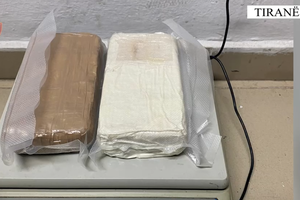
A police operation codenamed "Zonet" has ended with the se...

More than 860 million people fall ill and 1.5 million die ...
The mother of Violand Braçellari, the perpetrator of the s...

The modern European traveler seeks a meaningful connection...

This Sunday, weather conditions are forecast to be clear a...
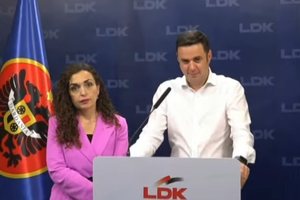
LDK leader Lumir Abdixhiku and former president Vjosa Osma...

The Vetëvendosje movement has declared victory in the snap...
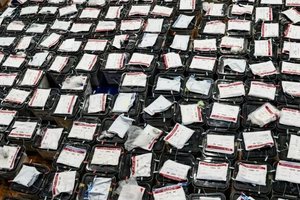
The counting of votes for political entities in Kosovo is ...

Kosovo's acting Prime Minister, Albin Kurti, has reacted a...

Korça has transformed this weekend into the capital of cel...

Korça is ready to open the summer season with one of the c...

Two years after his passing, the renowned Korçë poet Skënd...
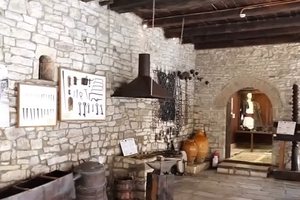
The Ethnographic Museum of Berat has opened its doors to v...

The automotive industry in Albania is currently at a turni...

If you were to follow the industrial map of the Western Ba...

The Transparency Board, in today's meeting, decided to red...

This Saturday, one US dollar is bought for 81.4 lek and so...