


Irfan the fraudster does not pay journalists' salaries
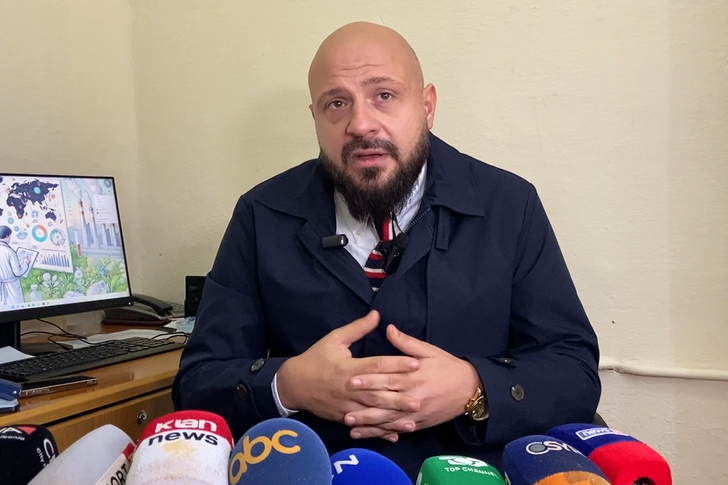
Irfan Hysenbelliu claims to be a big businessman, an hones...

Irfan Hysenbelliu claims to be a big businessman, an hones...

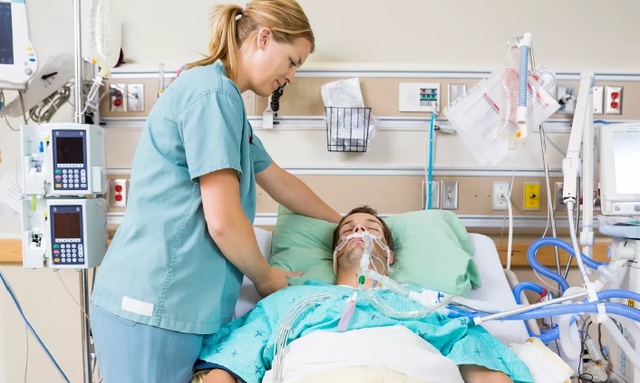
Staphylococcus is a microbe found everywhere in nature and in humans, on our skin and in our noses. It colonizes us", explains Mr. Nikolas B. Sypsas, Professor of the University of Athens, President of the Hellenic Association of Infectious Diseases
Staphylococcus mainly causes skin lesions, such as calluses—deeper inflammations of the hair follicle—but sometimes it passes into the blood and causes staphylococcal bacteremia (or septicemia), "a life-threatening condition that we need to recognize very quickly, in order to give timely intravenous treatment and save the patient", he explains.
That being said, people who inject , e.g. intravenously or intramuscularly, can inject the staphylococcus into the body, and therefore, if found in muscles or bones, cause abscesses, "large abscesses which are drained only surgically." These abscesses are the cause of bacteremia.
According to the professor, after entering the circulation, the staphylococcus can reach anywhere in the body "go to the lungs and cause pneumonia, in the brain a brain abscess, in the heart and cause endocarditis, in the bones cause osteomyelitis". It is a microbe that can attack every organ and system of our body.'
Symptoms and course of infection
Symptoms depend on the location of the infection, namely:
-skin lesions if located on the skin
- local pain and fever if located in muscles and bones
-symptoms of pneumonia (cough, high fever, shortness of breath and chest pain) if found in the lungs
- very high temperature (over 40ºC) or hypothermia if it passes into the blood and if not treated immediately, leads to a drop in blood pressure, dizziness, confusion, etc. "Generally, in the case of sepsis, we have a very high temperature and a very bad general condition. The patient is seriously ill and it looks like it," notes Mr. Sypsas.
Regarding organ failure, Mr. Sypsas explains: "Ultimately, when the patient goes into sepsis, we usually have a cascade of events, irreversible in most cases, if we don't catch it very early. Events lead the patient to stages of circulatory and respiratory failure, in which case he needs mechanical support (intubation).
Risk of antimicrobial resistance
Epidemiological data from the European Center for Disease Control and Prevention (ECDC) show a decrease in MRSA infections. "This also applies in Greece, fortunately, although we have multiresistant microbes and above all gram-negative enterobacteria, the frequency of staphylococcus does not increase, it remains stable and we may even have a slight downward trend. Epidemiologically, we have a stability in relation to MRSA", he comments.
24 to 48 hours for the antibiogram
According to Mr. Sypsa, it takes 24 to 48 hours for the antibiogram to show if it is a resistant strain. Therefore, the doctor should be suspicious if, for example, the patient is diabetic, if he knows that he is colonized by resistant staphylococci or belongs to high-risk or immunosuppressed groups, give the appropriate treatment for MRSA empirically, until the antibiogram comes out.
Since the resistance levels in Greece are very high, the doctor and the patient must understand that something is wrong very early, to start the right treatment, "because we have the right antibiotics", as soon as possible.
Protective measures
-Very good personal hygiene (hand washing, clean clothes, etc.)
-Avoid close contact (hugs, kisses, etc.) with people who have skin lesions or anything else
-Strict cleanliness where there is an increase in crowd (e.g. changing rooms)
- Very good sugar regulation for people with diabetes
-If we belong to high-risk groups, immediate medical attention for any symptoms./ CNA

Back pain is among the most typical complaints that come w...
Since 1990, the rate of diabetes has doubled, with 800 mil...

Hormonal imbalance problems affect almost 70-80% of women ...

If you have ever experienced hair pain, this strange sensa...
In laboratories across the United States, scientists are s...
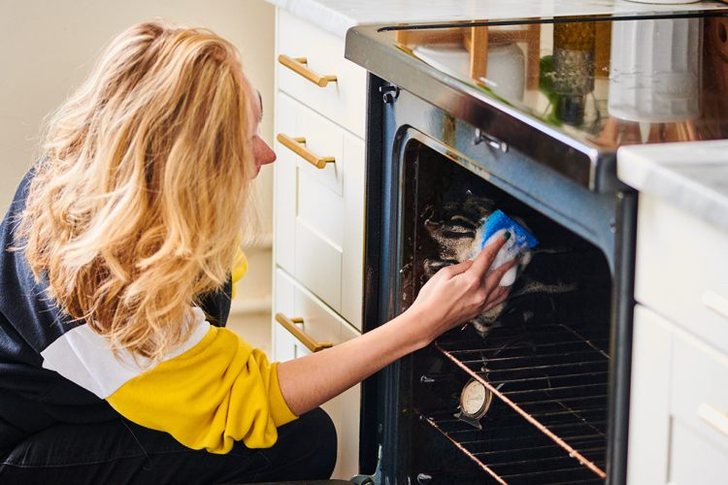
After the many meals you prepare during the week, cleaning...

Seniors who are sleepy during the day and find it difficul...

A recent study found that middle-aged men and women who su...

Chestnuts are among the best of the season. Baked or boile...
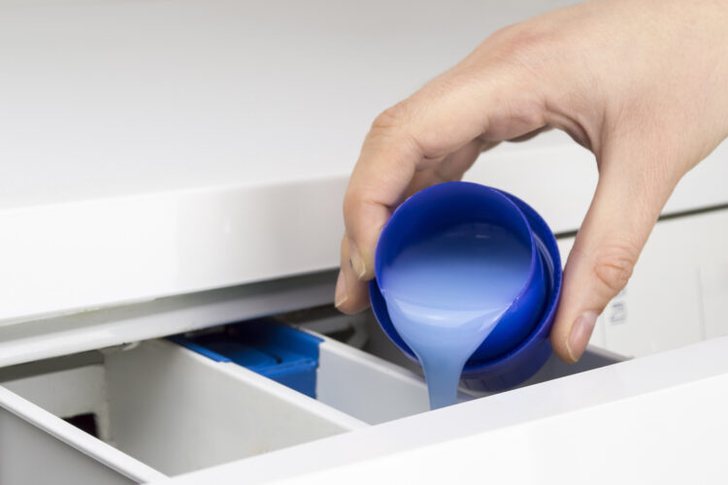
Fabric softeners came into widespread use in the mid-1900s...

Half of the adult population of this globe snore, somethin...

Tea has been a drink present for centuries on the tables o...

Including these foods in your diet can provide various ben...
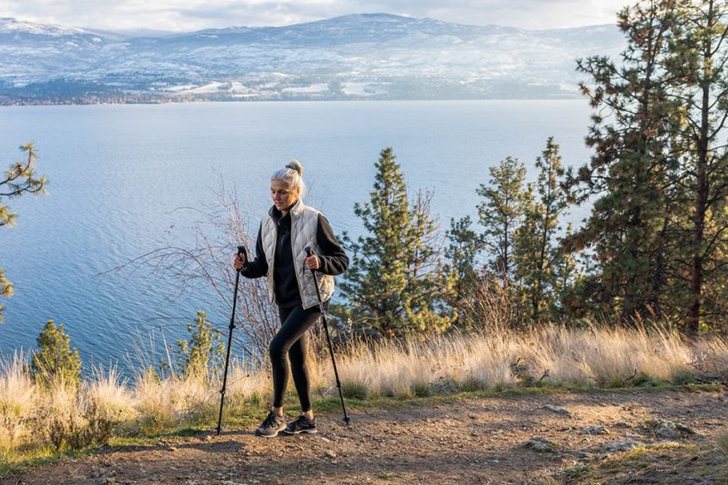
Walking is a great and easy way to tone up, lose weight an...
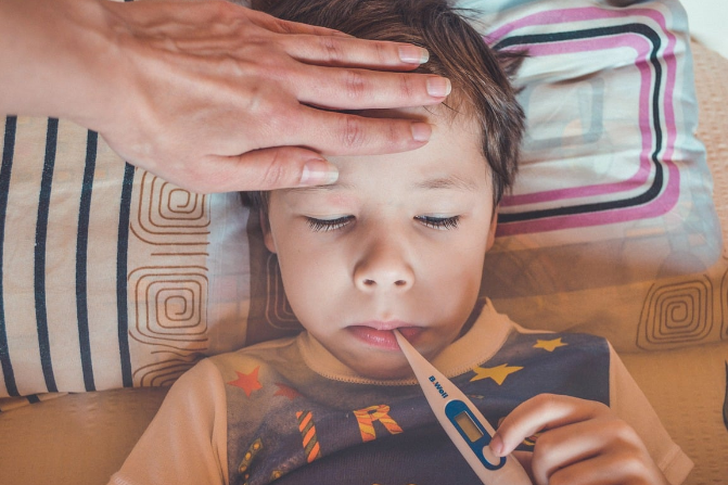
The Australian flu reaches Italy. It is estimated that aro...
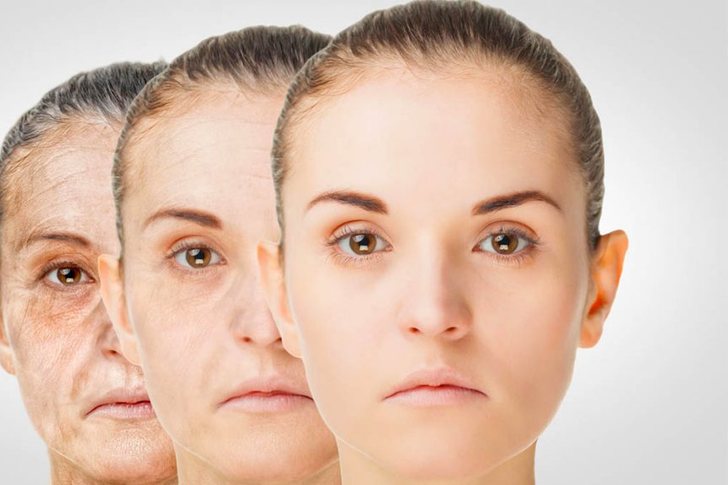
Aging and cold weather are not a good combination. Low te...
A few days ago, the disease of scabies, otherwise known as...
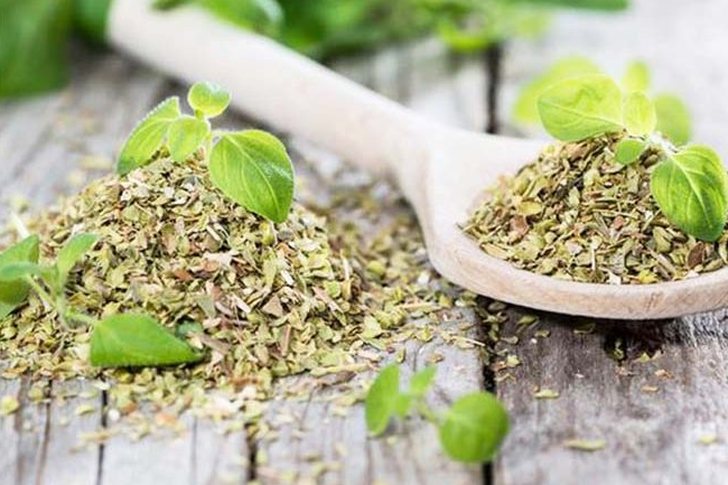
Peppermint tea ranks among the healthiest drinks in the wo...

Peppermint tea ranks among the healthiest drinks in the wo...

Nuts are very healthy for the body, but if you overdo it, ...

Irfan Hysenbelliu claims to be a big businessman, an hones...

The murder of officer Enea Mekolli in the line of duty has...

The next case broadcast on the show "Stop", this Thursday,...
The case published this Thursday, June 4, on the show "Sto...

The Special Board of Appeal (KPA) decided this Monday ...

The KPA vetting decided this Thursday to dismiss the p...

Suela Salavaçi, a prosecutor in the Prosecutor's Offic...

The Special Board of Appeal reinstated the prosecutor ...

A 38-year-old man was arrested today near the Kamza turnof...

A money changer in Durrës lost 60 thousand euros after bei...
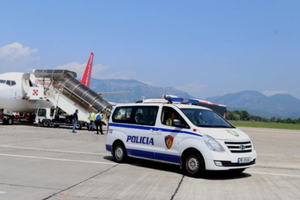
The 6 citizens captured in Dubai, members of criminal grou...
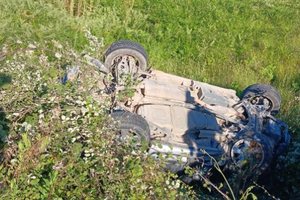
A serious accident occurred on the Kardhiq-Delvinë axis, i...
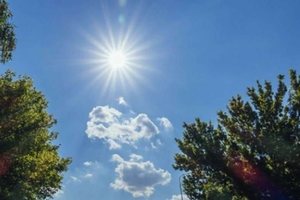
Today our country will be affected by stable weather condi...

For many children and teenagers, the long summer holidays ...

Albania is facing an unprecedented demographic transition,...
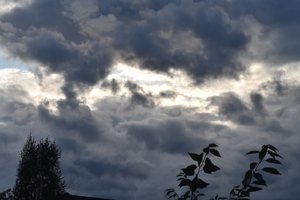
On Thursday, our country will be affected by unstable weat...

On the eve of the EU-Western Balkans summit, Germany and F...

Russian President Vladimir Putin said the war in Ukraine c...
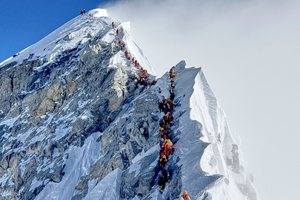
An extraordinary story of survival has been recorded in Ne...

The Peace Implementation Council in Bosnia and Herzegovina...

Korça is ready to open the summer season with one of the c...

Two years after his passing, the renowned Korçë poet Skënd...

The Ethnographic Museum of Berat has opened its doors to v...
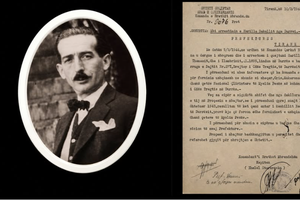
The story of Harilla Bakalli is one of the most chilling t...

Despite years of efforts at regional cooperation and free ...

Albania is the country with the highest level of severe ma...

This Friday, one US dollar is bought for 81.3 lek and sold...

The government aims to transform the country's industrial ...