


This supplement can help you sleep better
A recent study found that middle-aged men and women who su...



Seniors who are sleepy during the day and find it difficult to muster enthusiasm for activities may be at higher risk of a brain condition that precedes dementia.
These sleep-related problems are linked to "cognitive motor risk syndrome," a pre-dementia condition that causes slow walking speed and some memory problems, the researchers explained.
People with excessive daytime sleepiness and lack of enthusiasm are more than three times more likely to develop this syndrome, compared with people without those sleep-related problems, researchers reported Nov. 6 in the journal Neurology.
"More research needs to be done to look at the relationship between sleep issues and cognitive decline and the role played by cognitive motor risk syndrome," said researcher Dr. Victoire Leroy, with Albert Einstein College of Medicine in New York City.
"We also need studies to elucidate the mechanisms linking these sleep disturbances to cognitive motor risk syndrome and cognitive decline."
For the study, researchers recruited 445 people, with an average age of 76, without dementia. These elderly people filled out questionnaires about their sleep habits and memory problems, and their walking speed was repeatedly tested on a treadmill.
About 177 people met the definition of rough sleepers, and 268 met the definition of good sleepers.
At the start of the study, 42 people had cognitive motor risk syndrome. During an average follow-up of three years, another 36 people developed the condition.
About 36% of older adults with excessive daytime sleepiness and lack of enthusiasm developed the syndrome, compared with about 7% of people without these sleep-related problems.
However, the study could not prove a direct link between these sleep-related problems and pre-dementia syndrome, the researchers noted.
However, it does show that good sleep is likely to protect a person's brain health in old age, the researchers said.
"Our findings underscore the need for screening for sleep problems," Leroy said in an American Academy of Neurology news release. "The potential exists that people can get help with their sleep problems and prevent memory decline."/ CNA

A recent study found that middle-aged men and women who su...

Chestnuts are among the best of the season. Baked or boile...

Fabric softeners came into widespread use in the mid-1900s...

Half of the adult population of this globe snore, somethin...

Tea has been a drink present for centuries on the tables o...

Including these foods in your diet can provide various ben...
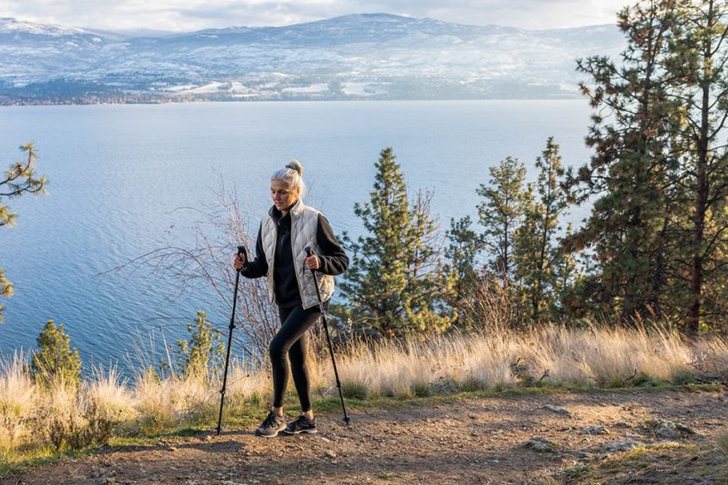
Walking is a great and easy way to tone up, lose weight an...
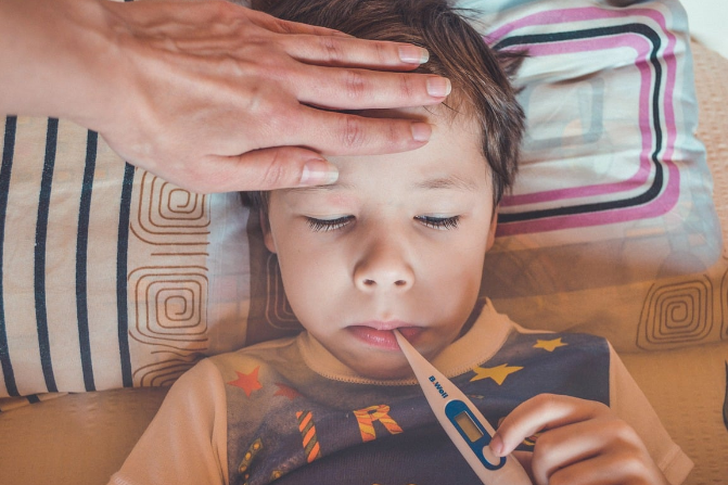
The Australian flu reaches Italy. It is estimated that aro...

Aging and cold weather are not a good combination. Low te...

A few days ago, the disease of scabies, otherwise known as...

Peppermint tea ranks among the healthiest drinks in the wo...

Peppermint tea ranks among the healthiest drinks in the wo...

Nuts are very healthy for the body, but if you overdo it, ...

Onion is the most consumed vegetable in our country. Onio...

Some people can't stand the cold, and don't feel well ...

The best absorption of antibiotics sometimes depends on th...

Some people can't stand the cold, and don't feel well when...

Digital dentistry has revolutionized the way patients are ...
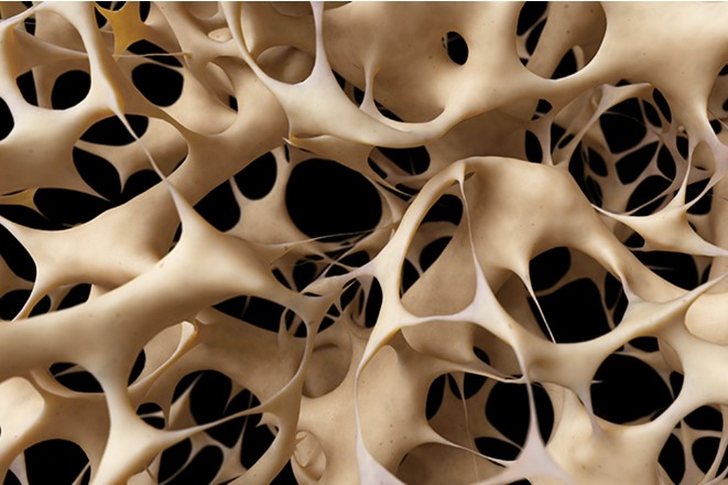
Osteoporoza të bën të mendosh për një sëmundje të rrallë. ...

Bananas are a well-known and widely consumed fruit, an...

Irfan Hysenbelliu claims to be a big businessman, an hones...

The murder of officer Enea Mekolli in the line of duty has...

The next case broadcast on the show "Stop", this Thursday,...

The case published this Thursday, June 4, on the show "Sto...

The Special Board of Appeal (KPA) decided this Monday ...

The KPA vetting decided this Thursday to dismiss the p...

Suela Salavaçi, a prosecutor in the Prosecutor's Offic...

The Special Board of Appeal reinstated the prosecutor ...

A 38-year-old man was arrested today near the Kamza turnof...

A money changer in Durrës lost 60 thousand euros after bei...

The 6 citizens captured in Dubai, members of criminal grou...
A serious accident occurred on the Kardhiq-Delvinë axis, i...

Today our country will be affected by stable weather condi...

For many children and teenagers, the long summer holidays ...

Albania is facing an unprecedented demographic transition,...

On Thursday, our country will be affected by unstable weat...

On the eve of the EU-Western Balkans summit, Germany and F...

Russian President Vladimir Putin said the war in Ukraine c...
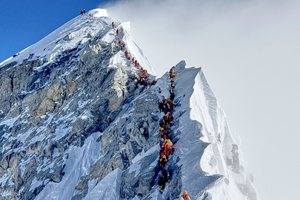
An extraordinary story of survival has been recorded in Ne...

The Peace Implementation Council in Bosnia and Herzegovina...

Korça is ready to open the summer season with one of the c...

Two years after his passing, the renowned Korçë poet Skënd...

The Ethnographic Museum of Berat has opened its doors to v...

The story of Harilla Bakalli is one of the most chilling t...

Despite years of efforts at regional cooperation and free ...

Albania is the country with the highest level of severe ma...

This Friday, one US dollar is bought for 81.3 lek and sold...

The government aims to transform the country's industrial ...