


What happens to the body when you eat ripe chestnuts
Chestnuts are among the best of the season. Baked or boile...



A recent study found that middle-aged men and women who suffered from poor sleep had an average brain age that was three years older than those who slept well. Researchers also found a link between sleeping less than six hours a night and developing Alzheimer's disease. But a common, inexpensive mineral may be able to treat sleep problems and maintain brain health.
According to USA TODAY, one study found that adults who took 500 milligrams of the mineral magnesium before bed had better sleep quality than participants who took a placebo. The magnesium group also had higher levels of melatonin, the hormone that regulates sleep.
Magnesium is essential for sleep, says mindbodygreen. Over 300 body functions depend on magnesium and relaxation is one of them.
"When we're stressed, we use our body's magnesium reserves," explains Dr. Heather Moday, founder of the Moday Center for Functional and Integrative Medicine in Philadelphia.
"That's one reason why I've been experimenting with taking magnesium for better, more restful sleep for years."
She says magnesium supports muscle relaxation and balances the release of adrenaline and cortisol to regulate the stress response.
Since magnesium helps relax muscles, it can help with restless legs syndrome, which affects sleep quality.
While more research needs to be done on how magnesium can help us sleep better, experts say natural remedies like the mineral are safer, less addictive, and have fewer side effects than other sleep aids such as it's sleeping pills.
There are many types of magnesium supplements to choose from. Josh Redd, a chiropractor and founder of RedRiver Health and Wellness Center in Utah recommends taking magnesium glycinate, which is gentle on the stomach. Magnesium citrate is another good option because it relaxes muscles.
The National Institutes of Health's Office of Dietary Supplements recommends that adult men get between 400 and 420 milligrams of magnesium per day. Adult women should aim for between 310 and 320 milligrams each day. The best food sources are almonds, peanuts and cashews, plus seeds, soy milk and leafy greens like spinach.
The Office of Dietary Supplements states that "too much dietary magnesium does not pose a health risk in healthy individuals because the kidneys eliminate excess amounts in the urine."
But the agency warns that taking high doses of supplements or medications can cause nausea, abdominal cramps and diarrhea./ CNA

Chestnuts are among the best of the season. Baked or boile...
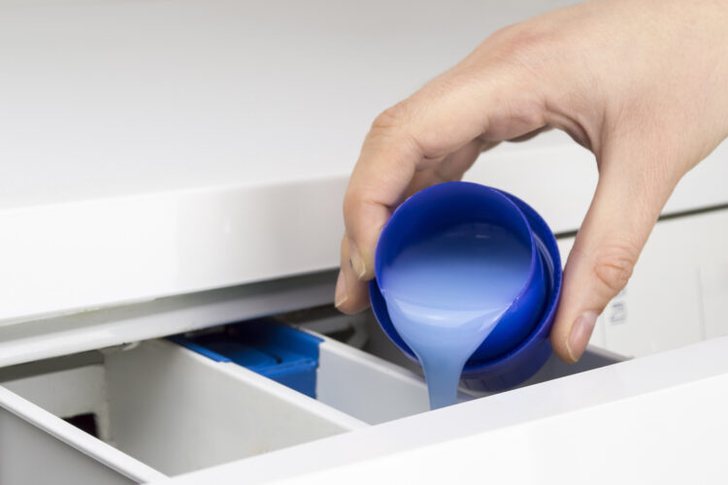
Fabric softeners came into widespread use in the mid-1900s...

Half of the adult population of this globe snore, somethin...
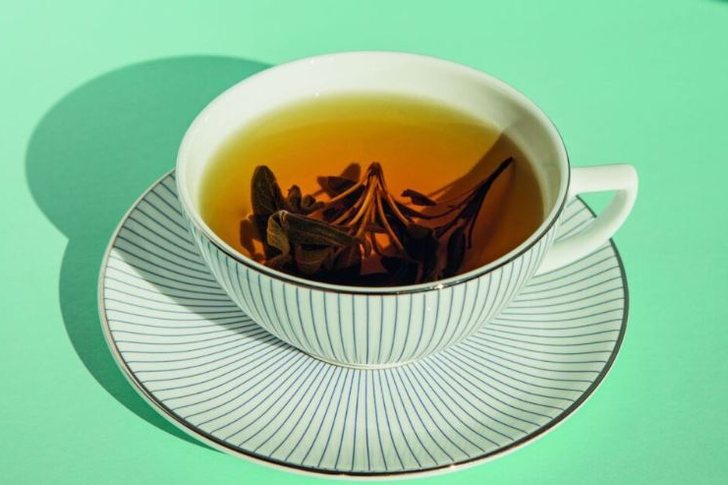
Tea has been a drink present for centuries on the tables o...

Including these foods in your diet can provide various ben...
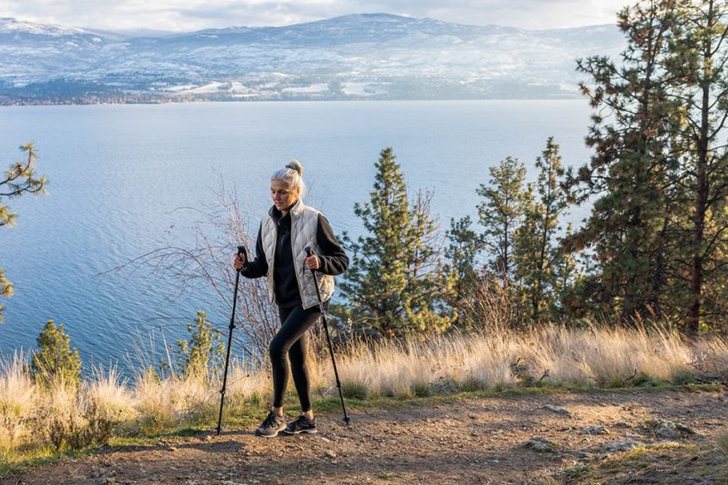
Walking is a great and easy way to tone up, lose weight an...

The Australian flu reaches Italy. It is estimated that aro...

Aging and cold weather are not a good combination. Low te...

A few days ago, the disease of scabies, otherwise known as...
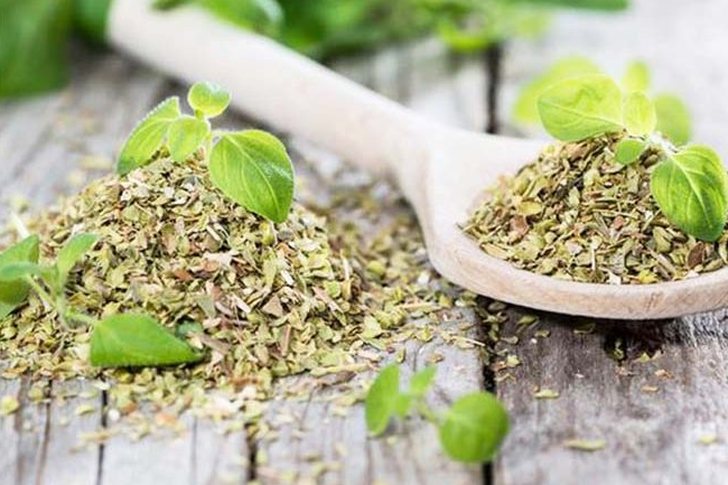
Peppermint tea ranks among the healthiest drinks in the wo...

Peppermint tea ranks among the healthiest drinks in the wo...

Nuts are very healthy for the body, but if you overdo it, ...

Onion is the most consumed vegetable in our country. Onio...

Some people can't stand the cold, and don't feel well ...
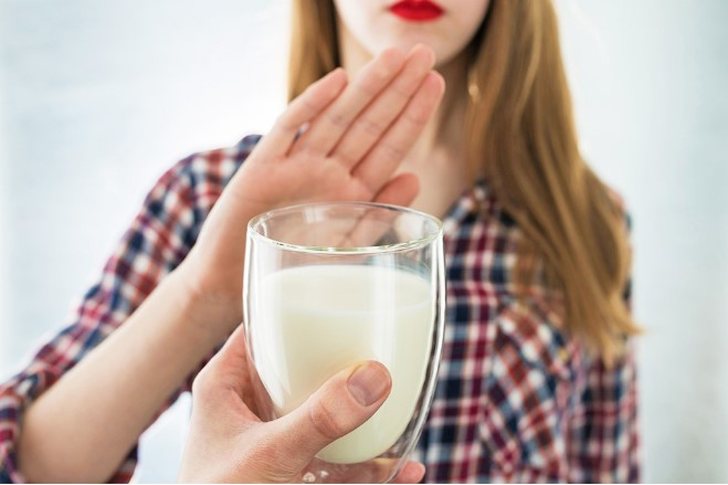
The best absorption of antibiotics sometimes depends on th...

Some people can't stand the cold, and don't feel well when...
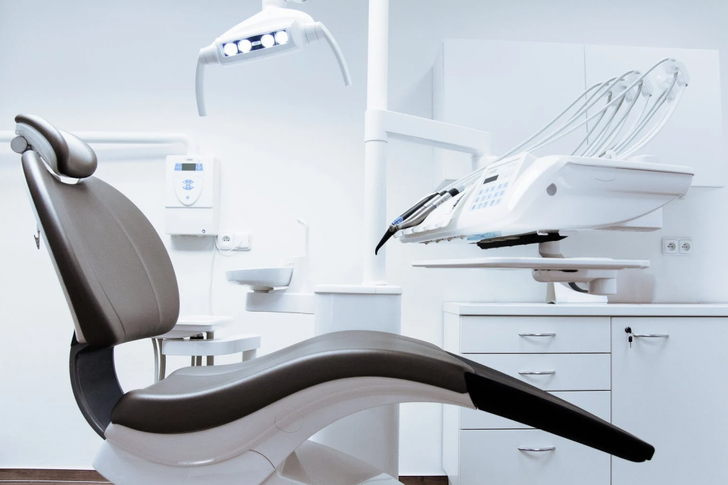
Digital dentistry has revolutionized the way patients are ...
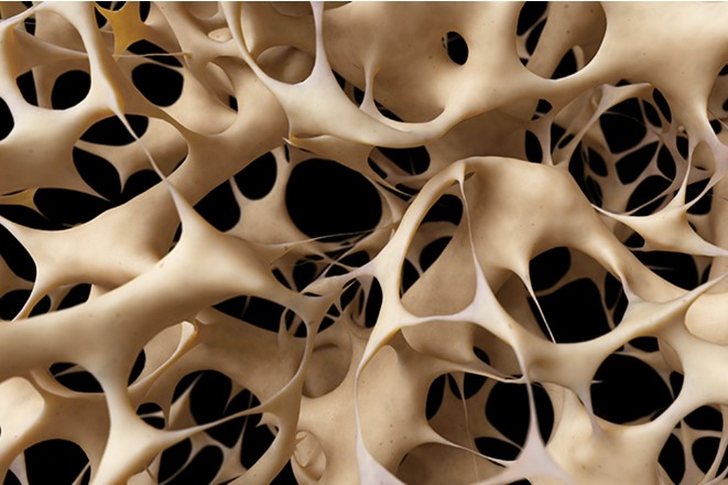
Osteoporoza të bën të mendosh për një sëmundje të rrallë. ...

Bananas are a well-known and widely consumed fruit, an...

Food is your body's best friend. It is just as important...

Irfan Hysenbelliu claims to be a big businessman, an hones...

The murder of officer Enea Mekolli in the line of duty has...

The next case broadcast on the show "Stop", this Thursday,...

The case published this Thursday, June 4, on the show "Sto...

The Special Board of Appeal (KPA) decided this Monday ...

The KPA vetting decided this Thursday to dismiss the p...

Suela Salavaçi, a prosecutor in the Prosecutor's Offic...

The Special Board of Appeal reinstated the prosecutor ...

A 38-year-old man was arrested today near the Kamza turnof...

A money changer in Durrës lost 60 thousand euros after bei...

The 6 citizens captured in Dubai, members of criminal grou...
A serious accident occurred on the Kardhiq-Delvinë axis, i...

Today our country will be affected by stable weather condi...

For many children and teenagers, the long summer holidays ...

Albania is facing an unprecedented demographic transition,...

On Thursday, our country will be affected by unstable weat...

On the eve of the EU-Western Balkans summit, Germany and F...

Russian President Vladimir Putin said the war in Ukraine c...
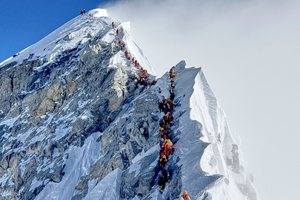
An extraordinary story of survival has been recorded in Ne...

The Peace Implementation Council in Bosnia and Herzegovina...

Korça is ready to open the summer season with one of the c...

Two years after his passing, the renowned Korçë poet Skënd...

The Ethnographic Museum of Berat has opened its doors to v...
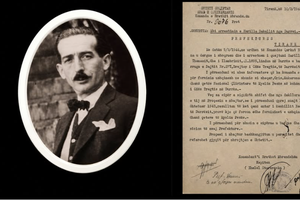
The story of Harilla Bakalli is one of the most chilling t...

Despite years of efforts at regional cooperation and free ...

Albania is the country with the highest level of severe ma...

This Friday, one US dollar is bought for 81.3 lek and sold...

The government aims to transform the country's industrial ...