

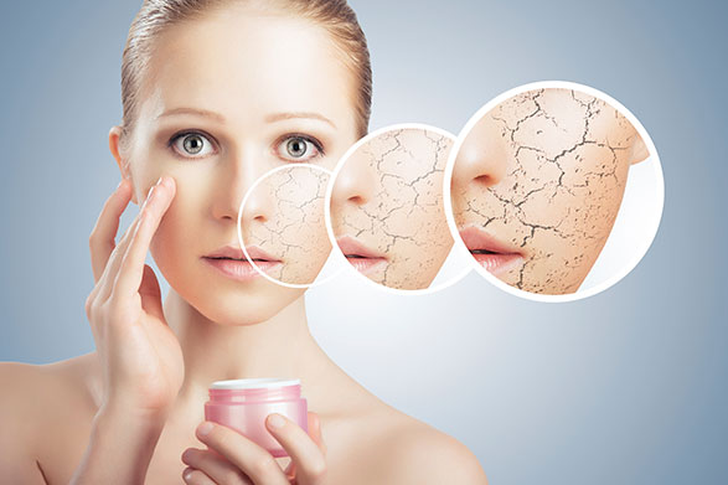
Skin health, what you need to know?
The skin is the largest organ of the human body and ha...


Postmenopause is a term to describe the time after menopause.
When you are postmenopausal, your menstrual cycle has stopped for more than 12 consecutive months.
At this stage of life, the reproductive years are over and you are no longer ovulating (releasing eggs).
The menopausal symptoms you have experienced may become milder or disappear completely.
However, some people continue to experience menopausal symptoms for a decade or longer after menopause.
AgroWeb.org lets you know more about what happens during this period.
Perimenopause is the time before menopause. During it, menstrual cycles start to become irregular. You may experience some of the side effects of menopause such as hot flashes etc.
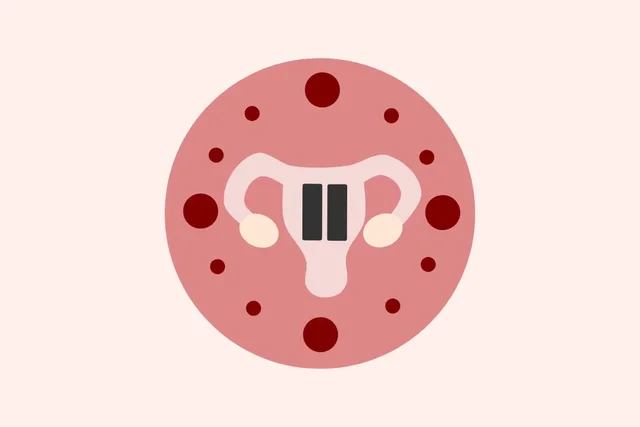
Menopause occurs when your menstrual cycle stops for about 12 consecutive months. After that you enter postmenopause.
Postmenopause is the time after menopause, which lasts for the rest of your life. Postmenopausal people are at an increased risk for certain health conditions such as osteoporosis and heart disease. Therefore, they should be more careful about their health.
Once you enter postmenopause, your hormone levels will remain low and you will no longer have monthly periods. You can't get pregnant because your ovaries have stopped releasing eggs.
Your ovaries produce very little estrogen and progesterone by the time you are postmenopausal. Some people still experience side effects from low hormone levels.
There is no age at which you are automatically postmenopausal. Once you miss your period for more than a year, you are already postmenopausal regardless of age. On average, people go through menopause around the age of 51.
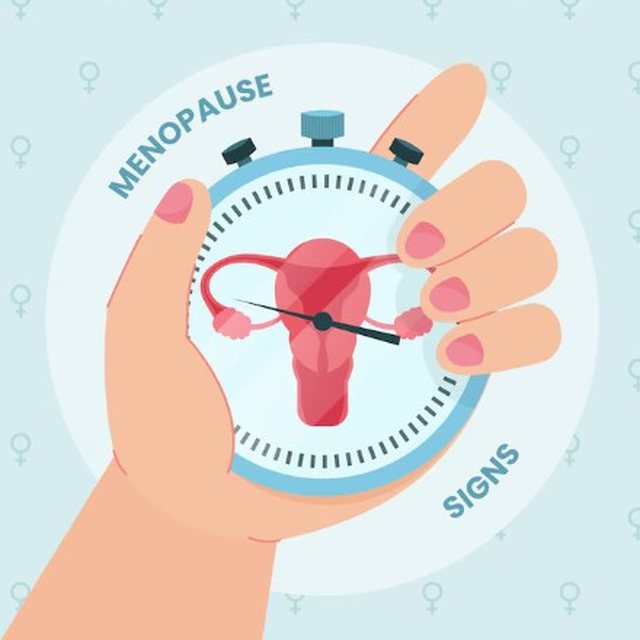
Symptoms are less intense than in menopause. In some cases, they almost disappear. Persistent symptoms are caused by low levels of reproductive hormones.
Some symptoms may be:
- Hot flushes and night sweats
- Depression
- Insomnia
- Dry skin
- Changes in weight
-Hair loss
-Problems with urination
If your symptoms become more intense or interfere with your daily life, talk to your doctor.
Postmenopausal bleeding is not a normal side effect of declining hormone levels. In some cases, it is not a major problem, but in other cases it may indicate an infection or more serious health condition. It is therefore advisable to have a gynecological visit.
Some people continue to experience hot flashes after menopause, caused by declining estrogen levels, and this is not uncommon. But if they're bothersome or intensify, talk to your doctor to rule out other causes.

The skin is the largest organ of the human body and ha...

Back pain is a very common problem. The risk of back pain ...
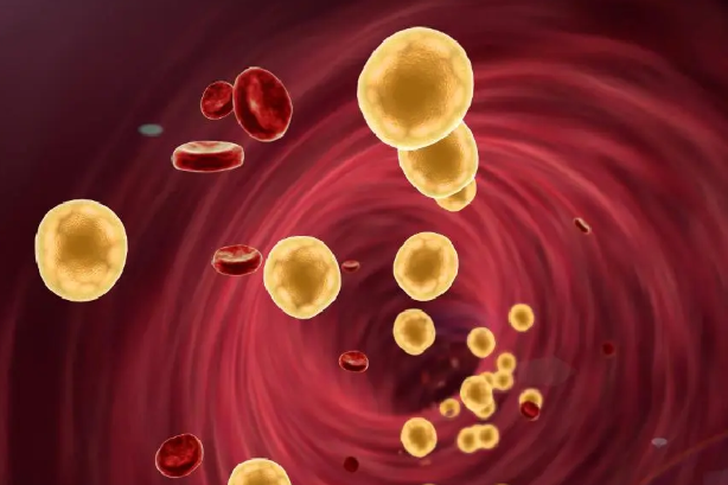
The word "Xanthelasma palpebramund" refers to the choleste...
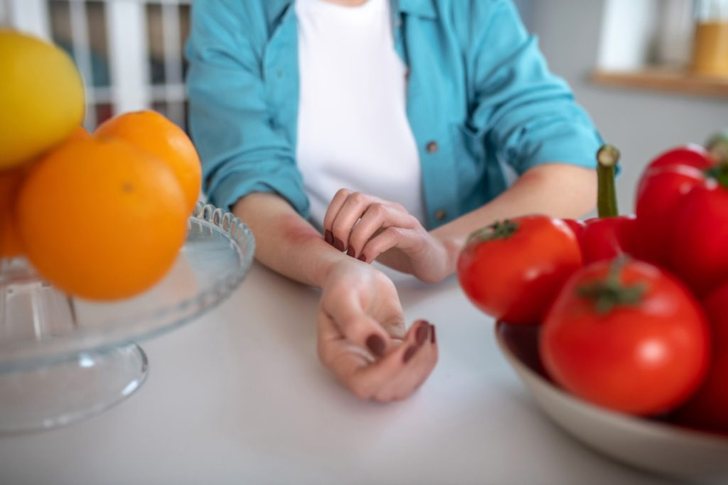
Allergies are very common and can affect a large number of...

Lemon has long been used for the treatment of type 2 diabe...
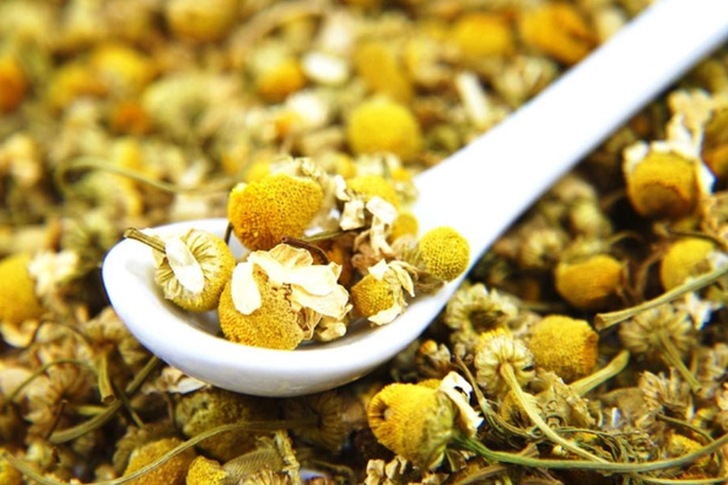
Abdominal pains are among the most frequent health complic...
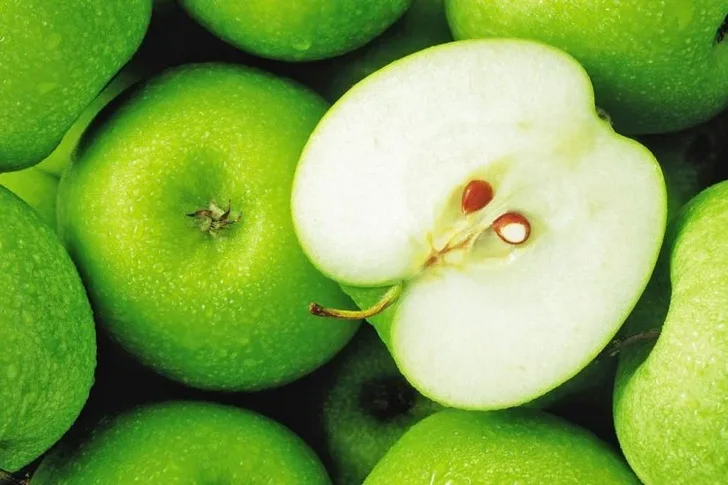
The green apple is one of the most popular and consumed ty...
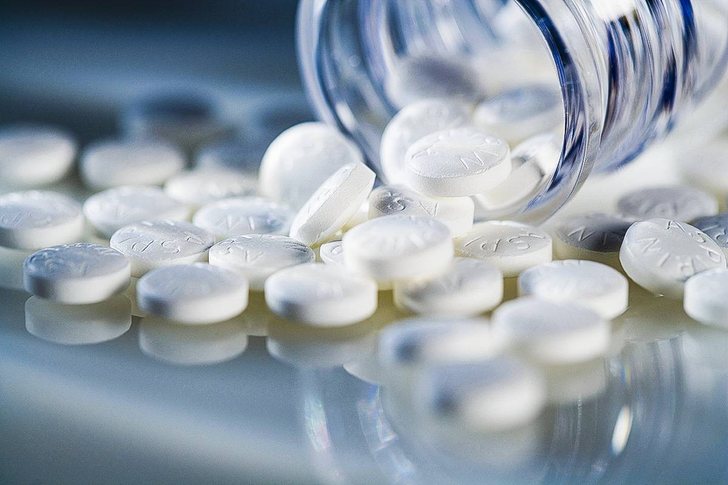
Aspirin, also known as acetylsalicylic acid, is a medicati...
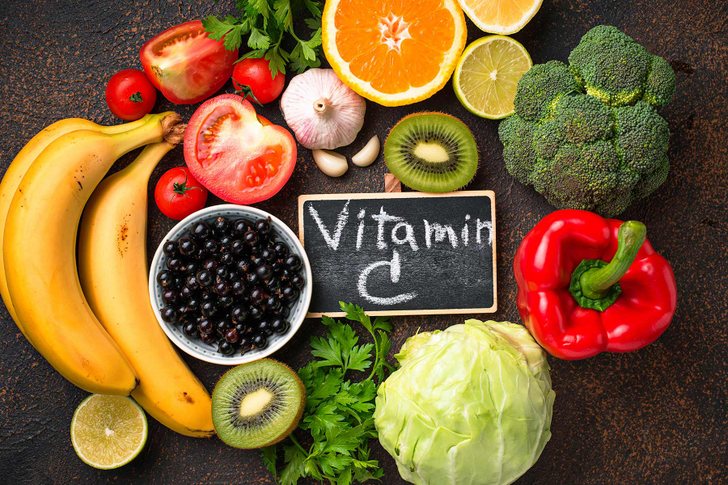
Vitamin C shortens the duration of the disease, strengthen...
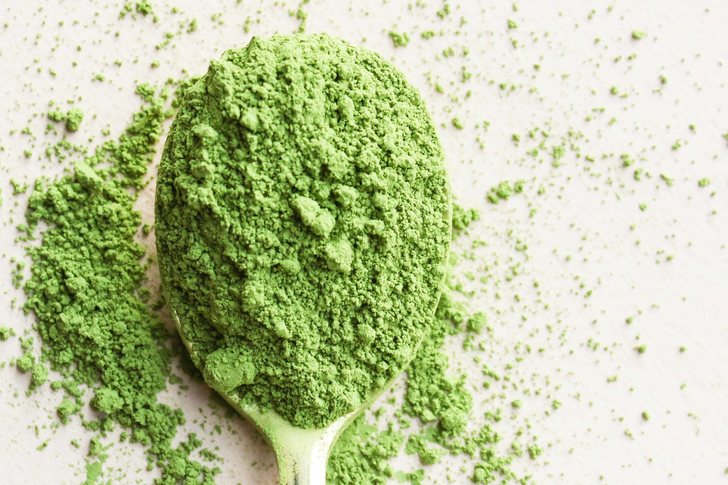
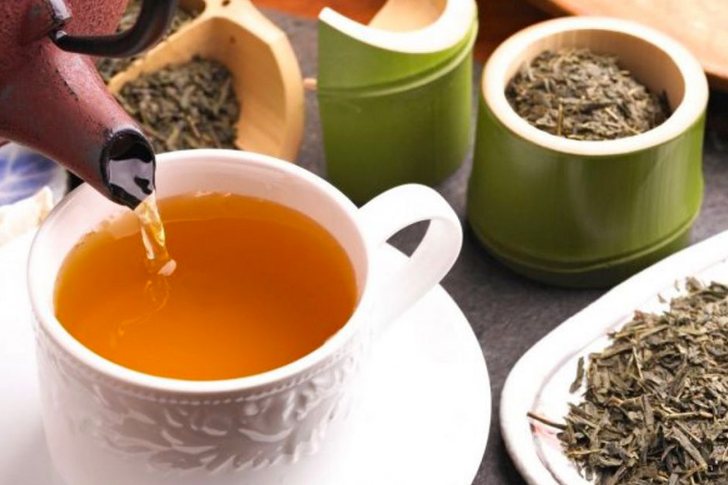
Green tea is one of the most popular beverages consumed ar...
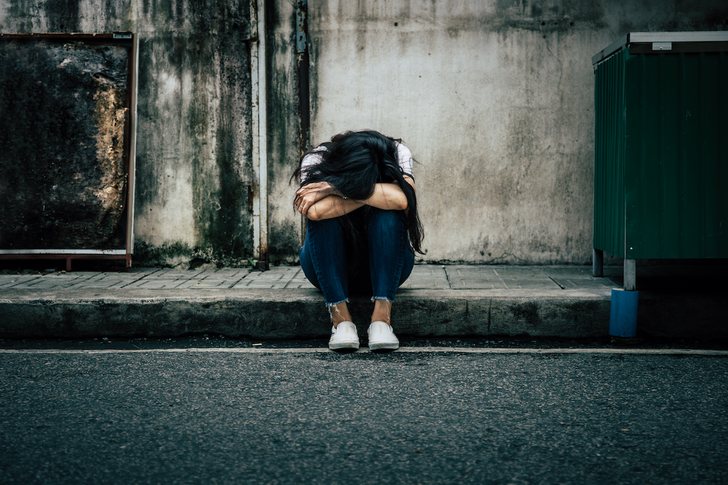
Depression has been described as a "wound" of the 21st...
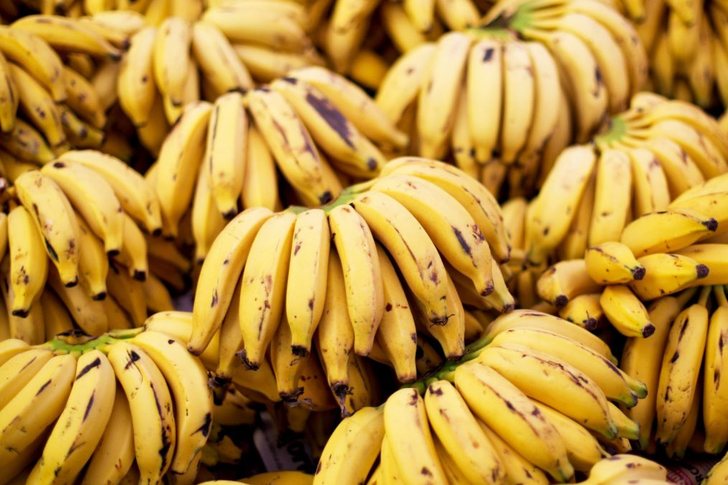
Health experts may not agree on the pros and cons of dieta...
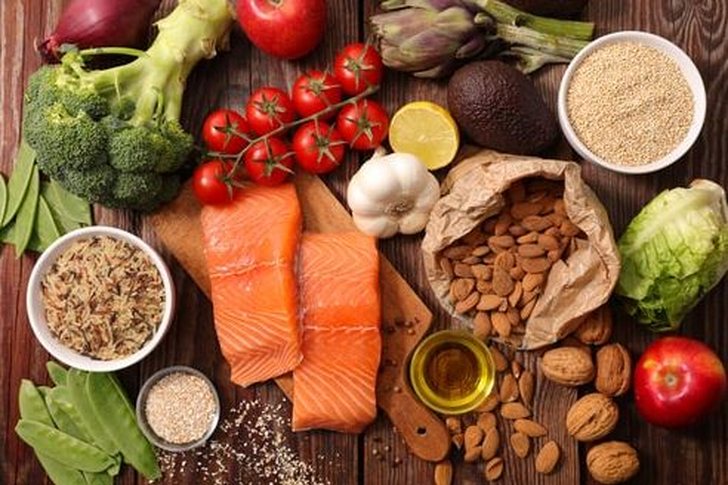
As the control center of the body, the brain is respon...

Carbohydrates are an important food group in our daily...
Hormonal problems are one of those conditions that the bod...
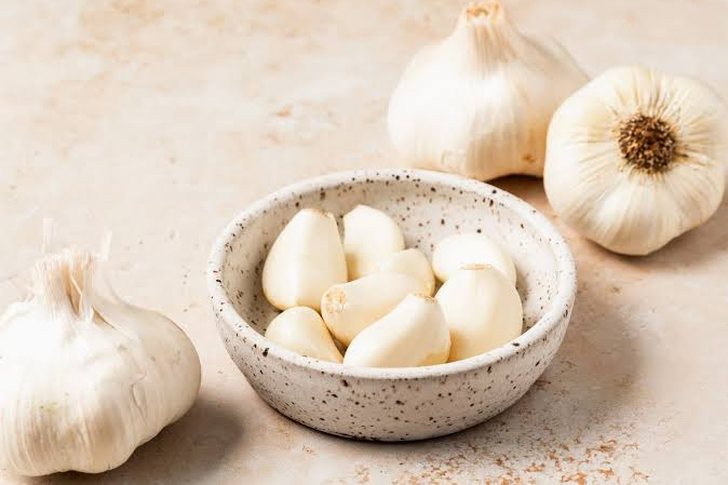
Garlic is a natural source of many nutrients necessary...
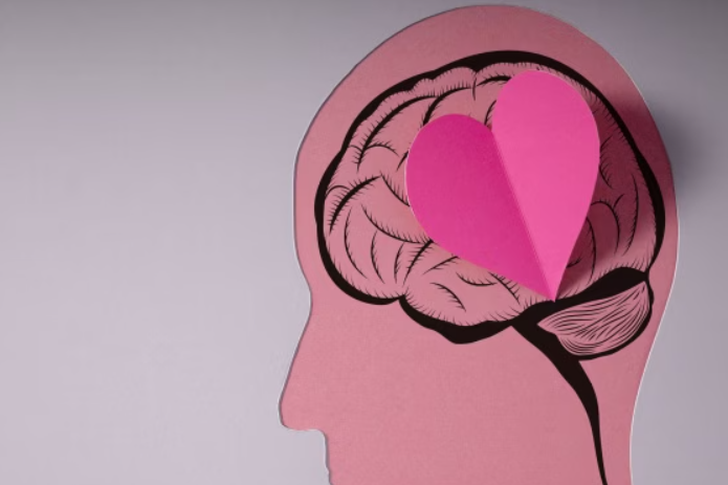
What's good for your heart is good for your brain, says th...
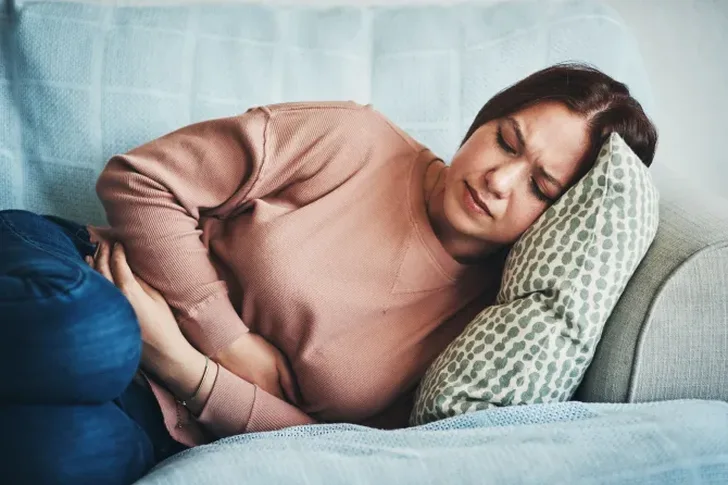
The intestines are an important part of the digestive syst...
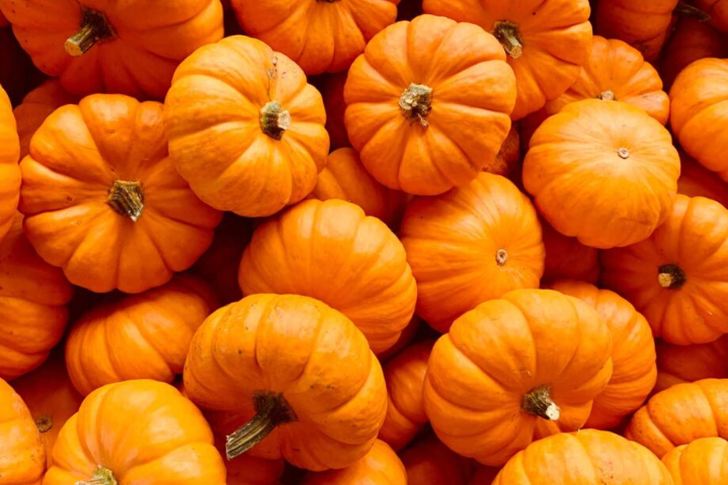
Pumpkin is a vegetable with super nutritional properties, ...
Obesity is a serious problem that threatens the health of ...

Irfan Hysenbelliu claims to be a big businessman, an hones...

The murder of officer Enea Mekolli in the line of duty has...

The next case broadcast on the show "Stop", this Thursday,...
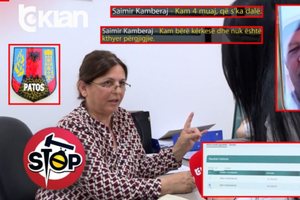
The case published this Thursday, June 4, on the show "Sto...

The Special Board of Appeal (KPA) decided this Monday ...

The KPA vetting decided this Thursday to dismiss the p...

Suela Salavaçi, a prosecutor in the Prosecutor's Offic...

The Special Board of Appeal reinstated the prosecutor ...

A 38-year-old man was arrested today near the Kamza turnof...

A money changer in Durrës lost 60 thousand euros after bei...

The 6 citizens captured in Dubai, members of criminal grou...
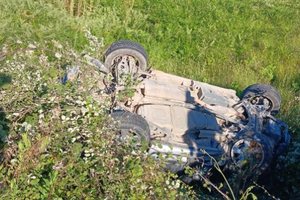
A serious accident occurred on the Kardhiq-Delvinë axis, i...

Today our country will be affected by stable weather condi...

For many children and teenagers, the long summer holidays ...

Albania is facing an unprecedented demographic transition,...

On Thursday, our country will be affected by unstable weat...

On the eve of the EU-Western Balkans summit, Germany and F...

Russian President Vladimir Putin said the war in Ukraine c...
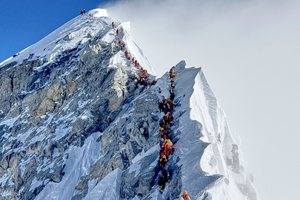
An extraordinary story of survival has been recorded in Ne...

The Peace Implementation Council in Bosnia and Herzegovina...

Korça is ready to open the summer season with one of the c...

Two years after his passing, the renowned Korçë poet Skënd...

The Ethnographic Museum of Berat has opened its doors to v...
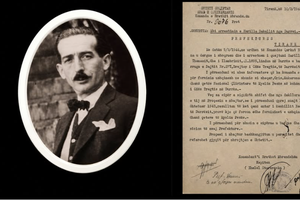
The story of Harilla Bakalli is one of the most chilling t...

Despite years of efforts at regional cooperation and free ...
Albania is the country with the highest level of severe ma...

This Friday, one US dollar is bought for 81.3 lek and sold...

The government aims to transform the country's industrial ...