


Gut health/ How to take care of them
The intestines are an important part of the digestive syst...


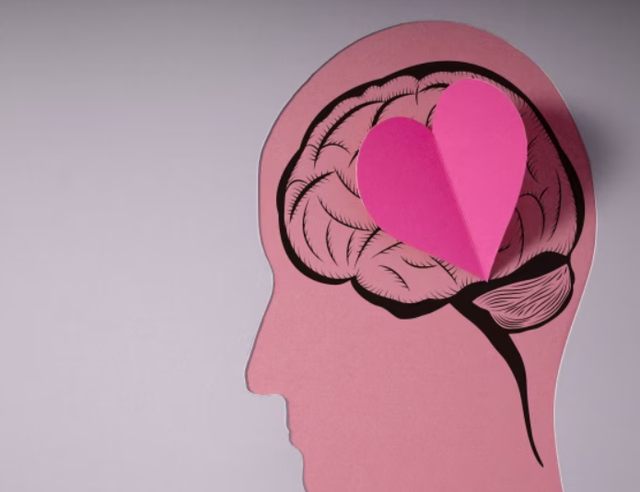
What's good for your heart is good for your brain, says the American Heart Association (AHA). The same risk factors that contribute to making heart disease the leading cause of death worldwide also contribute to the growing global prevalence of brain diseases, including stroke, Alzheimer's disease and dementia.
In a new scientific statement published in the journal Stroke, the AHA revealed three heart conditions that can affect brain health, including cognitive impairment, says EatingWell. Dr. Fernando D. Testai, chair of the AHA statement writing group and professor of neurology and rehabilitation, and director of the vascular neurology fellowship, at the University of Illinois College of Medicine, says that “managing heart health from an early age is important to prevent cardiovascular disease and cardiac events, protect brain health and reduce the risk of cognitive decline in later life.”
Here are three heart conditions identified by the AHA that affect your brain:
• Atrial fibrillation. Also known as A-fib, this is the most common heart rhythm disorder affecting 2.7 million American adults in 2020. These numbers are expected to increase to 16 million by 2050. A-fib increases the risk of stroke in brain, which can damage the brain. The researchers found that A-fib also increased the risk of cognitive impairment by 39%. The reason is that people with A-fib can't pump as much blood to the areas of the brain that are responsible for cognitive function. A-fib is also linked to inflammation, which can increase the risk of blood clots and brain damage.
• Heart failure. There are many causes of heart failure, which occurs when the heart muscle weakens and does not pump blood efficiently. These include A-fib, atrial flutter, heart attack, obstructive sleep apnea, high blood pressure and smoking. Heart failure results in less blood being pumped to the body and brain with each heartbeat. Therefore, less oxygen and nutrients are being supplied to the brain, leading to decline over time. The new study found that nearly 50% of people with heart failure had some type of cognitive impairment that affected executive function. Executive function refers to the skills you use to manage everyday tasks such as making plans, solving problems, and adapting to new situations. The three main skills are working memory, cognitive flexibility, and inhibitory control.
• Coronary heart diseases. Coronary heart disease, or CHD, refers to the buildup of plaque in the arteries around the heart that can cause a stroke or heart attack. The researchers found that people with CHD had a 27% higher risk of developing dementia compared to those without CHD. The reason is similar to the other two heart diseases. People with CHD are more prone to brain damage due to reduced blood flow to the organ.
Testai said recent evidence links genetic predisposition to cardiovascular health and brain structure. If you have inherited risk factors for heart disease or dementia, you may be at risk for the other. Since there is no current cure for Alzheimer's disease, prevention is the best way. Get started with the AHA's Life's Essential 8 prevention program to improve heart and brain health./ CNA

The intestines are an important part of the digestive syst...

Pumpkin is a vegetable with super nutritional properties, ...

Obesity is a serious problem that threatens the health of ...

Don't leave breakfast uneaten is the eternal advice of...

A new study finds that constant loneliness affects the agi...

13% of global cancer cases are attributed to a bacterial o...

Yoga mund të ndihmojë në balancimin e niveleve të horm...

Inflammation is responsible for most diseases that threate...
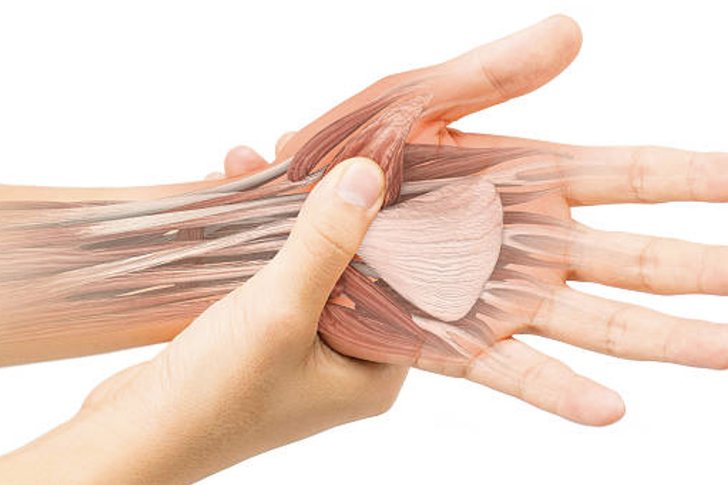
Joint pain strongly affects the quality of life, because m...

Sleep and quality sleep are two very different things....

At first glance, you may think that excess fat around the ...
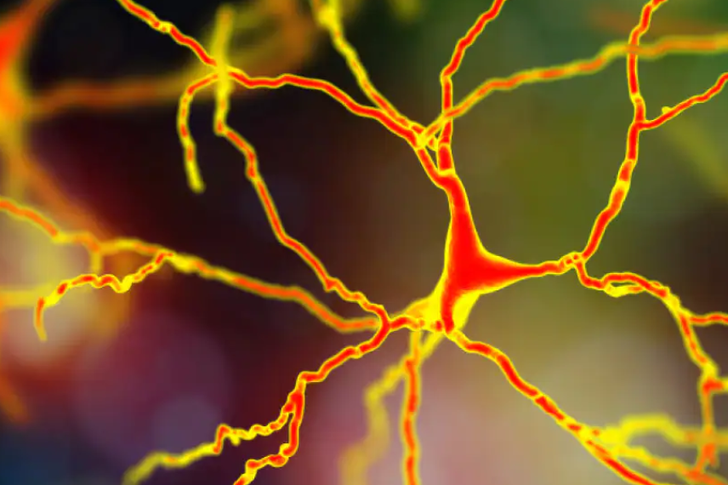
The first drug in decades to treat schizophrenia from a di...
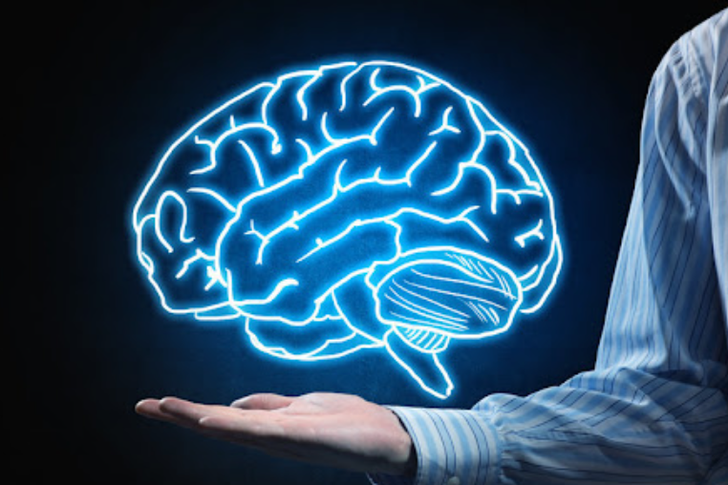
The human brain is a complex and critical organ that funct...

Cinnamon (Cinnamomum verum or Cinnamomum cassia) is a well...

Sexually Transmitted Diseases (STIs) are diseases that...

The optimal amount of water we should drink per day varies...

When you think of foods to eat on an empty stomach, garlic...

Chicken eggs are a rich source of nutrients and have many ...

The moment of a sudden nosebleed can cause fear, worry...

Resistance of many pathogens to antibiotics could cause mo...

Irfan Hysenbelliu claims to be a big businessman, an hones...

The murder of officer Enea Mekolli in the line of duty has...

The next case broadcast on the show "Stop", this Thursday,...

The case published this Thursday, June 4, on the show "Sto...

The Special Board of Appeal (KPA) decided this Monday ...

The KPA vetting decided this Thursday to dismiss the p...

Suela Salavaçi, a prosecutor in the Prosecutor's Offic...

The Special Board of Appeal reinstated the prosecutor ...

A 38-year-old man was arrested today near the Kamza turnof...

A money changer in Durrës lost 60 thousand euros after bei...

The 6 citizens captured in Dubai, members of criminal grou...
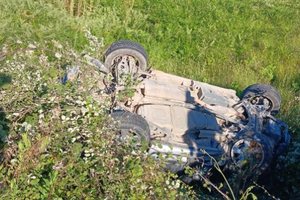
A serious accident occurred on the Kardhiq-Delvinë axis, i...

Today our country will be affected by stable weather condi...

For many children and teenagers, the long summer holidays ...

Albania is facing an unprecedented demographic transition,...

On Thursday, our country will be affected by unstable weat...

On the eve of the EU-Western Balkans summit, Germany and F...

Russian President Vladimir Putin said the war in Ukraine c...

An extraordinary story of survival has been recorded in Ne...

The Peace Implementation Council in Bosnia and Herzegovina...

Korça is ready to open the summer season with one of the c...

Two years after his passing, the renowned Korçë poet Skënd...

The Ethnographic Museum of Berat has opened its doors to v...

The story of Harilla Bakalli is one of the most chilling t...

Despite years of efforts at regional cooperation and free ...

Albania is the country with the highest level of severe ma...

This Friday, one US dollar is bought for 81.3 lek and sold...

The government aims to transform the country's industrial ...