

How many liters of water should you drink per day?
The optimal amount of water we should drink per day varies...


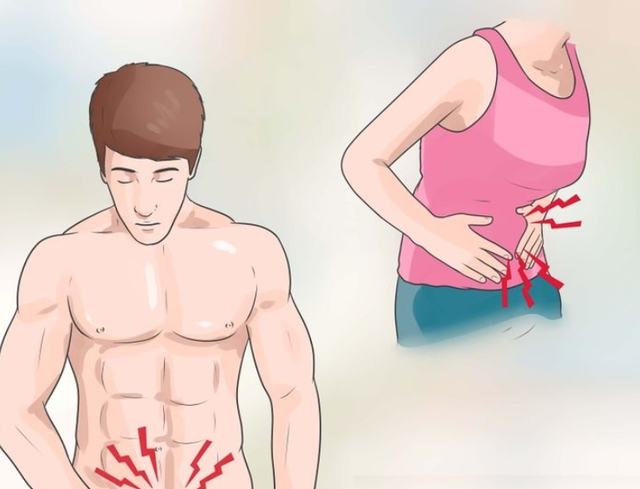
Sexually Transmitted Diseases (STIs) are diseases that are transmitted mainly through sexual contact. They include a wide range of infections that affect the reproductive system as well as the general health of individuals.
Some of these diseases can be passed from mother to child, during pregnancy, during childbirth, through blood transfusion or the use of infected syringes. Many of these infections do not cause symptoms, and are carried by apparently completely "healthy" people. Here is some important information about sexually transmitted diseases:
1. Types of Sexual Diseases
• Bacterial diseases:
-Gonorrhea: An infection caused by the bacteria Neisseria gonorrhoeae. It can cause problems with urination and is painful.
-Syphilis: Caused by the bacteria Treponema pallidum, which starts as a sore and can result in serious complications if left untreated.
-Chlamydia: A common infection caused by Chlamydia trachomatis, which often has no symptoms, but can cause damage to the reproductive system.
• Viral diseases:
-Human Immunodeficiency Virus (HIV): A virus that attacks the immune system and can lead to AIDS if left untreated.
-Herpes Simplex: A virus that causes blisters and sores in the genital areas or on the lips.
-Human Papillomavirus (HPV): One of the most common infections. Some types can cause genital warts, others are linked to cervical cancer.
• Parasitic diseases:
-Trichomoniasis: An infection caused by the parasite Trichomonas vaginalis, which affects the reproductive system and often causes symptoms of irritation.
2.Symptoms of Sexual Diseases
• Common symptoms: They may include pain during urination, great excitement in the genital area, unusual discharge, and sores or lesions on the skin.
• Asymptomatic: Some diseases, such as chlamydia and HIV, often show no symptoms in the early stages, making them difficult to diagnose and treat.
3. Diagnosis and Treatment
• Testing: Various tests are used to identify STDs, including blood tests, urine samples, and direct examinations.
•Treatment: Most bacterial diseases are treatable with antibiotics. Viral diseases such as HIV and herpes have treatments to manage symptoms and reduce transmission, but there is no complete cure.
4. Prevention
Ways of Prevention: Some measures to prevent sexually transmitted infections include:
-Use of Condoms: Condoms offer effective protection against sexually transmitted diseases and help prevent accidental pregnancies.
-Regular Testing: Sexually active participants should be tested regularly for STDs.
Education: Education about sexually transmitted diseases and how they are transmitted is essential for preventing infections.
5. Importance of Treatment and Support
•Mental and Physical Health: Sexually transmitted diseases can affect mental and physical health. Psychological help and social support are also important for those affected by these diseases./ CNA

The optimal amount of water we should drink per day varies...
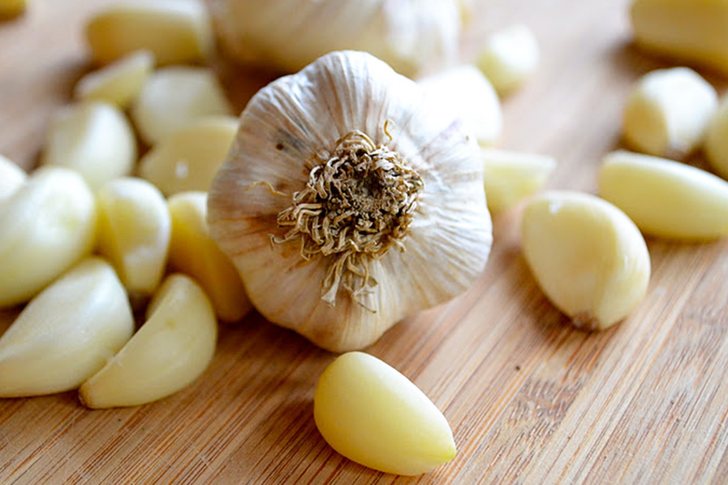
When you think of foods to eat on an empty stomach, garlic...
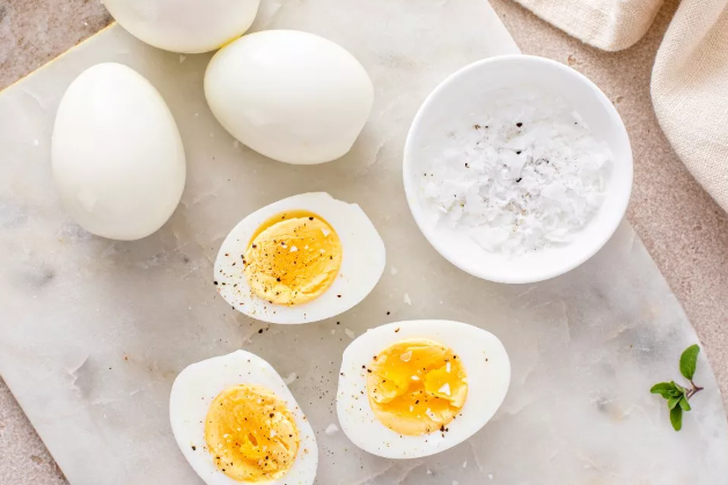
Chicken eggs are a rich source of nutrients and have many ...
The moment of a sudden nosebleed can cause fear, worry...
Resistance of many pathogens to antibiotics could cause mo...
This phrase has entered many families, somewhere as a thre...
It's that time of year when the idea of relaxing mig...
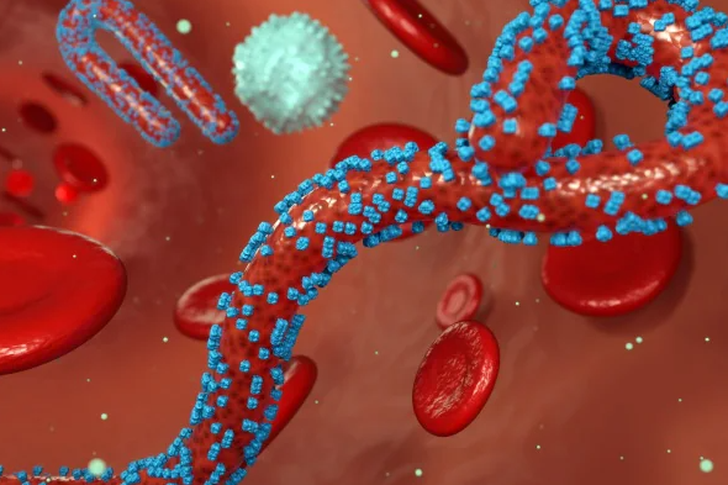
Rwanda is struggling with an outbreak of the deadly Marbur...
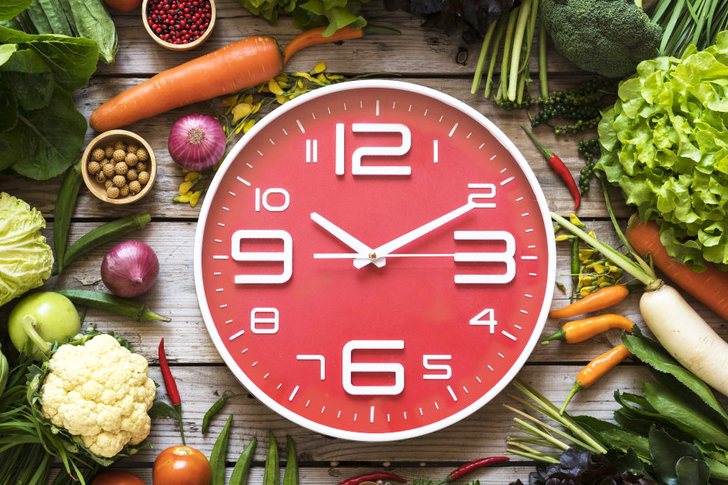
You've probably heard that eating at night is the surefire...

In recent years, among alternative foods that promote heal...
When the weather gets cold, the organism is among the firs...
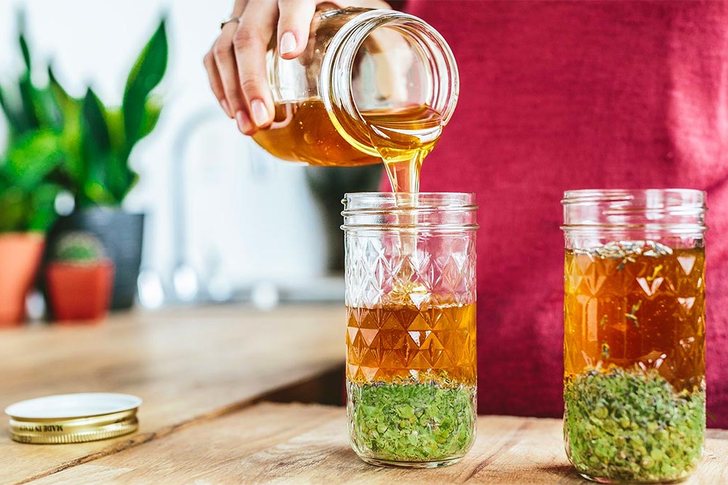
Nettle is a wild herb that has accompanied Albanian tables...
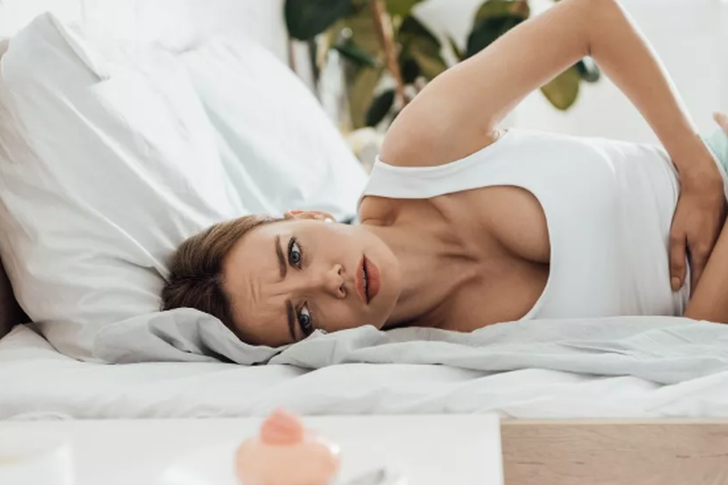
Irritable bowel syndrome is a common gastrointestinal cond...

Hyperactivity is a disorder that is manifested by increase...
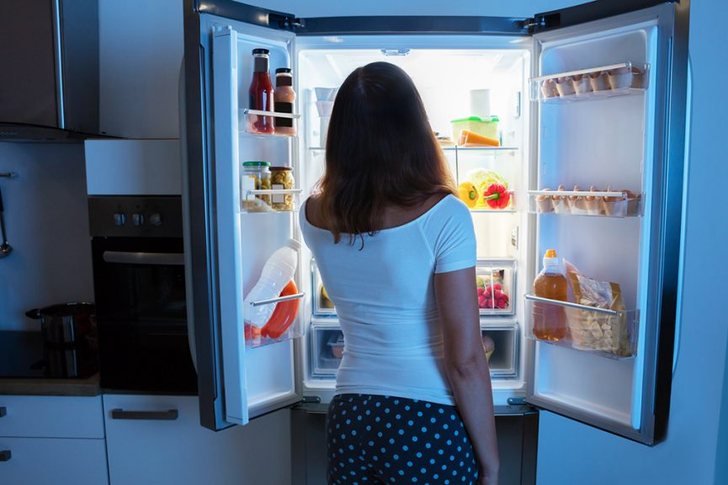
Why do you eat during the night hours? Have you ever wonde...
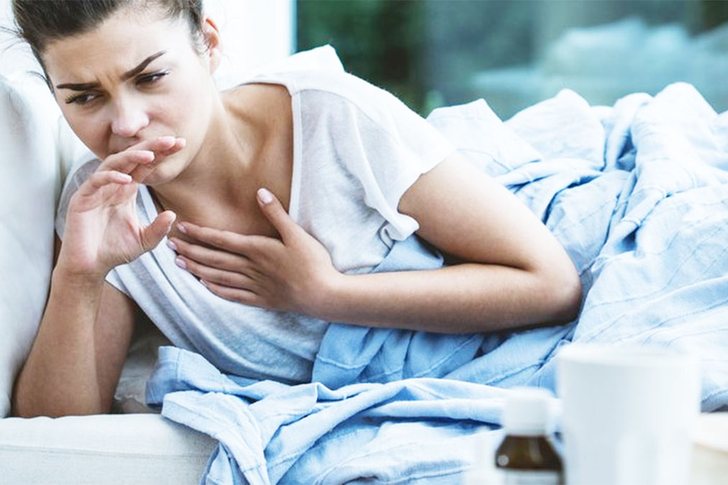
The lungs play a key role in regulating the functions of o...
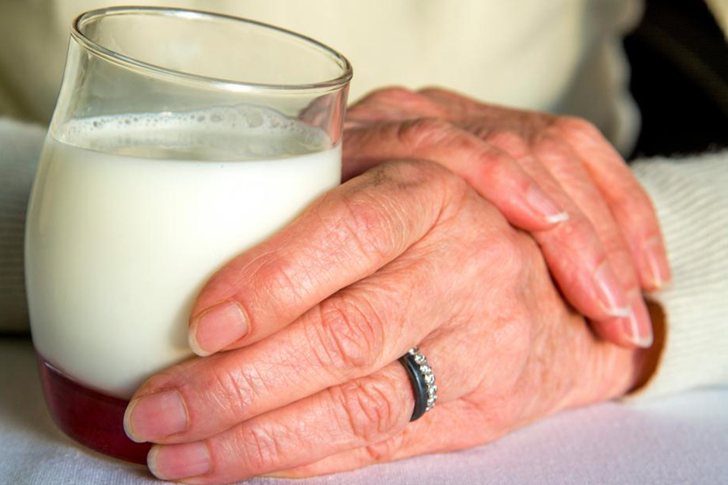
Dairy products can cause gastro-oesophageal reflux problem...
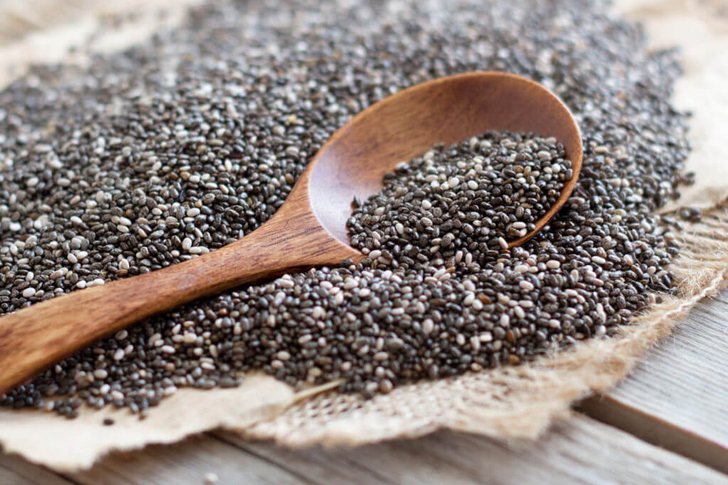
Chia seeds are small black seeds from the Salvia Hispanica...
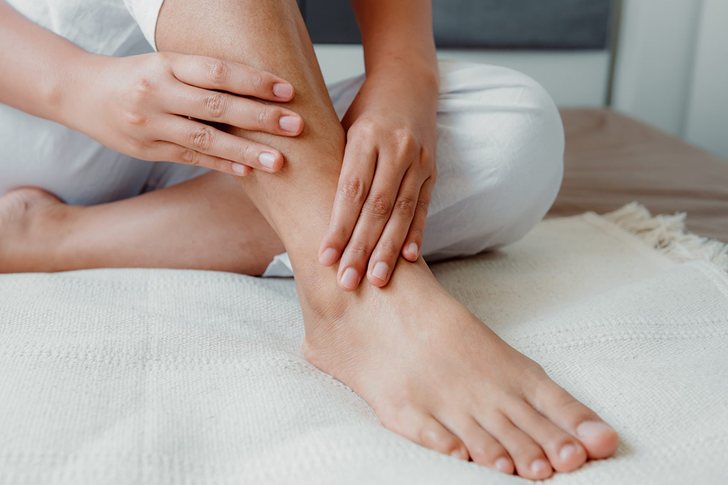
It seems that many people have started carrying a water bo...
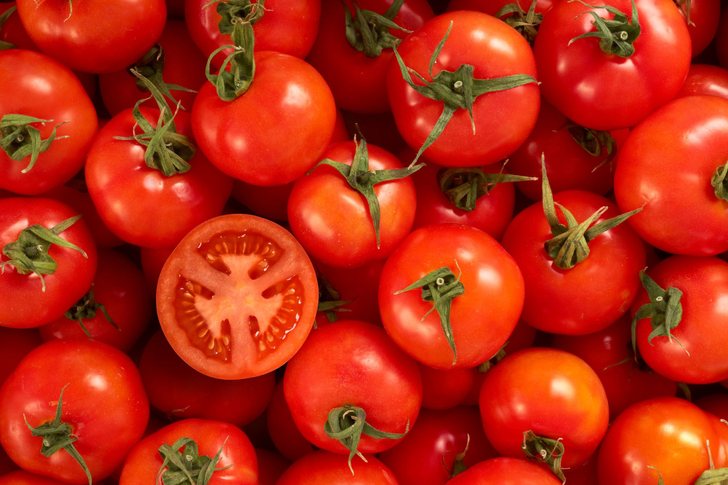
Eating is a process that is as necessary as it is satisfyi...

Irfan Hysenbelliu claims to be a big businessman, an hones...

The murder of officer Enea Mekolli in the line of duty has...

The next case broadcast on the show "Stop", this Thursday,...

The case published this Thursday, June 4, on the show "Sto...

The Special Board of Appeal (KPA) decided this Monday ...

The KPA vetting decided this Thursday to dismiss the p...

Suela Salavaçi, a prosecutor in the Prosecutor's Offic...

The Special Board of Appeal reinstated the prosecutor ...

A 38-year-old man was arrested today near the Kamza turnof...

A money changer in Durrës lost 60 thousand euros after bei...
The 6 citizens captured in Dubai, members of criminal grou...
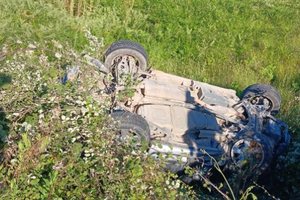
A serious accident occurred on the Kardhiq-Delvinë axis, i...
Today our country will be affected by stable weather condi...

For many children and teenagers, the long summer holidays ...
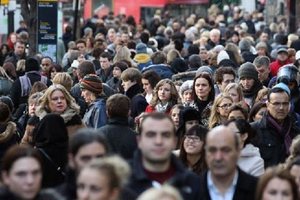
Albania is facing an unprecedented demographic transition,...

On Thursday, our country will be affected by unstable weat...

Leaders of the European Union and Western Balkan countries...

On the eve of the EU-Western Balkans summit, Germany and F...

Russian President Vladimir Putin said the war in Ukraine c...
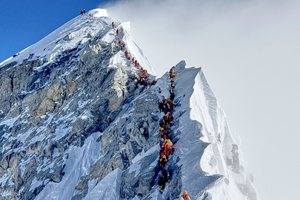
An extraordinary story of survival has been recorded in Ne...

Korça is ready to open the summer season with one of the c...

Two years after his passing, the renowned Korçë poet Skënd...

The Ethnographic Museum of Berat has opened its doors to v...

The story of Harilla Bakalli is one of the most chilling t...
Despite years of efforts at regional cooperation and free ...

Albania is the country with the highest level of severe ma...

This Friday, one US dollar is bought for 81.3 lek and sold...

The government aims to transform the country's industrial ...