


How to avoid stomach aches in autumn / Three natural remedies
When the weather gets cold, the organism is among the firs...



In recent years, among alternative foods that promote health, kombucha has also appeared, thanks to its contribution to the intestinal microbiome and strengthening the immune system. However, a new study highlights another drink, more accessible and perhaps less messy and with a more familiar taste.
Researchers at the Federal University of Ceara in Brazil have created a fermented apple-based drink that can compete with kombucha. Specifically, scientists created two new probiotic drinks using passion fruit and apple juices, fermented with the same bacteria and yeast culture (known as SCOBYs) used to make the traditional kombucha drink, so that compare their effects. According to their findings, published in the journal ACS Agricultural Science & Technology, the apple-based drink not only matched kombucha in terms of beneficial compounds, but also scored higher in taste tests.
Same process, better taste
The study, led by Dr. Socorro Vanesca Frota Gaban and her team aimed to explore alternatives to traditional tea-based kombucha that could appeal to a wider audience while maintaining the health benefits associated with probiotics.
These microorganisms support digestive health, strengthen the immune system and potentially provide a number of other positive effects.
To create their new drink, the researchers replaced kombucha's usual green tea base with passion fruit juice or apple juice. They then added the SCOBY yeast culture and let the mixtures ferment for 10 days at room temperature, following the same brewing process as kombucha.
The resulting beverages, named PF(KLB) for the passion fruit version and A(KLB) for the apple version, were then subjected to a series of tests to analyze their chemical composition, antioxidant properties and flavor characteristics. The researchers also brewed a batch of traditional green tea kombucha for comparison.
They noted that while all three drinks contained beneficial compounds, the apple-based A(KLB) was preferred even though the content of flavonoids – compounds known for their antioxidant properties – was comparable to that of kombucha, the drink was tastier and even exceeded some measures of antioxidant activity. In fact, a group of 12 participants who tested the drinks found the apple drink the most enjoyable, with a cider-like taste and an aroma with notes of flowers and citrus.
In contrast, the passion fruit version (PF(KLB)) did not fare so well. While it had an attractive aroma, tasters found it too sour and bitter, possibly due to the higher acidity and alcohol content. As for kombucha, the volunteers appreciated its sweetness, but noted that it had a less intense flavor compared to the other two fruit drinks.
However, it is worth noting that the alcohol content of these fermented fruit-based drinks was higher than that of traditional kombucha: 1.65% alcohol for the apple drink and 6.2% for the passion fruit drink.
Despite this potential setback, researchers are optimistic about the future of apple-based fermented beverages. Its combination of health-promoting ingredients, probiotic benefits and appealing taste make it a strong candidate for further development./ CNA

When the weather gets cold, the organism is among the firs...
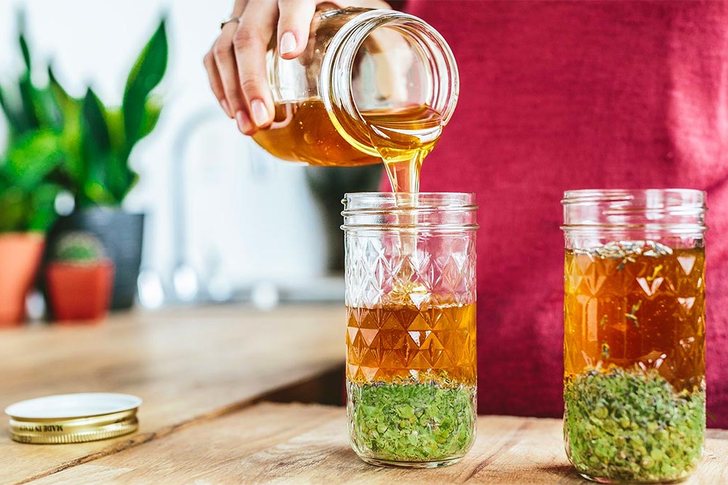
Nettle is a wild herb that has accompanied Albanian tables...

Irritable bowel syndrome is a common gastrointestinal cond...

Hyperactivity is a disorder that is manifested by increase...

Why do you eat during the night hours? Have you ever wonde...

The lungs play a key role in regulating the functions of o...
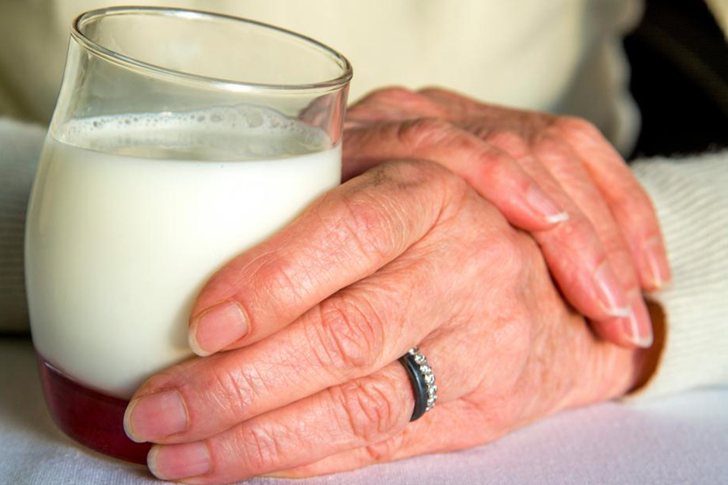
Dairy products can cause gastro-oesophageal reflux problem...
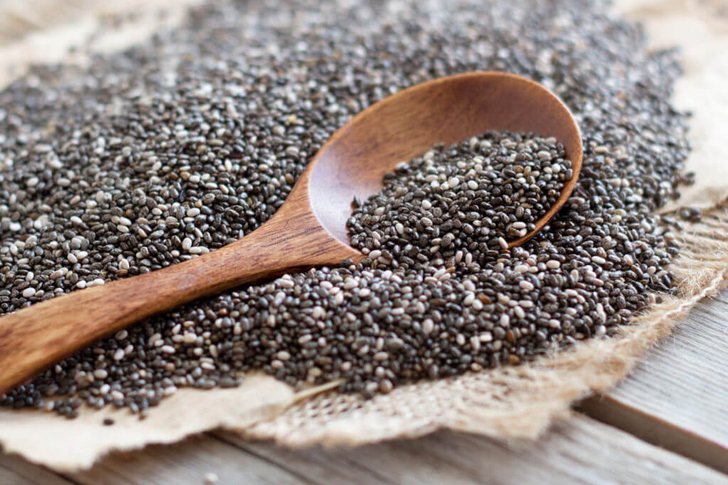
Chia seeds are small black seeds from the Salvia Hispanica...

It seems that many people have started carrying a water bo...
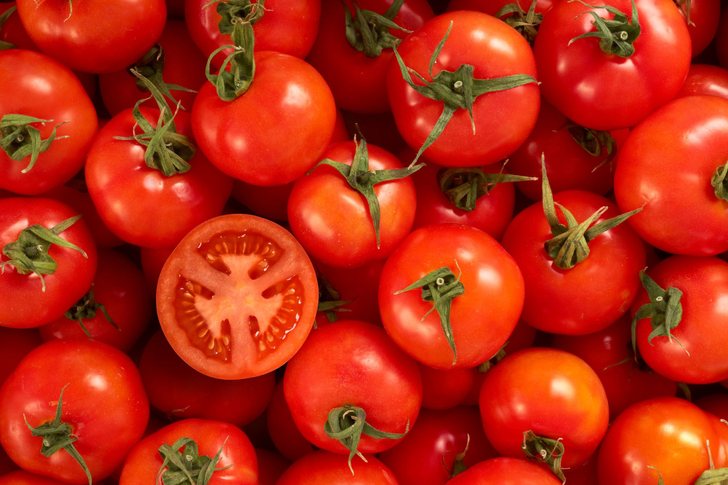
Eating is a process that is as necessary as it is satisfyi...
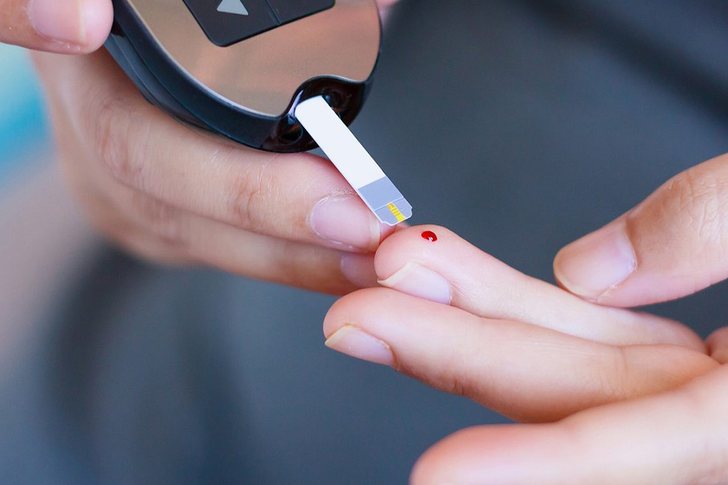
Studies suggest that sufficient quality sleep is one of th...
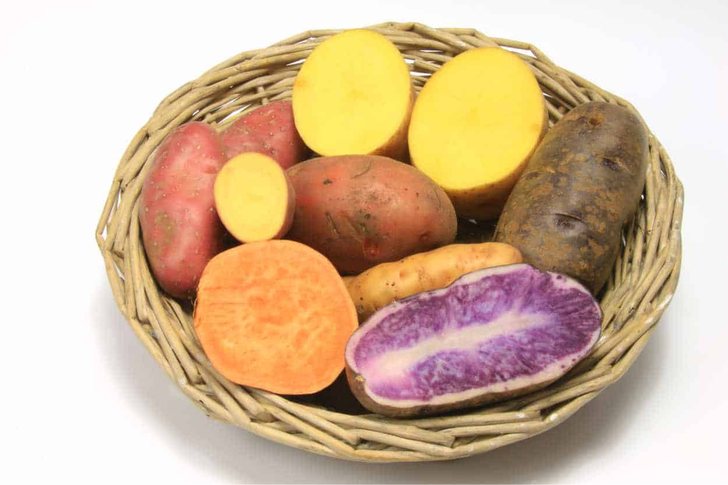
Potatoes are one of the most important agricultural crops ...
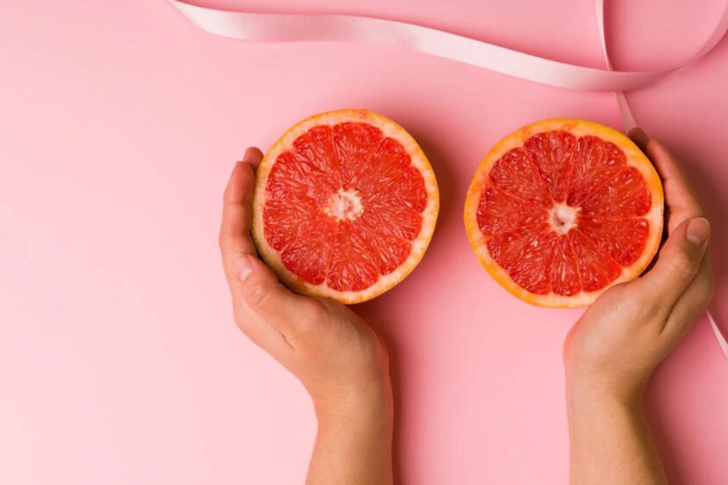
Breast cancer is the most common cancer in women, but it c...

Some common causes of sinusitis include: 1. Viral in...

Sustained smoking cessation is associated with a reduced r...
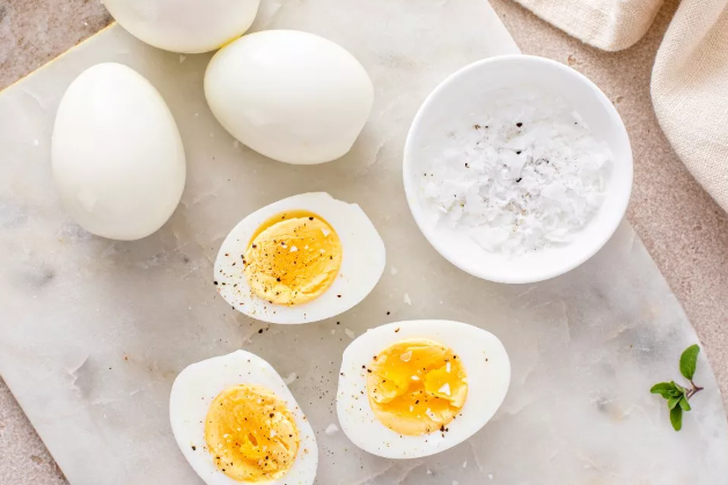
According to nutritionist Eufmeni Karafyllidis, the cookin...
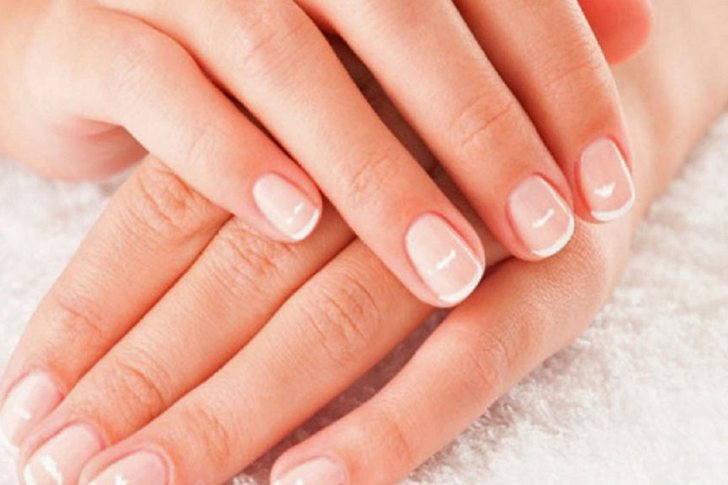
Leukonics is the medical name for the appearance of white ...
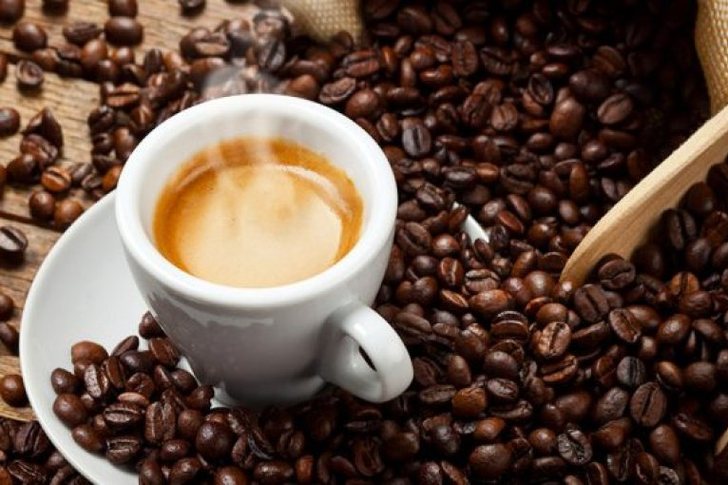
Coffee offers several health and spiritual benefits that m...
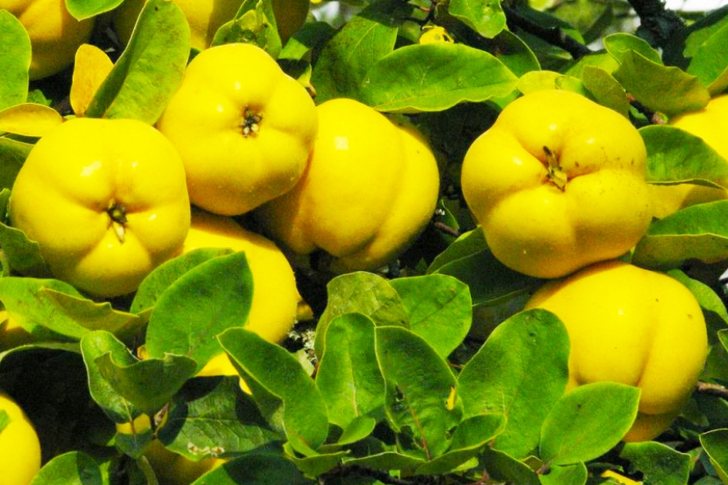
Chilli leaf tea is undoubtedly one of the best cures for d...
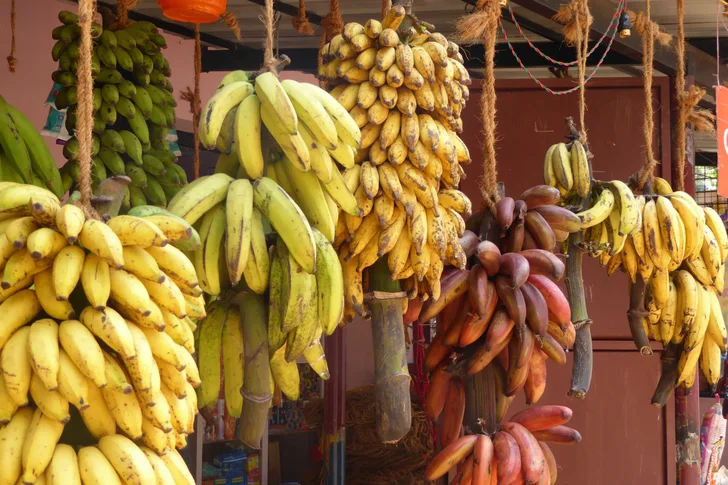
Banana is one of the most popular and consumed fruits all ...

Irfan Hysenbelliu claims to be a big businessman, an hones...

The murder of officer Enea Mekolli in the line of duty has...

The next case broadcast on the show "Stop", this Thursday,...

The case published this Thursday, June 4, on the show "Sto...

The Special Board of Appeal (KPA) decided this Monday ...

The KPA vetting decided this Thursday to dismiss the p...

Suela Salavaçi, a prosecutor in the Prosecutor's Offic...

The Special Board of Appeal reinstated the prosecutor ...

A 38-year-old man was arrested today near the Kamza turnof...

A money changer in Durrës lost 60 thousand euros after bei...

The 6 citizens captured in Dubai, members of criminal grou...

A serious accident occurred on the Kardhiq-Delvinë axis, i...

Today our country will be affected by stable weather condi...

For many children and teenagers, the long summer holidays ...

Albania is facing an unprecedented demographic transition,...

On Thursday, our country will be affected by unstable weat...

Leaders of the European Union and Western Balkan countries...

On the eve of the EU-Western Balkans summit, Germany and F...

Russian President Vladimir Putin said the war in Ukraine c...

An extraordinary story of survival has been recorded in Ne...

Korça is ready to open the summer season with one of the c...

Two years after his passing, the renowned Korçë poet Skënd...

The Ethnographic Museum of Berat has opened its doors to v...

The story of Harilla Bakalli is one of the most chilling t...

Despite years of efforts at regional cooperation and free ...

Albania is the country with the highest level of severe ma...

This Friday, one US dollar is bought for 81.3 lek and sold...

The government aims to transform the country's industrial ...