


What is hyperactivity?
Hyperactivity is a disorder that is manifested by increase...



Irritable bowel syndrome is a common gastrointestinal condition that affects thousands of people worldwide, causing unpleasant symptoms such as abdominal pain, bloating, diarrhea and constipation. One of the basic instructions that doctors give to patients today is related to diet, pointing out the "sinful" and forbidden foods that you should not consume in your daily life. More specifically, the official dietary recommendation that patients with the syndrome follow to manage their symptoms so far is a dietary plan known as the FODMAP diet. It is a strict dietary regimen, which excludes certain carbohydrates, including gluten and lactose, that restricts patients quite a bit, depriving them of their favorite foods.
However, new scientific data may provide a solution to this difficult problem, as a simpler dietary change may be just as effective, according to a new study. In particular, research findings, published in Nutrients, reveal that reducing the intake of sugars and starches is as effective in improving symptoms of irritable bowel syndrome (IBS) as the widely recommended FODMAP diet. The research also highlighted benefits such as greater weight loss and reduced sugar cravings, offering a promising alternative for managing the syndrome.
The research was prompted by a genetic discovery that showed many patients have a variant that affects their ability to break down sugars and starches in the gut. Led by Dr. Bodil Ohlsson's research team first examined the effects of a reduced starch and sucrose diet (SSRD) in a smaller study involving 105 patients with irritable bowel syndrome. During the 4 weeks, the participants were asked to significantly reduce their intake of sugars and starches, avoiding, among other things, processed foods and sugary foods. The results showed a significant reduction in symptoms of the syndrome, raising hopes for the effectiveness of this nutritional approach.
Based on this evidence, the new study sought to directly compare the SSRD with the FODMAP diet. In 2022, 155 randomly selected patients with irritable bowel syndrome were asked to follow either the SSRD or the FODMAP diet for 4 weeks. Unlike the strict FODMAP guidelines, which require strict adherence to a list of allowed foods, the SSRD allowed more flexibility: patients could eat a variety of foods, just in smaller amounts, while always maintaining a reduced intake of sugars and starch. Despite the different approaches, both diets produced similar results. Symptoms of the syndrome improved in 75-80% of participants.
While both diets were effective in reducing symptoms of the syndrome, SSRD provided some additional benefits. Participants who followed this diet experienced greater weight loss over 4 weeks and reported a significant reduction in sugar cravings. According to dr. Ohlsson, this is particularly encouraging, as patients with irritable bowel syndrome tend to weigh more on average than healthy people.
Unlike the FODMAP diet, the SSRD is also much easier to follow.
A simpler solution for patients
For sufferers, managing symptoms through diet can be difficult, especially with restrictive plans such as the FODMAP diet. New findings offer a simpler and more viable option. By limiting sugars and starches, they can experience the same symptom relief while enjoying additional benefits like weight loss and reduced cravings – all without the complexity of a restrictive diet. “SSRD is easy to follow. You can eat everything, only some of them in smaller quantities", emphasized the expert./ CNA

Hyperactivity is a disorder that is manifested by increase...

Why do you eat during the night hours? Have you ever wonde...

The lungs play a key role in regulating the functions of o...
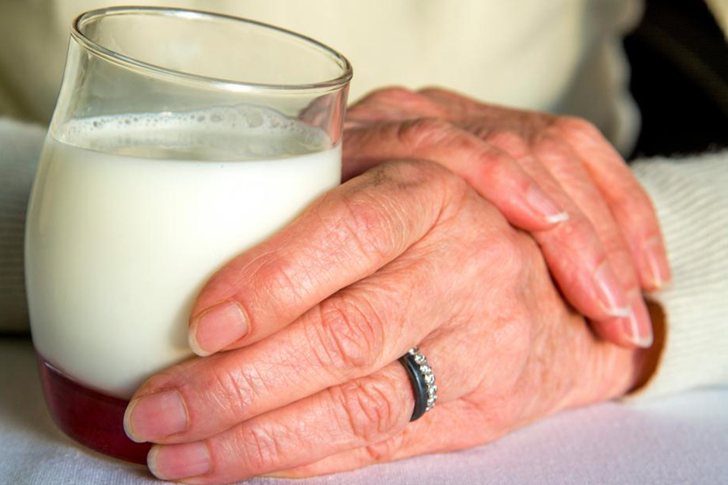
Dairy products can cause gastro-oesophageal reflux problem...
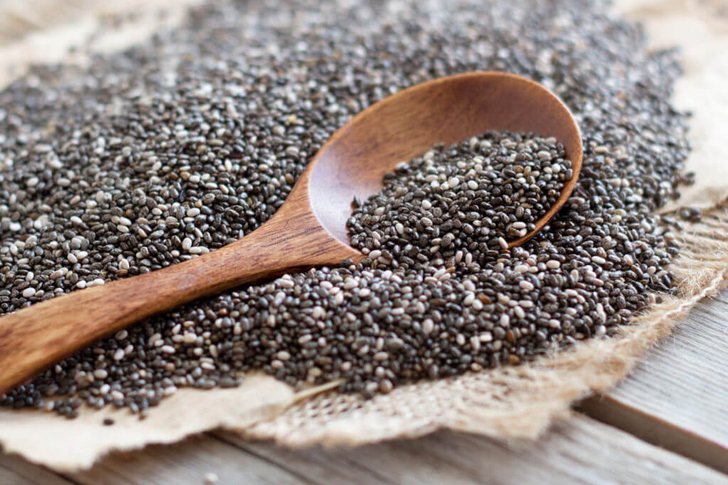
Chia seeds are small black seeds from the Salvia Hispanica...

It seems that many people have started carrying a water bo...
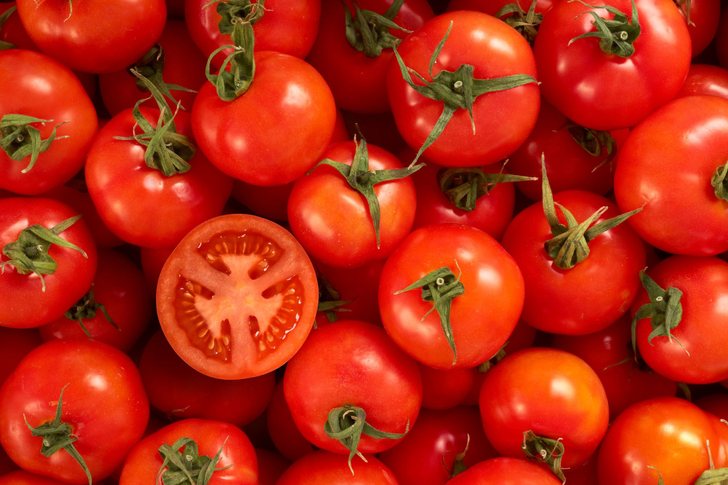
Eating is a process that is as necessary as it is satisfyi...

Studies suggest that sufficient quality sleep is one of th...
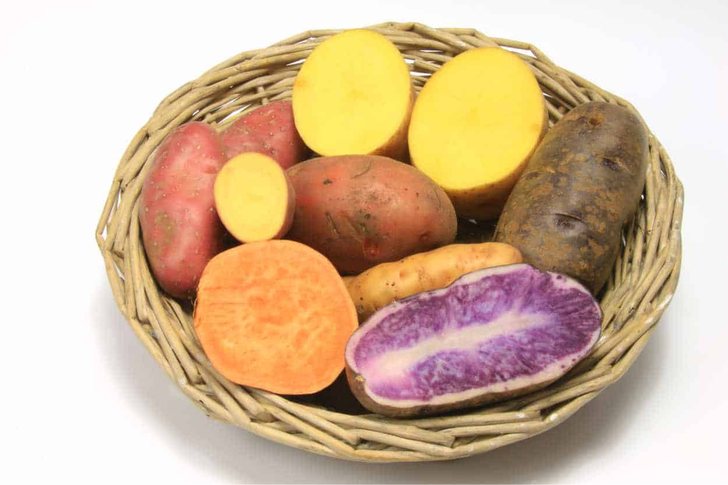
Potatoes are one of the most important agricultural crops ...

Breast cancer is the most common cancer in women, but it c...

Some common causes of sinusitis include: 1. Viral in...

Sustained smoking cessation is associated with a reduced r...

According to nutritionist Eufmeni Karafyllidis, the cookin...

Leukonics is the medical name for the appearance of white ...

Coffee offers several health and spiritual benefits that m...

Chilli leaf tea is undoubtedly one of the best cures for d...
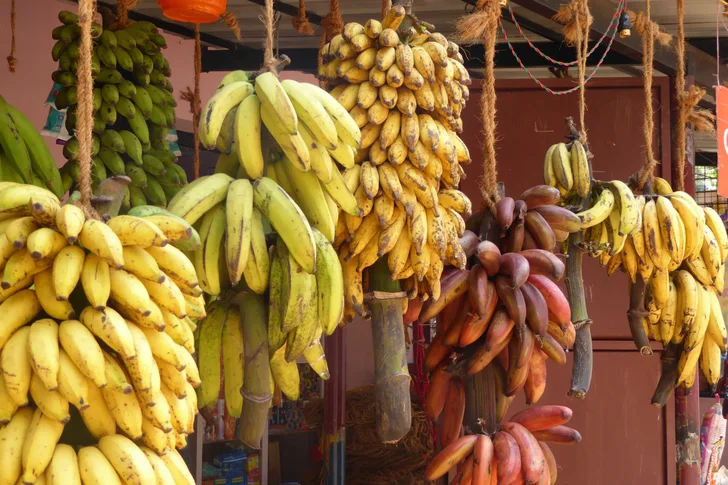
Banana is one of the most popular and consumed fruits all ...

The new variant, called the XEC, was spotted in Germany in...

All health experts agree that there is a link between ...
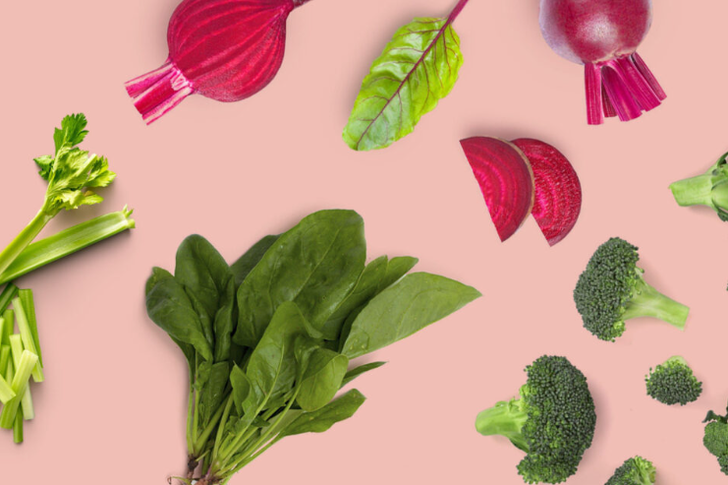
During the winter months when the temperatures drop, many ...

Irfan Hysenbelliu claims to be a big businessman, an hones...

The murder of officer Enea Mekolli in the line of duty has...

The next case broadcast on the show "Stop", this Thursday,...

The case published this Thursday, June 4, on the show "Sto...

The Special Board of Appeal (KPA) decided this Monday ...

The KPA vetting decided this Thursday to dismiss the p...

Suela Salavaçi, a prosecutor in the Prosecutor's Offic...

The Special Board of Appeal reinstated the prosecutor ...

A 38-year-old man was arrested today near the Kamza turnof...

A money changer in Durrës lost 60 thousand euros after bei...

The 6 citizens captured in Dubai, members of criminal grou...

A serious accident occurred on the Kardhiq-Delvinë axis, i...

Today our country will be affected by stable weather condi...

For many children and teenagers, the long summer holidays ...

Albania is facing an unprecedented demographic transition,...

On Thursday, our country will be affected by unstable weat...

Leaders of the European Union and Western Balkan countries...

On the eve of the EU-Western Balkans summit, Germany and F...

Russian President Vladimir Putin said the war in Ukraine c...

An extraordinary story of survival has been recorded in Ne...

Korça is ready to open the summer season with one of the c...

Two years after his passing, the renowned Korçë poet Skënd...

The Ethnographic Museum of Berat has opened its doors to v...

The story of Harilla Bakalli is one of the most chilling t...

Despite years of efforts at regional cooperation and free ...

Albania is the country with the highest level of severe ma...

This Friday, one US dollar is bought for 81.3 lek and sold...

The government aims to transform the country's industrial ...