

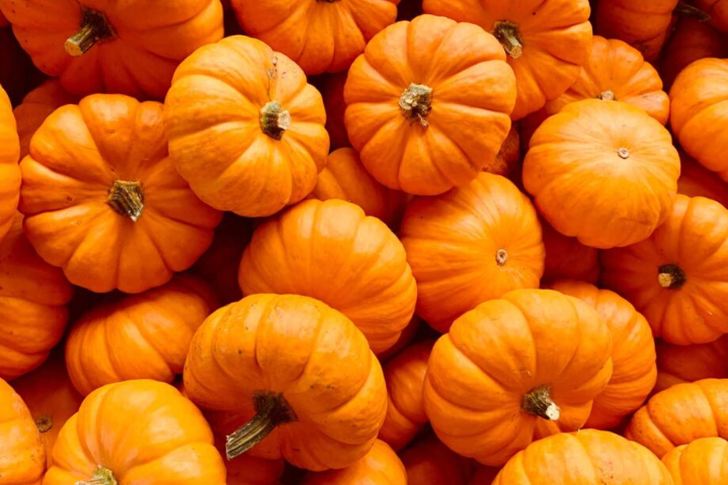
Pumpkin, the yellow super vegetable of Autumn
Pumpkin is a vegetable with super nutritional properties, ...



The intestines are an important part of the digestive system of the human body and have a fundamental role in the process of absorbing food and eliminating waste. They are divided into two main categories: the small intestine and the large intestine. Here is some important information about intestines:
1. Structure of the Intestines
• Small Intestines:
This part of the digestive apparatus is about 6 meters long and includes three main parts:
-Duodenum: The first part that receives the digested substances from the stomach.
-Jejunum: The middle part, where a great absorption of nutrients takes place.
-Ileum: The last part that connects to the large intestine and completes the absorption of substances.
Large Intestines:
-They are shorter (about 1.5 meters) and include:
-Cecum: An expansion at the beginning of the large intestine, connected to the appendix.
-Colon: The main part of the large intestine, which is divided into four parts: straight colon, left colon, transverse colon and sigmoid colon.
-Rectum: The end of the large intestine, which stores waste and prepares to be eliminated.
2. Bowel Functions
-Digestion: The small intestines are responsible for the absorption of nutrients, vitamins and minerals from digested food.
-Absorption of Water and Salt: The large intestines are responsible for the absorption of water and mineral salts and the formation of stools.
-Microbiome: The large intestine helps maintain a diverse ecosystem of microorganisms that aid in digestive processes and support the immune system.
3. Bowel problems
Diseases: The intestines can be affected by a wide range of diseases, including:
-Irritable Bowel Syndrome (IBS): A disorder that causes abdominal pain and discomfort.
-Inflammatory disorders: such as Crohn's disease and ulcerative colitis.
- Upset and Temporality: Digestive problems such as gastroesophageal reflux, constipation or diarrhea.
4. Gut Health
-Healthy diet: A diet rich in fiber, fruits and vegetables, combined with sufficient water, is essential for maintaining intestinal health.
-Responsibilities for Healthy Digestion: Regular exercise, avoiding stress and avoiding processed and fatty foods help maintain a healthy digestive system.
5. Cultural Significance
-Popular Culture: Guts are often mentioned in mythology and culture, including idioms and expressions related to feelings and health.
The intestines play an essential role in the digestive process and are important for overall health. Caring for gut health includes a healthy and balanced diet as well as regular exercise to prevent and manage digestive disorders.

Pumpkin is a vegetable with super nutritional properties, ...
Obesity is a serious problem that threatens the health of ...

Don't leave breakfast uneaten is the eternal advice of...
A new study finds that constant loneliness affects the agi...

13% of global cancer cases are attributed to a bacterial o...

Yoga mund të ndihmojë në balancimin e niveleve të horm...
Inflammation is responsible for most diseases that threate...
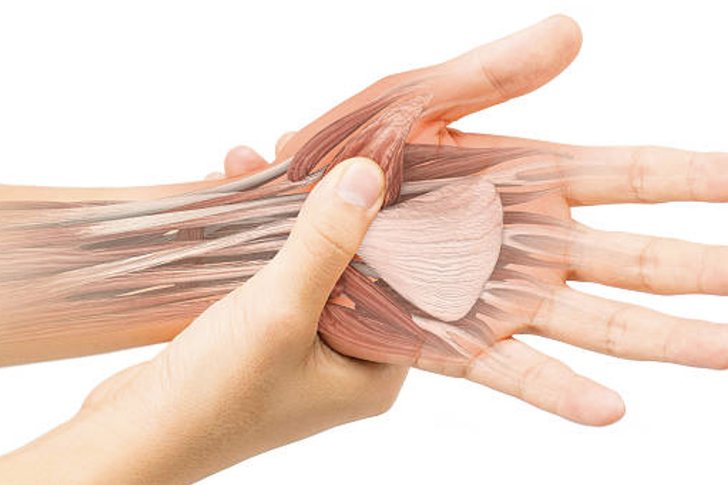
Joint pain strongly affects the quality of life, because m...

Sleep and quality sleep are two very different things....
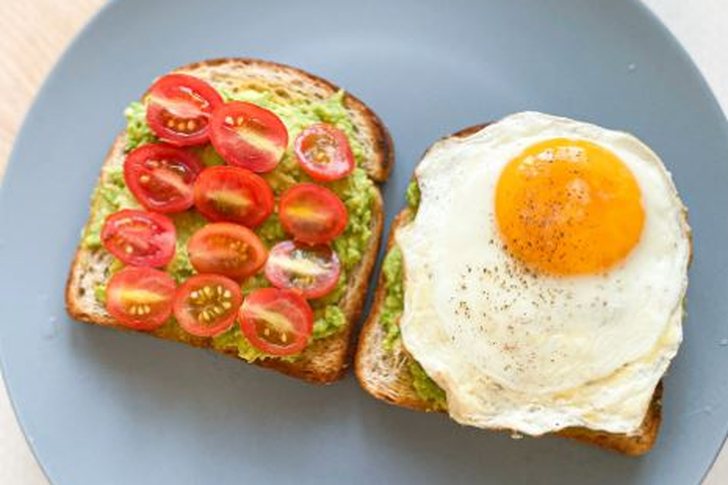
At first glance, you may think that excess fat around the ...
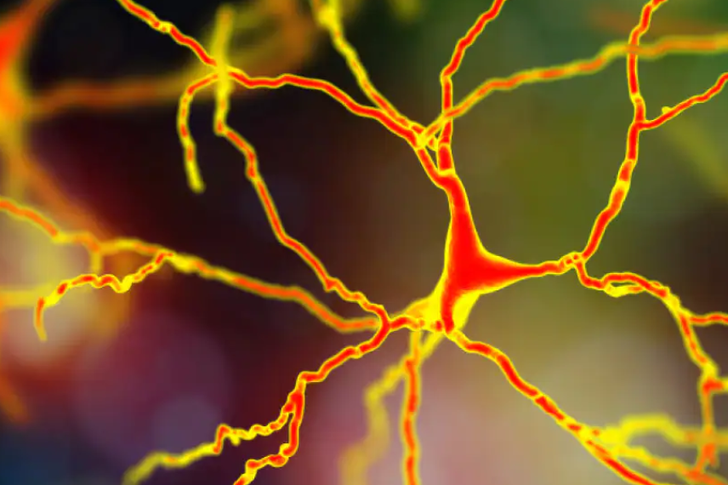
The first drug in decades to treat schizophrenia from a di...
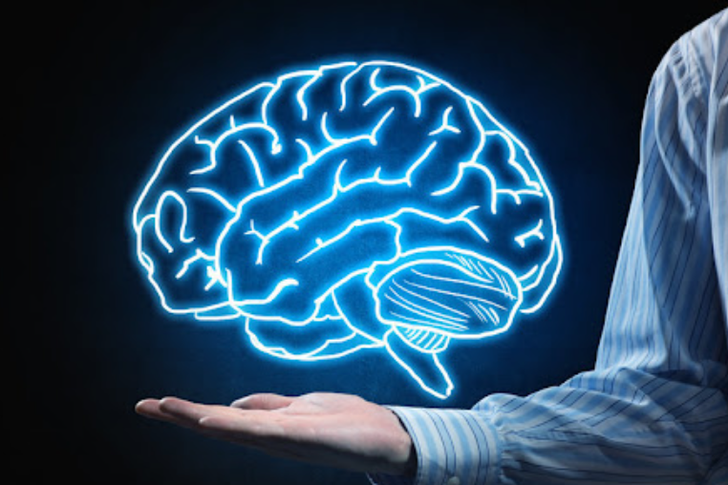
The human brain is a complex and critical organ that funct...
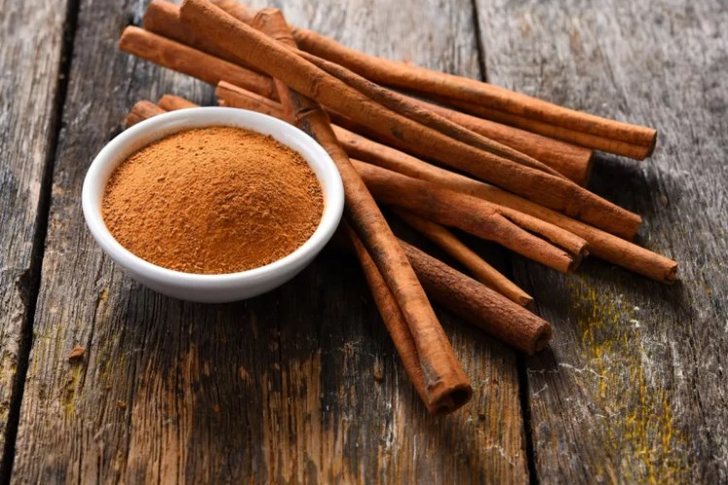
Cinnamon (Cinnamomum verum or Cinnamomum cassia) is a well...
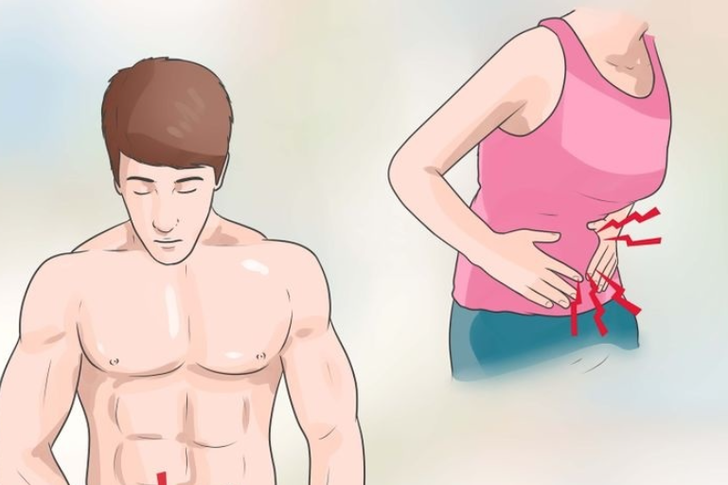
Sexually Transmitted Diseases (STIs) are diseases that...
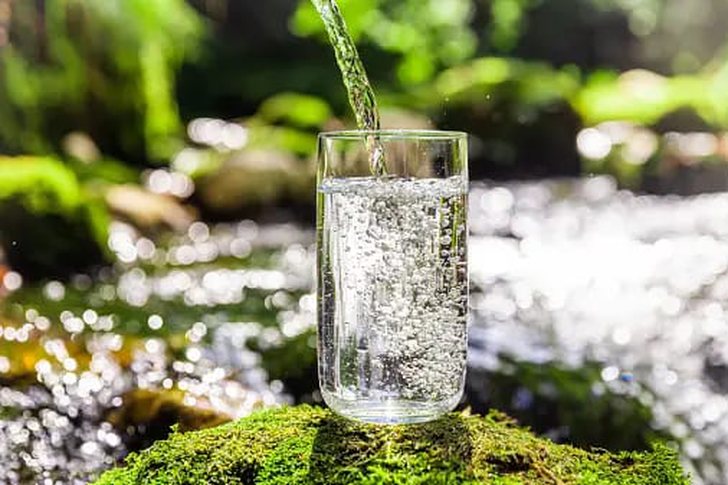
The optimal amount of water we should drink per day varies...
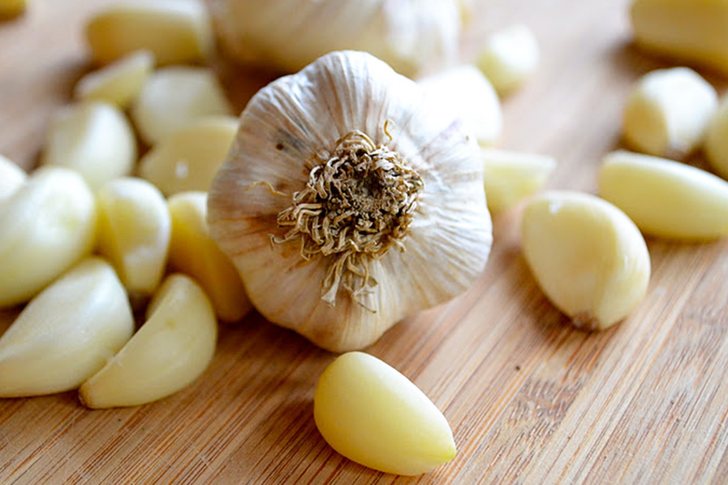
When you think of foods to eat on an empty stomach, garlic...

Chicken eggs are a rich source of nutrients and have many ...
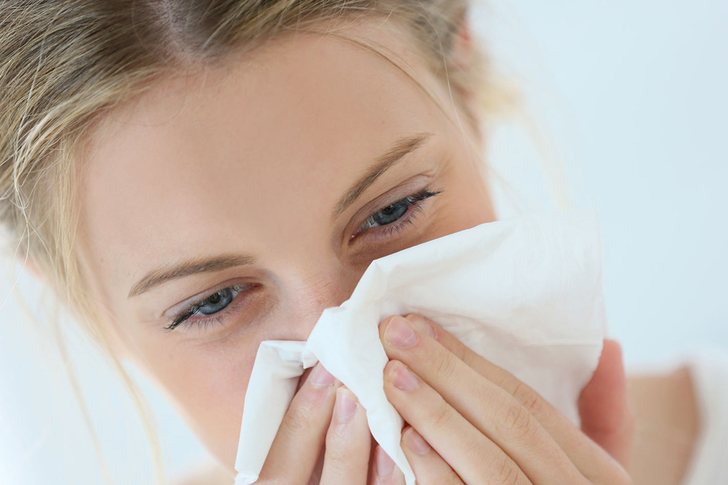
The moment of a sudden nosebleed can cause fear, worry...
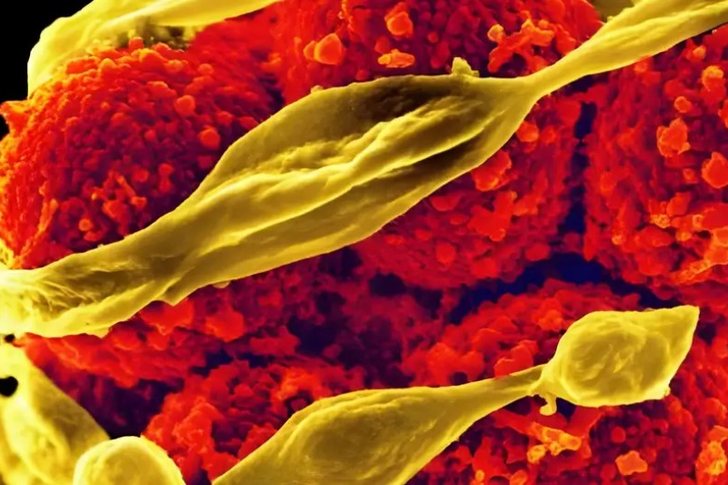
Resistance of many pathogens to antibiotics could cause mo...
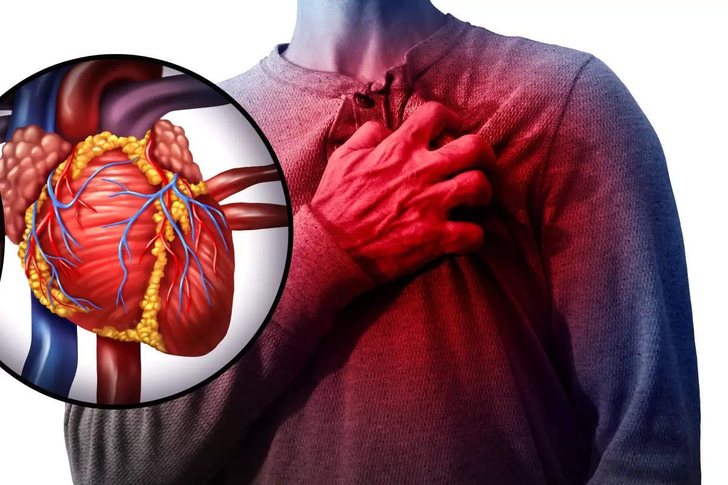
This phrase has entered many families, somewhere as a thre...

Irfan Hysenbelliu claims to be a big businessman, an hones...

The murder of officer Enea Mekolli in the line of duty has...

The next case broadcast on the show "Stop", this Thursday,...

The case published this Thursday, June 4, on the show "Sto...

The Special Board of Appeal (KPA) decided this Monday ...

The KPA vetting decided this Thursday to dismiss the p...

Suela Salavaçi, a prosecutor in the Prosecutor's Offic...

The Special Board of Appeal reinstated the prosecutor ...

A 38-year-old man was arrested today near the Kamza turnof...

A money changer in Durrës lost 60 thousand euros after bei...

The 6 citizens captured in Dubai, members of criminal grou...
A serious accident occurred on the Kardhiq-Delvinë axis, i...

Today our country will be affected by stable weather condi...

For many children and teenagers, the long summer holidays ...
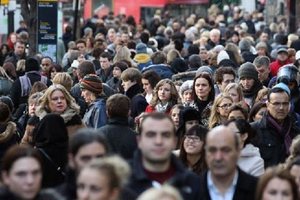
Albania is facing an unprecedented demographic transition,...

On Thursday, our country will be affected by unstable weat...

On the eve of the EU-Western Balkans summit, Germany and F...

Russian President Vladimir Putin said the war in Ukraine c...
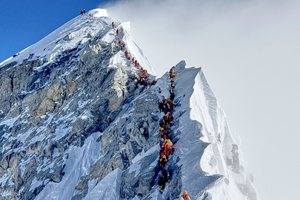
An extraordinary story of survival has been recorded in Ne...

The Peace Implementation Council in Bosnia and Herzegovina...

Korça is ready to open the summer season with one of the c...

Two years after his passing, the renowned Korçë poet Skënd...

The Ethnographic Museum of Berat has opened its doors to v...
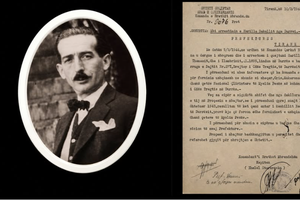
The story of Harilla Bakalli is one of the most chilling t...

Despite years of efforts at regional cooperation and free ...

Albania is the country with the highest level of severe ma...

This Friday, one US dollar is bought for 81.3 lek and sold...
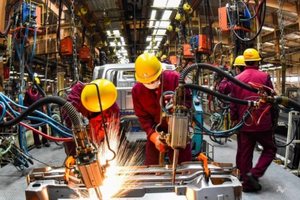
The government aims to transform the country's industrial ...