


How to fight depression through daily activity?
Depression has been described as a "wound" of the 21st...


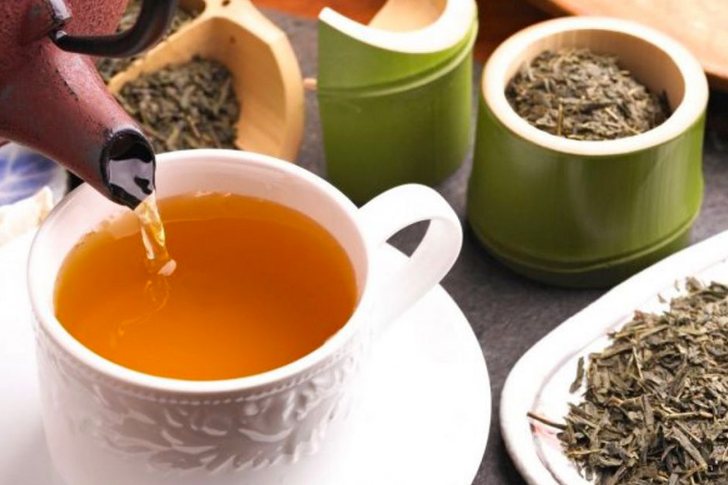
Green tea is one of the most popular beverages consumed around the world, and it's not hard to see why.
It offers a unique blend of stimulation and relaxation, with a mild herbal flavor and is increasingly recognized for its health benefits.
There are different types of green tea originating from different parts of the world, harvested at different stages of growth and processed using different techniques.
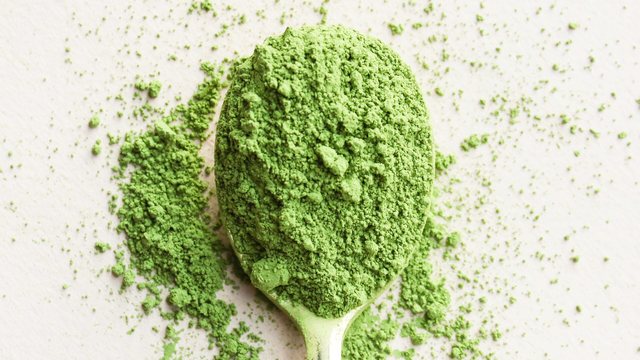
A special type of green tea in powder form, originating from Japan known as matcha tea, has gained a lot of popularity recently.
Matcha tea comes from the same plant as all other green teas, but there are some differences in how it is grown and produced.
In this article you will find a closer look at the differences between matcha tea and green tea. Including their origin, health benefits and nutrient profile.
Green tea is made from the leaves and buds of the Camellia Sinensis plant.
The seeds of C. sinensis were first brought to Japan and then to China in the 8th century, where a rich tea culture developed.
Today there are many types of green tea, which is mainly produced in China and Japan.
Although they all come from the same species, these types of tea have unique characteristics. They are affected by the climate where they are grown or the way the leaves and buds are harvested and processed.
Research suggests that the caffeine in green tea increases concentration, improves mood, reaction time and memory.
Green tea is rich in a diverse group of plant micronutrients known as polyphenols.
Studies have suggested that polyphenols may provide some protection against cancer, heart disease, liver damage and neurological problems, but there is still no conclusive evidence in humans.
Also, the main polyphenol found in green tea, epigallocatechin-3-gallate, has anti-atherosclerosis, anti-diabetes and anti-inflammatory effects.
Matcha tea is thought to have originated in China and is said to have been introduced to Japan in the 12th century by the Buddhist monk Eisai.
This tea became deeply embedded in Japanese culture, being widely used in the traditional Japanese tea ceremony.
Some of the factors that distinguish matcha from other green teas are: the way the plant is grown, how the leaves are processed, and how the tea itself is made.
This tea plant should be grown in partial shade, causing the leaves to produce more chlorophyll in response to lower levels of sunlight.
This turns the leaves a darker green, increases the concentration of some nutrients and slightly changes the taste.
The young leaves are hand-picked, steamed, dried and ground to a powder form.
To infuse matcha tea, this fine, yellow powder is shaken in water.
This mixture of matcha tea with water contains more antioxidants and polyphenols than ordinary teas, including green tea.
This is because you are consuming the leaves in powder form.
Also, the caffeine in matcha tea is higher than in green tea./ AgroWeb

Depression has been described as a "wound" of the 21st...
Health experts may not agree on the pros and cons of dieta...

As the control center of the body, the brain is respon...
Carbohydrates are an important food group in our daily...
Hormonal problems are one of those conditions that the bod...
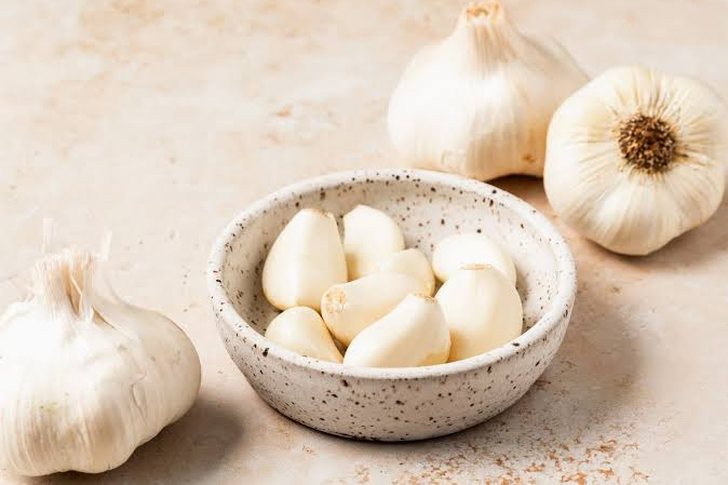
Garlic is a natural source of many nutrients necessary...
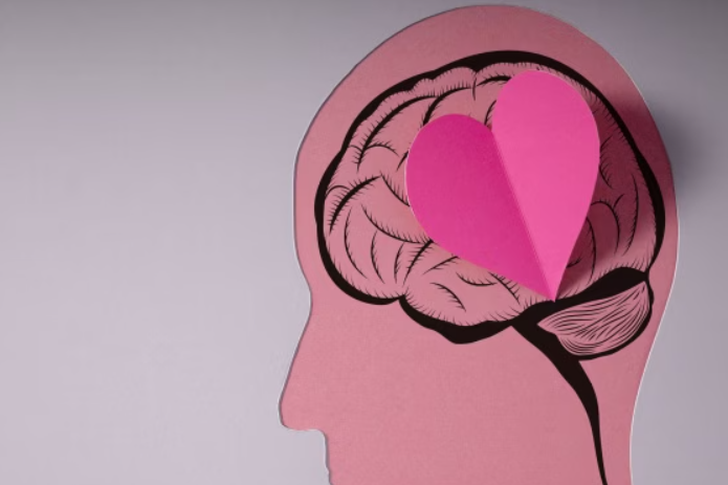
What's good for your heart is good for your brain, says th...

The intestines are an important part of the digestive syst...
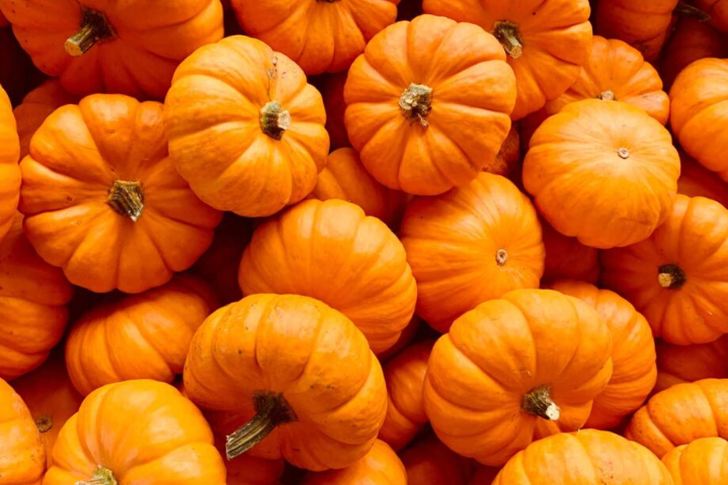
Pumpkin is a vegetable with super nutritional properties, ...
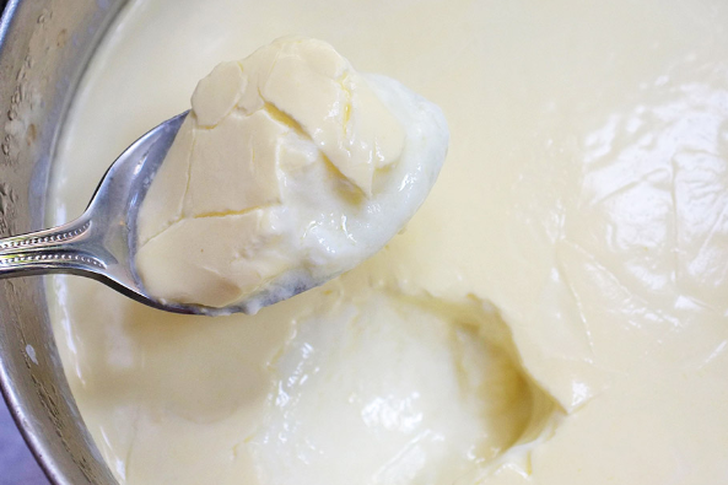
Obesity is a serious problem that threatens the health of ...
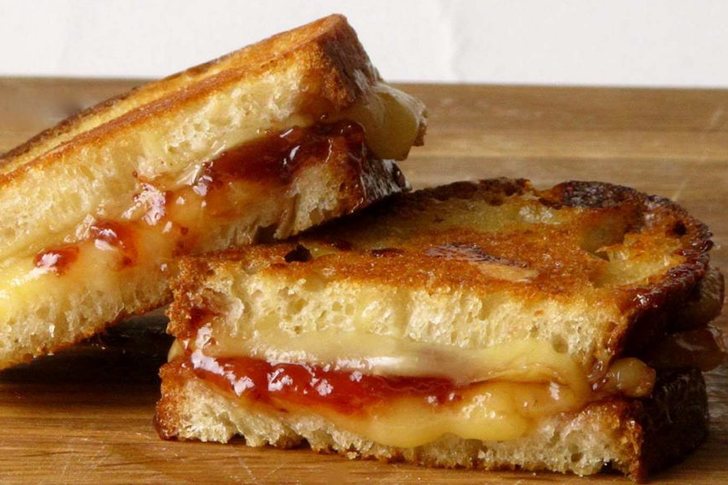
Don't leave breakfast uneaten is the eternal advice of...

A new study finds that constant loneliness affects the agi...

13% of global cancer cases are attributed to a bacterial o...

Yoga mund të ndihmojë në balancimin e niveleve të horm...
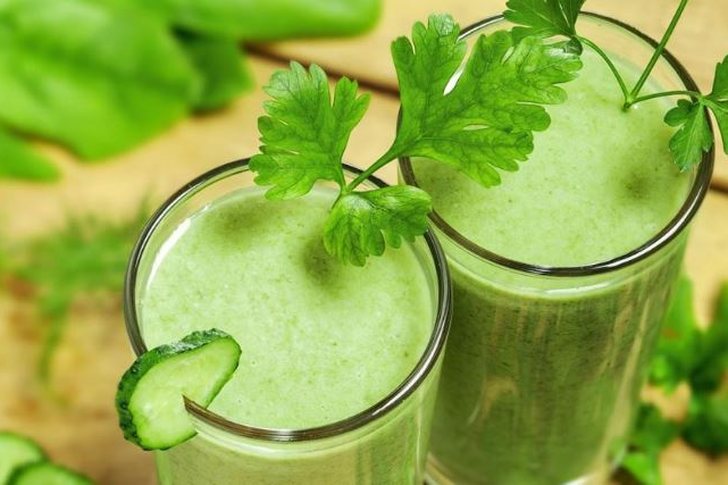
Inflammation is responsible for most diseases that threate...
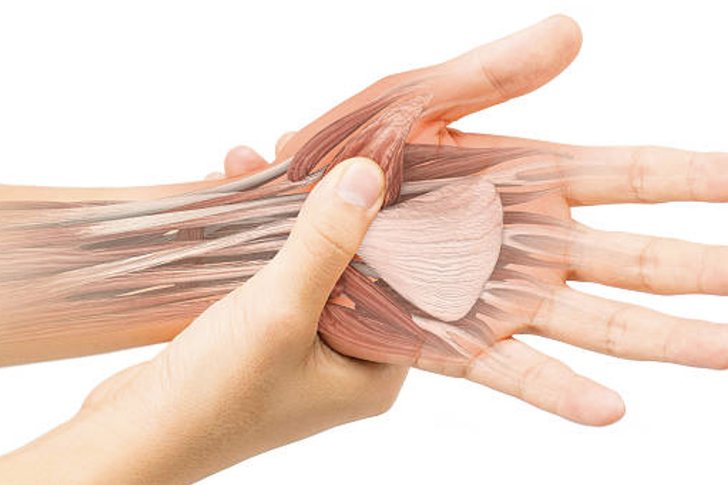
Joint pain strongly affects the quality of life, because m...

Sleep and quality sleep are two very different things....
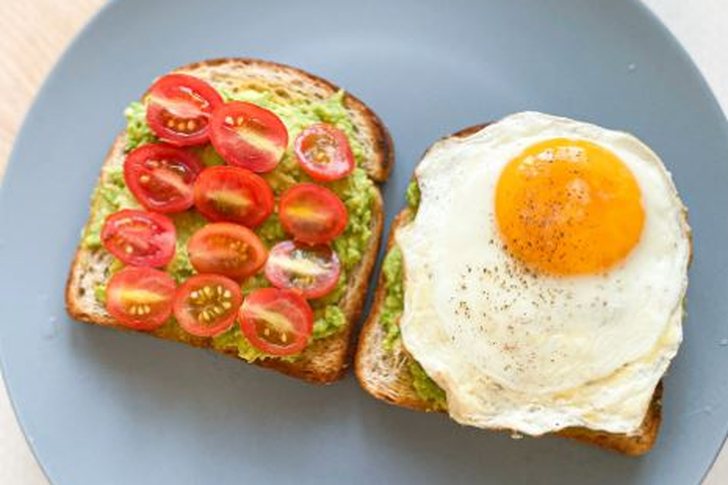
At first glance, you may think that excess fat around the ...

The first drug in decades to treat schizophrenia from a di...

The human brain is a complex and critical organ that funct...

Irfan Hysenbelliu claims to be a big businessman, an hones...

The murder of officer Enea Mekolli in the line of duty has...

The next case broadcast on the show "Stop", this Thursday,...

The case published this Thursday, June 4, on the show "Sto...

The Special Board of Appeal (KPA) decided this Monday ...

The KPA vetting decided this Thursday to dismiss the p...

Suela Salavaçi, a prosecutor in the Prosecutor's Offic...

The Special Board of Appeal reinstated the prosecutor ...

A 38-year-old man was arrested today near the Kamza turnof...

A money changer in Durrës lost 60 thousand euros after bei...

The 6 citizens captured in Dubai, members of criminal grou...

A serious accident occurred on the Kardhiq-Delvinë axis, i...
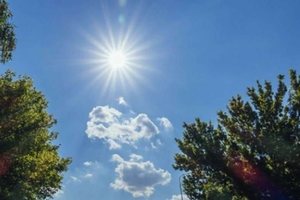
Today our country will be affected by stable weather condi...

For many children and teenagers, the long summer holidays ...

Albania is facing an unprecedented demographic transition,...
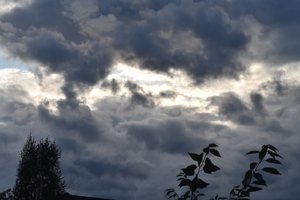
On Thursday, our country will be affected by unstable weat...

On the eve of the EU-Western Balkans summit, Germany and F...

Russian President Vladimir Putin said the war in Ukraine c...
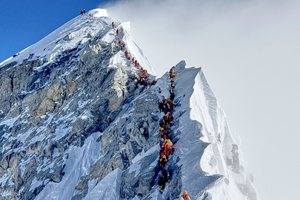
An extraordinary story of survival has been recorded in Ne...

The Peace Implementation Council in Bosnia and Herzegovina...

Korça is ready to open the summer season with one of the c...

Two years after his passing, the renowned Korçë poet Skënd...

The Ethnographic Museum of Berat has opened its doors to v...
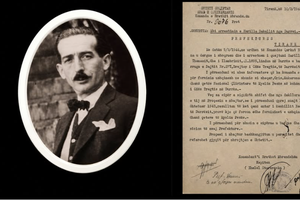
The story of Harilla Bakalli is one of the most chilling t...

Despite years of efforts at regional cooperation and free ...

Albania is the country with the highest level of severe ma...

This Friday, one US dollar is bought for 81.3 lek and sold...

The government aims to transform the country's industrial ...