


Study: Reducing sitting time by 40 minutes reduces worsening of back pain
Back pain is a very common problem. The risk of back pain ...


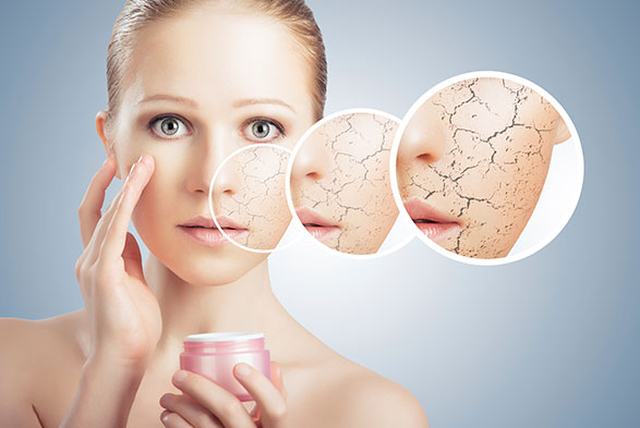
The skin is the largest organ of the human body and has many important functions.
It constitutes a first barrier for the protection of the body from the outside, such as bacteria, viruses, and mechanical damage.
The skin also helps regulate body temperature.
Skin structure
The skin consists of three main layers:
1. Epidermis: This is the outer layer of the skin, which contains cells that produce melanin, the pigment that gives skin color. The epidermis is responsible for protection from external damage and is also sensitive to factors such as the sun and pollutants.
2. Dermis: This is the middle layer that contains blood vessels, nerves, hair follicles, and sweat and seborrhea glands. The dermis is responsible for the elasticity and strength of the skin.
3. Hypodermis (subcutaneous layer): This is the deepest layer, which contains fats and connective tissue, helping to protect internal organs and regulate body temperature.
Skin functions
1. Protection: The skin constitutes a protective barrier for the body, keeping out microbes, chemicals, and physical damage.
2. Temperature regulation: The skin helps to regulate body temperature through sweating and dilation or constriction of blood vessels.
3. Sensation: There are many nerve receptors in the skin that help in the feeling of touch, pain, heat and cold.
4. Desire and Expression: The skin plays an important role in the expression of emotions, such as blushing from a sense of shame or other emotions.
5. Production of Vitamin D: The skin helps synthesize vitamin D when exposed to the sun, which is important for bone health.
Skin health
Skin health is important and is affected by various factors, including:
•Diet: A balanced diet with necessary vitamins and minerals is important for healthy skin.
• Hydration: Drinking enough water is important for maintaining skin hydration.
•Using the right products: Choosing skin products, such as cleansers and moisturizers, helps maintain skin health.
•Sun protection: Using sunscreen helps protect the skin from sun damage and helps prevent skin cancer.
• Avoiding pollution: Avoiding exposure to chemical pollutants and harmful substances is important for skin health.
Common skin problems are varied and can affect individuals of any age. Here are some of the most common problems that occur with the skin:
1. Acne
Acne is one of the most common concerns, especially among teenagers and young adults. They are caused by the blockage of hair follicles by sebum, dead skin cells and bacteria. Acne can appear on the face, back, and chest.
2. Dermatitis
Dermatitis is an inflammation of the skin that occurs due to irritation, allergies, or environmental factors. Common types of dermatitis include:
•Atopic dermatitis (eczema): A chronic condition that causes dry, red, and itchy skin, often associated with allergies.
• Contact dermatitis: Caused by contact with irritating or allergic substances, such as chemicals or some hives.
3. Psoriasis
Psoriasis is an autoimmune disease that causes the formation of red plaques, covered with white or silver flowers. It usually appears on the fingers, knees, and scalp and can cause an itchy feeling.
4. Rosacea
Rosacea is a chronic disease that causes redness of the face, making it look irritated. It can be accompanied by pimples and dilated veins on the face.
5. Dry skin
Dry skin can occur due to environmental factors, nutrition, or as a side effect of certain medications. It causes pulling sensations and can lead to itching and discomfort.
6. White beard (Tinea)
Ringworm is a fungal infection that usually affects the skin and causes white patches. This can happen on the skin and scalp.
7. Tinea Versicolor (Tinea Versicolor)
This is a skin disorder that causes strange and different colored spots and is caused by a reaction to a type of fungus.
8. Skin cancers
Skin cancer is a more serious concern, with common types such as:
•Melanoma: A dangerous form of skin cancer that develops from pigment cells (melanocytes).
•Basal cell carcinoma: A more common and less aggressive type of skin cancer.
•Squamous cell carcinoma: Another common type of cancer that often occurs in sun-exposed areas.
9. Hyperpigmentation
Hyperpigmentation occurs when the skin produces more melanin than usual, resulting in dark spots (like sun spots) on the skin.
10. Skin rash (Seborrheic Dermatitis)
This is an inflammation of the skin that occurs in areas rich in sebum glands and is often accompanied by burning and peeling of the scalp, face or body. / CNA

Back pain is a very common problem. The risk of back pain ...
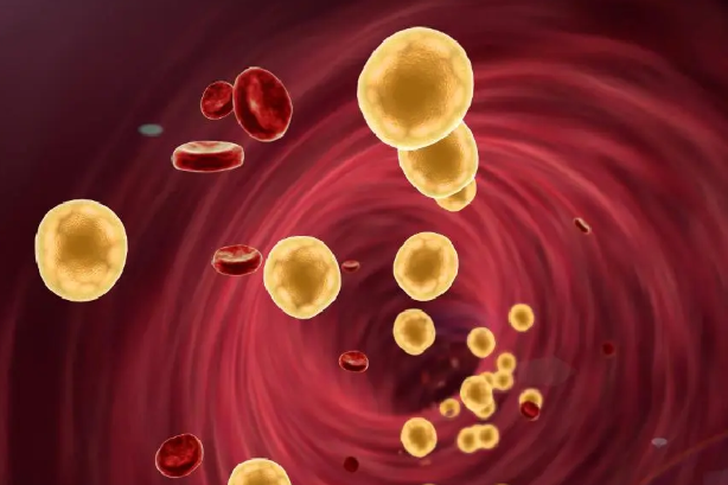
The word "Xanthelasma palpebramund" refers to the choleste...
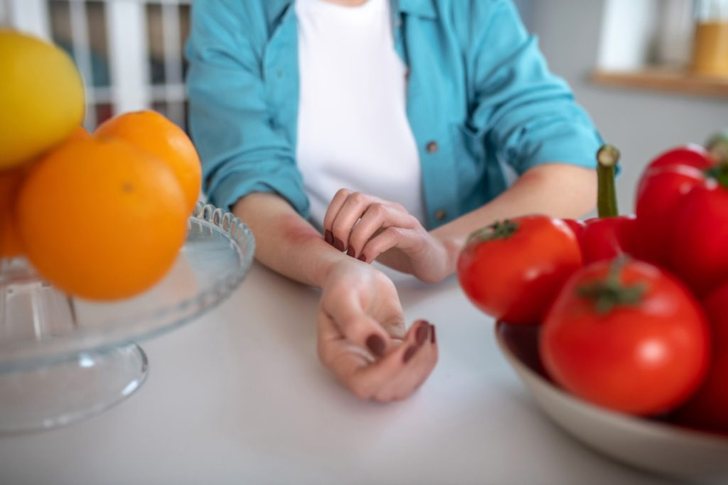
Allergies are very common and can affect a large number of...

Lemon has long been used for the treatment of type 2 diabe...
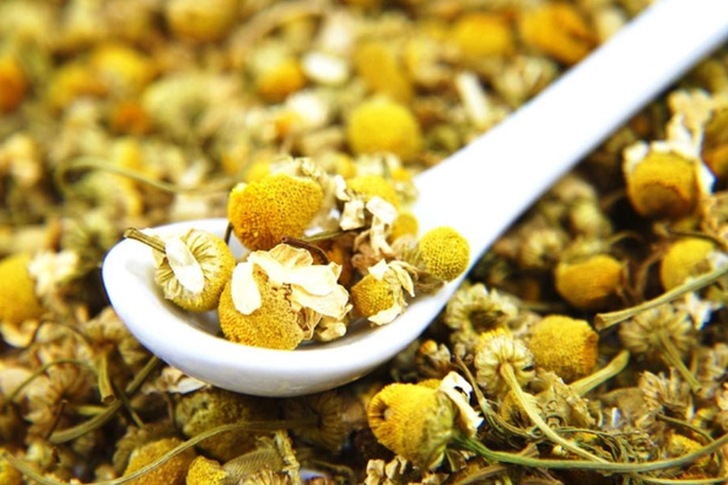
Abdominal pains are among the most frequent health complic...

The green apple is one of the most popular and consumed ty...
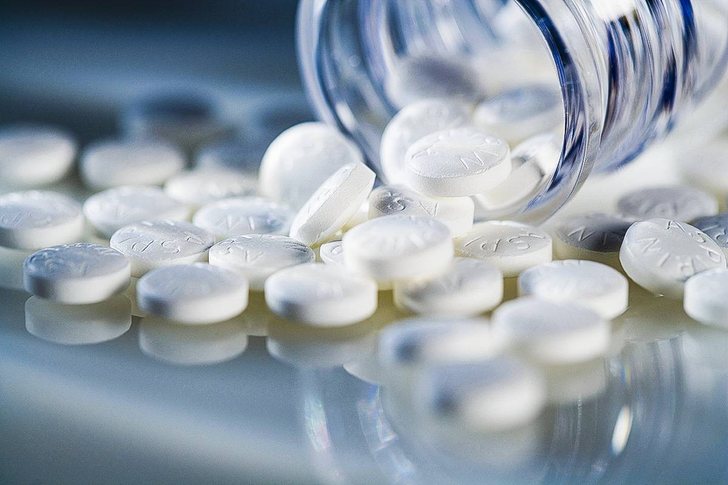
Aspirin, also known as acetylsalicylic acid, is a medicati...

Vitamin C shortens the duration of the disease, strengthen...
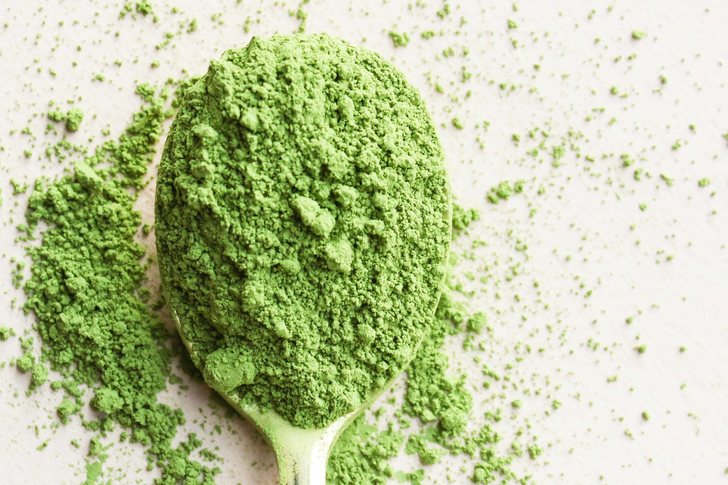
Green tea is one of the most popular beverages consumed ar...

Depression has been described as a "wound" of the 21st...

Health experts may not agree on the pros and cons of dieta...

As the control center of the body, the brain is respon...

Carbohydrates are an important food group in our daily...

Hormonal problems are one of those conditions that the bod...

Garlic is a natural source of many nutrients necessary...

What's good for your heart is good for your brain, says th...

The intestines are an important part of the digestive syst...

Pumpkin is a vegetable with super nutritional properties, ...
Obesity is a serious problem that threatens the health of ...

Don't leave breakfast uneaten is the eternal advice of...

Irfan Hysenbelliu claims to be a big businessman, an hones...

The murder of officer Enea Mekolli in the line of duty has...

The next case broadcast on the show "Stop", this Thursday,...

The case published this Thursday, June 4, on the show "Sto...

The Special Board of Appeal (KPA) decided this Monday ...

The KPA vetting decided this Thursday to dismiss the p...

Suela Salavaçi, a prosecutor in the Prosecutor's Offic...

The Special Board of Appeal reinstated the prosecutor ...

A 38-year-old man was arrested today near the Kamza turnof...

A money changer in Durrës lost 60 thousand euros after bei...

The 6 citizens captured in Dubai, members of criminal grou...

A serious accident occurred on the Kardhiq-Delvinë axis, i...

Today our country will be affected by stable weather condi...

For many children and teenagers, the long summer holidays ...

Albania is facing an unprecedented demographic transition,...

On Thursday, our country will be affected by unstable weat...

On the eve of the EU-Western Balkans summit, Germany and F...

Russian President Vladimir Putin said the war in Ukraine c...

An extraordinary story of survival has been recorded in Ne...

The Peace Implementation Council in Bosnia and Herzegovina...

Korça is ready to open the summer season with one of the c...

Two years after his passing, the renowned Korçë poet Skënd...

The Ethnographic Museum of Berat has opened its doors to v...

The story of Harilla Bakalli is one of the most chilling t...

Despite years of efforts at regional cooperation and free ...

Albania is the country with the highest level of severe ma...

This Friday, one US dollar is bought for 81.3 lek and sold...

The government aims to transform the country's industrial ...