


Landslide on Currila Hill/ Palace at risk
Landslides were recorded on Currila Hill in the early hour...

Landslides were recorded on Currila Hill in the early hour...

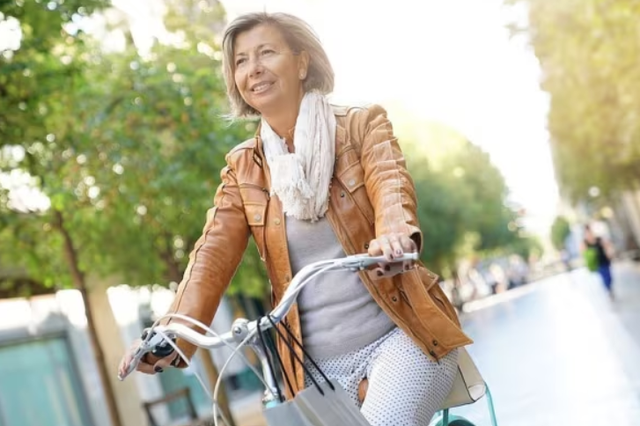
Ride a bike, a new study recommends.
Regular cycling for transportation appears to reduce the risk of dementia by 19% and Alzheimer's disease by 22%, according to results published June 9 in JAMA Network Open.
The results also suggest that cycling may help increase the size of a part of the brain that is important for memory, the researchers noted.
“Cycling is a moderate-to-high intensity exercise and also requires balance,” said Dr. Liron Sinvani, director of geriatric services at Northwell Health in Manhasset, NY, who reviewed the findings.
"It requires more complex brain function than walking, so it was probably a better reducer of dementia risk."
"It's not just about doing exercises and making them part of your routine, but about thinking about how you live your life," he added in a press release.
“So instead of going somewhere by car, getting on a bike and using active modes of travel to get around becomes very important as part of your lifestyle.”
For the study, researchers analyzed data from nearly 480,000 people who participated in the UK Biobank, a long-term health study of people living in England, Scotland, and Wales.
As part of the study, participants noted the forms of transportation they used most frequently to get around, not including commuting to and from work.
During an average follow-up of 13 years, more than 8,800 participants developed dementia and nearly 4,000 developed Alzheimer's disease.
The results showed a lower risk of dementia and Alzheimer's disease in those who used bicycles or included cycling among other forms of travel such as walking, driving or using public transport.
"Our findings suggest that promoting active travel strategies, particularly cycling, may be associated with lower risk of dementia in middle-aged and older adults, which brings significant public health benefits by encouraging accessible and sustainable practices for maintaining cognitive health," concluded the research team led by Liangkai Chen, an associate professor at Tongji Medical College at Huazhong University of Science and Technology in Wuhan, China.
Magnetic resonance imaging brain scans showed that cycling was also linked to a larger hippocampus, a part of the brain involved in memory formation and learning, the researchers noted.
However, the results showed that the benefits of cycling appear to extend mainly to people without a genetic risk for Alzheimer's disease.
People without the APOE E4 genetic variant had a 26% lower risk of dementia and a 25% lower risk of Alzheimer's disease.
The results were not statistically significant among APOE E4 carriers, but showed less protection from the cycle.
Interestingly, the results also show that driving offered some protection against dementia compared to using the bus or subway.
"Even when using inactive travel modes like driving or public transportation, it seemed like driving had a slightly better impact [on brain health] than public transportation," Sinvani said in the press release.
However, the researchers noted that this observational study could not draw a direct cause-and-effect relationship between cycling and healthy brain aging.
"What I tell my patients, family and friends whenever they ask me what they can do to reduce their risk of dementia is that anything that gets you outside doing things is what you should be doing," she said. "I think we see that it's not just physical activity, but it's also about balance, and it really engages different parts of your brain."
If you're able to ride a bike, Sinvani said, do it. If you're not, use your legs./ CNA

A variety of fruits are in season during the summer months...

Looking for breakfast ideas that are both delicious and he...

Blood tests could detect evidence of cancer three years ea...

A major new study involving nearly 50,000 women followed f...

Opinions and habits about nutrition vary. Some prefer to e...
The brain, like the rest of the body, needs daily maintena...
According to an annual report by the Belgian Brewers Assoc...
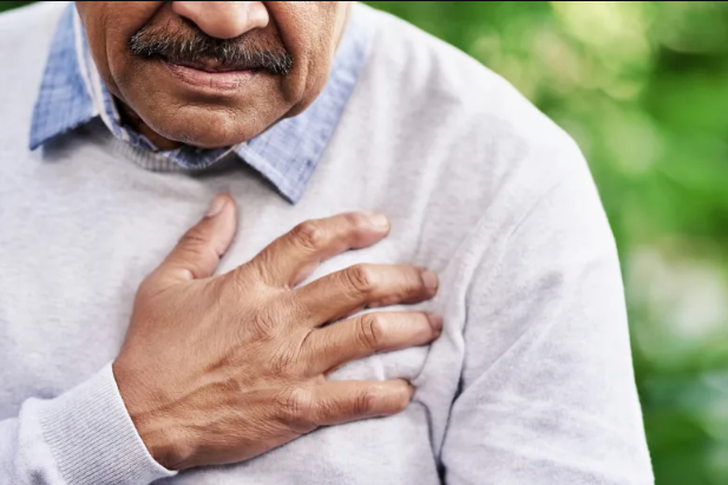
A 59-year-old man arrived at Peking University First Hospi...
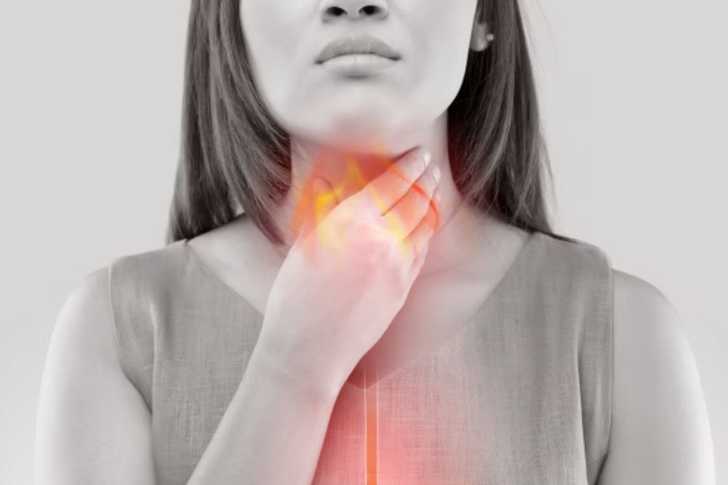
Heartburn, a common condition characterized by a burning s...
Scientists believe they have discovered the reason why we ...

A new study suggests that washing clothes worn at home may...

Our brain health is a hot topic for new research. Climate ...

Feeling sick? Drink more water! This advice may sound as… ...

Collagen is one of the body's building blocks. Made up of ...
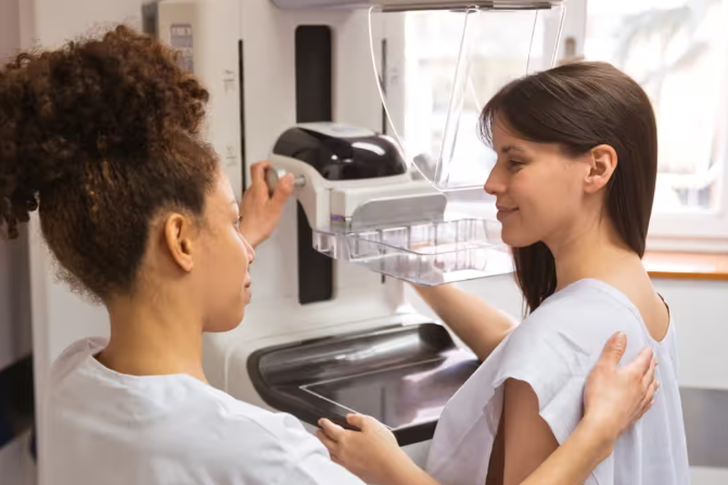
A study has found that a new triple therapy for aggressive...
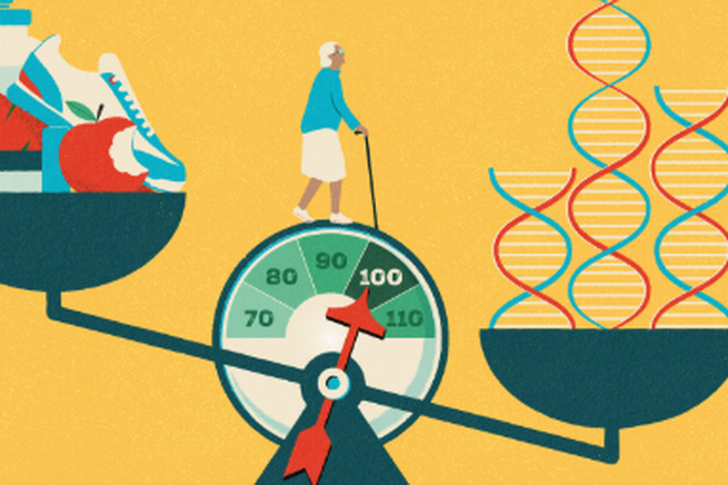
Çfarë lloj diete ndjekin ata që jetojnë në të ashtuquajtur...

Reading may be the key to living longer. According to a st...

For most of us, summer has significant positive benefits f...

Women and girls need to be mindful of the nutrients they n...
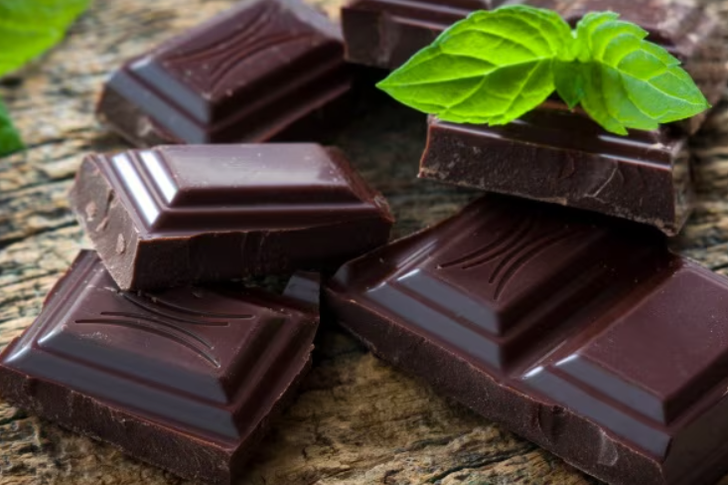
A simple combination of tea, apples, berries, grapes and c...

The murder of officer Enea Mekolli in the line of duty has...

The next case broadcast on the show "Stop", this Thursday,...

The case published this Thursday, June 4, on the show "Sto...

The protests of recent days related to the situation in Zv...

The Special Board of Appeal (KPA) decided this Monday ...

The KPA vetting decided this Thursday to dismiss the p...

Suela Salavaçi, a prosecutor in the Prosecutor's Offic...

The Special Board of Appeal reinstated the prosecutor ...

A money changer in Durrës lost 60 thousand euros after bei...
The 6 citizens captured in Dubai, members of criminal grou...
A serious accident occurred on the Kardhiq-Delvinë axis, i...

Authorities have conducted a large-scale anti-drug operati...
Today our country will be affected by stable weather condi...

For many children and teenagers, the long summer holidays ...
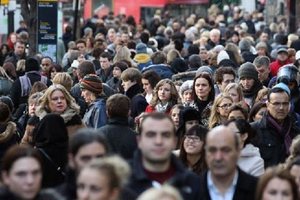
Albania is facing an unprecedented demographic transition,...

On Thursday, our country will be affected by unstable weat...

Russian President Vladimir Putin said the war in Ukraine c...
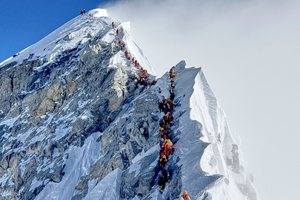
An extraordinary story of survival has been recorded in Ne...
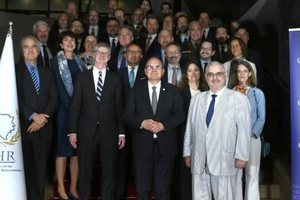
The Peace Implementation Council in Bosnia and Herzegovina...
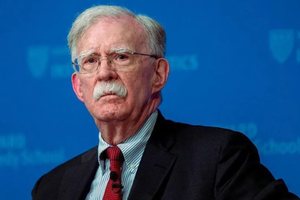
John Bolton, the former national security adviser to US Pr...

Korça is ready to open the summer season with one of the c...

Two years after his passing, the renowned Korçë poet Skënd...
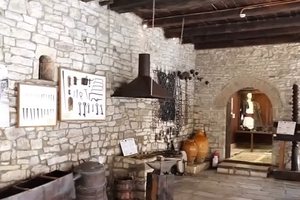
The Ethnographic Museum of Berat has opened its doors to v...
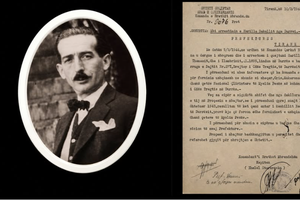
The story of Harilla Bakalli is one of the most chilling t...
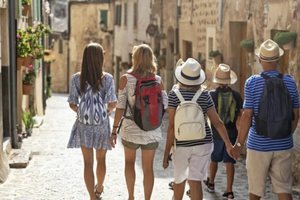
Despite years of efforts at regional cooperation and free ...

Albania is the country with the highest level of severe ma...

This Friday, one US dollar is bought for 81.3 lek and sold...

The government aims to transform the country's industrial ...