


Serious accident in Orikum/ Vacationer loses life
A person has died today on Orikum beach. According to repo...

A person has died today on Orikum beach. According to repo...

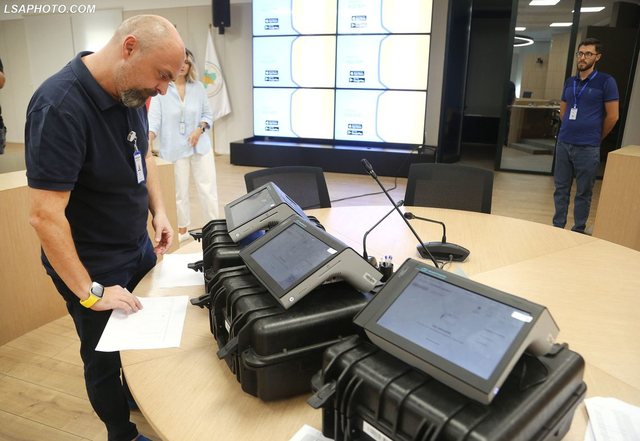
The electronic voter identification process, which was built and used in the 2021 parliamentary and local government elections in 2023, aimed to rid Albanian elections of several recurring concerns, including family voting, voting in place of another citizen and double voting. But an analysis by the Central Election Commission found that in the May 14, 2023 local government elections, the equipment malfunctioned in 581 of the nearly 5,200 polling stations in which it was used, an analysis by the Central Election Commission said.
The Electronic Identification Device (EID) was purchased by the CEC through a procurement process. Its aim is to read biometric cards or passports and read the voter's fingerprint, so that there is no uncertainty in this process and to avoid voting for others.
The reasons for electronic identification malfunction are divided into three major categories, according to the study; lack of operators, lack of connection to the GSM mobile communication network and defective equipment.
In the 12 percent of cases where the equipment did not work, the reason was simple: the Central Election Commission could not find employees to operate it. Most of these cases belonged to the counties of Vlorë and Gjirokastër, two counties that were significantly depopulated during the last decades.
"The voting centers of the first category, which did not have an operator in the voting centers to use the PEI device, belong to the vast majority of them to the counties of Vlorë and Gjirokastër, specifically to the municipalities of Dropulli, Finiq and Konispol. For these municipalities, the process of recruiting operators has failed. The difficulty of recruiting operators due to the emigration of the population is a repeated situation in the parliamentary elections of 2021," the audit report reads.
In the second category, where it was more than half of the cases, the problem was not in the malfunction of the device but in the lack of GSM waves. According to the CEC, in these cases the devices worked and performed the function of voter identification but did not transmit the data to the CEC.
In about 200 cases, the device did not work even though the operator was on duty and the transmission appeared to be working. In these cases, the problems were related to various categories of physical defects, including the USB port not reading or incorrectly installed software. The device uses the USB port to read a data store containing the list of voters of the respective polling station.
The audit report notes, however, that the equipment activity log system did not record detailed data to understand what went wrong on a case-by-case basis but only general data that did or did not work.
"From the findings of external experts, it was noticed that PEI devices document (log) files only in the basic part of operation and configuration. In this way it is impossible to diagnose and document the exact steps that have been taken on a particular device as the level of LOG detail is very simple and basic,” the report reads.
Consequently, an error code can refer to dozens of different problems, which cannot be correctly identified./BIRN


Another report will be submitted to the SPAK regarding...
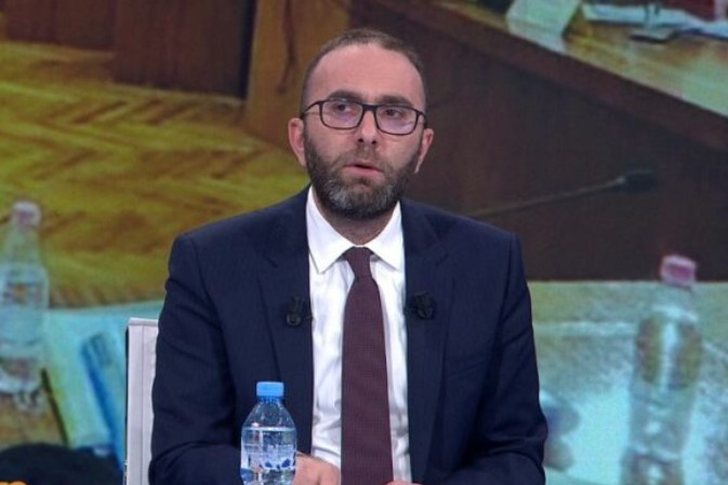
The vice-president of the DP, Gazment Bardhi, has refu...
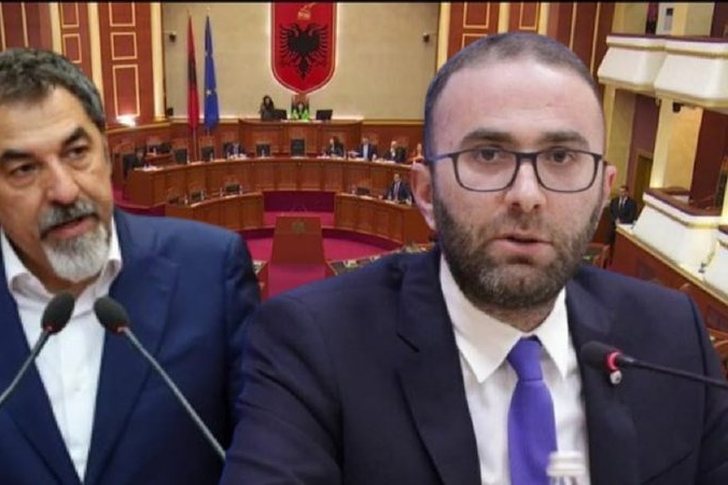
CNA has opened a survey on the agreement between the D...

The chairman of the Democratic Party, Sali Berisha, sp...
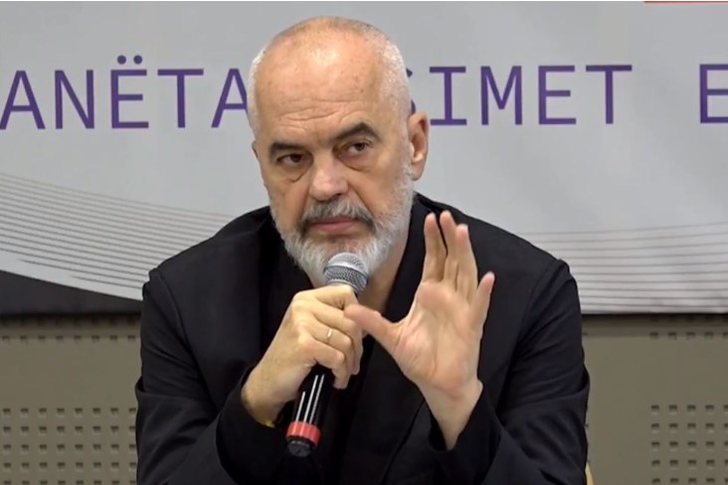
Prime Minister Edi Rama, during the meeting with socia...

Zëdhënësja e Anti-Korrupsionin në Partinë Demokratike,...
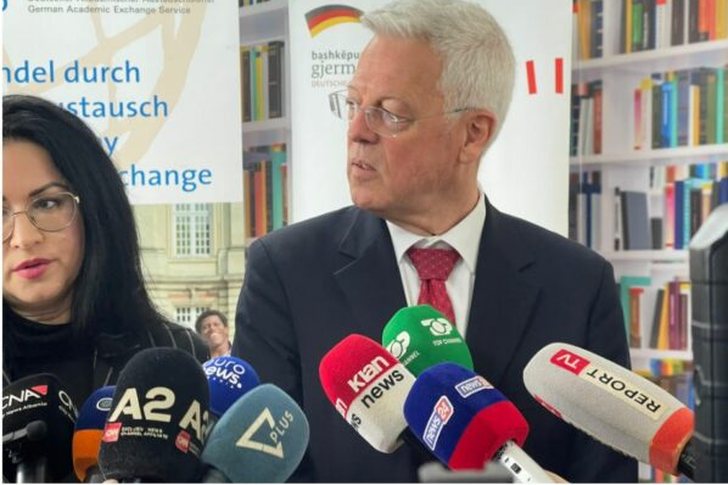
Ambasadori gjerman, Karl Bergner u shpreh në një dekla...

Mesditën e sotme ishte parashikuar të zhvillohej Konfe...

Prime Minister Edi Rama has reacted to the negotiations be...
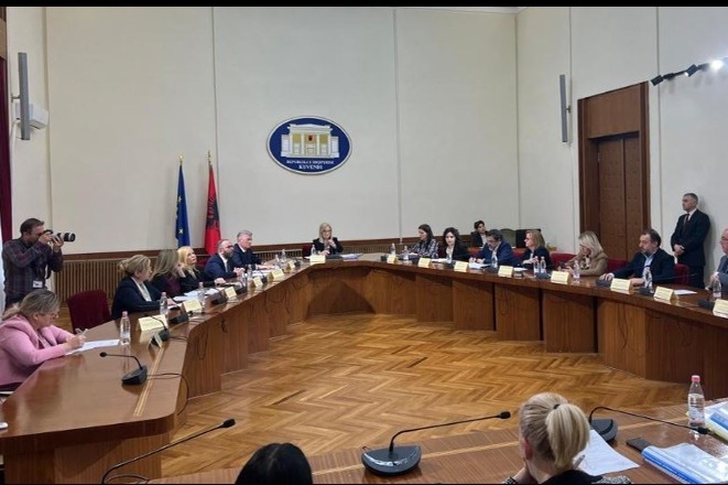
The meeting of the Conference of Presidents, which was sch...
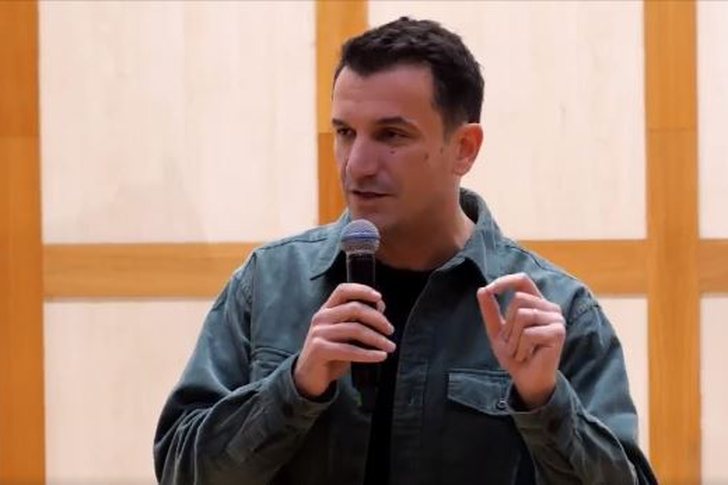
Following the tour for membership in the Socialist Par...

The chairman of the Democratic Party, Sali Berisha, ha...
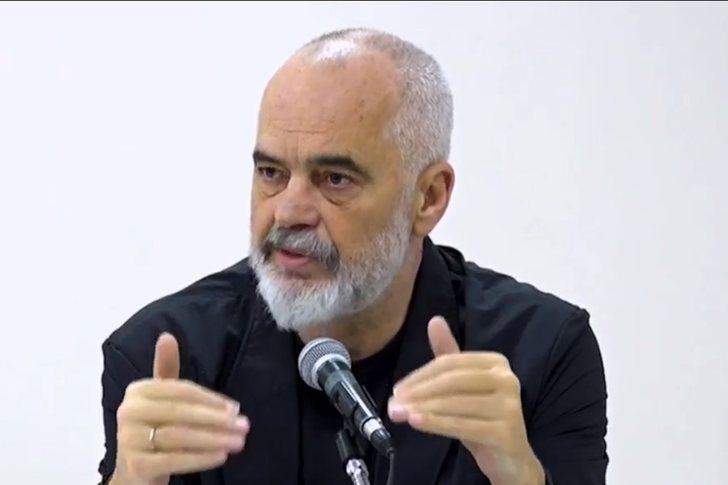
Prime Minister Edi Rama claims that the Socialist Part...
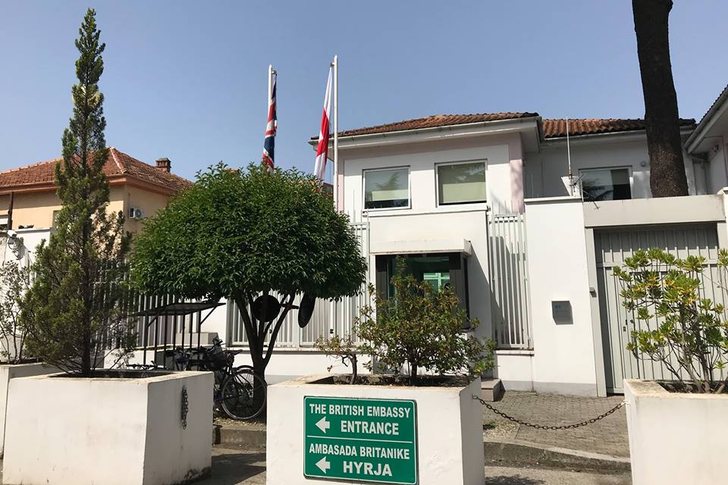
The agreement of the majority with the DP has been wel...

The delegation of the European Union in Albania has re...
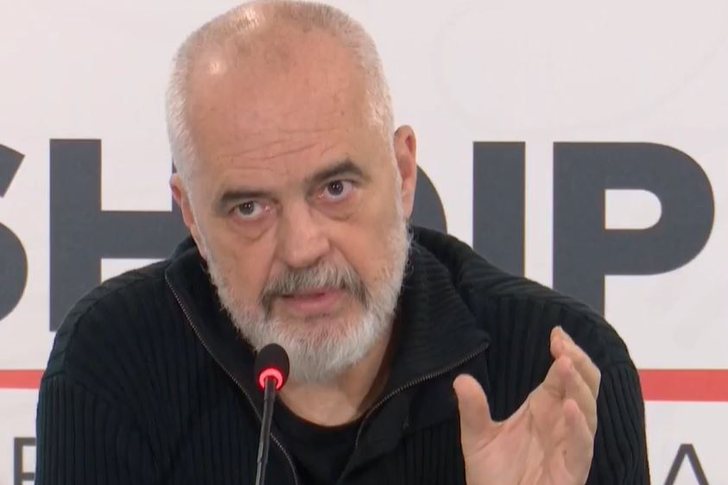
Prime Minister Edi Rama has reacted to the decision of...

Prime Minister Edi Rama inspected the works on the new...

The lawyer of former Prime Minister Sali Berisha, Genc...
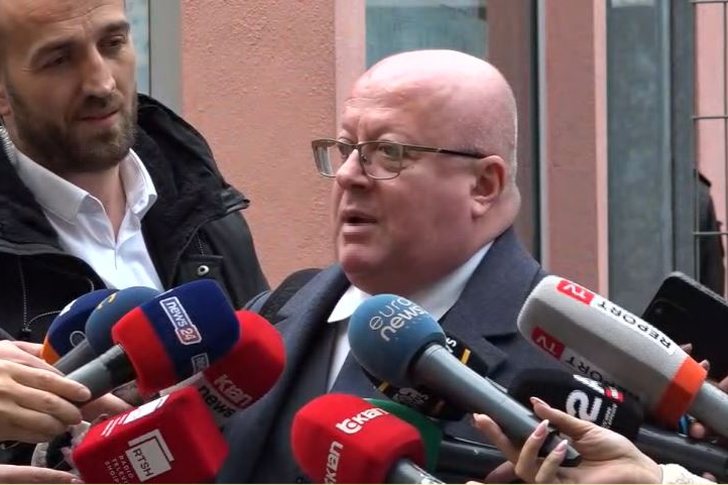
Lawyer Genc Gjokutaj has accused GJKKO, after the requ...

The Minister of State and Relations with the Parliamen...

CNA has launched another investigation that could lead to ...

Irfan Hysenbelliu is a businessman that we call "Irfan the...

In March 2026, CNA launched another investigation centered...
The arrested mayor of Tirana, Erion Veliaj, with 13 charge...

The Special Board of Appeal (KPA) decided this Monday ...

The KPA vetting decided this Thursday to dismiss the p...

Suela Salavaçi, a prosecutor in the Prosecutor's Offic...

The Special Board of Appeal reinstated the prosecutor ...

A person has died today on Orikum beach. According to repo...

Footage emerges from the serious accident that occurred th...

A Shkodra traffic police officer was hit with hard objects...
This Wednesday, around 4:00 PM, a serious accident occurre...

On Thursday, our country will be under the influence of st...
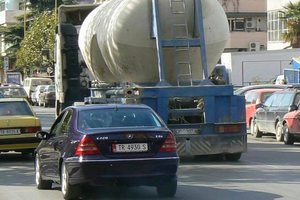
A serious accident that occurred this Wednesday with the c...

The Institute of Geosciences has shared a forecast for wea...

Rising energy and fertilizer prices are expected to contin...

Artificial intelligence (AI) models from the American comp...
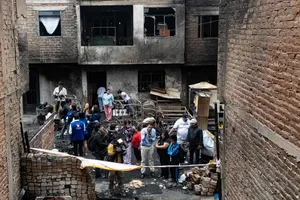
At least 10 people have died after a fire broke out in a h...

Yemen's Houthis have claimed to have attacked two Saudi oi...

The trial of ousted Venezuelan President Nicolas Maduro on...

At a time when industrial products are increasingly taking...

Trust among people is not just a three-syllable word. It c...

Master of humor Todi Llupi has passed away at the age of 7...

The ninth edition of "MIK Festival" kicked off with one of...

The average sale price of apartments in Tirana reaches rec...

This Thursday, one US dollar is bought for 81.5 lek and so...
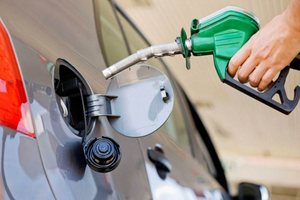
The price of diesel reached 206 lek per liter from 198 lek...

Businesses will no longer be required to simply register t...