

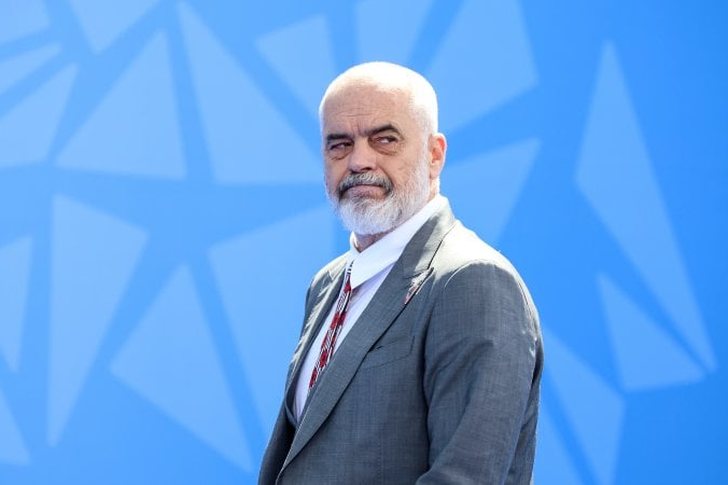
Prime Minister Rama is stuck in the web of social networks
Social networks have been the battle horse of our deputy m...


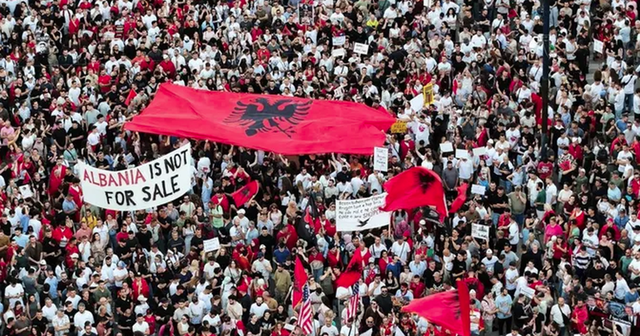
A friend sent me a message that made me think long and hard:
"When they got out of prison, Marsel Skendo (the first millionaire), Fatos Nano (the politician) and Nehat Kulla (the strongman), maintained their friendship, but each went to his own job. They never became partners. That's why they each died in their own bed. Today things have changed, sir. They have all become partners..."
Although there is a kind of romanticization of the past in this description, the message strikes precisely at the nerve of our reality.
The boundaries used to be clearer: the politician dealt with politics, the businessman with business, and the strong with their own affairs. They might meet, help, or flatter each other, but they rarely merged into a single being.
Today, these borders have been erased.
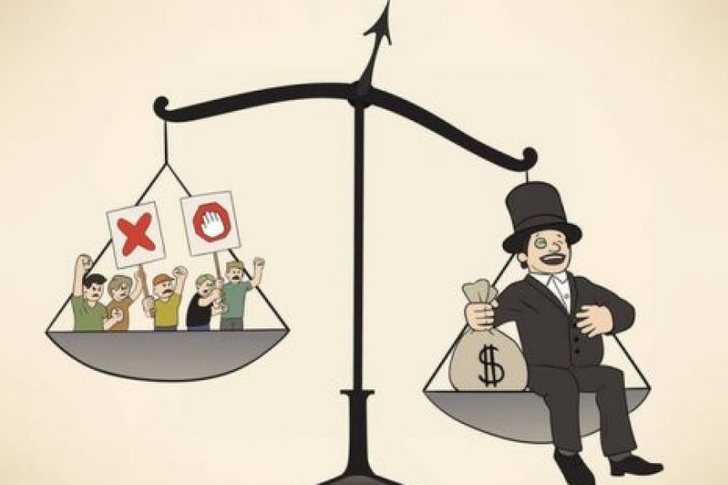
The businessman wants to become a legislator, the politician wants to become a businessman, while the exponent of the criminal world is no longer content with being in the shadows. He wants to have both roles at the same time. In this amalgamation, there is no longer a dividing line between the one who writes the law, the one who collects the money, and the one who must guarantee the rules.
When everyone becomes a partner, no one remains an arbitrator.
That's why the anger we're seeing in Albania today is deeper than a protest against a project, a government, or a certain elite. It stems from the overwhelming feeling that the table has become too small and the chairs around it have long been occupied by the same people.
In one of the most significant comments on the protests of recent weeks, former Foreign Minister Ditmir Bushati observed that the protesters "are not driven by Iran, nor by algorithms, much less lost in their goals."
According to him, they are citizens revolted by "the treatment of the homeland as plunder, aware of the consequences of the harmful alliance between politics, the oligarchy, the media and organized crime."
This perhaps explains better than any poll or analysis why the protest is enduring: it is fueled by the conviction that the problem lies not in a single decision, but in the way the relations of power, money, and crime in the country are conceived.
If yesterday the concern was that politics controlled the economy, today the alarm is greater: politics, business, media and crime are perceived by many citizens as part of the same ecosystem.
What about tomorrow?
If this mix continues, tomorrow will produce less competition, less merit, and less trust. Everyone agrees to lose in a fair race, but no one agrees to get into the game when the winner is known before the whistle is blown.
But there is another way.
Public pressure, justice, and a generation of awakening citizens can restore the erased borders. Not to return things to the past, but to build a new code of coexistence: where the businessman wins in the market through skill, the politician in elections through the vote, and no one wins through fear anymore.
Giulio Andreotti said that experience is simply the sum of the times you have been cheated in life.
If this definition holds, then the Albania of 2026 is a country with extraordinary experience.
The question that arises today is whether this experience will serve us to change the future, or will it remain simply another story to be told at the dinner tables, while the Republic of Partners continues its work...

Social networks have been the battle horse of our deputy m...
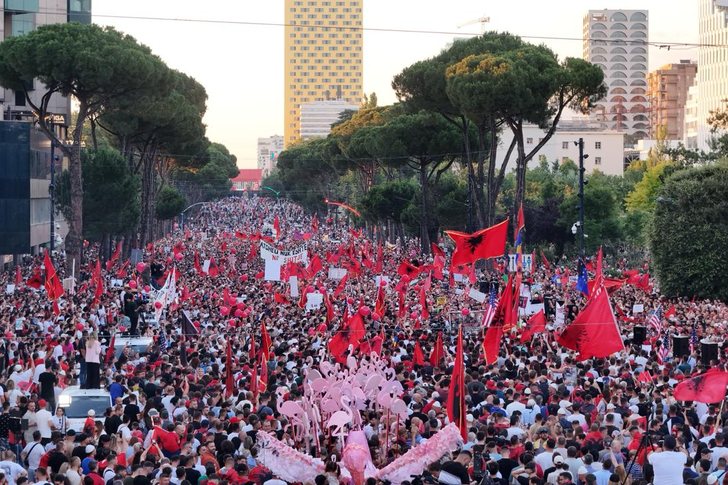
"Vox populi, vox Dei," Albanian saying, "The voice of the ...

For every political caste, there comes a moment when it lo...
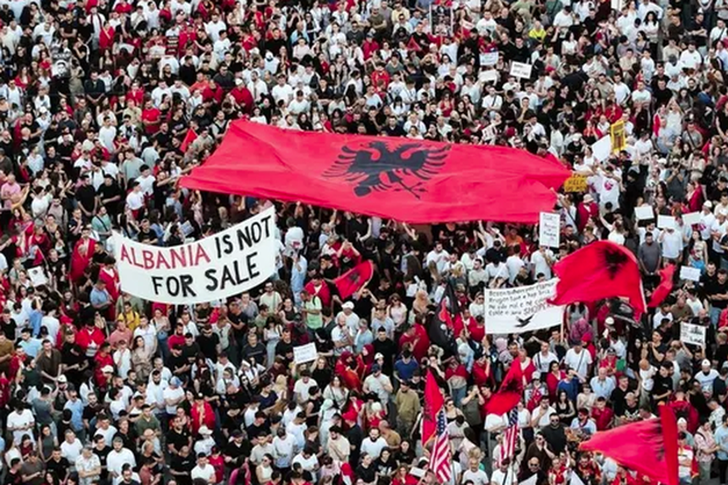
After 20 days where Tirana is being ravaged by the freedom...
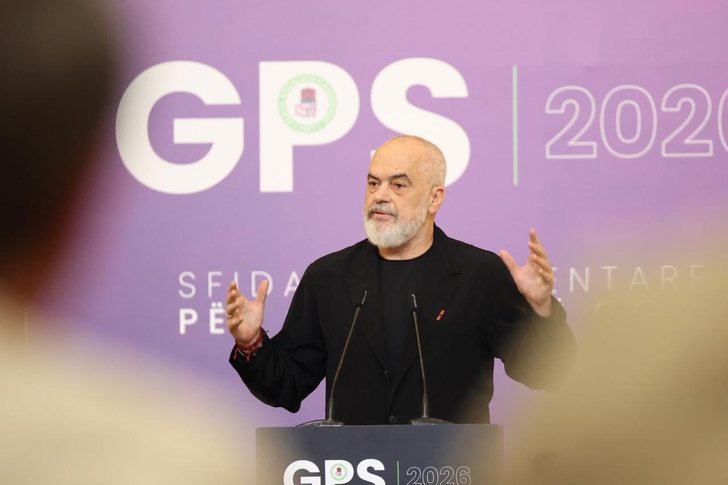
Edi Rama spoke again today in front of his disgruntled MPs...
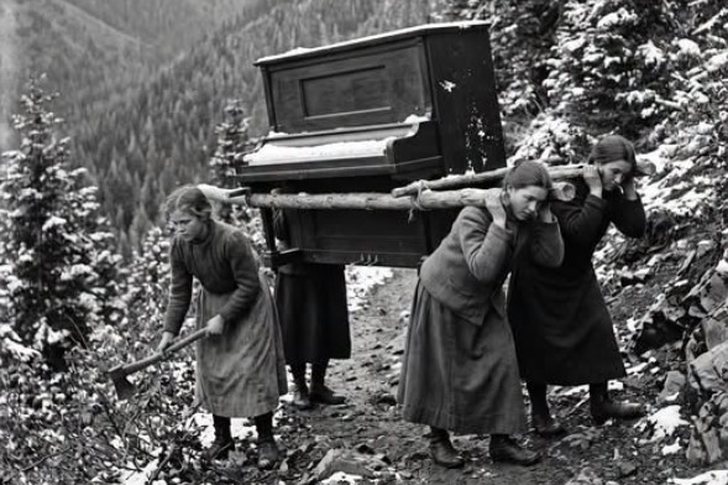
The legendary story of 3 sisters who carried a piano in th...
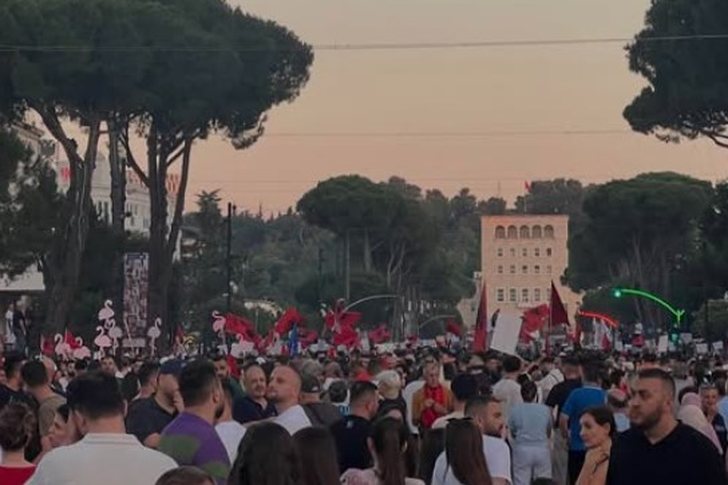
On its 20th day, the protest is becoming increasingly clea...

In cases of corruption, the media can be an engine of pres...
Let's put it bluntly: in Albania, denouncing public corrup...
A serious complaint begins with the simplest question: wha...

When public money disappears in inflated tenders, when a j...
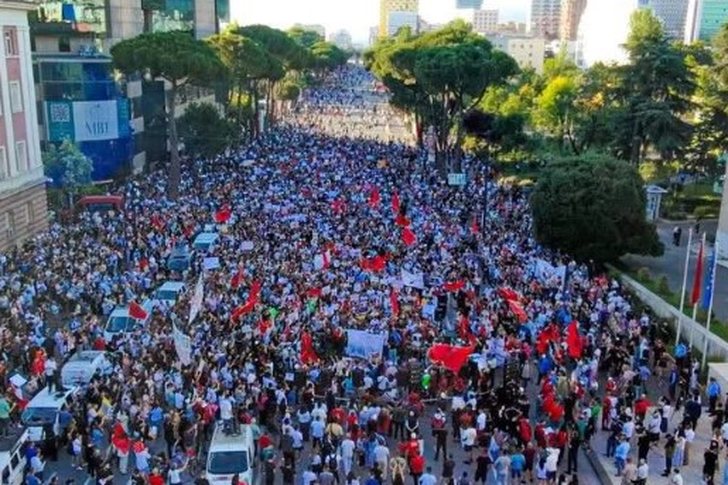
I was reading some communications online, regarding a post...
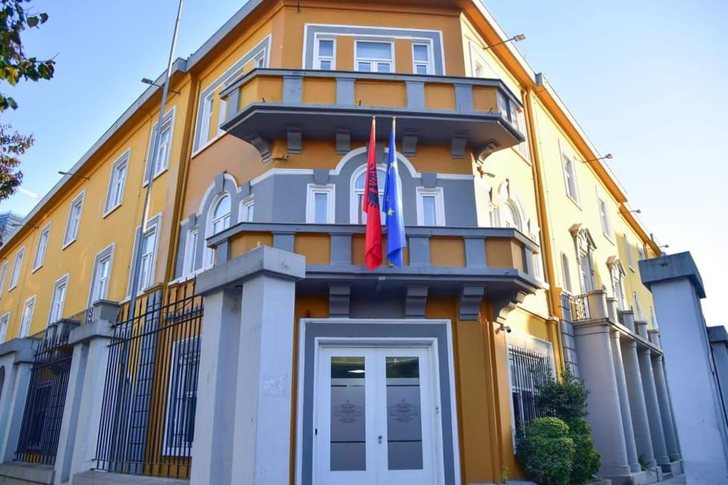
The temporary appointment of the vice-rector to the positi...
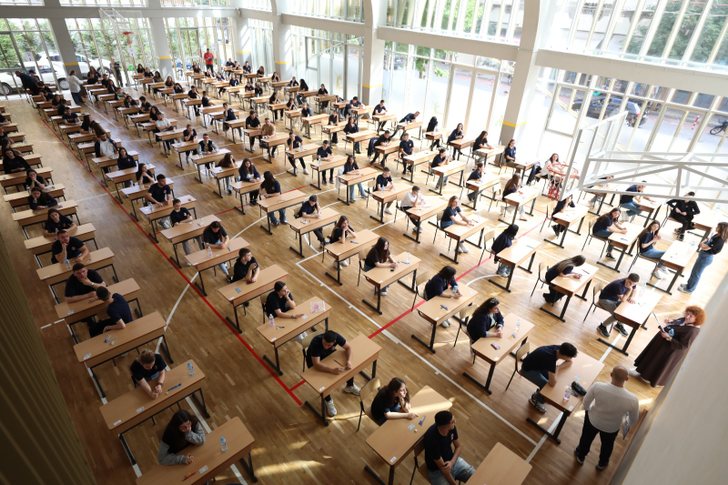
Every year, thousands of high school graduates in Albania ...
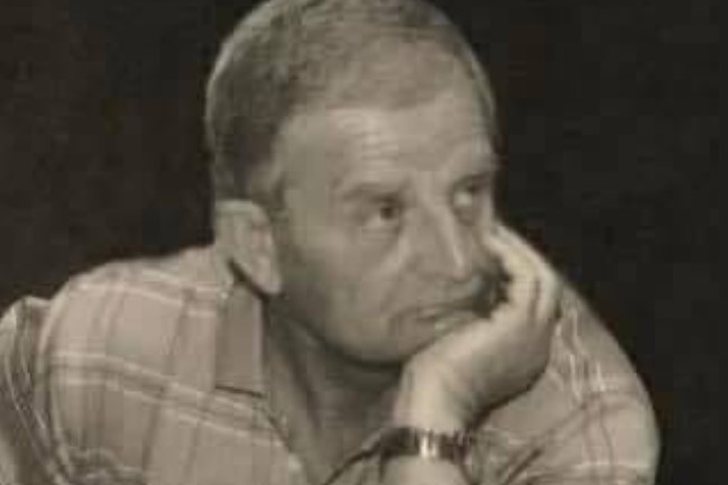
I still can't believe that Agron Çobani is no more. He had...

Political scandals in Albania do not only show the behavio...
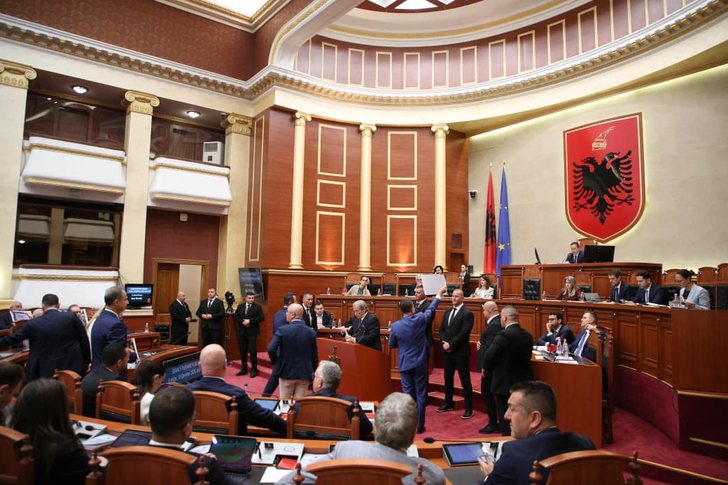
When a scandal breaks out in Tirana, the noise is loud, th...
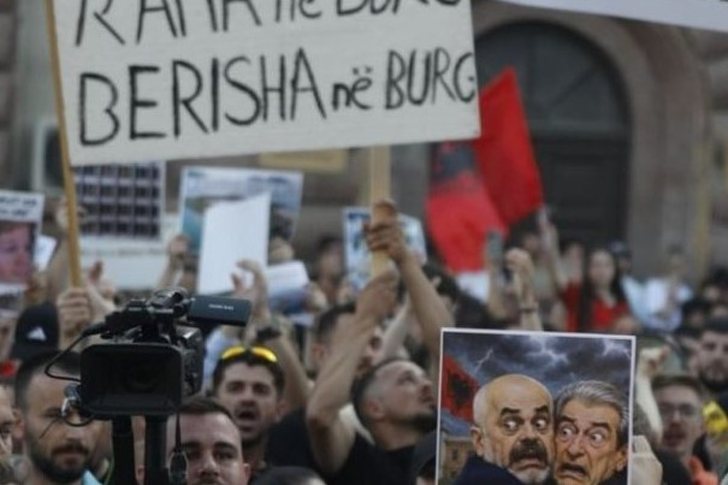
“Rama in prison, Berisha in prison, everyone in prison!” i...

There's a reason why healthy societies call madness what d...
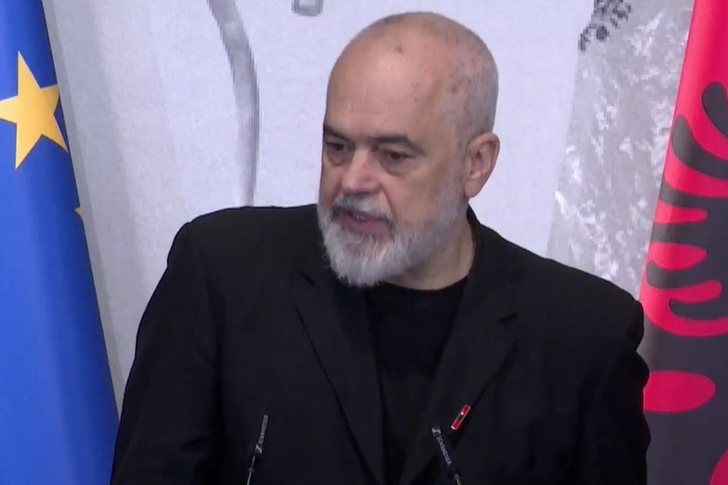
In Berlin, once a symbol of a divided Germany and Europe, Al...
A mountain of documents for a flagrant case, in the na...
The Democratic Party has denounced a tender held by the Hi...
Since the summer of 2020, the Mayor of Tirana, Erion Velia...
The leader of the Democratic Party, Sali Berisha, denounce...

The Special Board of Appeal (KPA) decided this Monday ...

The KPA vetting decided this Thursday to dismiss the p...

Suela Salavaçi, a prosecutor in the Prosecutor's Offic...

The Special Board of Appeal reinstated the prosecutor ...
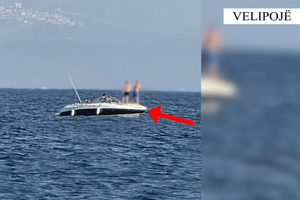
Three citizens were rescued in Velipojë after their boat b...
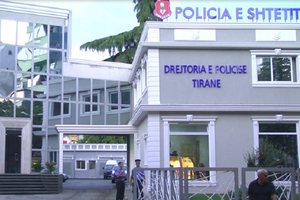
Tirana Police announced this Sunday afternoon that 9 prote...
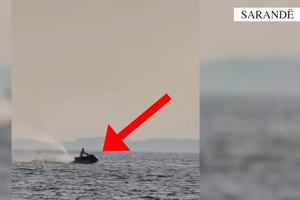
Border Police Services found a floating vehicle that had ...
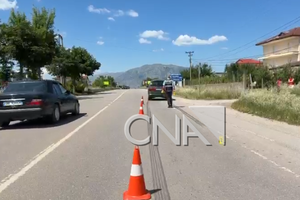
Accident on the national axis Korça-Bilisht, near the vill...
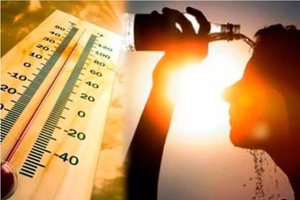
Some of Europe's meteorological agencies are predicting a ...
Today, the country will be engulfed by a heat wave, with t...
Today our country will be affected by stable weather condi...
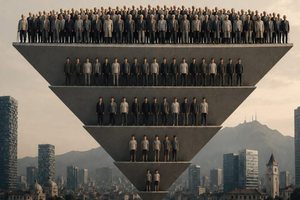
Albania is leading a painful demographic process that plac...
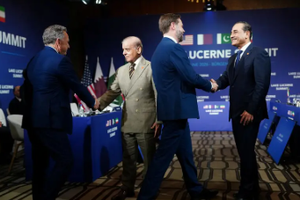
A member of Iran's negotiating team with the US told state...

US President Donald Trump publicly unveiled the Boeing 747...

US Vice President JD Vance said today that US President Do...
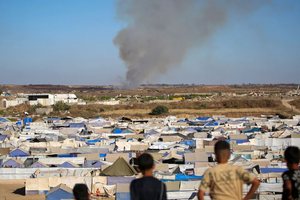
A series of Israeli airstrikes in the Gaza Strip have left...

The promotion of the book by author Aleksandër Ikonomidhi ...
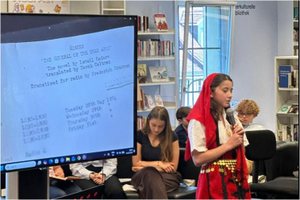
The Albanian Embassy in Switzerland has organized an eveni...
This Wednesday, the prominent actor of Albanian cinema, Gj...
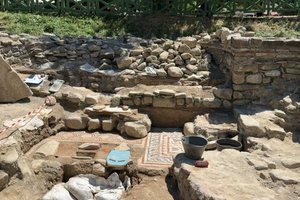
Several archaeological excavations conducted during this s...

For almost a decade, the construction sector in our countr...
This Sunday, one US dollar is bought for 81.4 lek and sold...
In the Balkans, few tourism markets are expanding at the p...

Demographic experts Ilir Gëdeshi and Russell King conclude...