





A serious complaint begins with the simplest question: what do I know for sure? Not what I heard, not what I think, but what I can prove. If a citizen has paid a bribe, he or she should remember the date, time, place, person's name, the specific request, and whether there are messages, recordings, or witnesses.
When it comes to tenders or public works, administrative documents, official notices, decisions, invoices, photographs, and the comparison between what is written on paper and what happens on the ground have decisive weight.
The more concrete the material, the more difficult it becomes to close the case with a bureaucratic sentence. Sentences like "there is corruption in the municipality" lead nowhere. Whereas a claim constructed in this way - date, procedure, act, responsible person, suspected damage - forces the institutions to react with substance.
Chronology is also important. Many denunciations lose their force because they appear as unrelated fragments. When the event is reconstructed step by step, the pattern emerges more clearly. Who initiated the procedure, who signed it, who benefited, who remained silent. It is there that we begin to distinguish whether we are dealing with a random violation or an organized chain.
Also, be careful with publishing personal data or accusations that are not yet supported by evidence. The goal is not to lynch on social networks. The goal is to get the facts where they need to be and not to be dismissed due to carelessness.
There is no single path. There are cases that should be reported to the police or prosecutor's office, especially when the suspicion is related to a criminal offense. There are cases that require reporting to specialized anti-corruption structures.
There are administrative cases where the complaint must first be sent to the relevant institution, internal control, or supervisory bodies. There are cases where the media plays a decisive role, because public pressure moves faster than the official seal.

But the choice of channel depends on the nature of the case. If we have violations in public procurement, we need to look at the documents and procedures. If we have direct bribery, the weight falls on individual evidence.
If we have a favoritism scheme in the administration, evidence, documents, and comparison with other practices are often needed. So, it's not enough to just say "I denounced it." What matters is where, how, and with what material.
Citizens often make the mistake of sending everything to the same address. Then they wonder why they don't get a response or why they get a lukewarm response. Institutions use the confusion to their advantage. The clearer the object of the complaint, the less room there is to drag it out./ CNA


When public money disappears in inflated tenders, when a j...
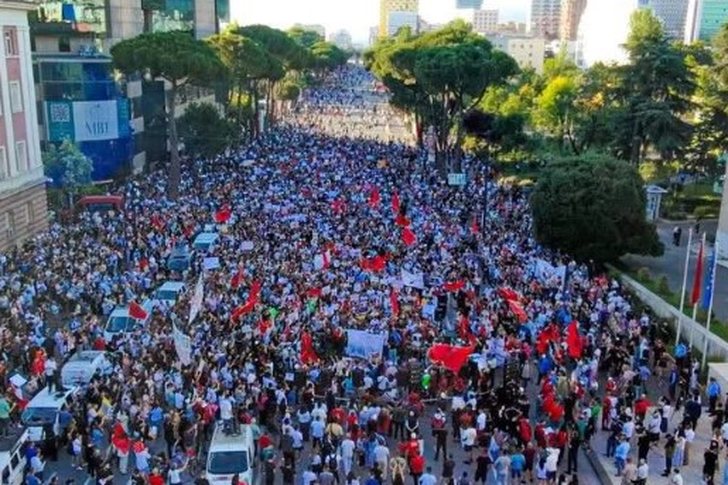
I was reading some communications online, regarding a post...
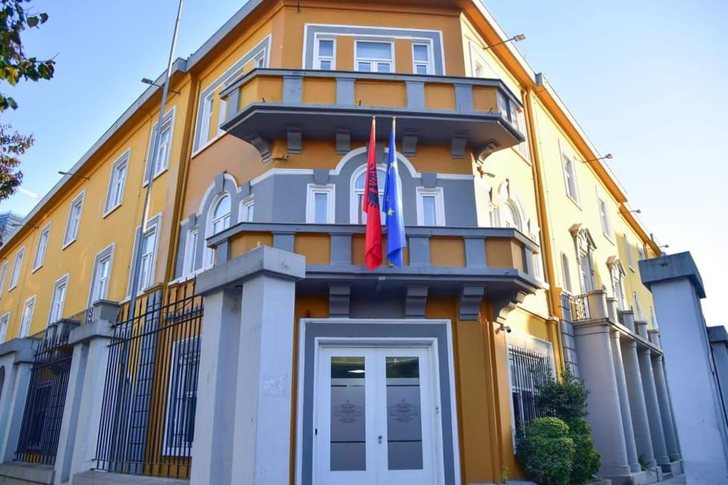
The temporary appointment of the vice-rector to the positi...
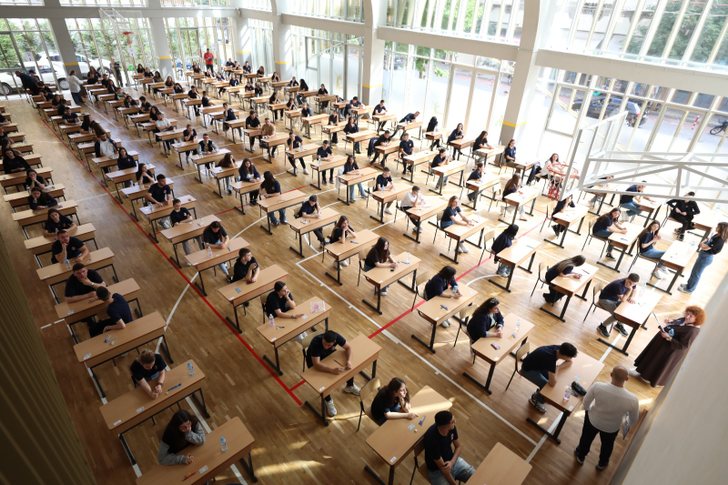
Every year, thousands of high school graduates in Albania ...
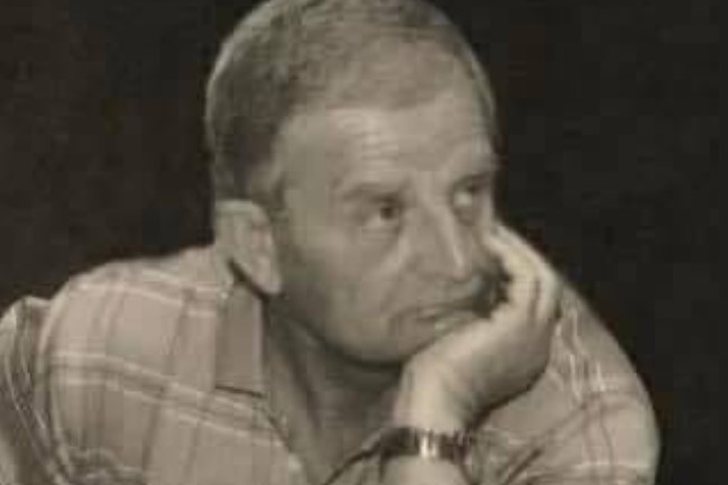
I still can't believe that Agron Çobani is no more. He had...

Political scandals in Albania do not only show the behavio...
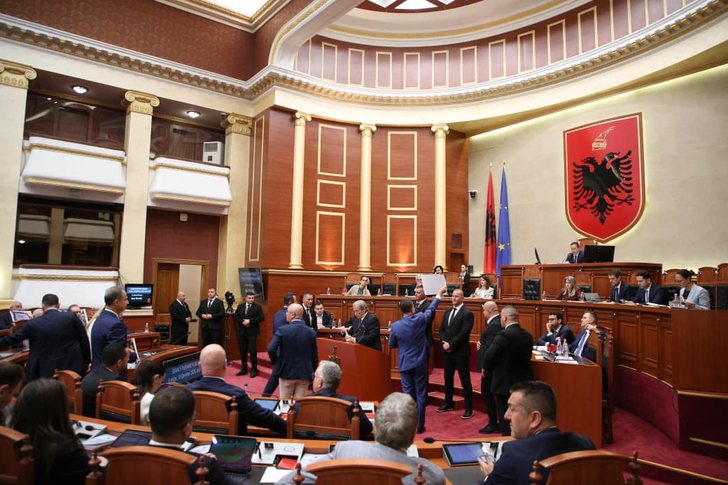
When a scandal breaks out in Tirana, the noise is loud, th...
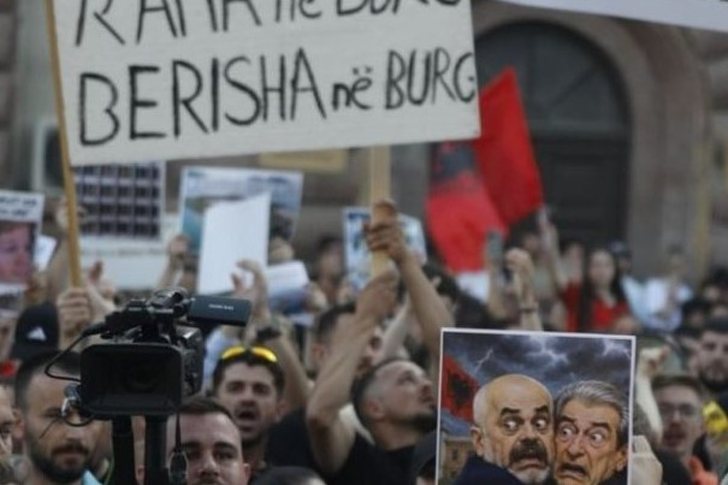
“Rama in prison, Berisha in prison, everyone in prison!” i...

There's a reason why healthy societies call madness what d...
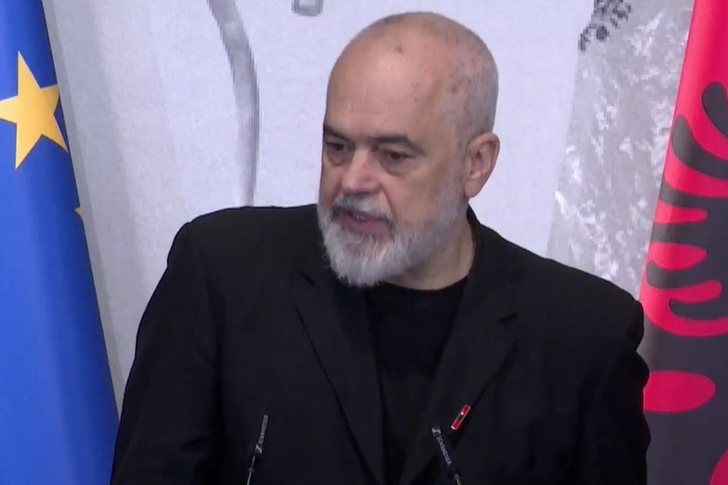
In Berlin, once a symbol of a divided Germany and Europe, Al...
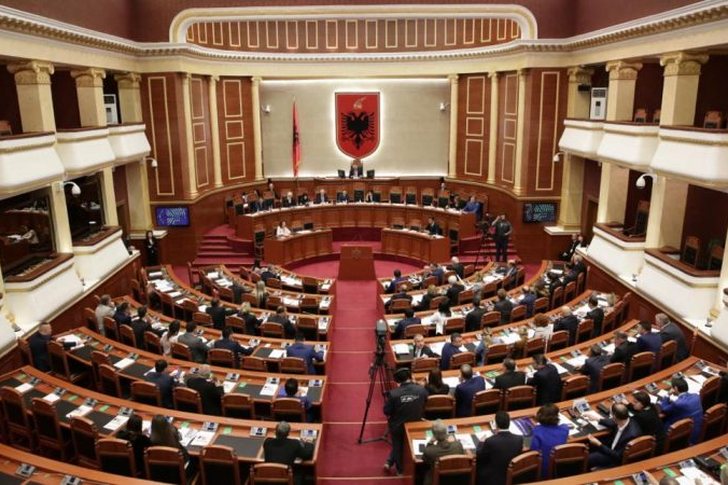
Sara Mila expressed this today during the development of t...

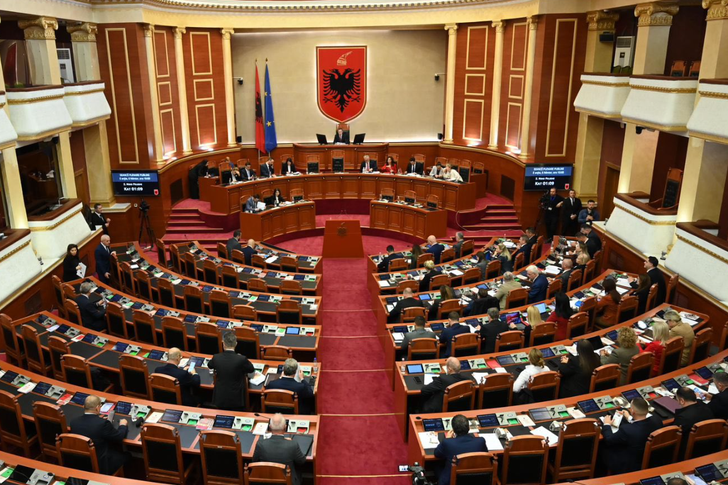
Albanian politics today does not take place only in Parlia...
Asnjë analizë politike shqiptare sot nuk ka kuptim pa roli...
When it comes to Albanian political analysis today, the qu...
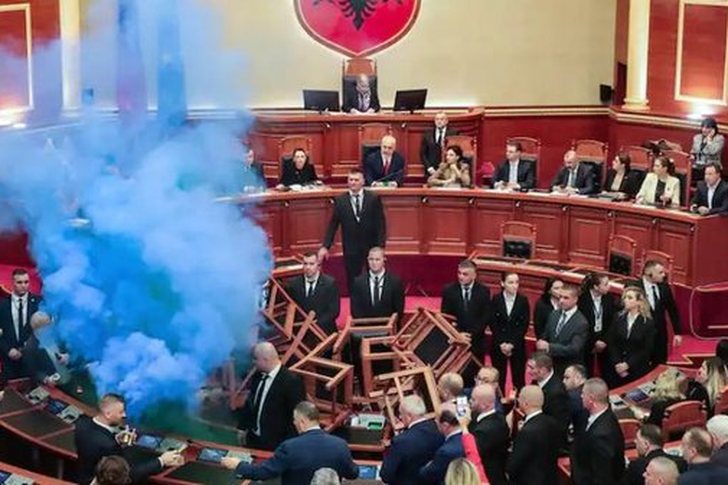
If the majority has the problem of moral and political exh...
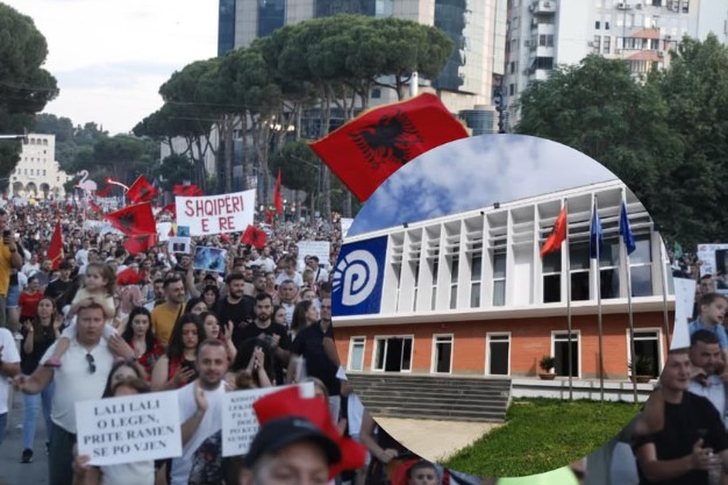
The opposition, which has purchased a visa for "health rea...
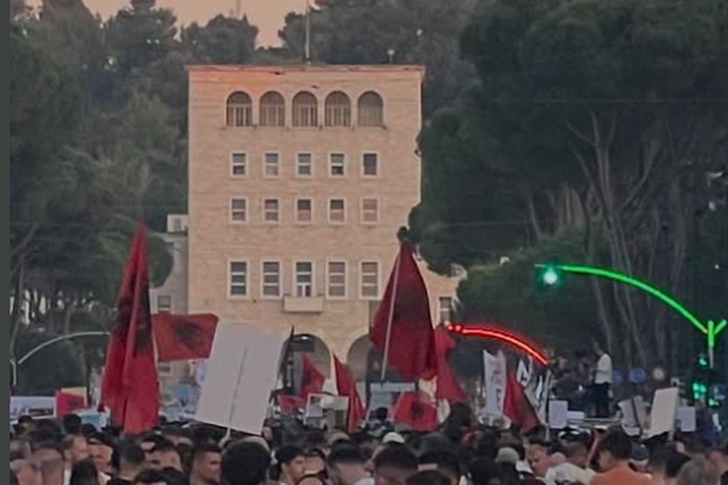
After more than two weeks of non-stop protest, the questio...
Somewhere in the mid-1990s, in an Albania that was still l...
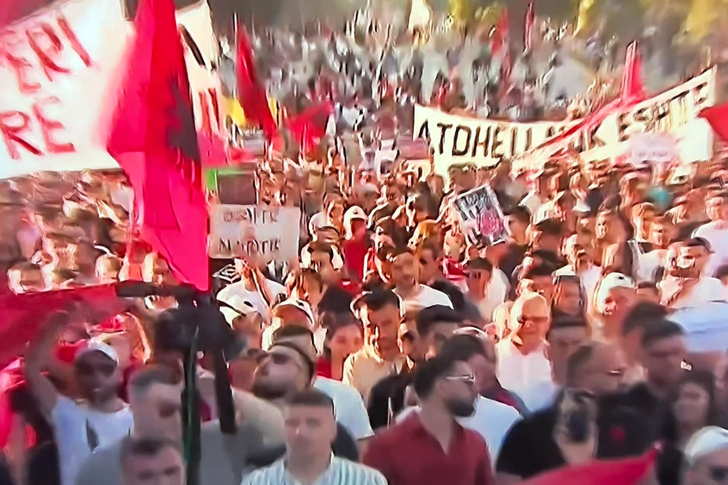
Since the protests began, this place is no longer what it ...
After 35 years, the national cry "Down with Communism!" ri...

Since the summer of 2020, the Mayor of Tirana, Erion Velia...

The leader of the Democratic Party, Sali Berisha, denounce...
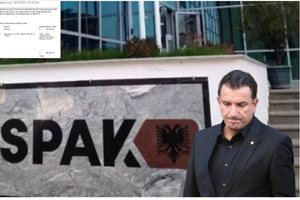
In January 2026, CNA published a series of documents and f...
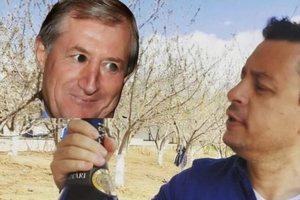
Erion Isufi is the man known in the media as Lulzim Basha'...

The Special Board of Appeal (KPA) decided this Monday ...

The KPA vetting decided this Thursday to dismiss the p...

Suela Salavaçi, a prosecutor in the Prosecutor's Offic...

The Special Board of Appeal reinstated the prosecutor ...
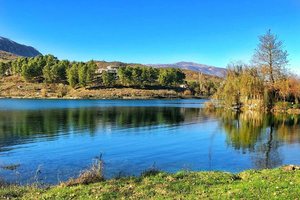
A serious incident is reported to have occurred today in G...
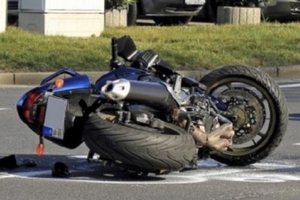
A fatal accident has been recorded on the Fier-Lushnjë hig...
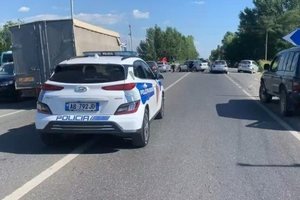
A road accident occurred today on the Lezhë-Milot highway,...
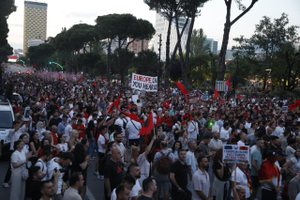
Tirana police have criminally prosecuted 27 people in conn...
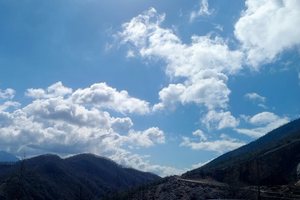
On Friday, our country will be affected by stable weather ...

On Thursday, our country will be affected by stable weathe...

On Wednesday, our country will be affected by relatively s...
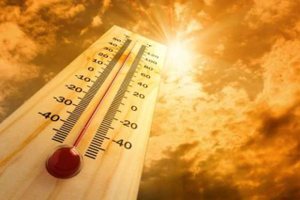
Meteorologist Tanja Porja shared some predictions today re...
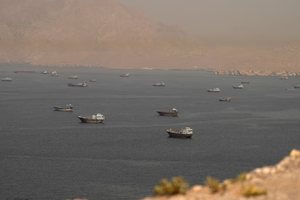
Oil shipments through the Strait of Hormuz increased signi...

Polish President Karol Nawrocki announced on Friday that h...
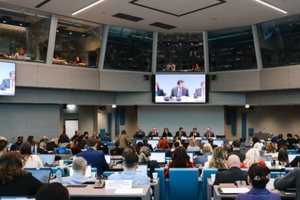
Bosnia and Herzegovina has once again been placed under in...

The Norwegian government has decided to significantly limi...

The Albanian Embassy in Switzerland has organized an eveni...

This Wednesday, the prominent actor of Albanian cinema, Gj...
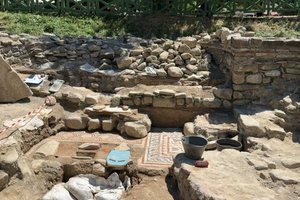
Several archaeological excavations conducted during this s...

At the Museum of Fine Arts in Chambéry, France, an exhibit...

Urban development, transport, energy, forestry and agricul...

The Minister of Economy and Innovation, Delina Ibrahimaj, ...
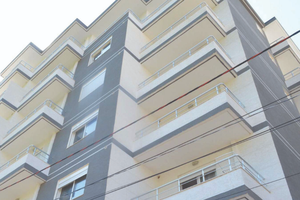
The draft law proposed by the Ministry of Finance for a ne...
It is not only Albanian consumers who pay more than the Eu...