

The Transparency Board is suspended today
The Minister of Economy and Innovation, Delina Ibrahimaj, ...


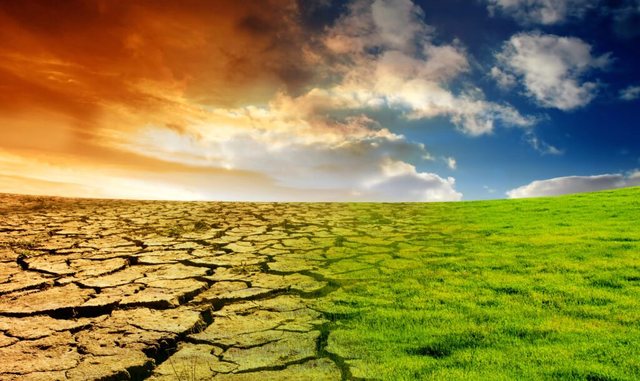
Urban development, transport, energy, forestry and agriculture will absorb more than $8.5 billion in investments under the National Climate Change Adaptation Plan that has already entered into force, making up the vast majority of the total cost of $9.8 billion that the government has estimated for the next decade.
The document identifies these sectors as the most exposed to climate risks and at the same time as the areas where the greatest investments are required to increase the resilience of the country's economy and infrastructure.
According to the plan, urban development represents the largest financial item. “The total cost of priority measures for the urban development sector is estimated at 2.72 billion USD,” the document states. Forestry ranks next with 2.13 billion USD. “The total cost of priority measures for the forest sector is estimated at 2.13 billion USD,” the plan states. Transport requires investments of 2.04 billion USD.
“The total cost of priority measures for the transport sector is estimated at 2.04 billion USD,” according to the document. Meanwhile, the energy sector is expected to require 1.96 billion USD in financing. “The total cost of priority measures is estimated at 1.96 billion USD,” it says for energy. Agriculture, one of the sectors most sensitive to climate change, is estimated to need 678 million USD in investment. “The total cost of priority measures is estimated at 678 million USD,” the plan says.
The document argues that urban investments are linked to increased risk from floods, extreme temperatures and pressure on existing infrastructure. “Integrating climate considerations into urban and territorial planning is essential to reduce vulnerability,” the document says. For the transport sector, the plan identifies direct exposure of roads, bridges and other public assets to extreme weather phenomena. “Transport infrastructure is exposed to floods and other extreme climate events,” the plan says. In energy, the main concern is related to the system’s dependence on hydropower. “High dependence on hydropower production increases exposure to droughts and changes in the hydrological regime,” the document says.
The plan warns that climate change could pose a risk to the country’s energy security. “Climate change poses risks to energy security,” the plan says. In the rural sector, the document identifies agriculture as one of the most exposed economic activities. “Agriculture is among the sectors most sensitive to climate change,” the document says.
The plan also highlights that smallholder farmers face greater risks from droughts, high temperatures and fluctuations in rainfall. “Smallholder farmers are considered particularly vulnerable,” the plan says. For forests, the document highlights the increasing risk from ecosystem degradation and extreme climate events. “Forest ecosystems face increasing risks from climate change,” the document says.
The government argues that these investments aim to increase the resilience or sustainability of strategic sectors and limit climate-related economic losses. “Adaptation measures aim to reduce the vulnerability of critical sectors,” the plan states. /Monitor

The Minister of Economy and Innovation, Delina Ibrahimaj, ...
The draft law proposed by the Ministry of Finance for a ne...
It is not only Albanian consumers who pay more than the Eu...
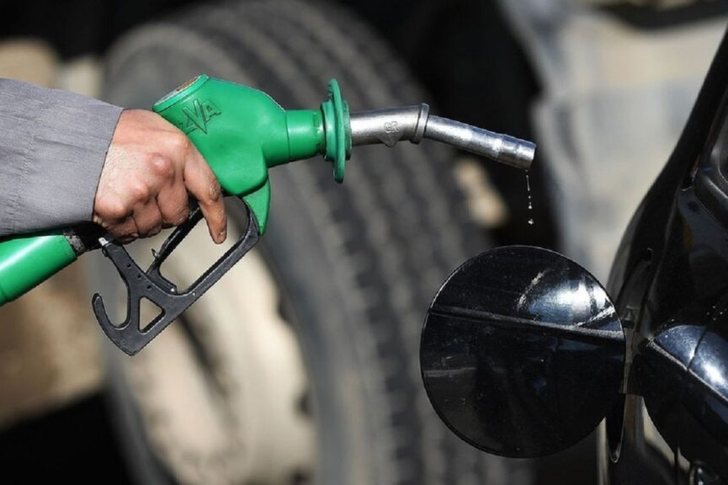
Albanian consumers paid 10.5% more for fuel than the Europ...
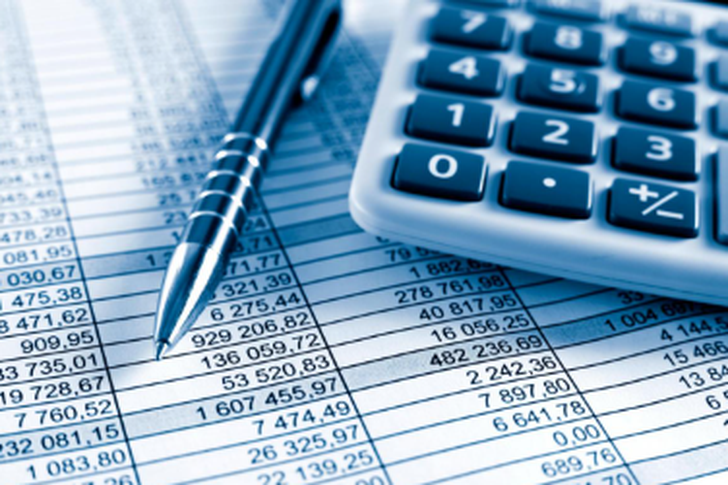
A new draft law submitted for public consultation by the M...

While budget revenues are being collected at enviable rate...
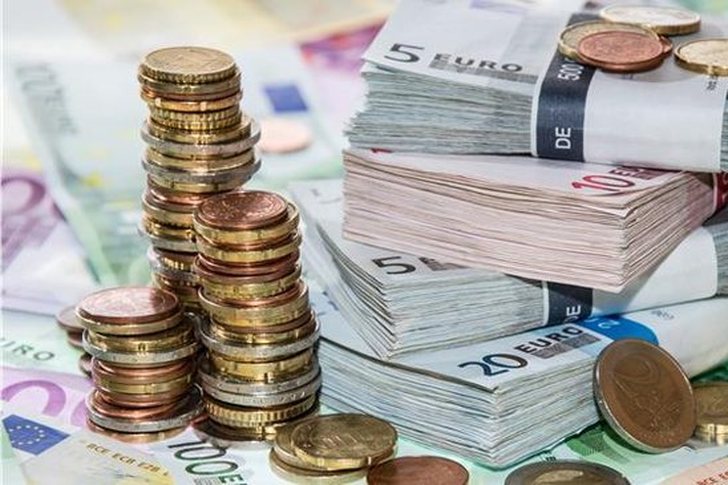
This Thursday, one US dollar is bought for 81.5 lek and so...
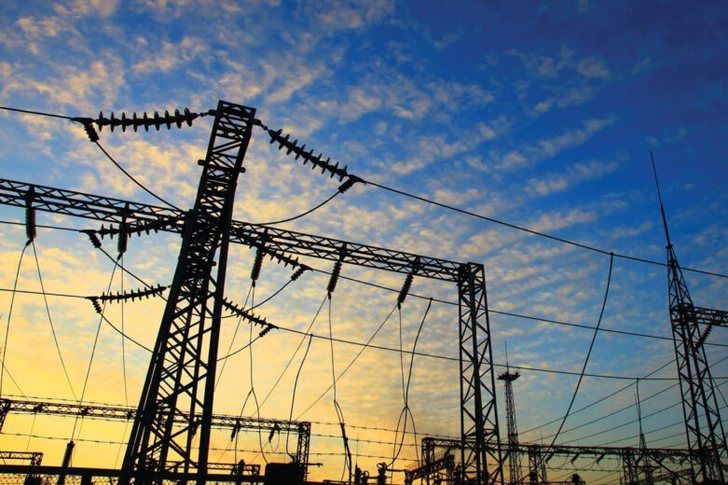
Net electricity production in the country reached 4.4 mill...
Albanian consumers have individual consumption per capita ...
In 2025, eight EU countries recorded a current individual ...

The Albanian economy is facing a new increase in inflation...
Total revenues for the period January-May 2026 reached aro...

In a sector where the number of visitors continues to grow...
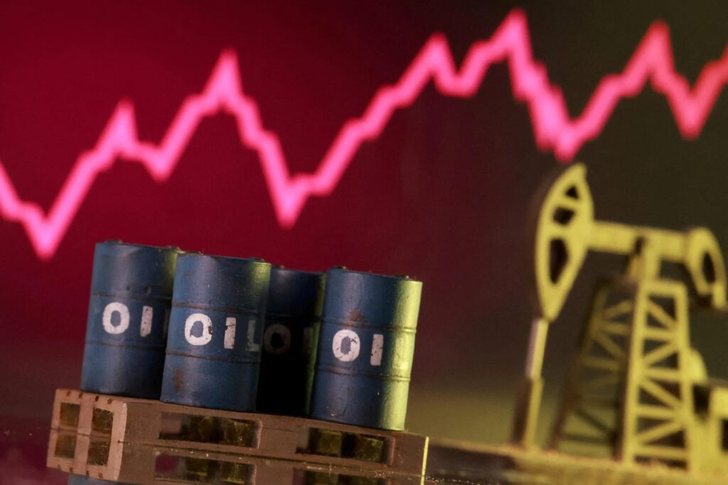
Oil prices have fallen to their lowest level in nearly 15 ...
This Tuesday, one US dollar is bought for 81.3 lek and sol...

Seasonal changes, fluctuations in production and imports, ...

The dynamics of wages in the labor market continued their ...
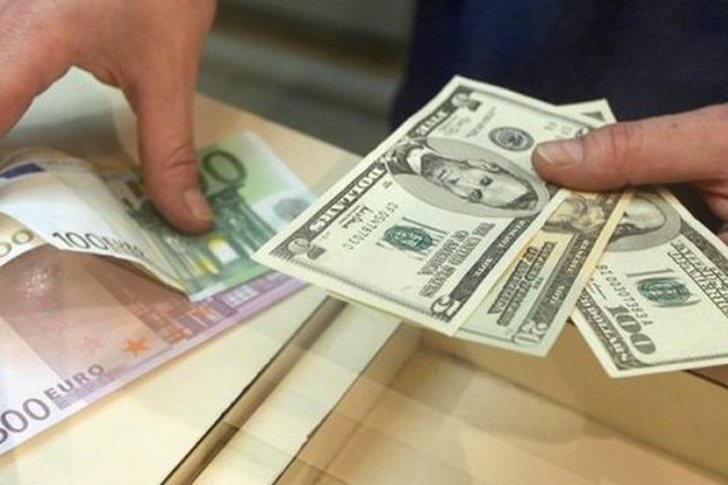
This Monday, one US dollar is bought for 81.5 lek and sold...

For the first time in history, the World Cup will be held ...
This Sunday, one US dollar is bought for 81.5 lek and sold...
The leader of the Democratic Party, Sali Berisha, denounce...
In January 2026, CNA published a series of documents and f...
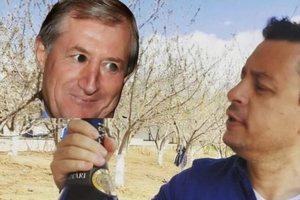
Erion Isufi is the man known in the media as Lulzim Basha'...

There have been 12 days of protests in the capital, which ...

The Special Board of Appeal (KPA) decided this Monday ...

The KPA vetting decided this Thursday to dismiss the p...

Suela Salavaçi, a prosecutor in the Prosecutor's Offic...

The Special Board of Appeal reinstated the prosecutor ...
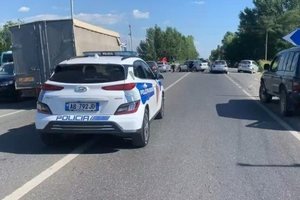
A road accident occurred today on the Lezhë-Milot highway,...
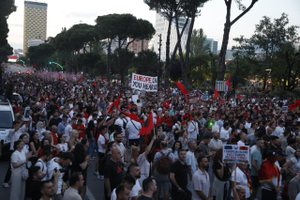
Tirana police have criminally prosecuted 27 people in conn...
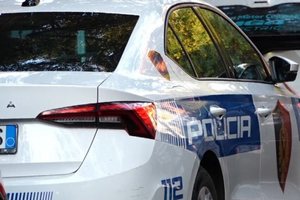
A stabbing occurred today in the "Ali Demi" area of Tira...
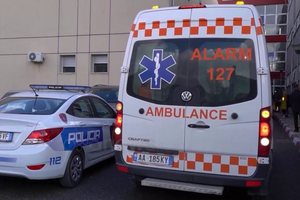
A serious incident occurred this Friday in Tala, Lezha. A...
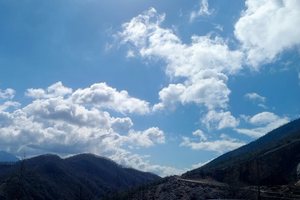
On Friday, our country will be affected by stable weather ...
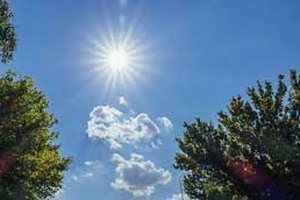
On Thursday, our country will be affected by stable weathe...
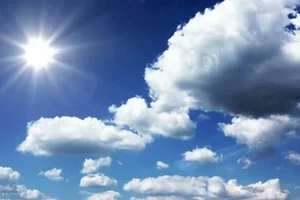
On Wednesday, our country will be affected by relatively s...
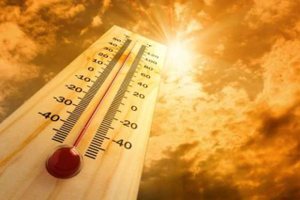
Meteorologist Tanja Porja shared some predictions today re...

Israel and Hezbollah reached a ceasefire agreement on Frid...
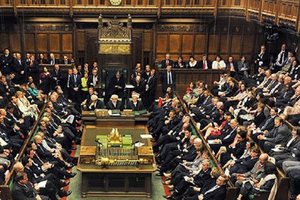
Andy Burnham is no stranger to Labour Party leadership con...
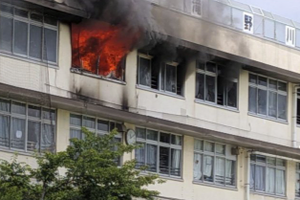
A fire broke out this Friday at an elementary school in ce...

Attorneys for the defendant accused of killing UnitedHealt...
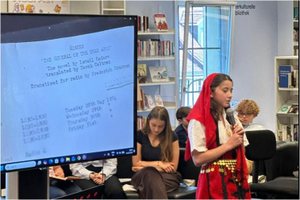
The Albanian Embassy in Switzerland has organized an eveni...

This Wednesday, the prominent actor of Albanian cinema, Gj...
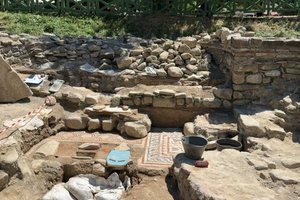
Several archaeological excavations conducted during this s...

At the Museum of Fine Arts in Chambéry, France, an exhibit...
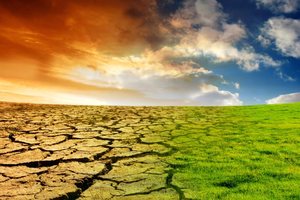
Urban development, transport, energy, forestry and agricul...
The Minister of Economy and Innovation, Delina Ibrahimaj, ...
The draft law proposed by the Ministry of Finance for a ne...
It is not only Albanian consumers who pay more than the Eu...