


When the media makes a difference and when it just adds to the noise
In cases of corruption, the media can be an engine of pres...


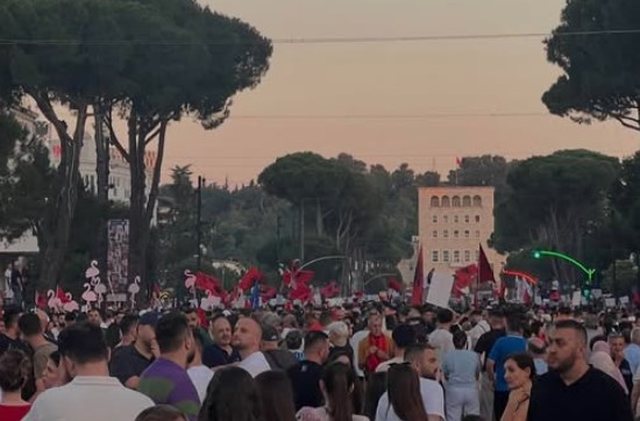
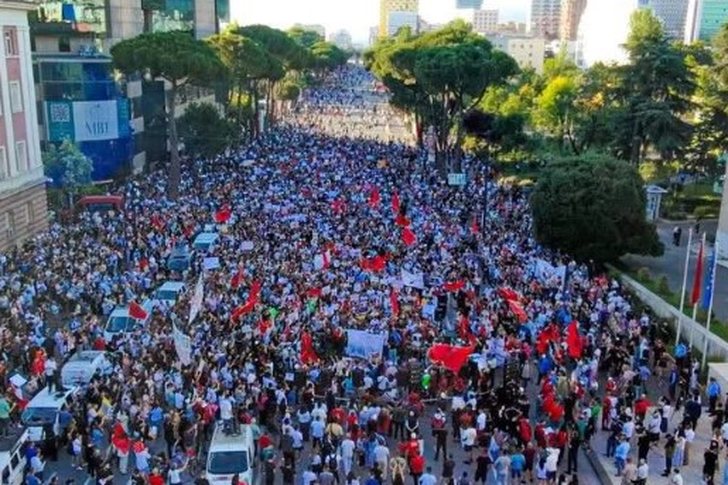
On its 20th day, the protest is becoming increasingly clear: this is no longer just a revolt for Zvërnec, nor just anger against the government or the opposition. At its core, it is an uprising against the economic model that has been built in Albania.
Foreign journalists who have come to the square do not see banners against foreign investment. No one takes to the streets because an investor wants to build, produce or create jobs. What is opposed is something else: Albanian capitalism.
A capitalism without competition, where the winner is often known before the tender criteria are drawn up; a system with “capitalists appointed” by politics rather than created by the market; a model where part of the enterprise is not fed by customers, but by taxpayers' money.
In theory, capitalism rewards the best idea, the highest quality product, and the most efficient service; in practice, it often rewards the shortest connection to power.
The protest is against this deformation, against a model that does not see the employee as a partner, but as a cost, against a system that boasts billions in investments, while offering ridiculous salaries.
Therefore, its demands are not just symbolic: repeal of the changes to the law on protected areas, removal of the strategic investor status, and full transparency for contracts, concessions, and PPPs.
The paradox is brutal: we reached the EU with prices, but not with wages.
In many sectors, business seeks the cheapest possible labor force and, when it can no longer find it locally, imports it from Bangladesh, Nepal, India, or the Philippines. The protest raises a simple question: if Albanian capitalism needs workers from Bangladesh, why can't it keep Bradashesh's workers in the country?
The square is also rising against monopolies and oligopolies, against markets where competition is the exception and not the rule.
In modern economies, capital arises from ideas, innovation, risk, and competition. When capital originates from the government and not from the market, capitalism ceases to be capitalism and becomes a system of privileges.
Nowhere is this more evident than in the platonic love of concrete and the belief that development is measured only in towers and square meters. Capital is poured almost exclusively into concrete, while education, scientific research, technology and production remain "the last item on the agenda."
This is why the “flamingos” have resonated beyond environmentalists, beyond the left and right, across generations, and now even beyond the borders of Albania. From diaspora in various European cities to wide international coverage, the protest is articulating a dissatisfaction that goes far beyond a single project.
Citizens are not protesting against the free market, but against an oligarchic capitalism that privatizes profits and leaves the burden to the budget, against a system that feeds on custom laws, privileged concessions and PPPs without real competition, "against building capitalism with our own forces"
In capitalism, profit and loss are sister and brother. Our "capitalists" seem to only recognize profit. In fact, in many cases, the state even guarantees them compensation when the predicted profit is not realized.
Once upon a time, a French diplomat said: "you built the worst form of communism...", today, many of the protesters would complete the sentence: "...and now you are building the worst form of capitalism."
The question on the 20th day of protest is not whether Albania should have capitalism, but what kind of capitalism does it deserve?

In cases of corruption, the media can be an engine of pres...
Let's put it bluntly: in Albania, denouncing public corrup...
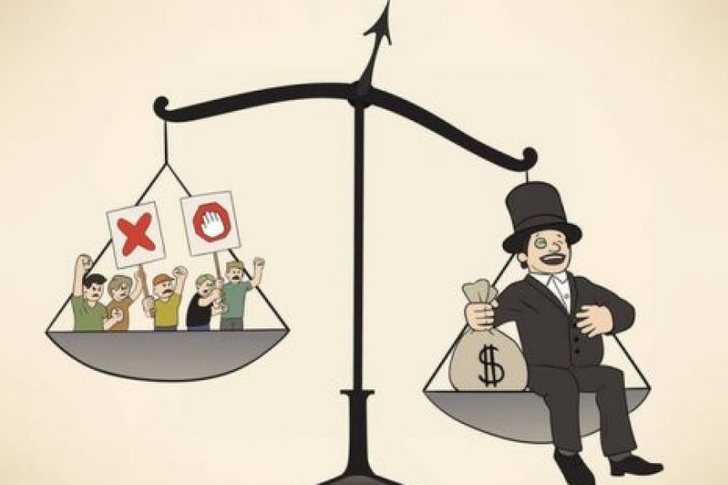
A serious complaint begins with the simplest question: wha...

When public money disappears in inflated tenders, when a j...
I was reading some communications online, regarding a post...
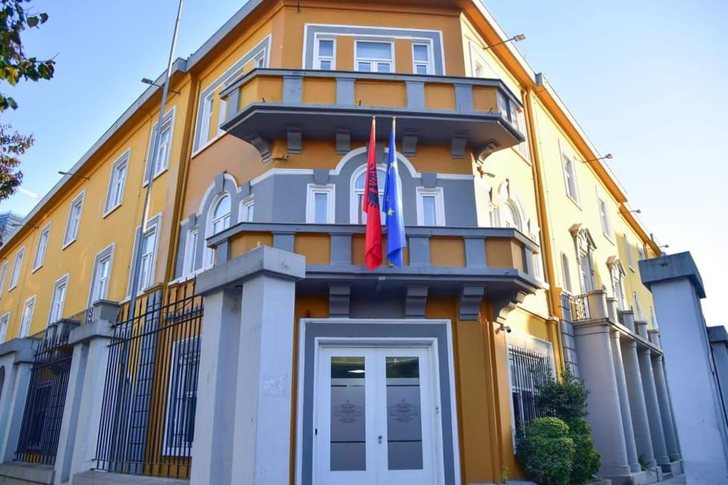
The temporary appointment of the vice-rector to the positi...
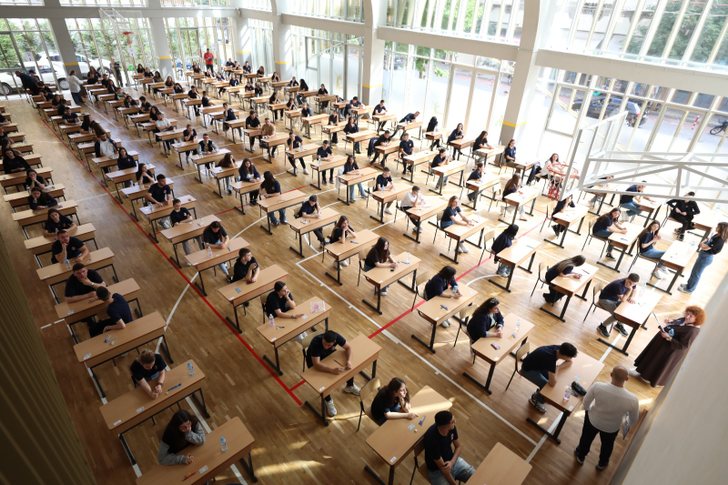
Every year, thousands of high school graduates in Albania ...
I still can't believe that Agron Çobani is no more. He had...

Political scandals in Albania do not only show the behavio...
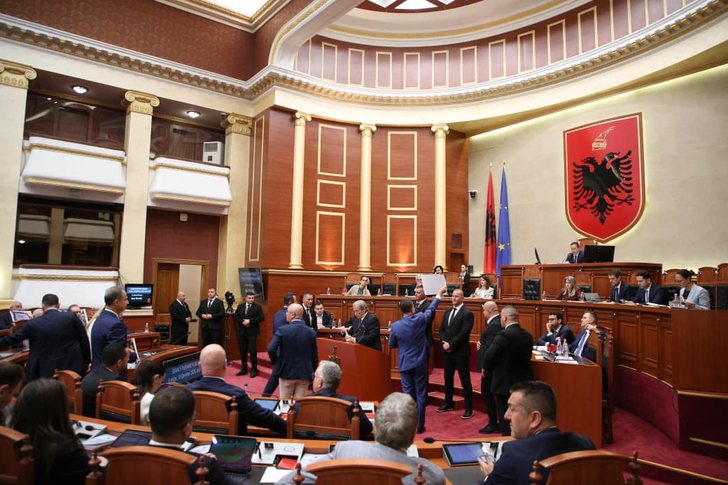
When a scandal breaks out in Tirana, the noise is loud, th...
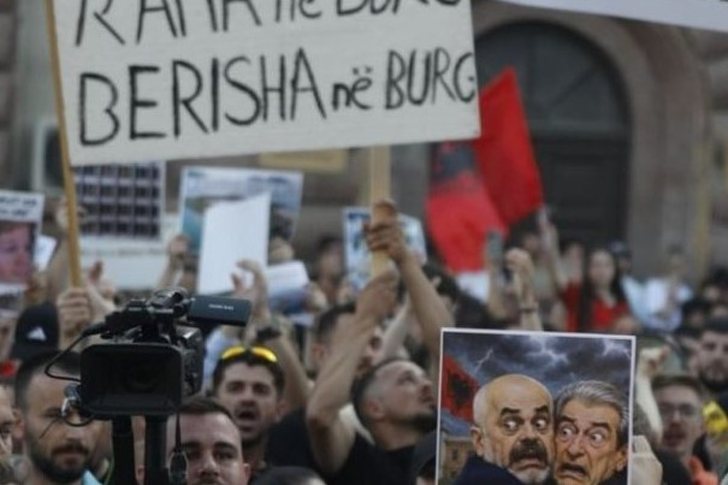
“Rama in prison, Berisha in prison, everyone in prison!” i...
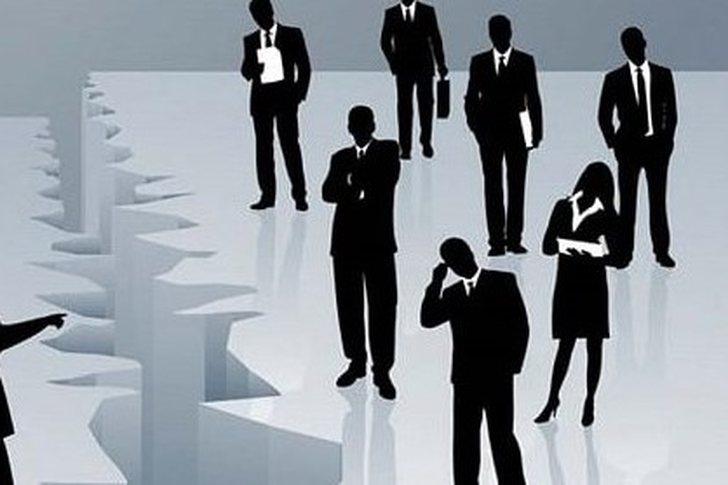
There's a reason why healthy societies call madness what d...
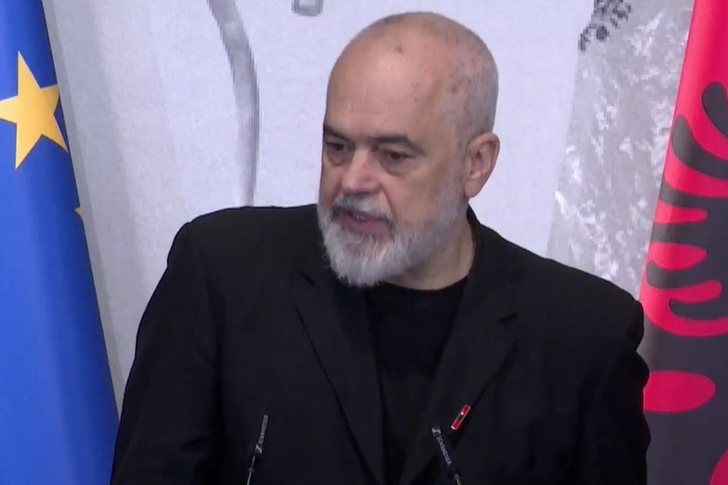
In Berlin, once a symbol of a divided Germany and Europe, Al...
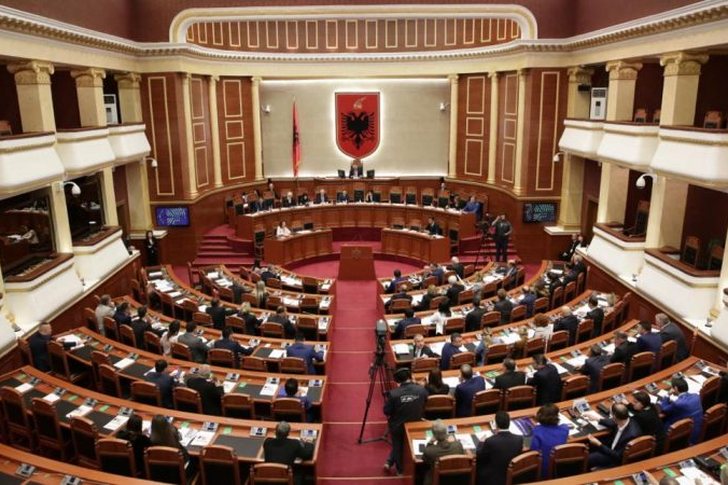
Sara Mila expressed this today during the development of t...

Albanian politics today does not take place only in Parlia...
Asnjë analizë politike shqiptare sot nuk ka kuptim pa roli...
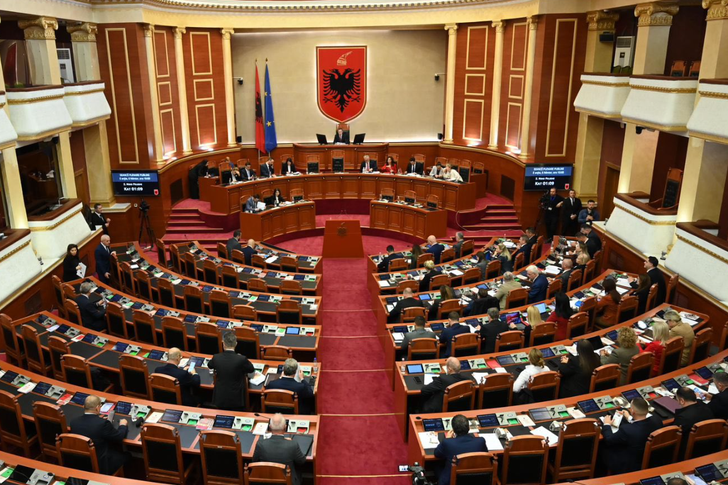
When it comes to Albanian political analysis today, the qu...
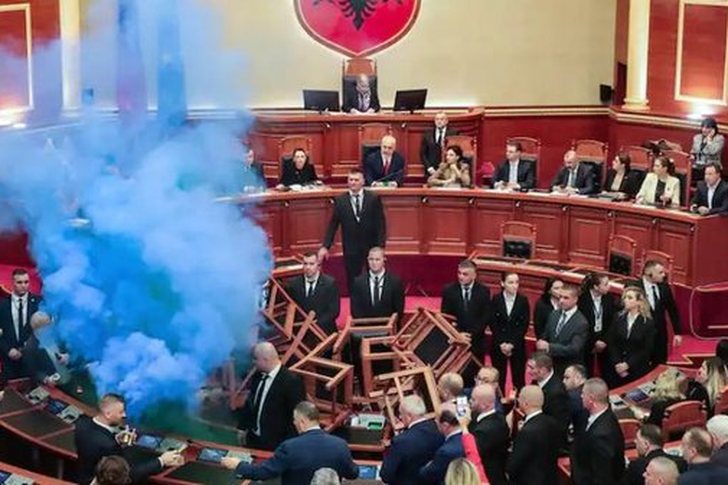
If the majority has the problem of moral and political exh...
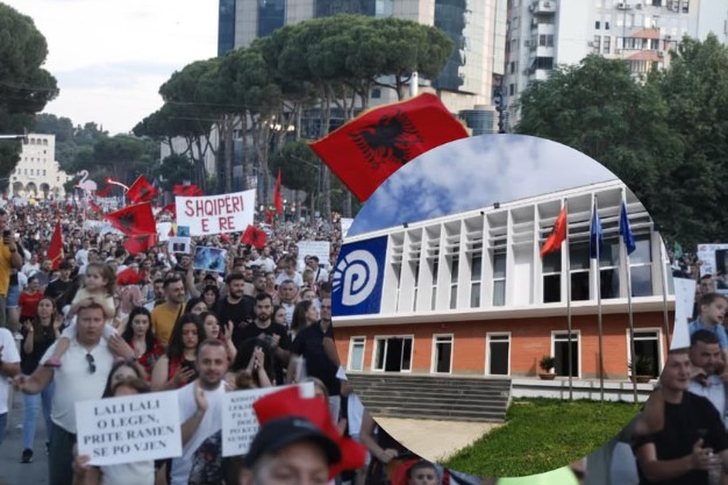
The opposition, which has purchased a visa for "health rea...
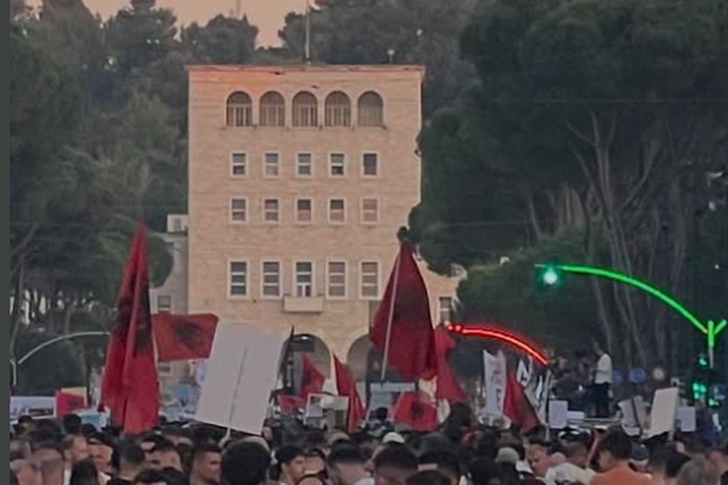
After more than two weeks of non-stop protest, the questio...
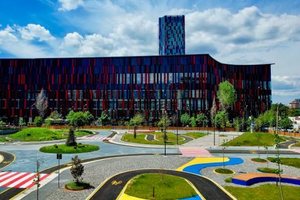
Since the summer of 2020, the Mayor of Tirana, Erion Velia...
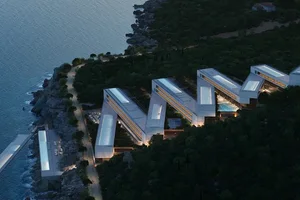
The leader of the Democratic Party, Sali Berisha, denounce...
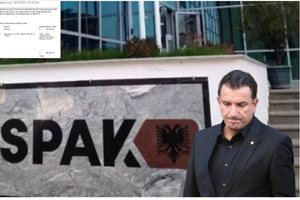
In January 2026, CNA published a series of documents and f...
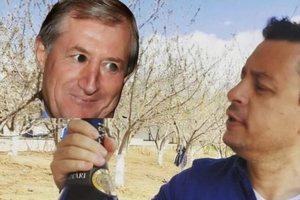
Erion Isufi is the man known in the media as Lulzim Basha'...

The Special Board of Appeal (KPA) decided this Monday ...

The KPA vetting decided this Thursday to dismiss the p...

Suela Salavaçi, a prosecutor in the Prosecutor's Offic...

The Special Board of Appeal reinstated the prosecutor ...
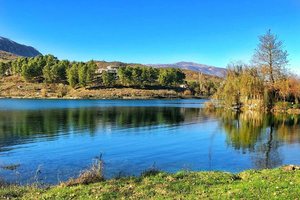
A serious incident is reported to have occurred today in G...
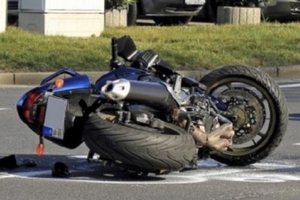
A fatal accident has been recorded on the Fier-Lushnjë hig...
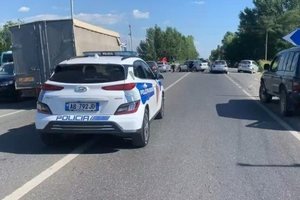
A road accident occurred today on the Lezhë-Milot highway,...
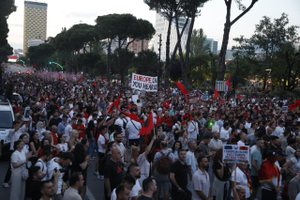
Tirana police have criminally prosecuted 27 people in conn...
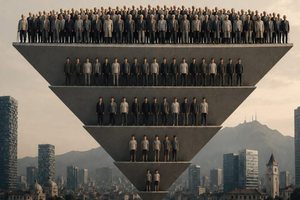
Albania is leading a painful demographic process that plac...
On Friday, our country will be affected by stable weather ...
On Thursday, our country will be affected by stable weathe...
On Wednesday, our country will be affected by relatively s...
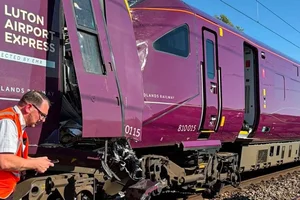
Two high-speed passenger trains collided on Friday afterno...
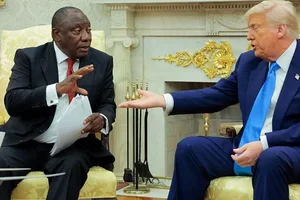
The United States government has announced that it will st...
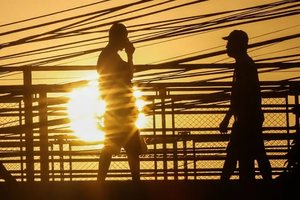
Meteorologists have warned that a powerful El Nino phenome...
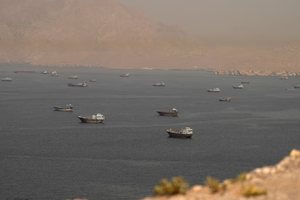
Oil shipments through the Strait of Hormuz increased signi...
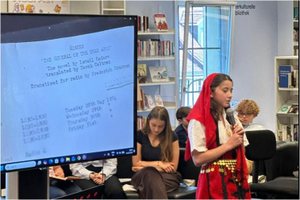
The Albanian Embassy in Switzerland has organized an eveni...
This Wednesday, the prominent actor of Albanian cinema, Gj...
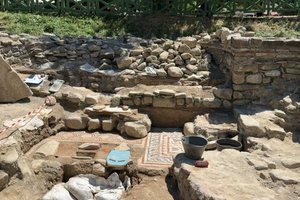
Several archaeological excavations conducted during this s...
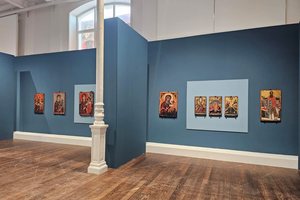
At the Museum of Fine Arts in Chambéry, France, an exhibit...
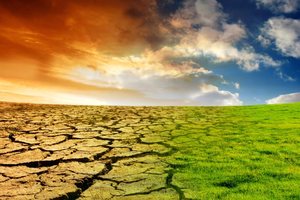
Urban development, transport, energy, forestry and agricul...
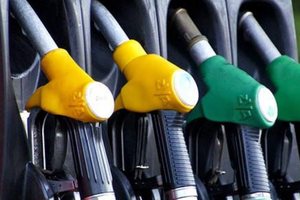
The Minister of Economy and Innovation, Delina Ibrahimaj, ...
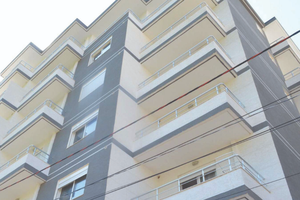
The draft law proposed by the Ministry of Finance for a ne...
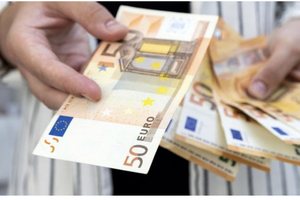
It is not only Albanian consumers who pay more than the Eu...