


Temporary break for Iran and the Persian Gulf states
Four months of war have fundamentally changed relations be...

Four months of war have fundamentally changed relations be...


Demographic experts Ilir Gëdeshi and Russell King conclude that to keep young people in the country, Albania needs a transformation of its production structure, in terms of expanding the economic base, increasing added value, and creating sustainable and qualified jobs.
Such a structure would expand business, employment and income opportunities, increasing perceptions of more positive economic and social prospects in the country, especially among young people and the more educated segments of the population.
The transformation would simultaneously create the conditions for more efficient investment of emigrants' savings and remittances, encourage their return, and facilitate the circulation of human capital between Albania and the diaspora.
According to them, the realization of this process requires policies oriented towards sectors with high development potential and quality employment.
Secondly, according to them, Albania needs a sustainable increase in public spending (as a percentage of GDP) in education and culture, health and science, environmental protection and infrastructure development.
These areas, and especially education, constitute not only the basis of long-term development, but are also key factors that directly influence migration decision-making, especially of young people and professionals.
Experts argue that public policies in education should be oriented towards increasing quality, internationalization and its connection to the labor market. The priority would be the progressive increase in funding for higher education and scientific research, accompanied by competitive mechanisms for financing universities and research projects.
In parallel, joint research and teaching programs with European universities and academic mobility schemes that also include the Albanian scientific diaspora can be developed, facilitating the transfer of knowledge and raising academic standards.
Experts believe that strengthening links between universities and the private sector through professional internships, university incubators, and partnerships with industry would increase graduate employability and improve professional prospects for young people in the country.
Mr. Gëdeshi and Mr. King suggest that Albania needs a system built on meritocracy and transparency, where educational and professional progress is conditioned by qualification, work, and performance, and not by nepotism, politics, or corruption.
They advise that Albania should promote the return and reintegration of migrants, drawing on international best practices. Return policies should aim not only at physical repatriation, but also at economic integration.
The experience of several European countries shows that return policies are more effective when accompanied by concrete measures for the professional and economic integration of returnees, including support for employment, entrepreneurship and investment.
In parallel, special schemes for the return of qualified professionals can be developed, including accelerated recognition of qualifications, temporary fiscal relief, and programs for professional integration in priority sectors such as health, education, information technology, and public administration.
Such measures would contribute to transforming return migration into a mechanism for the transfer of knowledge and human capital, linking the diaspora more closely to the economic and institutional development of the country, asserts Mr. Gëdeshi.
Such measures, according to them, would strengthen the link between circular migration and the country's economic development, facilitating the regular circulation of labor between Albania and host countries.
In the short and medium term, some priority measures would be to map the professional and entrepreneurial diaspora in the main host countries, create digital platforms for communication and mediation with institutions and the labor market in Albania, and develop programs for the engagement of diaspora experts in public administration, universities, and strategic sectors.
These measures would enable the Albanian diaspora to transition from a traditional role as a source of remittances to a more strategic role as an actor in the development, innovation and internationalization of the Albanian economy./ Monitor

This Saturday, one US dollar is bought for 81.8 lek and so...
Urban development, transport, energy, forestry and agricul...
The Minister of Economy and Innovation, Delina Ibrahimaj, ...
The draft law proposed by the Ministry of Finance for a ne...
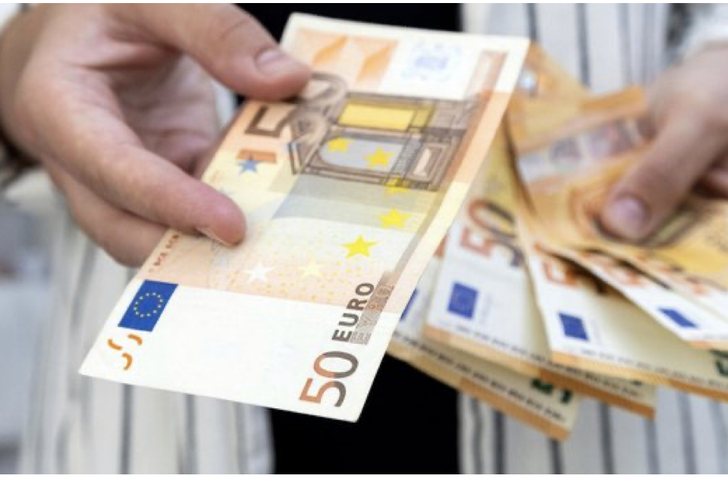
It is not only Albanian consumers who pay more than the Eu...
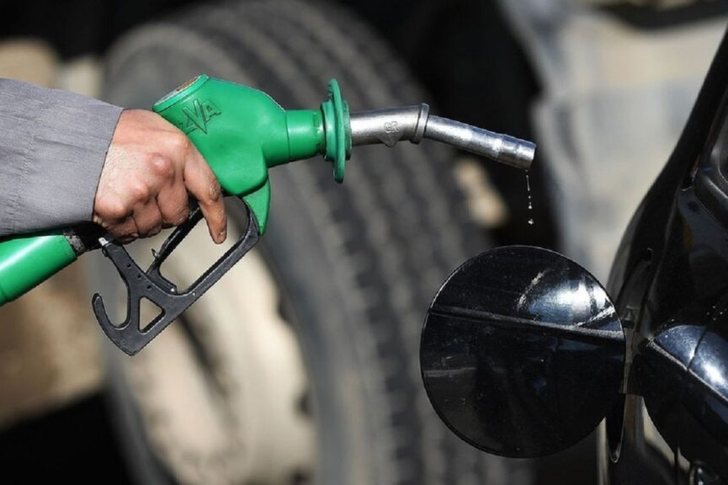
Albanian consumers paid 10.5% more for fuel than the Europ...

A new draft law submitted for public consultation by the M...

While budget revenues are being collected at enviable rate...
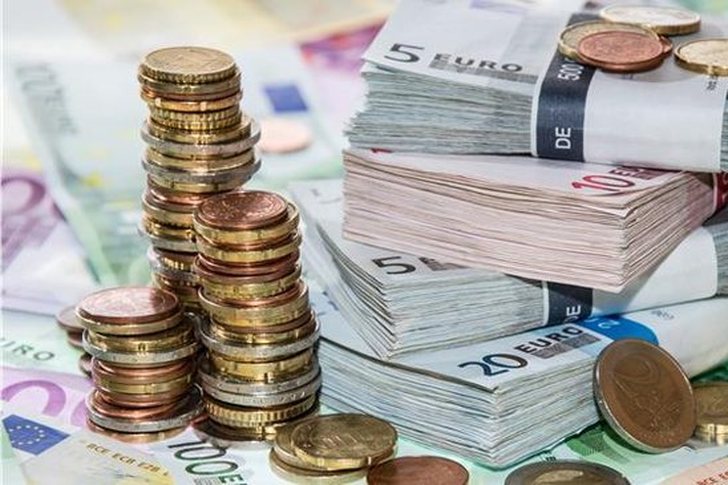
This Thursday, one US dollar is bought for 81.5 lek and so...
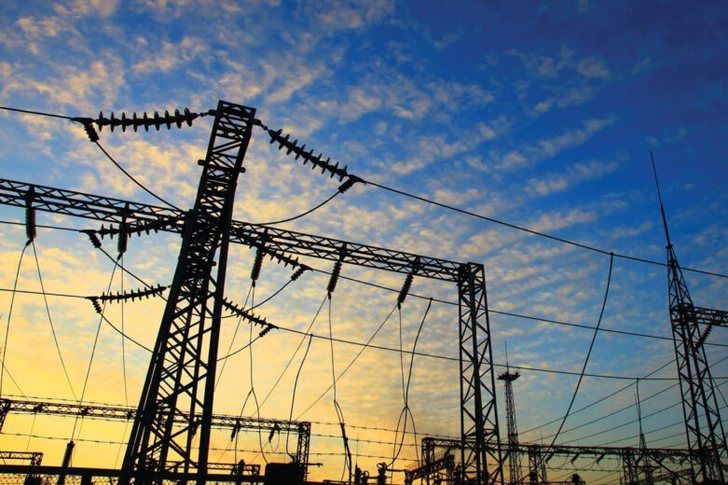
Net electricity production in the country reached 4.4 mill...

Albanian consumers have individual consumption per capita ...
In 2025, eight EU countries recorded a current individual ...

The Albanian economy is facing a new increase in inflation...
Total revenues for the period January-May 2026 reached aro...

In a sector where the number of visitors continues to grow...
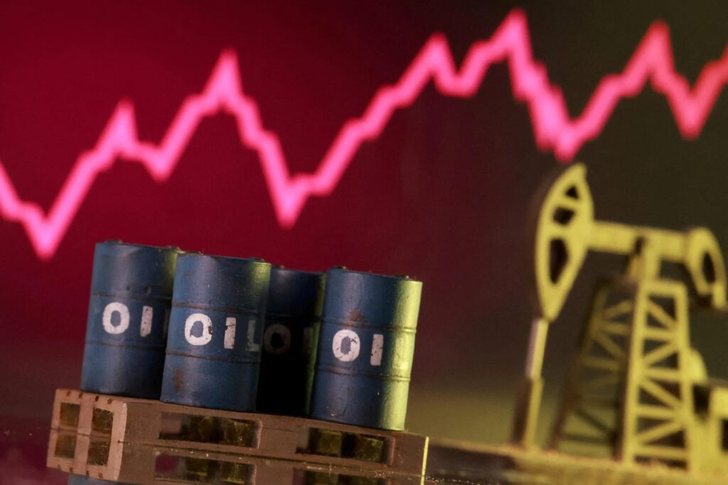
Oil prices have fallen to their lowest level in nearly 15 ...
This Tuesday, one US dollar is bought for 81.3 lek and sol...

Seasonal changes, fluctuations in production and imports, ...

The dynamics of wages in the labor market continued their ...
This Monday, one US dollar is bought for 81.5 lek and sold...
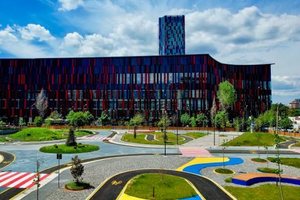
Since the summer of 2020, the Mayor of Tirana, Erion Velia...
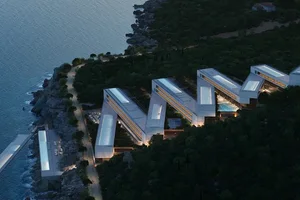
The leader of the Democratic Party, Sali Berisha, denounce...
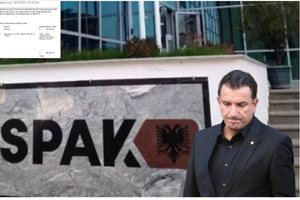
In January 2026, CNA published a series of documents and f...

Erion Isufi is the man known in the media as Lulzim Basha'...

The Special Board of Appeal (KPA) decided this Monday ...

The KPA vetting decided this Thursday to dismiss the p...

Suela Salavaçi, a prosecutor in the Prosecutor's Offic...

The Special Board of Appeal reinstated the prosecutor ...
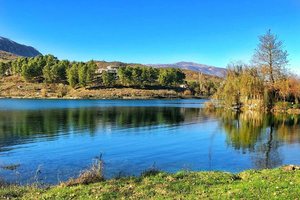
A serious incident is reported to have occurred today in G...

A fatal accident has been recorded on the Fier-Lushnjë hig...
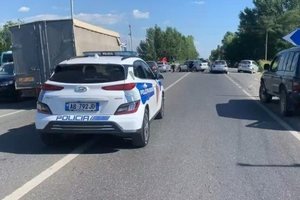
A road accident occurred today on the Lezhë-Milot highway,...
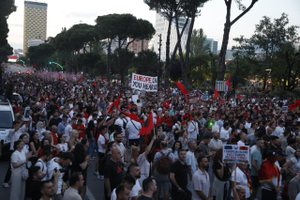
Tirana police have criminally prosecuted 27 people in conn...

Today our country will be affected by stable weather condi...
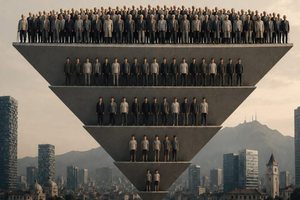
Albania is leading a painful demographic process that plac...
On Friday, our country will be affected by stable weather ...

On Thursday, our country will be affected by stable weathe...
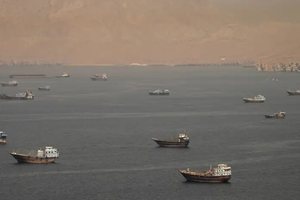
Four months of war have fundamentally changed relations be...

Australia has confirmed for the first time the presence of...
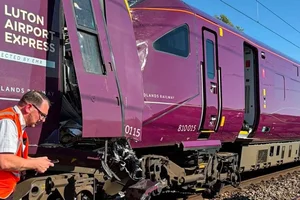
Two high-speed passenger trains collided on Friday afterno...
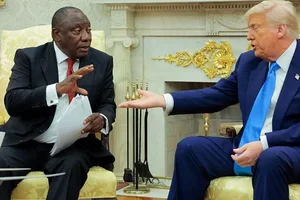
The United States government has announced that it will st...
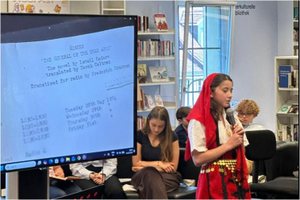
The Albanian Embassy in Switzerland has organized an eveni...

This Wednesday, the prominent actor of Albanian cinema, Gj...
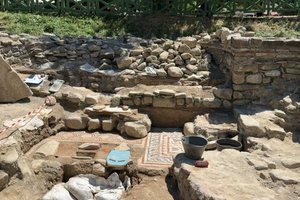
Several archaeological excavations conducted during this s...

At the Museum of Fine Arts in Chambéry, France, an exhibit...

In the Balkans, few tourism markets are expanding at the p...

Demographic experts Ilir Gëdeshi and Russell King conclude...

This Saturday, one US dollar is bought for 81.8 lek and so...
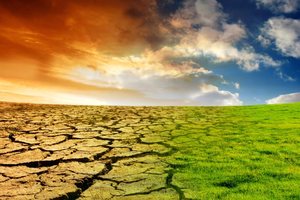
Urban development, transport, energy, forestry and agricul...