


The mayor hands over 7,308 properties to a private company, suspicions of robbery with official seal
The Democratic Party has denounced a tender held by the Hi...

The Democratic Party has denounced a tender held by the Hi...

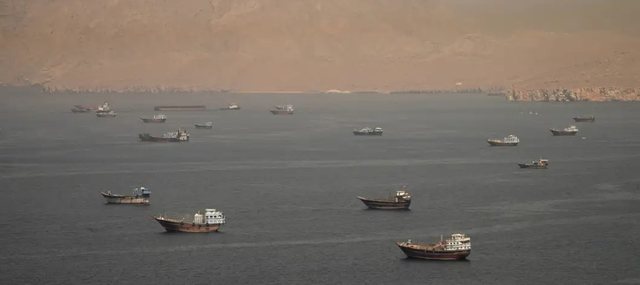
Four months of war have fundamentally changed relations between Iran and the Gulf states. Mistrust is growing, even though they are dependent on each other.
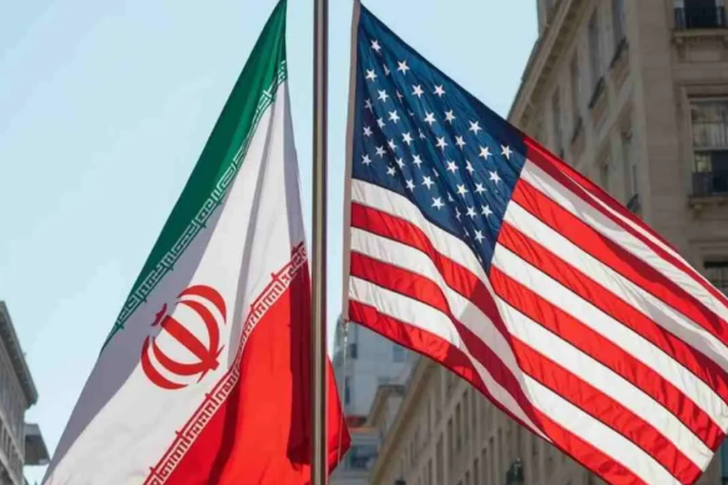
Temporary ceasefire in the Persian Gulf: the conflict between the US and Iran has ended, at least for the time being. The two countries had been at loggerheads for almost four months. Subsequently, other countries in the Gulf region also became involved in the fighting. Iran had carried out several air strikes against Arab states. Its targets were American institutions located there, especially military bases. Industrial targets in the Gulf states were also targeted, especially those related to the oil industry.
It is becoming known that the Gulf states now see their relations with the US – and also with Iran – in a different light. Confidence in the US’s defensive shield is waning, the Reuters news agency reports, citing anonymous sources from the Gulf states. Iran considers itself a permanent regional power. While any easing of tensions is welcome, the current situation is clearly worse than before the war, according to a senior government official from a Gulf state, quoted by Reuters.
Even after the interim agreement, there has been no sign yet from Tehran of a fundamental change of course with regard to its neighbors. On the contrary, Iranian leaders emphasize that they have emerged from the war politically unscathed. According to diplomats and analysts from the Gulf states, Iran has emerged from the war economically and militarily weakened, but politically unscathed. The country has preserved its political structures and continues to have the capacity to exert pressure on the Gulf states, as well as on global energy flows. The message from Tehran is this: Iran continues to consider itself a major regional player, with whom the Gulf states must reckon in the future.
No interest in a new confrontation
Neither the Gulf States nor Iran appear to have any interest in further military escalation. At the same time, the war has significantly deepened mutual distrust.
"In principle, this conflict has seriously damaged, if not destroyed, the process of mutual rapprochement," says Sebastian Sons, an expert on the Gulf states at the Center for Applied Research on Partnership with the East (CARPO) in Bonn, in an interview with DW. First and foremost, Saudi Arabia's rapprochement with Tehran has taken a step back.
Only in 2023, after a seven-year hiatus, did the two countries manage to normalize their diplomatic relations, thanks to Chinese mediation. "Frustration with Iran has increased significantly," Sons notes.
Conrad Schetter, a peace and conflict researcher at the Bonn International Center for Conflict Studies (bicc), shares a similar view. Although the attacks were a shock to many Gulf states, "common interests will ensure that relations do not completely collapse, despite all the conflicts," Schetter says in an interview with DW. All countries have an interest in economic prosperity and a stable political situation.
Iran: little effort, big impact
Iran has also drawn lessons from the war. For Schetter, the attacks on the Gulf states were, above all, strategically motivated. "Iran wanted to make it clear: 'Without us, the region doesn't work.'" The attacks had demonstrated that oil and gas exports, as well as trade and tourism in the region, remain vulnerable. Sebastián Sons supports this view: "The Gulf states were a relatively easy target for Iran."
With a limited military effort, Tehran has achieved considerable political and economic influence.
The British think tank Chatham House assumes that, in the future, Iran will resort to this type of direct pressure on a larger scale. The war has highlighted for Iran the vulnerability of the Gulf monarchies. Tehran wants to remain a major player in regional power politics.
Gulf states are becoming more pragmatic
At the same time, there are many signs that the Gulf states will pursue a more pragmatic policy towards Iran. "The debate oscillates between dialogue and restraint," says Sebastian Sons. Saudi Arabia, which has a Sunni majority and is considered the main rival of Shiite Iran, for example, has not severed diplomatic relations with Tehran despite the attacks. Oman and Qatar continue to maintain close contact with Iranian leaders. The Gulf states are forced to pursue a dual strategy: restraint where necessary and dialogue where possible.
And the Gulf states' view of the new US administration has changed. "These relationships are now very contradictory," says Sons. It is true that the US remains an important partner in security policy. At the same time, the war has highlighted how limited the US ability to protect the Gulf states is. Schetter draws a similar conclusion: "The Gulf states have been forced to accept that the US has not been able to protect them effectively." Therefore, he predicts increased rearmament, investment in air defense and efforts to open new land routes for the export of oil and gas, so as not to be dependent on the Strait of Hormuz.
Iran has emerged stronger
"Despite the military attacks, the country has emerged politically stronger from this crisis," says Conrad Schetter. It is possible that new alliances will form in the region. What is certain is that Tehran will act with more self-confidence.
In this context, experts agree that neither reconciliation nor open confrontation between Iran and its neighbors is possible. The most likely scenario is a measured coexistence: more distrust than before, but also more dialogue; more intimidation, but at the same time greater efforts to reach an understanding. Both sides were convinced of how high the costs of an escalation would be./ DW

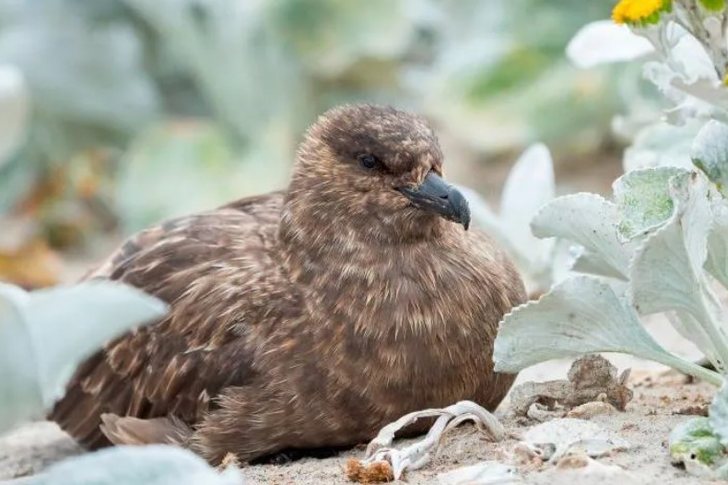
Australia has confirmed for the first time the presence of...

Two high-speed passenger trains collided on Friday afterno...
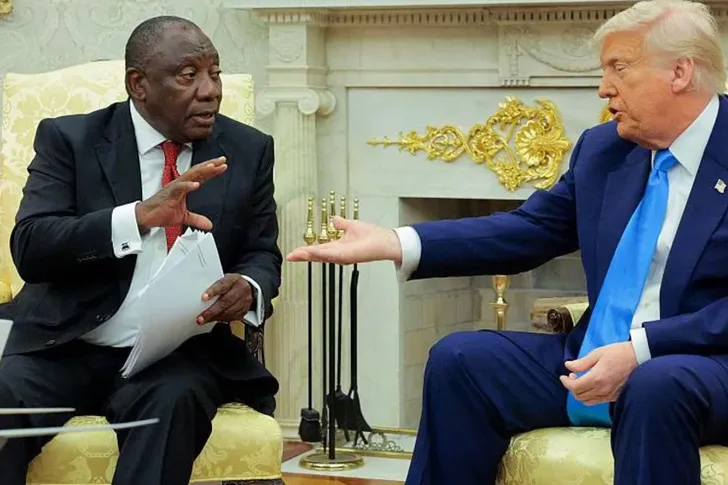
The United States government has announced that it will st...
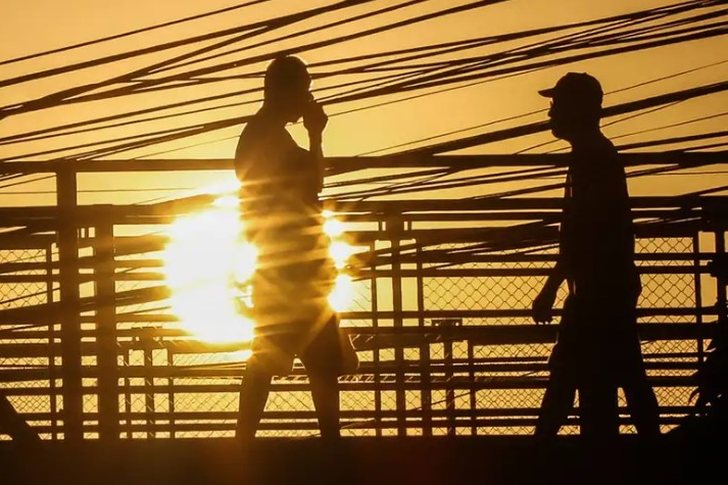
Meteorologists have warned that a powerful El Nino phenome...
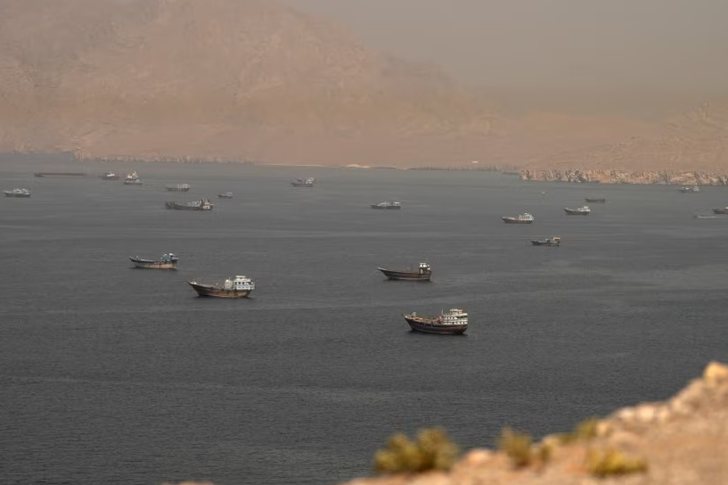
Oil shipments through the Strait of Hormuz increased signi...
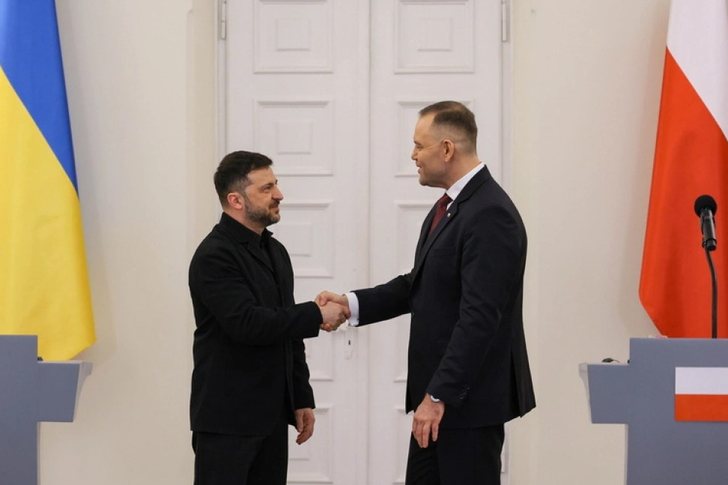
Polish President Karol Nawrocki announced on Friday that h...
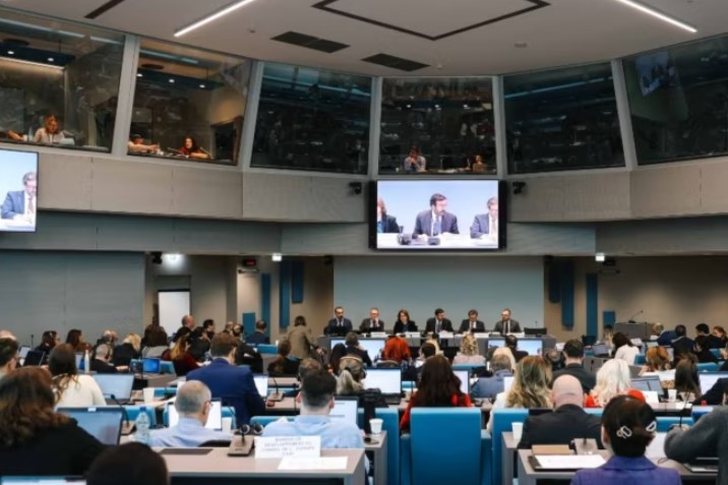
Bosnia and Herzegovina has once again been placed under in...

The Norwegian government has decided to significantly limi...
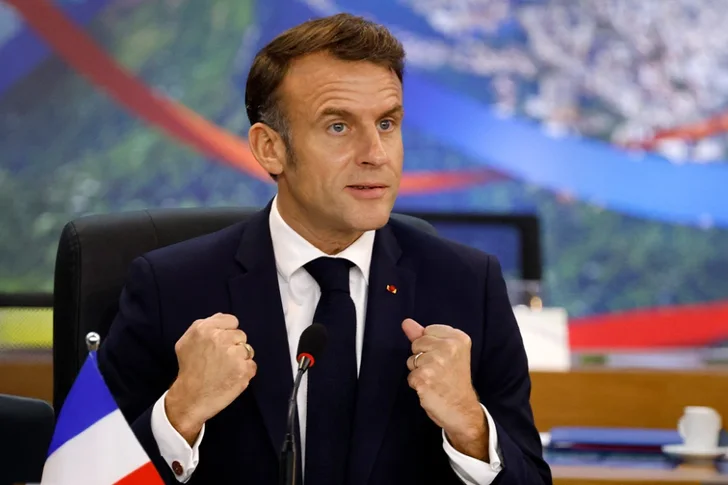
French President Emmanuel Macron said that European countr...
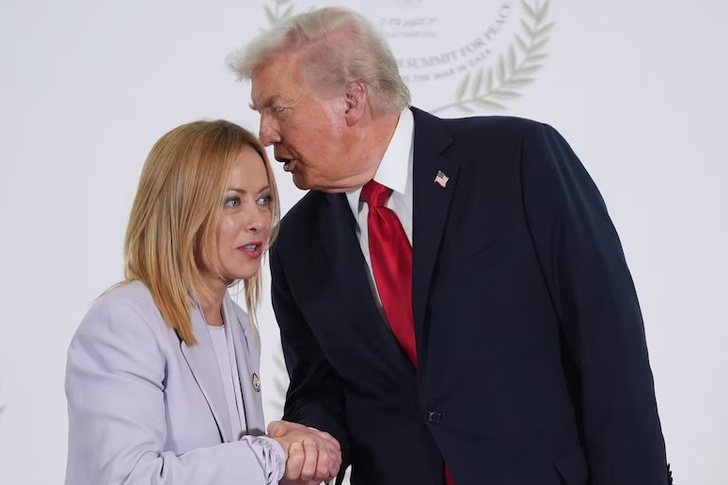
A strong diplomatic clash has erupted between the Presiden...
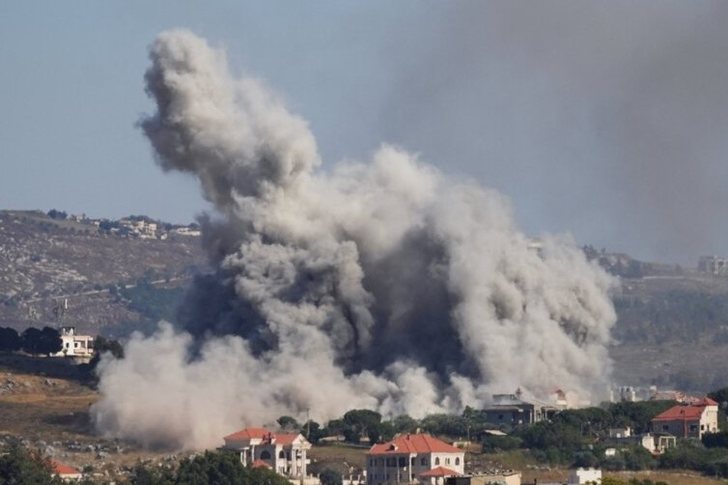
Israel and Hezbollah reached a ceasefire agreement on Frid...
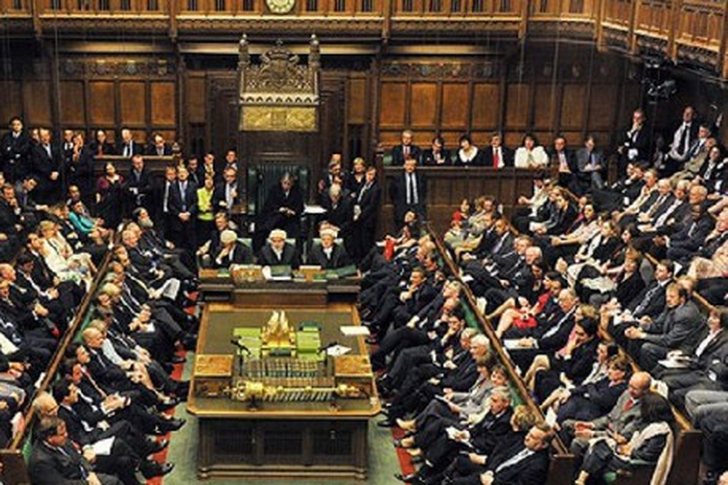
Andy Burnham is no stranger to Labour Party leadership con...

A fire broke out this Friday at an elementary school in ce...
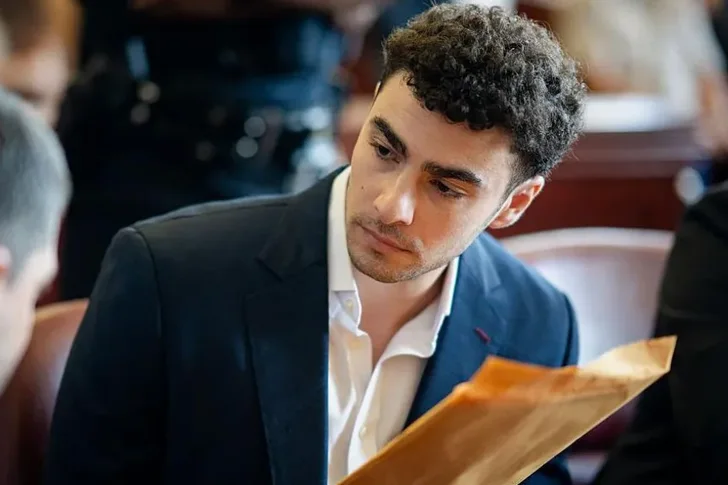
Attorneys for the defendant accused of killing UnitedHealt...

The parents of a boy who fatally shot nine children and a ...
The Swiss Foreign Ministry announced the cancellation of t...

Andy Burnham has won the crucial Makerfield by-election with...
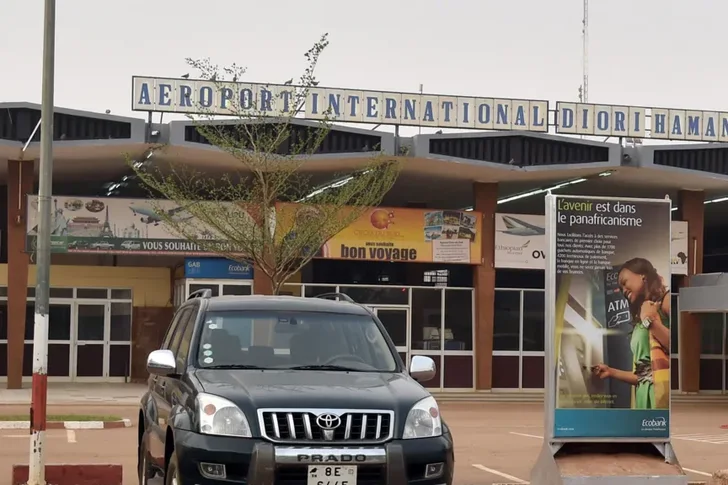
Thirty-five people have been killed after gunmen attacked ...
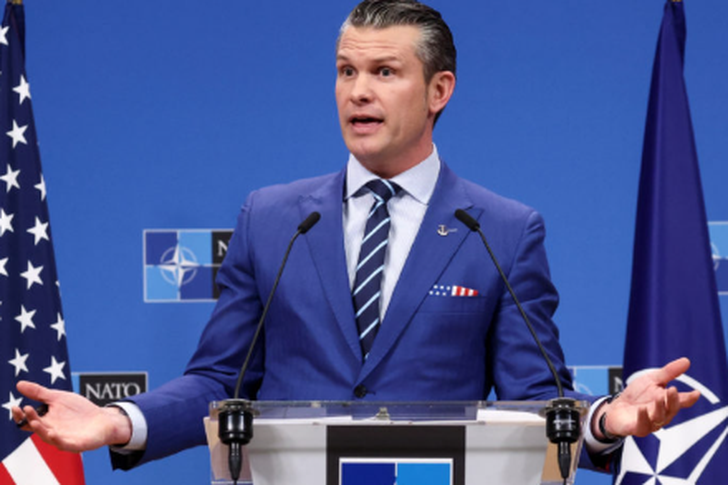
US Secretary of Defense Pete Hegseth was present this Thur...
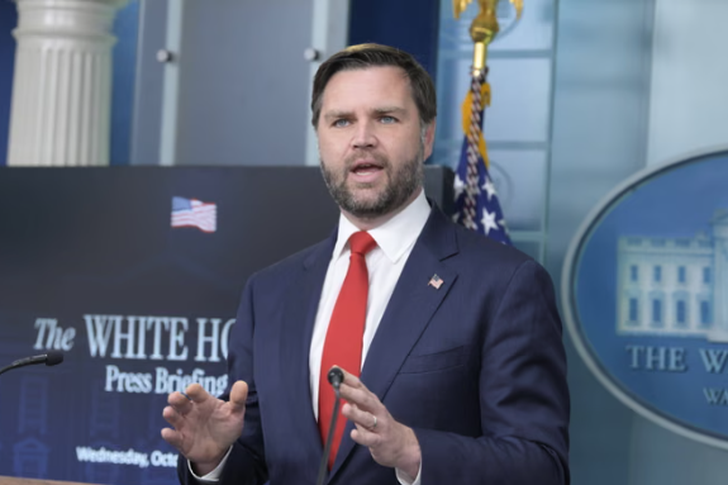
US Vice President JD Vance defended President Donald Trump...

The Democratic Party has denounced a tender held by the Hi...

Since the summer of 2020, the Mayor of Tirana, Erion Velia...
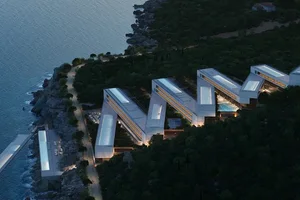
The leader of the Democratic Party, Sali Berisha, denounce...
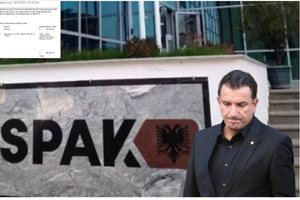
In January 2026, CNA published a series of documents and f...

The Special Board of Appeal (KPA) decided this Monday ...

The KPA vetting decided this Thursday to dismiss the p...

Suela Salavaçi, a prosecutor in the Prosecutor's Offic...

The Special Board of Appeal reinstated the prosecutor ...

Following intensive controls and work based on police inte...

A road accident was recorded on Saturday morning on the Le...
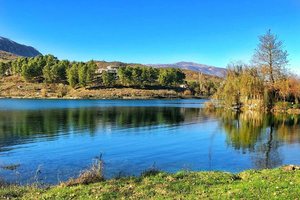
A serious incident is reported to have occurred today in G...

A fatal accident has been recorded on the Fier-Lushnjë hig...

Today our country will be affected by stable weather condi...

Albania is leading a painful demographic process that plac...
On Friday, our country will be affected by stable weather ...

On Thursday, our country will be affected by stable weathe...
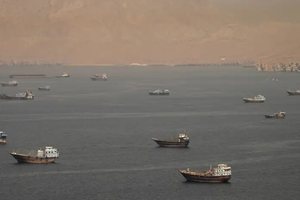
Four months of war have fundamentally changed relations be...
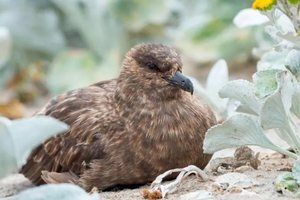
Australia has confirmed for the first time the presence of...

Two high-speed passenger trains collided on Friday afterno...
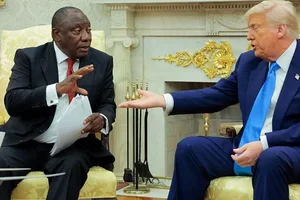
The United States government has announced that it will st...
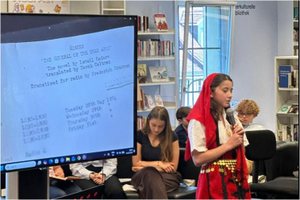
The Albanian Embassy in Switzerland has organized an eveni...

This Wednesday, the prominent actor of Albanian cinema, Gj...
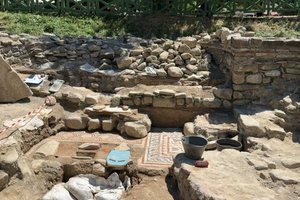
Several archaeological excavations conducted during this s...

At the Museum of Fine Arts in Chambéry, France, an exhibit...

In the Balkans, few tourism markets are expanding at the p...

Demographic experts Ilir Gëdeshi and Russell King conclude...

This Saturday, one US dollar is bought for 81.8 lek and so...
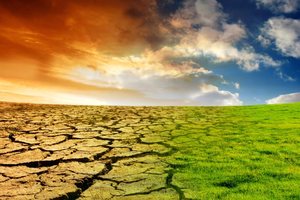
Urban development, transport, energy, forestry and agricul...