

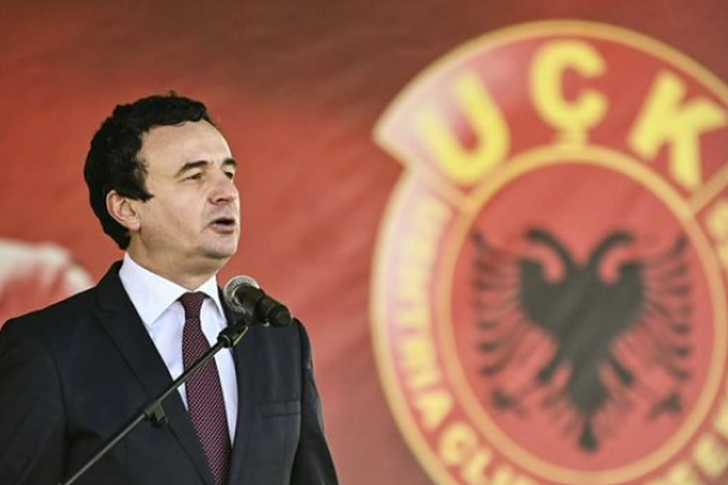
By Albin Kurti/ The KLA, bearer of a just and defensive war
The moral and historical essence of our liberation war con...


The first church dedicated to the Wisdom of God (Hagia Sophia) was built in the fourth century by Constantine the Great, the founder of the city of Constantinople. Unfortunately, nothing remains of the first Hagia Sophia. After the destruction of Constantine's church, a second one was built by his son Constantine and the emperor Theodosius the Great. This second church was burned during the Nicaean riots of 532, although fragments of it have been excavated and can be seen today.
Hagia Sophia was rebuilt in its present form between 532 and 537 under the personal supervision of Emperor Justinian I. It is one of the greatest examples of Byzantine architecture, rich in mosaics and marble columns and vaults.
It was inaugurated on December 27, 537, Emperor Justinian I entrusted the design to the mathematicians and architects Isidore of Miletus and Anthem of Tralliana, who built the largest cathedral ever built up to that time, which remained unsurpassed for a thousand years until the completion of the cathedral in Seville, Spain.
When Justinian saw the finished work, he exclaimed the historic phrase: “Glory to God, who has deemed me worthy to accomplish so great a work. I have outdone you, O Solomon!” (Nenikika se, Solomon!) This phrase was not simply an expression of imperial ambition. Solomon had built the Temple of Jerusalem — the house of the God of the Old Testament, of the Monocrator God. Justinian intended with Hagia Sophia to express something deeper: with the revelation of the Triadic God, the world had entered a new era. Solomon’s Temple was a place of shadow; Hagia Sophia became the place of light of full revelation.
The chronicler Nestor (987 AD), when he visited the church of Hagia Sophia, describes his experience this way: “We did not know whether we were in heaven or on earth… for on earth there is no such splendor or beauty, and we are at a loss how to describe it.”
This church was not only an architectural achievement, but also a symbol of the triumph of Christianity. The church, which during the persecutions worshipped in the catacombs, now acquired its most magnificent home. Its global influence transcended the boundaries of religions. Hagia Sophia also served as an architectural inspiration for many other religious buildings, Christian and non-Christian, including Hagia Sophia in Thessaloniki, Panagia Ekatontapiliani (The Holy of a Hundred Doors), the ?ehzade Mosque, the Suleymaniye Mosque, the Rustem Pasha Mosque and the K?l?ç Ali Pasha Complex, and many other buildings, proving that Hagia Sophia influenced the expression of religious feeling throughout the East and remains one of the most important buildings in human history.
The connection with Hagia Sophia is not just a matter of the past. The Cathedral of the Resurrection of Christ here in Tirana, which was inaugurated in 2012, was built by Archbishop Anastasios, with clear reference to architectural elements of Hagia Sophia: the 32.2-meter-high dome, the apses of the Altar, and especially the four semicircular pylons that support the cross-shaped dome around the central church — exactly like the four great pillars of Hagia Sophia in Constantinople.
II
To fully understand the significance of this cathedral church and the cause of the inspiration to build it with such extraordinary grandeur and beauty, we must turn to the biblical roots of the concept of Wisdom.
In the Old Testament, the Wisdom of God — Chokma in Hebrew, Sophia in Greek — appears as a living and mysterious presence next to God. In the book of Proverbs we read: “‘Wisdom has built her house and raised up her seven pillars’” (Prov. 9:1). And even more impressively: “The Lord created me at the beginning of his ways for his works; from ancient times he established me” (Prov. 8:22-23). ??In the Wisdom of Solomon it is also said: “For she is the vapor of God’s power, and the pure stream of the glory of the Pantocrator” (Prov. Sol. 7:25). However, in the Old Testament the identity of this Wisdom remained a mystery. The Hebrews knew God as One, as Yahweh of Sinai. Wisdom appeared as an attribute or energy of God, without being revealed as a separate Person.
The great turning point comes with the New Testament. God is now revealed as Trinitarian: Father, Son, and Holy Spirit. This revelation was manifested in three culminating moments: At the Baptism of the Lord in the Jordan—the Theophany—where the voice of the Father is heard from heaven, the Son is baptized, and the Holy Spirit descends in the form of a dove (Matt. 3:16-17). At the Transfiguration on Mount Tabor, where Christ appears in glory and the voice of the Father testifies, “This is my beloved Son” (Matt. 17:5). And finally at Pentecost, where the Holy Spirit descends upon the Apostles “in tongues of fire” (Acts 2:3).
The Apostle Paul formulated the identification of Wisdom with Christ with unparalleled clarity: “We preach Christ crucified... Christ the power of God and the Wisdom of God” (1 Cor. 1:23-24). The Wisdom of God is identified with the second Person of the Holy Trinity, the Word of God, Christ. This identification was also confirmed by the Seventh Ecumenical Synod (Nicaea II, 787), which expressly refers to “our Lord Jesus Christ, our true God, the self-hypostatic Wisdom of God the Father.” Gregory the Theologian also declares: “How can he who is Wisdom, the creator of the worlds, not know anything of those things that are?” (Sermon 30, 15).
The church holiday dedicated to Saint Sophia (Wisdom of God) is connected with Pentecost and the Holy Trinity, because the Wisdom of God is not an abstract property, but the full revelation of the Triune God — Christ, according to the main patristic interpretation. The connection between the feast of Pentecost and “Holy Wisdom” is indicated by the fact that in the icon of this day, Christ is depicted among the elders of the temple, the teachers of the law, demonstrating to them his knowledge of the word of God (His Wisdom).
It was precisely this faith and this devotion that inspired and motivated the construction of this magnificent cathedral church, dedicated to Jesus Christ as the Word and Wisdom of God.
In conclusion, we can say that the volume we present today documents that Hagia Sophia was not an isolated phenomenon. It includes 37 historic churches dedicated to the Wisdom of God, from the British Isles to China, proving that Hagia Sophia, although an architectural and cultural icon of Byzantine and Eastern Orthodox civilization, does not belong only to Constantinople or the Orthodox, because the Wisdom of God is the foundation, not only of the Christian faith, but of many civilizations.
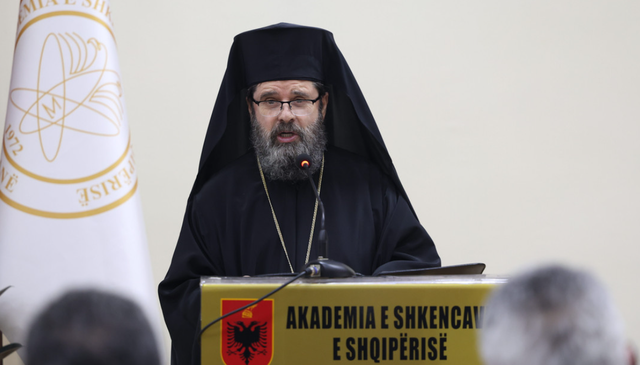
*Speech of His Beatitude, Joan, Archbishop of Tirana, Durrës and All Albania at the inaugural event of the publication in Albanian entitled: “Saint Sophia: Churches of the Wisdom of God throughout the World”, Academy of Sciences of Albania. Tirana, February 13, 2026

The moral and historical essence of our liberation war con...

As I listen to the prime minister criticizing the justice ...
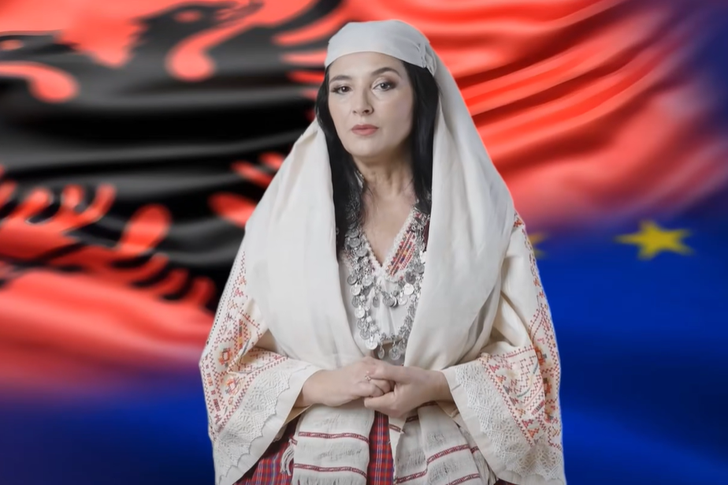
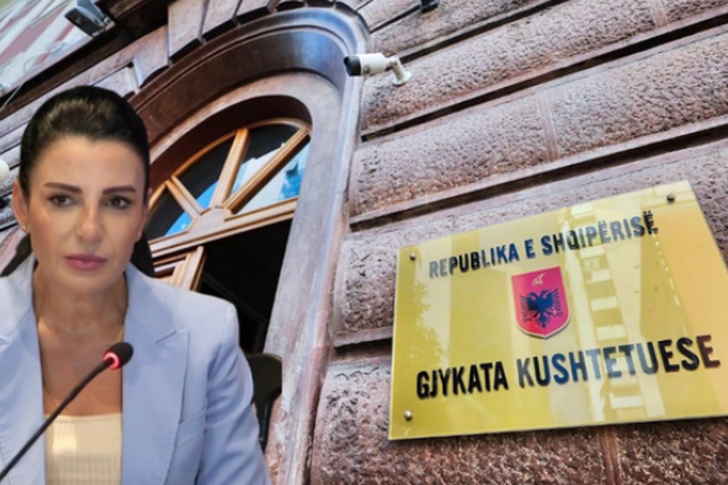
Diella is worried. Not about the tenders, not about SPAK, ...

When you make way for a fool, you do no honor to an indivi...
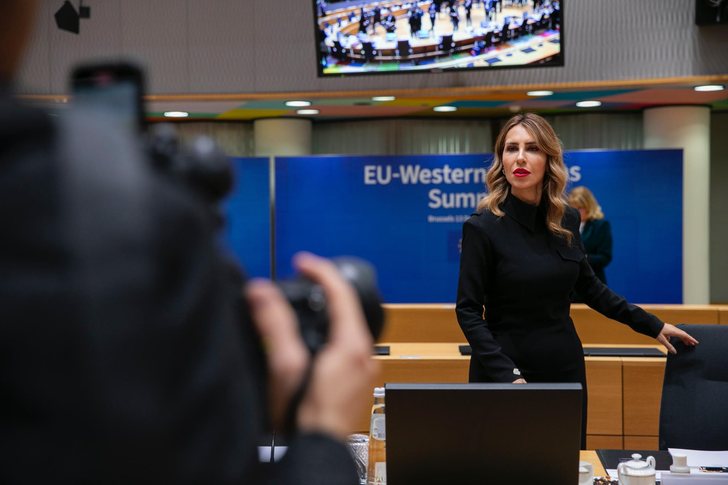
The Autumn Eurobarometer 2025 was published today. Many m...

Përvoja prej disa vitesh punë në televizion që vjen si një...
When you see and hear thousands of published facts about k...
But the man of oppression, who has stolen the post of prim...
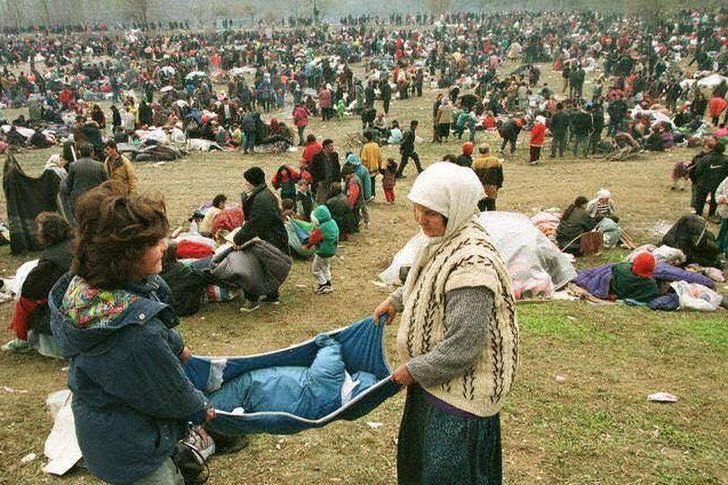
We here in Tirana have other problems. But in The Hague, o...
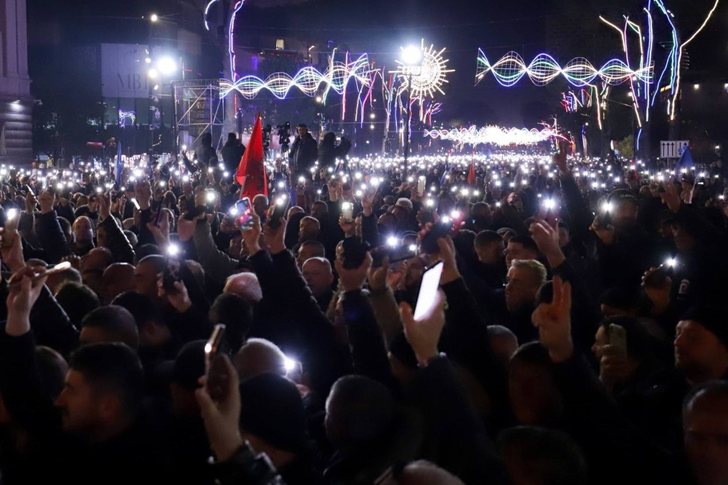
Today is the time for political acts and not for peaceful ...
The Prime Minister of Albania, Edi Rama, in his podcast (b...
Refreshment... If a novel helps us understand a real scan...
You are wasting your time and talking nonsense about the B...
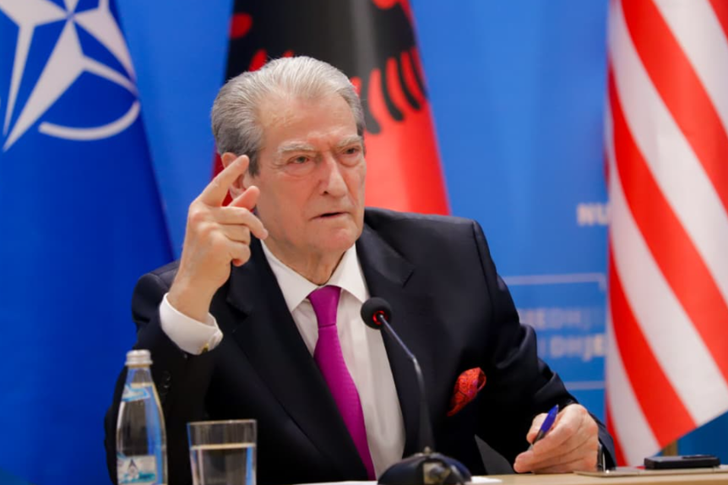
Saliu's speech is proving to be nothing but a meaningless ...
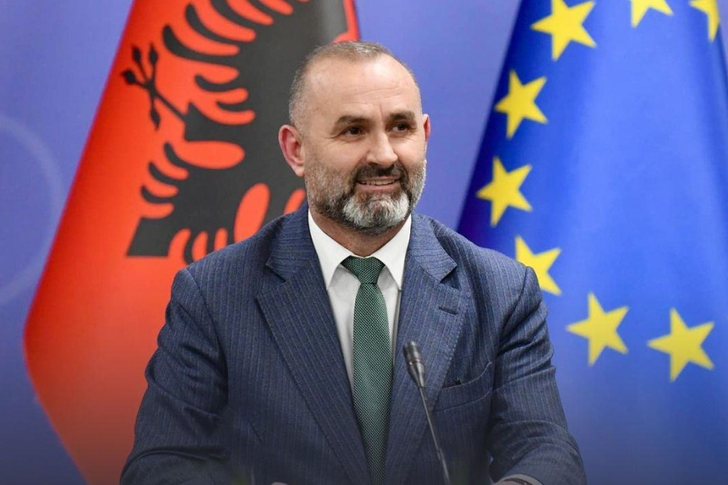
A television interview should never be a reason for delibe...

If the coal doesn't burn, it blackens you - people say. Al...
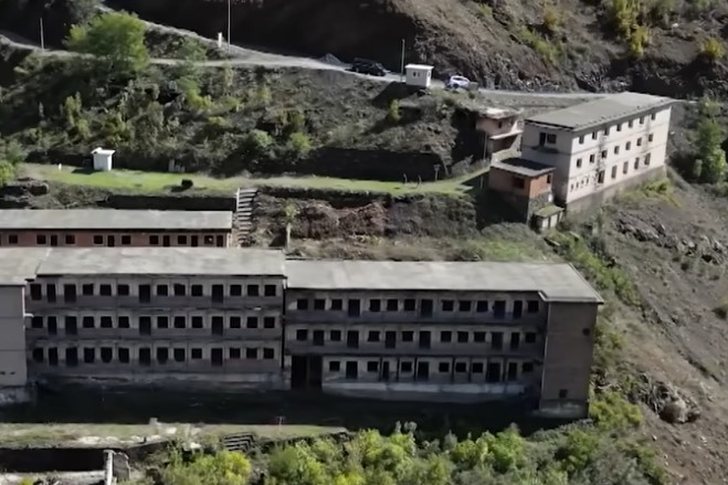
Today I had an invitation from the Konrad Adenauer Foundat...
If the justice reform has legal problems, the majority has...
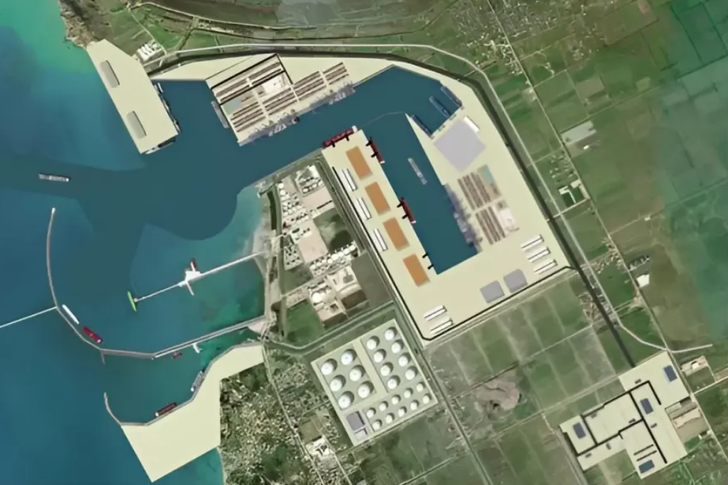
The recent developments made public regarding hazardous wa...
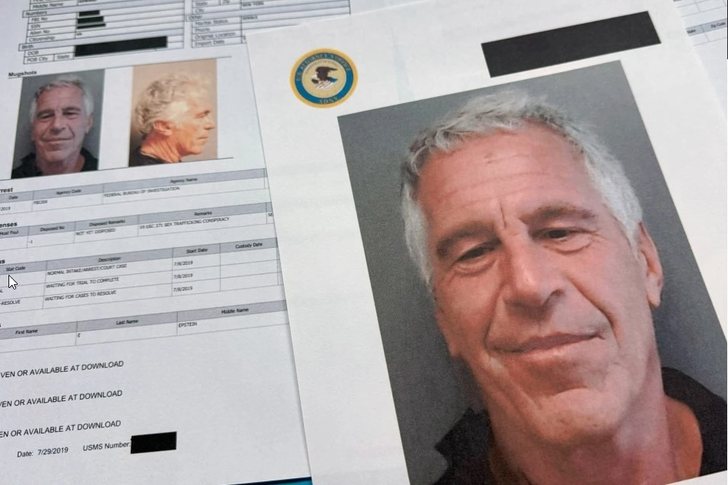
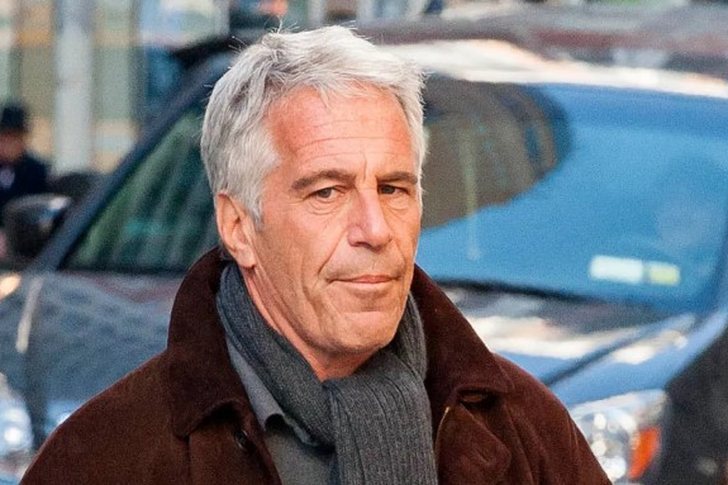
The Epstein scandal and the figure of the elusive actor in...
The protests of recent days related to the situation in Zv...

The case addressed this Wednesday, June 3, on the show "St...
The show "Stop" broadcast this Wednesday, June 3, the case...

Irfan Hysenbelliu claims to be a big businessman, an hones...

The Special Board of Appeal (KPA) decided this Monday ...

The KPA vetting decided this Thursday to dismiss the p...

Suela Salavaçi, a prosecutor in the Prosecutor's Offic...

The Special Board of Appeal reinstated the prosecutor ...
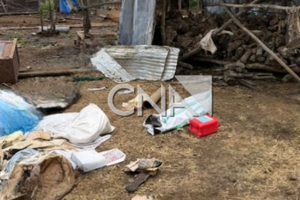
Several images provided by CNA show the area where this mo...

A quantity of explosive material exploded this morning at ...
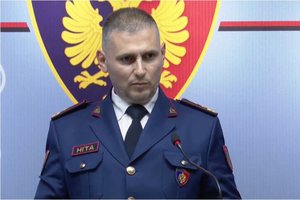
The Head of the State Police, Skënder Hita, expressed his ...

New details have emerged regarding the serious incident th...
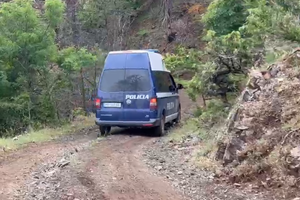
Witnesses in Lozhan, Maliqi, have shared details from the ...

Albania is facing an unprecedented demographic transition,...
On Thursday, our country will be affected by unstable weat...
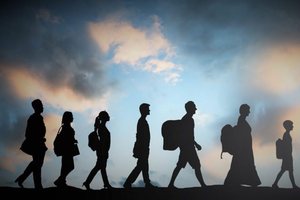
An alarming figure of more than 166.4 thousand Albanians a...
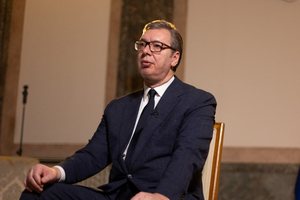
Serbian President Aleksandar Vučić has confirmed that he w...
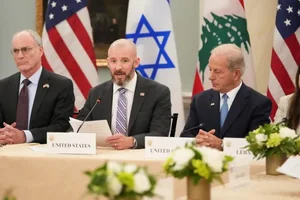
Israel and Lebanon have agreed to renew their fragile ceas...

United States President Donald Trump announced in a post o...
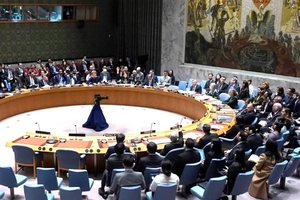
Asambleja e Përgjithshme e Kombet e Bashkuara ka përfundua...
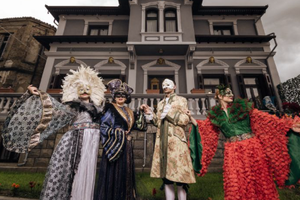
Korça is ready to open the summer season with one of the c...
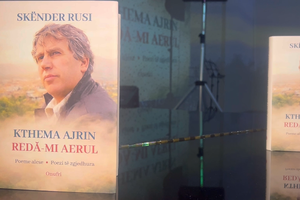
Two years after his passing, the renowned Korçë poet Skënd...
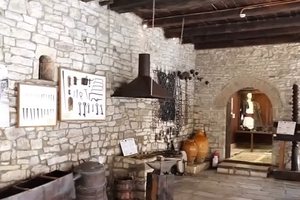
The Ethnographic Museum of Berat has opened its doors to v...
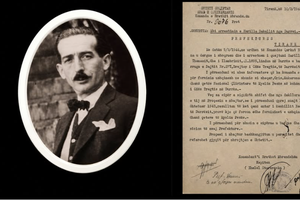
The story of Harilla Bakalli is one of the most chilling t...
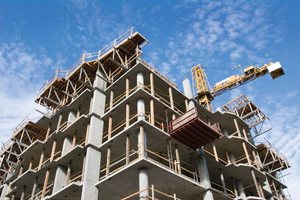
Profit margins in the construction sector have increased s...

The Transparency Board, at its meeting today, decided to i...

Today, in the foreign exchange market, one US dollar is bo...
The Minister of Finance, Petrit Malaj, announced today a n...