


Murder of police officer in Maliq/ Police: Wanted man was hiding in the tent, opened fire on officers
Korça Police has shared detailed information regarding the...

Korça Police has shared detailed information regarding the...

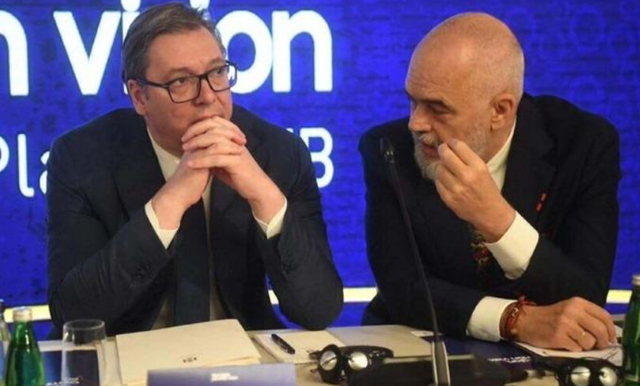
Although the joint paper by Albanian Prime Minister Edi Rama and Serbian President Aleksandar Vu?i? in the Frankfurter Allgemeine Zeitung attempts to sell itself as a new strategic vision for the integration of the Western Balkans into the European Union, in reality, it is a “document” full of contradictions, avoidance of essential issues and, above all, a dangerous reformulation of the very idea of ??integration.
At first glance, they, the co-authors, build a familiar narrative: EU enlargement has brought peace, stability and prosperity, and the current delays risk undermining the credibility of the European project.
But, after this cautious introduction, Edi Rama and Aleksandar Vu?i? move on to a proposal that overturns this logic from within: an "accelerated integration" into the internal market and the Schengen area, but without veto power and without full representation.
This is where the real problem begins.
INTEGRATION OR SUBORDINATION?
When the Prime Minister of Albania and the President of Serbia co-write for “accelerated integration… without veto rights,” they are in fact proposing a model where the countries of the region receive obligations but not rights. That is, a Europe where some are full members and others are limited participants.
The question is simple: is this the integration that has been worked on for decades?
Have profound, often painful, reforms been made to achieve a second-class status?
The European Union is not just a market. It is a political community. The right of veto and institutional representation are not luxuries, but the essence of equality between states.
Abandoning these principles is not pragmatism; it is an admission of institutionalized inferiority.
CO-AUTHORSHIP THAT SPEAKS MORE THAN THE TEXT ITSELF!…
The co-authors declare that “the perspective of membership remains the strongest engine for… reconciliation.” This formulation carefully avoids the most sensitive reality of the region: the relationship between Serbia and Kosovo.
Reconciliation does not happen in a vacuum or with diplomatic sentences. It requires recognition, responsibility, and concrete solutions. By ignoring this issue, the article reduces reconciliation to a political cliché, giving an artificial image of regional harmony that does not actually exist.
But perhaps the most significant element of their entire article is not the content, but the co-authorship itself.
Edi Rama's choice to co-author with Aleksandër Viçiçi rather than Kosovo Prime Minister Albin Kurti is a political act in itself. And it raises a fundamental question: why is Kosovo missing from a vision that claims to represent the future of the region?
Kosovo is one of the most pro-European countries in the Balkans and one of the most interested in a credible integration process.
For Albania, Kosovo is not just a neighboring country, it is a strategic, historical and national partner. Any attempt to articulate a regional vision without placing Kosovo at the center is, at best, incomplete; at worst, misguided.
Meanwhile, co-authorship with a leader who still does not recognize Kosovo creates a false political symmetry. It presents Serbia as a co-formulator of the region's European future, without facing its current responsibilities.
The credibility of the integration process is not built by simplifying differences, but by addressing them.
That's why I think the entire co-writing of the two co-authors, Edi Rama and Aleksandar Vu?i?, is more of a political fairy tale than a real plan. A fairy tale where integration can be accelerated by lowering standards, where reconciliation can be achieved by avoiding real conflicts, and where representation can be replaced with rhetoric.
But the reality is more complicated. European integration is not a technical agreement that can be reformulated according to the political need of the moment. It is a process based on principles: equality, representation and common standards. Escaping from these principles does not accelerate integration, it deforms it.
And above all, for Albania, any vision for the future of the region that does not move in harmony with Kosovo is not a strategic vision, it is a political mistake with long-term consequences and to the detriment of the national interest./ CNA

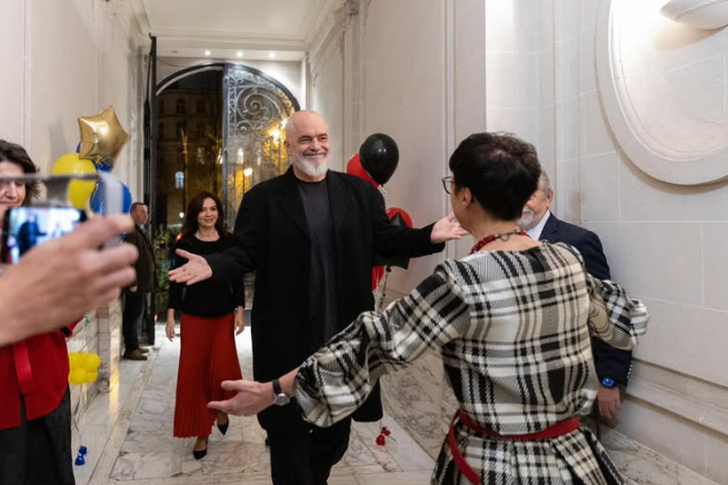
European Union Commissioner Marta Kos has alluded today th...
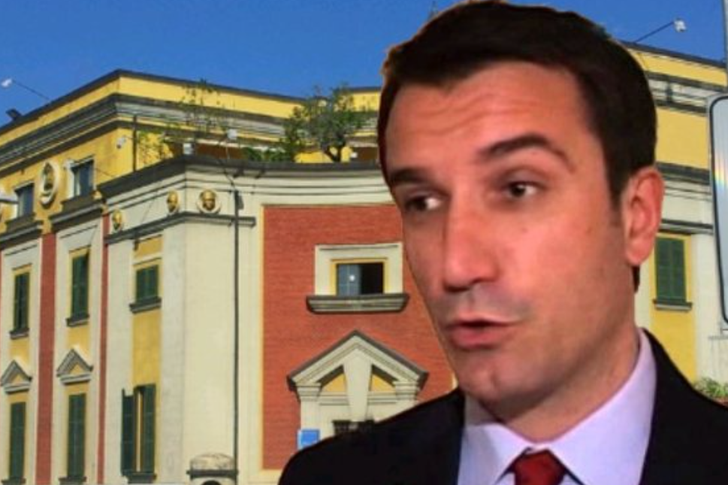
The patronage-based Republic of Youth governance model fai...
The leadership of SPAK by Altin Dumani gave a great impetu...
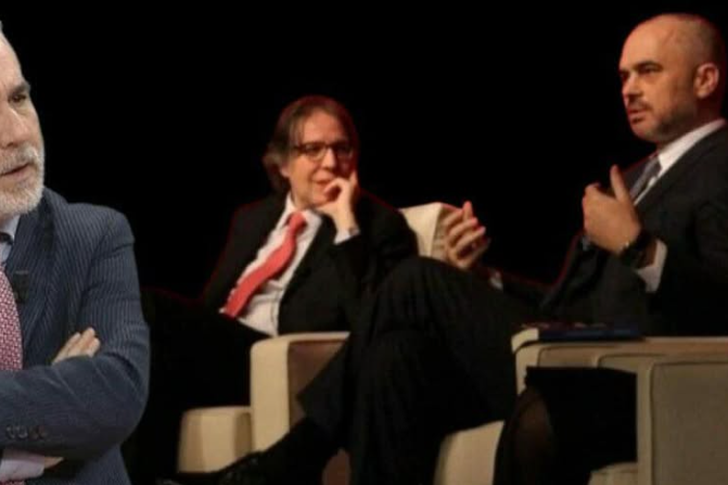
The firing of journalist Ilir Babaramo, who with great eff...
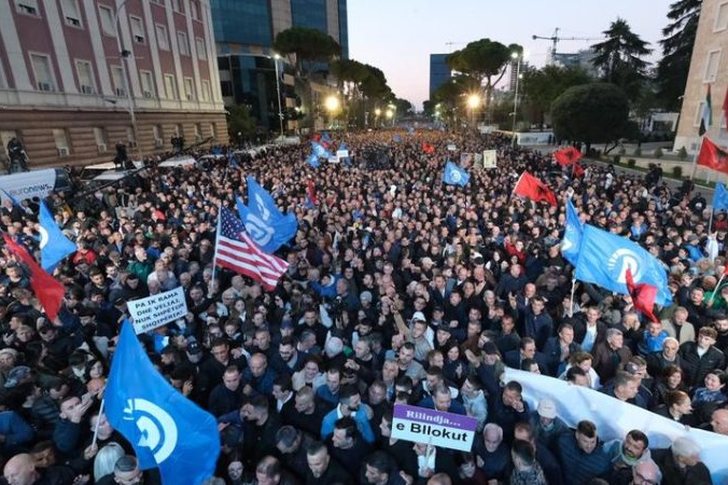
A person who does not protest is a person who has given up...
There is a paradox that only Albanian politics knows how to ...
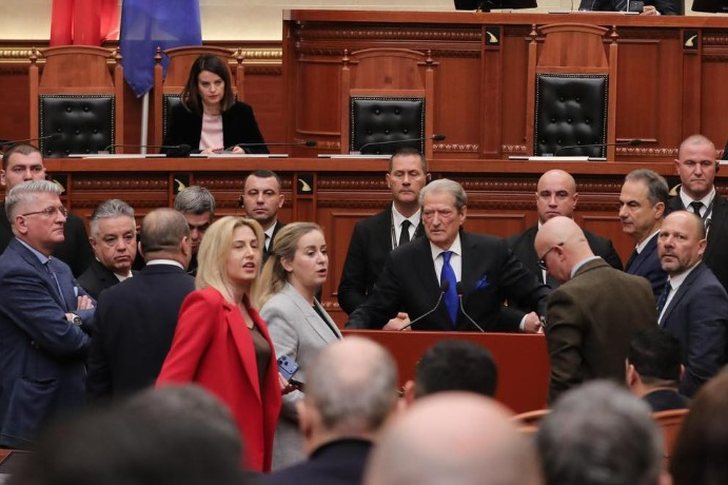
They accuse Rama of wanting to annihilate the opposition. ...
To get away from the daily political noise and return to h...
He, through others, tells you (he has been telling you for 3...

The increase in fuel prices to 200 lek/liter is not simply...
-What I am writing is not an analysis of Ramadan, nor of t...
Who knows what those hundreds of demonstrators who gathere...

When the screen rewards ignorance and society accepts it a...
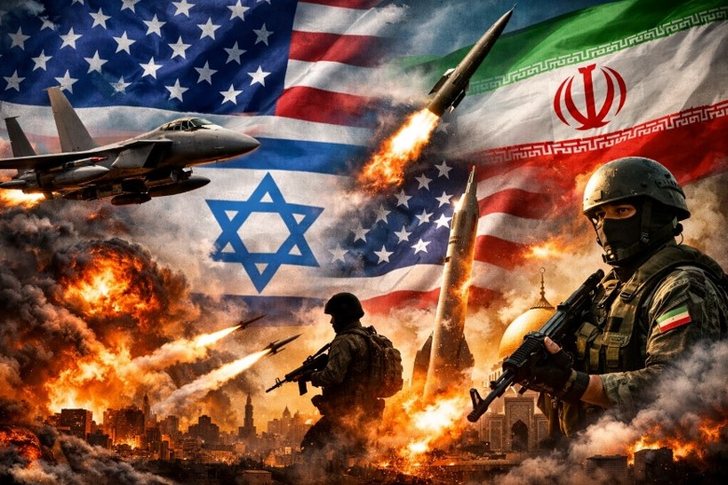
In these days of new and escalating conflict between Israe...
It is often said that the strength of the courts lies not ...
In addition to the ridiculous amounts offered for monthly ...
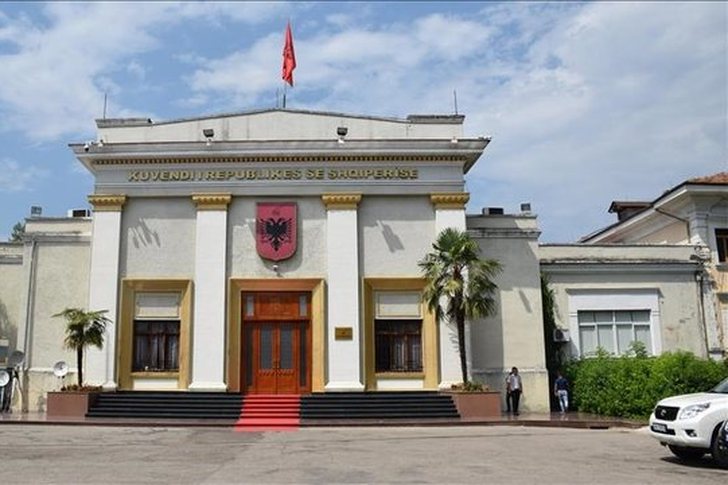
It has often been seen in the history of international rel...
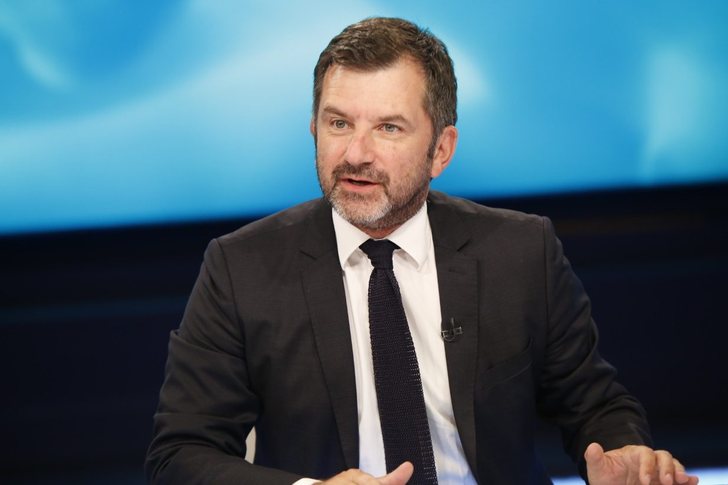
What happened at Edi Rama's press conference was not a ban...
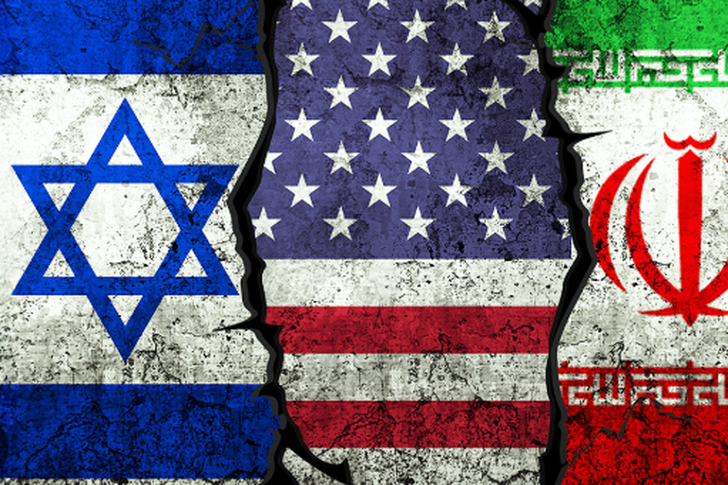
The shift of US military assets to the Middle East in rece...
If you want Parliament to turn into a law office for the m...
The case addressed this Wednesday, June 3, on the show "St...
The show "Stop" broadcast this Wednesday, June 3, the case...

Irfan Hysenbelliu claims to be a big businessman, an hones...
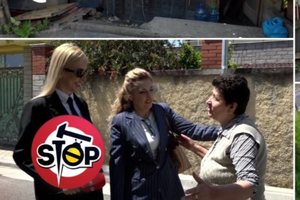
The show "Stop" dealt with a denunciation case this Tuesda...

The Special Board of Appeal (KPA) decided this Monday ...

The KPA vetting decided this Thursday to dismiss the p...

Suela Salavaçi, a prosecutor in the Prosecutor's Offic...

The Special Board of Appeal reinstated the prosecutor ...
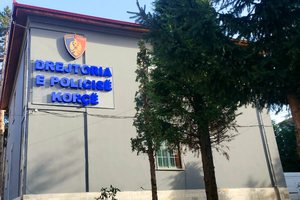
Korça Police has shared detailed information regarding the...
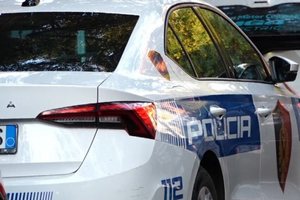
New details have emerged regarding this morning's serious ...
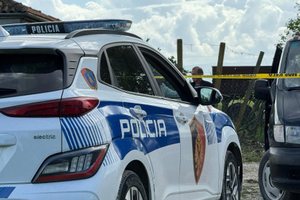
A serious incident occurred this Thursday in Maliq, more s...
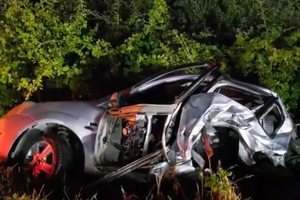
A road accident occurred this evening on the Tirana-Durres...

Albania is facing an unprecedented demographic transition,...
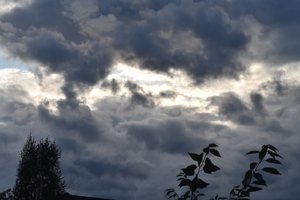
On Thursday, our country will be affected by unstable weat...

An alarming figure of more than 166.4 thousand Albanians a...
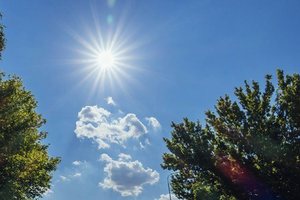
The weather today will be mostly clear and temperatures wi...
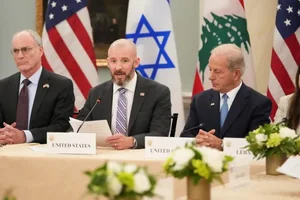
Israel and Lebanon have agreed to renew their fragile ceas...
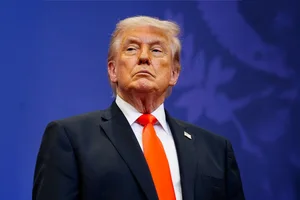
United States President Donald Trump announced in a post o...
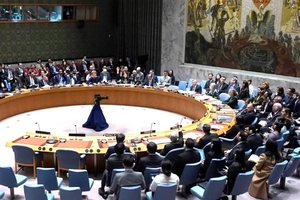
Asambleja e Përgjithshme e Kombet e Bashkuara ka përfundua...
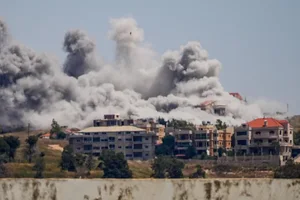
At least nine people have been killed in Israeli airstrike...
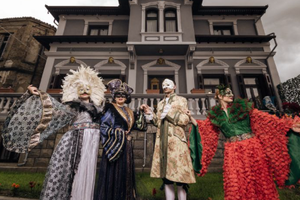
Korça is ready to open the summer season with one of the c...
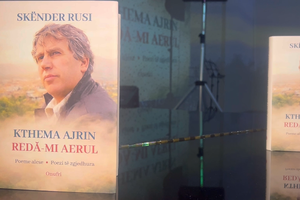
Two years after his passing, the renowned Korçë poet Skënd...
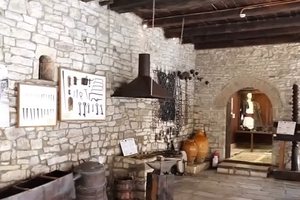
The Ethnographic Museum of Berat has opened its doors to v...
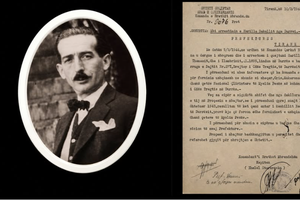
The story of Harilla Bakalli is one of the most chilling t...
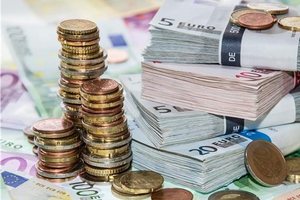
Today, in the foreign exchange market, one US dollar is bo...
The Minister of Finance, Petrit Malaj, announced today a n...
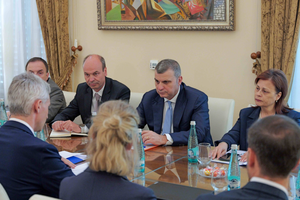
Guvernatori i Bankës së Shqipërisë, Gent Sejko, priti m...
Today, in the foreign exchange market, one US dollar is bo...