

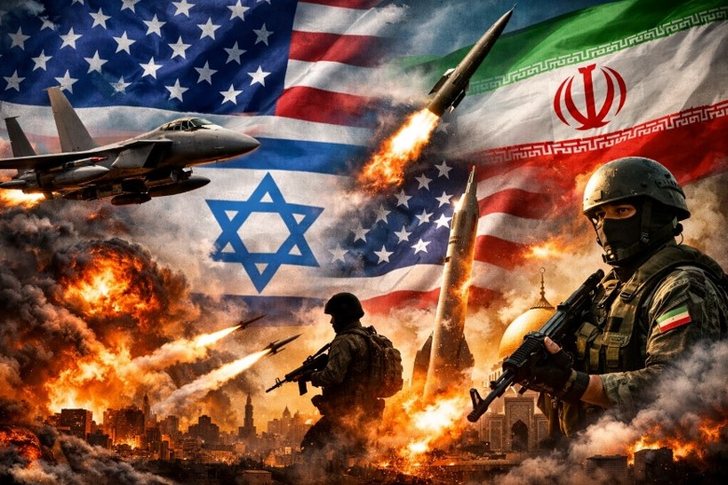
Is this war in the Middle East blessed by God?
In these days of new and escalating conflict between Israe...



When the screen rewards ignorance and society accepts it as spectacle
When George Orwell gave the world his famous novel “1984” (published in 1949), he described a totalitarian society where every move of citizens was monitored by the state. Of course, Orwell could not have imagined that, almost eighty years later, this idea would serve John de Mol, the Dutch producer who created the first reality show focused on observing people in their daily lives: Big Brother.
This format, now also broadcast in Albania as Big Brother VIP Albania, is one of the most watched television shows. It provides a clear example of how television in modern societies is not simply a means of entertainment: it is an important actor that shapes the perceptions, behaviors, and values ??of individuals and social groups.
Television in modern societies has become an important actor that influences the way we understand and interpret the world around us.
Not only reality appears on the screen, but a version of it selected and packaged for public consumption. What society sees constantly, over time begins to be considered normal.
Shows like Big Brother VIP Albani are perhaps the clearest example of this mechanism.
On the surface, they appear as entertainment programs, as social experiments, or as television formats that reveal human character in conditions of isolation. But in essence, they function according to a much simpler logic: the production of spectacle through conflict, tension, and impulsive reaction.
The idea of ??“VIP”, in its original meaning, was related to people who had achieved something special in public life. Artists, athletes, intellectuals or figures who had contributed to culture, thought or society. But over time this concept has been emptied of its content. In many cases, the title “VIP” is no longer associated with merit, but with visibility. It is enough to be present on the screen, to produce noise, to create conflict and fame comes as a natural consequence.
At this point, a profound cultural paradox arises: television, which was supposed to promote inspiring models, increasingly produces models of banality.
The camera does not linger long on reflection, thought, or measured dialogue. What attracts attention is the fight, the quarrel, the provocation, the insult, the moment when the debate falls to the lowest possible level.
This is no coincidence. The television industry operates on the attention economy. In a world where audiences are bombarded with information, programs must compete for seconds of attention. And in this competition, strong emotions and direct conflicts are easier to consume than deep thought.
Argumenti kërkon përqendrim.
Reflektimi kërkon kohë. Debati kërkon kulturë.
Ndërsa konflikti banal kërkon vetëm një kamerë dhe disa individë të vendosura në të njëjtën hapësirë.
Në këtë kuptim, reality show-t nuk janë vetëm programe televizive. Ato janë eksperimente sociale mbi kufijtë e durimit kulturor të publikut. Ato testojnë se sa larg mund të shkojë spektakli para se publiku të lodhet prej tij. Dhe shpesh rezultati i këtij eksperimenti është i qartë: kufijtë janë shumë më të ulët nga sa mund të imagjinonim.
Një moment që e bëri këtë realitet edhe më të dukshëm ishte një test i thjeshtë pyetjesh që iu bë banorëve të Big Brother VIP Albania. Pyetje elementare të kulturës së përgjithshme, të cilat në çdo sistem normal arsimor as do të konsideroheshin pjesë minimale e formimit intelektual, mjaftuan të shpërfaqnin më shumë se sa injorancën e banorëve, një realitet të trishtë e të dhimbshëm të nivelit të formimit kulturor të një pjese të shoqërisë tonë.
Ky episod nuk është thjesht një moment televiziv që prodhon habi apo të qeshura. Ai është një simptomë shumë më e thellë. Ai na detyron të pyesim veten se çfarë ka ndodhur me sistemin tonë arsimor dhe me vetë idenë e formimit intelektual. Kur njerëz që mbajnë diploma universitare nuk arrijnë të përgjigjen në pyetje kaq elementare të kulturës kombëtare ( si përshembull të mos dish se sa vite ka një shekull ose se Ismail Kadare është autori i romanit “Gjenerali i ushtrisë së vdekur” apo se “Lahuta e Malësisë” është vepër e At Gjergj Fishtës!), problemi nuk është më individual; ai bëhet institucional. Në shumë raste, sistemi ynë arsimor duket se prodhon më shumë diploma për idiotë sesa njerëz që mësojnë dije dhe kulturë.
Në këtë mënyrë krijohet një paradoks i rrezikshëm: njerëz që formalisht janë të arsimuar, por që në praktikë kanë një horizont kulturor të varfër.
Por ndoshta problemi më shqetësuese nuk është pse këta njerëz nuk dinë të përgjigjen në pyetje kaq elementare. Problemi i vërtetë është pse ata nuk ndjejnë asnjë grimë turp për këtë.
Dikur, injoranca ishte një gjendje që njeriu përpiqej ta kapërcente; sot, në shumë raste, ajo ekspozohet pa asnjë ndrojtje. Kjo ndodh sepse turpi është një produkt i kulturës: ai ekziston vetëm aty ku dija vlerësohet. Kur një shoqëri fillon të admirojë famën më shumë se dijen dhe dukshmërinë më shumë se përmbajtjen, atëherë edhe turpi fillon të zhduket. Në një botë ku kamera shpërblen zhurmën dhe jo mendimin, injoranca nuk ndihet më e kërcënuar; përkundrazi, ajo shpesh gjen hapësirë për t’u shndërruar në spektakël.
Subjekti i vërtetë i këtij fenomeni nuk janë vetëm personazhet që shfaqen në ekran. Ata janë thjesht pjesëmarrësit e një skene. Subjekti i vërtetë është publiku.
Because the most important question is not why some people behave in a certain way in front of the cameras. The question is why millions of people stop to watch them. What draws us to this spectacle? Is it simply curiosity about the lives of others, or is it also a hidden form of collective comfort - the idea that our own weaknesses seem smaller when we see them exposed on screen?
The French philosopher Guy Debord, in his work The Society of the Spectacle, warned of this very phenomenon: in modern societies, reality is increasingly replaced by spectacle. What was once a direct experience of life turns into a series of images consumed at a distance.
In such a society, everything can become a spectacle, even the very decline of cultural standards.
And therein lies the greatest irony of our media age. Ignorance that would once have been a cause for shame can now be transformed into public capital. The more impulsive you are, the more conflicted you appear, the more cameras follow you. And the more cameras follow you, the greater the illusion of importance.
But importance and visibility are not the same thing.
A society that begins to confuse these two things risks entering a phase where fame becomes a substitute for merit and spectacle for thought. At this point, television is no longer just a medium of entertainment; it becomes a factory that produces models of behavior for the public.
If these patterns are aggression, banality, and arrogance, then we shouldn't be surprised when they start to appear off-screen as well.
Ultimately, the problem is not just with those who enter the house of spectacle. They are simply characters on a stage built to produce noise. The real problem begins when a society begins to consume this noise as culture and accept banality as a normal form of entertainment.
Because if television is a mirror of society, then what appears on the screen is not just the appearance of a few isolated characters for a few weeks. It is a collective portrait of a culture that, sometimes without realizing it, begins to applaud the very thing it would once have rejected.
And perhaps the most uncomfortable question we must ask ourselves is this:
are we watching this spectacle because it entertains us, or because we are unconsciously seeing a reflection of ourselves?
Because if the screen is a mirror, then what bothers us about it may not just be the display. It may also be our reflection within it.
When the screen rewards ignorance and society accepts it as a spectacle, then shame does not just disappear in individuals, it disappears in all of us.

In these days of new and escalating conflict between Israe...

It is often said that the strength of the courts lies not ...
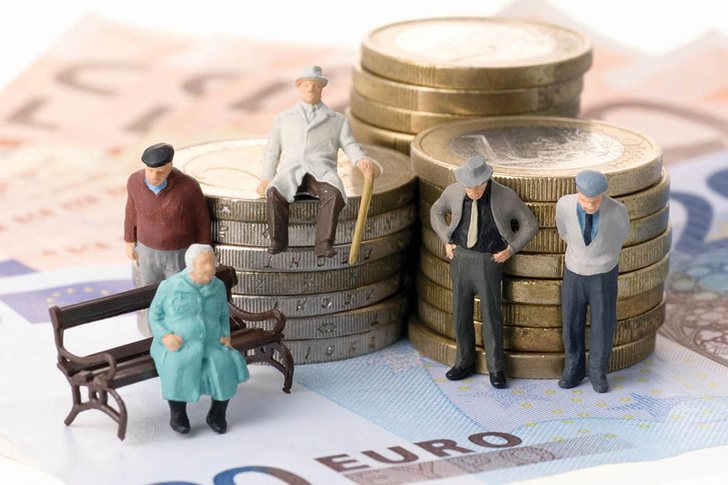
In addition to the ridiculous amounts offered for monthly ...
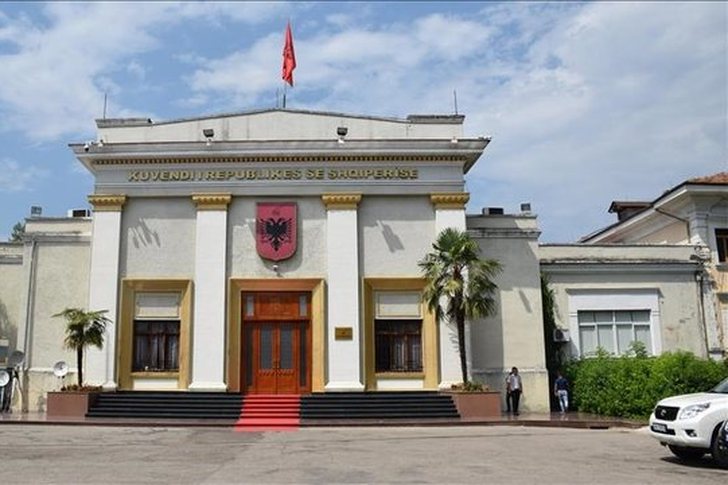
It has often been seen in the history of international rel...
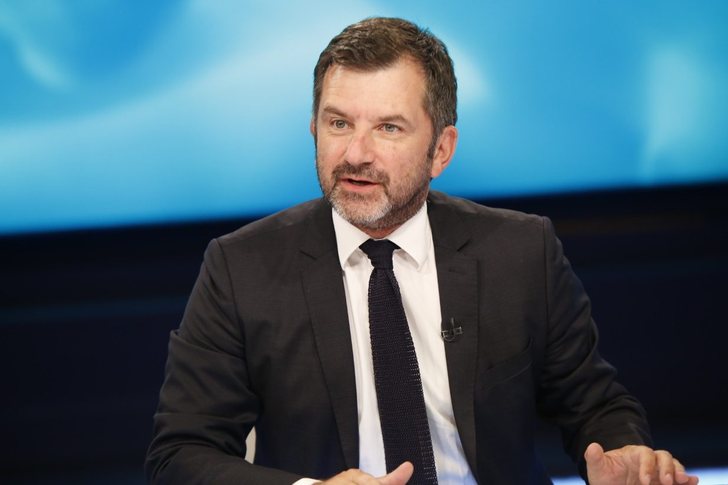
What happened at Edi Rama's press conference was not a ban...

The shift of US military assets to the Middle East in rece...
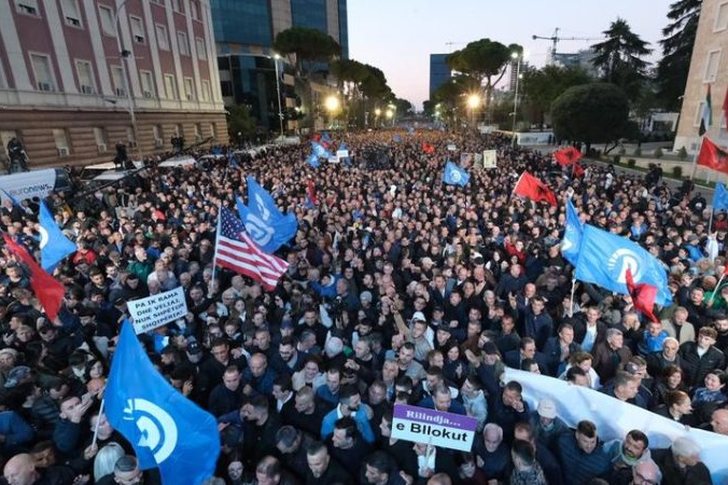
If you want Parliament to turn into a law office for the m...
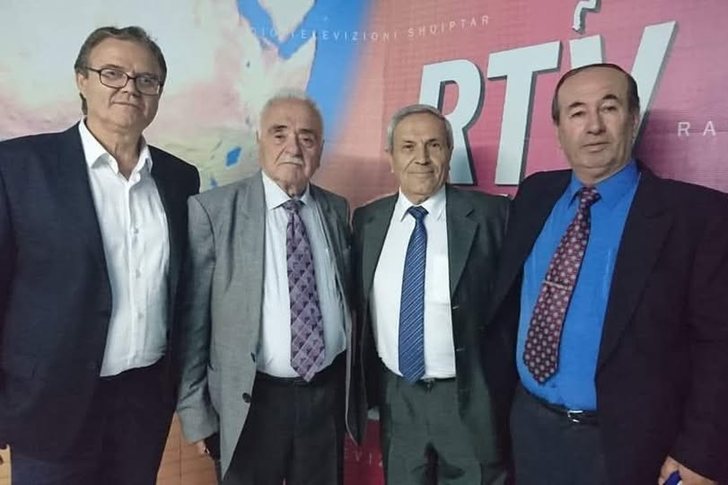
Today is the 80th anniversary of Namik Dokle; one of the m...

Albania today has one of the most expensive fuels in Europ...
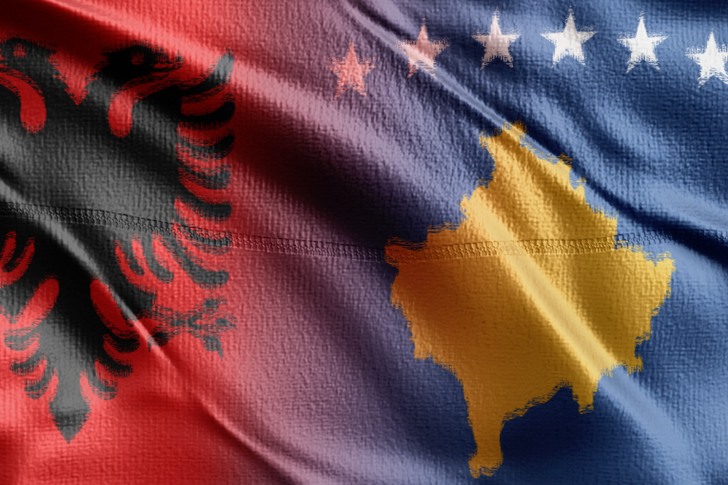
Albania and Kosovo are two parliamentary republics, where ...
March 8th, in fact, is not a holiday, but a day that symbo...
March 8th - that romantic day of the year when women get a...
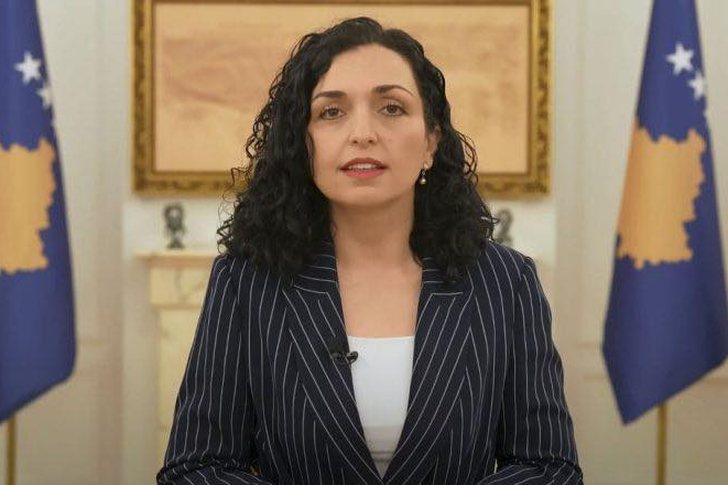
To begin with, I think that Vjosa Osmani could be a good p...
Every year, on March 7, social networks are filled with co...
Serbia continues to violate, infringe, deny, and discrimin...
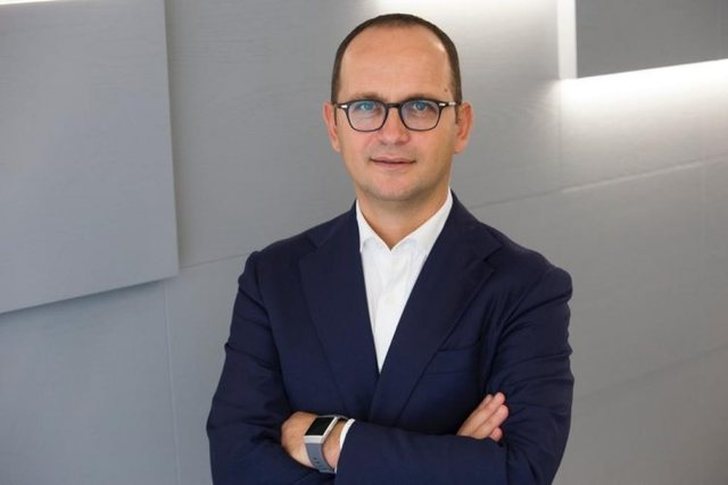
The President of Kosovo decreed the dissolution of the new...

Ambassadors have entered every aspect of our lives. From b...
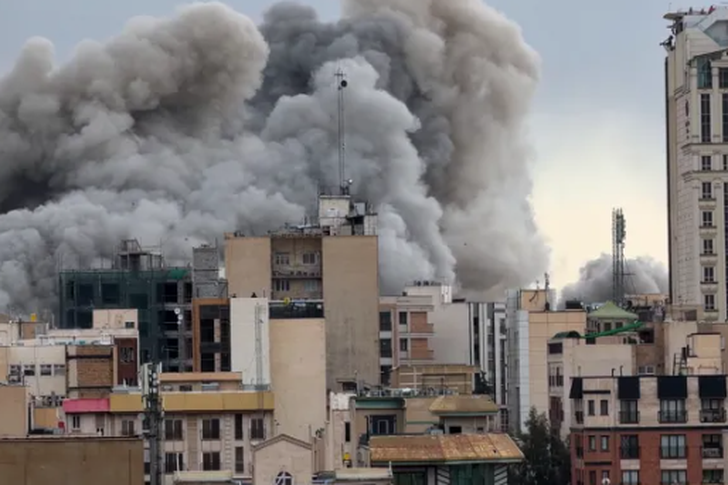
After the cases of personal decision-making for the destru...
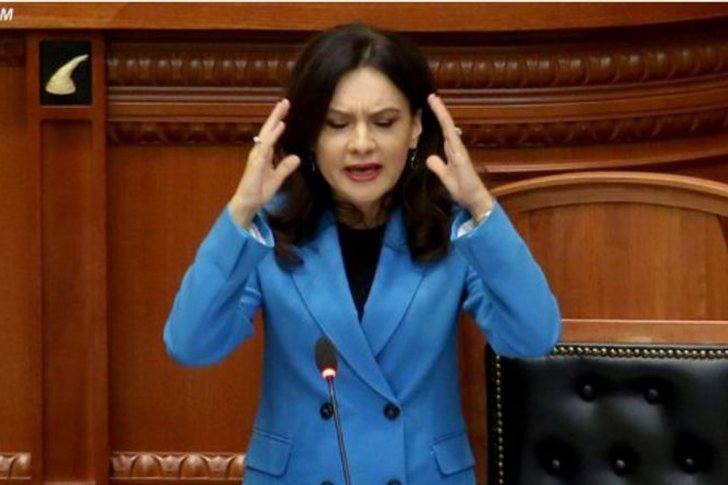
In the summer of 1942, Winston Churchill had a long meetin...

Çdo shqiptari: “MOS bëni rivlerësim as me 5% tatim për sht...

There have been 12 days of protests in the capital, which ...
Dritan Prençi is the SPAK prosecutor who is sleeping on th...
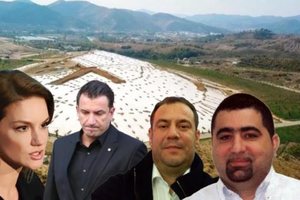
The in-depth investigations that SPAK conducted into Ajola...
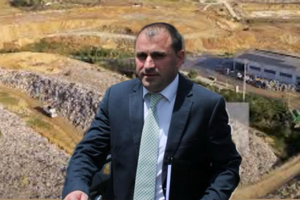
SPAK's standards, the way it investigates, how it secures ...

The Special Board of Appeal (KPA) decided this Monday ...

The KPA vetting decided this Thursday to dismiss the p...

Suela Salavaçi, a prosecutor in the Prosecutor's Offic...

The Special Board of Appeal reinstated the prosecutor ...

Policia e Vlorës ka finalizuar operacionin e koduar “Sigur...

New details have emerged regarding the serious accident th...

An Albanian businessman was arrested this afternoon in Gre...
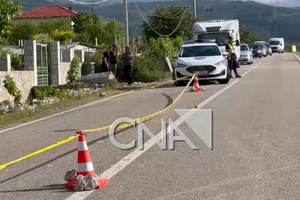
A serious accident has occurred on the Korça-Ersekë axis, ...
Today our country will be affected by stable weather condi...
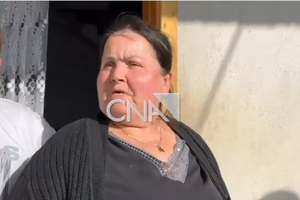
A tragic accident occurred this Friday afternoon in Kameni...

Today our country will be affected by unstable weather con...

On Thursday, our country will be affected by relatively un...

Good news for those who fly: After years of negotiations, ...

It took more than two years, but now the EU can begin acce...
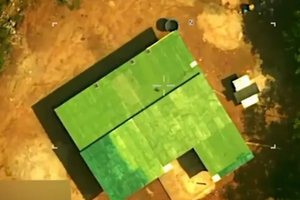
US President Donald Trump announced that the US military h...
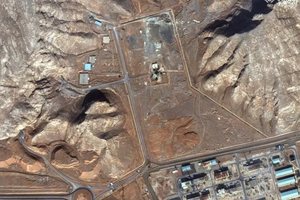
Iran has taken new measures to strengthen the protection o...
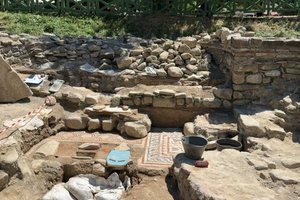
Several archaeological excavations conducted during this s...
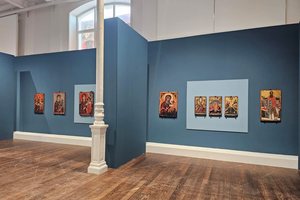
At the Museum of Fine Arts in Chambéry, France, an exhibit...
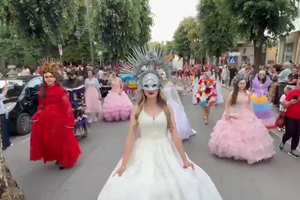
Korça has transformed this weekend into the capital of cel...
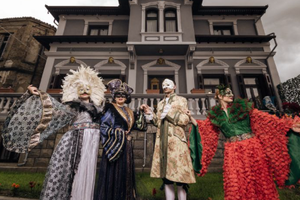
Korça is ready to open the summer season with one of the c...

This Saturday, one US dollar is bought for 81.5 lek and so...
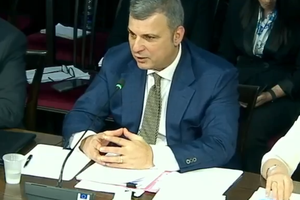
The Governor of the Bank of Albania, Gent Sejko, shared to...

Business lending has increased in the first half of this y...

The labor market has shown worrying trends in early 2026. ...