

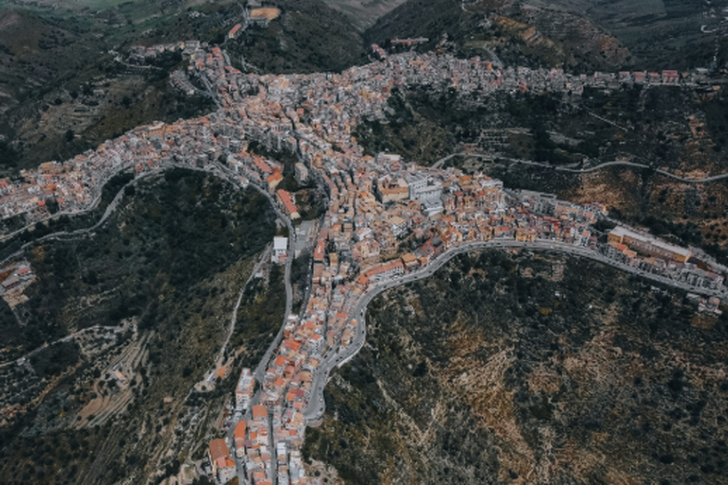
Centuripe, the Sicilian city that resembles a man
Centuripe, a city in Sicily, is known for its unique, huma...


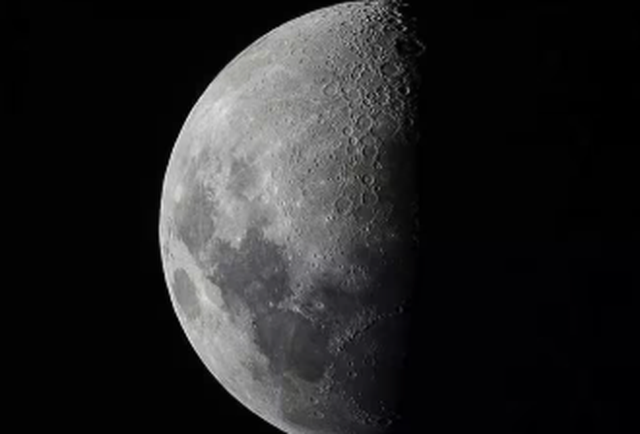
For centuries, the moon and how it influences human behavior has been at the center of mythology and folklore around the world.
The word "madness" itself dates back to the 15th century, when it was believed that the moon and its phases could cause people to become more or less aggressive, depending on its place in the lunar cycle.
In some cultures, the moon is revered and worshipped for its place among the stars. But then, of course, there are lesser stories that have a darker tone, whose transformation depends on the full moon.

All organisms perform natural biological cycles for survival. When we talk about biological cycles, we probably most often think of our circadian rhythm, our body's internal 24-hour sleep-wake cycle, and infradian rhythms (cycles that last longer than 24 hours) like the 28-day menstrual cycle or seasonal affective disorder (SAD).
All of these biological cycles vary based on internal and external factors. And since our human bodies are made up of anywhere from 55% to about 78% water, there's some reason to believe that we too can be influenced by the moon, its light, and its 27-day lunar cycle, especially when you consider that the moon's gravitational pull on Earth is powerful enough to affect ocean tides.
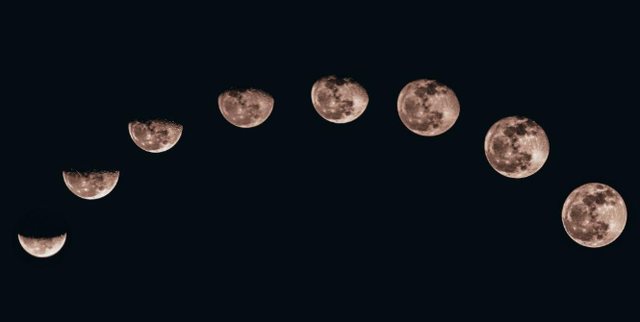
Research has shown that some species have adapted some of their biological cycles to align with the lunar cycle.
The reproductive cycle of marine animals such as tropical corals during full moon nights, annelid worms during the waxing moon, and the emergence of mosquitoes at high tides is evidence of this lunar connection. A comprehensive review of research highlights the effects of the moon on biological processes in many species related to activity levels, feeding rituals, light sensitivity, migration, molting patterns, and more. /CNA

Centuripe, a city in Sicily, is known for its unique, huma...

The Perseid meteor shower is expected to peak in mid-Augus...

More than 50 years after his death, JRR Tolkien's fantasy ...
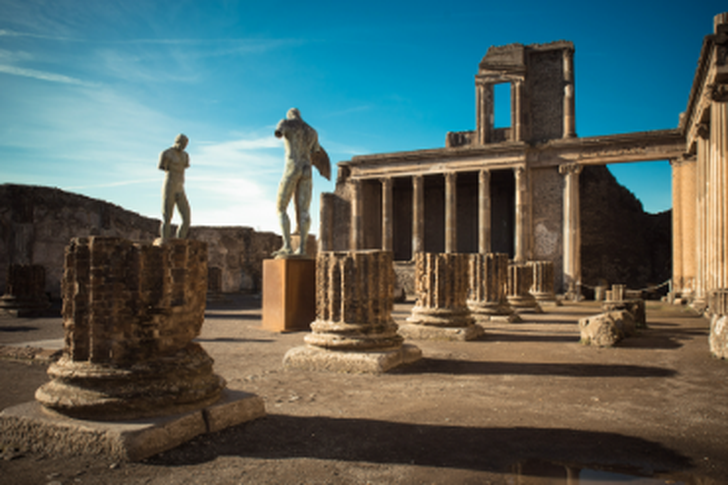
New evidence strongly suggests that Pompeii was repopulate...
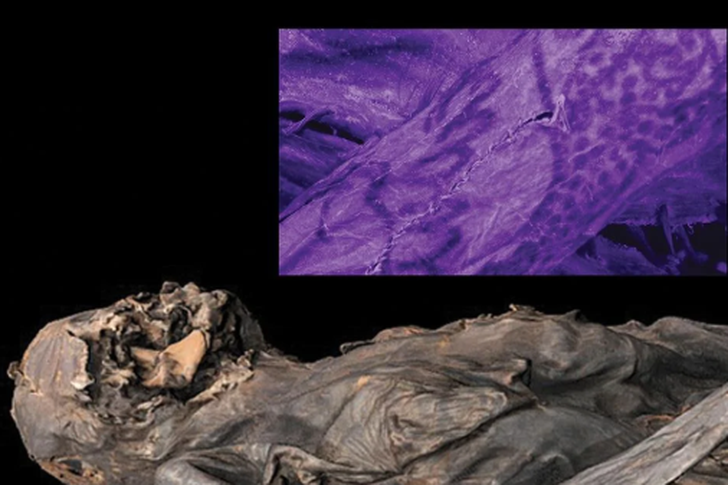
A woman buried more than 2,000 years ago in Siberia's icy ...

Archaeologists have discovered Roman city churches and tom...

Two years ago, a strange watercolour hidden in a London ga...

A few days ago, when it was learned that US President Dona...

Driving is never completely safe, and especially during th...

Climate change is particularly threatening to the long-ter...

Europeans once had dark hair, dark eyes and dark skin. By ...

Located just 12 kilometers from the Sacred City of Caral-...

An ice core that could be more than 1.5 million years old ...
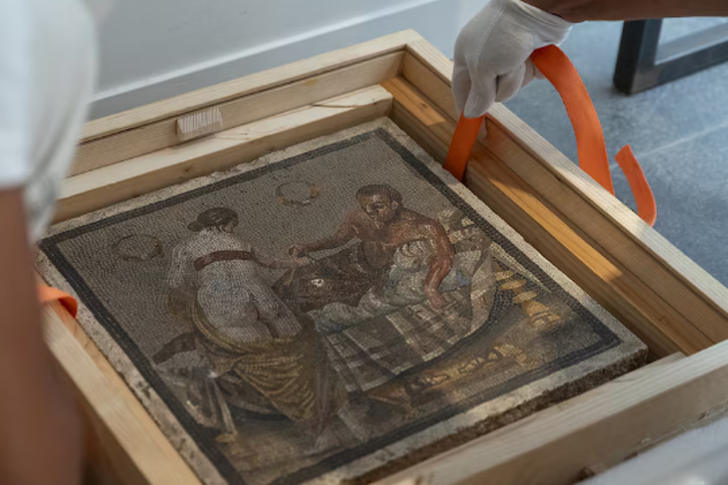
A Roman-era mosaic panel with an erotic motif was official...

Astronomers have discovered the earliest seeds of rocky pl...
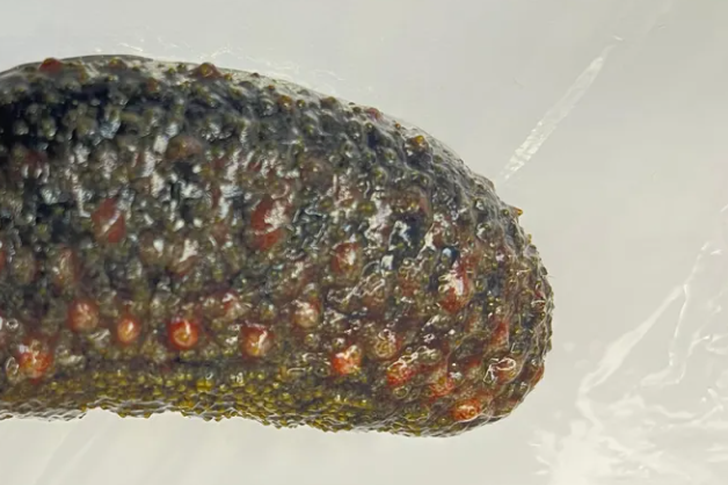
Sea cucumbers clean up organic debris that lies on the oce...

This Monday evening presented a true star spectacle over t...
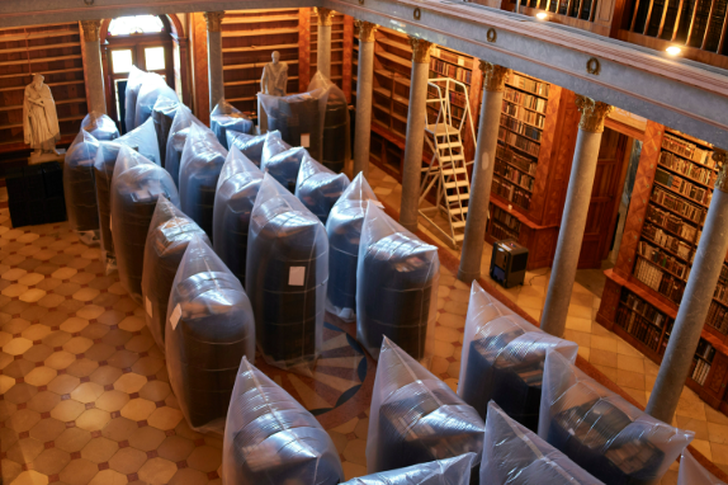
Tens of thousands of centuries-old books are being pulled ...

According to nutritionists, beans are part of a unique cat...
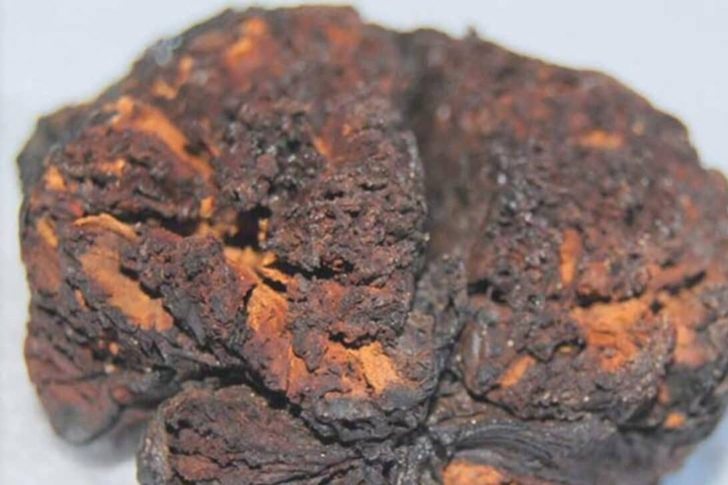
An interesting discovery in Turkey has caught the attentio...

Irfan Hysenbelliu is a businessman that we call "Irfan the...

In March 2026, CNA launched another investigation centered...
The arrested mayor of Tirana, Erion Veliaj, with 13 charge...

CNA has uncovered the tentacles of the head of the Supreme...

The Special Board of Appeal (KPA) decided this Monday ...

The KPA vetting decided this Thursday to dismiss the p...

Suela Salavaçi, a prosecutor in the Prosecutor's Offic...

The Special Board of Appeal reinstated the prosecutor ...

New details are being learned regarding the incident that ...

Several gunshots were reported this evening in Elbasan. T...

A section of the Fier-Vlora highway was engulfed in flames...

A road accident occurred this Monday near Gramsh. As repo...

Another humanitarian aid shipment from Germany has arrived...

Residents of the village of Memëlisht in the Municipality ...

On Monday, our country will be under the influence of rela...

On Sunday, our country will remain under the influence of ...

US President Donald Trump responded with harsh rhetoric to...

US President Donald Trump said on Monday that Israeli Prim...

Hungary's Prime Minister, Péter Magyar, took many people b...

The mediators in the Middle East conflict between the Unit...

At a time when industrial products are increasingly taking...

Trust among people is not just a three-syllable word. It c...

Master of humor Todi Llupi has passed away at the age of 7...

The ninth edition of "MIK Festival" kicked off with one of...

Deputy Minister of Economy and Innovation, Enkelejd Musabe...

This Monday, one US dollar is bought for 81 lek and sold f...
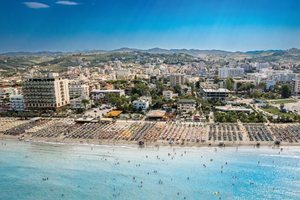
In Golem and Durrës, the season seems dynamic: buses with ...

This Sunday, one US dollar is bought for 81 lek and sold f...