


Photo/ Starry sky over the Osum River
This Monday evening presented a true star spectacle over t...


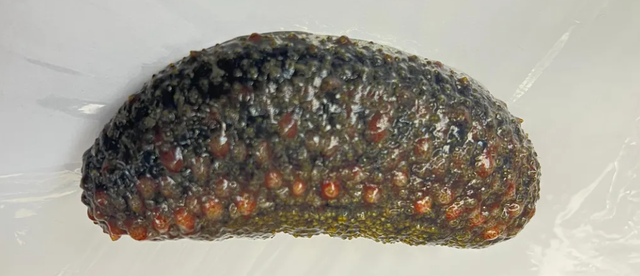
Sea cucumbers clean up organic debris that lies on the ocean floor and are otherwise known as the cleaners of the sea. While many people enjoy sea cucumbers, few know that these simple organisms produce complex sugar molecules that could lead to promising anti-cancer drugs.
Vitor Pomin, a glycobiologist at the University of Mississippi, and his colleagues previously showed that a sugar isolated from the sea cucumber Holothuria floridana, called fucosylated chondroitin sulfate (HfFucCS), inhibits sulfatase-2 (Sulf-2), an enzyme involved in cancer cell invasion.
Now, in a new study published in Glycobiology, Pomin and his team have identified a unique structural motif in HfFucCS that is responsible for its potent inhibition. Their discovery could inform future efforts to synthesize small molecule inhibitors against Sulf-2.
Over the past two decades, medicinal chemists have been trying to develop a potent inhibitor against Sulf-2, which is elevated in various types of cancer.
However, synthesizing Sulf-2 inhibitors in the lab is both difficult and expensive. This prompted Pomin to search the natural world for molecules that mimic heparan sulfate, which binds to Sulf-2.
Heparan sulfate is a glycosaminoglycan (GAG), which is a long chain of sugars that adorns the extracellular side of many transmembrane proteins on the surface of cells. In the past, Pomin and his colleagues have worked with numerous GAG analogs from marine organisms, including various species of sea urchins and sea cucumbers.
To investigate how well HfFucCS and other GAG analogs inhibit Sulf-2 activity, the team used a sulfatase activity assay developed in the lab of Georgetown University's Radoslav Goldman, a co-author of the study. The researchers found that among the molecules tested, HfFucCS was the most potent.
Because HfFucCS is a large and complex molecule, it can be difficult to synthesize in the lab and administer therapeutically. So Pomin and his colleagues wanted to identify the specific structural motif in HfFucCS that inhibits Sulf-2. Previously, the researchers had used depolymerization followed by size-exclusion chromatography to generate fragments of HfFucCS.
After narrowing down the potential binding sites for Sulf-2 in the HfFucCS fragment, the researchers performed computational molecular docking experiments to simulate the interaction of the fragment with Sulf-2. They identified a branched fucose 3,4-disulfate motif that is unique to HfFucCS and gave it its potency.
Rosen warned that as a heparan sulfate mimic, HfFucCS could have off-target effects that could lead to toxicity. Heparan sulfate interacts with many molecules, including various growth factors and chemokines, so theoretically, HfFucCS could interact with them as well.
Pomin's team previously showed that HfFucCS is minimally toxic in vitro, although Pomin acknowledged that these results were preliminary.
Since environmental biologists are already concerned about the overharvesting of sea cucumbers for food, Pomin is currently collaborating with a medicinal chemist to find a way to synthesize the potent HfFucCS fraction in the lab. He also plans to evaluate the potency and toxicity of HfFucCS in animal models overexpressing Sulf-2./ CNA

This Monday evening presented a true star spectacle over t...
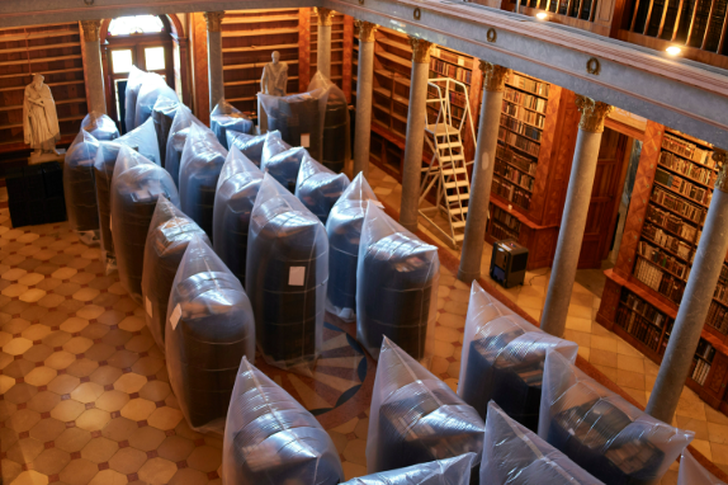
Tens of thousands of centuries-old books are being pulled ...
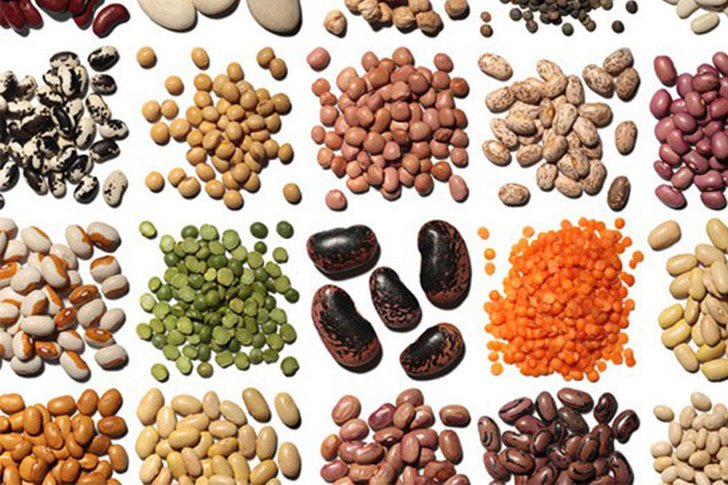
According to nutritionists, beans are part of a unique cat...
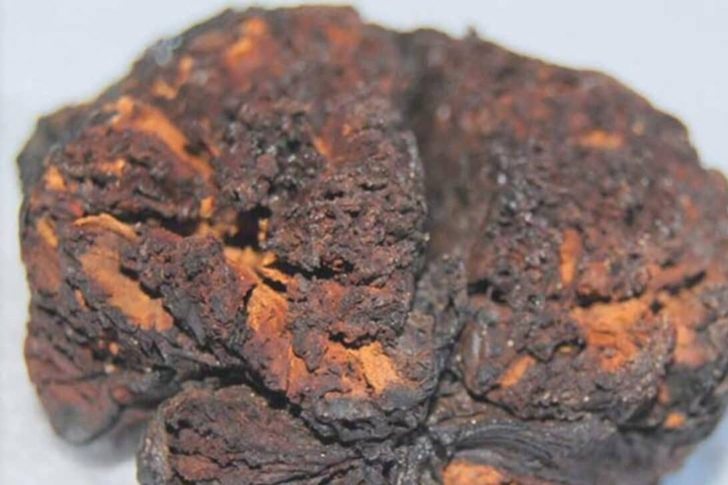
An interesting discovery in Turkey has caught the attentio...
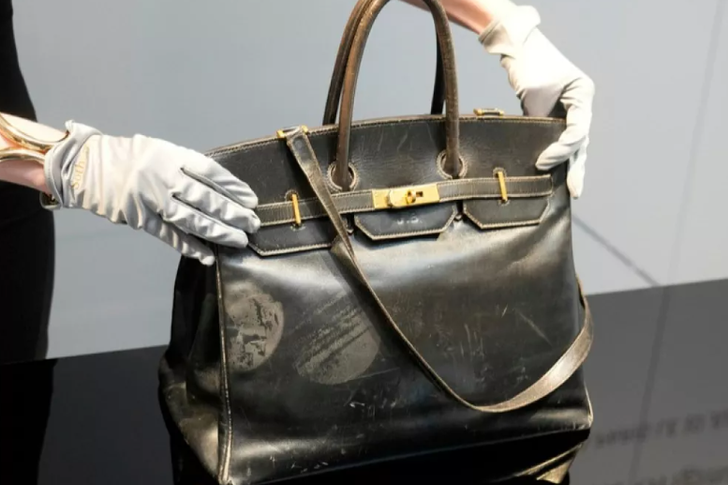
Some say you can't put a price on the right fashion access...

Europe's long-distance rail network will get another boost...

Archaeological excavations have uncovered a large settleme...

A work depicting Venice by 18th-century Italian painter Ca...
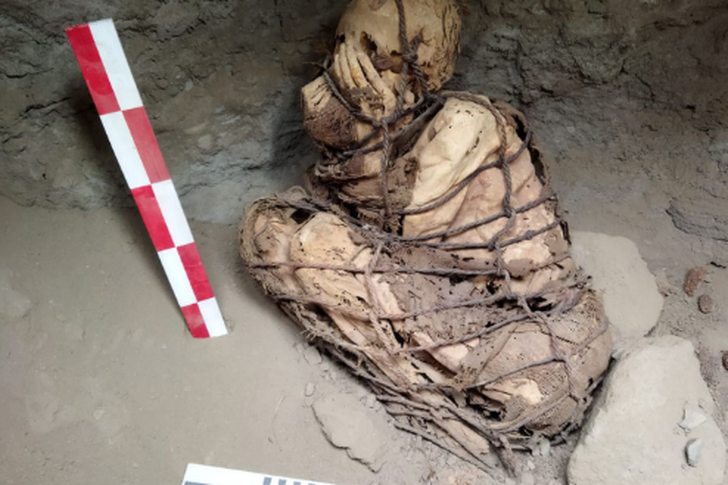
While laying gas pipes in Lima's Puente Piedra neighborhoo...
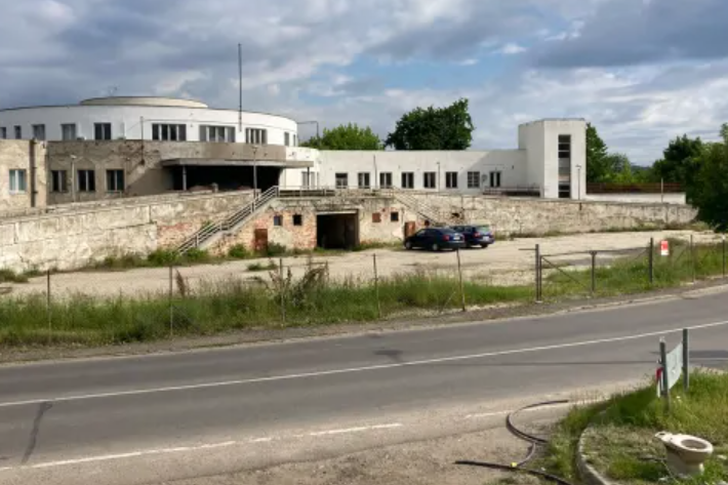
Walking into Budapest's Budaörs Airport feels more like en...

For years, a rumor has circulated that Ludwig van Beethove...
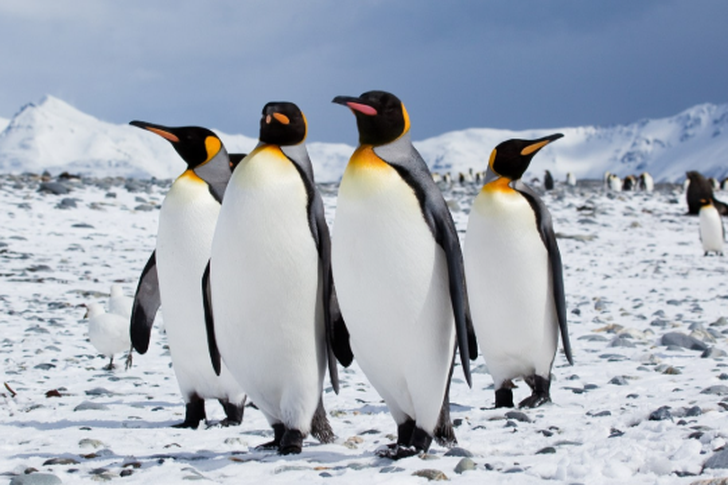
As ocean temperatures rise, marine biologists are racing t...
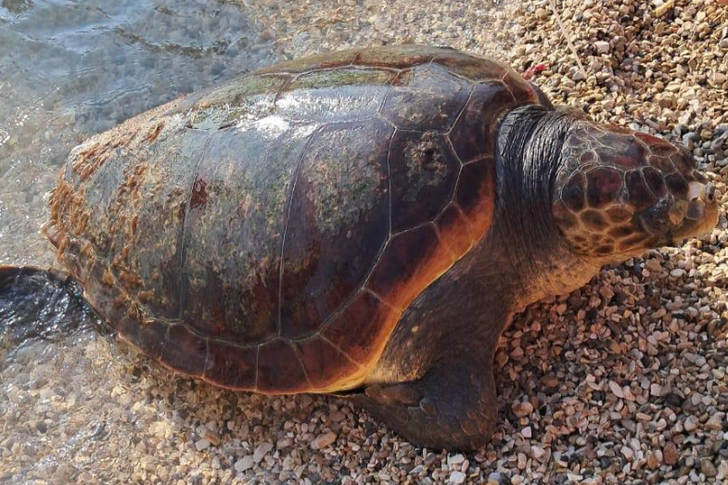
A rare event has thrilled vacationers on the beach of Sara...
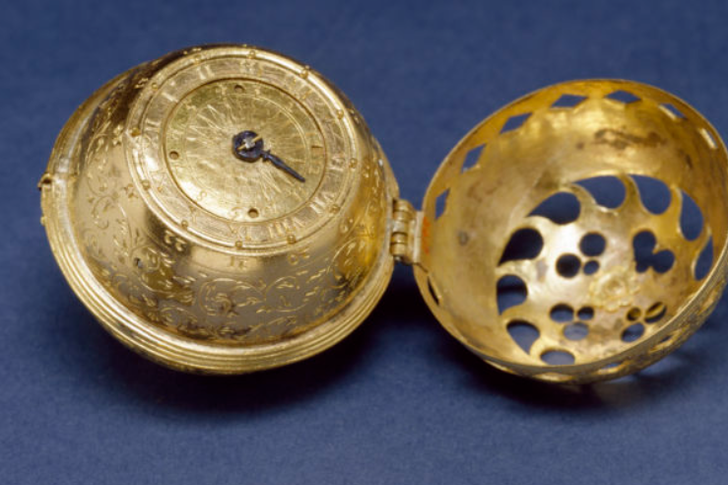
Watches developed from clocks in the 15th and 16th centuri...
A pair of European satellites have created the first artif...
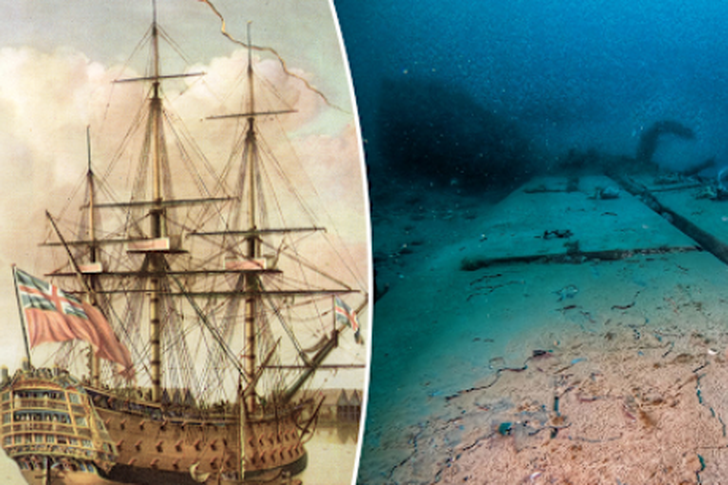
A 16th-century merchant ship has been discovered 2,567 met...

Scientists have discovered a new species of dinosaur - in ...
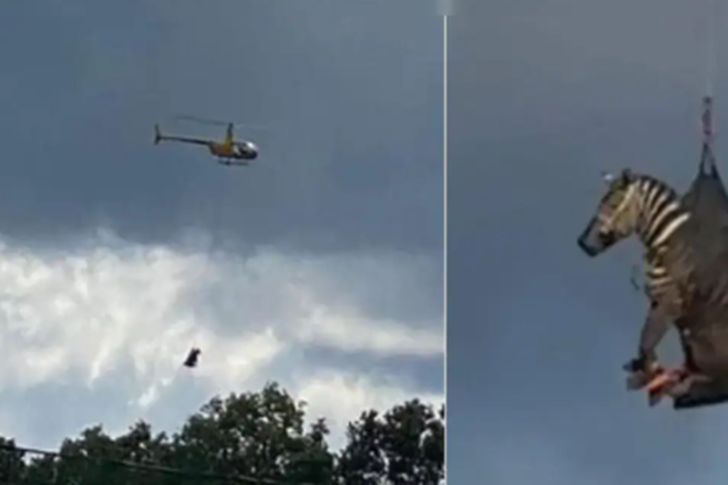
A zebra that had escaped and roamed free in Tennessee, ...
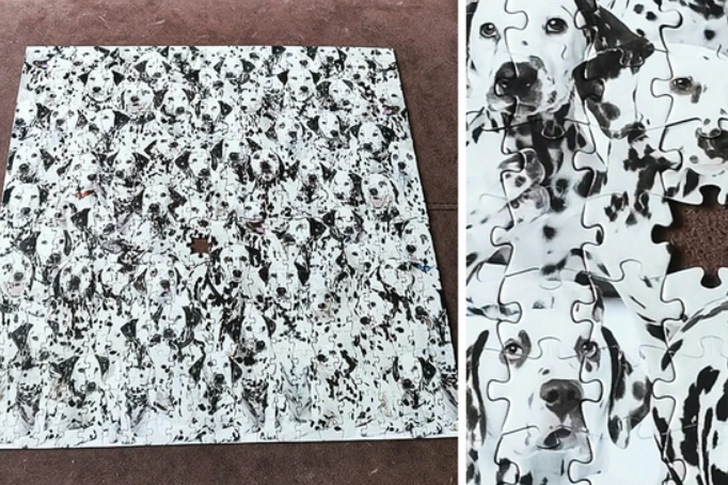
A Dalmatian puzzle game from Amazon is the ultimate brain ...

Every year, billions of dollars worth of artworks pass thr...

CNA has launched another investigation that could lead to ...

Irfan Hysenbelliu is a businessman that we call "Irfan the...

In March 2026, CNA launched another investigation centered...
The arrested mayor of Tirana, Erion Veliaj, with 13 charge...

The Special Board of Appeal (KPA) decided this Monday ...

The KPA vetting decided this Thursday to dismiss the p...

Suela Salavaçi, a prosecutor in the Prosecutor's Offic...

The Special Board of Appeal reinstated the prosecutor ...
A tourist has lost her life on Orikum beach, where she was...

Two people were arrested and two others were prosecuted af...

At around 08:40, in neighborhood no. 10, Korça, a "Benz" t...

New details are being learned regarding the incident that ...

Albania has achieved a record for the employment of foreig...
Today our country will be under the influence of relativel...

Another humanitarian aid shipment from Germany has arrived...
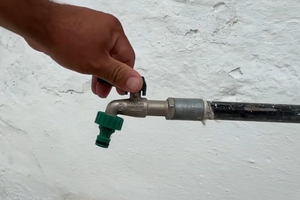
Residents of the village of Memëlisht in the Municipality ...
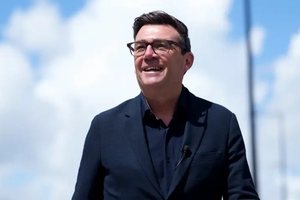
The United Kingdom's new Prime Minister, Andy Burnham, has...
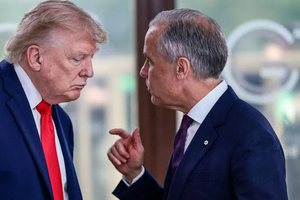
United States President Donald Trump has imposed 50% tarif...
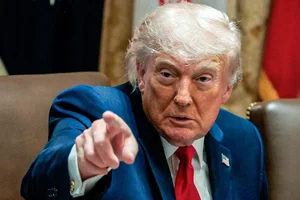
US President Donald Trump responded with harsh rhetoric to...
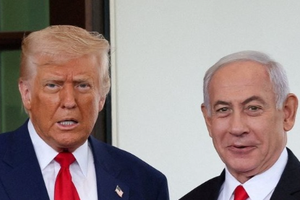
US President Donald Trump said on Monday that Israeli Prim...

At a time when industrial products are increasingly taking...

Trust among people is not just a three-syllable word. It c...

Master of humor Todi Llupi has passed away at the age of 7...

The ninth edition of "MIK Festival" kicked off with one of...
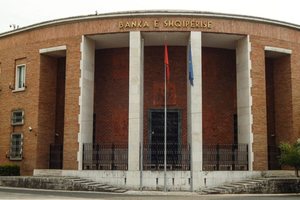
The new draft law "On the Bank of Albania" provides that t...
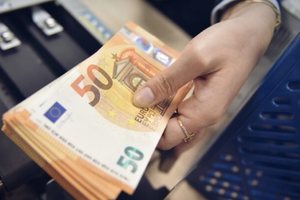
This Tuesday, one US dollar is bought for 81.2 lek and sol...
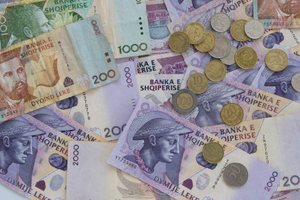
Deputy Minister of Economy and Innovation, Enkelejd Musabe...
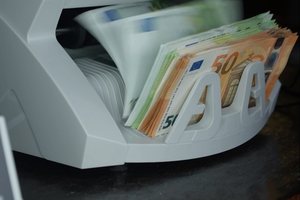
This Monday, one US dollar is bought for 81 lek and sold f...