

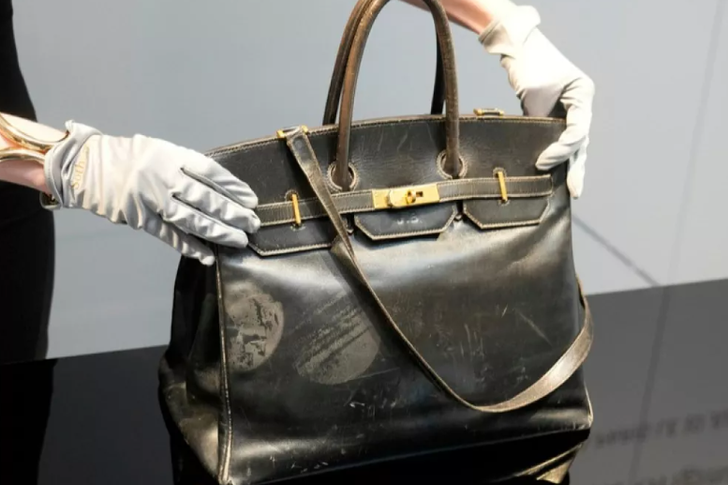
Original Hermes bag sells for 8 million euros at auction in Paris
Some say you can't put a price on the right fashion access...


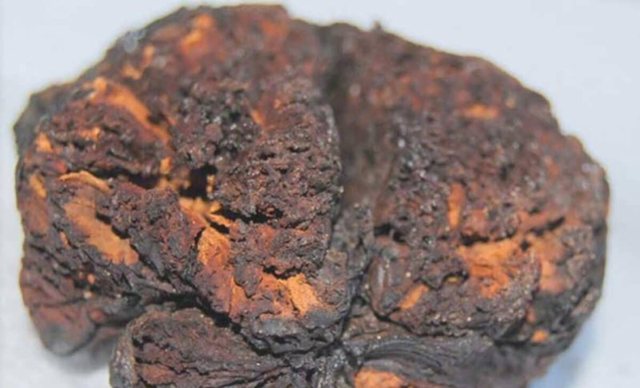
An interesting discovery in Turkey has caught the attention of scientists and archaeologists alike. A 4,000-year-old human brain has been found at the ancient settlement of Seyitomer Hoyuk in western Turkey, and its preservation is unlike anything researchers have seen before. The find is not only one of the oldest human brains ever discovered, but it's also one of the most intact.
Normally, brain tissue decomposes rapidly after death due to the presence of enzymes that break down cells. As a result, finding an intact brain from the Bronze Age is an extremely rare event. However, the preservation of this particular brain can be attributed to a combination of natural disasters and environmental factors.
Scientists believe that the settlement where the brain's owner lived experienced a powerful earthquake. This seismic event buried the inhabitants, followed immediately by a fire that quickly spread throughout the settlement. The fire likely boiled the brain in its own juices, a process that helped preserve the tissue.
The soil where the brain was found contained high levels of magnesium, potassium and aluminum, which led to the formation of adipocere, a wax-like substance that further mummified the brain tissue, ensuring that it remained intact for millennia.
The discovery of this well-preserved brain offers scientists an unprecedented opportunity to study ancient human conditions. Because brain tissue is so well-preserved, researchers are now able to examine it for clues about the health of people who lived during the Bronze Age. By studying the preserved brain, scientists hope to identify signs of conditions such as brain tumors, hemorrhages, or other physical markers that could indicate the cause of death.
This type of preservation is so rare that most archaeologists don't expect to find intact brain tissue in their excavations. In fact, the University of Zurich researchers who examined the brain expressed their surprise, noting that the discovery could inspire others to search for and study ancient brain tissue in the future.
They stressed that "the level of preservation combined with the age is extraordinary" and that such findings could encourage archaeologists to pay more attention to the potential for discovering well-preserved brain samples.
Although rare, the preservation of human remains, including brain tissue, is not unheard of. In 2012, the bodies of three children were found on the summit of Llullaillaco Volcano in Argentina, almost perfectly preserved by the mountain’s cold climate. Similarly, this Bronze Age brain was preserved thanks to specific circumstances that allowed the tissue to survive for thousands of years. The presence of natural disasters and the unique environmental conditions where the brain was buried played a crucial role in its preservation.
With advances in technology, scientists are now able to analyze preserved tissue in ways that were once unimaginable. Frank Rühli, a researcher at the University of Zurich in Switzerland who has investigated medieval brain tissue, says, “If we want to learn more about the history of neurological disorders, we need to have tissue like this.”
The knowledge gained from these findings could reshape our understanding of ancient diseases, health conditions, and even how environmental factors contributed to the survival of certain civilizations.

Some say you can't put a price on the right fashion access...

Europe's long-distance rail network will get another boost...
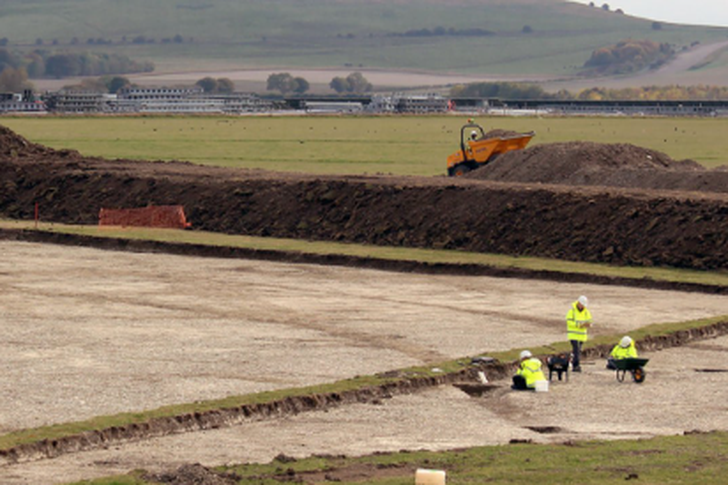
Archaeological excavations have uncovered a large settleme...

A work depicting Venice by 18th-century Italian painter Ca...
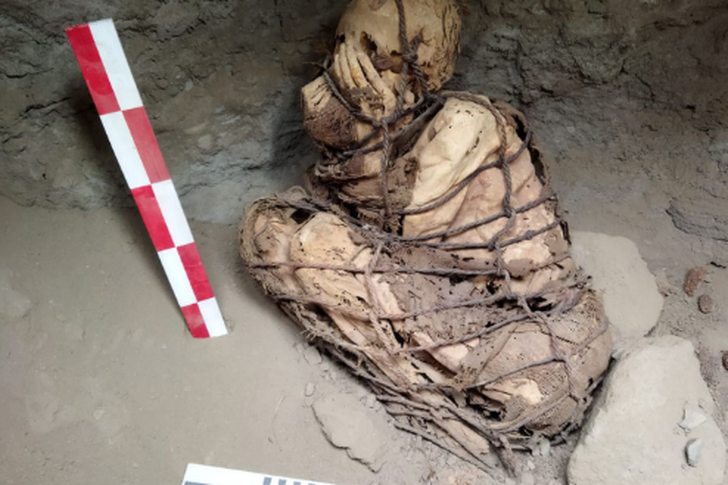
While laying gas pipes in Lima's Puente Piedra neighborhoo...
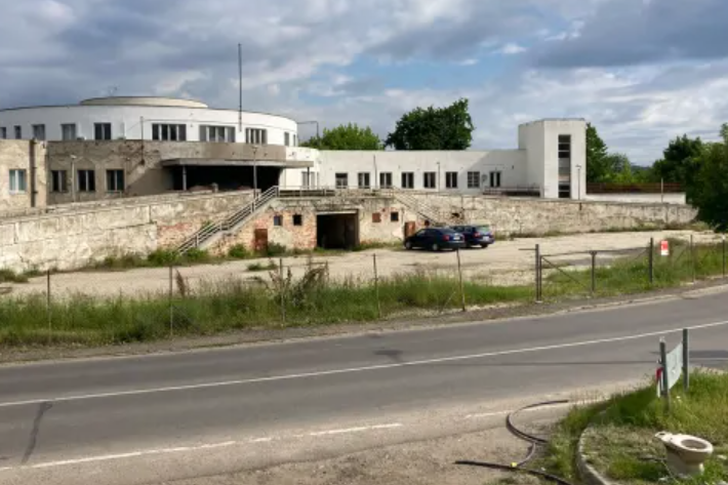
Walking into Budapest's Budaörs Airport feels more like en...
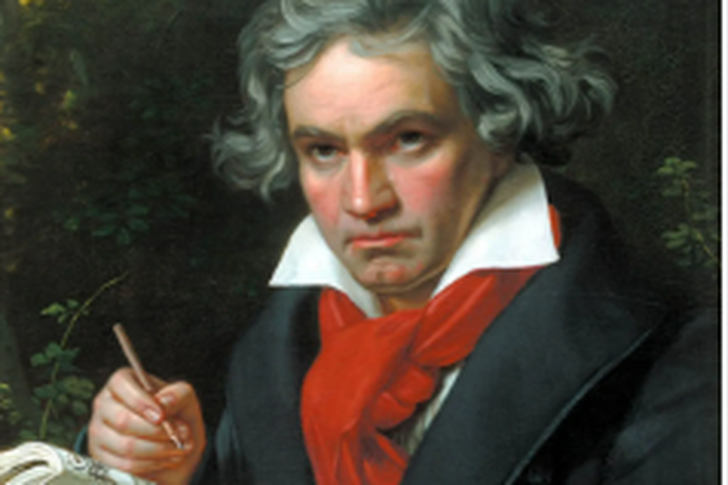
For years, a rumor has circulated that Ludwig van Beethove...

As ocean temperatures rise, marine biologists are racing t...
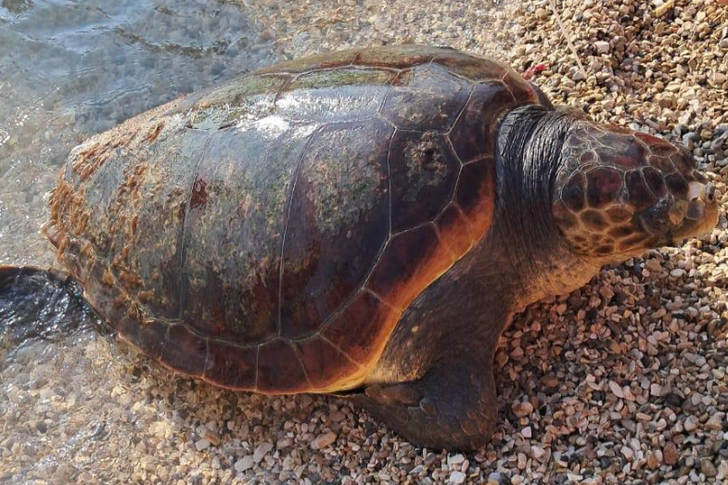
A rare event has thrilled vacationers on the beach of Sara...
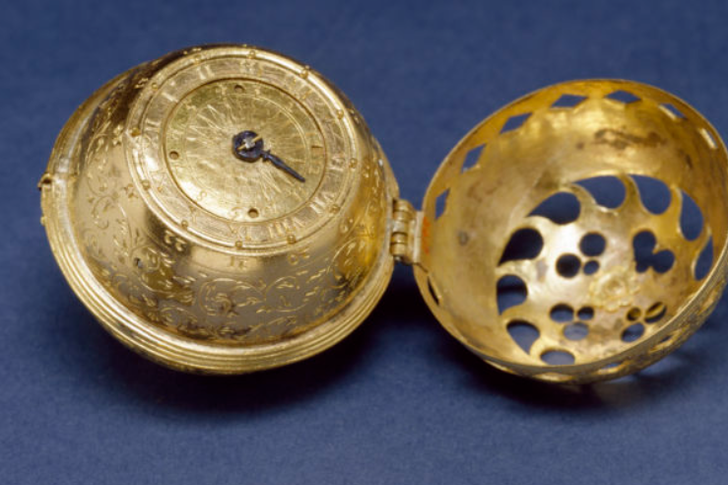
Watches developed from clocks in the 15th and 16th centuri...

A pair of European satellites have created the first artif...
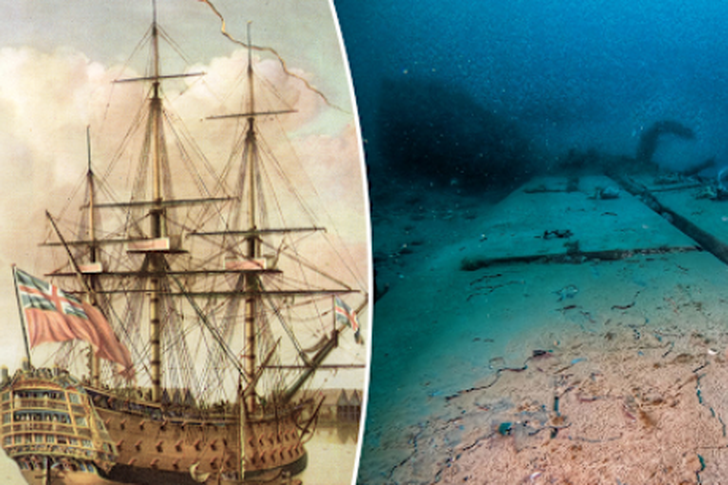
A 16th-century merchant ship has been discovered 2,567 met...
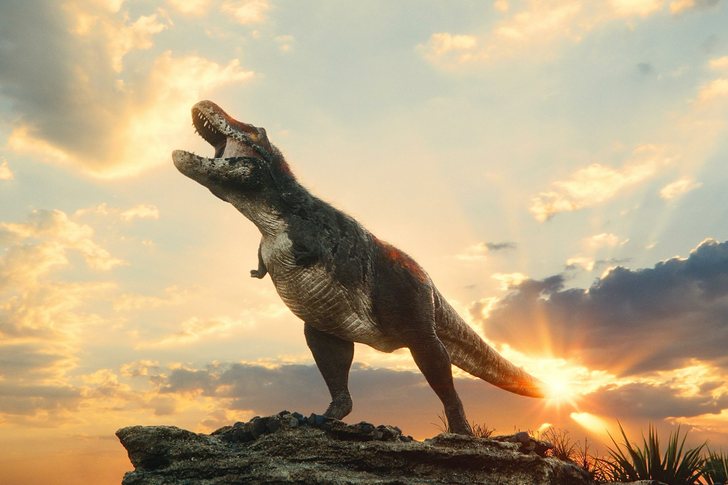
Scientists have discovered a new species of dinosaur - in ...

A zebra that had escaped and roamed free in Tennessee, ...
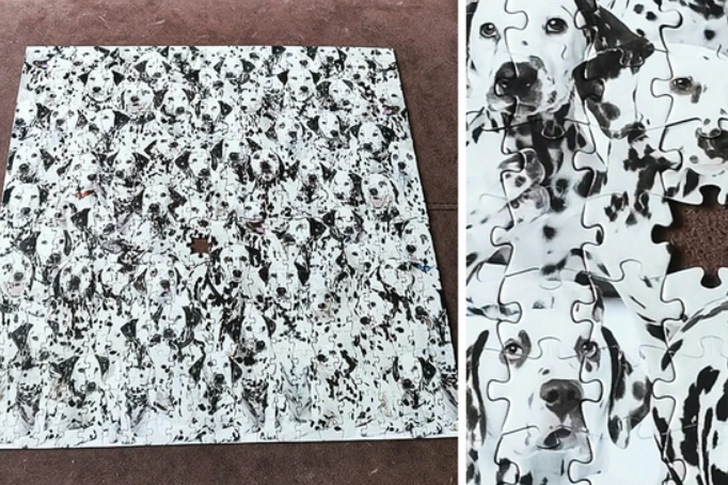
A Dalmatian puzzle game from Amazon is the ultimate brain ...

Every year, billions of dollars worth of artworks pass thr...

June is the first official month of summer. And usually wh...
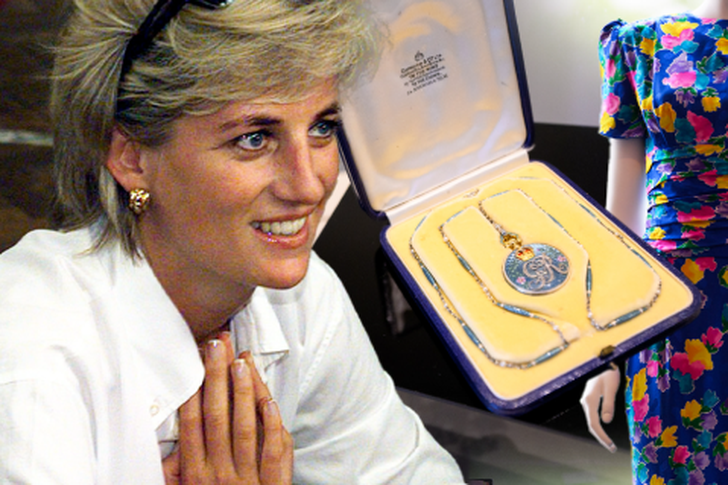
The largest auction of Princess Diana's clothing is expect...
On a remote hill in Turkey, where the human voice is lost ...

The White House unveiled a new portrait of President Trump...

CNA has launched another investigation that could lead to ...

Irfan Hysenbelliu is a businessman that we call "Irfan the...

In March 2026, CNA launched another investigation centered...
The arrested mayor of Tirana, Erion Veliaj, with 13 charge...

The Special Board of Appeal (KPA) decided this Monday ...

The KPA vetting decided this Thursday to dismiss the p...

Suela Salavaçi, a prosecutor in the Prosecutor's Offic...

The Special Board of Appeal reinstated the prosecutor ...
A tourist has lost her life on Orikum beach, where she was...

Two people were arrested and two others were prosecuted af...

At around 08:40, in neighborhood no. 10, Korça, a "Benz" t...

New details are being learned regarding the incident that ...

Albania has achieved a record for the employment of foreig...

Today our country will be under the influence of relativel...
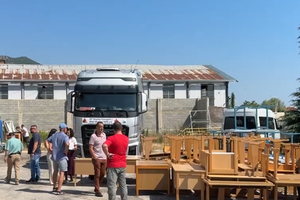
Another humanitarian aid shipment from Germany has arrived...
Residents of the village of Memëlisht in the Municipality ...

The United Kingdom's new Prime Minister, Andy Burnham, has...

United States President Donald Trump has imposed 50% tarif...

US President Donald Trump responded with harsh rhetoric to...

US President Donald Trump said on Monday that Israeli Prim...

At a time when industrial products are increasingly taking...

Trust among people is not just a three-syllable word. It c...

Master of humor Todi Llupi has passed away at the age of 7...

The ninth edition of "MIK Festival" kicked off with one of...
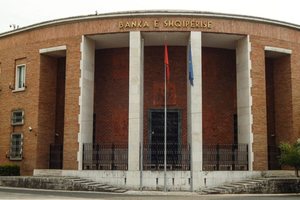
The new draft law "On the Bank of Albania" provides that t...

This Tuesday, one US dollar is bought for 81.2 lek and sol...

Deputy Minister of Economy and Innovation, Enkelejd Musabe...

This Monday, one US dollar is bought for 81 lek and sold f...