


4,000-year-old ancient city discovered in Peru
Located just 12 kilometers from the Sacred City of Caral-...



Europeans once had dark hair, dark eyes and dark skin. By the Iron Age, about 3,000 years ago, people with light hair, light eyes and fair skin were the exception, according to research by Silvia Ghirotto of the University of Ferrara in Italy.
According to this study, the genes responsible for lighter skin, hair and eyes were very rare in early Europeans around 14,000 years ago, during the late Paleolithic period.
Evolutionary advantage?
Today there are regions in Northern Europe, in countries like Norway, Sweden and Finland, where over 80% of the population is blonde. In the rest of Europe, blonde hair is more of an exception, as most Europeans have brown hair. Worldwide, only about 2 percent of people are blonde.
According to the study, light skin represented a major advantage for early hunters. In weaker sunlight, they may have been able to absorb more vitamin D, which is necessary for healthy bones, teeth, and muscles.
However, lighter eye color did not have any major advantage. According to Ghirotto, blue or green eyes are due to genetic chance or sexual selection.
Tough search for usable DNA
Ghirotto's team analyzed 348 DNA samples from archaeological sites in 34 countries in Western Europe and Asia. The oldest sample, 45,000 years old, comes from the Ust'-Ishim individual, discovered in Western Siberia in 2008.
The DNA sample from the approximately 9,000-year-old individual SF12 from Sweden was also very important to the study.
But many of the DNA samples examined were so damaged or incomplete ("degraded") that researchers could not directly determine pigmentation characteristics (such as skin, hair, and eye color).
Instead, they used statistical methods to draw conclusions about these characteristics.
Where did Europeans come from?
About 50,000 to 60,000 years ago, the first Homo sapiens arrived and settled in Europe. Genetically, they were not yet very far removed from their modern ancestors in Africa, meaning they mostly carried the genes for dark skin, hair, and eyes.
It is thought that there were exceptions, but most people in Europe had dark skin and dark hair, even during the Copper Age around 5,000 years ago.
According to DNA samples, 63 percent of early Europeans had dark skin, while only 8 percent had light skin.
In northern Europe, such as Sweden, there was a concentration of people with light hair and eyes around 3,000 years ago. But how this clustering occurred—for example, whether the development of lighter pigmentation was related to climate change or migrations into Europe—is not known for sure. This requires further study.
The eventual advantages of the evolution of skin, hair and eye color, from dark to light, have not yet been definitively clarified./ DW

Located just 12 kilometers from the Sacred City of Caral-...

An ice core that could be more than 1.5 million years old ...

A Roman-era mosaic panel with an erotic motif was official...

Astronomers have discovered the earliest seeds of rocky pl...

Sea cucumbers clean up organic debris that lies on the oce...

This Monday evening presented a true star spectacle over t...
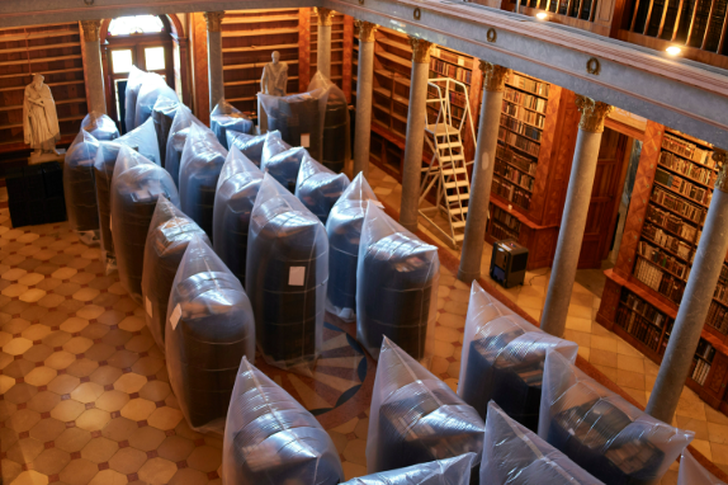
Tens of thousands of centuries-old books are being pulled ...

According to nutritionists, beans are part of a unique cat...
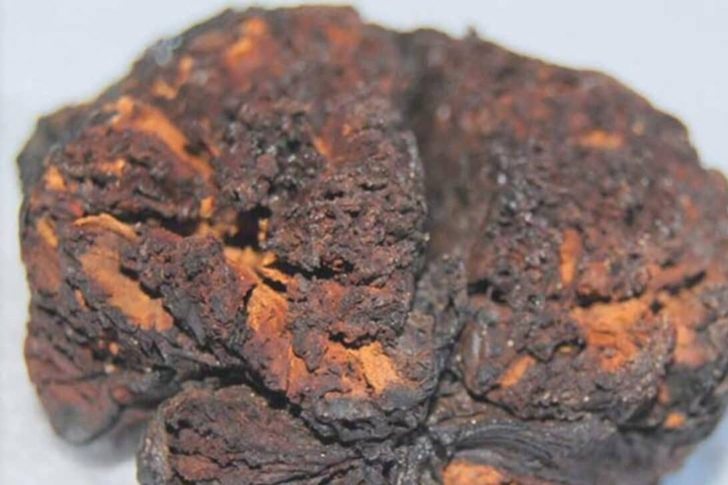
An interesting discovery in Turkey has caught the attentio...

Some say you can't put a price on the right fashion access...

Europe's long-distance rail network will get another boost...

Archaeological excavations have uncovered a large settleme...

A work depicting Venice by 18th-century Italian painter Ca...

While laying gas pipes in Lima's Puente Piedra neighborhoo...
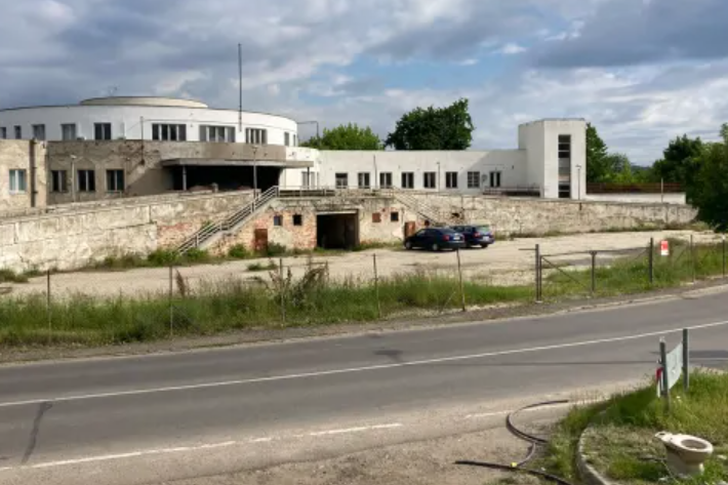
Walking into Budapest's Budaörs Airport feels more like en...

For years, a rumor has circulated that Ludwig van Beethove...

As ocean temperatures rise, marine biologists are racing t...

A rare event has thrilled vacationers on the beach of Sara...
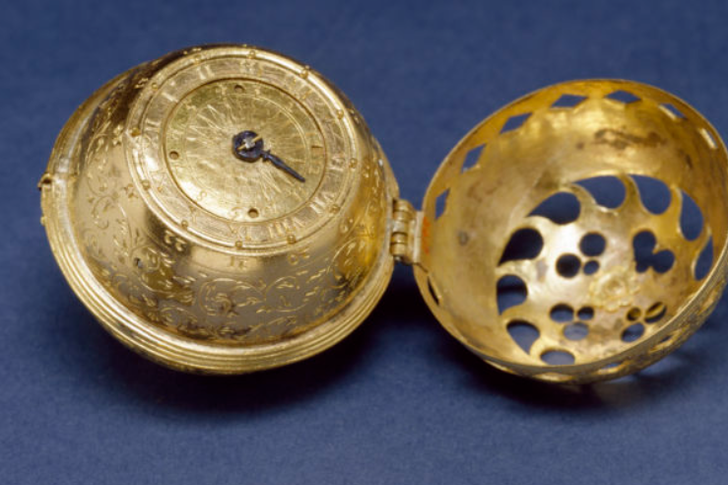
Watches developed from clocks in the 15th and 16th centuri...

A pair of European satellites have created the first artif...

Irfan Hysenbelliu is a businessman that we call "Irfan the...

In March 2026, CNA launched another investigation centered...
The arrested mayor of Tirana, Erion Veliaj, with 13 charge...

CNA has uncovered the tentacles of the head of the Supreme...

The Special Board of Appeal (KPA) decided this Monday ...

The KPA vetting decided this Thursday to dismiss the p...

Suela Salavaçi, a prosecutor in the Prosecutor's Offic...

The Special Board of Appeal reinstated the prosecutor ...

New details are being learned regarding the incident that ...

Several gunshots were reported this evening in Elbasan. T...

A section of the Fier-Vlora highway was engulfed in flames...

A road accident occurred this Monday near Gramsh. As repo...

Another humanitarian aid shipment from Germany has arrived...

Residents of the village of Memëlisht in the Municipality ...

On Monday, our country will be under the influence of rela...

On Sunday, our country will remain under the influence of ...

US President Donald Trump responded with harsh rhetoric to...

US President Donald Trump said on Monday that Israeli Prim...

Hungary's Prime Minister, Péter Magyar, took many people b...

The mediators in the Middle East conflict between the Unit...

At a time when industrial products are increasingly taking...

Trust among people is not just a three-syllable word. It c...

Master of humor Todi Llupi has passed away at the age of 7...

The ninth edition of "MIK Festival" kicked off with one of...

Deputy Minister of Economy and Innovation, Enkelejd Musabe...

This Monday, one US dollar is bought for 81 lek and sold f...

In Golem and Durrës, the season seems dynamic: buses with ...

This Sunday, one US dollar is bought for 81 lek and sold f...