

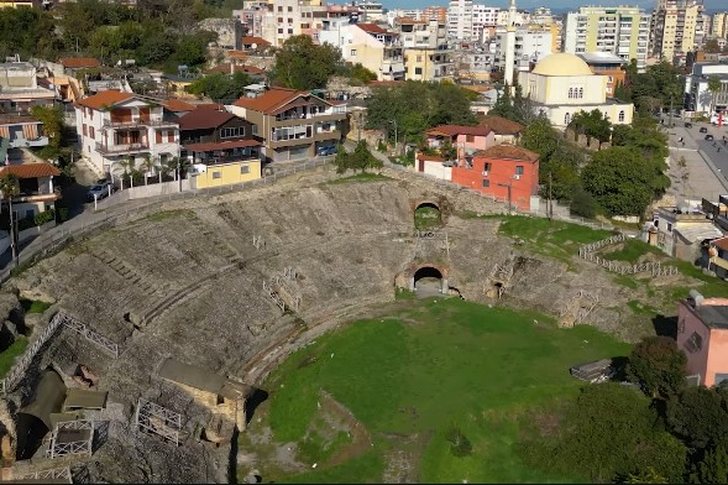
The Durrës Amphitheater and the city's antiquity
The most important monument of the city is the amphitheate...


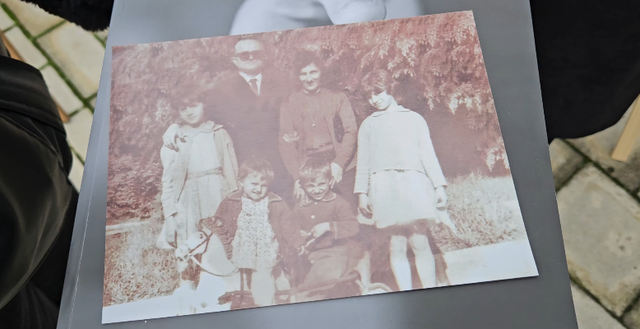
In the courtyard of the Rectorate of the "Fan Noli" University in Korça, an exhibition was opened that brings back to the collective memory the stories of former prisoners and political internees of the communist regime.
The exhibition presents portraits and stories of people who have spent years in prisons and internment camps, presenting them not simply as victims, but as individuals who, with their endurance and suffering, inspire even today.
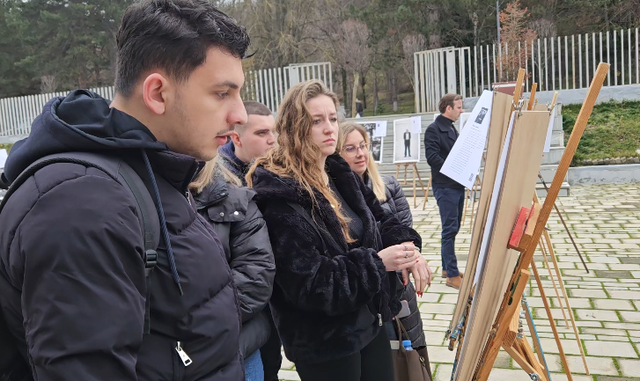
The project's curator, Jonila Godole, explains that the initiative came as a collaboration with a German photographer, while the selection of the characters turned into a process that highlighted how deep and widespread political persecution was in Albania. A significant part of the stories come from Korça, a city that has long borne the scars of violence and isolation. Godole emphasizes that the main goal is to raise awareness among young people, who often grow up without information about the crimes of that period.
"In this exhibition there are former political prisoners, political internees who at that time may have also been interned in internment camps and those who have spent a long time in prisons. With this exhibition they are not victims, but personalities who inspire us with their suffering. This exhibition was the idea of ??a German photographer who wanted to do such a project and we spread out to find the people. It was not difficult, since Albania is full of stories of persecution, many of which come from the city of Korça. Exhibitions of this type are also to raise awareness among young people who grow up without memory and have no information about what happened at that time", said Godole.
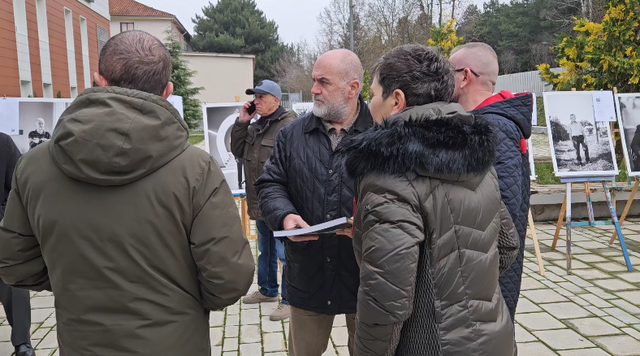
Vasillaq Orgocka, a political prisoner, says that he was arrested in the late 1960s and spent 17 years in prison, although he had not committed any crime. He confesses that not only he was severely affected, but also his family, including his wife, who, due to political circumstances and subsequent treatment, was unable to return to his homeland. His story, like many others, illustrates the absurdity and cruelty of the punishments of that time.
"I was arrested on December 7, 1968. I was arrested because I did nothing! I should have done something to avoid being arrested. I was one of the privileged ones because I had a Polish wife, but our marriage was ruined because we no longer had the Soviet Union. Four groups of Poles were formed in Albania for hostile activities. I was released from prison on August 30, 1985, so 17 years in prison. It was terrible because we had to wait for Enver Hoxha to die for change to happen. Then change really happened and many people were released. Unfortunately, my wife never came to Korça, but they took her and took her to the airport, where, sick on a stretcher, they took her by plane to Warsaw. From that day on, she never saw Albania again. When the roads were opened, we had the opportunity to meet, I took the courage and went to the doctor who was treating my wife in the hospital. The doctor told me that my wife had taken a lot of narcotics and her brain was damaged. In that sick, abnormal state, "She is dead," Orgocka said.
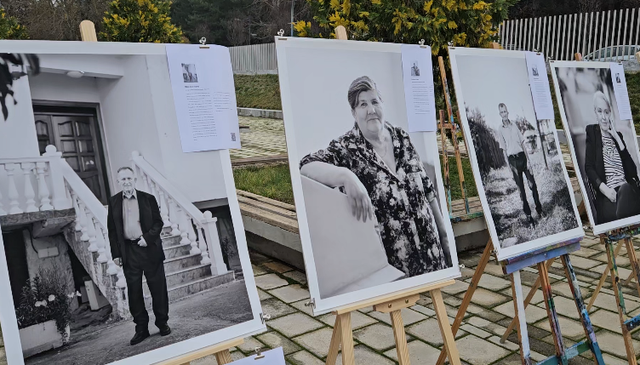
Tefta Kolaci, the daughter of a political prisoner, recounts how her childhood and youth were marked by the arrest and re-conviction of her father, a career military man who opposed the regime's reforms. She says that the family faced years of poverty, investigators, and political pressure, at a time when children left without parents faced constant stigmatization. Her path to survival has been difficult, but today she sees it as imperative that these stories be known to the younger generation.
"I am very happy that the youth knows what we have done in that regime. I had a military father. He opposed the abolition of ranks and reforms in the army, went to prison and left four young children. I was the oldest 13 years old and the youngest 4 years old. I am proud that I survived that time and followed my father to all the camps and prisons where he was. When my father was released, he did not return home, he was re-convicted and in March 1990 he returned home since February 1967. 12 years passed and we were integrating into life, then they started to deal with us too, as a sign of revenge for our father. They called me to the investigator and I tried to kill myself so as not to surrender to them because I hated that regime. With the suicide attempt, the entire public silently condemned them", - Kolaci confessed.
This exhibition at Fan Noli University comes as a strong reminder that the past should not be forgotten. The stories of the past not only honor those who suffered, but also show today's generations the value of freedom and the importance of truth./CNA

The most important monument of the city is the amphitheate...

Cape Rodoni is the largest cape in our country and an extr...
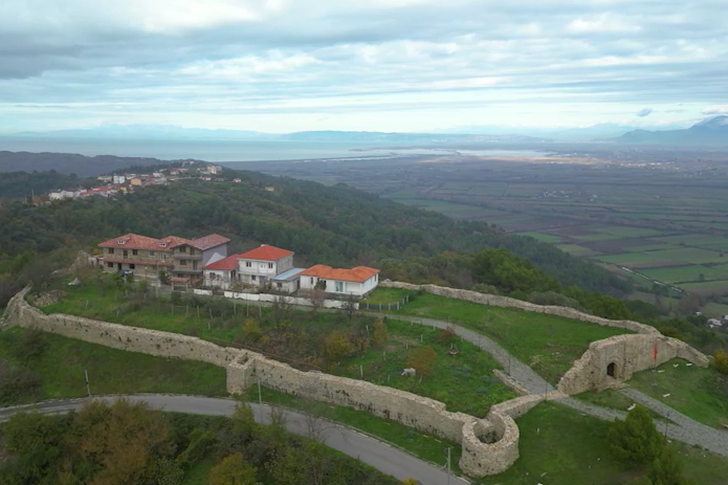
Ishmi Castle is one of the important castles in Albania, b...
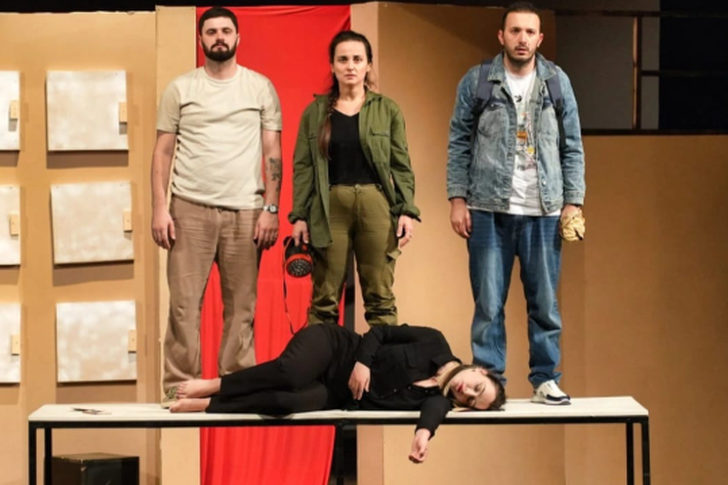
“The New Order” is the newest play to be staged at the Nat...
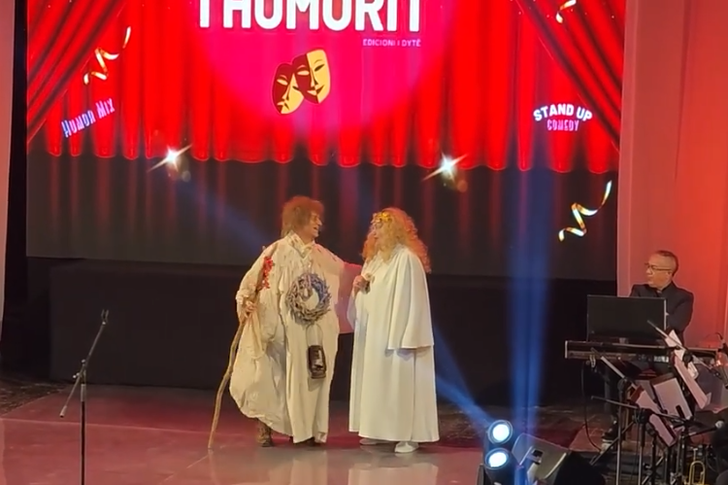
Laughter and the sounds of music filled the stage of the M...
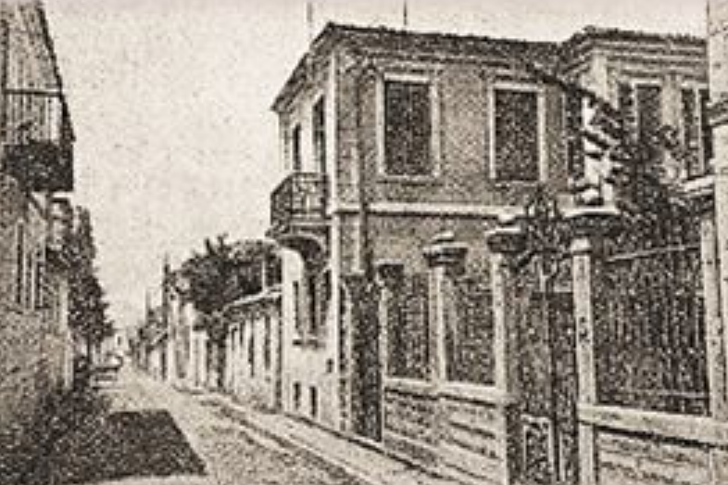
A precious chapter of Korça's history comes to light throu...
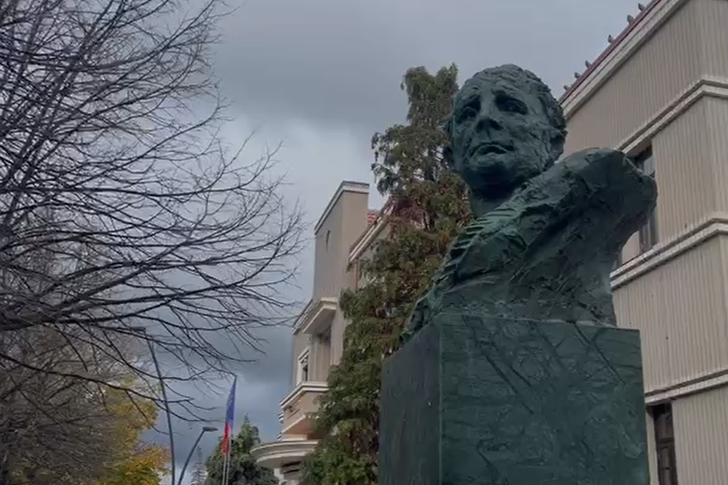
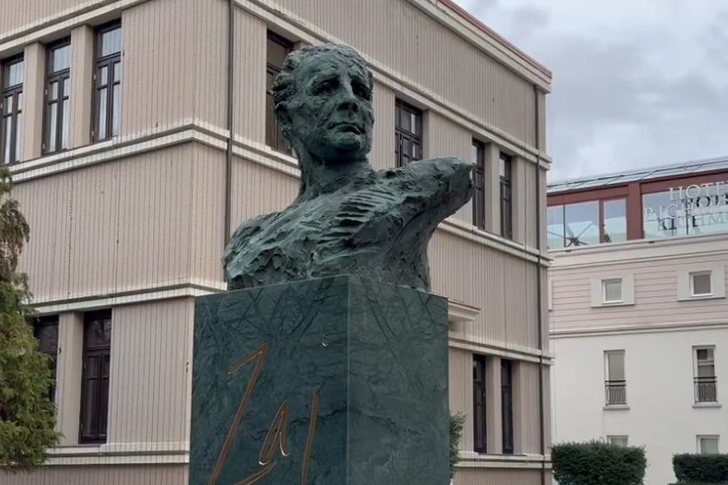
A monument has been placed in the city of Korça that h...
In the heart of Korça, where history and culture inter...
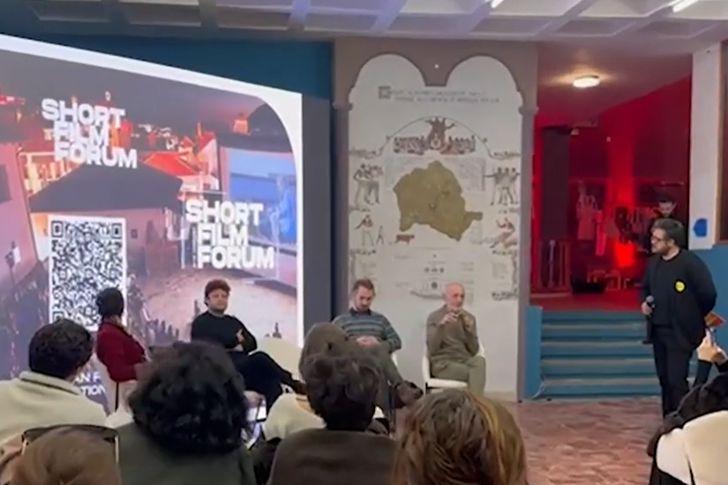
On the eve of the holidays of November 28-29, the Minis...
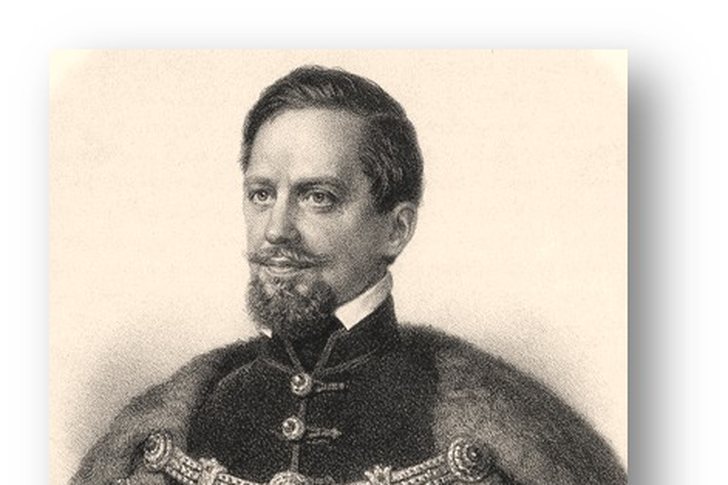
Another important step in preserving the Voskopoja heritag...
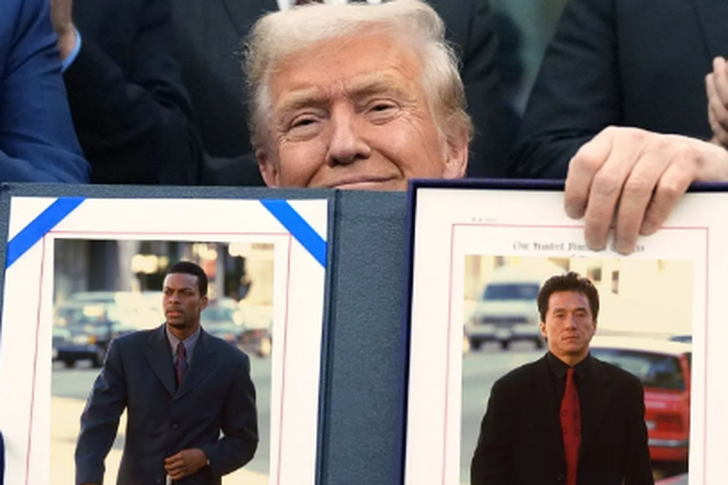
US President Donald Trump, like any other person, has his ...
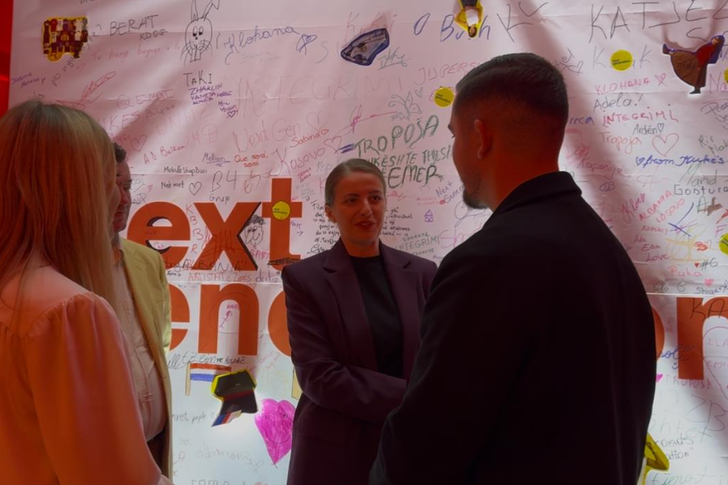
Albania and Kosovo are working with young people from both...
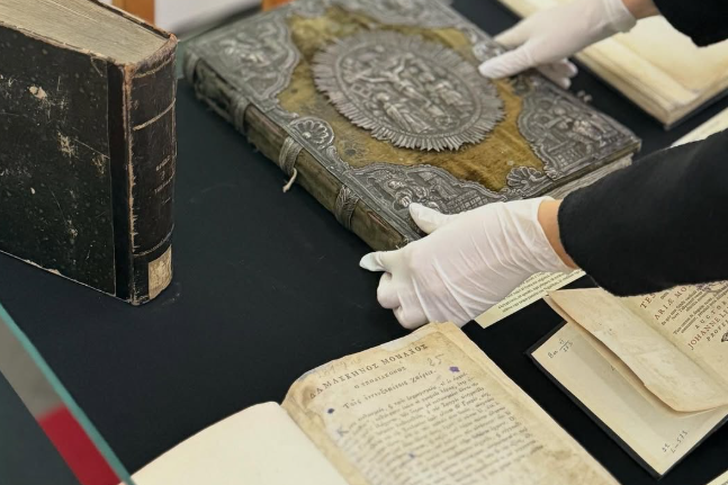
A special exhibition of Bibles has opened to the public at...
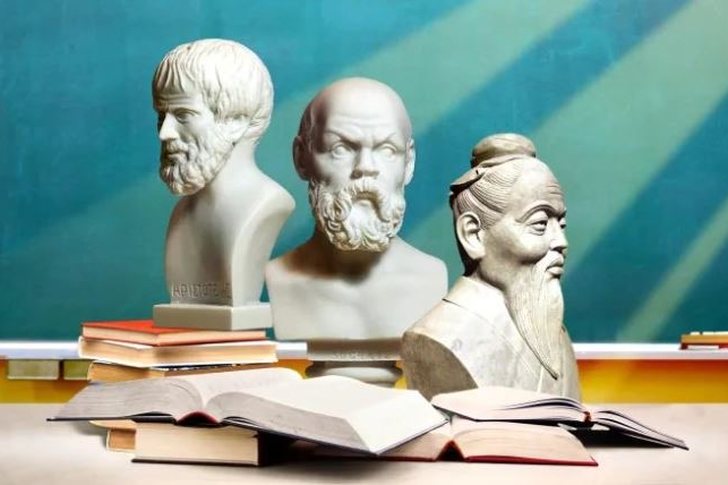
UNESCO marks World Philosophy Day every third Thursday of ...
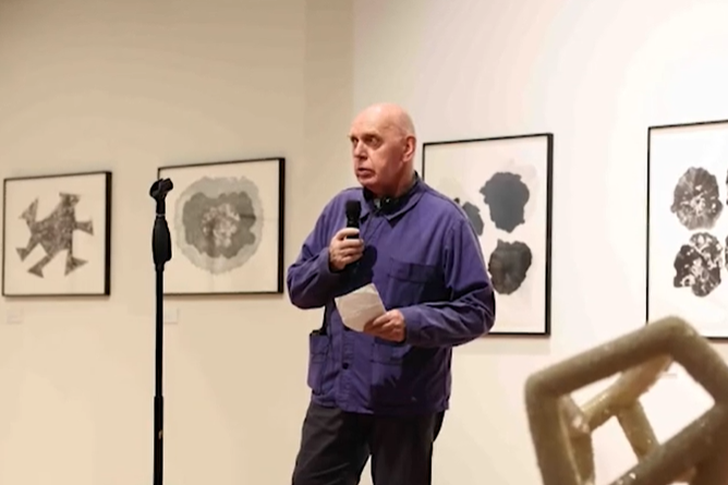
Richard Deacon, the artist who exhibits his works in a hal...
Villa 31 in Tirana, where former dictator Hoxha lived, has...
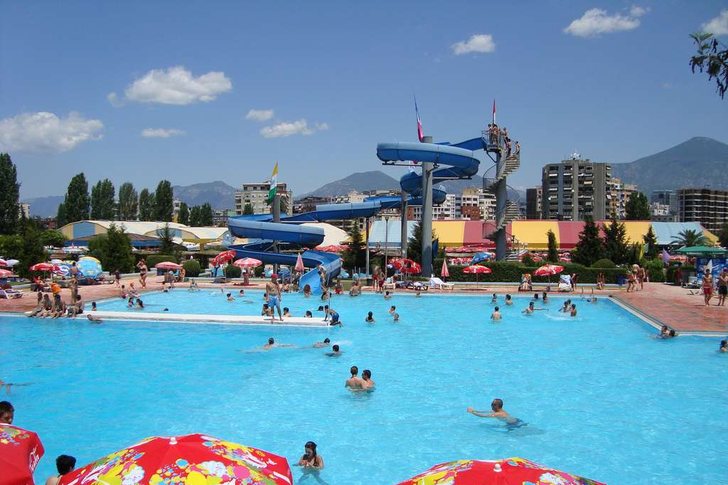
As I walked calmly along the lake's dam, as I do every day...
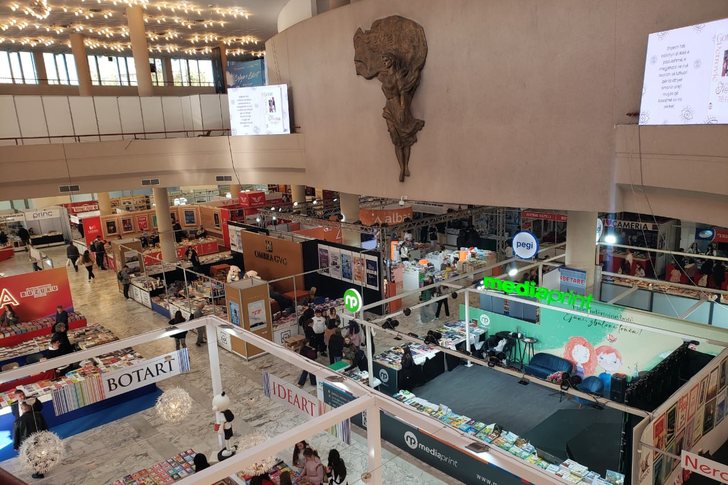
The Book Fair jury awarded the prizes for the 28th edition...
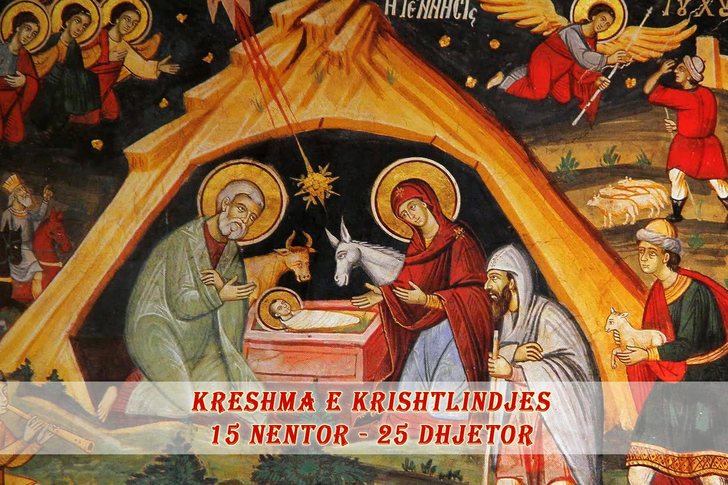
For Orthodox Christians, November 15 marks the beginning o...
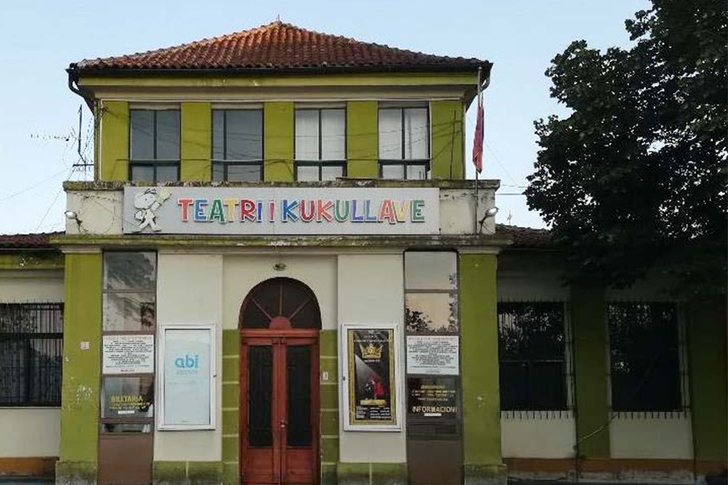
The Puppet Theater in Tirana has published an unusual anno...

CNA has launched another investigation that could lead to ...

Irfan Hysenbelliu is a businessman that we call "Irfan the...

In March 2026, CNA launched another investigation centered...
The arrested mayor of Tirana, Erion Veliaj, with 13 charge...

The Special Board of Appeal (KPA) decided this Monday ...

The KPA vetting decided this Thursday to dismiss the p...

Suela Salavaçi, a prosecutor in the Prosecutor's Offic...

The Special Board of Appeal reinstated the prosecutor ...
A road accident occurred this evening on Nikolla Zoraqi St...
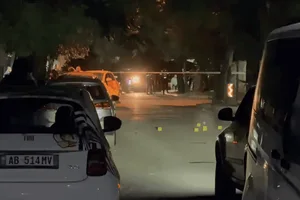
Three people were shot and wounded in Elbasan last night b...
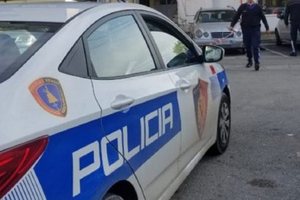
A serious incident occurred this Tuesday in the Yrshek are...
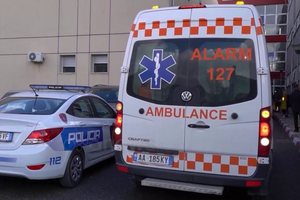
An accident occurred this Tuesday on "Dituria" street in K...
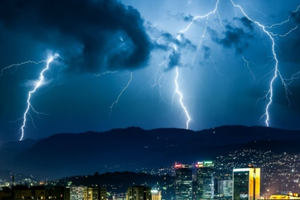
All of Southern Europe will face changing weather conditio...

Albania was hit by temperatures significantly higher than ...

For the first time, Pogradec welcomed the Inter-Lake Chess...
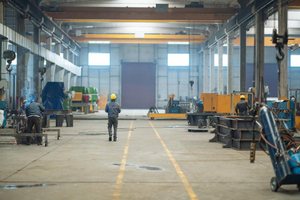
Albania has achieved a record for the employment of foreig...

US Secretary of State Marco Rubio arrived in Manila on Jul...
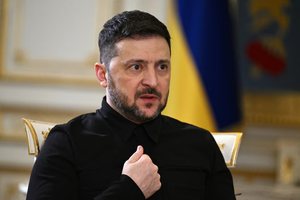
In the space of a few days, Ukrainian President Volodymyr ...
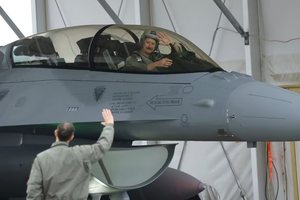
The spokesman for the Iranian Foreign Ministry warned Bulg...
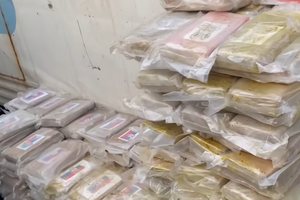
Autoritetet italiane sekuestruan pako me afër 800 kilogram...

At a time when industrial products are increasingly taking...

Trust among people is not just a three-syllable word. It c...

Master of humor Todi Llupi has passed away at the age of 7...

The ninth edition of "MIK Festival" kicked off with one of...

Construction company licenses will have a validity period ...

The Centralized Purchasing Operator recently opened a tend...
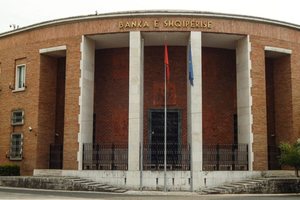
The new draft law "On the Bank of Albania" provides that t...

This Tuesday, one US dollar is bought for 81.2 lek and sol...