

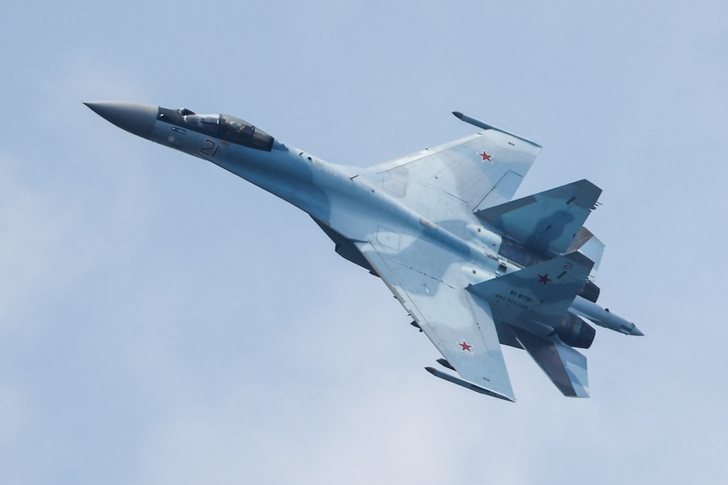
Russian reconnaissance aircraft are spotted over the Baltic Sea and Barents Sea
Three Russian military aircraft used for reconnaissance pu...


April 26 marks the anniversary of the 1986 nuclear disaster in Chernobyl, Ukraine. This is the worst nuclear power plant disaster in history. Voice of America correspondent Lesia Bakaletes reports from Warsaw that experts say that four nuclear power plants are at risk due to aggression in Ukraine. But the most vulnerable nuclear plant, which is located in Zaporizhia, has been under the control of Russian forces for more than a year.
Last March, Russian forces took control of Ukraine's Zaporizha nuclear power plant. Experts say that since that time the plant has been operating in violation of safety standards. The Voice of America spoke with the board member of the European Nuclear Association, Powel Gajda.
" As a result of the Russian aggression, it is impossible to respect all the safety standards that are normally required in the nuclear power plant."
Ukraine's regulatory body for nuclear power plants, Energoatom, says Russian projectiles have damaged the plant's infrastructure.
“Systems and security degrade and maintenance is not done on time. Equipment can fail at any moment," says Olga Kosharna, a nuclear safety expert with the Ukrainian Nuclear Association.
Eyewitnesses say that there is Russian military equipment in the courtyard of the plant.
" Armed Russians dictated the nuclear station. They took control of the facility, the security perimeter and deployed their military equipment, tanks, armored cars and soldiers."
Oleg Dudar headed the plant's operations division. He worked for six months while the plant was under Russian occupation and then decided to leave.
"Those who are not present at the power station cannot imagine how serious the situation is there, not even me who stayed for several months."
All six reactors at the nuclear plant have been shut down since September. Which means that the scale of the potential disaster has decreased, says Mark Zheleznyak, a professor at the Institute of Environmental Radioactivity at Fukushima University.
"There can't be a big explosion because the reactors are not working. Two towns near the plant are most at risk. It is the town of Enderhodar where mainly those who work in the plant live. The other city is Nikopoli, about 15 kilometers from the nuclear power plant.
Poland's National Atomic Energy Agency says that while the threat level has been lowered, the plant needs electricity to cool the reactors. So far, the plant has had six power outages, the last one in March. This happened because of Russian bombing, says the Ukrainian regulator, Energoatom.
"Electricity is needed to operate the water pumps for cooling the reactors. If there is no circulating water to cool the reactors, temperatures can rise to the point of melting the core and nuclear fuel, which releases radioactive isotopes," says Marcin Dabrowski, with Poland's National Atomic Energy Agency.
The International Atomic Energy Agency mission has been at the plant since September, reporting in April that bombings and explosions could be heard near the plant. The director general of the IAEA (Rafael Mariano Grossi) called the situation on the ground "dangerous" and vowed to continue pressing for the protection of the nuclear power plant./ VOA

Three Russian military aircraft used for reconnaissance pu...

Parlamenti Evropian, përmes një raporti për Serbinë, t...

As Russia's war in Ukraine enters its second year, Rus...

The Taliban killed the top Islamic State leader who master...

The United States Ambassador to the United Nations, Li...
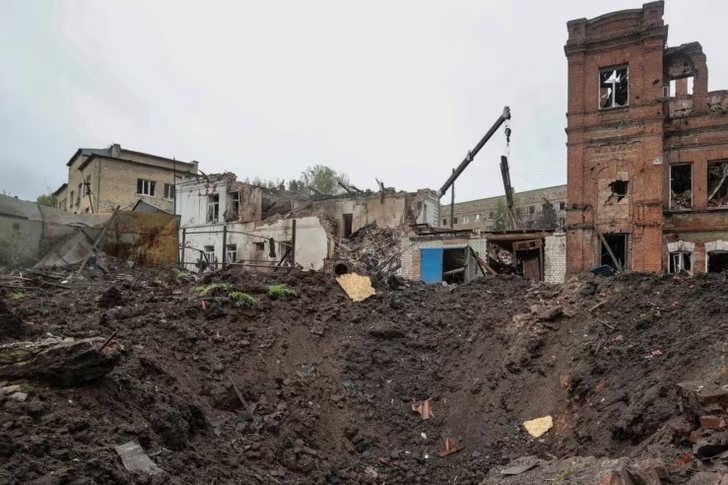
A Russian military rocket attack on a museum in the easter...
An investigative report by the online newspaper, Vyors...
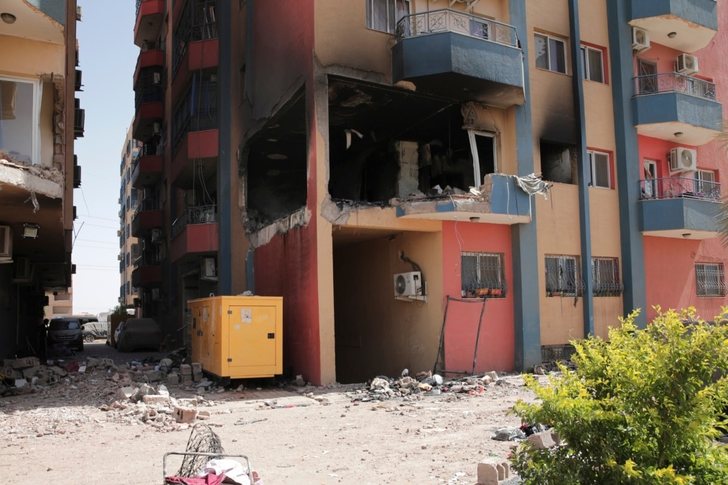
The World Health Organization warned of a "high biological...
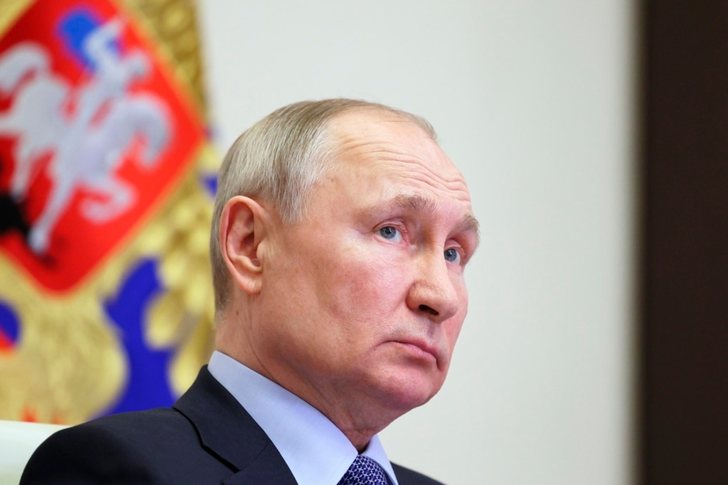
Following Russian President Vladimir Putin's invasion ...
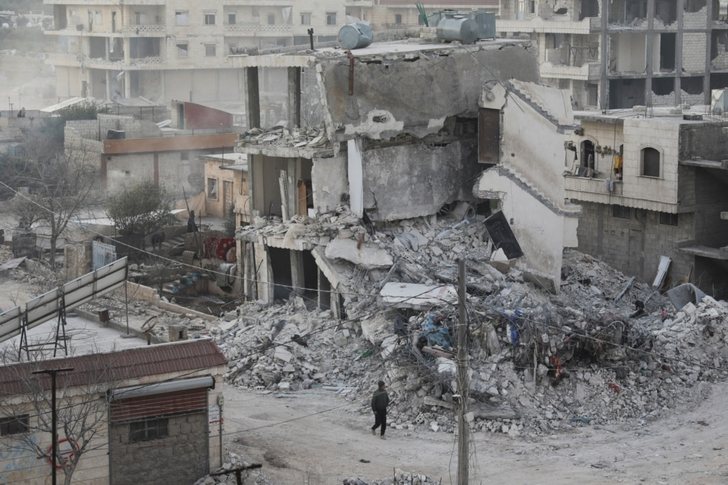
Syria condemned European sanctions imposed on individuals ...
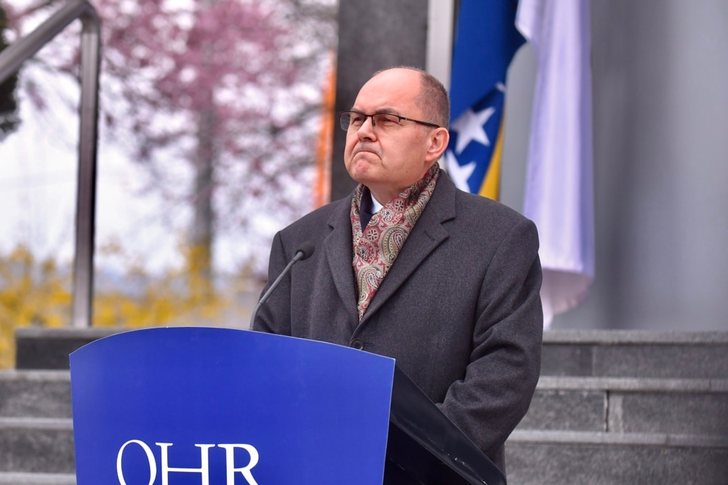
The high representative of the international community...
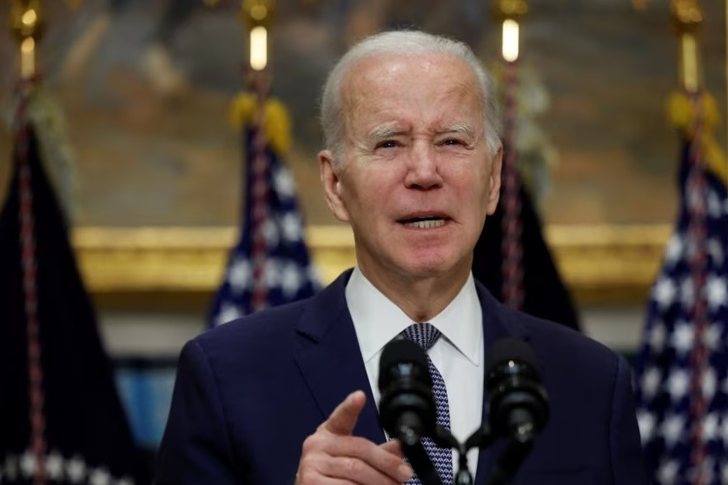
The President of the United States, Joe Biden, has ann...

Germany's official statistics office, Destatis, has rev...
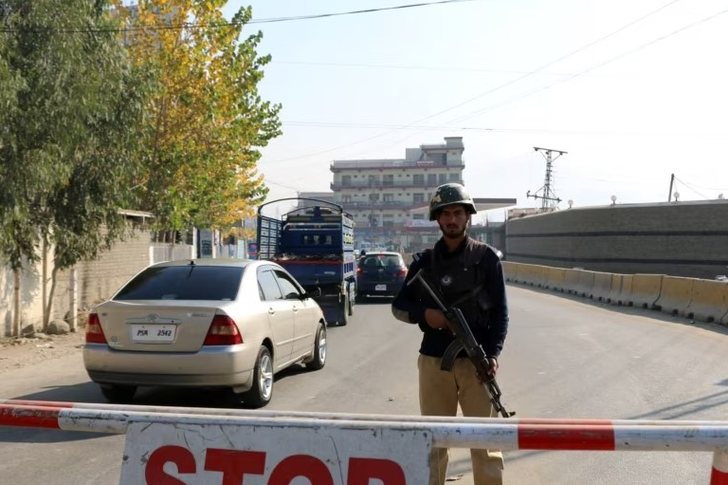
Two blasts rocked a counter-terrorism office in northw...
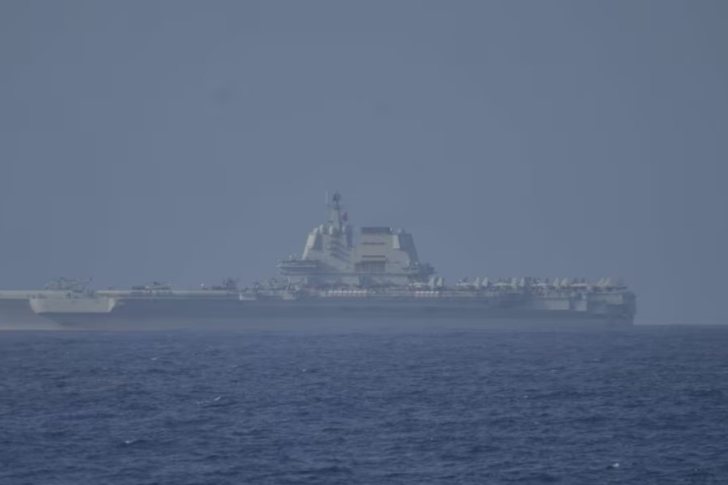
Taiwan's Defense Ministry said Monday that a group of ...
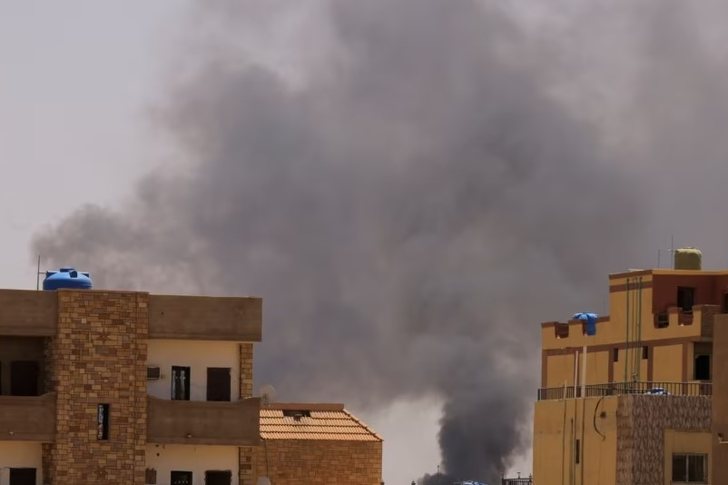
The last time a military president and his vice president ...
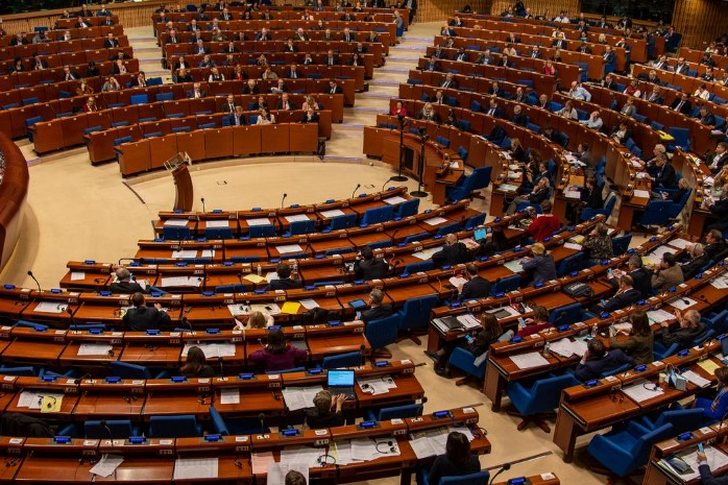
One year after Pristina's request, the Ministerial Com...
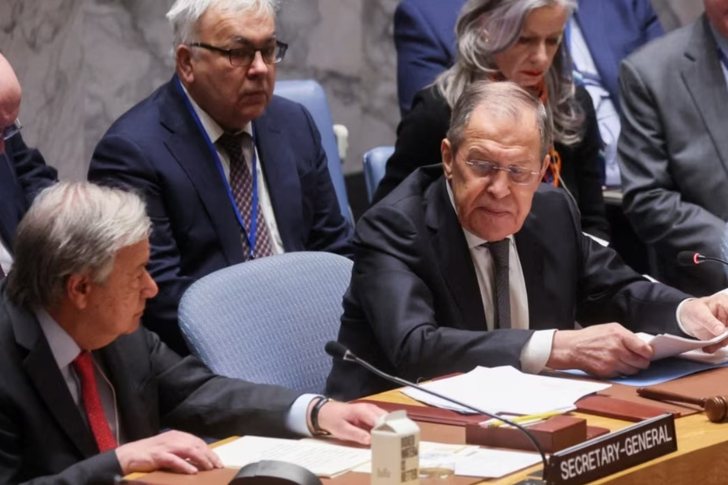
The UN Security Council meeting, chaired by Russian Fo...

As the ongoing fighting raises concerns that Sudan cou...

The Supreme Court said Monday it will decide whether publi...

A 39-year-old citizen has been arrested in Lezha, after se...

CNA has launched another investigation that could lead to ...

Irfan Hysenbelliu is a businessman that we call "Irfan the...

In March 2026, CNA launched another investigation centered...

The Special Board of Appeal (KPA) decided this Monday ...

The KPA vetting decided this Thursday to dismiss the p...

Suela Salavaçi, a prosecutor in the Prosecutor's Offic...

The Special Board of Appeal reinstated the prosecutor ...
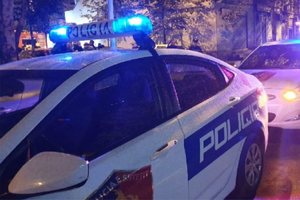
A conflict for weak motives was recorded today in the vill...

An accident involving three vehicles occurred a few minute...

55-year-old Belere Plaka, who was injured today with a sho...
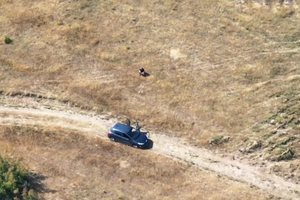
Police Announcement: Following preliminary information...

By noon, cloudiness is expected to prevail in almost all o...

Children without parental care, for whom alternative famil...

On Thursday, our country will be under the influence of st...
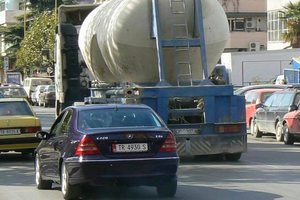
A serious accident that occurred this Wednesday with the c...

Peru and Venezuela will restore diplomatic relations, the ...

United States President Donald Trump has left open the pos...

Israeli Prime Minister Benjamin Netanyahu will travel to t...

A bipartisan group of US lawmakers is calling for a Europe...

In my research at the Central State Archives, specifically...

At a time when industrial products are increasingly taking...

Trust among people is not just a three-syllable word. It c...

Master of humor Todi Llupi has passed away at the age of 7...
War, weather and supply disruptions could send gas prices ...
The number of active enterprises in Albania continued to g...
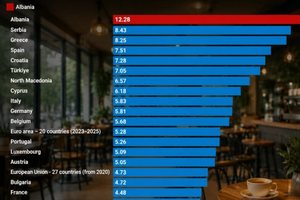
In Albania, the bar-cafe has long become an almost unique ...

This Friday, one US dollar is bought for 81.7 lek and sold...