

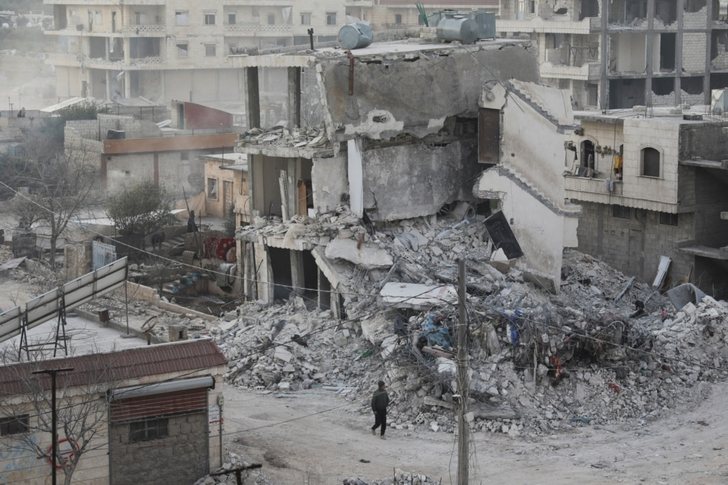
New EU sanctions, "threat for Syrians affected by earthquakes"
Syria condemned European sanctions imposed on individuals ...


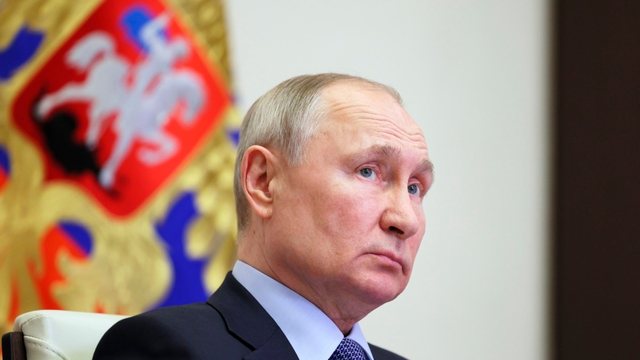
Following Russian President Vladimir Putin's invasion of Ukraine last year, attitudes towards Russia's leadership globally have changed dramatically, with large percentages of the population in dozens of countries reporting disapproval of the Kremlin's actions.
According to a report released Tuesday by the Gallup organization, data compiled from a survey of thousands of people in 137 countries and regions showed a marked decline in approval of the Kremlin. Globally, 57% of respondents reported disapproving of Russia's leadership in 2022, up from just 38% a year ago.
Only 21% of respondents said they approve of Russia's leadership, down from 33% in 2021. Both the approval and disapproval numbers were the most extreme numbers Gallup has measured since it began asking the question in 2007 as part of the poll. its annual survey that tracks attitudes toward global leaders.
"It's unbelievable," Zacc Ritter, a Gallup pollster and lead author of the report, told VOA. "I don't think we've seen a shift like this before in Gallup data for any country."
While people's impression of Russia's leadership varied across countries in the survey, the main result was a deterioration in the public image of its leadership across the board.
The change was most prominent in Latin America and the Caribbean, where the average approval rating fell by 21 percentage points, to 16%, while the average disapproval rating increased by 30 points, to 61%.
Even in parts of Africa and Asia where Russian influence remains strong, the change was negative. In North Africa and the Middle East, the disapproval rating rose 12 points to 55%. In sub-Saharan Africa, where Russia has active influence operations, the disapproval rating rose from 21% to 32%, worsening even in countries whose leaders have refused to condemn the war.
However, sub-Saharan Africa was the only region surveyed by Gallup in which the average approval rating of Russia's leadership (35%) remained above the average disapproval rating.
Data collected by the Gallup organization shows significant regional differences in attitudes toward Russia's leadership, with the greatest disapproval concentrated in Europe, North America, Australia, South Korea and Japan. Sentiments towards Russia were more mixed in Africa, Asia and the Middle East.
As expected, Ukraine recorded the highest disapproval rate at 96%, closely followed by Poland at 95%. The US, Canada and 10 other European countries recorded disapproval ratings of 90% or higher.
In Taiwan, the self-governing island claimed by China and itself under constant threat of invasion, opposition to Russia ran high. In 2021, only 26% of Taiwanese surveyed expressed disapproval of Russia's leadership. By 2022, disapproval reaches 72%.
A case in point was Kazakhstan, the former Soviet republic on Russia's eastern border. Normally a reliable ally of Moscow, Kazakhstan showed a major change in attitude between 2021 and 2022. Approval of the Russian leadership fell to 29% from 55% and disapproval rose to 50% from just 20%.
Steven Pifer, a former senior US State Department official who also served as ambassador to Ukraine, told VOA that it is no secret that Russia has seriously damaged its international image, particularly in Europe.
"Certainly when you look at how Europeans now view Russia, I think it's a much more negative image than it was before the war started," said Mr. Pifer, who is a fellow at the Center for International Security and Cooperation at Stanford University. . "Russia's actions are so contrary to the fundamental principles that we thought were the basis of European security... that now, when they talk about security in Europe, it's not about security that includes Russia. It is for security against Russia".
On the broader global stage, he said, it will be difficult for most world leaders to have meaningful engagement with senior Russian officials, or to trust them in cases where engagement is possible.
"Start from the head. Vladimir Putin has been accused of war crimes. It's really hard for a Western leader to sit down with him at this point. There is a cost to the reputation of such a decision", said Mr. Pifer.
He said the willingness of senior Russian diplomats to recite lies and blatant distortions about the war manufactured by the Kremlin will make re-engagement even more difficult.
"Russian diplomats for whom I had a level of respect just exist now, saying the strangest things," Mr. Pifer says. "This will backfire. They have lost a lot of credibility, and it will be difficult to get it back."
Although the number of people surveyed distinguishes the Gallup poll, its findings confirm those of major research firms that have explored the decline in Russia's global standing, such as Pew Research Center, or Ipsos.
Last month, British consultancy Brand Finance, which also publishes a Global Soft Power Index, reported that over the past year, Russia was the only country to see a decline in its soft power compared to the year before. .
Soft power, which refers to a country's ability to influence the behavior of other countries without using force, derives from many factors, including economic ties and cultural influences.
"While countries have turned to soft power to restore trade and tourism after a devastating health crisis, the world order has been shaken by the hard power of Russia's attack on Ukraine," Brand Finance CEO David Haigh said in a statement . . " An event that would be hard to believe if it weren't for the intensity of the images we've seen for months and the consequences that the conflict is having on politics and the economy"./ VOA

Syria condemned European sanctions imposed on individuals ...
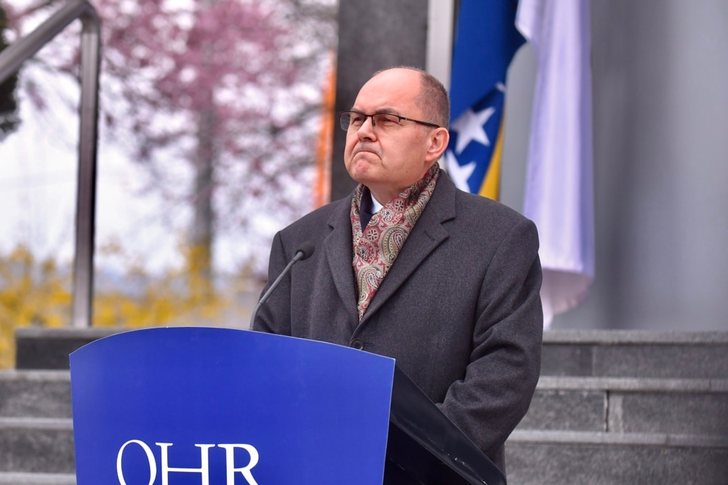
The high representative of the international community...
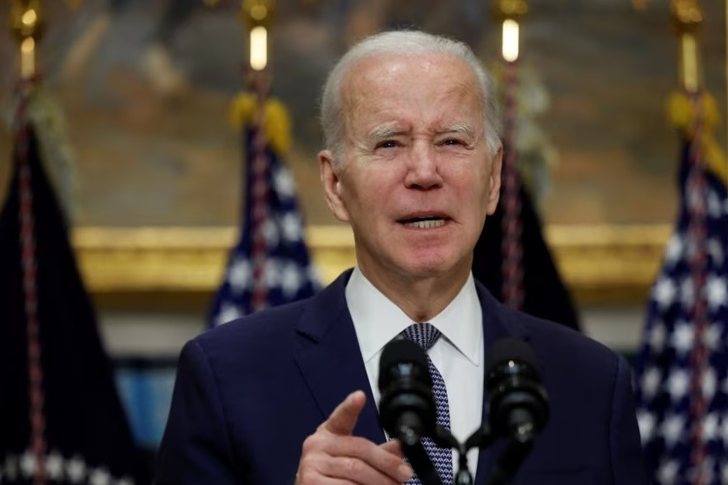
The President of the United States, Joe Biden, has ann...
Germany's official statistics office, Destatis, has rev...
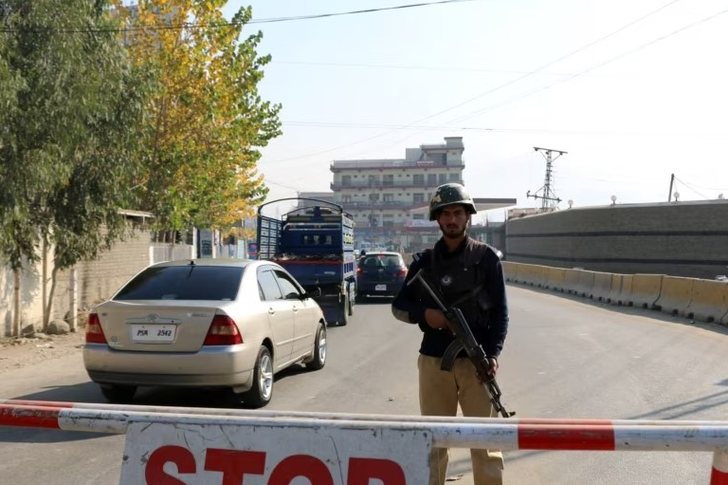
Two blasts rocked a counter-terrorism office in northw...
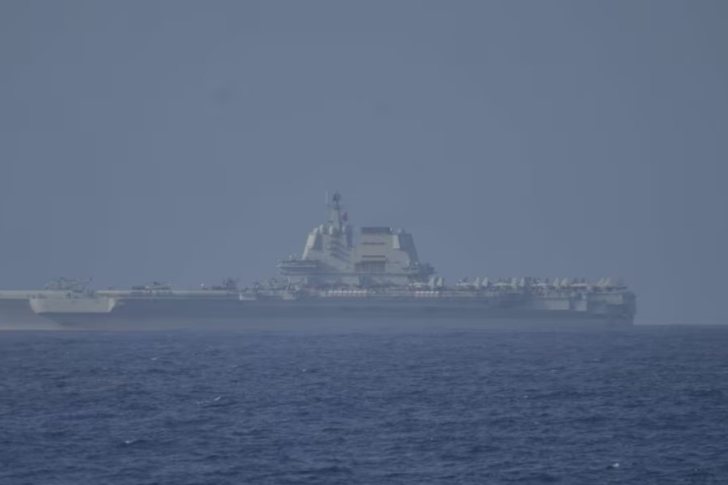
Taiwan's Defense Ministry said Monday that a group of ...
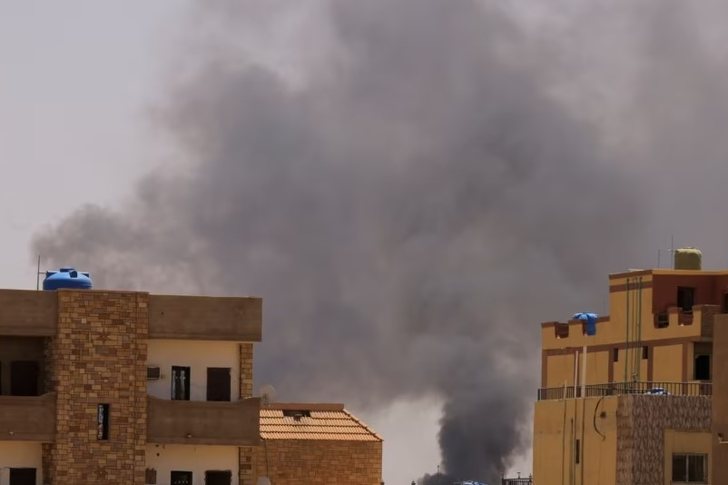
The last time a military president and his vice president ...
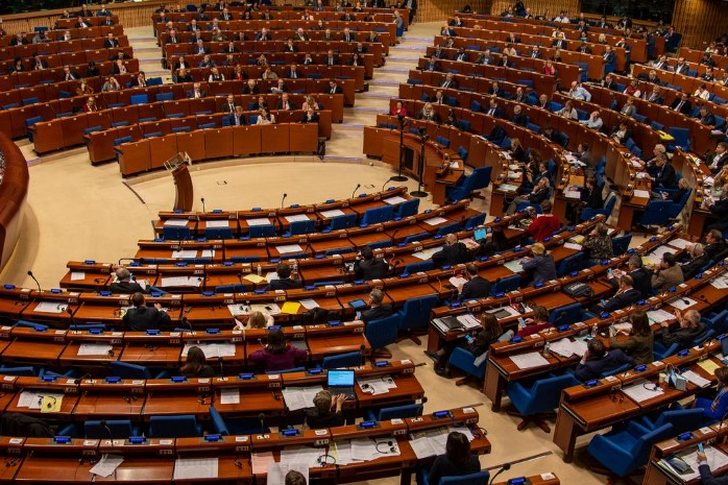
One year after Pristina's request, the Ministerial Com...
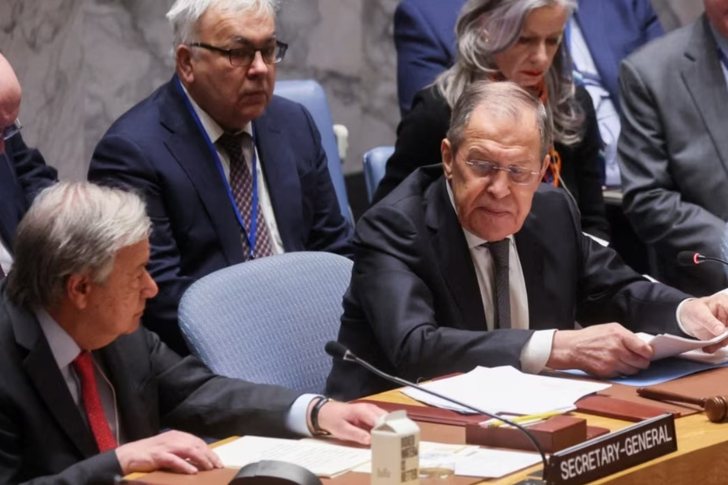
The UN Security Council meeting, chaired by Russian Fo...
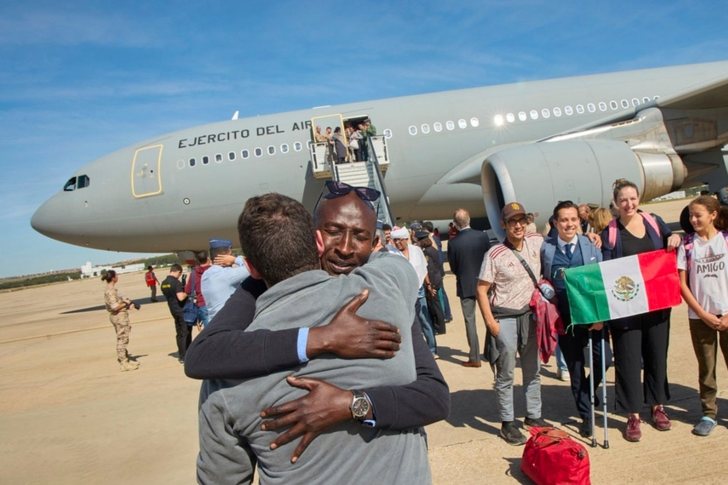
As the ongoing fighting raises concerns that Sudan cou...
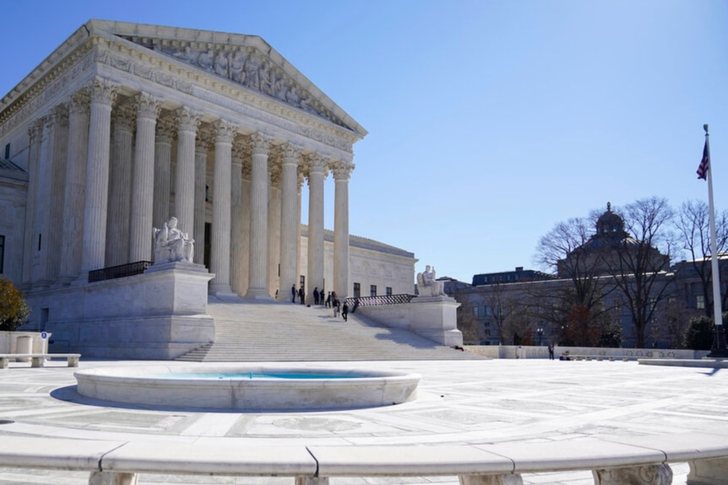
The Supreme Court said Monday it will decide whether publi...
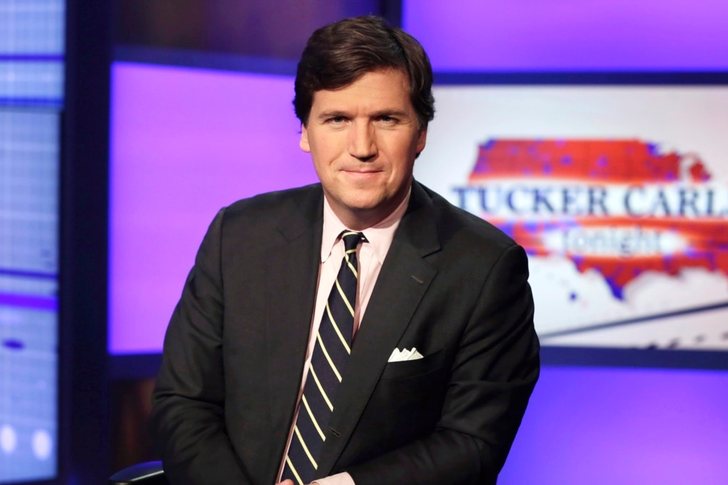
Fox News anchor Tucker Carlson is leaving the network ...
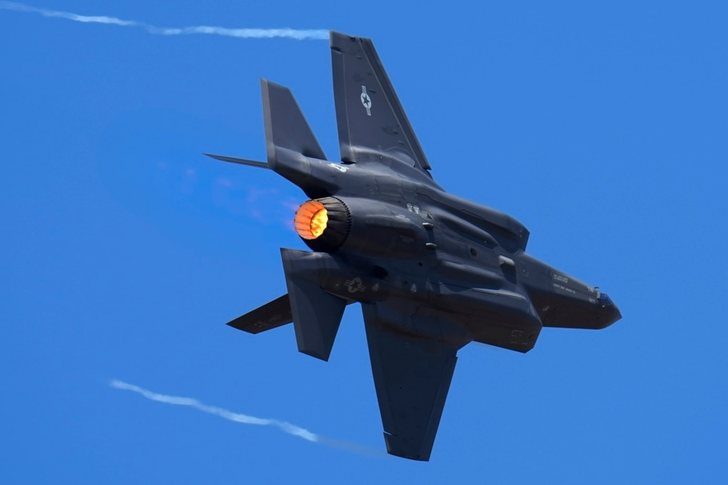
Global military spending rose for the eighth year in a row...
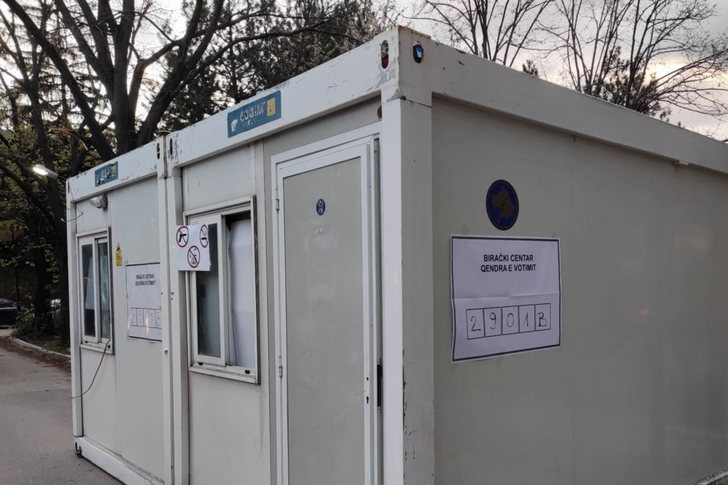
The Organization for Security and Cooperation in Europe (O...
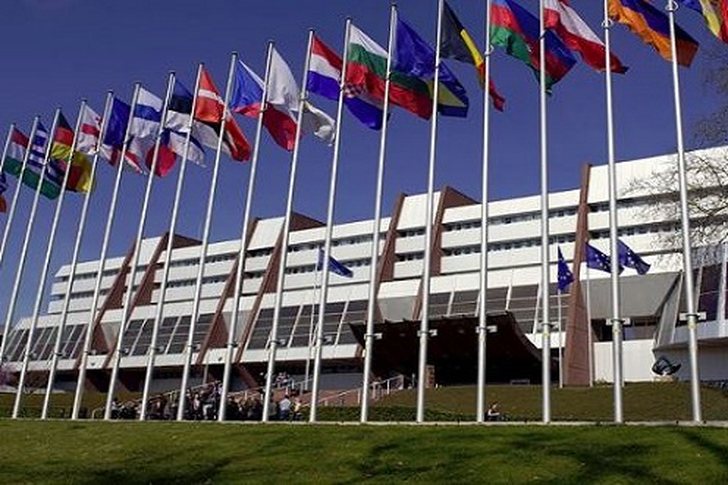
The Ministerial Committee of the Council of Europe, which ...
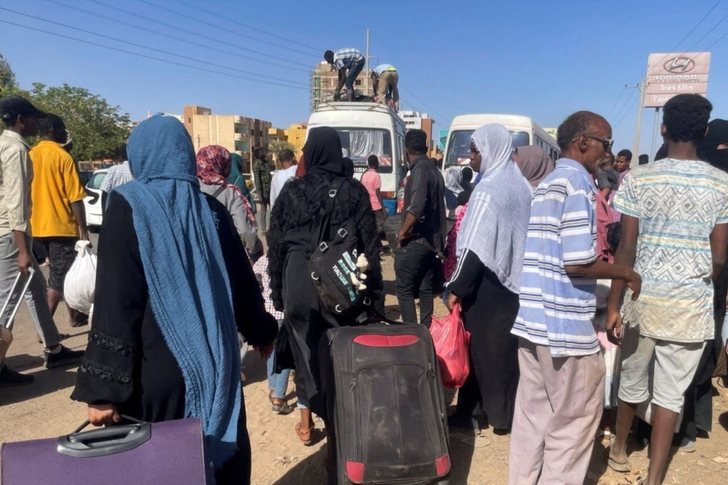
Ndërsa shtetet evakuojnë diplomatët e tyre nga Sudani, qyt...

The President of Serbia, Aleksandar Vučić, said that d...
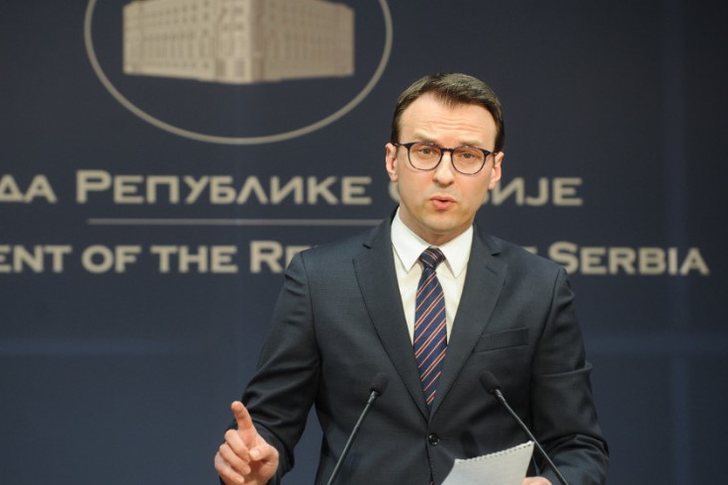
The results of yesterday's elections in four municipal...
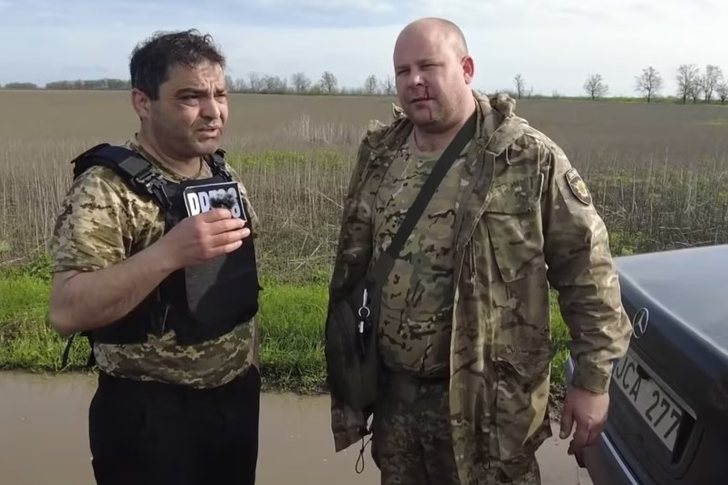
Two journalists reporting for the Voice of America Azerbai...
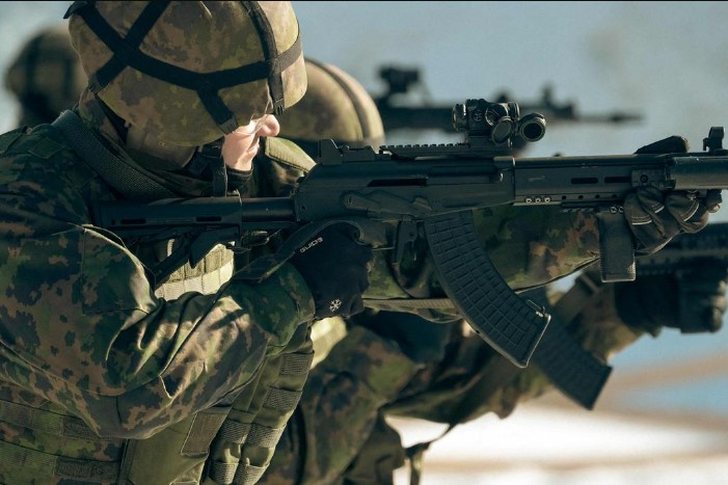
Countries around the world are spending record amounts of ...
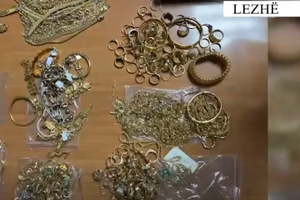
A 39-year-old citizen has been arrested in Lezha, after se...

CNA has launched another investigation that could lead to ...

Irfan Hysenbelliu is a businessman that we call "Irfan the...

In March 2026, CNA launched another investigation centered...

The Special Board of Appeal (KPA) decided this Monday ...

The KPA vetting decided this Thursday to dismiss the p...

Suela Salavaçi, a prosecutor in the Prosecutor's Offic...

The Special Board of Appeal reinstated the prosecutor ...

A conflict for weak motives was recorded today in the vill...

An accident involving three vehicles occurred a few minute...

55-year-old Belere Plaka, who was injured today with a sho...

Police Announcement: Following preliminary information...

By noon, cloudiness is expected to prevail in almost all o...

Children without parental care, for whom alternative famil...

On Thursday, our country will be under the influence of st...

A serious accident that occurred this Wednesday with the c...

Peru and Venezuela will restore diplomatic relations, the ...

United States President Donald Trump has left open the pos...
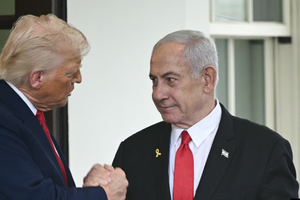
Israeli Prime Minister Benjamin Netanyahu will travel to t...
A bipartisan group of US lawmakers is calling for a Europe...

In my research at the Central State Archives, specifically...

At a time when industrial products are increasingly taking...

Trust among people is not just a three-syllable word. It c...

Master of humor Todi Llupi has passed away at the age of 7...

War, weather and supply disruptions could send gas prices ...
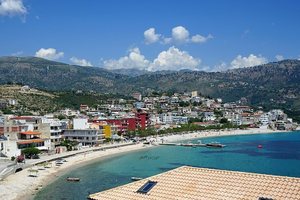
The number of active enterprises in Albania continued to g...
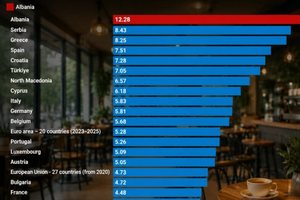
In Albania, the bar-cafe has long become an almost unique ...

This Friday, one US dollar is bought for 81.7 lek and sold...