

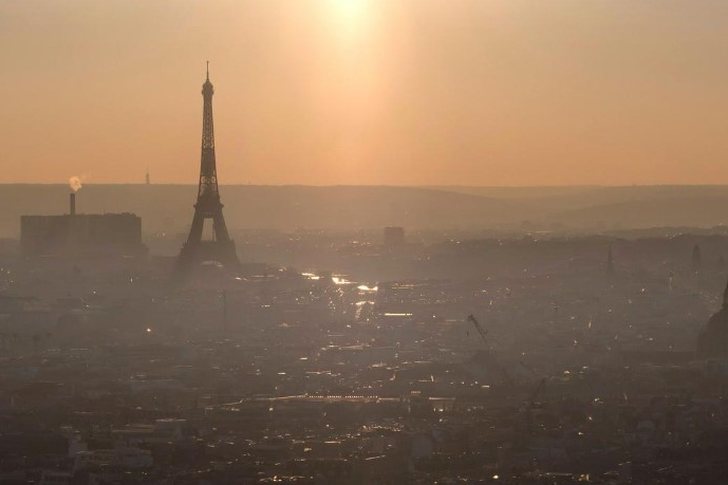
Air pollution kills 1,200 young people in Europe every year
Children are exposed to air pollution levels far highe...


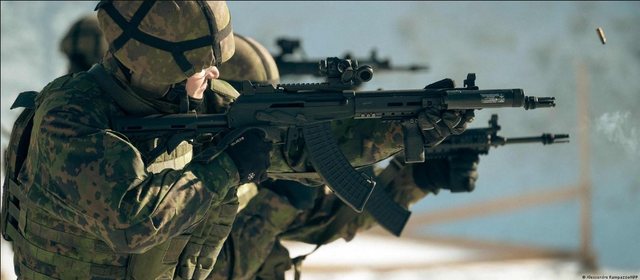
Countries around the world are spending record amounts of money on their militaries. Inflation, Russia's war on Ukraine, and US efforts to overtake China are the main factors.
More problems. With a lot of money. This is a key point from the latest data released today by the Stockholm International Peace Research Institute (SIPRI), a leading global security think tank.
For 2022, the researchers recorded a year-on-year jump of 3.7% in military spending worldwide. This marks an all-time high and follows several years of consistently higher spending.
"Whether economies are doing better or worse than expected, the military is receiving more financial resources than in previous years, or earlier in history," Nan Tian, ??a senior researcher at SIPRI who helped draft the report.
For those who follow world events, the doubling of defense will likely come as no surprise. Russia's all-out war against Ukraine has led European countries in particular to pay renewed attention to their military budgets. Since the first Russian missiles hit Ukrainian cities in February 2022, country after country has announced new spending.
Defense spending among members of NATO — the Euro-Atlantic military alliance that includes most European countries — has risen since at least 2014. That's when Russia first attacked Ukraine, illegally annexing the Crimean Peninsula and supporting separatists in the east. of the country. NATO members agreed to meet a defense spending target of 2% of national GDP by 2024, and many have been slowly working towards that target.
The Russian threat that all this money is intended to counter, however, has not materialized as frighteningly as first imagined. The fact that Ukraine has so far managed to counter Russian forces, which are theoretically superior, casts serious doubt on a wider threat to the rest of Europe.
However, money for new military equipment and other defense-related spending continues to flow. Russia may be a failure on the battlefield, Nan Tian said, but it can still be a powerful adversary in cyberspace. Infiltration and attacks on digital infrastructure can be low-cost but high-damage.
And, of course, Russia maintains a substantial nuclear arsenal.
"I think for many European countries it's really about how to strengthen all aspects of defence," he said. "Higher military spending is a sign of restraint on Russia."
What do the numbers mean?
SIPRI data shows current spending has increased, reaching a total of $2.2 trillion (€2 trillion) in 2022, as a share of GDP is 0.1% lower than it was in 2013. This is despite double-digit increases during the last decade in many countries, including nuclear powers and those known for prioritizing their armed forces, such as China (63%), India (47%) and Israel (26%).
In each of these countries, defense spending has fallen as a percentage of national economic output.
The discrepancy suggests that economic expansion has outstripped national budgets in areas such as defense, even if the dollar figures may seem eye-popping; and rapid, record inflation has forced governments to spend more just to keep up.
In other words, they have lost purchasing power. A defense ministry faces similar price pressures when buying a squadron of fighter jets. Countries seeking not just to maintain but to grow or upgrade their militaries must spend even more, SIPRI's report reflects.
Inflation has also been a political problem, particularly in Germany, which early last year pledged an extra 100 billion euros to its armed forces in response to Russian aggression. After years of facing criticism for not spending enough, higher prices have silenced its efforts to finally do so.
Not just bombs and bullets
Shuma shtesë, e cila vjen në krye të buxhetit të rregullt të mbrojtjes së Gjermanisë, nuk është pasqyruar në të dhënat e SIPRI sepse asnjë prej tyre nuk ishte gati për t'u shpenzuar vitin e kaluar. Edhe kur fondet fillojnë të rrjedhin, Gjermania mund të mos arrijë qëllimet e NATO-s, sipas një analize nga Instituti Ekonomik Gjerman në fund të vitit të kaluar.
E destinuar për një periudhë pesëvjeçare, është një pjesë e ndryshimit që synon t'i blejë Gjermanisë armë të reja dhe pajisje të tjera. Megjithatë, shifrat e SIPRI mbulojnë një terren më të gjerë.
Institucionet e mbrojtjes kombëtare janë institucione të shumta, duke punësuar qindra mijëra personel civil dhe ushtarak, ndonjëherë në rajone të largëta dhe armiqësore, me kosto të madhe. Këta punonjës duhet të ushqehen dhe të vishen, dhe të kenë një administratë për t'i menaxhuar ata.
Prandaj, më shumë shpenzime nuk përkthehen domosdoshmërisht në më shumë armë dhe forca luftarake të përmirësuara. Megjithëse industria e armëve po lulëzon dhe është nën presion për të vazhduar me kërkesën, ministritë e mbrojtjes po paguajnë gjithashtu për të mbajtur dritat ndezur dhe tualetet të pastra, si në çdo zyrë.
Rritja nga viti në vit llogaritet edhe për ndihmën ushtarake, e cila ka parë një rritje të jashtëzakonshme për shkak të luftës së Rusisë në Ukrainë. Vetëm Shtetet e Bashkuara kanë kontribuar më shumë se 47 miliardë dollarë për mbrojtjen e Ukrainës, sipas Institutit Kiel, një institut ekonomik gjerman.
Pjesa e shpenzimeve që shkon drejtpërdrejt për armët ndryshon sipas vendit dhe mund të jetë e vështirë të vlerësohet se sa efektivisht është investuar. Kjo për shkak se ka një "efekt vonesë", shpjegoi studiuesi i SIPRI, Nan Tian.
Sistemet e armëve janë të mëdha dhe komplekse dhe mund të duhen vite për t'u zhvilluar, prokuruar dhe futur në shërbim. Shumë prej avionëve, baterive të raketave dhe automjeteve të blinduara që konsiderohen si të fundit që Ukraina ka kërkuar të marrë nga anëtarët e NATO-s janë të vjetra prej dekadash. Disa nga shpenzimet e fundit, vëren SIPRI, po shkojnë drejt modernizimit të forcave bërthamore që shumica shpresojnë të mos përdoren kurrë.
Se sa fitojnë taksapaguesit për paratë e tyre të shpenzuara për mbrojtjen është gjithmonë një pyetje kur shuma të tilla të mëdha parash janë në lojë. Ky është veçanërisht rasti për SHBA-në, e cila është deri tani lider në prodhimin ushtarak. Në vitin 2022, buxheti zyrtar i mbrojtjes i SHBA-së arriti në 877 miliardë dollarë (790 miliardë euro), sipas raportit. Kjo përbën 39% të shpenzimeve ushtarake globale.
Marrë si përqindje e PBB-së kombëtare, këto shpenzime të mbrojtjes mund të jenë më pak se sa ishin në vitin 2013 dhe shumë larg niveleve të Luftës së Ftohtë prej afro 10%, por pavarësisht se si i shtypni numrat, Nan Tian tha se ende i mundësoi SHBA-së të projektojnë fuqinë dhe "përhapin atë ndikim në pjesën tjetër të botës".
China, which the US says is a major reason for the increased defense budget, is a distant second, shelling out $292 billion (€263 billion) last year. Despite the disparity between the world's two largest economies, many US officials and security analysts are warning that China is gaining a military edge.
The extent to which this is true may have to do with where that money is spent. As China flexes its military muscles in its Pacific neighborhood, the US appears intent on maintaining a security footprint around the world – a position it has held since World War II./ DW

Children are exposed to air pollution levels far highe...
The United States again expressed regret that Serbian part...
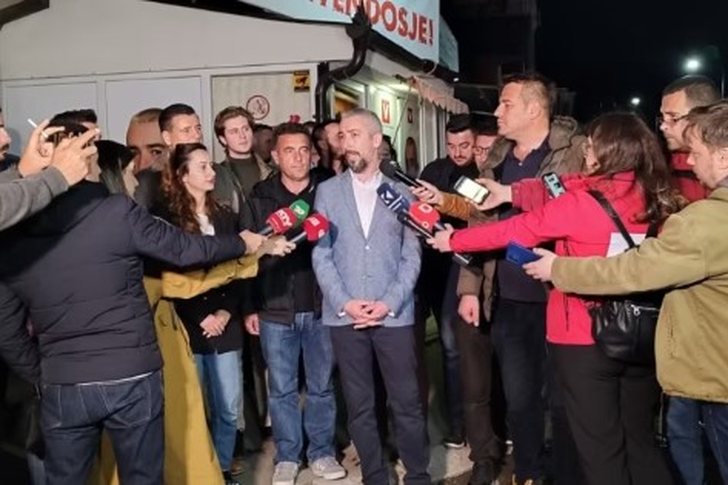
The Vetëvendosje movement said it won "convincingly" in th...
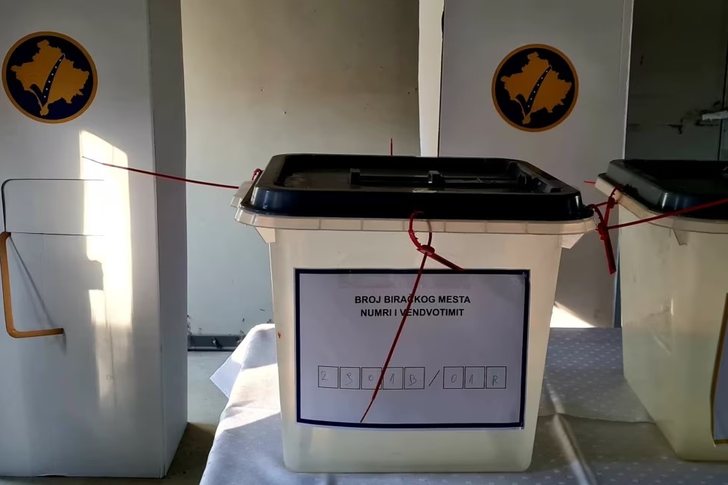
In the four municipalities in the north of Kosovo, the votin...
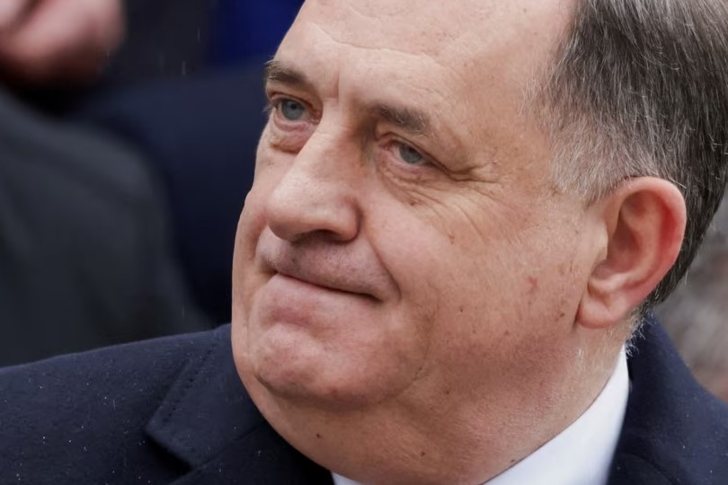
The President of Republika Srpska, Milorad Dodik, spoke on...
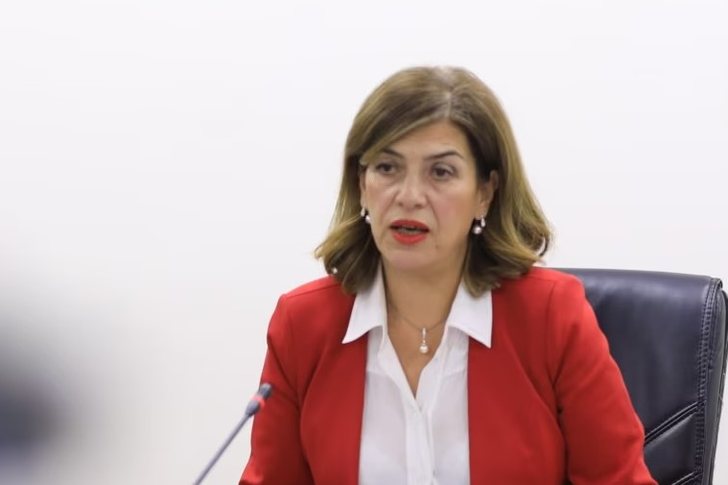
The former chairperson of the Central Election Commiss...
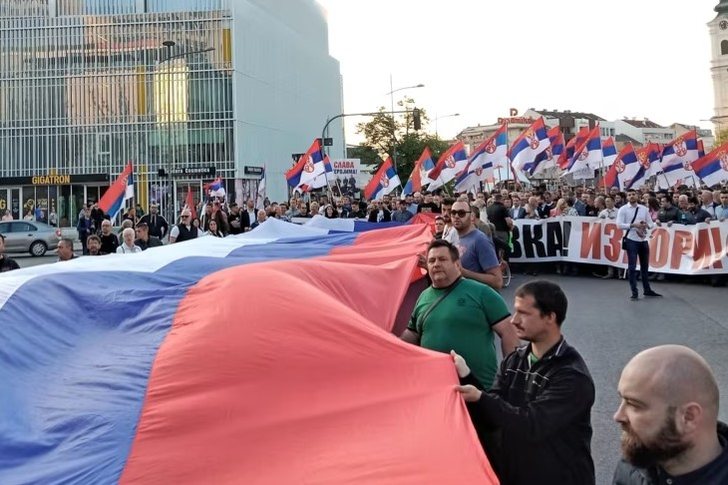
Supporters of four right-wing parties gathered on April 22...
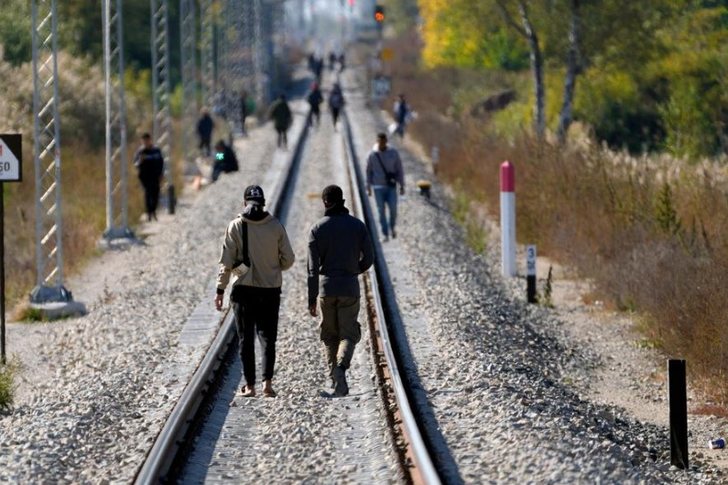
The Red Cross and the Red Crescent organizations have ...
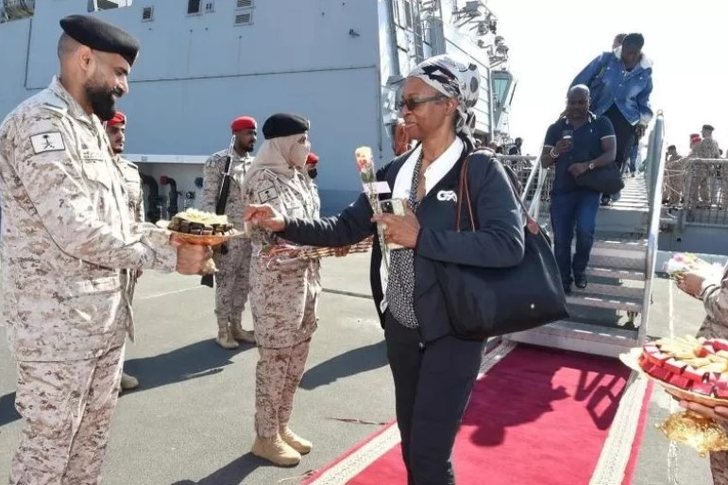
The US military has evacuated US diplomats and their f...
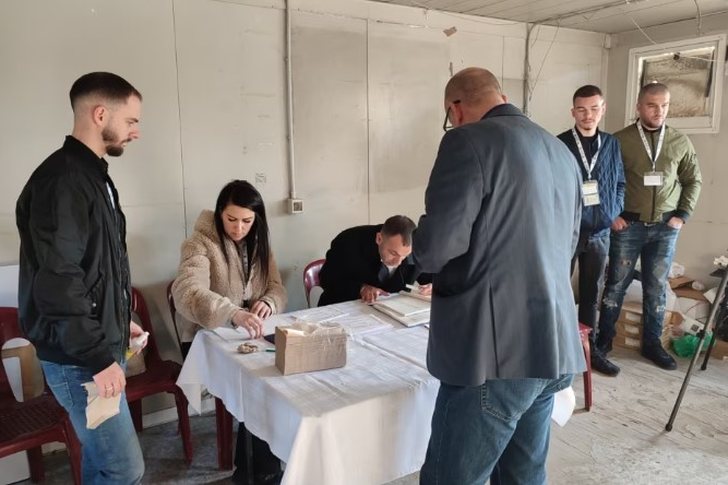
Today in the north of Kosovo, elections are held in the fo...
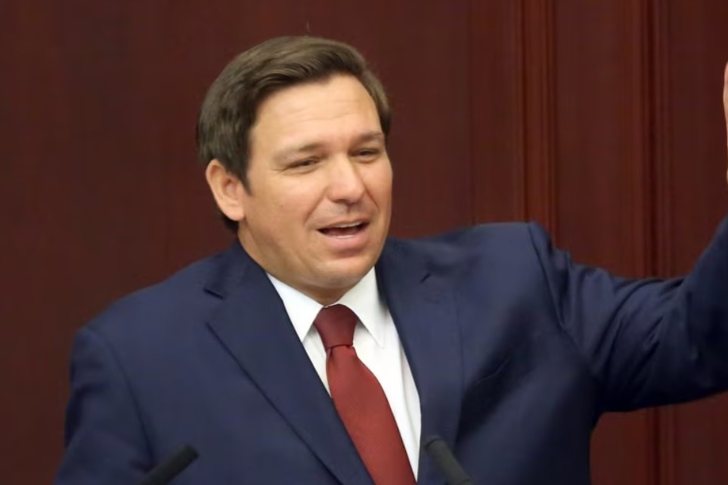
So far, attention on the primary election for the Republic...
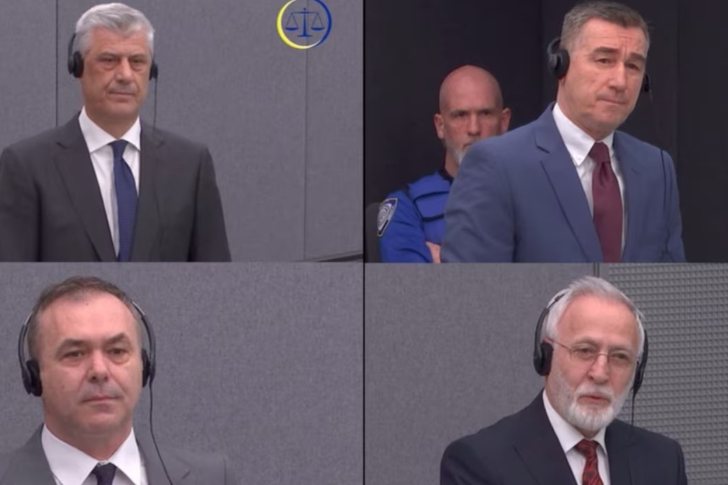
“Gjyqi ndaj Hashim Thaçit dhe të tjerëve është i rëndësish...
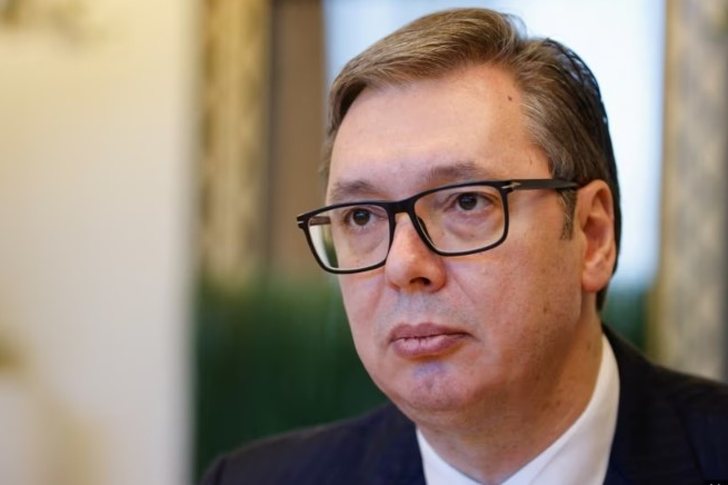
The President of Serbia, Aleksandar Vučić, said that Kosov...
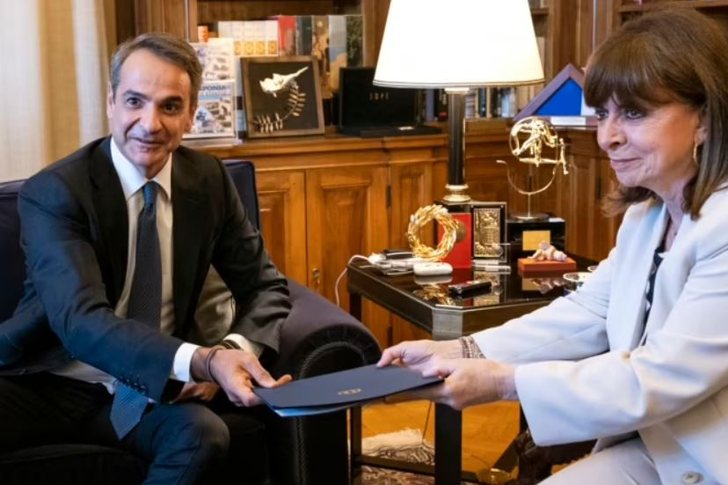
The President of Greece approved the request of Prime Mini...
Russia's wealthy increased their wealth by $152 billion...
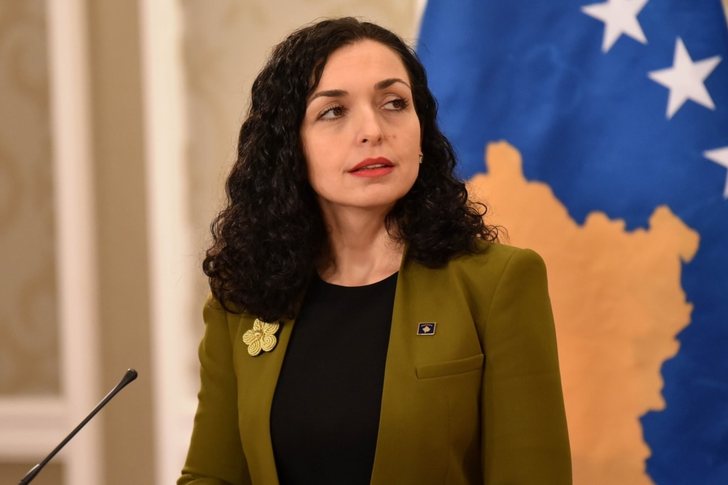
The President of Kosovo, Vjosa Osmani, has called on t...
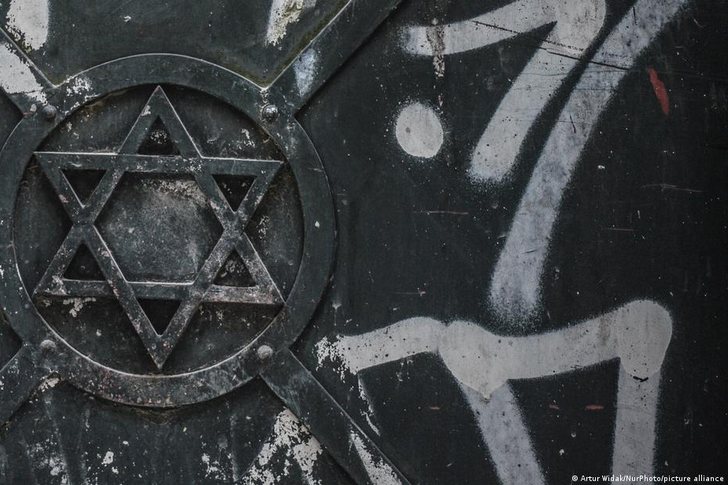
On the eve of the Easter holiday, a Palestinian demonstrat...
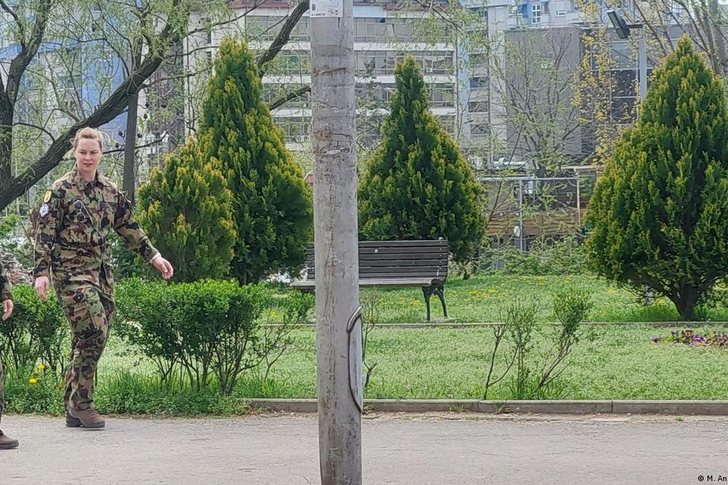
On Sunday, April 23, the extraordinary elections for the m...
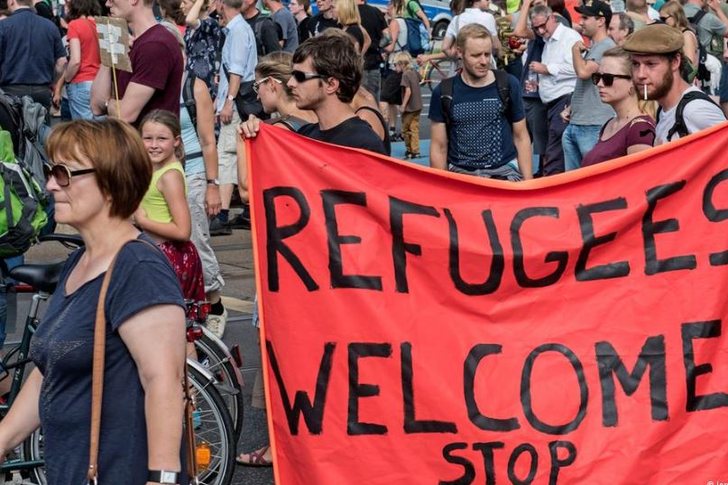
As a result, the percentage of first- and second-genera...
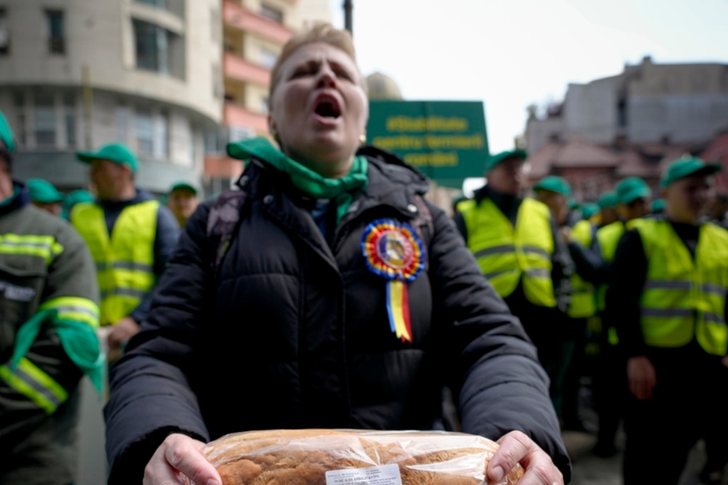
Four member states of the European Union have stopped the ...
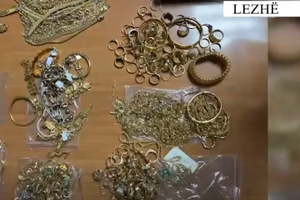
A 39-year-old citizen has been arrested in Lezha, after se...

CNA has launched another investigation that could lead to ...

Irfan Hysenbelliu is a businessman that we call "Irfan the...

In March 2026, CNA launched another investigation centered...

The Special Board of Appeal (KPA) decided this Monday ...

The KPA vetting decided this Thursday to dismiss the p...

Suela Salavaçi, a prosecutor in the Prosecutor's Offic...

The Special Board of Appeal reinstated the prosecutor ...

A conflict for weak motives was recorded today in the vill...
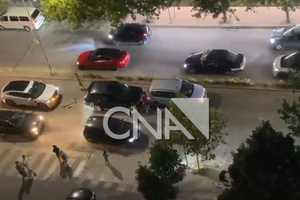
An accident involving three vehicles occurred a few minute...

55-year-old Belere Plaka, who was injured today with a sho...
Police Announcement: Following preliminary information...

By noon, cloudiness is expected to prevail in almost all o...

Children without parental care, for whom alternative famil...

On Thursday, our country will be under the influence of st...
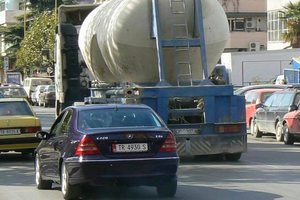
A serious accident that occurred this Wednesday with the c...

Peru and Venezuela will restore diplomatic relations, the ...
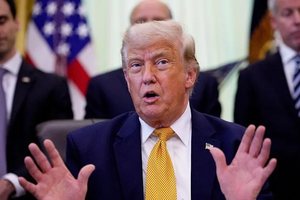
United States President Donald Trump has left open the pos...
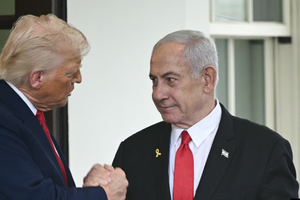
Israeli Prime Minister Benjamin Netanyahu will travel to t...
A bipartisan group of US lawmakers is calling for a Europe...

In my research at the Central State Archives, specifically...

At a time when industrial products are increasingly taking...

Trust among people is not just a three-syllable word. It c...

Master of humor Todi Llupi has passed away at the age of 7...
War, weather and supply disruptions could send gas prices ...
The number of active enterprises in Albania continued to g...
In Albania, the bar-cafe has long become an almost unique ...

This Friday, one US dollar is bought for 81.7 lek and sold...