

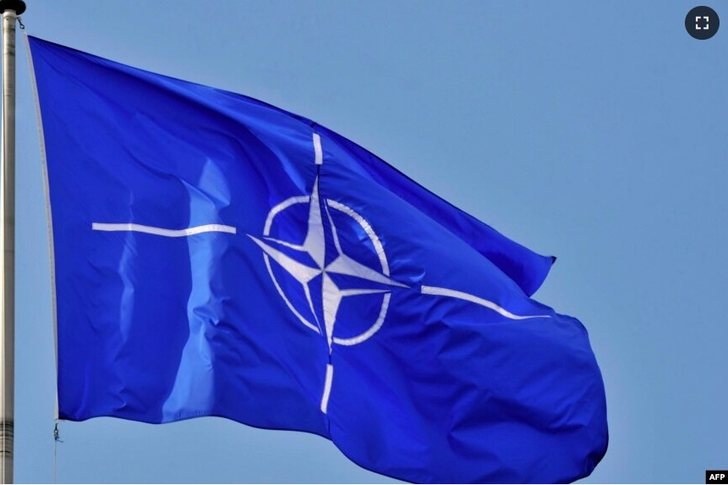
NATO disappointed with Albin Kurti: You promised that you will not take uncoordinated actions
NATO has expressed disappointment for the lack of coordina...


They are known by the term "illegals", spies who operate under the guise of ordinary jobs
Since Russia lost many of its valuable espionage sources after dozens of diplomats were expelled from Western countries following the aggression against Ukraine, "sleeper spies" have become important to Moscow.
Experts dealing with Russian intelligence told VOA it was the "rebirth of illegals," with 90 percent of operations now carried out by spies awakened from deep sleep.
The hostage exchange on August 1, in which American journalists and Russian rights activists were exchanged for a Russian assassin and spies, exposed the way some of these "illegals" operate.
Many of these spies avoid detection by doing ordinary jobs, which gives them access to events and individuals of interest to Moscow. Among the exchanged prisoners were alleged art dealers and a freelance journalist from Russia.
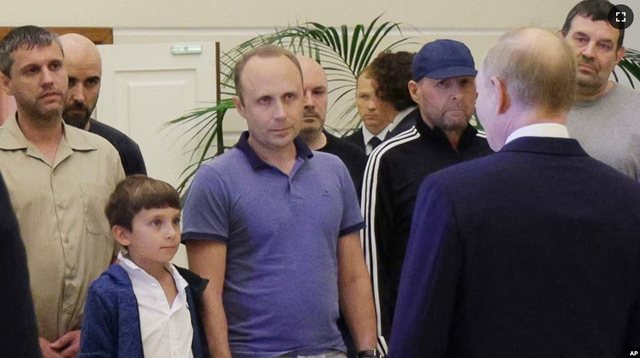
President Vladimir Putin received at the airport Russian couple Artem and Anna Dultsev, who posed as Argentines and ran a technology company and a gallery in Slovenia, as well as Russian-Spanish freelance journalist Pablo Gonzales, also known as Pavel Rubtsov.
On the surface, Pablo Gonzalez worked as a journalist for several media outlets, including Deutsche Welle and Voice of America, presenting himself as an individual with knowledge of Eastern Europe and the Caucasus.
But in reality, according to the head of Britain's MI6 secret service, he was collecting data on Russian opposition groups and trying to destabilize Ukraine on the eve of Russian attack.
Polish authorities detained suspect Pablo Gonzalez in February 2022 on charges of being a spy for Russia, which he denied. He was held in a high security prison until August 1 when he was exchanged.
Media observers condemned the conditions in which Poland held him, but footage of Putin's reception after the exchange confirmed his role was not journalism but espionage.
Gonzalez himself gave VOA a cryptic response to an interview request. Referring to an earlier VOA article about his release, he said through his Spanish wife, Oihana Goiriena, that, "If there is no more speculation, then I don't know what you want to talk about."
Russian roots
Fluent in Russian and Spanish, Mr. Gonzales built a career in journalism after completing his studies at the University of Barcelona. But despite his new life in the West, he retained much sympathy for his native land.
A source with knowledge of Russian intelligence matters, who did not want to be identified, told VOA that Mr. Gonzalez grew up in Spain's Basque region, where regional independence efforts are commonplace, as is support for Putin. of the left.
This meant that many who met him did not question his pro-Russian leanings; far fewer suspected that he was secretly working for Russian intelligence.
"This is a renaissance for illegals (spies)," Oleksandr V. Danylyuk, an expert on Russian and Soviet subversive special services, told VOA from Kiev.
"Historically, it has been difficult to travel abroad. These spies can travel, live and they can be employed by governments and businesses," says Mr. Danylyuk, who is a fellow at the London-based Royal United Services Institute, a defense think tank. "Some people are still not convinced that 'illegals' are important, they make up 90 percent of Russian intelligence activity."
It's worth noting, Mr. Danylyuk says, that millions of Kremlin-sympathizing Russians and foreigners can travel freely without arousing suspicion.
“They can go to Silicon Valley and steal secrets, and they can recruit individuals in the West. Why should they use diplomats, except for specific tasks? For other operations, they use 'illegals', which makes them perfect spies," he says.
Mr. Danylyuk says that one goal of the "illegals" is to exert influence in the Western world by infiltrating radical groups or opposition organizations.
In 2016, Mr. Gonzalez became involved with leaders of the Boris Nemtsov Foundation for Freedom and befriended key members of the group. The foundation is named after the Russian opposition politician killed in 2015.
The daughter of the late Nemtsov and co-founder of the foundation, Zhanna Nemtsova, said that she was one of the targets of the spy Gonzalez.
"I was the first to tell the 'Agentstvo' media about Pablo Gonzalez/Pavel Rubtsov in May 2023 after some documents fell into my hands," she wrote on the X network on August 27. Agentstvo, an independent Russian media outlet, reported that Mr. Gonzales drafted detailed reports regarding his contacts with Ms. Nemtsova and the foundation.
Espionage operations
Marc Marginedas, correspondent of the Spanish newspaper El Periodico said that despite the expulsion of Russian diplomats after the aggression in Ukraine, the Russian intelligence service is like a small army.
"Tens of thousands of people work for various branches of the Russian intelligence service. According to some sources, this figure reaches hundreds of thousands if those who do not work regularly are also included," he said.
Employees at Russian embassies and government-controlled media organizations are likely spies, he added.
"Russia has invested in many spies who do not enjoy diplomatic protection," he said.
The authorities provide them with a personal alibi that is very difficult to find. Latin American countries, which do not have very strict controls and regulations when granting citizenship to foreigners, are very useful for this purpose.
Journalist Marginedas said that Russian aggression against Ukraine caused the expulsion of a large number of suspected Russian spies from embassies around the world.
So when Putin stepped out at Moscow's airport to meet agents at the prisoner exchange in August, he sent a clear message.
"Welcoming those people grandly at the Moscow airport and promising them jobs and medals, Putin was sending a message to future spies that the Russian state will not abandon its spies," adds the journalist.
A journalist who knew Mr. Gonzalez said he was shocked to learn his true identity.
Xavier Colas, who works for the Spanish newspaper El Mundo, got to know Gonzalez in 2014 when they met in Ukraine.
"He was not a person who pretended to be a journalist. He really was like that. He reported, he traveled and he was really knowledgeable," Mr. Colas said. "He presented himself as an expert on Ukraine and other former Soviet republics. He knew what he was doing."
He said Mr. Gonzalez worked mainly for regional newspapers such as the pro-Basque separatist newspaper Gara, but there appeared to be no shortage of funds to travel to all parts of Ukraine and Syria.
Mr. Gonzalez has worked for the Spanish media Publico, La Sexta and Gara. He also worked for the Voice of America during 2020 and 2021, as well as for the German public network Deutsche Welle and the Spanish EFE.
VOA hired Mr. Gonzalez as a contractor through a third party media platform. After learning of his arrest in Poland, VOA removed his writings from the website.
The Deutsche Welle network did not respond to a request for comment. But Miguel Angel Oliver, president of the Spanish network EFE, told VOA that "We have not made any comment. Gonzalez worked for EFE over two years ago. It was a short collaboration mainly around photographs when the war in Ukraine started."/ VOA

NATO has expressed disappointment for the lack of coordina...
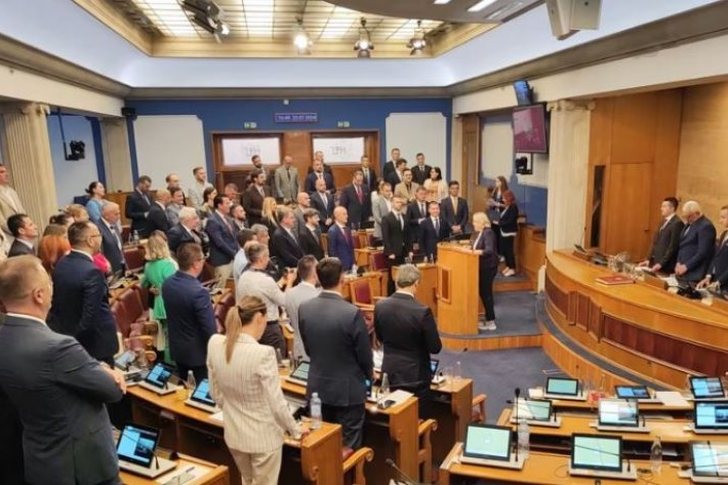
The pro-Serbian and pro-Russian parties have added demands...
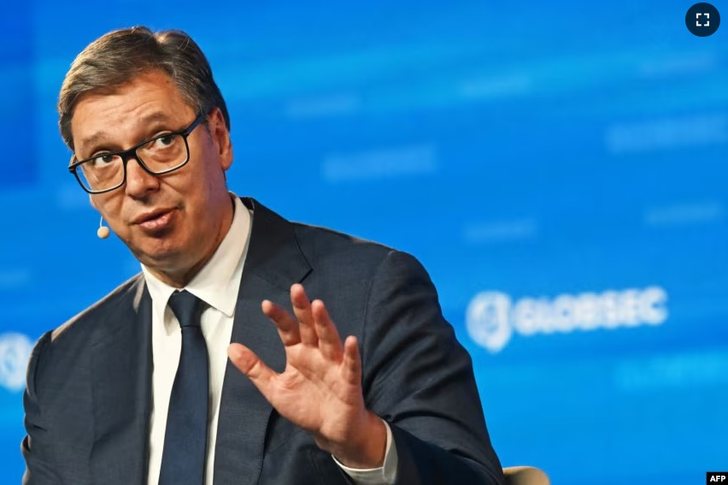
The President of Serbia, Aleksandar Vučić, has denied ...
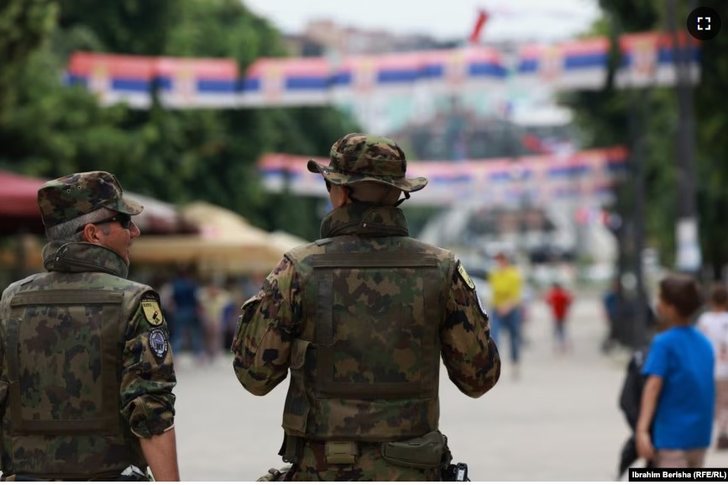
The deputy commander of the NATO peacekeeping mission in K...
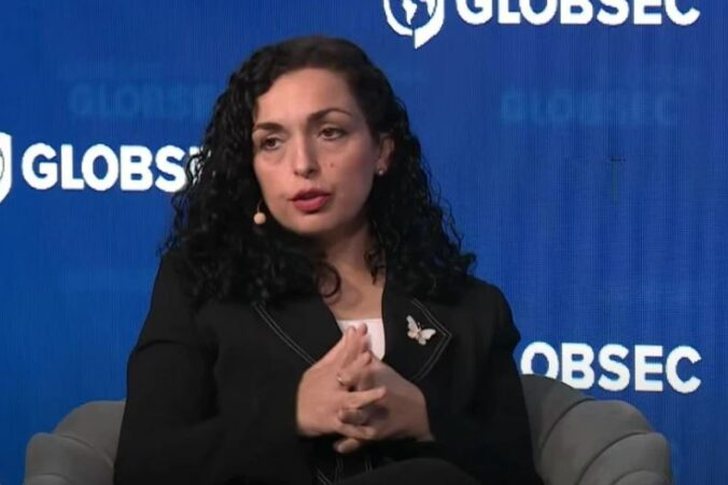
The President of Kosovo, Vjosa Osmani, told Radio Free...
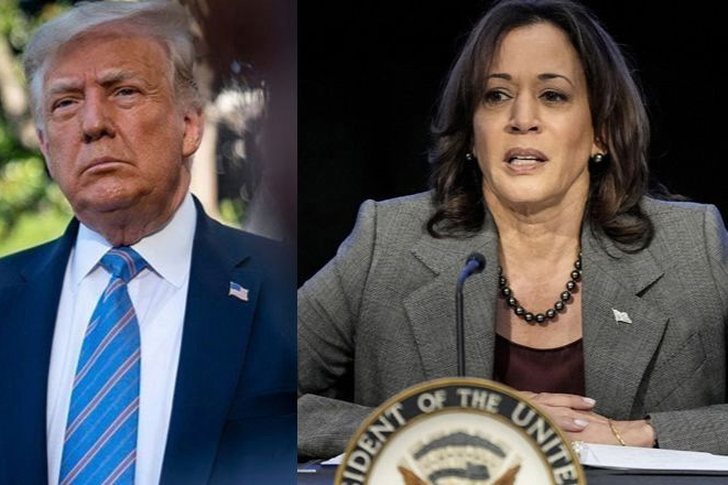
US Vice President and Democratic presidential candidat...
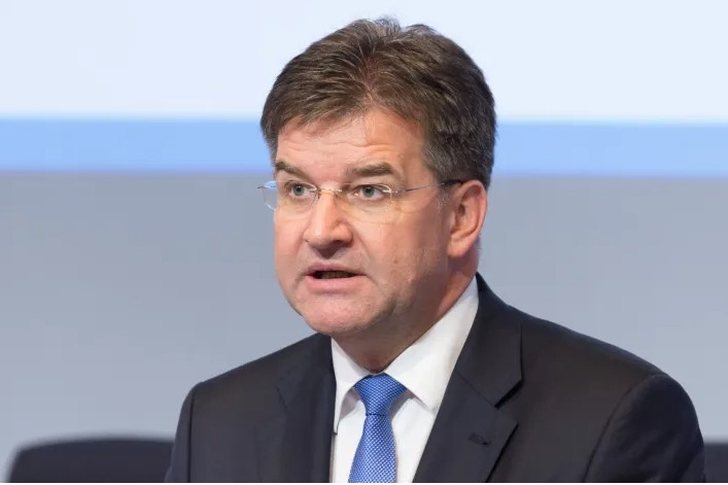
The EU's special representative in the Kosovo-Serbia d...
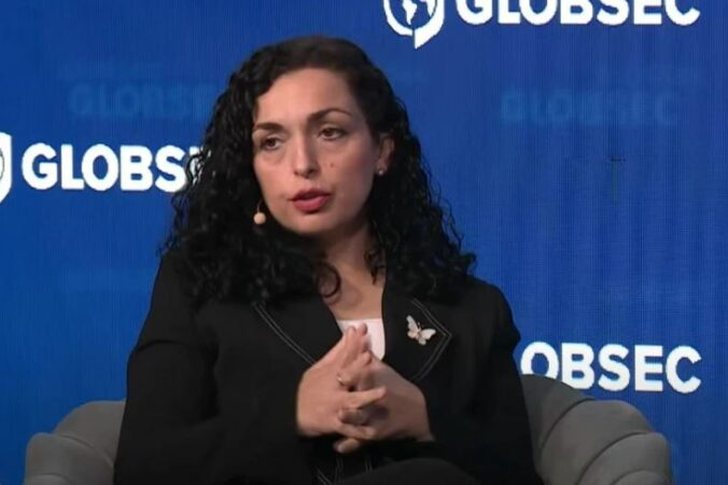
The President of Kosovo, Vjosa Osmani, stated this Fri...

The municipality of Volos announced the state of emergency...
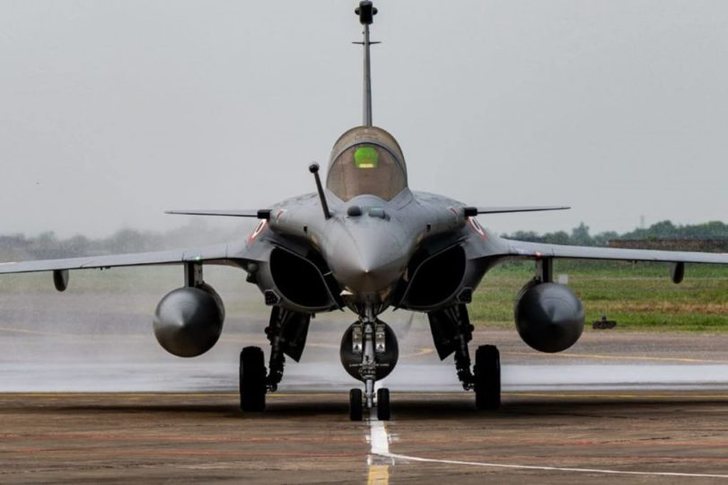
The well-known French media, "Le Monde", has devoted a...
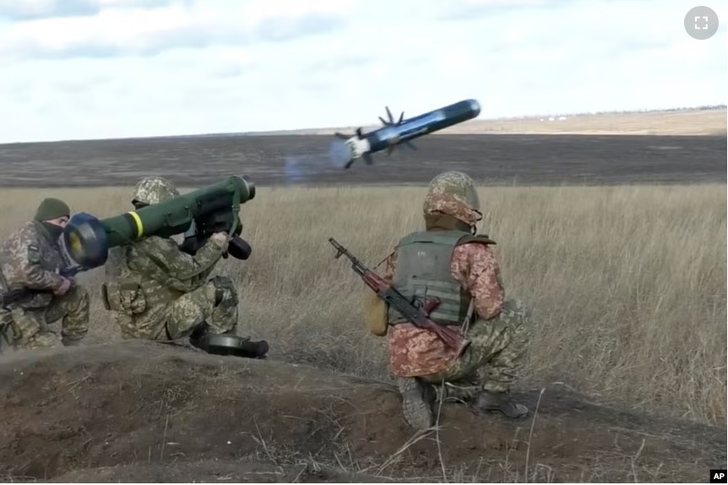
Russia has accused the European Union of "theft" after the...
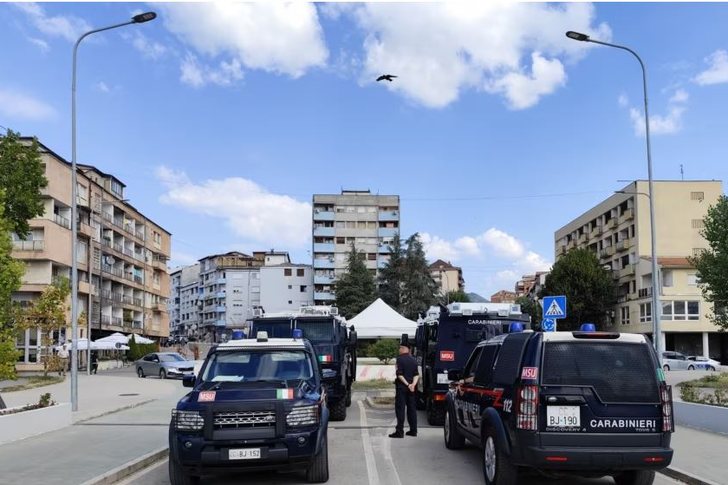
NATO's peacekeeping mission in Kosovo, KFOR, has increased...
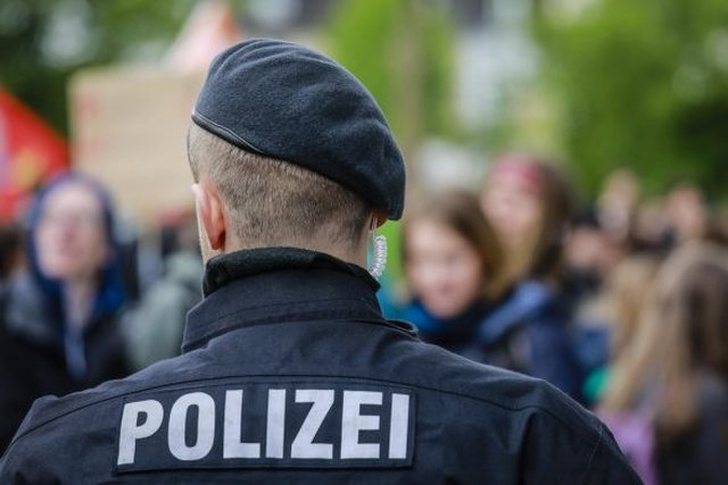
Five people were injured during a knife attack on a bu...
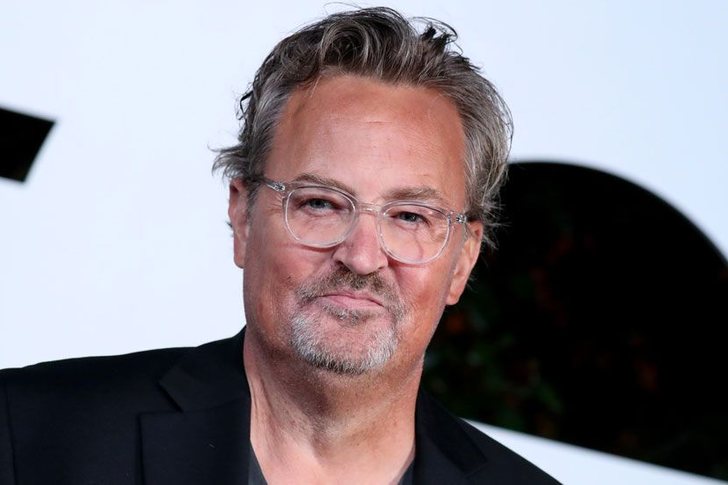
A federal court in Los Angeles has revoked the license of ...
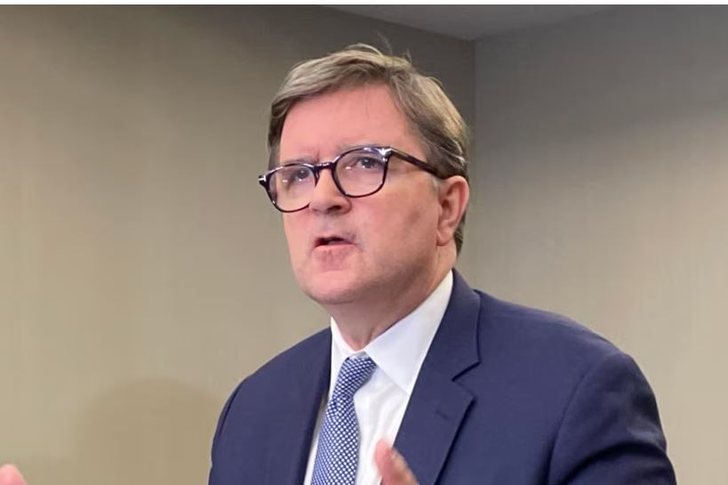
The US Assistant Secretary of State for European and E...
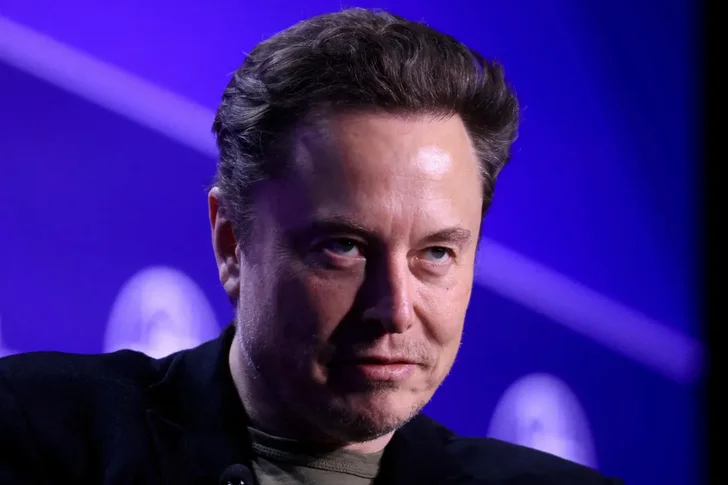
Social network X, formerly Twitter, has been banned in...

Individuals' investments in bond and bond auctions hav...
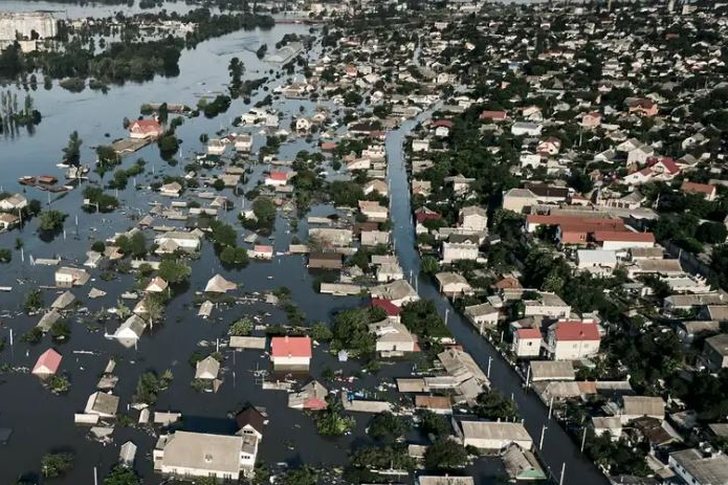
Ukraine will sue Russia at the International Criminal Cour...
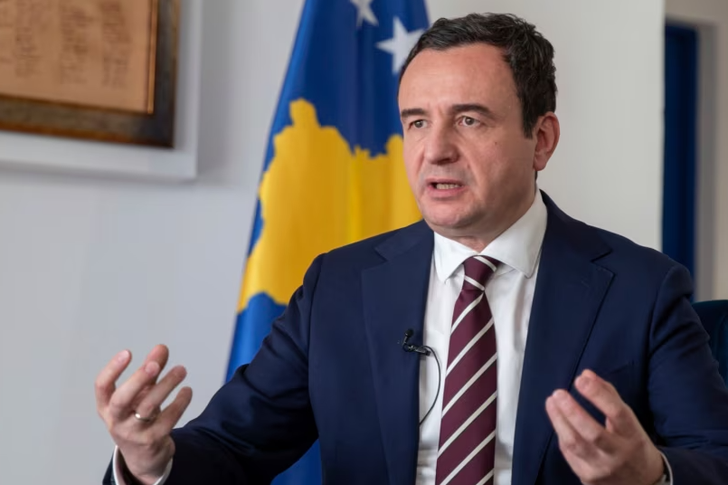
The Prime Minister of Kosovo, Albin Kurti, was asked by jo...
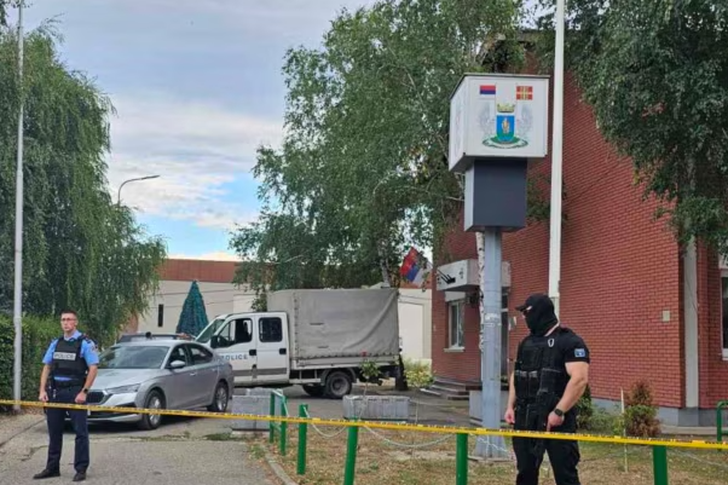
The US Embassy in Kosovo has reacted to today's operation ...
A mountain of documents for a flagrant case, in the na...
The Democratic Party has denounced a tender held by the Hi...
Since the summer of 2020, the Mayor of Tirana, Erion Velia...
The leader of the Democratic Party, Sali Berisha, denounce...

The Special Board of Appeal (KPA) decided this Monday ...

The KPA vetting decided this Thursday to dismiss the p...

Suela Salavaçi, a prosecutor in the Prosecutor's Offic...

The Special Board of Appeal reinstated the prosecutor ...
Following intensive controls and work based on police inte...

A road accident was recorded on Saturday morning on the Le...
A serious incident is reported to have occurred today in G...

A fatal accident has been recorded on the Fier-Lushnjë hig...

Today our country will be affected by stable weather condi...

Albania is leading a painful demographic process that plac...
On Friday, our country will be affected by stable weather ...

On Thursday, our country will be affected by stable weathe...

US President Donald Trump announced in a post on the Truth...

A serious rail accident occurred today in Munich, Germany....

The Iranian Central Military Command, Khatam al-Anbiya, an...

Four months of war have fundamentally changed relations be...
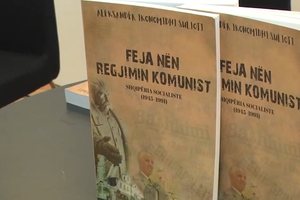
The promotion of the book by author Aleksandër Ikonomidhi ...
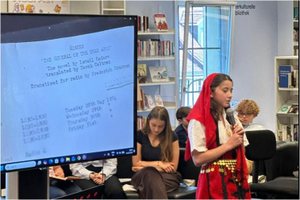
The Albanian Embassy in Switzerland has organized an eveni...

This Wednesday, the prominent actor of Albanian cinema, Gj...

Several archaeological excavations conducted during this s...
In the Balkans, few tourism markets are expanding at the p...

Demographic experts Ilir Gëdeshi and Russell King conclude...

This Saturday, one US dollar is bought for 81.8 lek and so...

Urban development, transport, energy, forestry and agricul...