

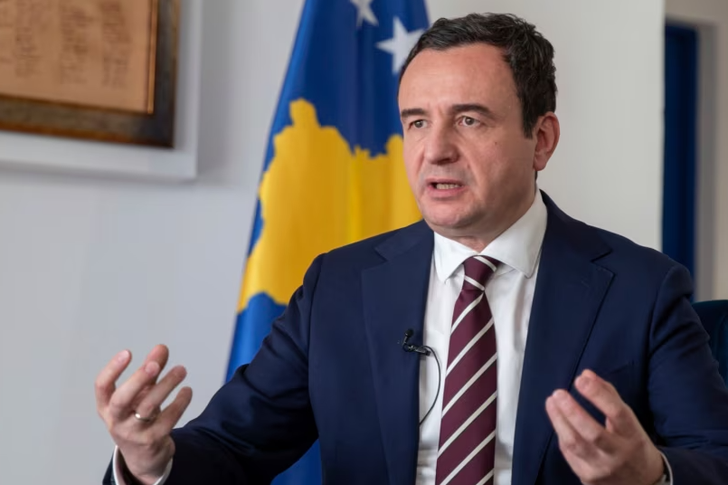
Kurti: We are establishing the rule of law and public order
The Prime Minister of Kosovo, Albin Kurti, was asked by jo...


Ukraine will sue Russia at the International Criminal Court. Even the destruction of the environment should be treated as a war crime. A sentence that would mark a novelty.
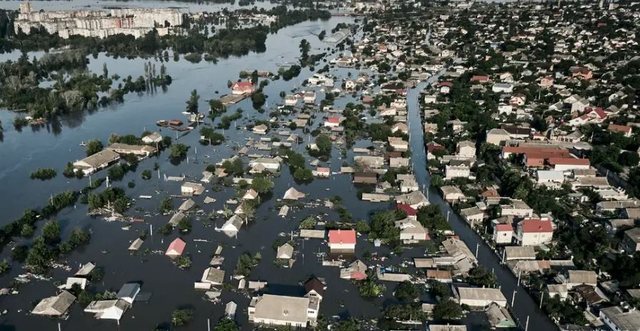
They are images that went around the world. On June 6, 2023, there were explosions at the Kakhovka dam in southeastern Ukraine. A little later the dam collapses. Masses of water cover the surrounding area with dizzying speed. They take entire settlements with them. Tens of thousands of people are affected and the exact death toll remains unclear even today.
According to Ukrainian information, about 600 tons of oil flowed from damaged industrial plants. Chemicals from the destroyed factories heavily polluted water, soil, ecosystems and farmland, United Nations experts say. War is not only a human catastrophe, but also an ecological one.
The blowing up of the Kakhovka dam may now become the subject of a possibly pioneering lawsuit against Russia.
Ukrainian authorities are currently gathering evidence to take Russia to the International Criminal Court (ICC) in The Hague for a war crimes trial.
This is also about the destruction of the environment through military actions. Ukraine accuses Russia of causing the blast, but Russia denies it.
"The environment should no longer remain a silent victim of war," says the Ukrainian Minister for the Protection of the Environment and Natural Resources, Ruslan Strilets, in an interview with DW.
What does Ukraine want?
The dam burst and flooding are just one of many environmental crimes currently being investigated by Ukrainian authorities that could become part of charges against Russia. The Ukrainian environmental authority estimates that the war damage to forests, land, air and water, caused by the Russian occupation, in over 5,000 cases, is over 57 billion euros.
Prosecutor General of Ukraine Andriy Kostin hopes to finalize the framework of the indictment by the end of the year. "The extent of contamination and damage in many areas can only be guessed, because data collection is extremely difficult," says Oleksii Vasyliuk, head of the Ukrainian environmental organization Nature Conservation Group.
However, the Ukrainian non-governmental organization Ecoaction has been able to take soil samples in several areas. Soil analysis in the Donbas fighting region showed that the entire soil is contaminated with highly toxic heavy metals as a result of the fighting. In some cases the values ??of mercury, vanadium and cadmium were over a hundred times the normal level. Heavy metals are extremely toxic in high concentrations because they accumulate in the body and often cannot be broken down. Vasyliuk says the damage to the air, water and land will continue to be felt for decades after the war ends.
Environment Minister Strilets demands that Russia be held responsible. In addition, they want to create a precedent and develop appropriate international law enforcement procedures, so that the war at the expense of the environment does not go unpunished in the future. But the procedure would take many years, if accepted by the ICC, says Aaron Dumont. He researches environmental issues in international law at the Ruhr University in Bochum. For Ukraine, it will also be about the right to pay reparations from Russia.
When is environmental damage a war crime?
The United Nations defines environmental destruction as a war crime only if it is disproportionate to the perpetrator's military advantage and causes severe, extensive and long-term damage to the population.
ICC Chief Prosecutor Karim Khan announced in February that crimes against the environment will be prosecuted and will be more of a focus in the future. To date, no country or person has been convicted of environmental destruction as a war crime. This is also due to the unclear definition in international law, says Aaron Dumont. "It must be proven that after 10 years the destruction of the environment, which comes from these shellings or a certain form of war, will be measurable," says Dumont. In the past it has been very difficult to prove this.
Burning oil fields in Iraq
As an example, he cites a case from 1991. During the Gulf War between Kuwait and Iraq, the retreating Iraqi troops set fire to over 700 Kuwaiti oil fields, thus causing an environmental disaster in the entire region. Any normal person would say this is a war crime against the environment, says Dumont. "But in the 1990s it was very difficult for geologists to demonstrate that the effects of these fires could still be measured ten years later. It just wasn't methodologically possible."
Today is different. Thanks to satellite images and the most advanced scientific methods, Dumont believes that the chances of success in a lawsuit against Russia are in some cases very promising.
To be recognized as crimes
Including the blowing up of the Kakhovka dam. If there was a court decision, this would be a historic moment. However, it is not certain what effect the punishment would have. Russia is not a member of the Rome Statute, the basis of the ICC treaty, and does not recognize ICC rulings.
Dumont draws attention to another point. "We know from the research that it is very important for those affected, that these crimes are known. These are for example farmers or other people in the region, who are dependent on nature. They want their concerns to be addressed. be part of this process"./DW

The Prime Minister of Kosovo, Albin Kurti, was asked by jo...
The US Embassy in Kosovo has reacted to today's operation ...
Ukraine has asked Mongolia to arrest Russian President...
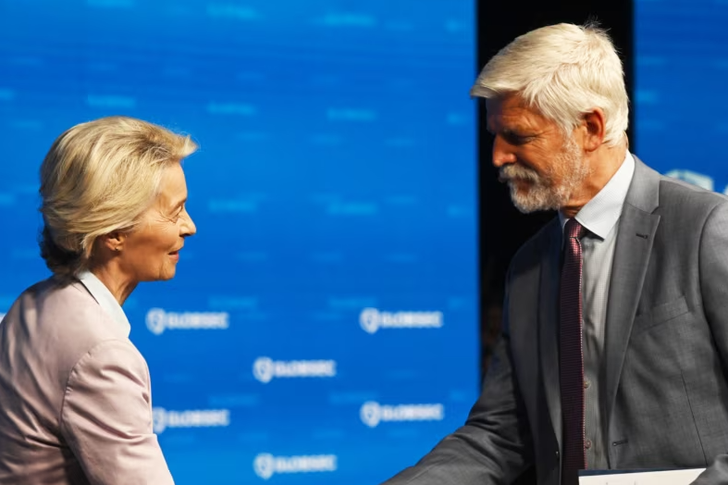
European Commission President Ursula von der Leyen has cal...

In her first major interview of the presidential campaign ...
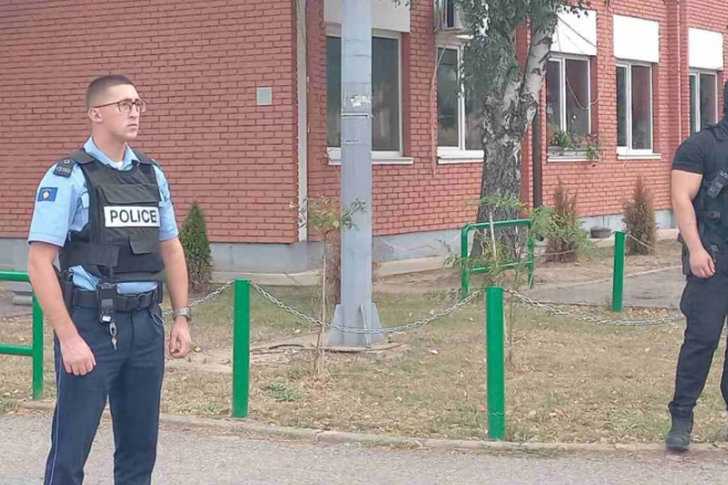
Authorities in Kosovo on Friday closed the parallel Serbia...
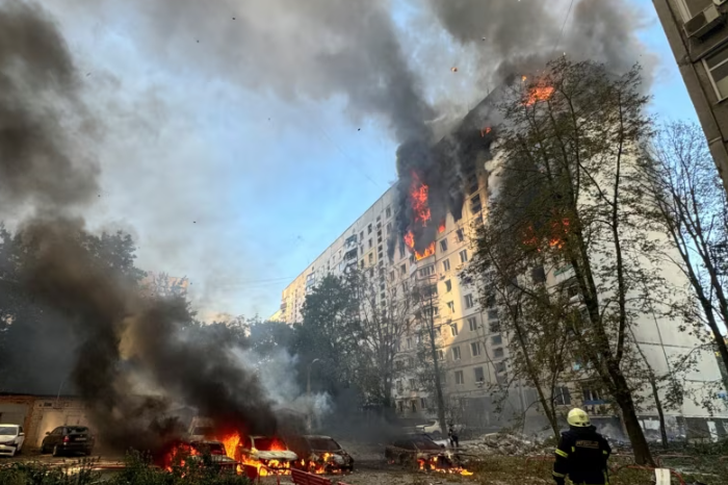
A Russian cluster bomb attack in the northeastern Ukrainia...
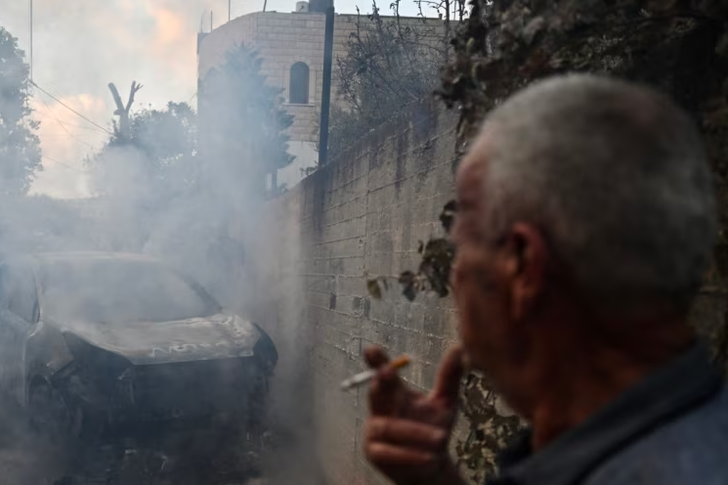
Israeli forces on Friday killed a local commander of Hamas...
Humanitarian officials announced that Israel will allow a ...

Celebrations have begun for the wedding of Norwegian P...
Turkey arrested more than 100 suspected members of the Isl...
When it comes to the term "overtourisam", most people firs...

US Vice President Kamala Harris pledged a tougher appr...

The Israeli military said on Thursday it had killed five m...
The President of Kosovo, Vjosa Osmani, hosted on Thursday ...
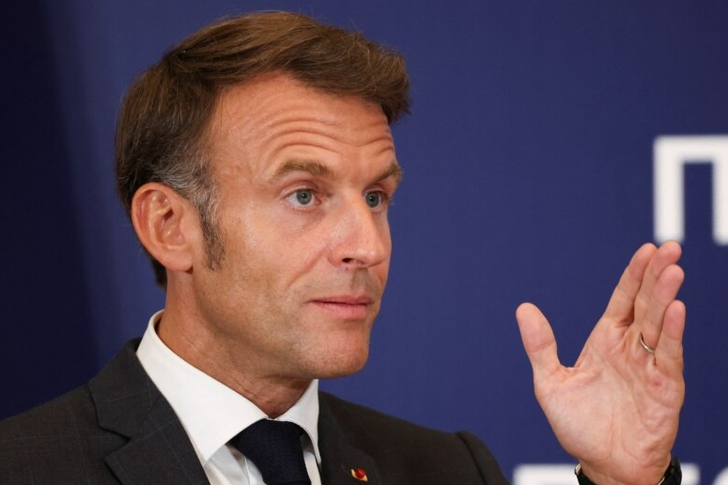
The President of France, Emmanuel Macron, said on Thursday...
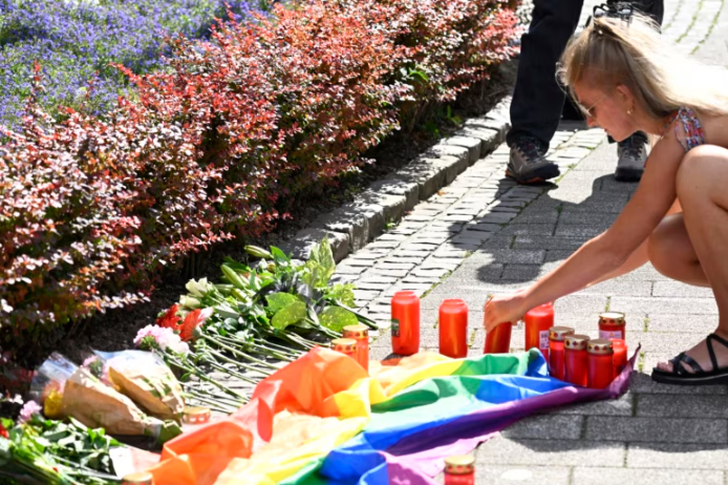
Germany's ruling coalition agreed on Thursday to strengthe...

Serbia has signed an agreement on Thursday with the French...

Vice President Kamala Harris and Democratic Vice President...
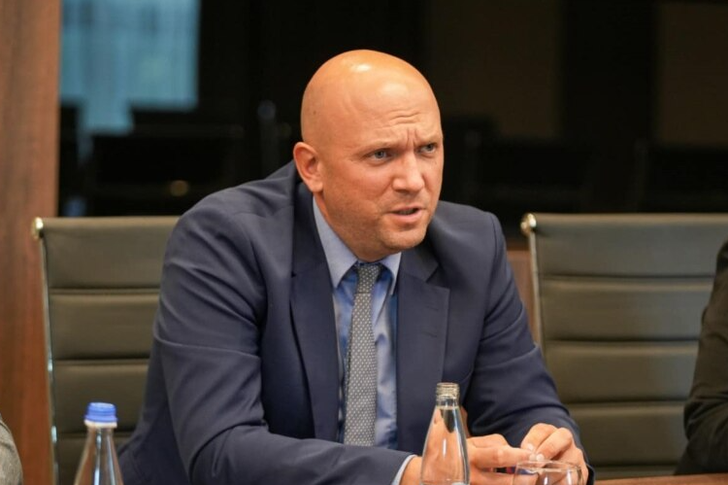
Germany's special envoy for the Western Balkans, Manuel Sa...
Dritan Prençi is the SPAK prosecutor who is sleeping on th...
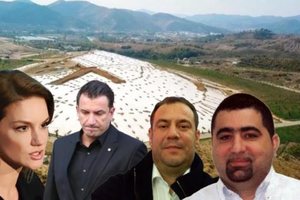
The in-depth investigations that SPAK conducted into Ajola...
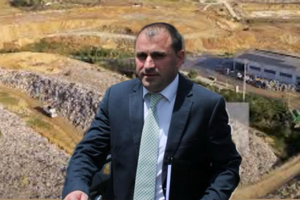
SPAK's standards, the way it investigates, how it secures ...

Irfan Hysenbelliu claims to be a big businessman, an hones...

The Special Board of Appeal (KPA) decided this Monday ...

The KPA vetting decided this Thursday to dismiss the p...

Suela Salavaçi, a prosecutor in the Prosecutor's Offic...

The Special Board of Appeal reinstated the prosecutor ...

Durres Customs has announced that today, during checks car...
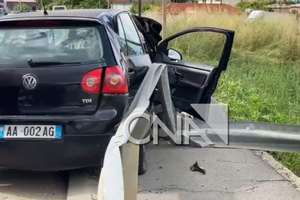
A road accident was recorded a few minutes ago on the Pogr...

The State Police has published new footage from the operat...
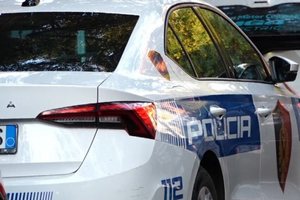
A TNT explosion has occurred in the village of Balldren i ...

Albania is facing a deep demographic crisis where official...
This Wednesday, our country will be affected by relatively...

The UN's World Meteorological Organization now warns that ...
Intense rainfall has caused numerous problems in the Radom...

Donald Trump has said the US will hit Iran "hard" on Wedne...
The United States, Australia, European allies and other co...

United States Secretary of Defense Pete Hegseth visited th...
Prices in the US in May rose at their fastest pace in thre...

Korça has transformed this weekend into the capital of cel...

Korça is ready to open the summer season with one of the c...
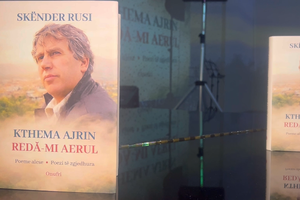
Two years after his passing, the renowned Korçë poet Skënd...

The Ethnographic Museum of Berat has opened its doors to v...

The first three months of this year have brought a record ...

The non-performing loan ratio returned to decline in April...
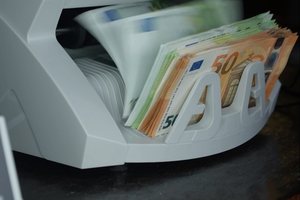
This Wednesday, one US dollar is bought for 81.6 lek and s...

The 2025 turnover reassessment for businesses in Tirana ha...