


US and Germany agree to deliver 5 Patriot air defense systems to Ukraine
Germany and the United States have agreed to deliver five ...



Why don't all students and schools in Germany have summer vacation at the same time?
Around 11.4 million children and young people attend school in Germany. If they and their families all went on holiday at the same time, the result would be even greater traffic congestion on motorways, trains and overcrowded hotels.
This is why Germany's 16 states start their holidays at different times. For example, in Saxony, the six-week summer holidays in 2025 will start at the end of June, while in Bavaria they will start at the beginning of August.
This extended summer vacation period is also in the interest of the tourism sector. Hotels, beaches and amusement parks have visitors for several months and not just one or two months when it is vacation.
Who decides when the state holidays are?
Education in Germany is the responsibility of the states, not the federal government, so the states decide, not the federal government in Berlin. Therefore, the states are the ones who make independent decisions about school holidays.
However, the education ministers of all 16 states coordinate with each other in the so-called Conference of Education Ministers (Kultusministerkonferenz). There, they plan the holiday dates together several years in advance. For more than 50 years, they have tried to harmonize all interests in this way.
The duration of lessons should be approximately the same in all countries. Schools also need sufficient time for exams and tests before vacations and holidays.
Why is there a fight every year?
Because each state would like to have the best dates for vacation. So, not only enough time for exams, but also as much sun as possible, cheap flights and cheaper hotels for vacation. And the prices and conditions differ from mid-July to the end of August.
Therefore, there is a dispute between state representatives about which of them will have the best time for vacations and the best prices for travel.
However, the biggest disagreements are with the states: Bavaria and Baden-Württemberg, both in southern Germany. They do not want to be included in the rotation, but always want their holidays to be the last.
Previously, these days were justified by the fact that children in schools in agricultural regions had to help with the summer harvest. Today they refer to the Pentecost holiday.
Is there a solution on the horizon?
Not yet. For years, representatives of other states have been calling on Bavaria and Baden-Württemberg to cooperate. For example, the Education Minister of North Rhine-Westphalia (NRW), Dorothee Feller, stated in an interview with the Westdeutsche Allgemeine Zeitung: "NRW would also like the holidays to start later."
However, year after year, these two southern states reject such proposals. Bavarian Prime Minister Markus Söder of the conservative CSU has also rejected these proposals in recent statements. He said in the current debate: "We have our own holiday rhythm, which is, so to speak, engraved in the Bavarian DNA."
But even if Bavaria and Baden-Württemberg were to change their minds, the change would only be possible after five years - because all the dates have been agreed for the next five years.
Does this problem exist in other countries as well?
Germany is not the only country where summer holidays start and end at different times. In the Netherlands, for example, there are three regional areas with different summer holiday starts. However, the holidays there differ by at most two weeks, while the schedules are set by the central Ministry of Education.
In some other countries, such as the UK, the rotation system has been discussed for a long time. Some other countries, such as France, also have a separate start to the holidays - but there are no differences for the long summer holidays.
The annual debate about when the holidays start between southern Germany and the rest of the country remains a summer ritual in this country, a perennial German topic./ DW

Germany and the United States have agreed to deliver five ...
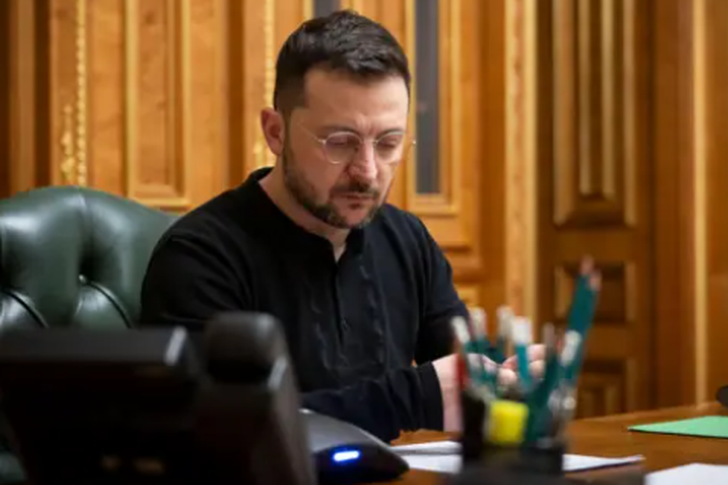
Ukrainian President Volodymyr Zelensky today appointed 16 ...
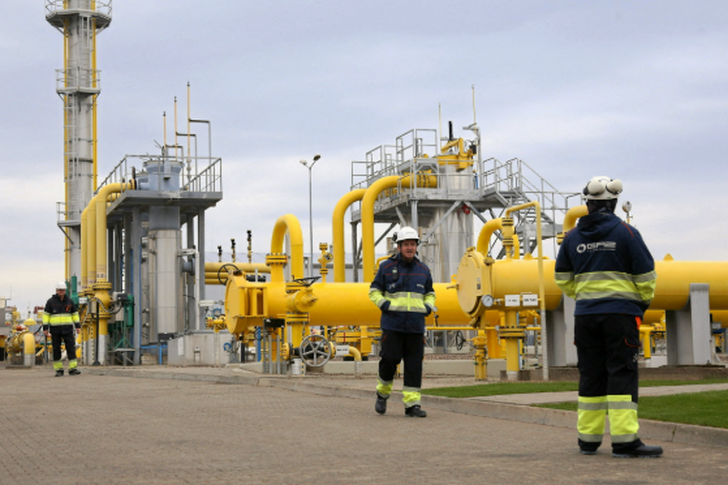
Central European Petroleum (CEP) has announced the largest...

Kosovo Prime Minister Albin Kurti reacted today regarding ...

At least 19 people have died and more than 100 others have...

Lawyer Arianit Koçi has chosen a special form of protest, ...

Chinese authorities have begun construction of what will b...

Forcat izraelite kanë nisur një sulm tokësor dhe ajror në ...

The powerful leader of an Ecuadorian gang, Adolfo Macías V...

A new heat wave is hitting Italy. The hottest day is expec...

Sunday seems to have been a day of complete detachment fro...

Iran has agreed to meet with three major European countrie...

More than 128,000 people have been displaced in a week due...
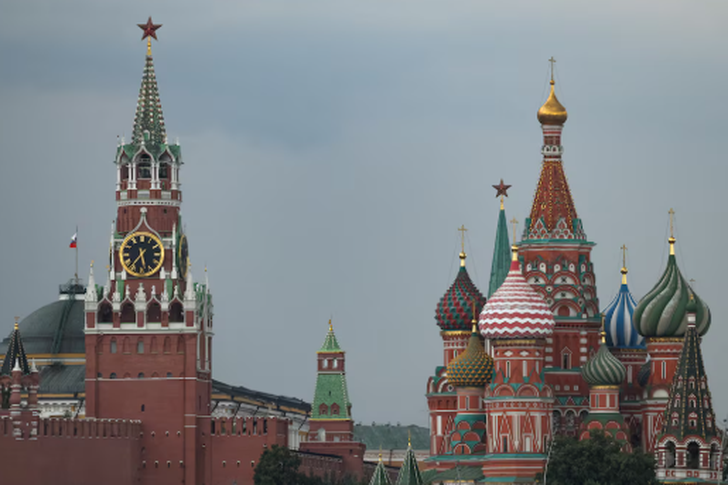
Russian President Vladimir Putin is ready to move towards ...

Pope Leo XIV today renewed his call for an immediate cease...

Israeli Prime Minister Benjamin Netanyahu has suffered foo...
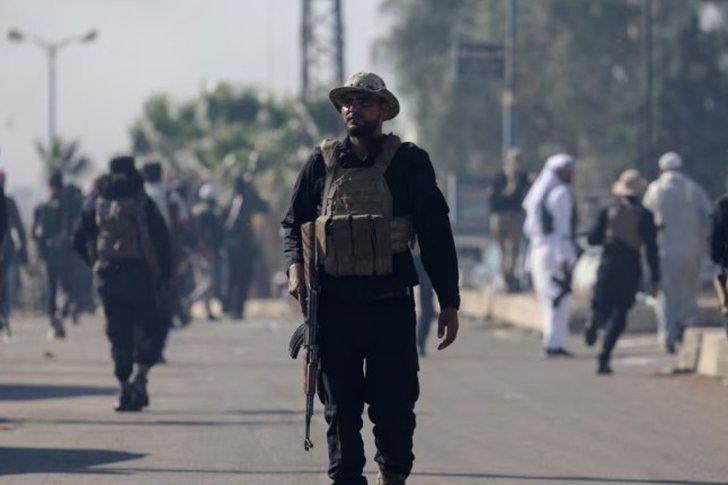
The situation in Suwayda province is reportedly under cont...
The US Geological Survey has issued a tsunami warning afte...

14 people have died as a result of floods and landslides c...

The death toll from a cruise ship capsized in Vietnam due ...

CNA has launched another investigation that could lead to ...

Irfan Hysenbelliu is a businessman that we call "Irfan the...

In March 2026, CNA launched another investigation centered...
The arrested mayor of Tirana, Erion Veliaj, with 13 charge...

The Special Board of Appeal (KPA) decided this Monday ...

The KPA vetting decided this Thursday to dismiss the p...

Suela Salavaçi, a prosecutor in the Prosecutor's Offic...

The Special Board of Appeal reinstated the prosecutor ...
Citizen MH, 61, a fisherman, was found dead near the islan...

Another phase of the international operation, codenamed "T...

Police have arrested a 34-year-old woman at Rinas Airport ...

A serious accident has occurred on the Lezhë-Shëngjin axis...

The Institute of Geosciences has shared a forecast for wea...

Rising energy and fertilizer prices are expected to contin...

Over 18,000 foreign citizens from 140 countries have appli...

This Wednesday, our country will be under the influence of...

Prime Minister Andy Burnham has announced that most bus fa...

France's parliament has passed a law to ban social media f...

US Secretary of State Marco Rubio arrived in Manila on Jul...

In the space of a few days, Ukrainian President Volodymyr ...

At a time when industrial products are increasingly taking...

Trust among people is not just a three-syllable word. It c...

Master of humor Todi Llupi has passed away at the age of 7...

The ninth edition of "MIK Festival" kicked off with one of...

Businesses will no longer be required to simply register t...

Despite economic growth and income in recent years, Albani...

This Wednesday, one US dollar is bought for 81.4 lek and s...

Construction company licenses will have a validity period ...