


From high expectations to disappointment/Serbia and the Donald Trump administration
From billboards with the message "Trump, Serbian", to disa...


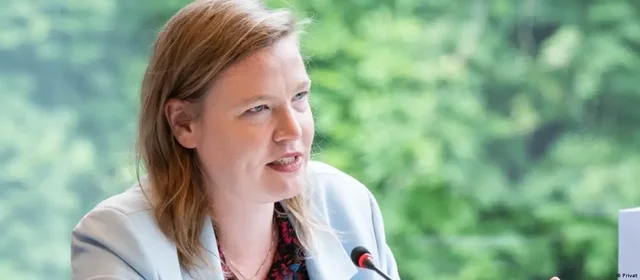
Kosovo votes for the second time this year. German Balkan expert Frauke Seebass calls for dialogue between parties and recalls that Kosovo has lost much of its international reputation this year.
DW: For the second time in a year, we have new elections in Kosovo. Do you think that these elections will bring an unblocking of the situation in the country? During the campaign, other parties once again stated that they will not enter into a coalition with Albin Kurti's "Vetëvendosje" party...
Frauke Seebass: Everything will depend on the outcome of the elections. Vetevendosje hopes for a majority so large that it can govern alone or "only" with the support of minorities, to whom the Constitution guarantees a certain number of seats. This tactic failed after the elections in February.
VV may try in the event of a close election result to convince individual politicians from other parties to support the coalition. The alliance with the small PSHDK before the elections (in addition to Guxo and Alternativa), traditional partners of LDK, is an indication of this. But it is also possible that the opposition parties could mobilize enough support to form a government without VV, although the chances of this are slim. If we have a similar result as in February, a new deadlock is not impossible.
DW: Why such a dismissive attitude towards Albin Kurti?
First of all, this is mainly related to his uncompromising stance, with which he declared war on the "corrupt elites" and, in fact, all other parties. Before the February elections, VV aimed to regain a constituent majority, while the other major parties positioned themselves primarily in opposition to Albin Kurti, which led to a poisoned atmosphere among them. After the farce of electing the Speaker of the Assembly, which was attributed to Kurti as a deliberate obstacle, there was no room left for compromise. If Kurti does not manage to engage in dialogue with the other parties, a further deadlock is expected.
DW: Yes, the lack of political will of the parties in Kosovo led to this situation of extraordinary elections, but Kosovo did not have a tradition of such a great lack of compromise. How do you explain this political polarization of such a scale in the country?
Zgjedhja e Vetëvendosjes në vitin 2021 ishte edhe një votë proteste, pas rënies me ndihmën e SHBA-së së koalicionit qeverisës me LDK-në . Ndërsa VV ishte detyruar të bënte kompromis në atë koalicion, tani ishte në gjendje të qeveriste praktikisht e pakontestueshme për katër vjet. Fushata zgjedhore që çoi në zgjedhjet e shkurtit dhe muajt e bllokimit helmuan atmosferën në parlament dhe në të gjithë vendin. Mbetet të shpresohet që partitë t'i rikthehen e të kujtojnë përgjegjësinë që kanë ndaj qytetar:ëve, pavarësisht rezultatit të zgjedhjeve.
DW: Albin Kurti është përballur gjithashtu me mjaft kritika edhe nga partnerët ndërkombëtarë të Kosovës - nën një qeveri të mundshme Kurti si mund të sigurohet progres në dialogun me Serbinë, një kusht për integrimin e mëtejshëm të Kosovës në BE?
Për BE-në, zbatimi i Marrëveshjes së Ohrit të vitit 2023 mbetet thelbësor, dhe Kosova duhet të tregojë përparim në krijimin e një Asociacionit të Komunave Serbe. Kjo është në thelb e lidhur me të gjithë progresin e Kosovës në integrimin transatlantik, që nga anëtarësimi në Këshillin e Evropës deri tek trajtimi i kërkesës për anëtarësim. Për shkak të situatës politike në Serbi, afrimi me BE aktualisht është shumë vështirë, veçanërisht nën Kurtin, por Kosova mund të bëjë përparim të konsiderueshëm si në nivel vendas ashtu edhe në politikën e jashtme me zbatimin e Asociacionit.
DW: Deri tani, Asociacioni duket i largët. A mund të quhet ai arsye kryesore pse Kosova aktualisht ka ngecur në integrimin drejt BE? Deri tani BE kishte edhe sanksione në fuqi. SHBA pezulloi dialogun strategjik.
Masat dhe bllokadat drejtohen kundër Kurtit dhe politikave të tij të njëanshme, veçanërisht mungesës së konsultimeve dhe përshkallëzimeve në komunat veriore. Në vend që të denoncojë trajtimin e pabarabartë krahasuar me Serbinë, qeveria duhet të kuptojë se është në pozicion defensiv dhe se nuk ka konsensus brenda BE-së. Masat janë ligjërisht në një zonë gri, kërkohet unanimitet për shfuqizimin e tyre, por shumë vende duan të shohin që Kosova të bëjë lëshime e para. Mund të supozohet se partnerët ndërkombëtarë do të ishin më të hapur ndaj një qeverie nën dikë tjetër përveç Kurtit.
DW: Por Kosova ka frikë se Asociacioni do të rrezikojë funksionalitetin e shtetit më të ri të Evropës. Sa real është ky rrezik, duke pasur parasysh se komunat serbe duan të arrijnë një lloj vetëqeverisjeje brenda Kosovës përmes Asociacionit?
I no longer see this risk after the Constitutional Court decision and the current proposals under the Ohrid Agreement. On the contrary, I believe that the Association of Municipalities is a prerequisite for the integration of Kosovo Serbs and further democratization, especially if the southern municipalities are also part of it, and this deeper integration could also prevent new proposals for territorial changes (territorial exchange). The Association of Municipalities - protected by the constitution and the right of self-management sanctioned therein - would administer itself areas such as education and urban planning, but it cannot block national decisions, as is the case, for example, in Republika Srpska. The idea of ??Vetevendosje to force integration through reciprocity, on the other hand, has failed.
DW: Meanwhile, Serbia and Kosovo accuse each other of violating the Brussels agreements reached to normalize relations. What can the EU do to ensure that an agreement, once signed, is actually implemented?
The EU actually has many levers to bring progress in the implementation of the agreements, but political will and, above all, unity are lacking. Therefore, I see more potential for action in a coalition of states that take the lead here and provide positive and negative incentives. However, given the current situation in Serbia, this strategy would come years late, I do not see Serbia implementing the agreements in the coming years.
DW: Kosovo remains the poorest country in Europe, the only Balkan state without candidate status for EU membership. Has the EU been too harsh on Kosovo, or should the reasons be sought within the policies of the current government?
This is complex, but in short, there is some truth to both. For me, the turning point was 2018, when EU member states rejected visa liberalization for domestic political reasons. The perception in Kosovo was that so many compromises had been made without concrete results, VV helped this atmosphere. On the other hand, Kurti's unilateral actions and the deadlock of recent months have played a major role in the fact that even Kosovo's traditional partners feel offended, Kosovo's international reputation has suffered considerable damage. / DW

From billboards with the message "Trump, Serbian", to disa...
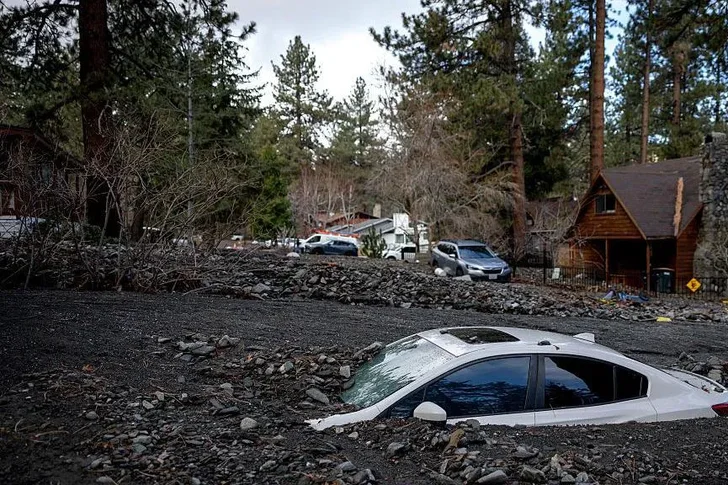
Torrential rains have caused flooding and landslides in ma...
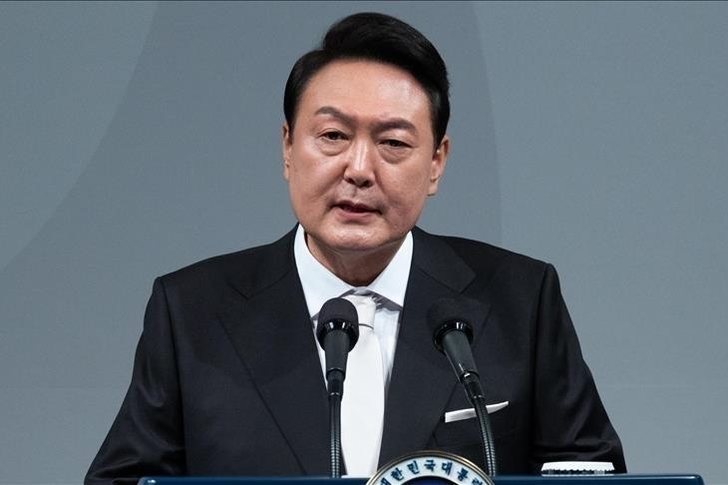
South Korean prosecutors have requested a 10-year prison s...
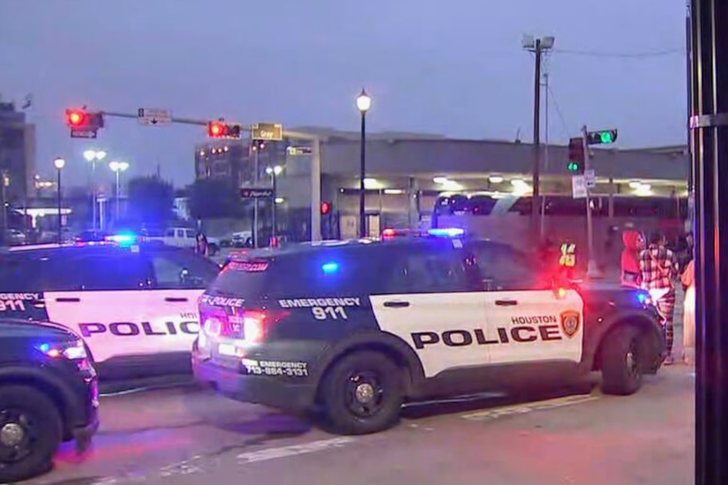
A serious incident occurred in Texas, USA, where the vehic...
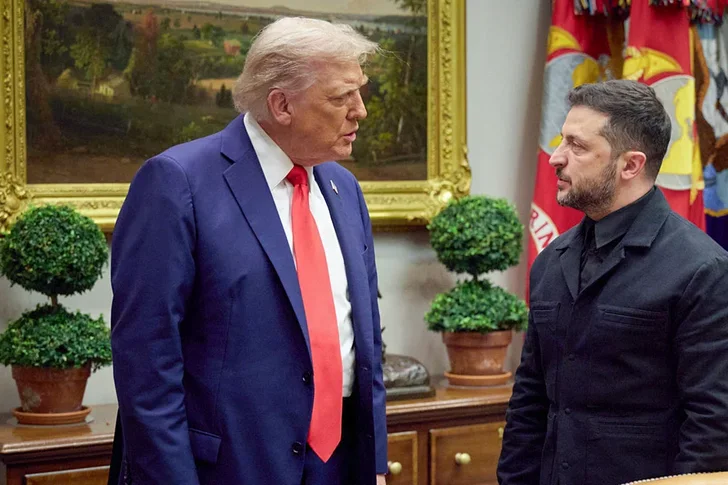
Ukrainian President Volodymyr Zelensky has announced that ...
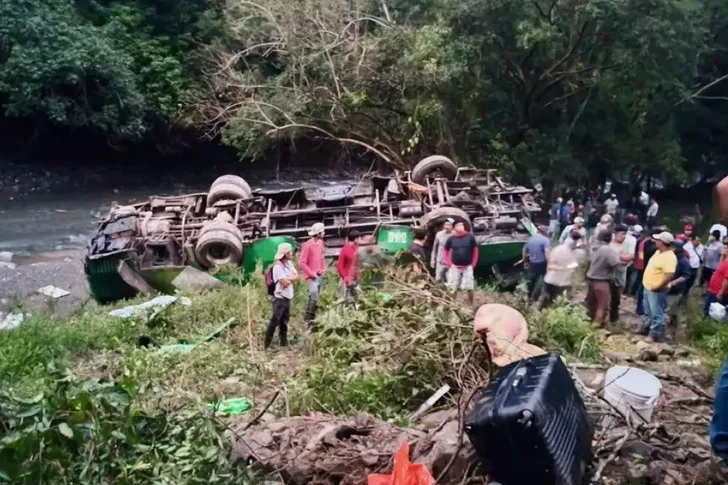
A serious road accident has killed at least ten people and...
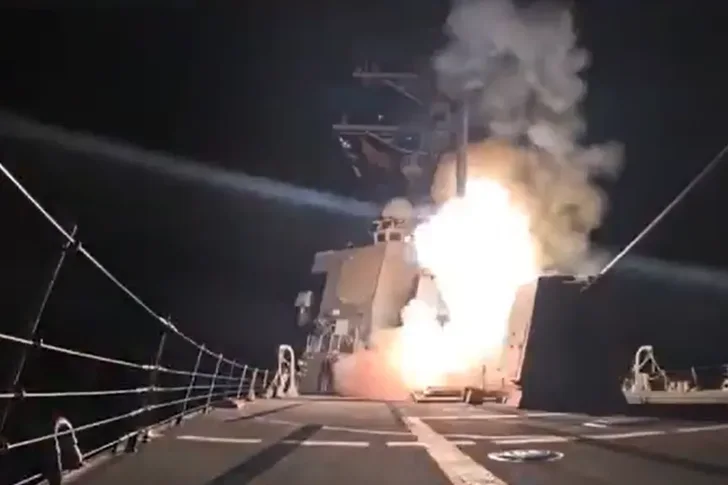
President Donald Trump has announced that the United State...
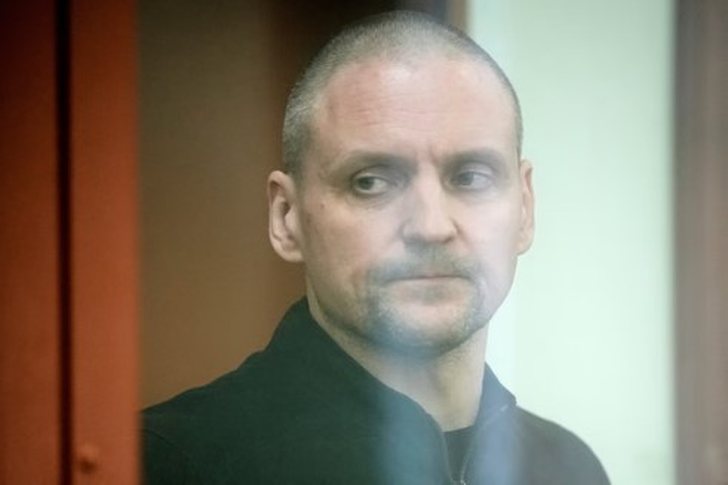
A Russian court on Thursday convicted a pro-war activist a...
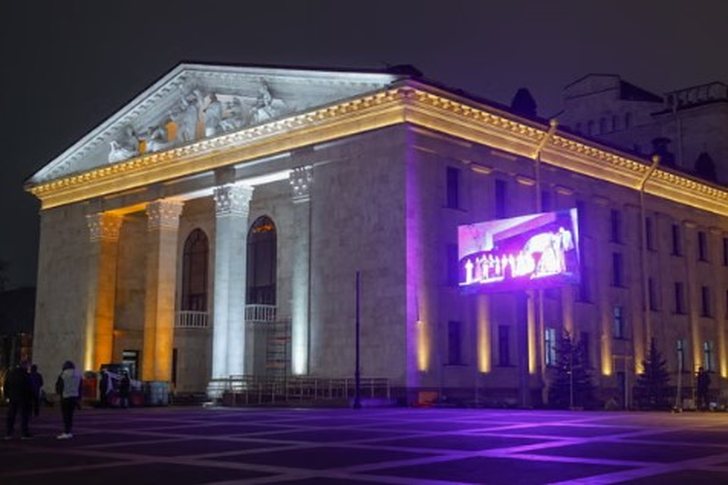
The Mariupol Drama Theatre, destroyed by a Russian airstri...
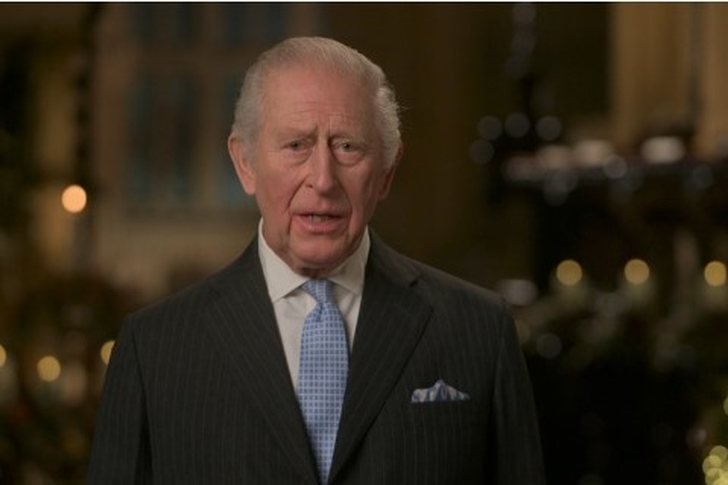
The King's Christmas message has invoked the spirit of war...
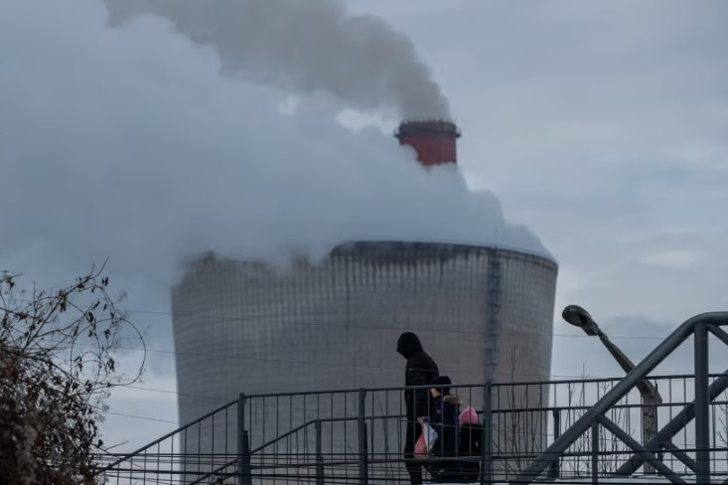
Two decades-old power plants, Kosovo A and Kosovo B, shoul...

Serbian Minister of Mining and Energy, Dubravka Gjedovic H...

A swarm of Russian drones struck the Russian port city of ...

Turkey's national airline, Turkish Airlines, will transfer...

Turkish authorities have announced that they have thwarted...

Pope Leo XIV celebrated his first Christmas Mass as head o...

Algeria's parliament has unanimously passed a law declarin...

At least seven people have been killed and many others inj...

Duartrokitjet u ndalën dhe shefi i NATO-s, Mark Rutte, i r...

Another tragedy has occurred in the Mediterranean, this ti...

CNA has launched another investigation that could lead to ...

Irfan Hysenbelliu is a businessman that we call "Irfan the...

In March 2026, CNA launched another investigation centered...
The arrested mayor of Tirana, Erion Veliaj, with 13 charge...

The Special Board of Appeal (KPA) decided this Monday ...

The KPA vetting decided this Thursday to dismiss the p...

Suela Salavaçi, a prosecutor in the Prosecutor's Offic...

The Special Board of Appeal reinstated the prosecutor ...
A road accident occurred this evening on Nikolla Zoraqi St...
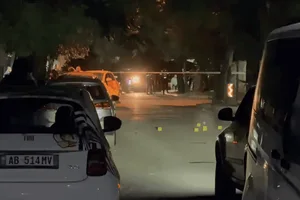
Three people were shot and wounded in Elbasan last night b...
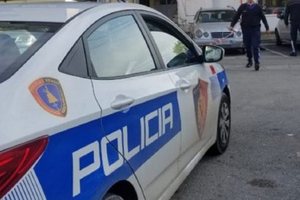
A serious incident occurred this Tuesday in the Yrshek are...
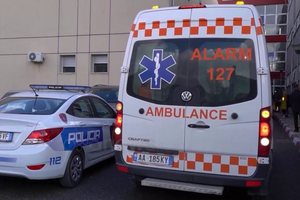
An accident occurred this Tuesday on "Dituria" street in K...
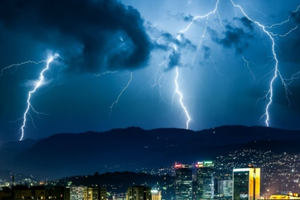
All of Southern Europe will face changing weather conditio...
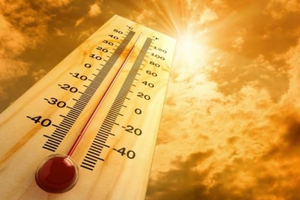
Albania was hit by temperatures significantly higher than ...
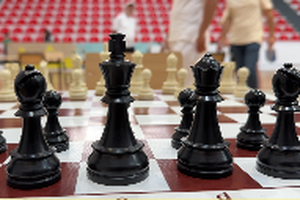
For the first time, Pogradec welcomed the Inter-Lake Chess...
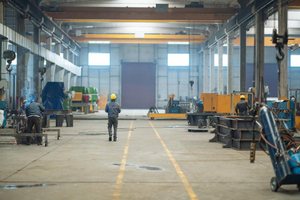
Albania has achieved a record for the employment of foreig...
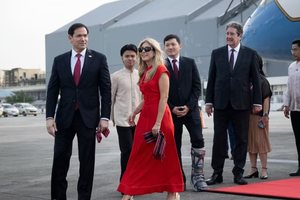
US Secretary of State Marco Rubio arrived in Manila on Jul...
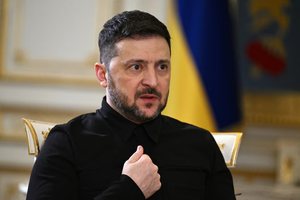
In the space of a few days, Ukrainian President Volodymyr ...
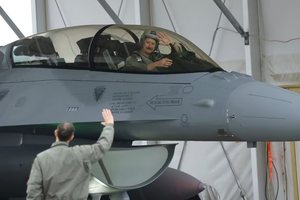
The spokesman for the Iranian Foreign Ministry warned Bulg...
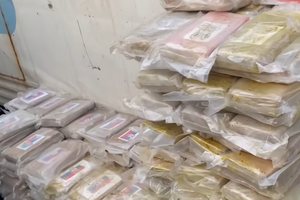
Autoritetet italiane sekuestruan pako me afër 800 kilogram...

At a time when industrial products are increasingly taking...

Trust among people is not just a three-syllable word. It c...

Master of humor Todi Llupi has passed away at the age of 7...

The ninth edition of "MIK Festival" kicked off with one of...

Construction company licenses will have a validity period ...
The Centralized Purchasing Operator recently opened a tend...
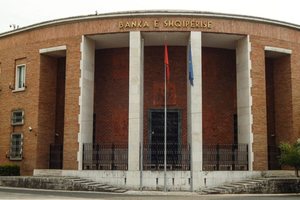
The new draft law "On the Bank of Albania" provides that t...
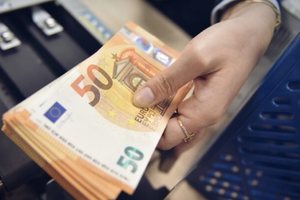
This Tuesday, one US dollar is bought for 81.2 lek and sol...