

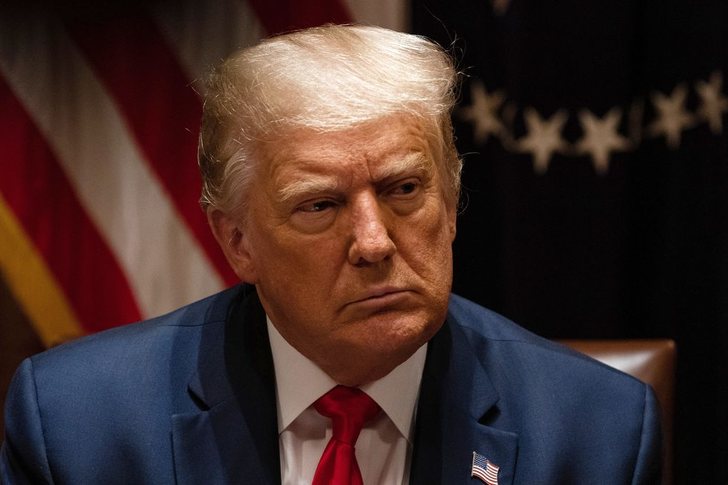
Ish-këshilltari i Trump dënohet për shpërfillje të Kongresit
Ish-ndihmësi i Trump, Peter Navarro është dënuar për s...


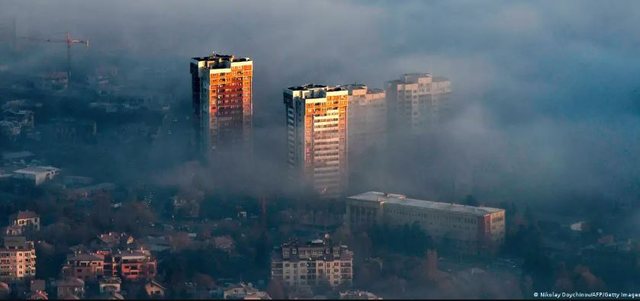
The EU is discussing new rules related to air quality. 98 percent of people in Europe breathe worse air than recommended by the World Health Organization.
Almost the entire European population lives in highly polluted cities, where average annual levels of dust particles are higher than the limits recommended by the World Health Organization (WHO). So almost everyone on the continent breathes air that has been proven to be harmful to health, which can be fatal.
Air pollution increases the risk of respiratory and heart diseases and reduces life expectancy. "A lot of people are getting sick with current levels of air pollution. It's clear that with less air pollution these numbers would be reduced," says Mark Nieuwenhuijsen, director of the Barcelona Institute for Global Health (ISGlobal).
How polluted is the air in Europe?
Together with the European Data Journalism Network, DW evaluated the Copernicus Atmospheric Monitoring Service (CAMS) satellite data. The analysis shows that in 2022 almost everyone in Europe - 98 percent of the population - lived in areas where concentrations of fine dust were above the limit set by the WHO. The only exceptions were Iceland, Finland, Norway and Sweden.
According to WHO, the average annual concentration of fine dust particles should not exceed five micrograms per cubic meter of air. A microgram is one thousand times less than a milligram. According to our analysis, the most polluted regions of Europe reach an average concentration of around 25 micrograms per cubic meter of fine dust (PM2.5) every year.
In fact, the high levels of air pollution for some European cities are already well known. However, this new data analysis provides for the first time a comprehensive look at the problem across Europe: we compare the level of pollution in different regions, showing where air quality has improved and where it has worsened.
The data also show how policy measures help reduce particulate matter in the air. This is particularly important against the backdrop of the EU debate on new air pollution regulations, which is expected to take place next week.
What are dust particles?
Fine dust – commonly referred to as PM2.5 for short – consists of very small particles, a combination of many different materials and pollutants. These pollutants cannot be seen with the naked eye. They have a diameter of less than 2.5 micrometers, which is about 30 times thinner than a single strand of hair. Although there are many other substances that are harmful to health, the discussion often focuses on fine dust. Because there is clear scientific evidence of its negative health effects.
How polluted is Europe's air compared to the rest of the world?
Air quality in Europe is generally better than in other regions of the world. In cities in northern India - such as New Delhi, Varanasi or Agra - the average PM2.5 value can reach up to 100 micrograms per cubic meter.
In Europe the maximum values ??are around 25 micrograms per cubic meter. Even at relatively low levels in Europe, air pollution has significant health consequences.
What does the EU propose as a limit?
New European Union air quality rules in Europe will allow an average annual concentration of 10 micrograms of fine dust per cubic meter of air. The Committee of the European Parliament for the Environment has proposed to accept WHO's recommendations, which are more rigorous, with five micrograms of fine particles per cubic meter of air.
Even 10 micrograms would be an improvement over current standards, which allow annual PM2.5 concentrations of 20 micrograms per cubic meter - four times higher than the current WHO recommendation.
Quite polluted are currently parts of Eastern Europe, the Po river valley in Italy and large metropolitan regions such as Athens, Barcelona and Paris. Health researchers and environmentalists argue that the new EU guidelines should adopt WHO limits, but admit that this would be difficult.
"The EU limits do not take into account only health reasons, but also economic arguments. The WHO limits, on the other hand, were created by experts, who only consider health," says researcher Nieuwenhuijsen. "I hope the EU will follow the WHO guidelines. But some will probably argue that it would all be too expensive."
How many deaths from air pollution could be prevented?
Environmental authorities report that thousands of people die prematurely every year from diseases caused by air pollution. In mid-February 2023 many cities in Italy's Po River Valley were covered in smog. Lombardy and Veneto were particularly affected. According to Copernicus researchers the average daily concentration of PM2.5 during that time rose to over 75 micrograms per cubic meter in cities such as Milan, Padua and Verona.
This situation is also partly related to the region's geography: it is surrounded by mountains, so pollution caused by heavy traffic, industry, agricultural emissions and residential heating remain in the area.
A study published in the scientific journal The Lancet estimated, based on 2015 data, that about 10 percent of deaths in cities like Milan could be avoided if average PM2.5 concentrations fell by about 10 micrograms per cubic meter.
The researchers concluded that a total of 100,000 deaths from air pollution could be avoided each year if Europe's major cities could reduce particulate pollution to five micrograms per cubic metre. But this is not the direction that the development of the Po River Valley is taking.
In addition to the unfavorable geographical location, we have done the exact opposite of what we should be doing," says Anna Gerometta, lawyer and president of Cittadini per l'Aria, an Italian non-governmental organization that advocates for stricter air quality rules. in Italy Gerometta says current measures against pollution from cars, home heating and meat factories are too weak to confront the scale of the problem.
What can policy do to improve air quality?
In some parts of Poland, pollution levels are among the highest in Europe. But since 2018 - the first year in our analysis - they have been falling steadily.
An example is Krakow, the second largest city in the country. In 2018, fine dust pollution was around 25 micrograms per cubic meter. By the end of 2022, it fell by more than 20 percent. The air is also getting cleaner in neighboring cities such as Katowice, Glivice and Tychy as well as Pozna? and the capital Warsaw.
The Polish authorities had decided to modernize the heating systems of many residential buildings, commonly known as "smokers". "We call them 'smokers' because they produce a lot of smoke," says Piotr Siergiej of the environmental organization Polish Smog Alert. "About 800,000 have been replaced, but there are still about 3 million left. It's a slow process."
In 2019, the Kraków region banned coal and wood heating in residential buildings. Meanwhile, almost all the old heating systems have been replaced.
How does public opinion on air pollution affect politics?
Ten years ago, when talking about air pollution in Poland, people said it was "not a big problem," says Siergiej. "So the biggest success is changing perception." According to him, the law is important, but politics will only do what the voters want.
In Italy there is a similar problem, the communication between science and everyday life: "People don't understand the problem of air pollution. Because they often don't see it, they don't know its effects," says environmentalist Gerometta.
But things are changing. Around half of Europe's population believe their air quality has worsened over the past decade. This was the result of a Eurobarometer survey from last year.
Most people in the EU see respiratory diseases caused by air pollution as a serious problem. Many respondents stated that they were not well informed about the current standards. But the vast majority of those who consider themselves informed think that air quality rules should be strengthened./ DW

Ish-ndihmësi i Trump, Peter Navarro është dënuar për s...
Analysts say Chinese President Xi Jingping's absence from ...
Donald Trump may file a motion to move the Georgia crimina...

The United States is moving its troops from a military...
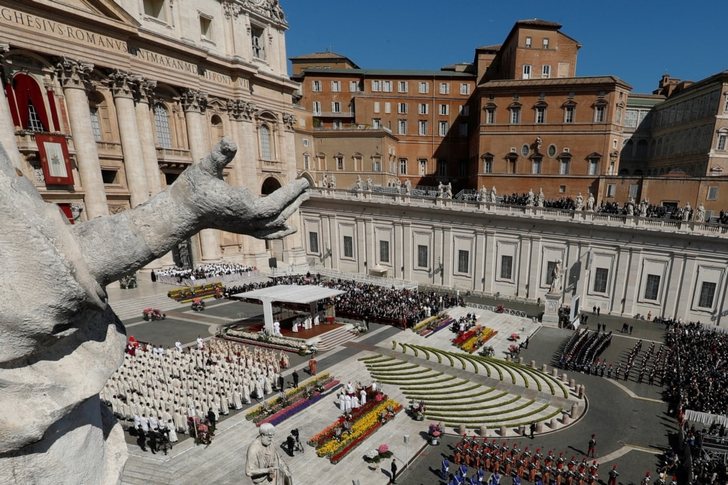
The Catholic Church in Rome hid more than 3,000 Jews from ...
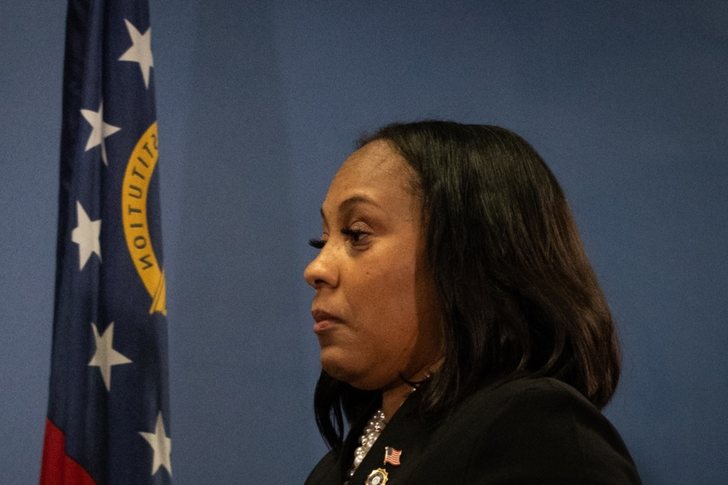
The Georgia prosecutor who has indicted former President D...

US company Microsoft said on Thursday it has identified a ...
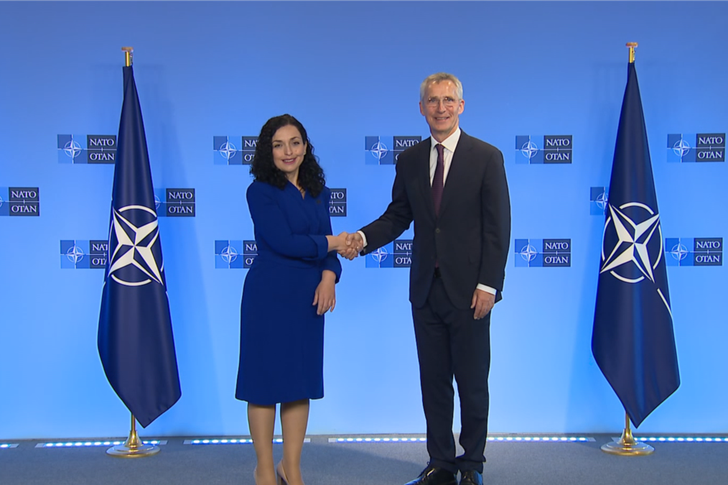
NATO Secretary General Jens Stoltenberg said on Thursday t...
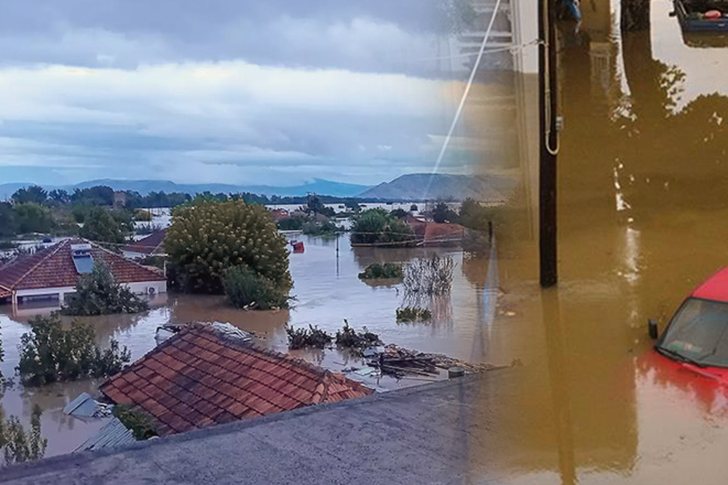
The death toll in Greece is increasing over time. The med...
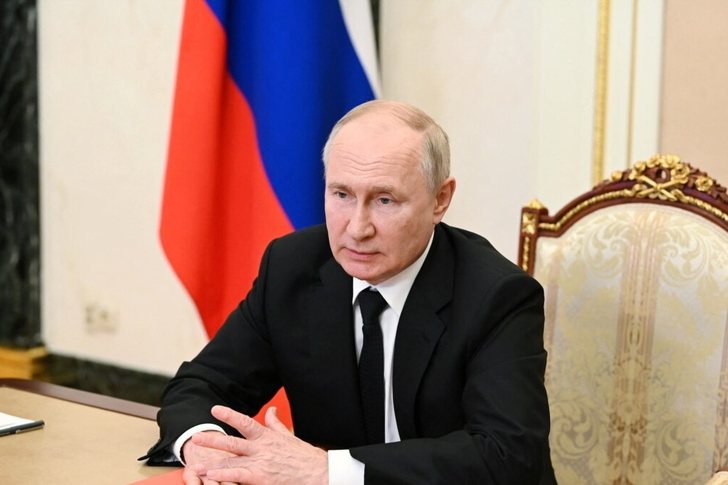
Russian President Vladimir Putin does not plan to atte...
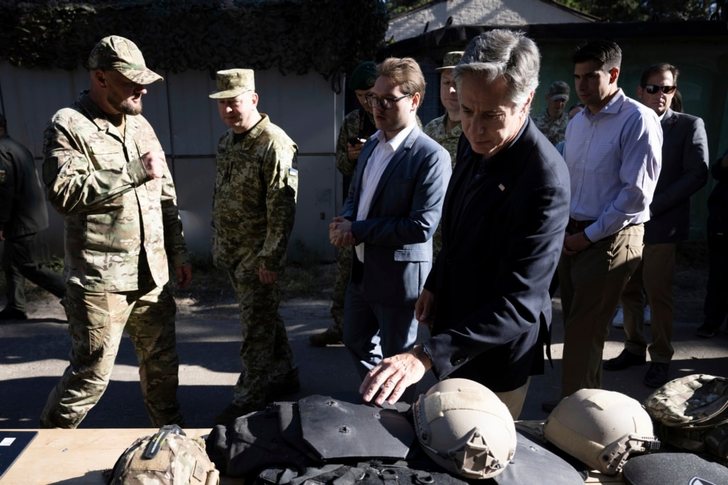
Secretary Antony Blinken continued his visit to Ukraine on...
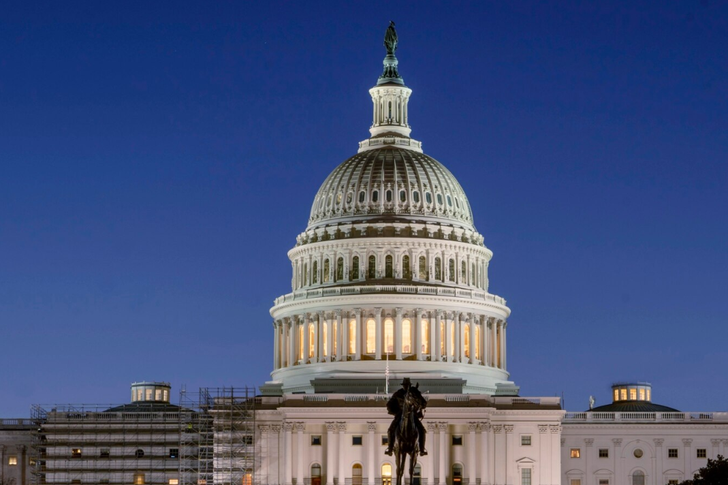
US lawmakers, who returned from their month-long summer br...
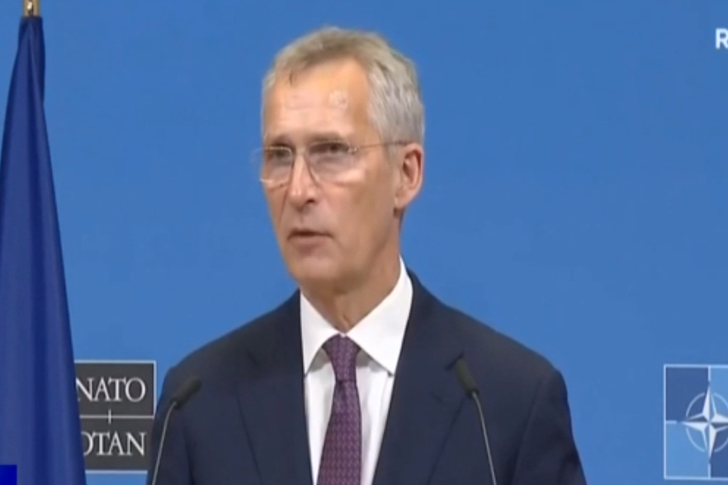
NATO Secretary General Jens Stoltenberg and Kosovo Preside...
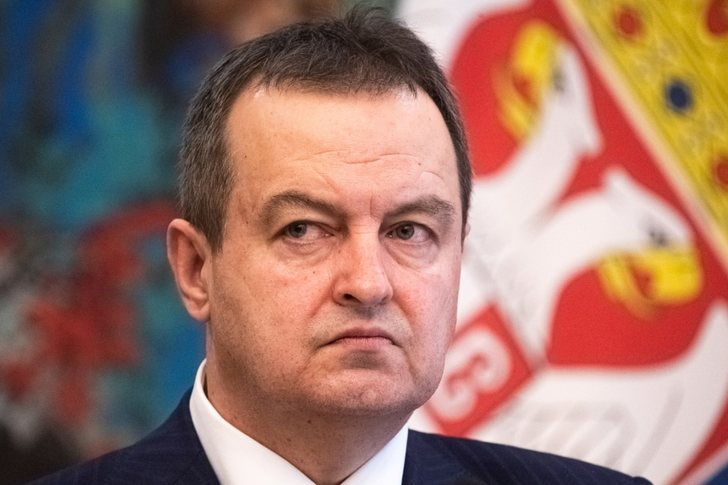
The Serbian Minister of Foreign Affairs, Ivica Dacic, said...
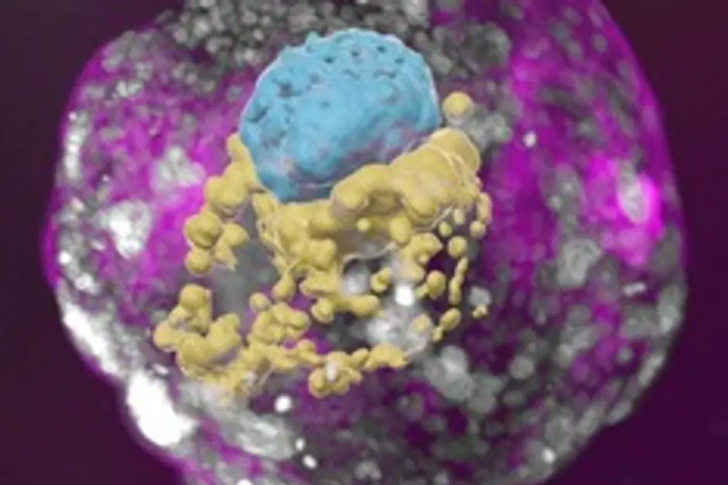
Scientists have achieved human embryo-like structures with...
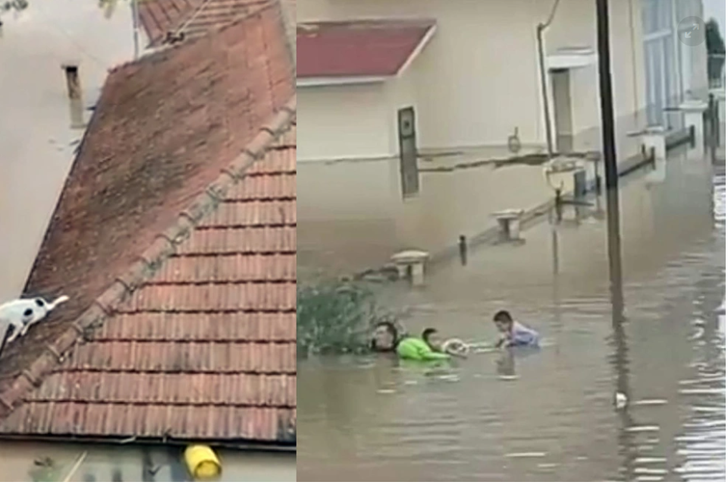
The situation in Greece caused by the floods seems serious...

The internationally famous Albanian artist, Rita Ora, will...
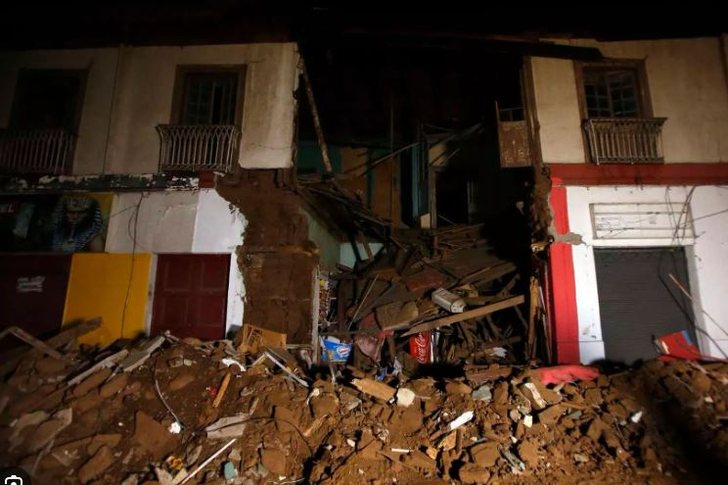
A powerful earthquake with a magnitude of 6.2 has struck t...
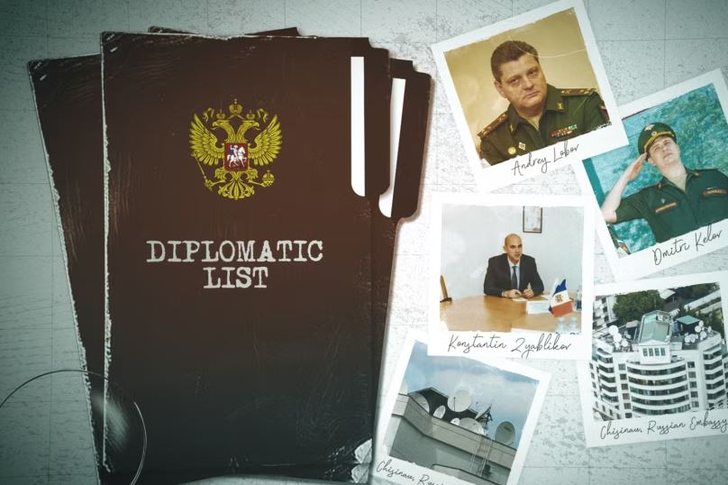
In August, Moldova expelled 35 Russian diplomats and embas...
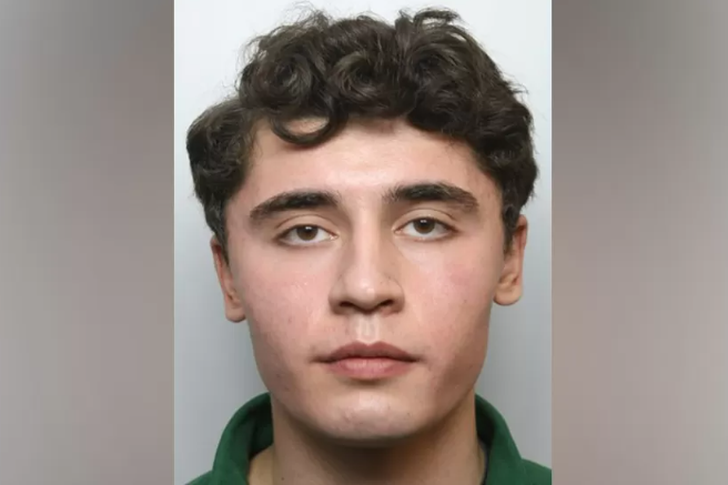
A former soldier suspected of terrorist offenses escaped f...
A 39-year-old citizen has been arrested in Lezha, after se...

CNA has launched another investigation that could lead to ...

Irfan Hysenbelliu is a businessman that we call "Irfan the...

In March 2026, CNA launched another investigation centered...

The Special Board of Appeal (KPA) decided this Monday ...

The KPA vetting decided this Thursday to dismiss the p...

Suela Salavaçi, a prosecutor in the Prosecutor's Offic...

The Special Board of Appeal reinstated the prosecutor ...
Several gunshots were reported today in the village of Gjo...

Following the successive operations carried out by the ope...
The Police Supervision Agency has seized the service weapo...
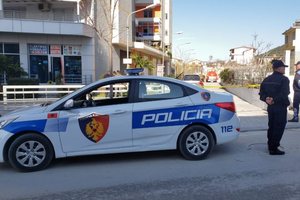
A serious incident occurred in Lushnje, where citizen IY, ...
As the year 2026 is in its second half, the world is exper...
Today, our country will be under the influence of stable a...

By noon, cloudiness is expected to prevail in almost all o...

Children without parental care, for whom alternative famil...
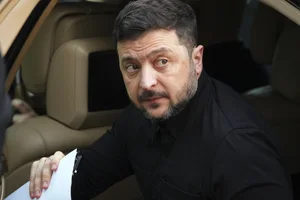
Ukrainian President Volodymyr Zelensky said Russia wants t...
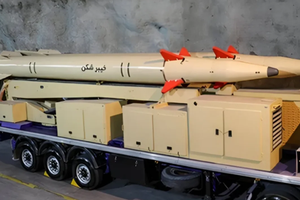
Iran is adapting and enhancing the capabilities of its bal...
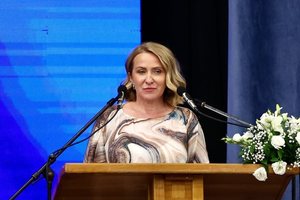
Serbia's Minister of State Administration and Local Self-G...
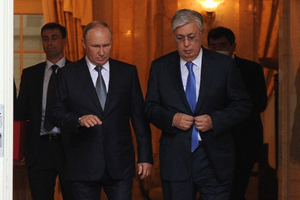
Kazakh President Kassym-Jomart Tokayev shared some critici...
Two windows, a century of history and the metaphysics of p...
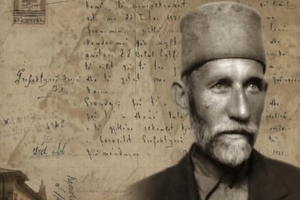
In my research at the Central State Archives, specifically...

At a time when industrial products are increasingly taking...

Trust among people is not just a three-syllable word. It c...
This Saturday, one US dollar is bought for 81.7 lek and so...
War, weather and supply disruptions could send gas prices ...
The number of active enterprises in Albania continued to g...
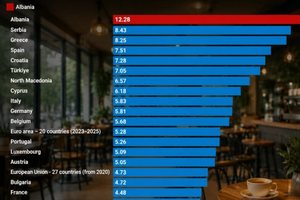
In Albania, the bar-cafe has long become an almost unique ...