

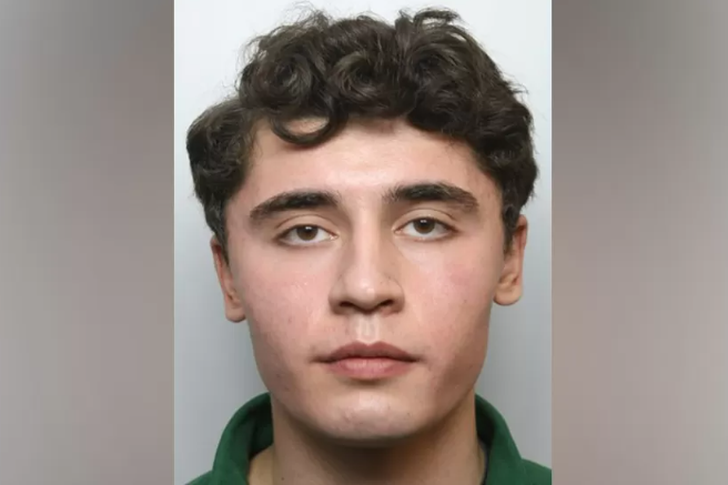
Terrorist escapes from prison/ British authorities appeal to citizens: Listen!
A former soldier suspected of terrorist offenses escaped f...


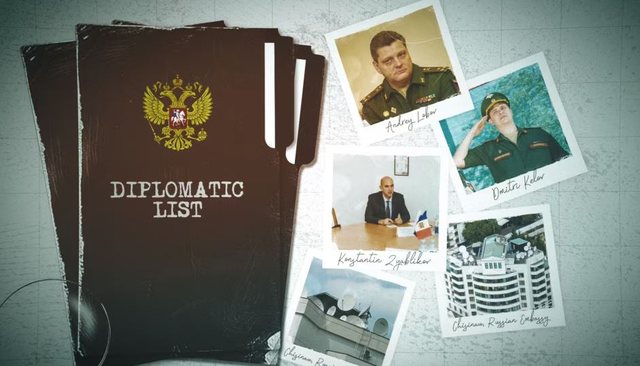
In August, Moldova expelled 35 Russian diplomats and embassy members, citing fears that Moscow is trying to "destabilize" the country, after media investigations found an "excessive" number of antennas on top of the embassy building.
But diplomats linked to Russian intelligence are among the reduced staff left at Russia's Embassy in Moldova, following mass expulsions, new research by Radio Free Europe's Moldovan Service has found.
At least two of these diplomats are linked to the Federal Security Service (FSB), Russia's powerful domestic intelligence agency, while two others are linked to addresses in Moscow for Russia's military intelligence directorate. Known as the GRU, this organization has been involved in poisonings and sabotage across Europe, according to government records reviewed by REL.
The logs come from a string of official databases released online thanks to the Russian data-sharing marketplace, which has helped unmask suspects in a number of Russian intelligence operations in recent years. They include Russian vehicles, employment, passports and credit cards dating back a decade.
Russian diplomats at the FSB-affiliated Chisinau Embassy include two first secretaries – senior Russian officials of diplomatic rank – while the military attaché and his assistant are registered at addresses used by the GRU, according to leaked records.
REL research findings show how Russia is continuing to appoint personnel with intelligence backgrounds to its European embassies, despite efforts by EU states to reduce the number of Russian spies working under diplomatic cover after the invasion of Ukraine in full scale by Russian President Vladimir Putin in February 2022.
An REL investigation in March found that at least three Russian diplomats who had been expelled or blacklisted by EU member states, some of whom cited espionage by suspended envoys, had resurfaced. as Russian diplomats accredited in Serbia.
Asked about the REL's findings, Moldova's Foreign Ministry said on September 5 that the Government has taken "several strong and necessary steps to combat the destabilizing actions of the Russian Federation against our country," including limiting diplomatic presence. of Moscow in response to "unfriendly actions...including in the context of suspicions about possible espionage actions".
The Russian Embassy in Chisinau has not responded to questions about the REL research findings by the time of this writing.
Since Moldova's independence from the Soviet Union in 1991, Moscow has continued to exert great influence over the small country of 2.6 million, particularly by exploiting Moldova's traditional dependence on Russian energy. Since the invasion of Ukraine in 2022, Moldova has made moves to weaken its dependence on Russian gas and has repeatedly condemned the Kremlin's aggression, accepting more than 100,000 Ukrainian refugees.
Moscow still has 1,000 troops stationed in Moldova's breakaway region of Transnistria, ostensibly as peacekeepers after separatists backed by Chisinau and Russia fought a brief but bloody war in 1992 that turned into a frozen conflict after Russia's intervention on the side of the rebels.
FSB addresses and GRU housing
Diplomatic lists provided by Moldova's Foreign Ministry show that only 10 accredited diplomats remain at the Russian Embassy in Chisinau following the August expulsions.
Among them are two secretaries, Noris Suchilin and Konstantin Zyablikov, both of whom have former FSB-related addresses in Moscow, according to leaked Russian government records seen by REL.
According to the car records from 2019, Suchilin had the address "Dobrolyubova Proyezd 3a" in the northeast of Moscow. That building was in the past the registered address of FSHS military unit number 93544 and now as an FSB training center.
Other Government records from 2010 to 2015 show that Zybalikov's registered address in Moscow was "Bolshaya Lybyanka 2", the former offices of the notorious former Soviet KGB service, which now serve as the offices of the FSB. Zybalikov's workplace in many leaked records is unit number 14057, the FSB's military counterintelligence directorate in the Moscow Military District.
Registration of FSB employees at the agency's facilities is common practice in Russia. Zyablikov was among hundreds of individuals that Ukraine's military intelligence directorate publicly indicated in March 2022 were FSB employees registered at the agency's Moscow offices and participating in "criminal activities" in Europe on behalf of Russia.
Attaché and his assistant
Meanwhile, leaked government records also revealed possible GRU ties to the Russian military attaché and his aide at the Chisinau Embassy. Car records for attaché Andrei Lobov, who was accredited to the Embassy in 2011, show his address as "Narodnogo Opolcheniya 48" in northwest Moscow.
In a contract with a company that provided services for the building where Lobov was registered, it was stated that the building was for housing the Russian military, and the same building was home to a maintenance company associated with military unit number 22177.
Multiple sources, including a Russian court record obtained by REL, have identified the unit as the Russian Defense Ministry's Military Academy, which is responsible for training Russian military intelligence operatives.
Car records for a suspected GRU officer deported from the Netherlands in 2018 after operating there under diplomatic cover show his links to unit number 22177.
Russian military attachés have been caught up in espionage scandals in many European countries in recent years, including Bulgaria and the United Kingdom.
The Dossier Center reported that, based on a 2011 directive, the GRU masked the personal data of the children of Russian spies who lived in the building on Marshal Biryuzov Street, moving their birth dates far back. As a result, some of the children were registered as born 100 years ago.
REL has reviewed Russian state pension fund records for the building and confirmed that many of its residents were registered as born more than a century ago.
Information leaked from the car registry showed that the previous address of Dmitri Kelov, Lobov's aide at the Chisinau Embassy, ??was "Marshal Biryuzov 4" in northwest Moscow. According to the Dossier Center, a research group funded by Russian tycoon and Kremlin foe Mikhail Khodorkovsky, that building was used to house GRU operatives, including Anatoly Chepingan, the agent accused of poisoning former Russian spy Sergei Skripal, and daughter his in 2018 in Great Britain.
In November 2011, Kelovi joined the Russian delegation to the Joint Control Commission, a tripartite Moldovan-Transnistrian-Russian body tasked with maintaining peace in the breakaway region.
In photos published by the Transnistrian news website Novosti Pridnestrovia, Kelov is seen next to Dmitry Zelenkov, the head of the operational group of Russian troops stationed on the left side of the Dniester River.
Other Russian diplomats still in Moldova have ties to the Russian military, including the Embassy's commercial representative, Vladislav Darvai, who was born in Tiraspol, the capital of the Transnistrian region. Leaked government records from 2011 to 2012 show Darvai's registered address was at a dormitory at 53 Sadovnicheskaya Street, which has been used by multiple entities controlled by the Russian military and is also a registered address. of the Russian state defense and procurement agency, Garrison.
One of the diplomats cited in the July investigation by Latvia-based Russian news portal The Insider and Moldova's Jurnal TV into antennae on Russian Embassy rooftops was Vladimir Gorokhov, an attaché who was accredited by the Foreign Ministry. of Moldova in July 2021. According to research, Gorokhov was seen very often at the height of the Embassy.
Gorokhov was not among dozens of diplomats and embassy members who fled Moldova in August after Chisinau ordered the embassy to limit its diplomatic presence in the country. He still holds the post in the Moldovan capital, according to the latest diplomatic list of the Ministry of Foreign Affairs of Moldova.
After being summoned by the Moldovan Foreign Ministry after the July investigation, the Russian ambassador to Moldova, Oleg Vasnetsov, who remained in the position, argued that the antennas were installed during the construction of the Embassy in the late 1990s, when the telephone network and the Internet were very weak in Moldova.
"The so-called espionage scandal is simply a justification to implement a decision taken long ago, to limit the diplomatic staff," Vasnetsov said at the time./ REL

A former soldier suspected of terrorist offenses escaped f...
China's workers have long been known for long hours at the...
The US will provide depleted uranium anti-tank shells to U...
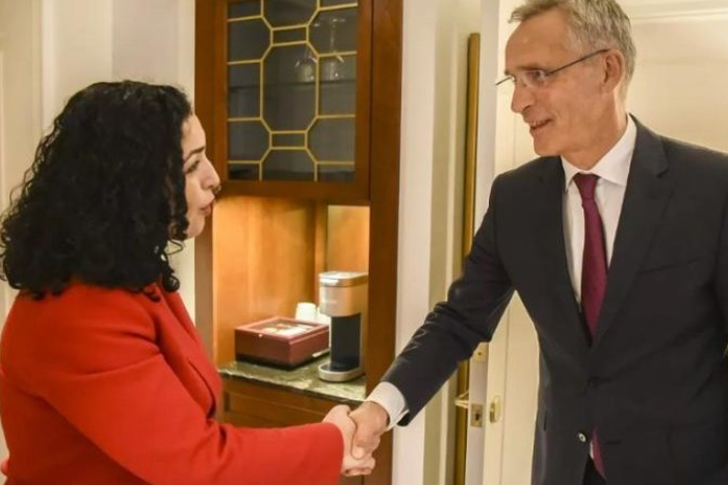
The President of Kosovo, Vjosa Osmani is in Brussels. Osm...
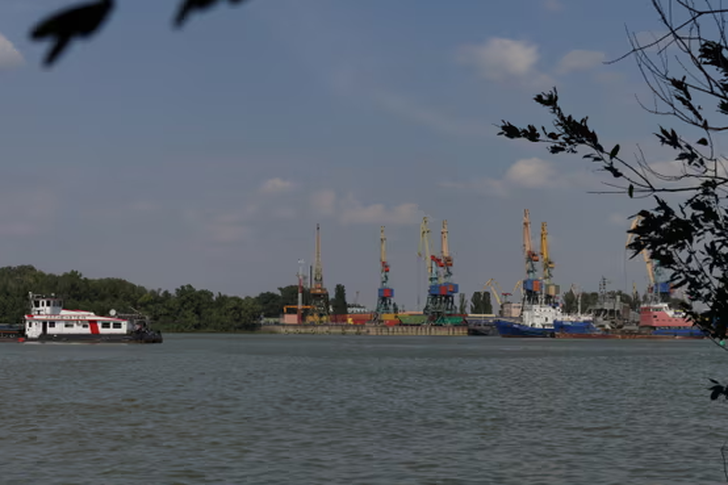
NATO has said it stands in "strong solidarity" with Romani...
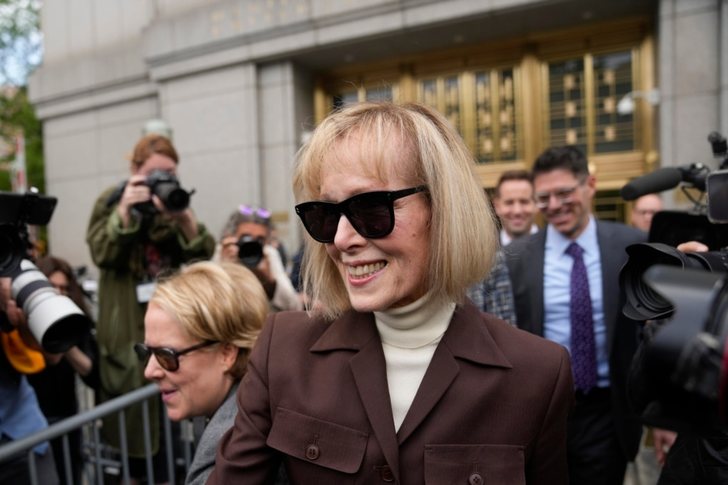
Four months after a jury ruled that former President Donal...
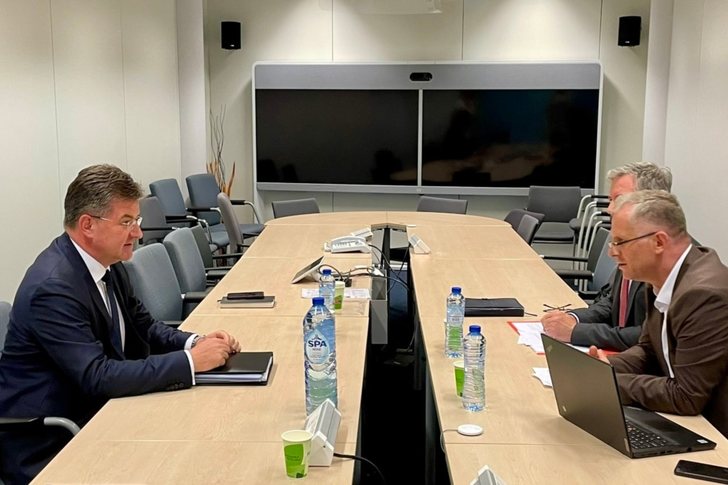
The European Union's special envoy for dialogue, Miros...
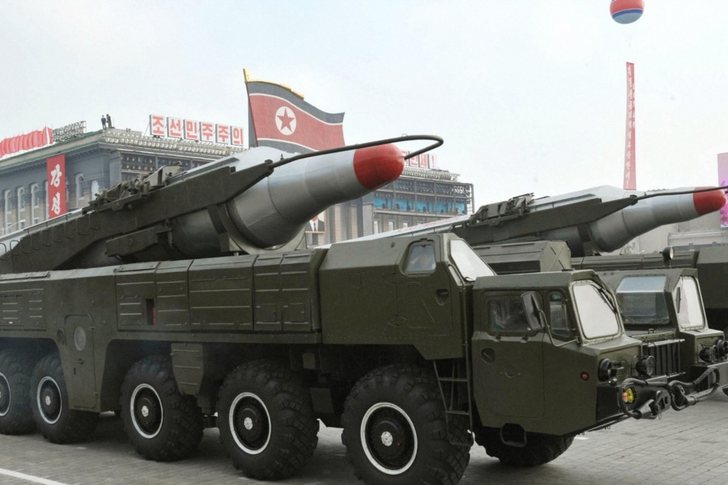
The White House warned on September 5 that North Korea wil...
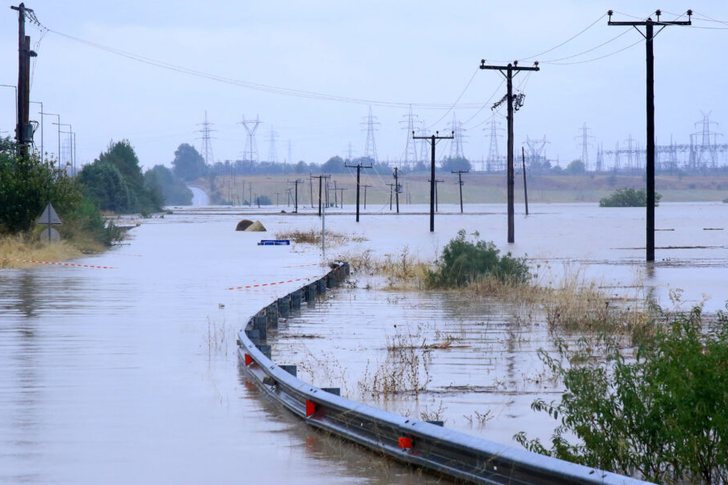
In Greece, the number of victims has deepened due to flood...
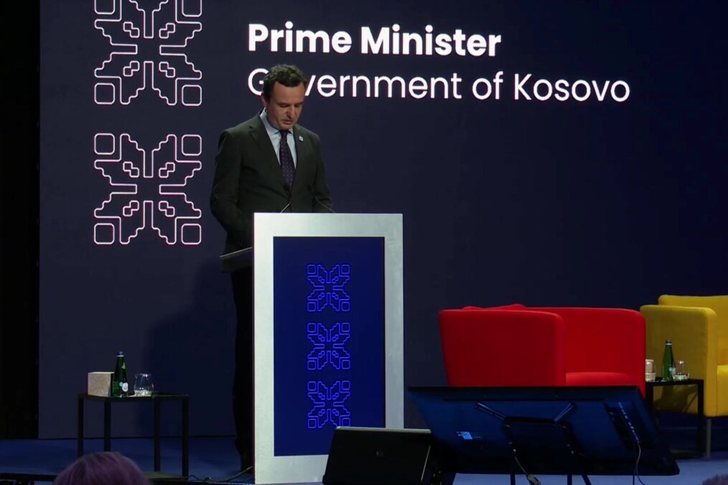
The Prime Minister of Kosovo, Albin Kurti, accused on ...
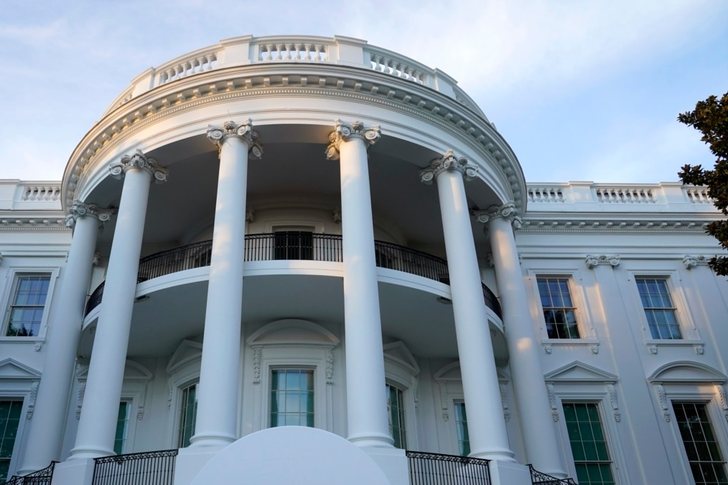
The United States expressed concern over the possibility o...
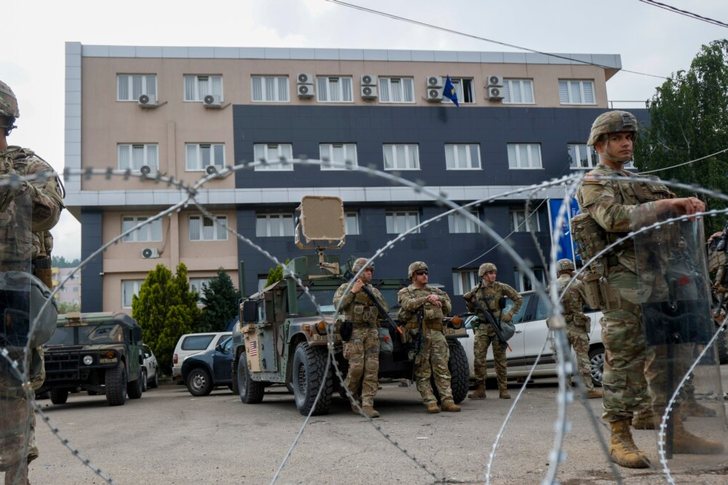
The situation in Kosovo continues to be "very unstable" al...
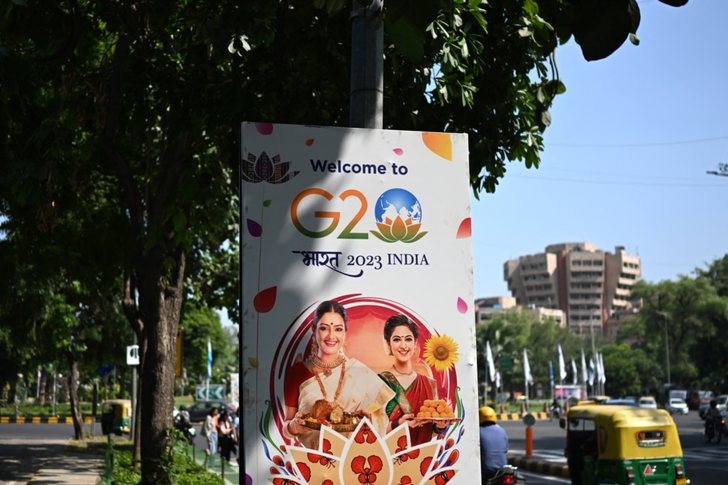
President Biden is visiting India this week, alongside lea...
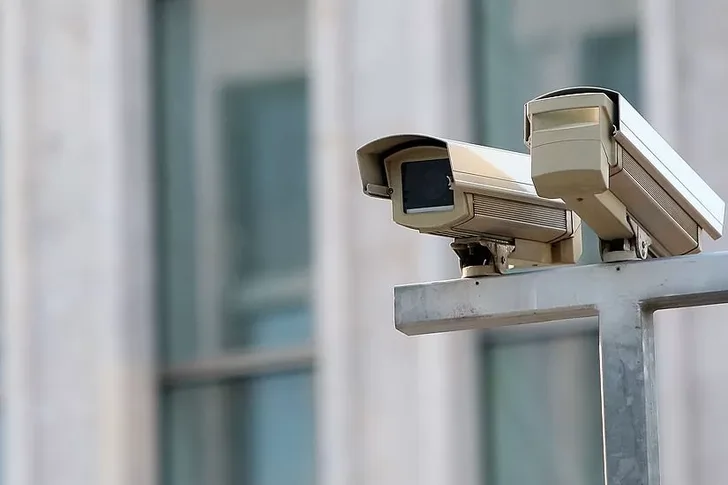
A senior German intelligence officer, Carsten L., has been...
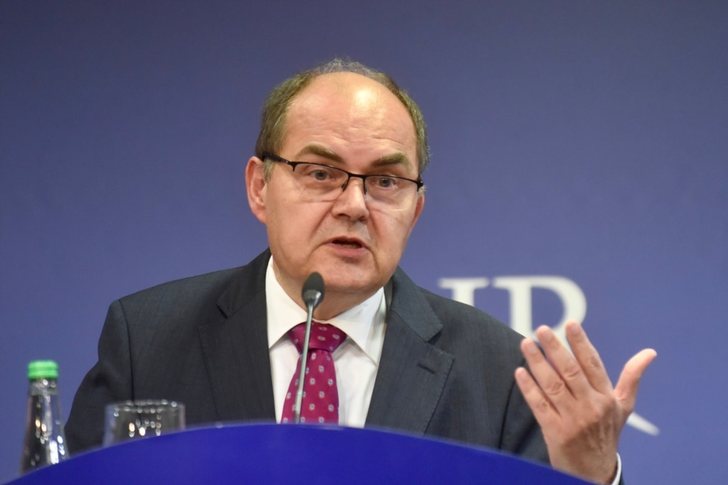
The president of the Republika Srpska entity, Milorad ...
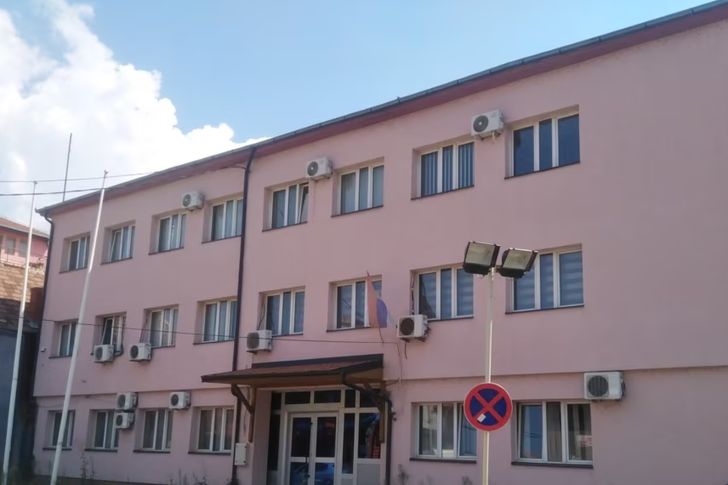
Lista Serbe announced that the four Serbian institutio...
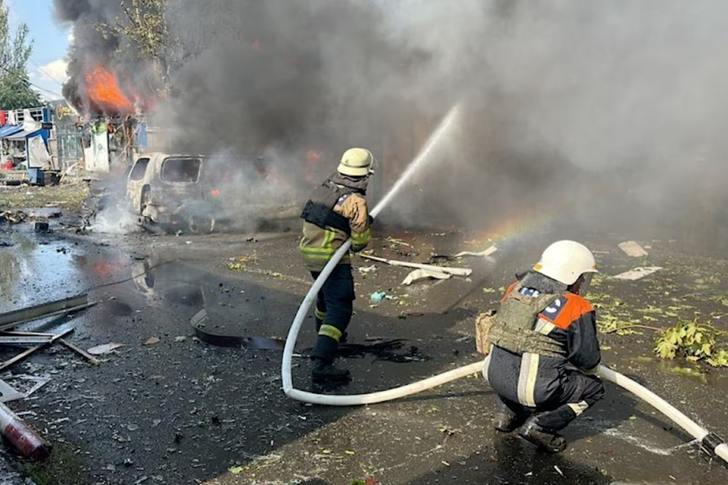
At least 16 people, including children, were killed Wednes...
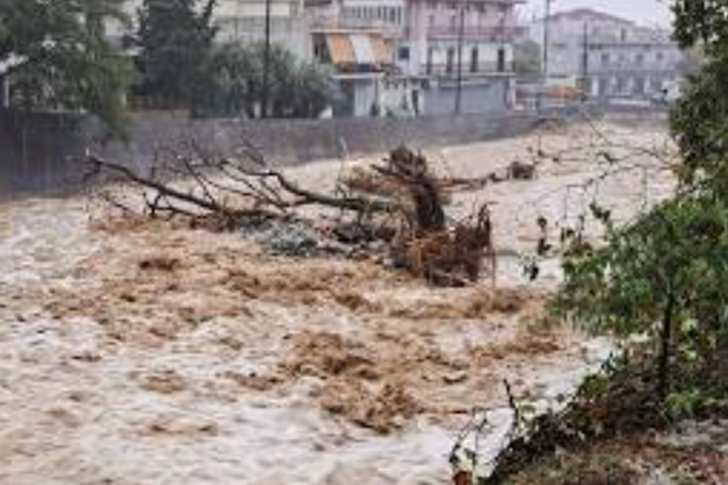
At least two people died and three were missing on Wednesd...
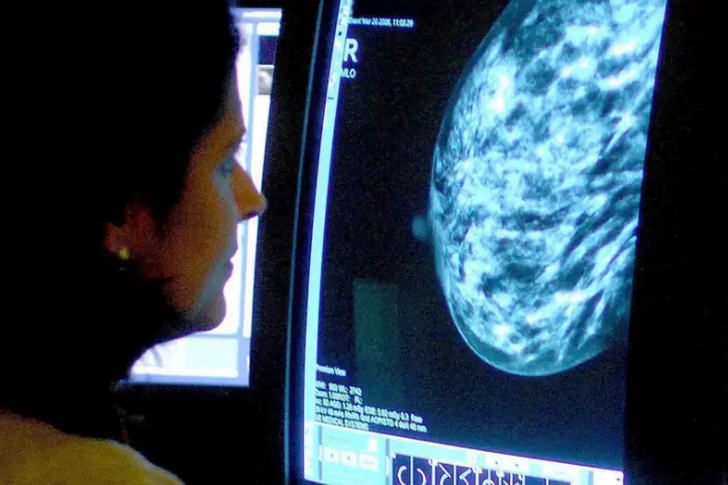
The number of people aged 50 and under diagnosed with canc...

Astronomers have found possible evidence of an Earth-like ...
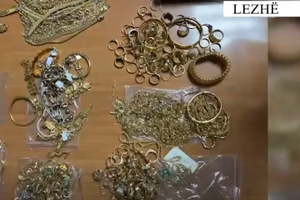
A 39-year-old citizen has been arrested in Lezha, after se...

CNA has launched another investigation that could lead to ...

Irfan Hysenbelliu is a businessman that we call "Irfan the...

In March 2026, CNA launched another investigation centered...

The Special Board of Appeal (KPA) decided this Monday ...

The KPA vetting decided this Thursday to dismiss the p...

Suela Salavaçi, a prosecutor in the Prosecutor's Offic...

The Special Board of Appeal reinstated the prosecutor ...
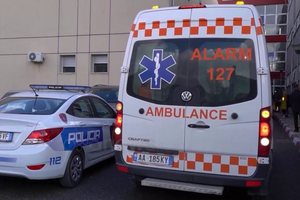
Several gunshots were reported today in the village of Gjo...
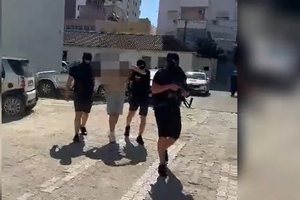
Following the successive operations carried out by the ope...
The Police Supervision Agency has seized the service weapo...
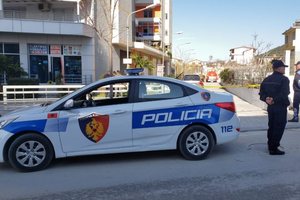
A serious incident occurred in Lushnje, where citizen IY, ...

As the year 2026 is in its second half, the world is exper...

Today, our country will be under the influence of stable a...

By noon, cloudiness is expected to prevail in almost all o...

Children without parental care, for whom alternative famil...
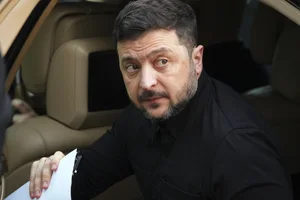
Ukrainian President Volodymyr Zelensky said Russia wants t...
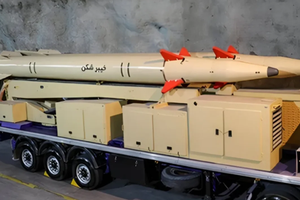
Iran is adapting and enhancing the capabilities of its bal...
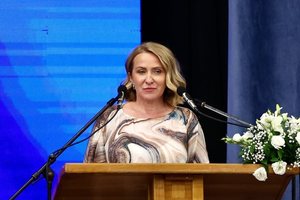
Serbia's Minister of State Administration and Local Self-G...
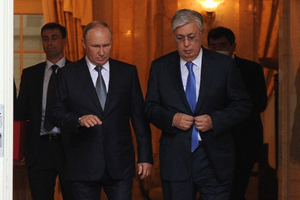
Kazakh President Kassym-Jomart Tokayev shared some critici...
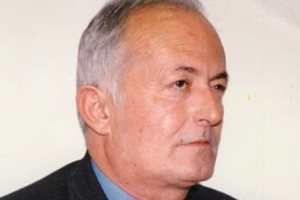
Two windows, a century of history and the metaphysics of p...
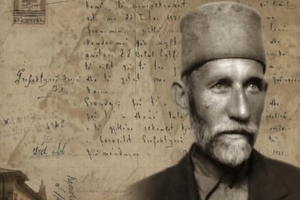
In my research at the Central State Archives, specifically...

At a time when industrial products are increasingly taking...

Trust among people is not just a three-syllable word. It c...

This Saturday, one US dollar is bought for 81.7 lek and so...

War, weather and supply disruptions could send gas prices ...
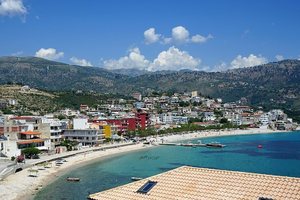
The number of active enterprises in Albania continued to g...
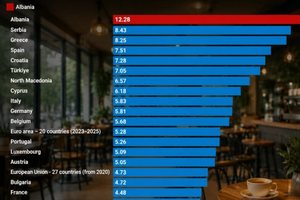
In Albania, the bar-cafe has long become an almost unique ...