

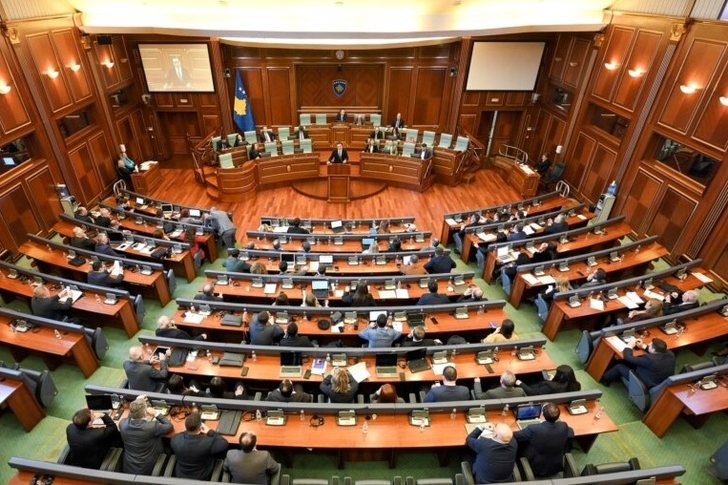
The last attempt to constitute the Assembly
The deputies of the Assembly of Kosovo gather today for th...


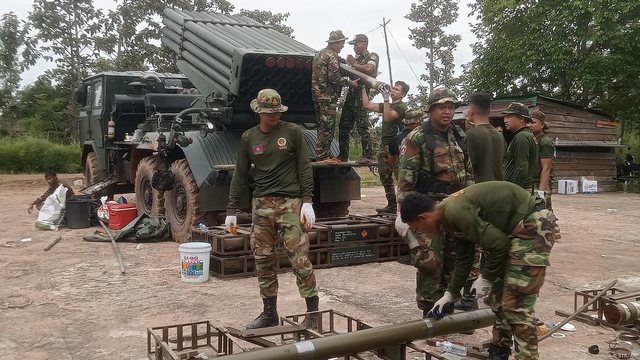
Cambodia and Thailand have a history of sporadic conflict. The two countries share a long, forested border with areas claimed by both sides. There have been serious exchanges of fire in the past - in 2008 and 2011, clashes on a similar scale saw 40 people killed. However, these calmed down relatively quickly. Even more recently, in May this year, after an incident in which a Cambodian soldier was killed, both sides seemed eager to prevent more violence, with meetings between army commanders from each country aimed at easing tensions. But on Thursday, it erupted. Thai authorities said at least 15 people, all but one civilian, had been killed so far, as fighting continued on Friday.
At least one civilian has been killed in Cambodia, provincial authorities said. Why has this particular border clash — which began after five Thai soldiers were injured in a landmine explosion on Wednesday — escalated into something so much bigger? Relations between the two countries soured significantly last month when Cambodia’s top leader, Hun Sen, deeply embarrassed Thai Prime Minister Paetongtarn Shinawatra by releasing a phone conversation between them about the disputed border. During the conversation, Paetongtarn called him “uncle” and criticized one of her military commanders, sparking public outrage. She has since been suspended from her post as prime minister, and Thailand’s Constitutional Court is considering a petition to impeach her. It is not clear why Hun Sen chose to do this, ending a close personal relationship between their two families that dates back decades. Many have blamed Paetongtarn for her conversation with Hun Sen. She seemed to believe she could resolve their differences by referring to his friendship with her father, former Prime Minister Thaksin Shinawatra. In the past, this friendship was used by Thaksin's opponents to accuse him of putting Cambodia's interests above those of Thailand.
In 2014, when a government led by Thaksin’s sister, Yingluck, was overthrown in a military coup, Hun Sen allowed dozens of his supporters to seek refuge in Cambodia. The two countries have also cooperated in darker areas. Last November, Thailand sent six Cambodian dissidents, along with a young child, back to Cambodia, where they were promptly imprisoned. All were recognized by the United Nations as refugees. In 2020, a young Thai activist who had fled to Cambodia, Wanchalerm Satsaksit, was abducted and disappeared, allegedly by Thai operatives. And the killing in January of a Cambodian opposition leader in broad daylight in central Bangkok was also seen by activists as a result of this understanding between the two countries’ security services. Against this backdrop, the publication of Paetongtarn's conversation appears to have caught the Shinawatra family completely by surprise.
The responses from Thaksin and Paetongtarn reveal a sense of betrayal. This has led to an increasingly bitter war of words between the two countries, but it is more than just words. Thai police have also begun investigating powerful Cambodian business figures suspected of links to underworld gambling and fraud hubs, while billions of dollars worth of trade a year has been halted. On the border itself, there is an increased risk of more serious clashes between the two armies. But rather than retreat, Cambodia’s Hun Sen seems to have immediately seized the opportunity to ramp up his rhetoric against Thailand and the Shinawatra family in particular.
He claims to possess secret documents that would incriminate Thaksin — documents that he claims could even prove that he insulted the monarchy, a crime that carries a heavy prison sentence in Thailand. The Thai government responded by expelling the Cambodian ambassador on Wednesday and recalling its envoy, setting the stage for a final confrontation. For now, neither side seems ready to back down. In both countries, leadership with the strength and confidence to compromise is lacking. In Prime Minister Hun Sen, Cambodia has the inexperienced son of a former strongman who still lacks authority, while in his father Hun Sen, it also has a man who seems ready to drag this conflict further. On the Thai side, the shaky coalition government centered on Thaksin’s party is grappling with a stagnant economy and suffering from the threat of punitive U.S. tariffs. It cannot afford to show weakness in dealing with Cambodia. Cambodia is also facing a struggling economy. It never fully recovered from the pandemic, and tourism - a pillar of its economy - has suffered from the lack of Chinese visitors who stay away for fear of being kidnapped and forced to work in brothels.
And as with Thailand, there is now the threat of punishing US tariffs that will further impact the economy, but both countries have experienced politicians like Hun Sen and Thaksin who can almost certainly, when both are ready, find a way out of this situation. It will also remain to be seen whether other ASEAN members will step in and try to persuade both countries to de-escalate.
This was originally ASEAN’s main goal – to avoid conflict between its members – and it will be a priority for some ASEAN states at the moment to help these two countries resolve the conflict. What remains a mystery at this point, however, is why Hun Sen decided to burn that friendship and ignite this conflict. Perhaps it was Thailand’s decision to crack down on scam centers this year, or Thaksin’s ambition to legalize gambling, threatening Cambodia’s lucrative casino industry. Or perhaps it was something simpler: a Machiavellian move by one of Asia’s most cunning political survivors to abandon an ally in Thaksin, who has lost much of his influence in Thailand while at the same time polishing his nationalist credentials in the eyes of his own people.

The deputies of the Assembly of Kosovo gather today for th...

It's a debate that's shaking French society this summer. W...
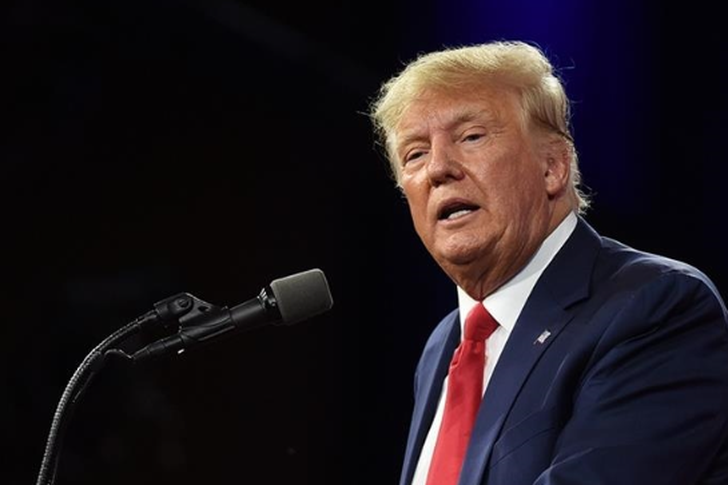
US President Donald Trump has planned to visit the headqua...
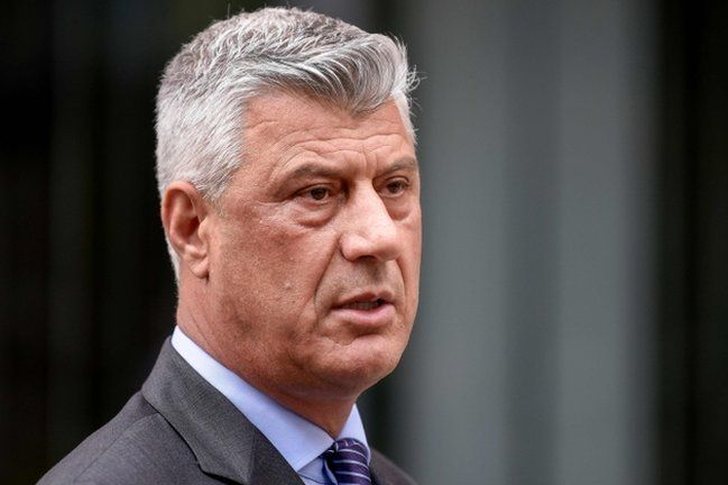
Former President of Kosovo, Hashim Thaçi, has spoken about...
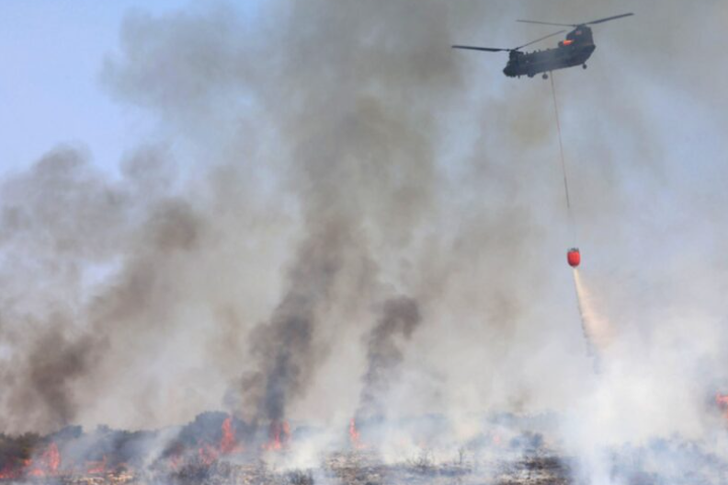
Five people have been hospitalized due to problems from th...
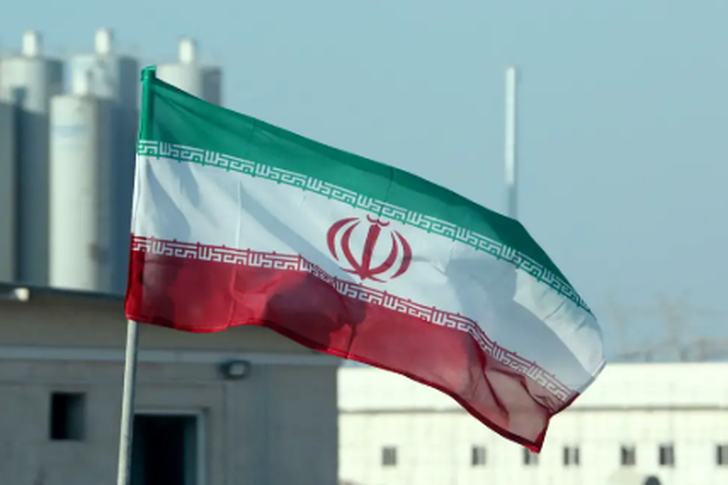
Iran is ready to engage in talks with the United States ov...
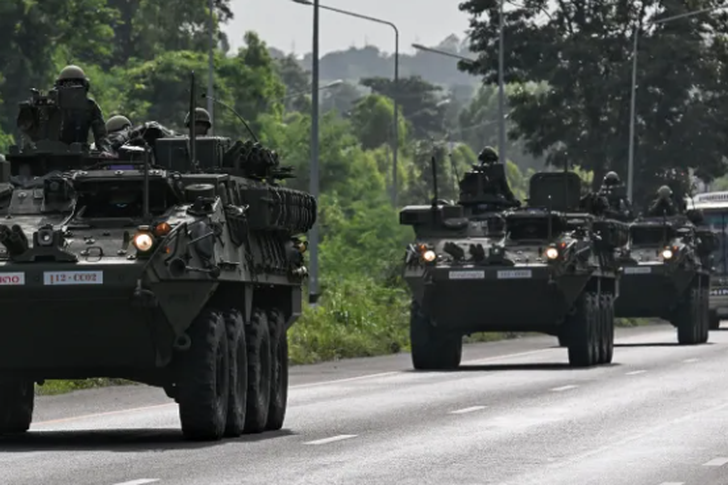
A Thai F-16 fighter jet has bombed targets in Cambodia as ...
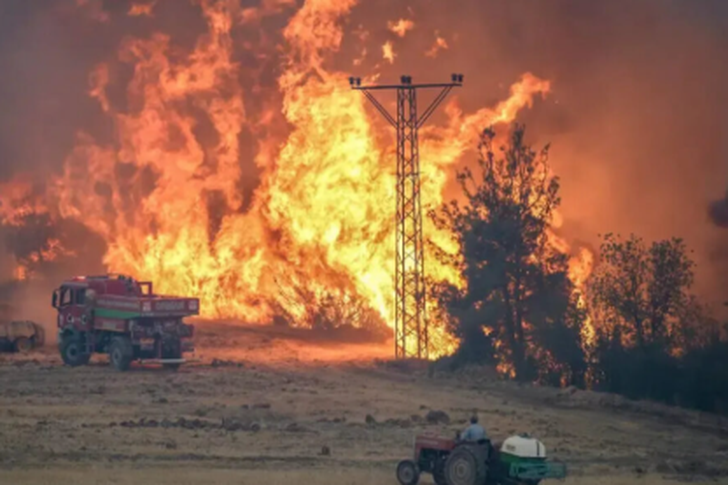
Ten people, including volunteers, lost their lives while f...
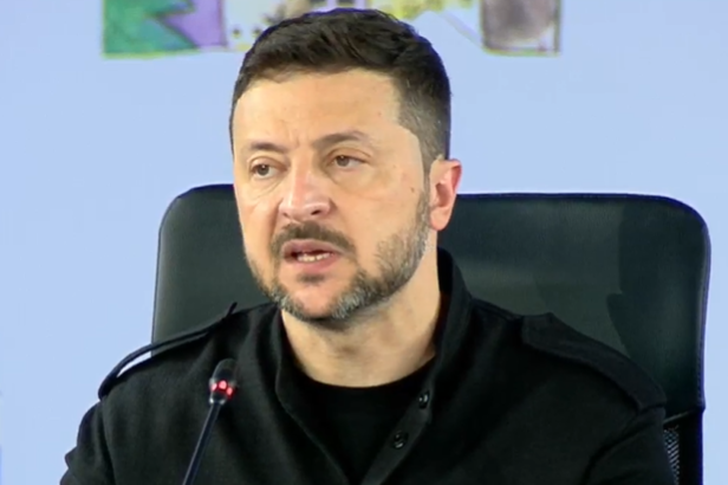
Anger and concern in Ukraine after Zelensky's changes to i...
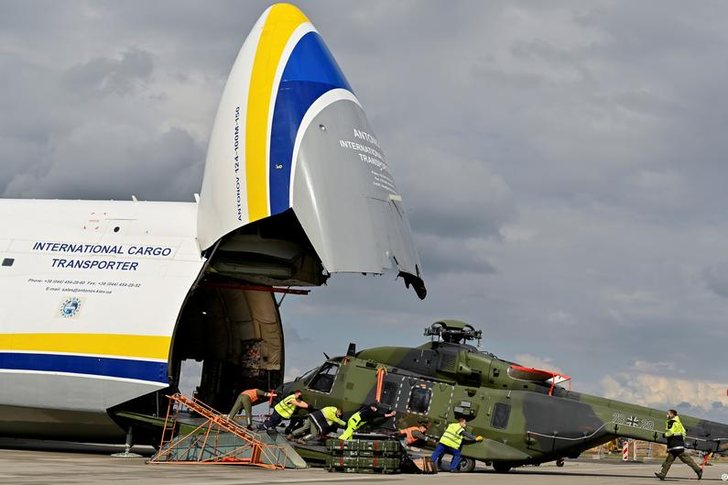
An Antonov An-24 passenger plane carrying about 50 people ...
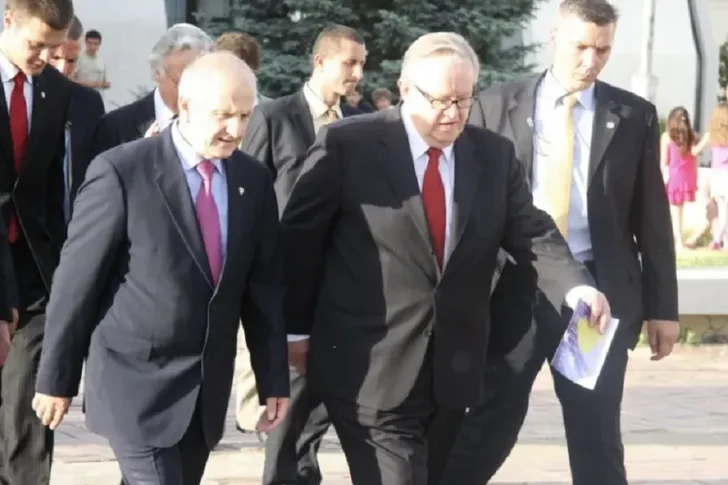
On July 24, 2006, a meeting of the highest officials of Ko...
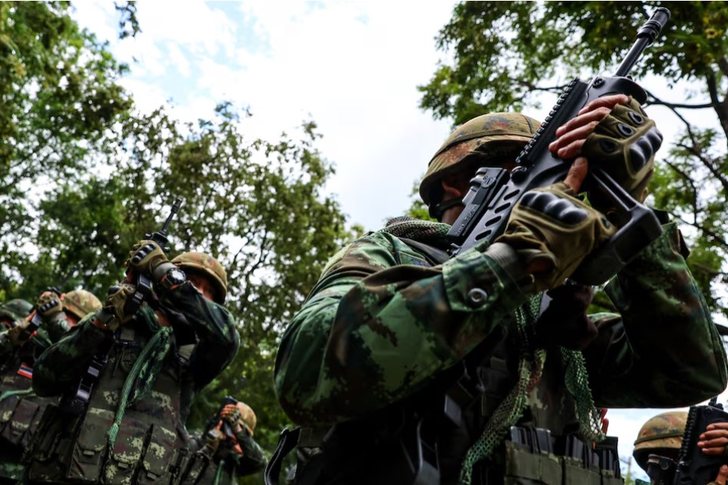
A Thai F-16 fighter jet bombed targets in Cambodia on Thur...
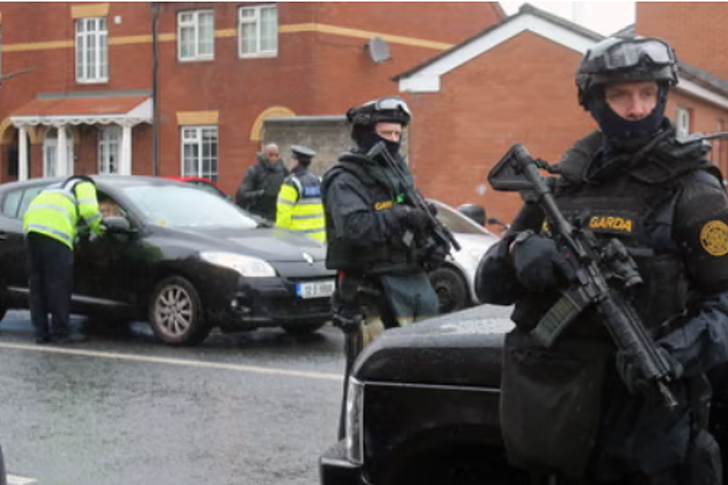
Irish authorities announced today that a shooting in North...
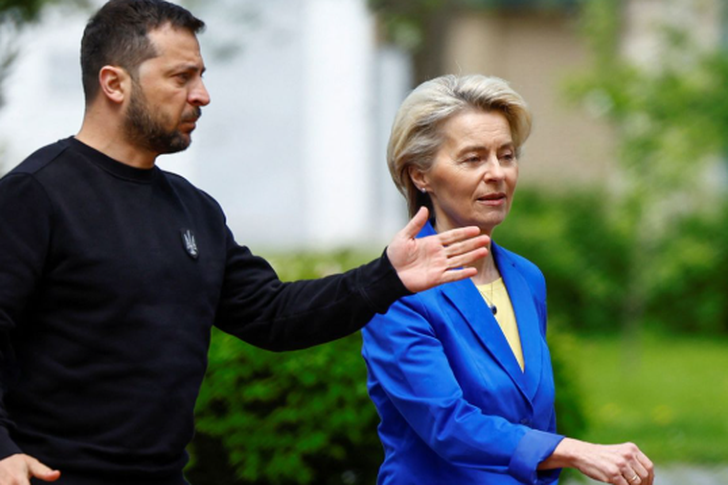
European Commission President Ursula von der Leyen has cal...
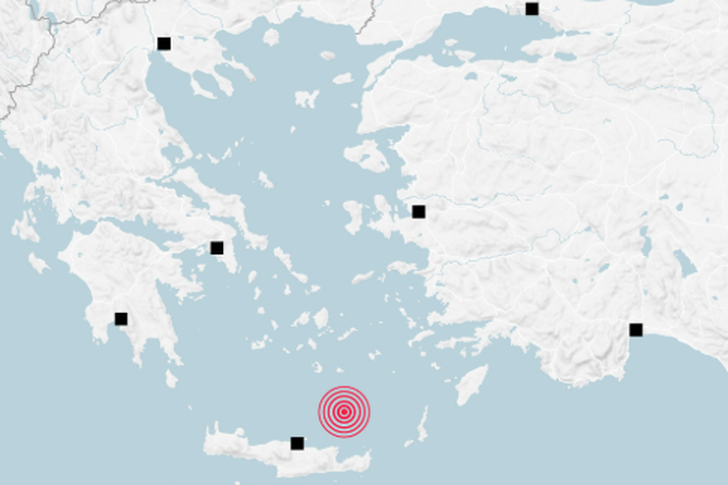
An earthquake with an epicenter west of Chania was felt on...
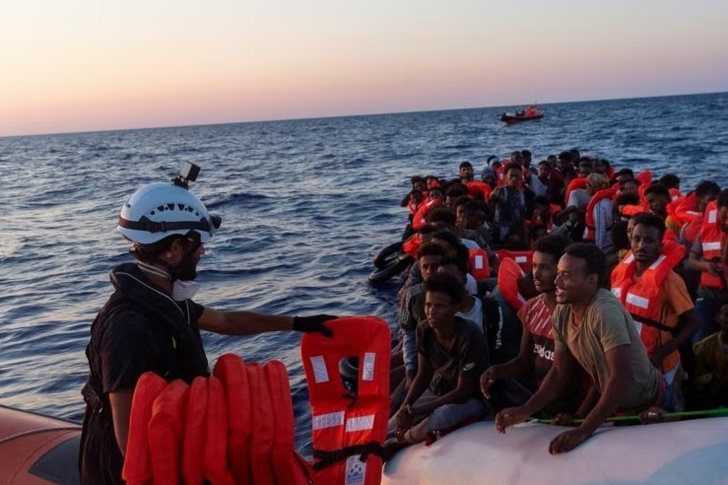
The United Kingdom has imposed its first package of sancti...
The chairman of the constitutive session, Avni Dehari, adj...
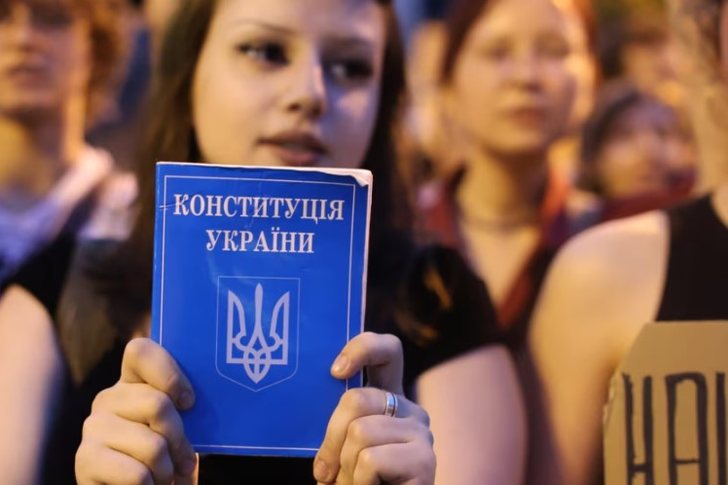
Ukrainian President Volodymyr Zelensky signed a law restri...
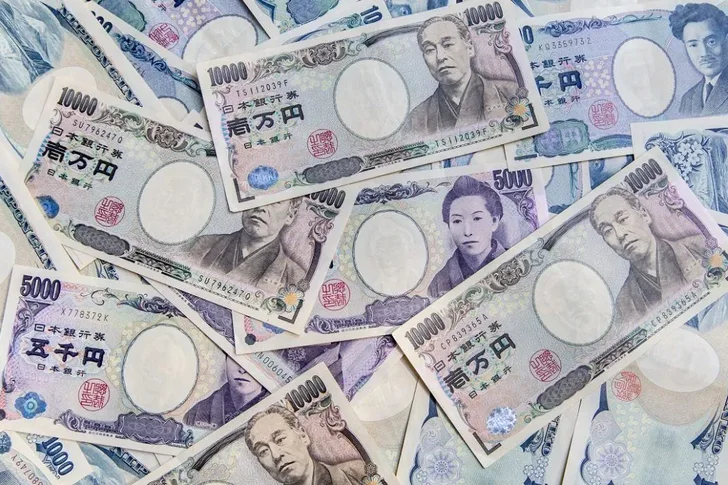
Bank of Japan Deputy Governor Shinichi Uchida spoke to the...
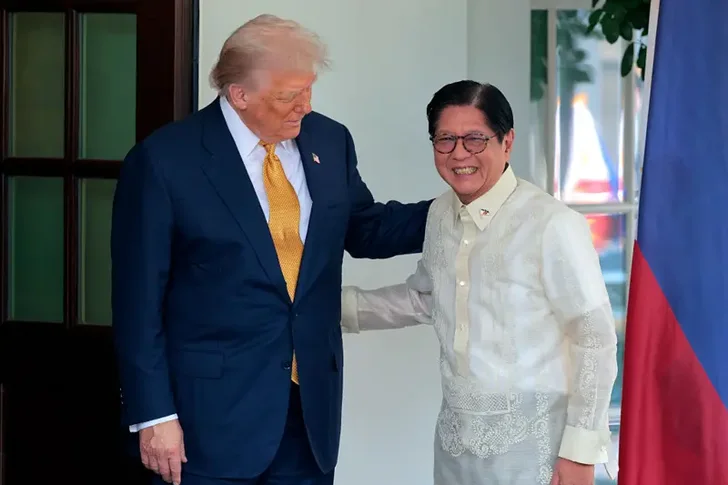
President Donald Trump said Tuesday that the U.S. and Japa...

CNA has launched another investigation that could lead to ...

Irfan Hysenbelliu is a businessman that we call "Irfan the...

In March 2026, CNA launched another investigation centered...
The arrested mayor of Tirana, Erion Veliaj, with 13 charge...

The Special Board of Appeal (KPA) decided this Monday ...

The KPA vetting decided this Thursday to dismiss the p...

Suela Salavaçi, a prosecutor in the Prosecutor's Offic...

The Special Board of Appeal reinstated the prosecutor ...
Footage emerges from the serious accident that occurred th...

A Shkodra traffic police officer was hit with hard objects...
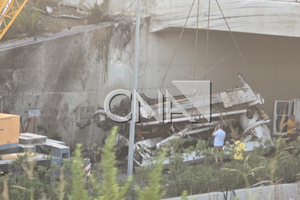
This Wednesday, around 4:00 PM, a serious accident occurre...

Tirana Police have shared details regarding the accident t...

On Thursday, our country will be under the influence of st...
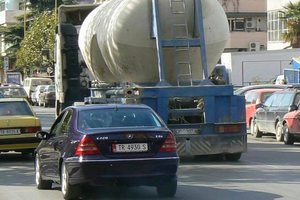
A serious accident that occurred this Wednesday with the c...

The Institute of Geosciences has shared a forecast for wea...
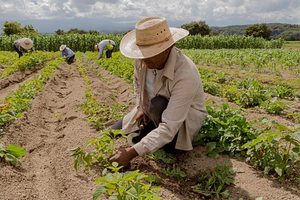
Rising energy and fertilizer prices are expected to contin...

Yemen's Houthis have claimed to have attacked two Saudi oi...
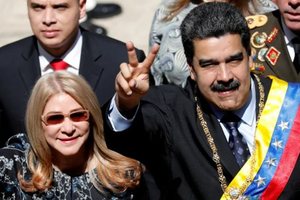
The trial of ousted Venezuelan President Nicolas Maduro on...
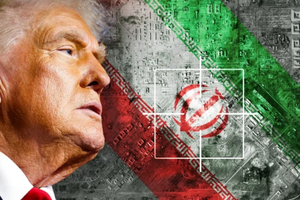
US President Donald Trump has issued another warning to Ir...
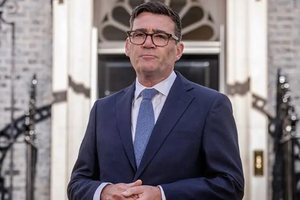
Prime Minister Andy Burnham has announced that most bus fa...

At a time when industrial products are increasingly taking...

Trust among people is not just a three-syllable word. It c...

Master of humor Todi Llupi has passed away at the age of 7...

The ninth edition of "MIK Festival" kicked off with one of...

The average sale price of apartments in Tirana reaches rec...

This Thursday, one US dollar is bought for 81.5 lek and so...

The price of diesel reached 206 lek per liter from 198 lek...

Businesses will no longer be required to simply register t...