

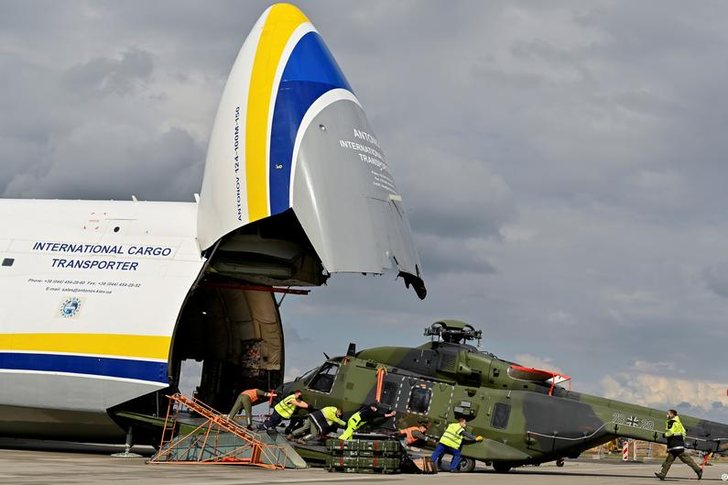
Plane with 50 people on board crashes in Russia/ No survivors reported
An Antonov An-24 passenger plane carrying about 50 people ...


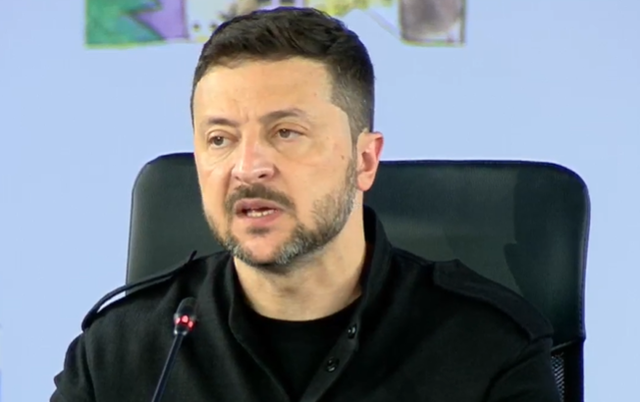
Anger and concern in Ukraine after Zelensky's changes to independent anti-corruption bodies, citizens protest in Kiev
All eyes are on Ukraine after the surprise decision of President Volodymyr Zelenskyy, who, in the midst of a war with Russia, quickly approved a new law that is said to undermine the independence of two anti-corruption agencies, the National Anti-Corruption Bureau of Ukraine (NABU) and the Specialized Anti-Corruption Prosecutor's Office (SAPO).
This law, passed within days of its introduction, shocked Ukrainians who immediately rose up in protests against the seizure of justice by the executive branch.
The Attorney General will now be allowed to select cases handled by NABU and SAPO and reassign them to other state entities, which critics say risks empowering the executive branch to influence and perhaps obstruct high-profile investigations. The Attorney General will also be able to issue written instructions to the agencies.
The fact that the parliamentary vote took place a day after security services raided the offices of NABU on charges of Russian espionage further fueled the anger. NABU was reportedly investigating close allies of the president for abuse of power and illicit enrichment.
Zelensky resisted domestic protests and criticism by passing the law. But the international community did not turn a blind eye to these developments in Ukraine.
Zelenskyy, who has gained widespread international support since the start of the war, is now facing accusations of usurping power and drifting toward authoritarianism. This attempt to take control of the two most important institutions in the fight against corruption has led the EU to turn against Zelenskyy.
Zelensky's move dealt a blow to the country's bid for EU membership, as the fight against corruption is a key condition. Over the past three years, the European Union has reaffirmed, time and again, its unwavering and comprehensive support for Ukraine. This promise was not just rhetoric. It translated into concrete assistance.
The European Union reacted immediately after the law was passed, turning against President Zelensky. Western diplomats expressed concern that the move undermines the independence of institutions and undermines a decade of efforts to build a fair and stable legal system.
Marta Kos, the European Commissioner for Enlargement, who is tasked with assessing the progress made by candidate countries, was the first to express her disapproval.
Diplomatic efforts to stop Zelenskyy included direct phone calls from European Commission President Ursula von der Leyen, who called Zelenskyy and demanded an explanation for the new initiative. French President Emmanuel Macron and European Council President António Costa did the same. Meanwhile, G7 ambassadors met with Kravchenko and the Ukrainian intelligence chief to express their concerns, but were surprisingly kept isolated for more than two hours without their phones, a move that one diplomat described as an attempt to “silence” them and delay communication with their diplomatic headquarters. Criticism came from all sides, including from the front lines.
Zelensky's attempt to bring anti-corruption institutions under control is resulting in the biggest political crisis since the start of the war with Russia.
Instead of strengthening the legitimacy of the state in times of war, this move has reignited fears that Ukraine could deviate from its path towards democracy and the rule of law.
Initially, Zelensky appeared defiant despite widespread criticism and protests.
"The anti-corruption infrastructure will function, only without Russian influence, it must be freed from it," the president said.
Zelensky also criticized anti-corruption agencies for their handling of cases, suggesting that oversight authorities were delaying some investigations.
But after the immediate and strong reaction of the West, Zelensky gave the first signs of withdrawing from the initiative to seize the executive branch, the power of the judicial institutions in the country. The pressure from the West, the endangerment of his power and political figure, together with the fear that it would damage the path of Ukraine's membership in the EU, made Zelensky reflect. It remains to be seen what the president's next steps will be, but he has not come out publicly to strongly defend the new law, realizing that the West on the one hand and the loss of popular support on the other, would be a fatal political blow for Zelensky./ CNA

An Antonov An-24 passenger plane carrying about 50 people ...
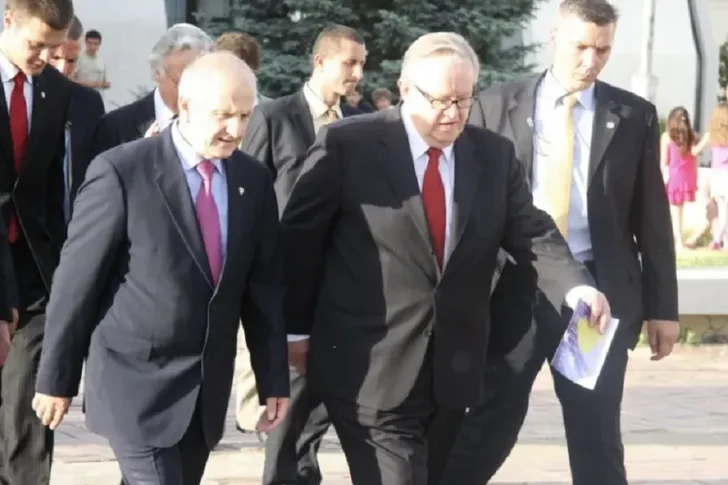
On July 24, 2006, a meeting of the highest officials of Ko...
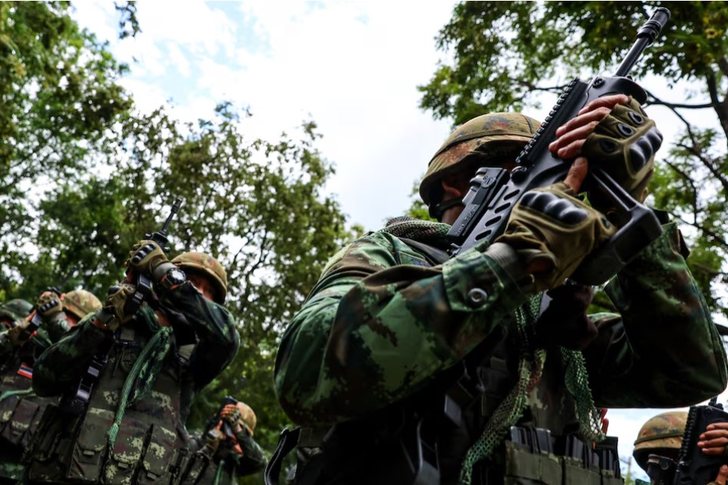
A Thai F-16 fighter jet bombed targets in Cambodia on Thur...
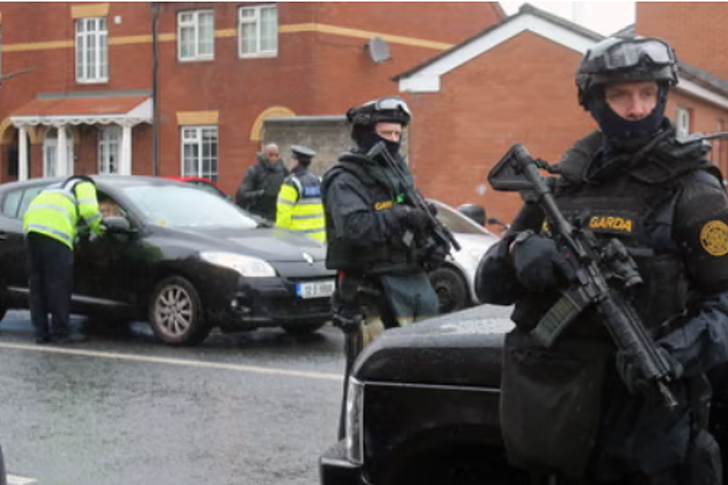
Irish authorities announced today that a shooting in North...
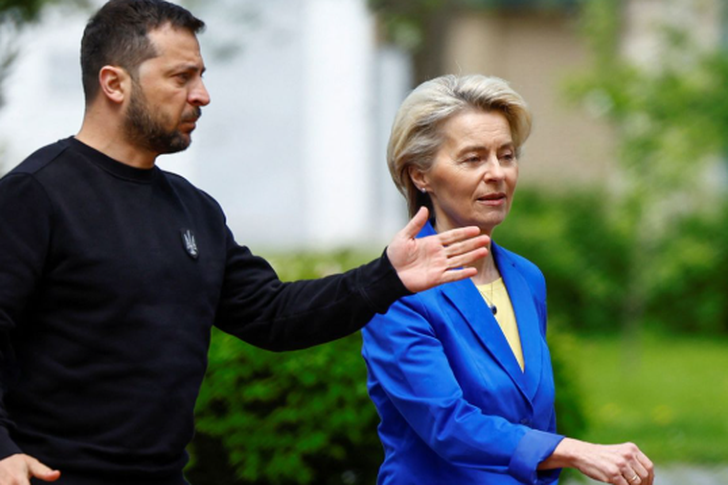
European Commission President Ursula von der Leyen has cal...
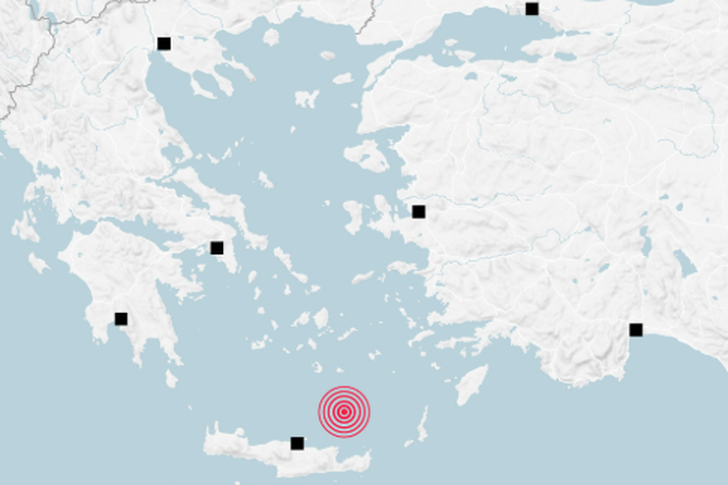
An earthquake with an epicenter west of Chania was felt on...

The United Kingdom has imposed its first package of sancti...
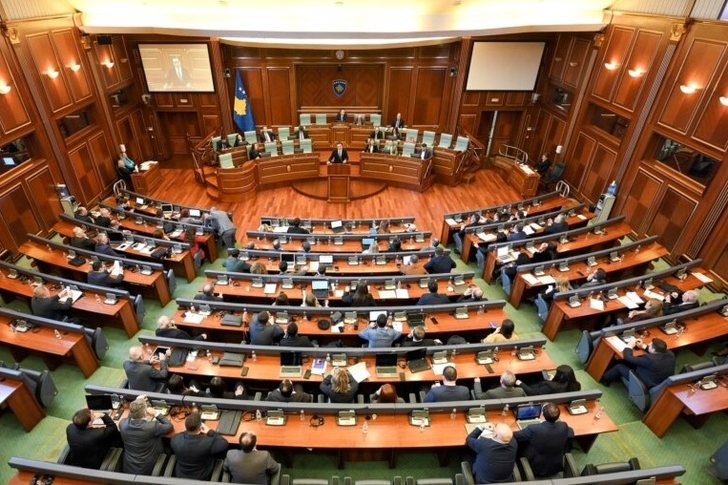
The chairman of the constitutive session, Avni Dehari, adj...

Ukrainian President Volodymyr Zelensky signed a law restri...
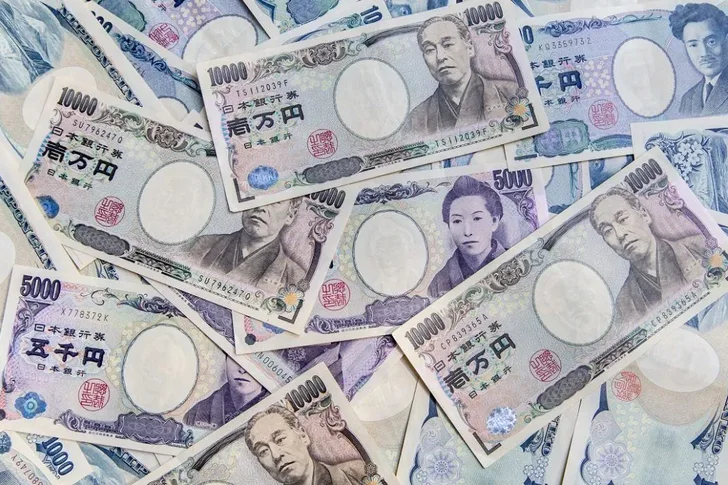
Bank of Japan Deputy Governor Shinichi Uchida spoke to the...

President Donald Trump said Tuesday that the U.S. and Japa...
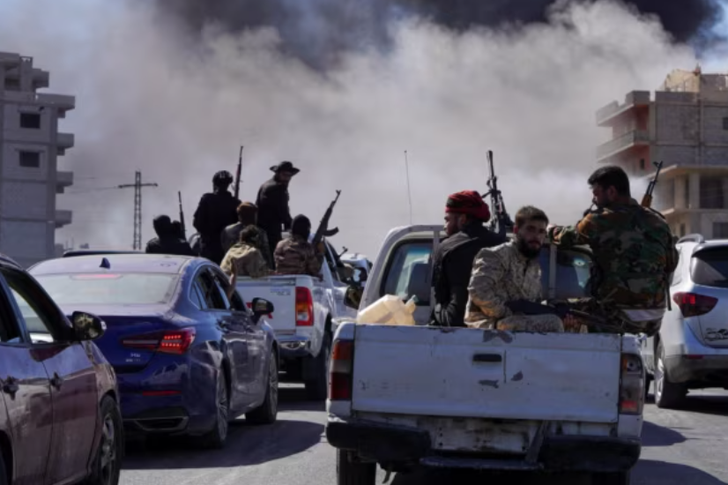
The death toll from weeks of fighting in the mainly Druze-...
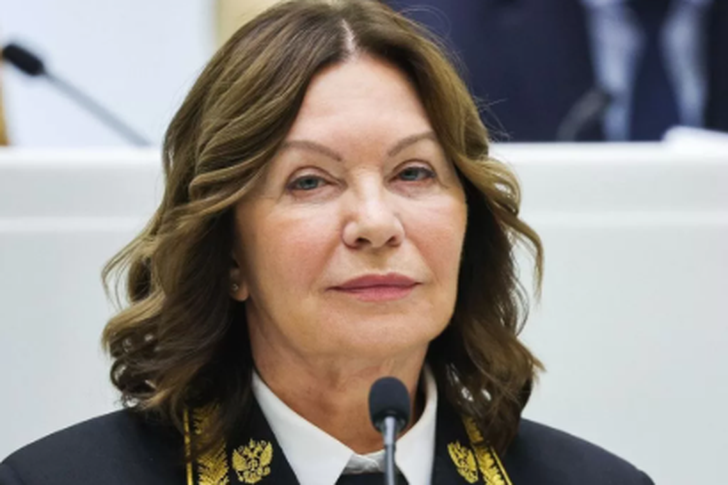
Irina Podnosova, the Chief Justice of the Supreme Court of...
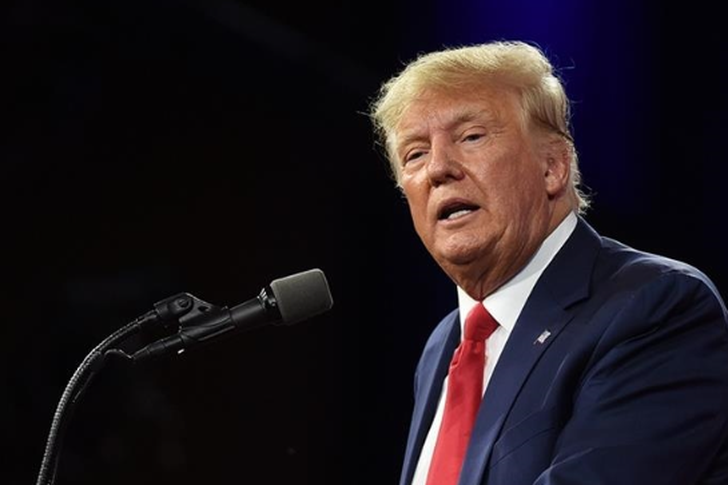
US President Donald Trump warned today that the United Sta...
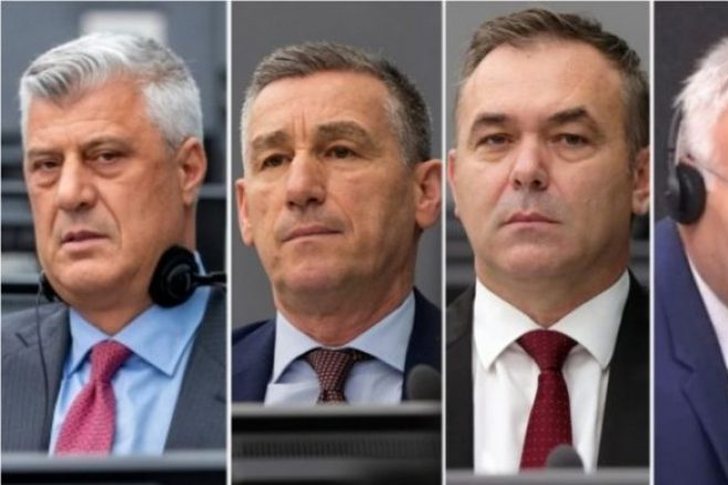
A status conference has been held at the Specialist Chambe...
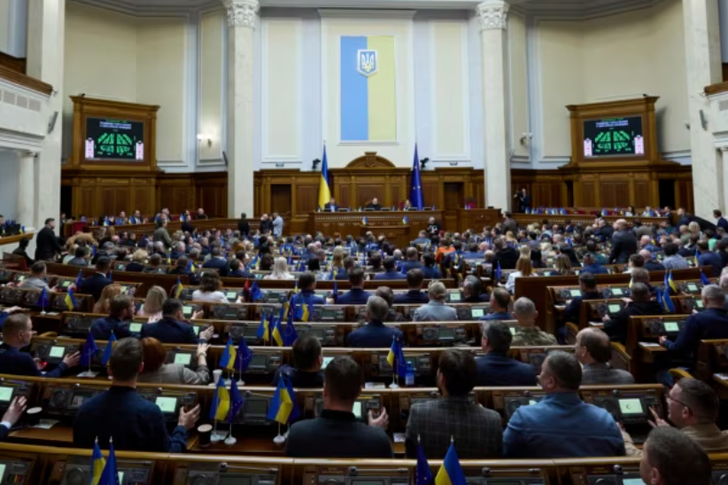
Ukrainian lawmakers have decided to tighten restrictions o...
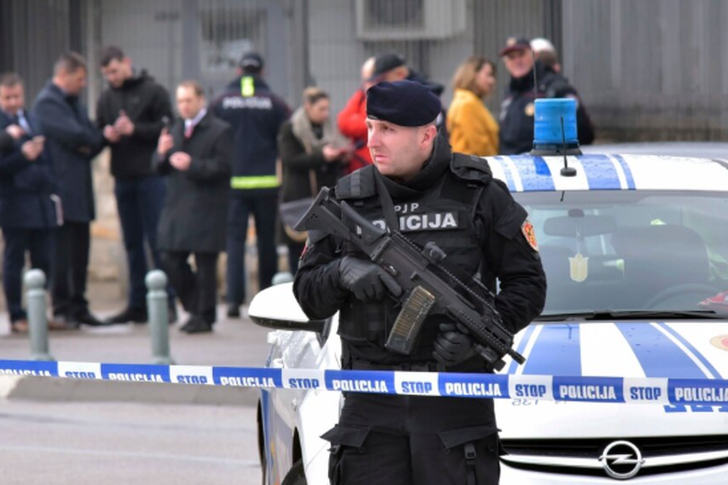
Within three days, from July 16 to 19, two murders occurre...
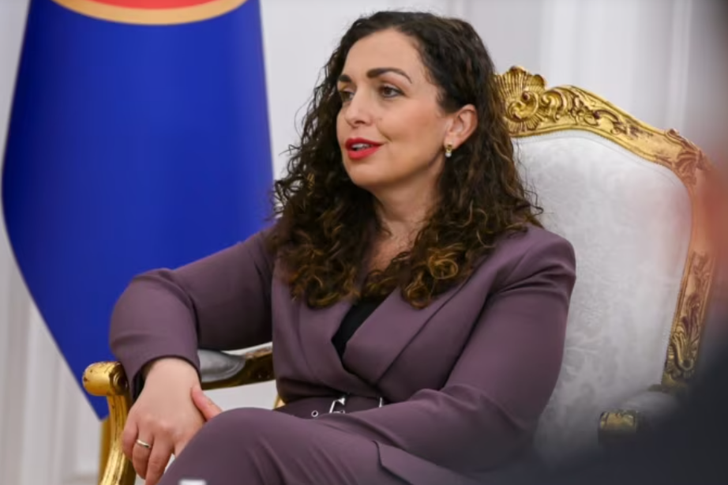
Kosovo President Vjosa Osmani announced that she has addre...
The United Kingdom has reacted to the sanctions imposed ag...

An earthquake measuring 4.7 on the Richter scale shook Gre...
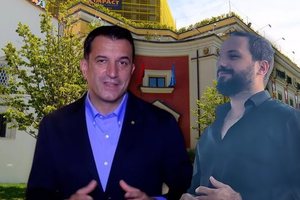
CNA has launched another investigation that could lead to ...

Irfan Hysenbelliu is a businessman that we call "Irfan the...
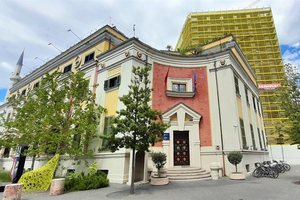
In March 2026, CNA launched another investigation centered...
The arrested mayor of Tirana, Erion Veliaj, with 13 charge...

The Special Board of Appeal (KPA) decided this Monday ...

The KPA vetting decided this Thursday to dismiss the p...

Suela Salavaçi, a prosecutor in the Prosecutor's Offic...

The Special Board of Appeal reinstated the prosecutor ...
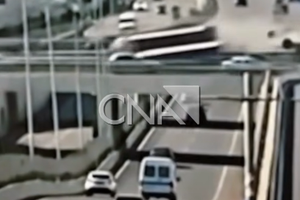
Footage emerges from the serious accident that occurred th...

A Shkodra traffic police officer was hit with hard objects...

This Wednesday, around 4:00 PM, a serious accident occurre...
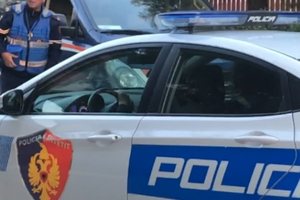
Tirana Police have shared details regarding the accident t...

On Thursday, our country will be under the influence of st...

A serious accident that occurred this Wednesday with the c...

The Institute of Geosciences has shared a forecast for wea...

Rising energy and fertilizer prices are expected to contin...

Artificial intelligence (AI) models from the American comp...
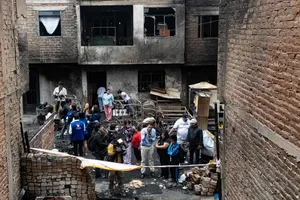
At least 10 people have died after a fire broke out in a h...
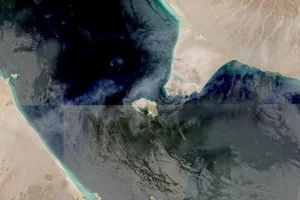
Yemen's Houthis have claimed to have attacked two Saudi oi...
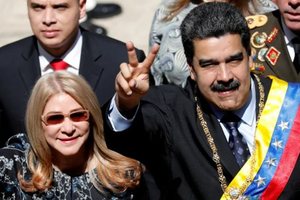
The trial of ousted Venezuelan President Nicolas Maduro on...

At a time when industrial products are increasingly taking...

Trust among people is not just a three-syllable word. It c...

Master of humor Todi Llupi has passed away at the age of 7...

The ninth edition of "MIK Festival" kicked off with one of...
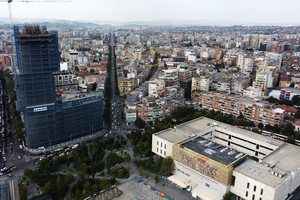
The average sale price of apartments in Tirana reaches rec...
This Thursday, one US dollar is bought for 81.5 lek and so...
The price of diesel reached 206 lek per liter from 198 lek...

Businesses will no longer be required to simply register t...