


The coast is suspending the new reference prices, in some districts the revaluation continues with the 2016 values
Although about 6 months have passed since the start of the...

Although about 6 months have passed since the start of the...

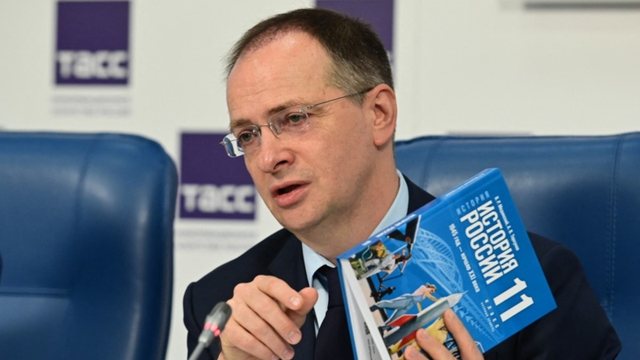
As schools across Russia and parts of Ukraine occupied by Russia prepare to start the new school year on September 1, some 650,000 copies of a new history book for students in grade XI - the final year of high school – are being distributed.
"The section on the time period from the 70s to the 2000s has been completely reworked ," said Vladimir Medinsky, a nationalist aide to President Vladimir Putin who served as culture minister from 2012 to 2020 and is one by the main authors of the new textbook, during a presentation on August 8.
He pointed out that "a part has been added to cover the period from 2014 to today" - the period, in other words, since Russia illegally took control of Crimea and started a war in Donbas that was replaced, in February 2022, from the large-scale invasion of Ukraine.
"There are many interesting micro-stories and facts. Lots of new illustrations... and, of course, there's a separate chapter devoted to 'special military operation,'” he said, using the Kremlin's euphemism — enshrined in Russian law — for the ongoing invasion and war. 18 months later.
Critics say the new textbook has little to do with history and is more of a return to Soviet-style practices for the ideological education of young men who could soon be conscripted into the army. With some exceptions, boys are required to serve in the military for one year once they turn 18.
"The new history text is a book addressed to pre-recruits and their girlfriends," said Alexei Makarkin, vice president of the Technology Policy Center.
"The government today, in fact, has only a few effective ways to communicate with young people. Young people do not watch television and there is no way to force them to do so," he wrote on Telegram.
"History is turning into a tool to force students to obey," Russian educator Dima Zitser told Radio Free Europe.
The full book has not yet been published, and Radio Free Europe did not see the hard copy of this book until August 31. In early August, media outlet RBK published photos of what it said was the textbook, which includes a table of contents and several pages relevant to the war in Ukraine and Russia's relations with the West.
In it, they repeated the false claims of the president of Russia, Vladimir Putin, that Ukraine is an "ultranationalist" and "neo-Nazi" country; that Kiev is controlled by the West, which seeks to dismember Russia and steal its natural resources; that NATO advisers urged Kiev to attack Donbass in 2020; that "top secret" American "biolaboratories" were creating a Ukraine; that Kiev is "aggressively" seeking to obtain nuclear weapons; and more.
Sanctions imposed by the West on Russia after Moscow seized Crimea in 2014 and launched a hybrid war against Kiev in eastern parts of Ukraine, and later a full-scale invasion of Ukraine, are dismissed as "totally illegal", which "violate all norms of international law".
According to photographs released by RBK, the book estimates without any evidence that Western sanctions resulted in the "theft" of $300 billion in Russian state and private property, and falsely claims that the West's actions are "essentially no different" from the looting of Soviet museums by Nazi forces during World War II.
"The main beneficiary of the conflict in Ukraine was the United States ," the Russian history book says, referring to the current war, which the United States tried to stop through diplomacy when Russia sent more than 100,000 troops near its borders. with Ukraine, before launching a large-scale invasion.
The text seen in the photo warns students about what it claims is nefarious activity by "foreign agents," referring to the many activists, media, and civil society groups that Russia has shut down or put tremendous pressure on. with the legislation, which has become very strict in the last decade.
It instructs them to be "eyes open" against the influence of "opponents", "opinion leaders" and "popular bloggers", so that they "do not fall prey to low manipulation".
The book also contains short biographical sketches of Russian soldiers who were killed in the war in Ukraine.
"There are pictures of heroes. Everything is approved by the commanders and families. From the children of heroes. From women and widows" , Medinsky said on August 8.
Medinsky, the most important author of this book, is a historian of dubious reputation. He is the author of many books, including the series called "Myths", in which he tries to refute what he calls stereotypes that foreigners have invented to discredit Russia and Russians. His book on the war: "Myths of the USSR 1939-45", has been described as "nonsense" by the historian Aleksei Isayev.
In January 2012, a group of historians accused Medinsky of plagiarizing his Ph.D. Historian Lev Usyskin said at the time that Medinsky is a "fraudster" with an "academic degree of a fraudster".
In October 2017, Russia's top academic council recommended revoking Medinsky's doctorate on the grounds that his research was not "scholarly" and that it ignored "sources if they contradicted his topic".
Putin, who often speaks and writes about history, is widely accused by critics in Russia and abroad of distorting the past. His decision to launch a large-scale layoff of Ukraine was prompted by a slew of false statements about that country's history, its people, and its centuries-long relationship with Russia.
The new textbook is the latest manifestation of the "patriotic education" program that has become a defining feature of Putin's more than two decades as president, or prime minister.
"Every repressive dictator, especially one waging an aggressive war against a foreign country, needs this. In the 21st century, there is no other way to justify aggression except through myths," said former Russian MP Aleksandr Osovtsov, an opponent of the Kremlin who now lives abroad.
"They can justify what they are doing by mixing up a historically absurd and logically illiterate cocktail of mythical achievements, combining Peter the Great, Catherine the Great, Lenin, Stalin and all those who can somehow be represented as "Russian land collectors," he said.
Yevhen Mahda, a Ukrainian politician and director of the Kyiv Institute for World Politics, told Radio Free Europe that "the authors of the textbook hope that it will help them intensify patriotism in Russia" and facilitate military mobilization.
"This book is for high school seniors - so the kids who are going to read it should understand why they're putting on their uniforms and kicking off their shoes," he said.
The Russian political analyst, Dmitry Oreshkin, said that the attitude of the Putin Government regarding history dates back to the Soviet predecessors for whom "history has no connection with reality, but aims to create an ideological basis for strengthening the authorities".
The historian of Marxism, Mikhail Pokrovsky, said that “history is politics projected into the past.
"So the story changes depending on the interests and the party in power. Therefore, Soviet Russia has always been a country with an unpredictable past," he added.
Russian historian and educator Segei Chernyshov, from Novosibirsk, said Medinsky's textbook is "an appeal not to facts or analysis, but to emotions."
"His only goal is to incite hatred against Ukrainians," he said.
However, he expressed doubts that it will help change the minds of young people.
"This propaganda will be opposed by the healthy indifference of young people. I really hope that 11th graders, like all good 11th graders the world over, will not read the textbooks. At that age they have more important things to do," he said.
Zitser agreed, saying that the 11th graders are "fully formed personalities" who may have already formed their attitudes about the war and issues such as Russia's relationship with the West./ REL

Belarusian leader Alexander Lukashenko has criticized what...
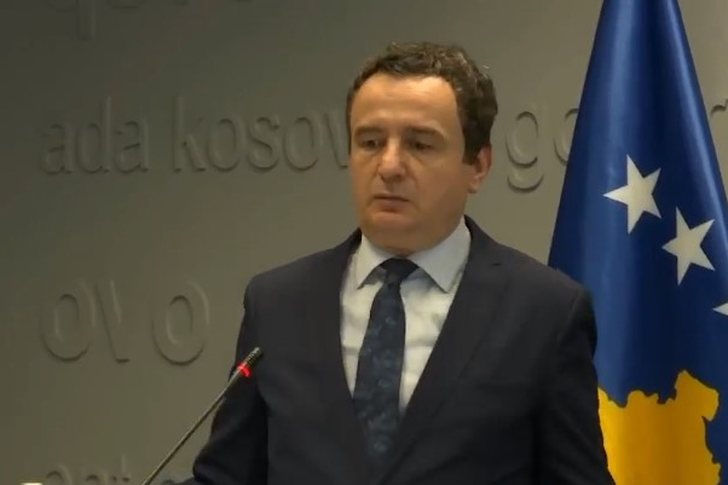
A person has fallen into handcuffs in Kosovo, after be...
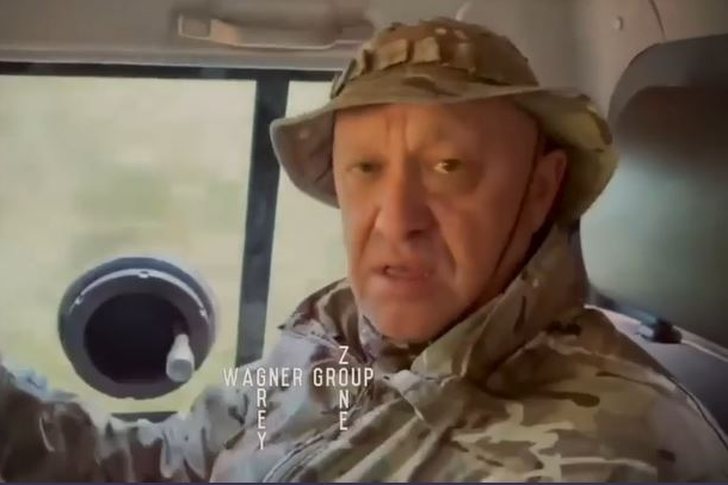
A recently released video shows slain Russian commander-in...
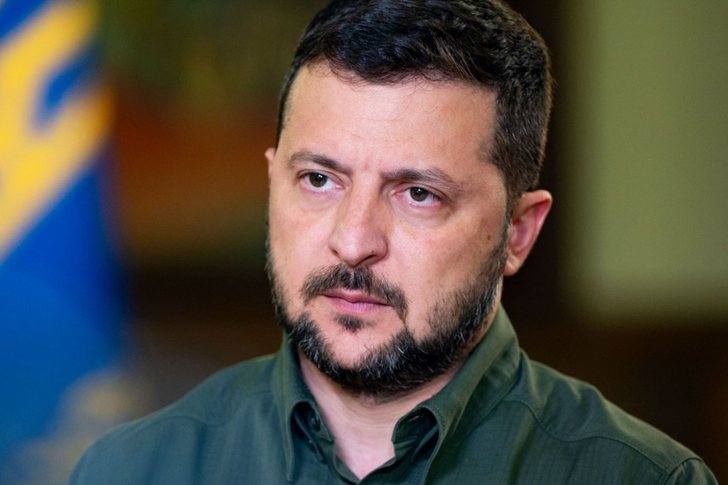
Ukrainian President Volodymyr Zelensky said on August 31 t...
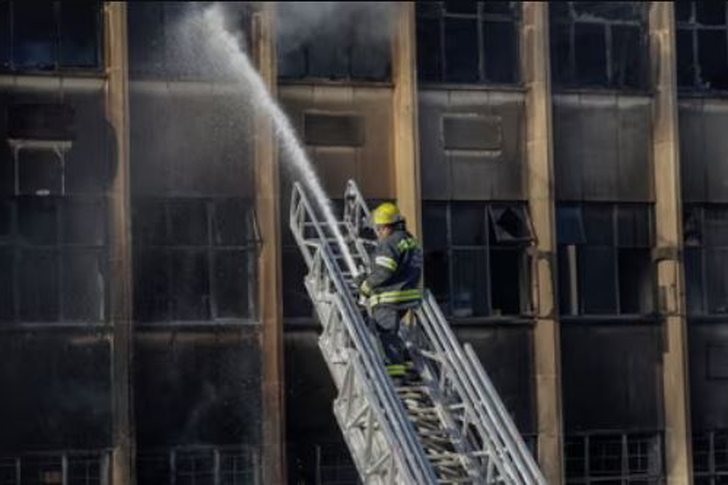
At least 73 people, including seven children, have died in...
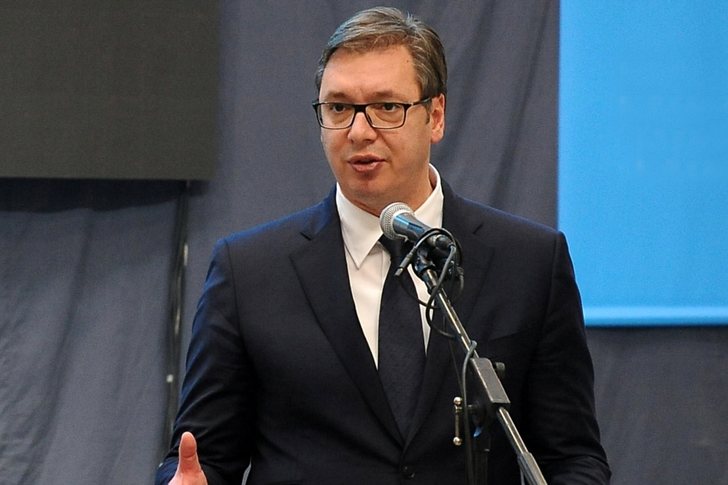
The President of Serbia, Aleksandar Vucic, spoke about the...
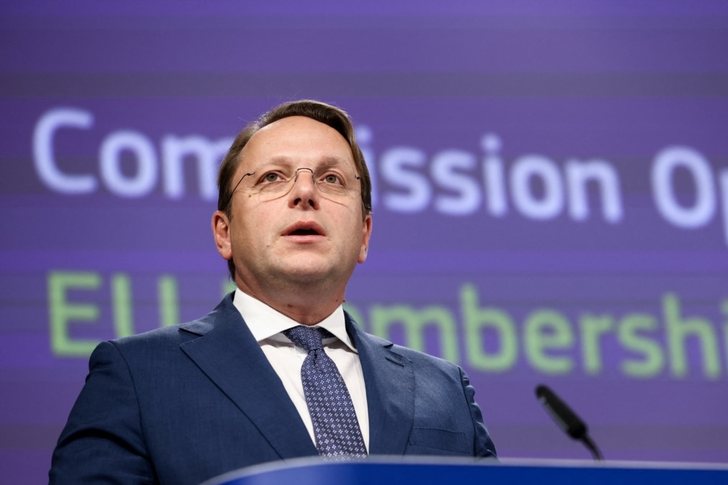
The Commissioner of the European Union for Neighborhood an...
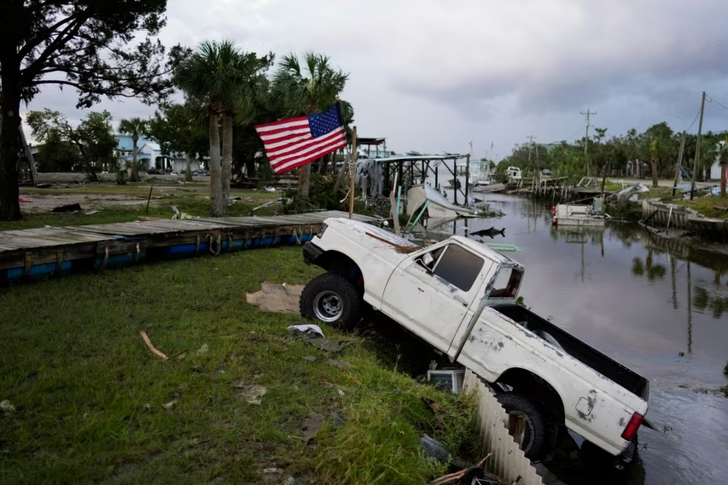
Tropical Storm Idalia dumped heavy rain on Thursday in the...
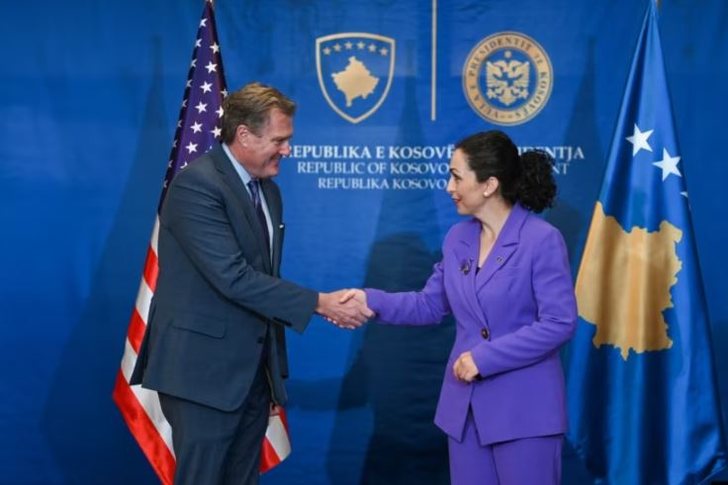
The President of Kosovo, Vjosa Osmani, said on Thursday du...
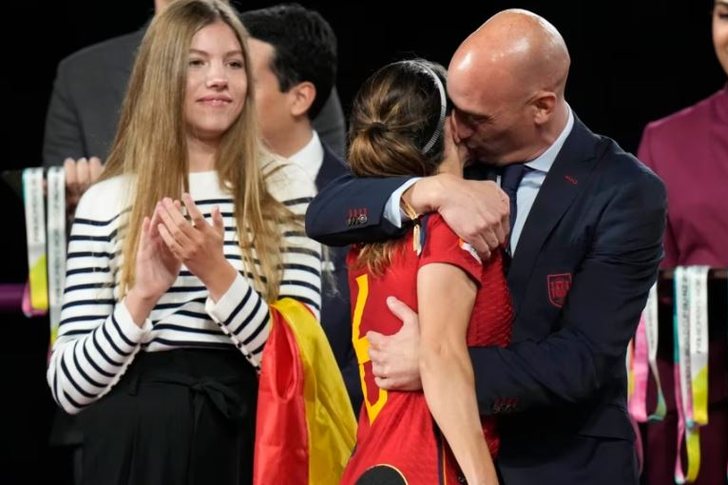
Nëna e presidentit të Federatës së Futbollit të Spanjës, L...
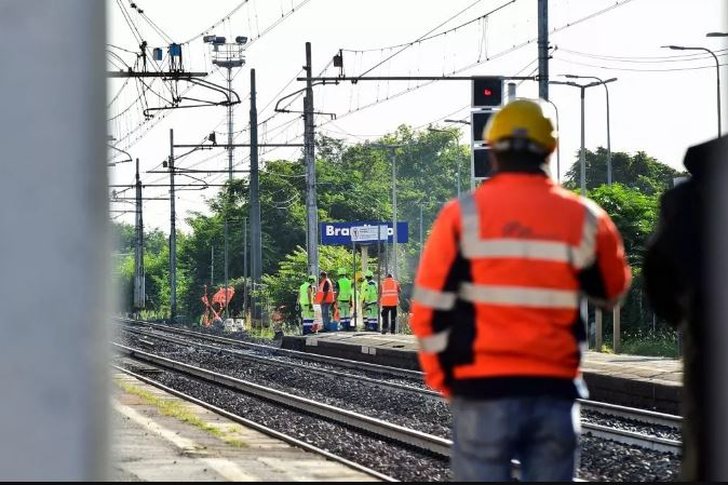
Detaje të reja kanë dalë nga hetimet për aksidentin tragji...
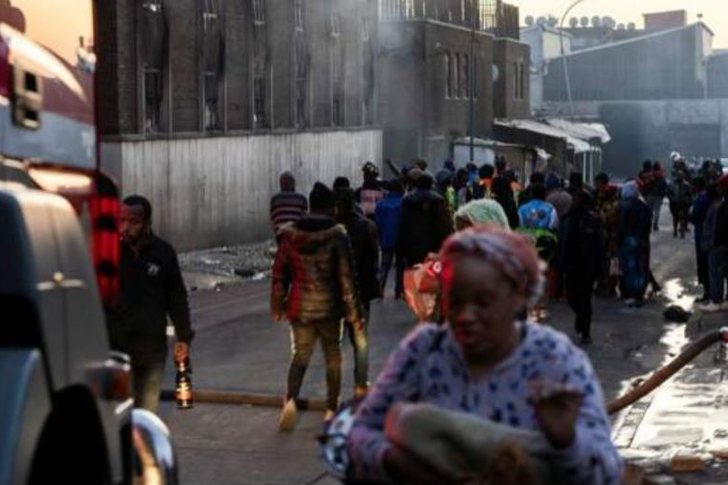
The number of victims from the fire in the block of bu...

Some of Europe's favorite wines could disappear from clima...
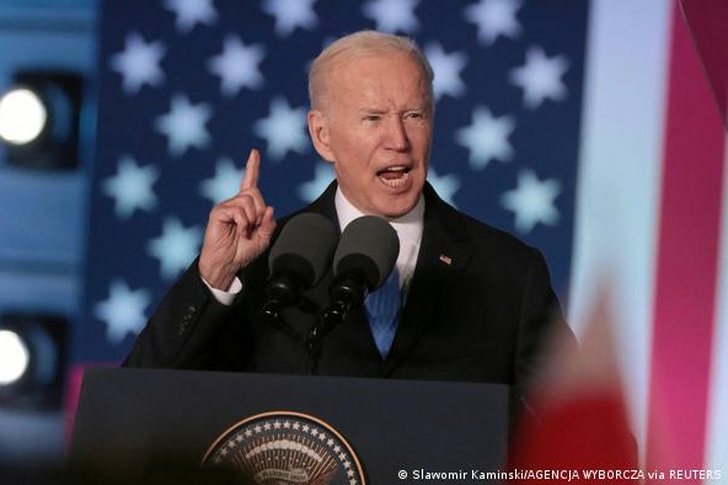
President Joe Biden said Wednesday that he has engaged var...
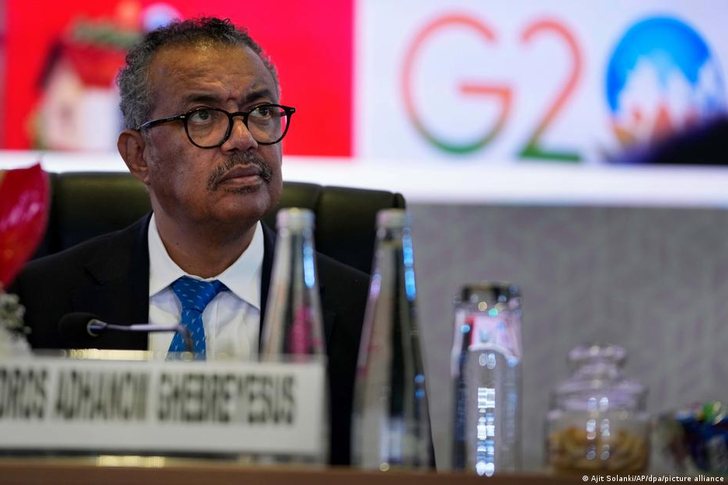
80 percent of the world's population uses traditional medi...
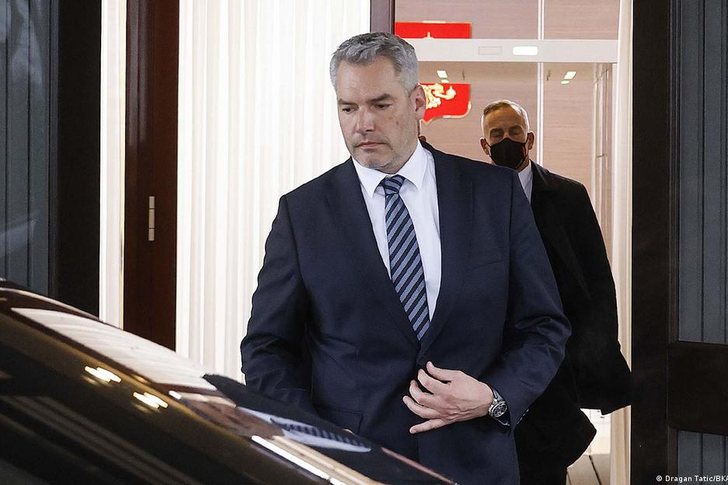
Austrian Chancellor Nehammer wants to "keep life affordabl...
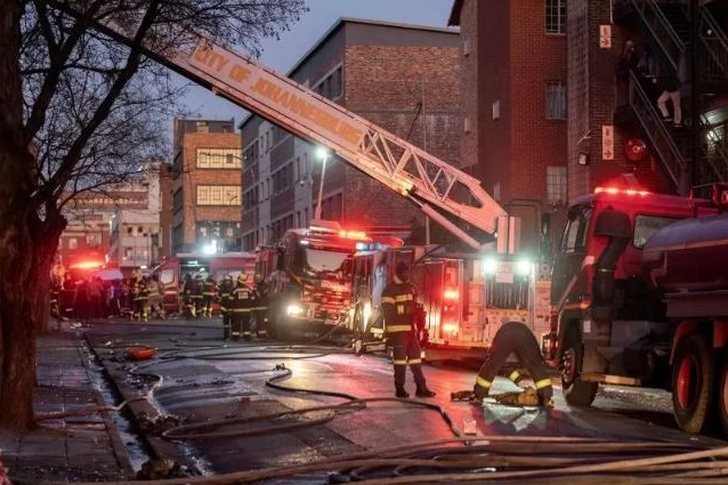
A massive fire has engulfed the block of flats in Johannes...
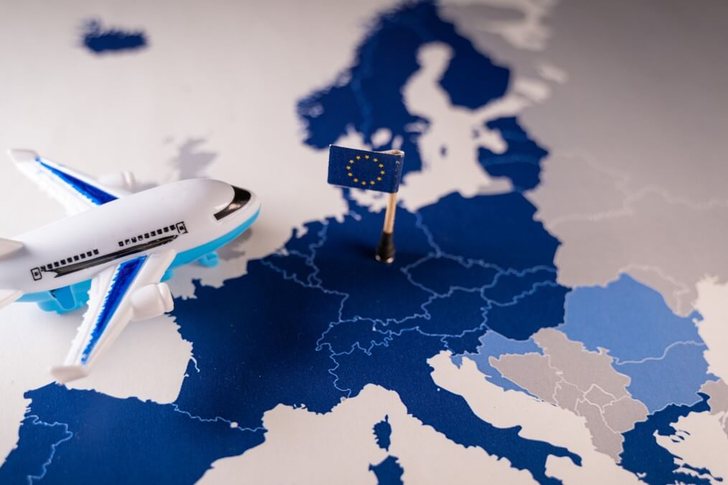
The European Union should see enlargement as a priority, a...
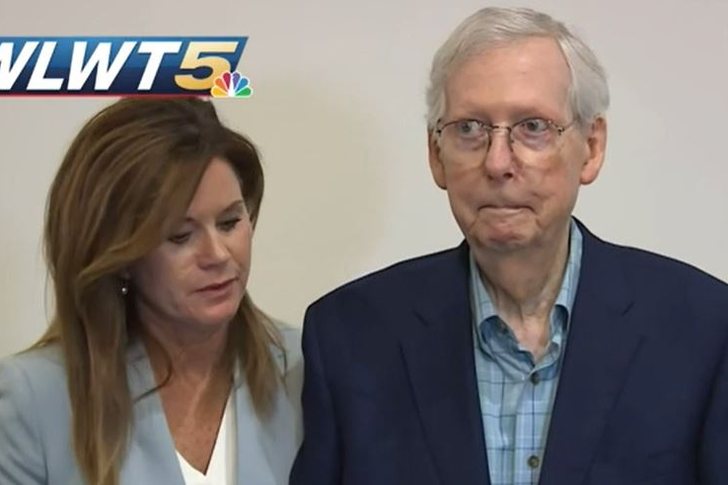
Senatori republikan, njëherësh drejtues i të djathtëve në ...
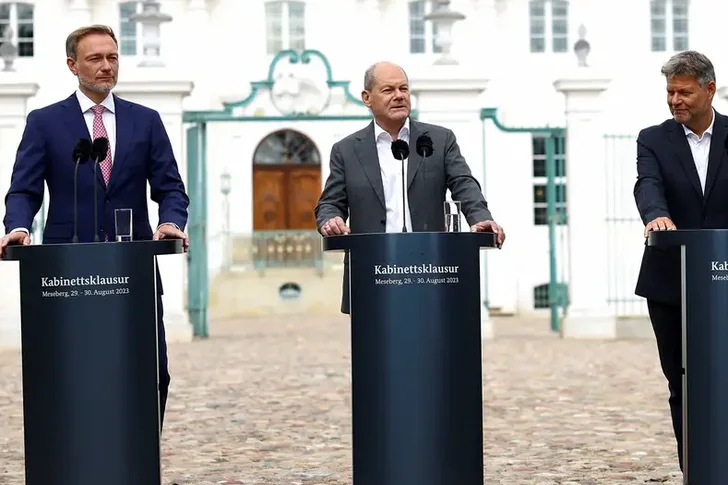
At the end of the cabinet meeting, Chancellor Scholz, Econ...
The word "fatherland" with properties is not enough. The m...

The justice reform claimed that it would bring faster, fai...
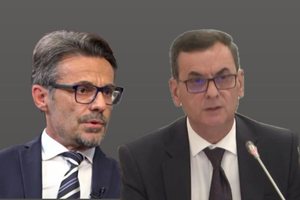
The Justice Reform and the vetting process were trumpeted ...
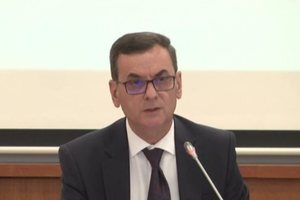
After revealing the property portfolio in Tirana, Kavaja, ...

The Special Board of Appeal (KPA) decided this Monday ...

The KPA vetting decided this Thursday to dismiss the p...

Suela Salavaçi, a prosecutor in the Prosecutor's Offic...

The Special Board of Appeal reinstated the prosecutor ...
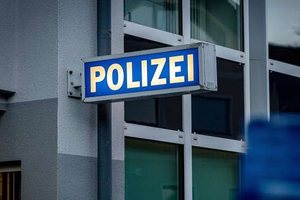
Around four kilograms of cocaine were seized during a rout...
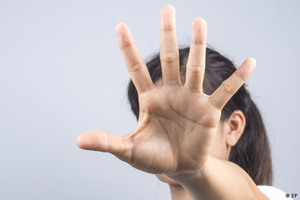
The mother of the 17-year-old raped in Fier has been l...
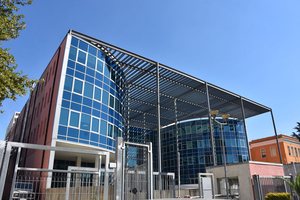
The Special Prosecution Office completed the investigation...
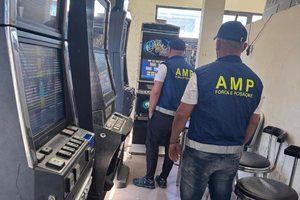
Today, on 07.07.2026, the Police Supervision Agency (AMP),...
Today, our country will be affected by relatively stable w...
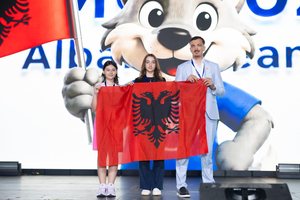
Albania has been awarded two medals of honor at the awards...
Today our country will be affected by relatively unstable ...
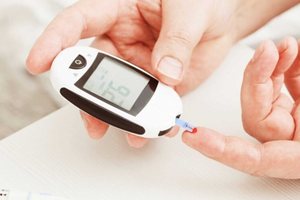
While the total number of deaths fell in 2025, those from ...
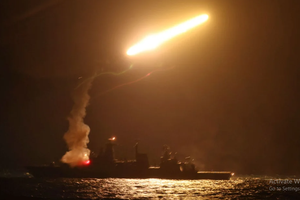
The US launched a round of air strikes against Iran this e...
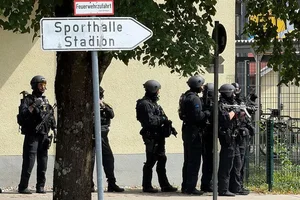
Two schoolgirls have been seriously injured after a 16-yea...
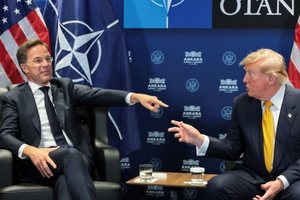
It can be said that the last day of the NATO summit in Ank...
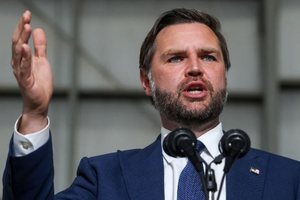
United States Vice President JD Vance has stated that Iran...
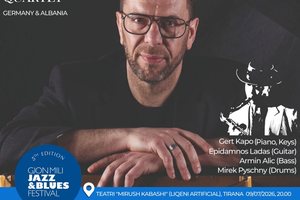
The German Embassy in Tirana has invited the Albanian publ...
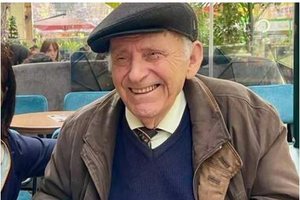
Professor and literature scholar Ali Xhiku has passed away...
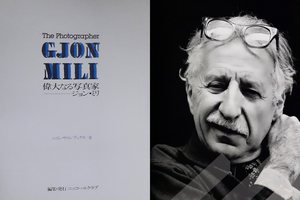
During my research into the life and artistic photographic...
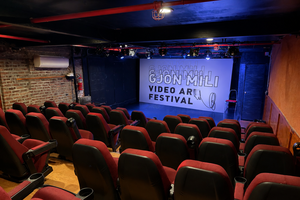
This year's edition of the Gjon Mili International Video A...

Although about 6 months have passed since the start of the...

Vegetable prices marked a strong increase in June, precise...
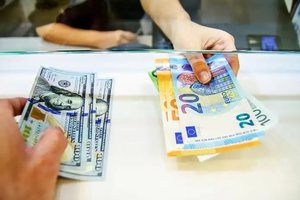
This Thursday, one US dollar is bought for 81.5 lek and so...
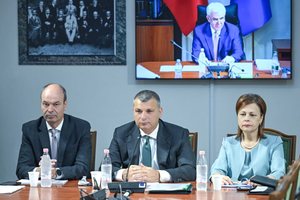
The Governor of the Bank of Albania, Gent Sejko, stated th...