


Lightning strikes in Dardhas/ Herd of small cattle is hit
A herd of cattle was struck by lightning this Friday in th...

A herd of cattle was struck by lightning this Friday in th...

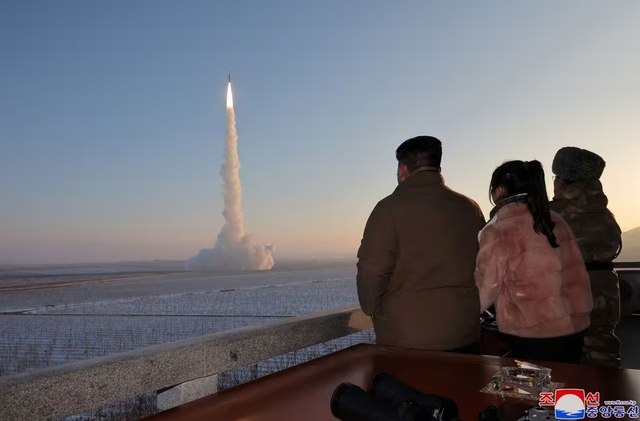
Recently, Russia has attacked Ukraine with several North Korean-made ballistic missiles, according to a January 4 statement from the US White House. This is the first time that North Korea's newest weapons have been used on a battlefield, writes Reuters .
Here's what is known so far about the rockets and where they came from:
While the White House did not specifically specify what type of missiles Penian had sent to Russia, Kirby said they have a range of about 900 kilometers and released a graphic that appeared to show KN-23 and KN-25 ballistic missiles with a range of short action.
Joost Oliemans, a Dutch researcher and expert on North Korea's military, said that the images published by the Ukrainians on social networks clearly show fragments that are characteristic of North Korea's Hwasong-11 type of missiles, which also include the KN-23 types. and KN-24.
The KN-23 missile was first tested in May 2019 and is intended to evade air defense missile defense systems by flying in a lower trajectory, experts say.
North Korea has tested its launch in a variety of ways, including wheeled launchers, train cars and submerged submarines.
"Despite external characteristics and what some may say on the matter, this missile family does not appear to be intrinsically related to the Russian Iskander 9K720, but is an indigenous North Korean development," Oliemans said.
The KN-24, which is also powered by solid fuel, was first tested in 2019 and appears to be already being mass-produced and deployed across military units.
The KN-24 missile resembles the US Army's MGM-140 Tactical Missile System and, like the KN-23, is designed to evade missile defenses by flying in a flatter trajectory than traditional ballistic missiles.
Because the North Koreans may have configured their launchers based on their extensive experience with older Soviet equipment, it may not take long for Russian crews to learn to operate the systems imported from North Korea, he said. Ankit Panda, from the US-based Carnegie Endowment for International Peace.
"North Korean technical advisers may be present in Russia to advise [the military] on the use of these systems," he said.
North Korea has been under a United Nations-imposed arms embargo since it first tested a nuclear bomb in 2006. UN Security Council resolutions – passed with Russian support – prohibit other countries from trade arms or other military equipment with North Korea.
In November, South Korean authorities said North Korea may have supplied Russia with ballistic missiles as part of a larger arms deal that also included anti-tank and anti-aircraft missiles, artillery shells, mortars and rifles.
Both Moscow and Pyongyang have previously denied reaching any arms deal, but last year pledged to deepen military ties.
Since August, the port of Rason on North Korea's northeastern coast has seen visits by Russian ships linked to Russia's military logistics system, according to US and South Korean officials and reports by Western researchers citing satellite images.
By November, North Korea had sent about 2,000 shipping containers from Rason suspected of carrying weapons, potentially including ballistic missiles, South Korea said.
The KN-24 missile is believed to have been assembled at a Sinhung weapons factory that was visited by North Korean leader Kim Jong Un in August, Oliemans said.
"The specimens photographed at that time may have been sent to Russia only a few months later," he said.
The North Korean leader has called for the defense industry to increase its production to respond to "US threats", but has not mentioned the supply of arms to Russia.
"Preparations for war provide a nationalistic shield to revive the military industry, replenish supposedly depleted stocks, and potentially continue to provide Russia with additional reserves going forward," said Jenny Town, director of the 38 Program. North of the Stimson Center, which studies North Korea.
What does North Korea gain from the deal?
Kirby said U.S. intelligence suggests that in exchange for missiles and other weaponry, North Korea is seeking military assistance from Russia for assets such as fighter jets, surface-to-air missiles, armored vehicles, ballistic missile production equipment or materials, and technology. other advanced.
Some experts have questioned whether Moscow would be willing to give Pyongyang sensitive military technology, but point out that there are a wide range of areas where the two politically and economically isolated neighbors could cooperate.
"There are several things that Russia and North Korea have discussed as part of deepening their relationship: from increasing trade, to creating joint agricultural zones, to updating North Korea's aging air force, to cooperation for satellites," Town said.
North Korea would benefit from any data on the battlefield performance of its missiles, but it is unclear whether Russia will share this data with North Korea, Panda said.
"The most valuable data would be those related to the performance of these missiles against Ukrainian air defense systems, including those supplied by NATO," he said.




The Supreme Court said Friday it will determine whethe...
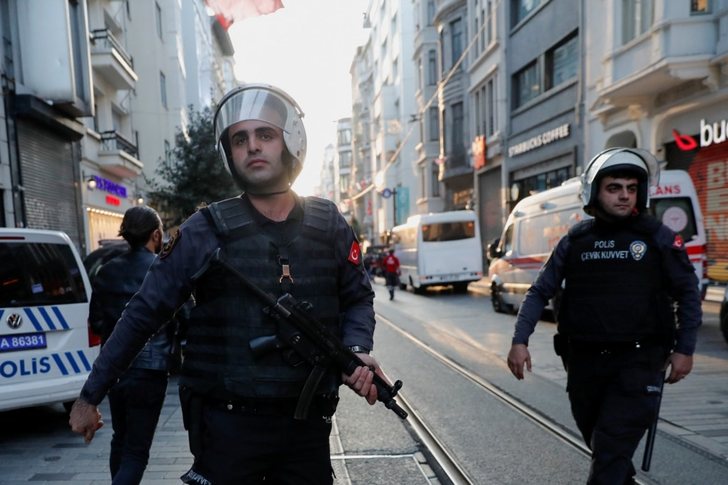
A Turkish court ruled Friday to formally arrest 15 peo...
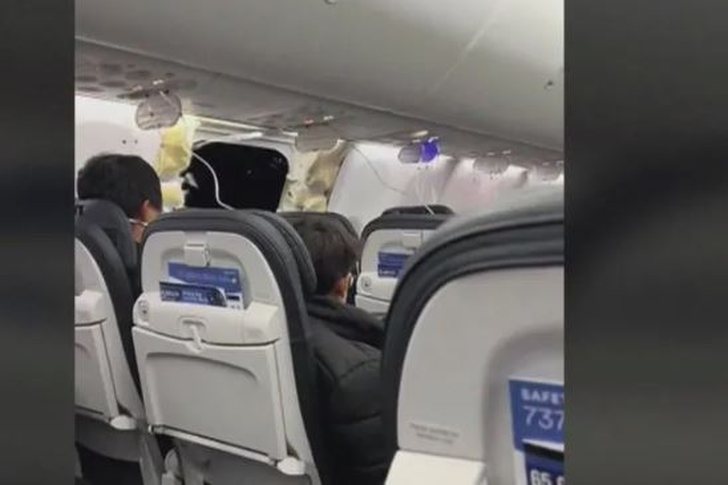
A passenger plane lost parts in mid-air, forcing it to mak...
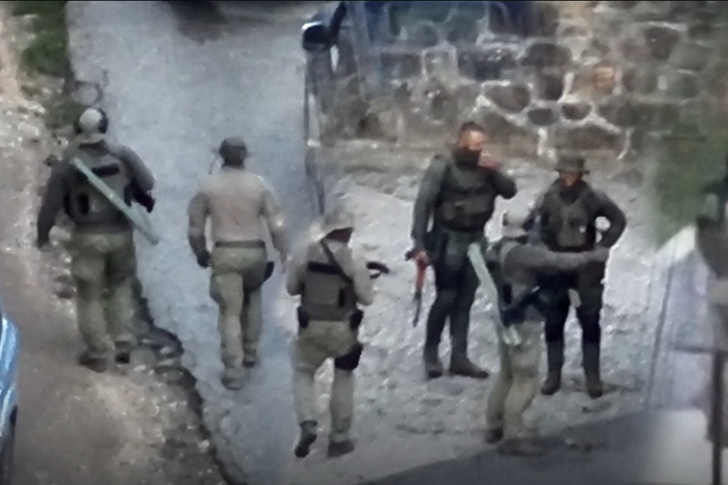
The Minister of Internal Affairs, Xhelal Sveçla, has a...
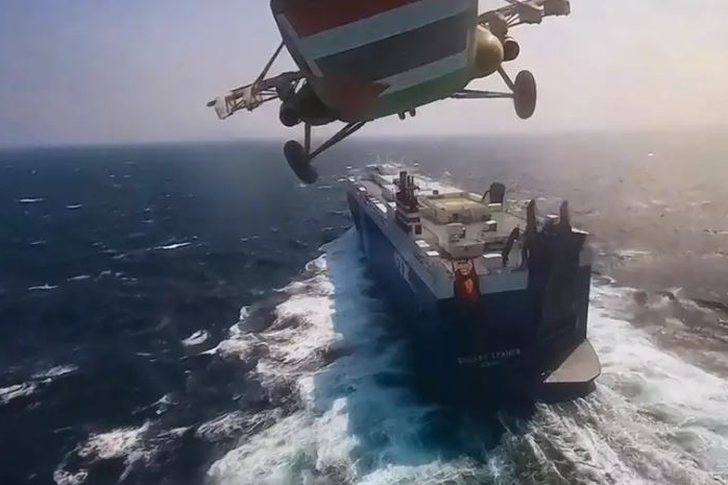
Some shipping companies are currently avoiding sailing...
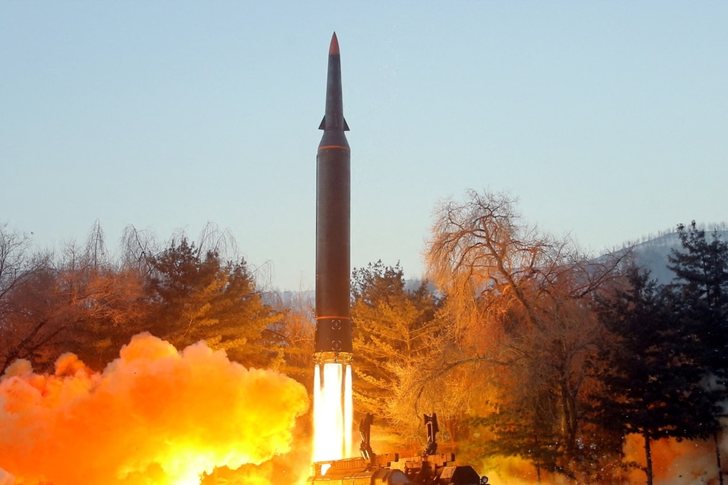
Russia has attacked Ukraine with missiles supplied by Nort...
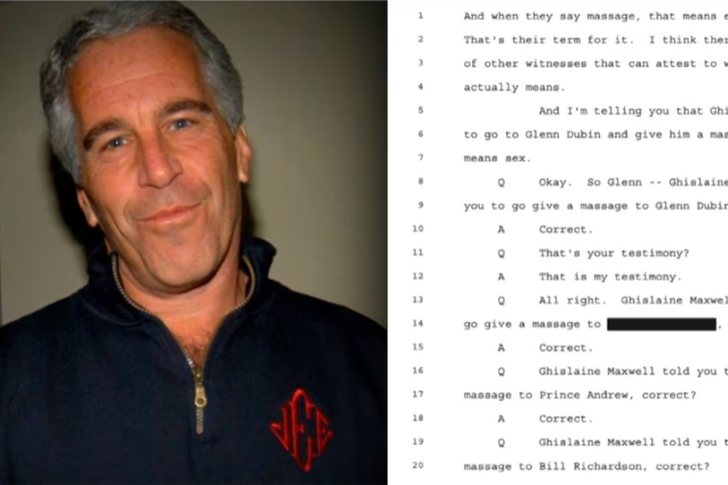
Këtë javë Departamenti amerikan i Drejtësisë bëri publik d...
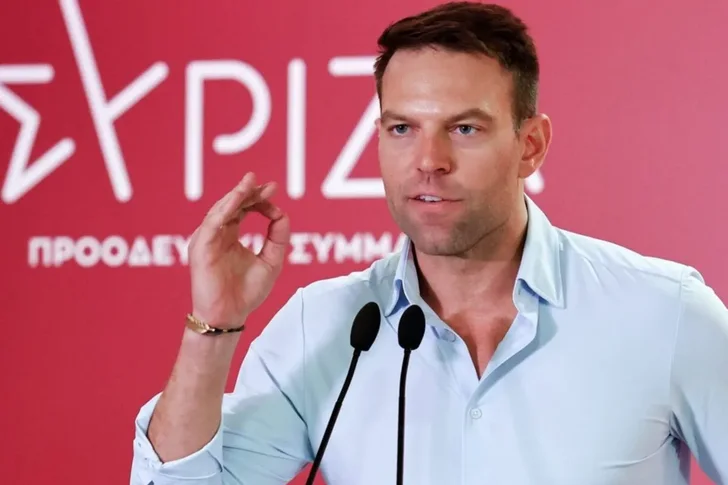
The new leader of the Syriza party in Greece, Stefanos...
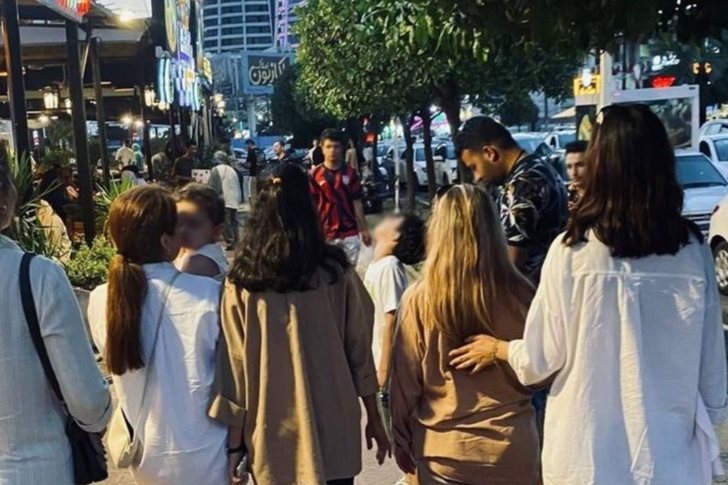
The owner of a store in Iran has been sentenced to two yea...
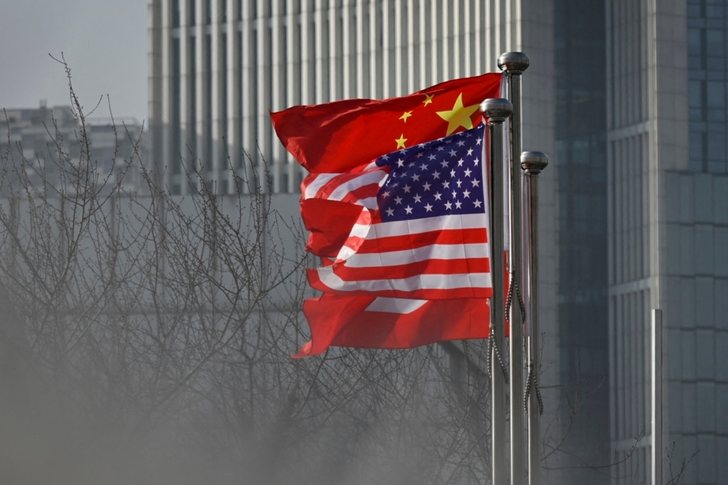
Chinese Foreign Minister Wang Yi said on Friday that the m...
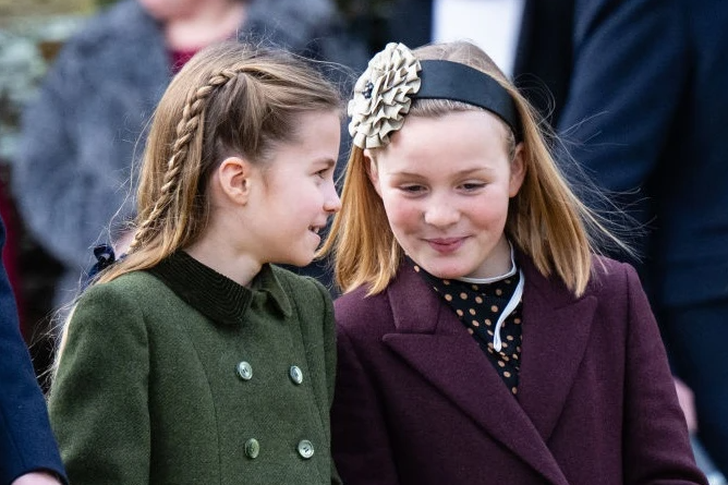
The sweet bond between Princess Charlotte and Mia Tindall ...
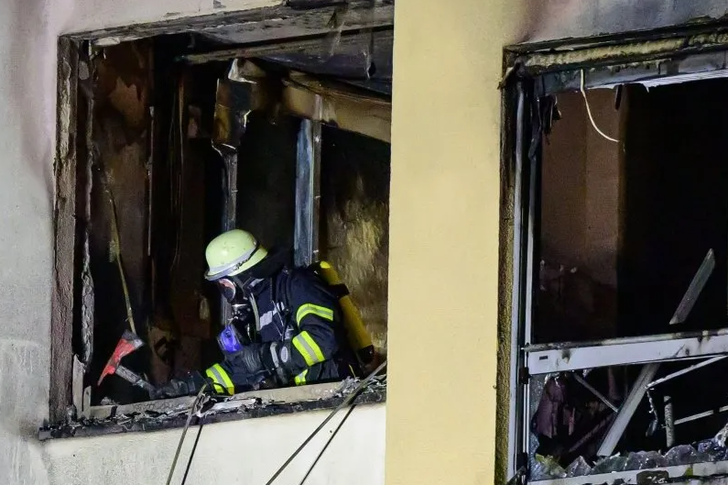
Four people have died in a fire at a hospital near Ham...
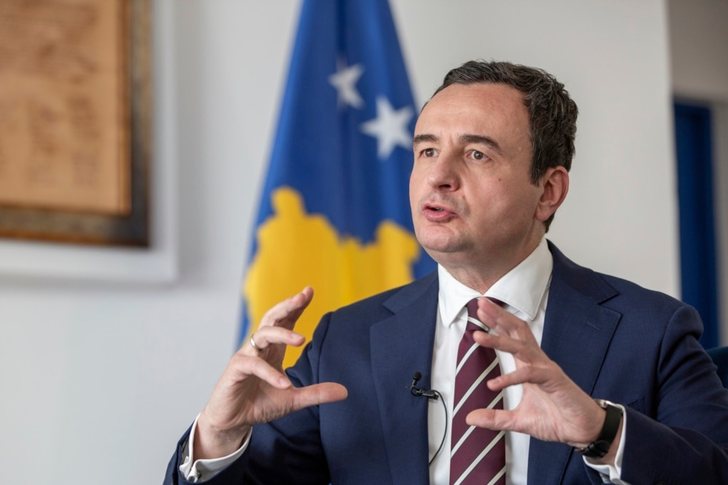
The Prime Minister of Kosovo, Albin Kurti, said that the d...
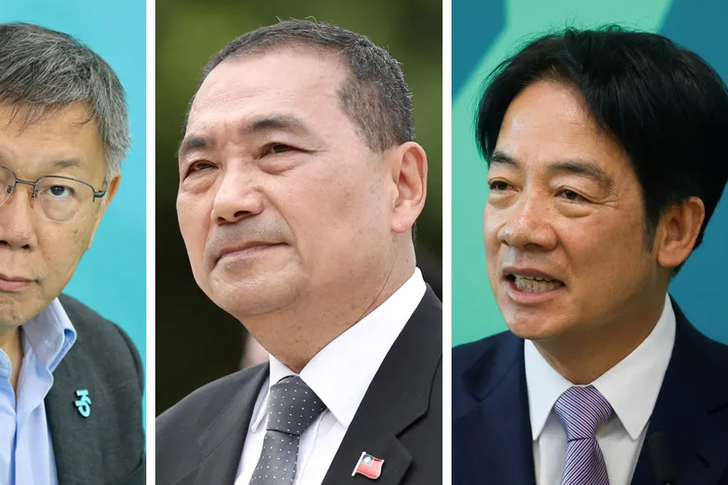
On January 13, Taiwan will elect a new president in a ...
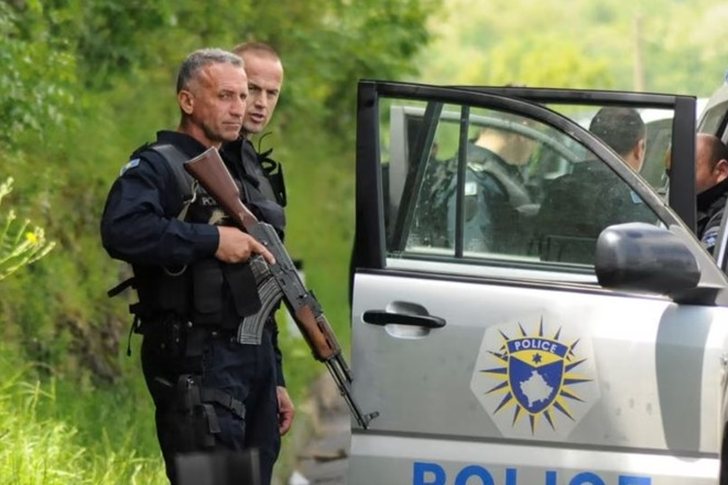
Gjatë një patrullimi të zhvilluar në orët e fundit, Po...
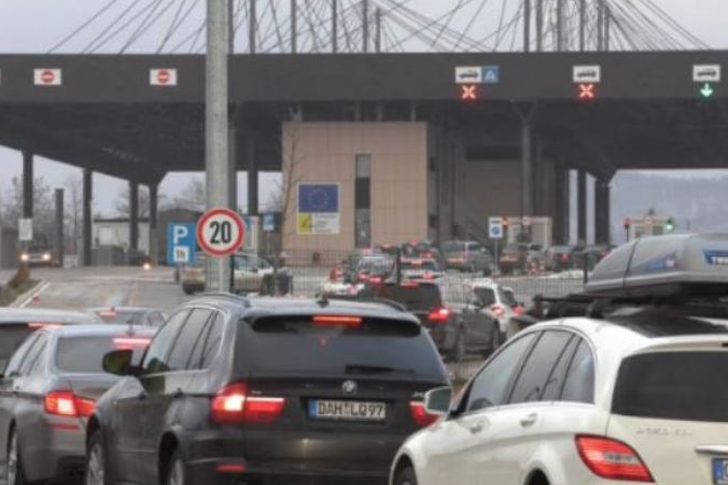
A large number of people chose Kosovo as their destina...
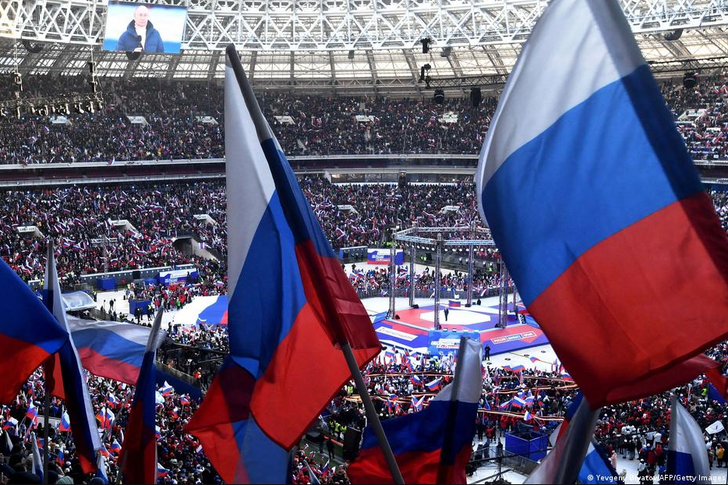
"Our tasks grow like an avalanche, but we are Russia, we a...

A 29-year-old Albanian has fallen into the hands of the It...
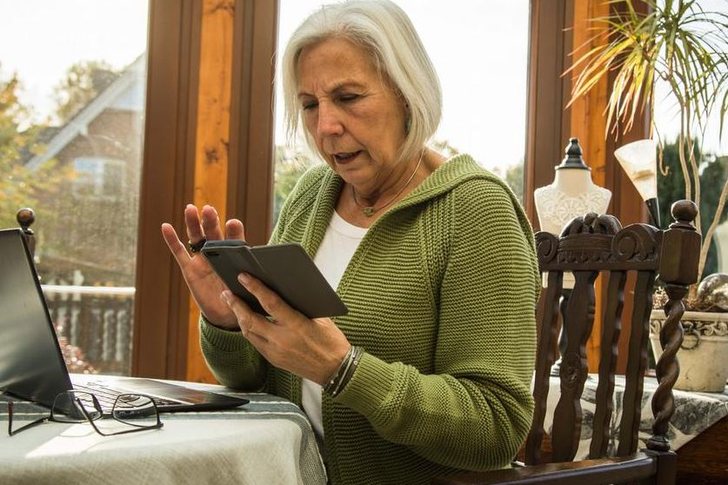
Pensioners in East Germany are better off financially ...
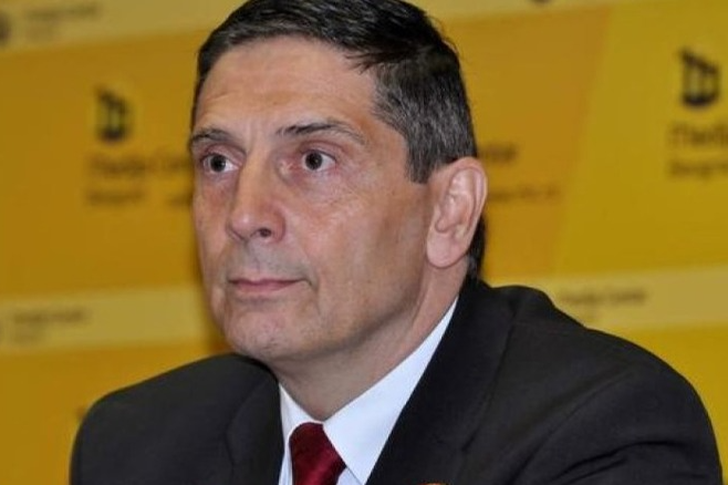
Serbian opposition politician Nikola Sandulovic was brutal...
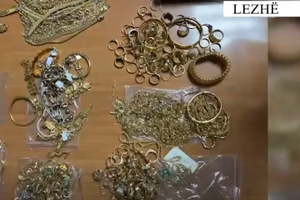
A 39-year-old citizen has been arrested in Lezha, after se...

CNA has launched another investigation that could lead to ...

Irfan Hysenbelliu is a businessman that we call "Irfan the...

In March 2026, CNA launched another investigation centered...

The Special Board of Appeal (KPA) decided this Monday ...

The KPA vetting decided this Thursday to dismiss the p...

Suela Salavaçi, a prosecutor in the Prosecutor's Offic...

The Special Board of Appeal reinstated the prosecutor ...
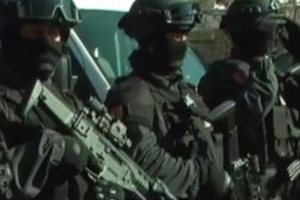
New details from the operation being carried out in Fier t...
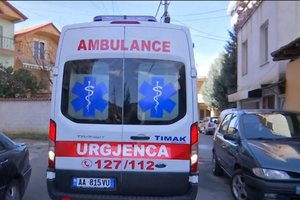
The 17-year-old, who was seriously injured yesterday after...
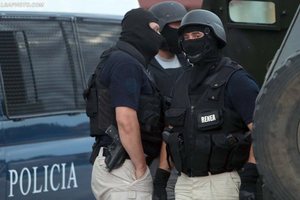
RENEA is headed towards Roskovec after the murder that occ...
A serious incident occurred in Fier where citizen RB, 35 y...

By noon, cloudiness is expected to prevail in almost all o...

Children without parental care, for whom alternative famil...

On Thursday, our country will be under the influence of st...
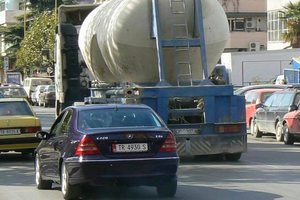
A serious accident that occurred this Wednesday with the c...
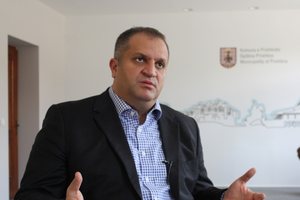
The Basic Court in Pristina found the former mayor of Pris...
The European Union Office in Kosovo has called on all poli...
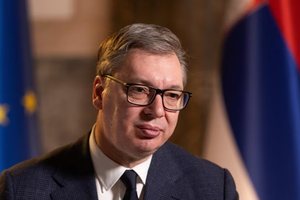
Serbian President Aleksandar Vučić, at a press conference ...
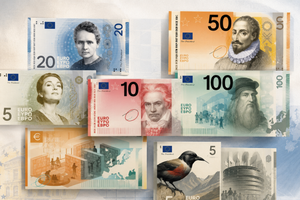
For the first time since the launch of the euro, European ...

At a time when industrial products are increasingly taking...

Trust among people is not just a three-syllable word. It c...

Master of humor Todi Llupi has passed away at the age of 7...

The ninth edition of "MIK Festival" kicked off with one of...
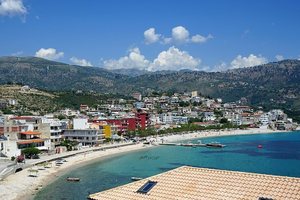
The number of active enterprises in Albania continued to g...
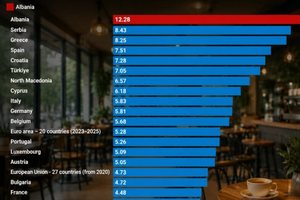
In Albania, the bar-cafe has long become an almost unique ...

This Friday, one US dollar is bought for 81.7 lek and sold...
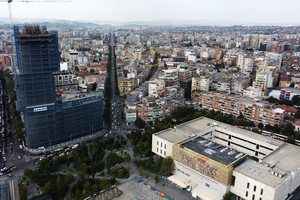
The average sale price of apartments in Tirana reaches rec...