


Crime in Roskovec/ 35-year-old perpetrator ends his life
Police Announcement: Following preliminary information...

Police Announcement: Following preliminary information...

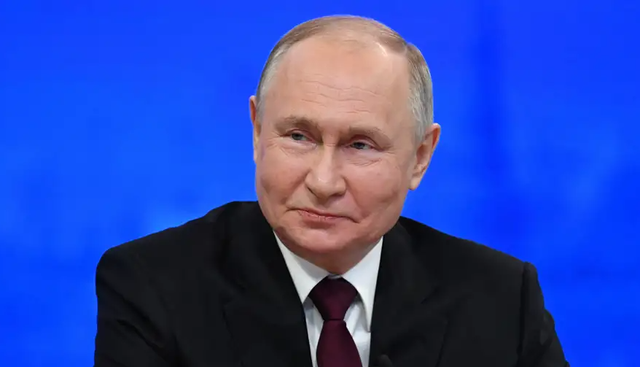
"Our tasks grow like an avalanche, but we are Russia, we are a winter country, we love snow, look how much has fallen." In mid-December, Russian President Vladimir Putin optimistically looked ahead to 2024 during the congress of the ruling party, "United Russia". The most important political development of 2024 is related to the presidential elections in mid-March, although their outcome is known. Putin is running for the fifth time, and this time he has no reason to fear competition.
The only shop in the village
How popular Putin is among the people after two years of war and huge Russian losses in Ukraine does not play a role, says political science researcher from Moscow, Alexander Kynev, to DW. "If your village only has one store, it wouldn't occur to you to measure its popularity values," says Kynev. "People are unhappy about a lot of things, but the political scene is clean. This country is too big and nobody has the resources to aim for the presidency." Nobody but Putin.
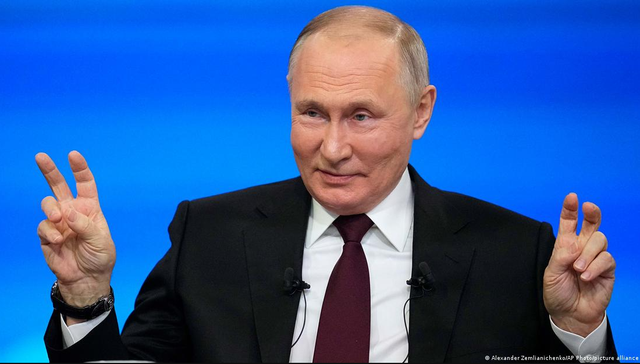
The biggest challenge for the head of the Kremlin will be to attract as many people as possible to go to the polls, to give his re-election at least the color of legitimacy. For the Kremlin, it is not important to make Putin more popular, but for people to go to the polls, according to sociologist Denis Volkov of the Moscow-based Levada, an independent Russian opinion research institute. "Putin's task is just not to get too angry himself," adds Alexander Kynev. The majority of Russians has always been apolitical and is afraid of changes, the expert emphasizes. In addition, society is tired of the so-called "special military operation", as the war in Ukraine is still officially called in Russia. "People want everything to end as soon as possible."
Many Russians are optimistic
An optimistic atmosphere has begun to spread in Russia again, Denis Volkov estimates. The number of those who think that their condition will worsen, compared to last year, has been reduced by almost half. This trend will continue, the sociologist believes, for several reasons. On the one hand, the government has done a lot to mitigate the effects of Western sanctions and stabilize the Russian banking system. The Russian economy has not capitulated and it will not be so even in 2024. The Russian economist, Natalja Subarevitch, is convinced of this. "The Russian economy is strong. The EU sanctions will not have any other effect than what they have had so far, that is, they have no effect at all, because for the sanctioned goods, there are many other supply routes outside the EU." Russia now exports more to China, India or the Middle East.
Subarevic expects that next year too, "there will be more or less very good income from" oil exports. Russia will be able even in 2024 to increase its expenses "for the support of the special military operation" in Ukraine, is the opinion of the professor of economics at the Lomonosov University of Moscow.
War? What war?
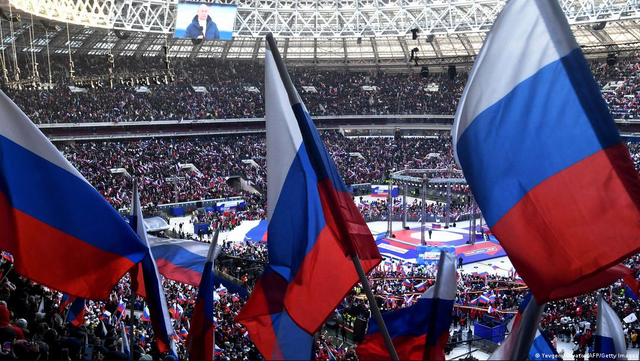
According to sociologist Volkov, Ukraine's largely unsuccessful counteroffensive also played a role in the more positive atmosphere in the country. This has removed the Russians' fear of military failure and its consequences. Even the supply of weapons to Ukraine from the West only in the first months scared the Russians, according to the expert, since meanwhile the number of those who believe that Russia is successful in the war has increased. "The war became routine, a background that people are used to, but that most are not involved in, according to Volkov. "Yes, there is a war somewhere, but it is far away."
Only in February and March 2022 was there a theoretical chance for a change of power, according to political scientist Kynev, "if those who organized the protests would have taken to the streets en masse, instead of leaving Russia en masse".
Giant printing press
Historian living outside Russia, Irina Sherbakova, a founding member of the human rights organization Memorial, banned in Russia in 2021 and awarded the Nobel Peace Prize a year later, disputes this analysis. In conversation with Deutsche Wellen, she refers to the atmosphere of fear that reigns in Russia. "A gigantic fear machine is at work. The outstretched arm of the dictatorship intrudes ever deeper into people's lives and tries to exclude and denigrate the disobedient and dissenters from cultural life." By this Sherbakova refers to the categorization of the LGBTQ movement in Russia as "extremist". Sherbakova does not see "positive prospects" for 2024 either.
As for the attitude towards the war in Ukraine, many Russians themselves run away from reality, she says. "They try to distance themselves from it as much as possible by not mentioning certain things out loud." According to Sherbakova, people in Russia have lost faith in institutions and democracy. "They believe instead in the stability of Putin's system, and fear that if they rock the boat more, things will get worse." However, the historian tries to see the future with optimism. We should not give up and think that "the war will last a long time and Putin lives forever." As happened with the fall of the Berlin Wall, such regimes can be dissolved in a few hours, when the time has come and the conditions are ripe./ DW



A 29-year-old Albanian has fallen into the hands of the It...
Pensioners in East Germany are better off financially ...
Serbian opposition politician Nikola Sandulovic was brutal...
A mother and her child have died after being hit by a ...

British police are investigating a landmark case invol...
The Government of Kosovo has announced that it has dec...
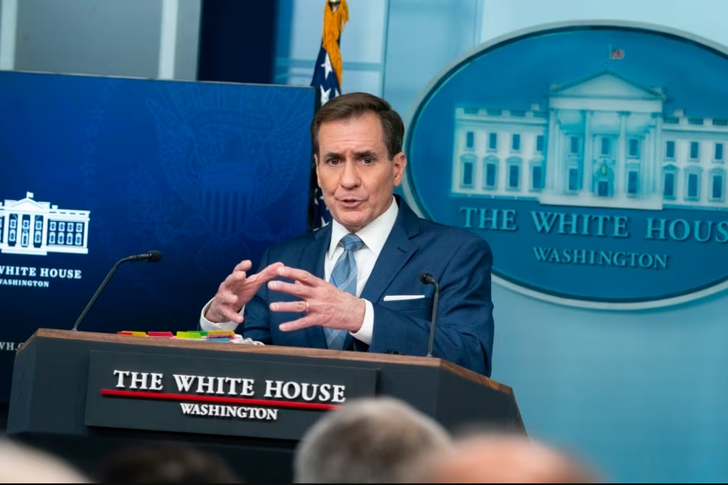
The spokesman for the National Security Council at the...
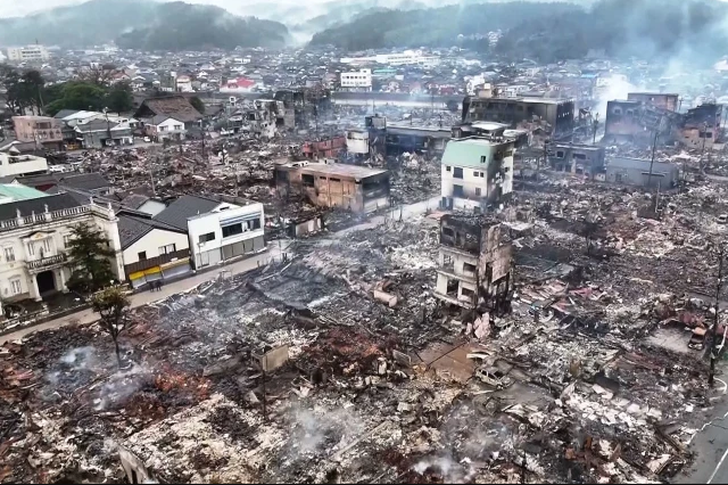
Rescue teams in Japan are scrambling to find 242 peopl...
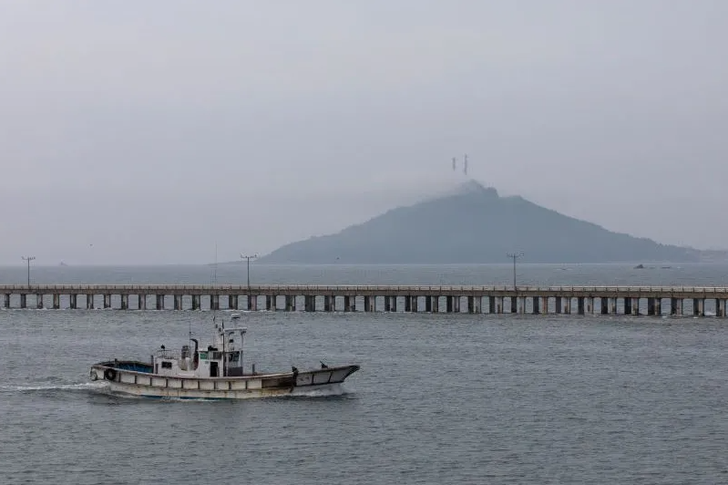
North Korea has fired more than 200 artillery shells o...
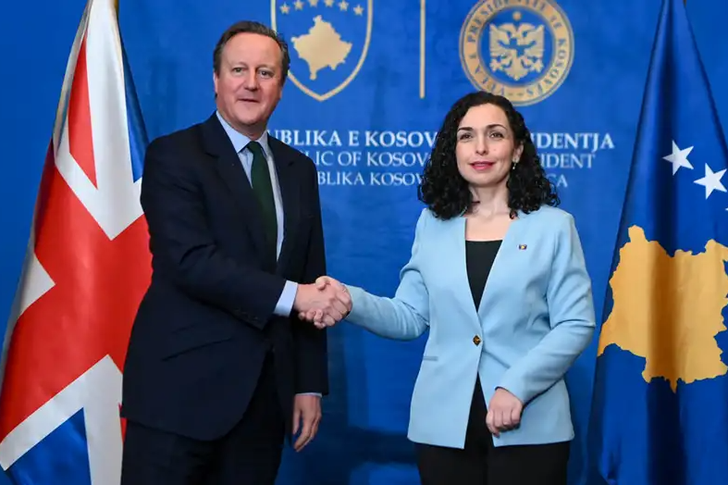
The British Foreign Secretary, David Cameron, emphasiz...
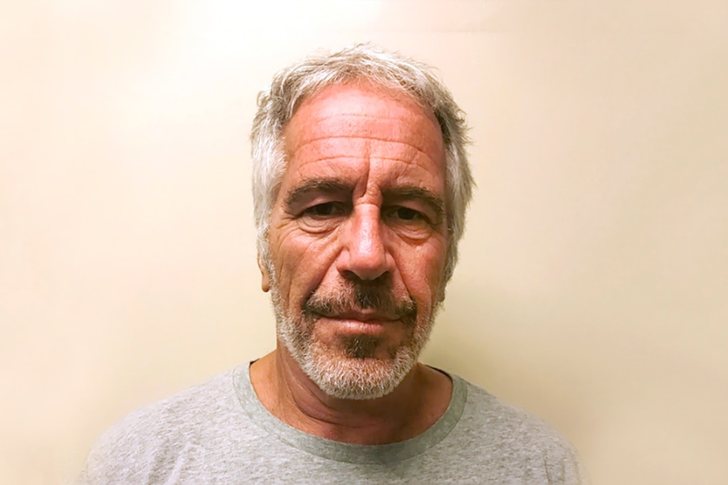
The release of a number of previously secret court documen...
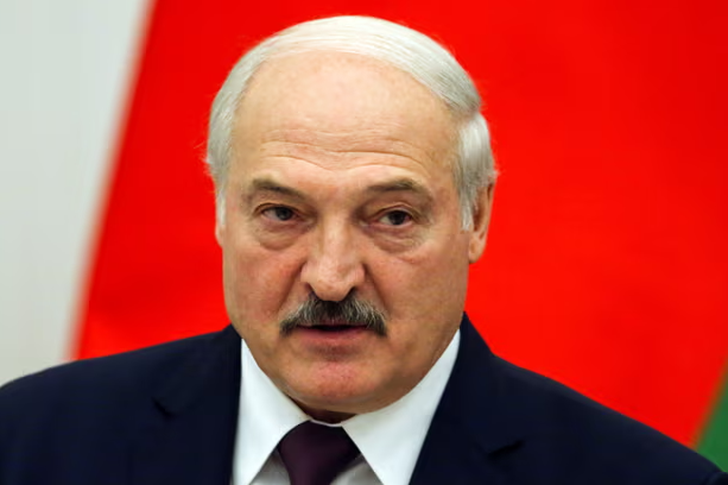
Belarus President Alexander Lukashenko has signed a ne...
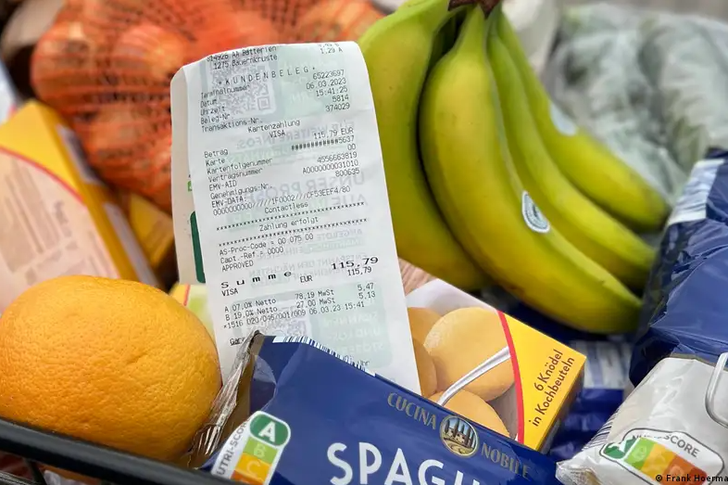
In positive news for businesses and households in Germ...

It seems that Kosovo will have fewer inhabitants in the co...
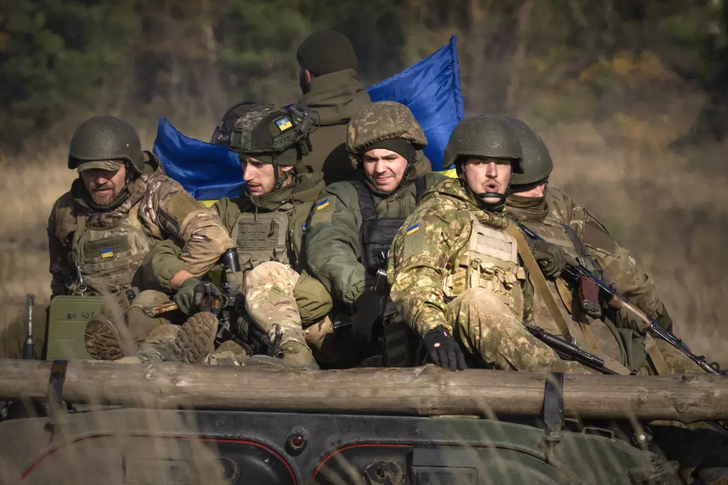
Ukraine attacked a Russian military unit near Yevpator...
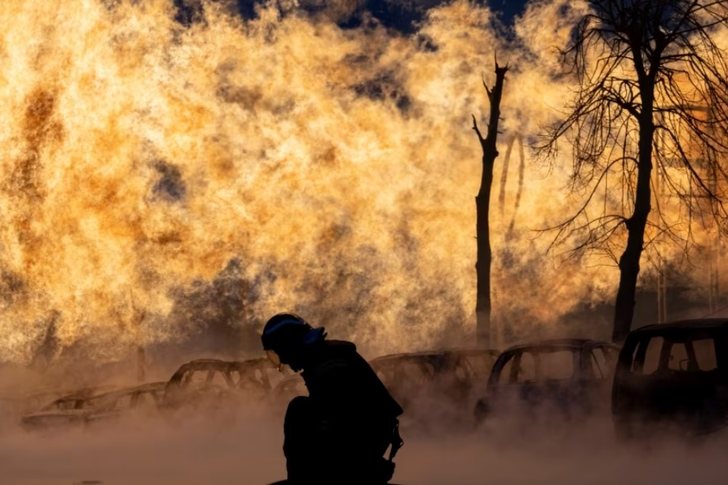
Russia and Ukraine began 2024 with attacks against each ot...
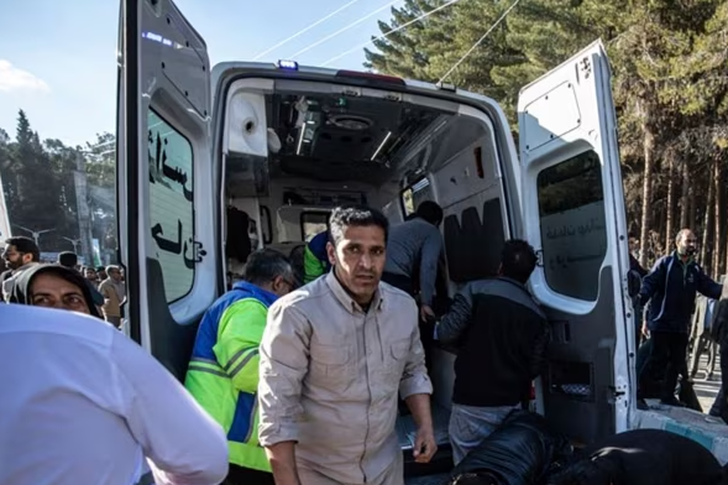
The Islamic State (IS) has claimed responsibility for ...
The singer Ledina Çelo has been and continues to be one of...
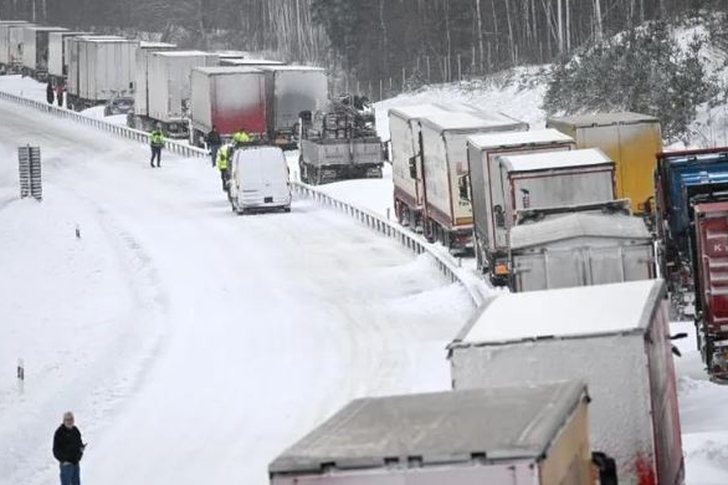
Vendet nordike kanë regjistruar temperaturat e tyre më të ...
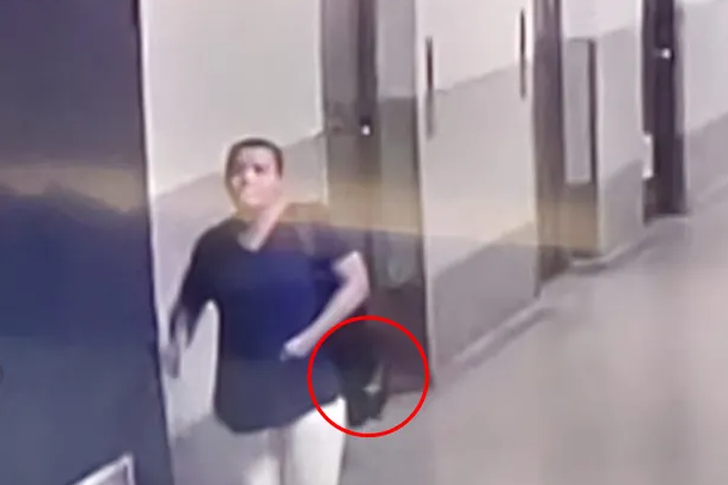
British media The Sun has published a video showing a hosp...
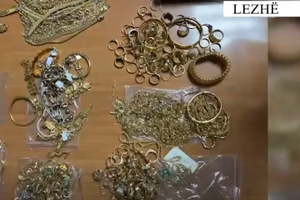
A 39-year-old citizen has been arrested in Lezha, after se...

CNA has launched another investigation that could lead to ...

Irfan Hysenbelliu is a businessman that we call "Irfan the...

In March 2026, CNA launched another investigation centered...

The Special Board of Appeal (KPA) decided this Monday ...

The KPA vetting decided this Thursday to dismiss the p...

Suela Salavaçi, a prosecutor in the Prosecutor's Offic...

The Special Board of Appeal reinstated the prosecutor ...

Police Announcement: Following preliminary information...
New details from the operation being carried out in Fier t...
The 17-year-old, who was seriously injured yesterday after...
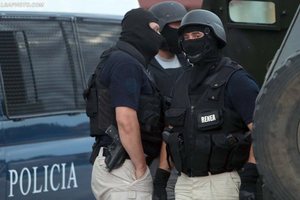
RENEA is headed towards Roskovec after the murder that occ...

By noon, cloudiness is expected to prevail in almost all o...

Children without parental care, for whom alternative famil...

On Thursday, our country will be under the influence of st...
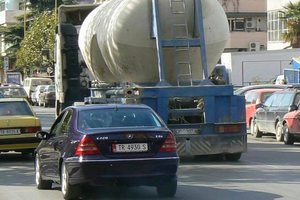
A serious accident that occurred this Wednesday with the c...
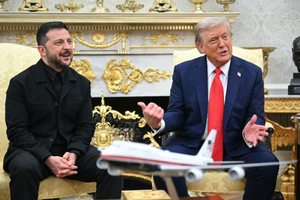
US President Donald Trump will host his Ukrainian counterp...
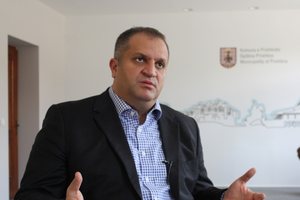
The Basic Court in Pristina found the former mayor of Pris...
The European Union Office in Kosovo has called on all poli...
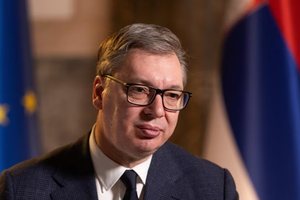
Serbian President Aleksandar Vučić, at a press conference ...

At a time when industrial products are increasingly taking...

Trust among people is not just a three-syllable word. It c...

Master of humor Todi Llupi has passed away at the age of 7...

The ninth edition of "MIK Festival" kicked off with one of...
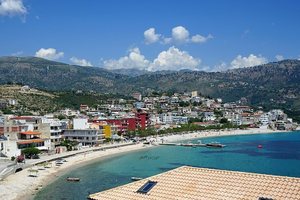
The number of active enterprises in Albania continued to g...
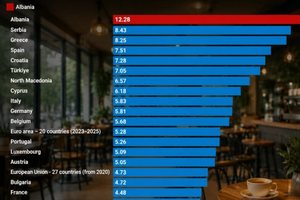
In Albania, the bar-cafe has long become an almost unique ...

This Friday, one US dollar is bought for 81.7 lek and sold...
The average sale price of apartments in Tirana reaches rec...