

New Zealand will eliminate all feral cats by 2050
New Zealand has a plan to eliminate all feral cats in the ...


Kosovar businesses are increasingly expanding their activity abroad, seeing safer and more profitable opportunities in the region's markets.
This trend is also clearly reflected in the statistics of the Central Bank of Kosovo (CBK), which show a significant increase in direct investments abroad.
According to the CBK, during the first half of this year, direct investments of Kosovars outside Kosovo reached 166.6 million euros - an increase of 55% compared to the same period last year, when the amount was 107 million euros.
For comparison, the value of these investments was 59.1 million euros in 2020, increased to 100.3 million euros in 2021 and continued to climb to 224.3 million euros in 2024.
Albania - the main destination of Kosovar investors
One of the businesses that has shifted its focus outside of Kosovo is the construction company "Uni Projekt", run by Fitim Bacaliu, who has been operating in Albania for six years.
He indicates that he has reduced investments in Kosovo and directed them towards the Albanian market.
The main reason: more stable profits.
"In Kosovo, purchasing power has dropped significantly, while in Albania there are many willing buyers," he tells Radio Free Europe.
Bacaliu invests up to 4 million euros per year in Albania, mainly in Shëngjin and Lezha, and employs only local staff.
He says this model has given more stability to his investments.
"We buy land, sell it and build high-rise residential buildings... Only I am from Kosovo - an engineer. All the workers are from Albania," explains the businessman.
Another case is the shoe manufacturing company "Solid Shoes" from Suhareka, which since March owns 40 percent of the shares of a factory in Tirana.
Managing Director, Shpejtim Kuçi, says that the expansion in Albania was made due to greater manufacturing experience, a larger number of clients, as well as export facilities to countries that do not recognize Kosovo's statehood.
He also emphasizes that maritime transport through Albanian ports is much more favorable for companies targeting international markets.
"There are countries where, like Kosovo, we encounter barriers, while Albania has earlier trade agreements," Kuçi tells Radio Free Europe.
"Another reason is that we also target the American market and in Albania trade can be organized more easily due to maritime transport," he adds.
His company employs around 600 workers in Albania, 200 in Kosovo and 80 in Presheva.
According to the Institute for Advanced Studies - GAP in Pristina, last year alone Kosovars invested over 80 million euros in Albania, while in 2023 over 95 million euros.
In Montenegro, meanwhile, such investments in 2024 amounted to 18.2 million euros.
Why do businesses leave?
Experts and business representatives see the increase in investments outside Kosovo as worrying.
They warn that this trend could intensify if urgent measures are not taken.
Lulzim Rafuna, president of the Kosovo Chamber of Commerce, says that bureaucracy, lack of digitalization, and high energy prices are pushing businesses towards other markets.
"We still operate with a classic system. The lack of digitalization slows down processes. This complicates the process for businesses and they give up," Rafuna tells Radio Free Europe.
He also recalls the exit of large companies into the open energy market earlier this year.
This has caused the price of electricity for them to increase and make them less competitive in the market, compared to countries in the region.
Ismet Mulaj, former Minister of Trade and Industry, tells Radio Free Europe that the orientation of businesses towards Albania, Montenegro and other countries shows that they find more favorable conditions abroad.
According to him, the departure of manufacturing businesses is especially worrying.
"In addition to bureaucratic procedures and energy problems, the image of products produced in Kosovo is not what we would like, because both Kosovo and businesses have not had the financial strength to develop marketing in different countries," adds Mulaj.
What does Kosovo lose?
The departure of businesses from Kosovo has significant consequences for the budget and the economy.
In addition to the outflow of financial capital, Kosovo also loses customs revenues, Value Added Tax, corporate profit tax, as well as taxes and pension contributions, which end up in the countries where the companies operate.
Furthermore, these businesses often also become direct competitors in the local market.
"All of this reduces public revenues that could be used for public services, whether for health, education, infrastructure," says Mulaj.
Kosovo's dependence on imports, meanwhile, continues to grow.
According to the Kosovo Agency of Statistics, last year imports amounted to over 6 billion euros, while exports amounted to around 900 million euros.
This year too, the situation seems similar: from January to July, imports reached over 4 billion euros, while exports only 521 million euros.
"We are taking all the cash out and this is very painful," says Rafuna.
Experts call for direct support for the private sector, especially for the manufacturing industry, as well as digitalization of services through a "one stop shop" model.
"No high cost is required to implement digital services, and businesses would benefit greatly - both in terms of speed of service and in reducing the possibility of corruption," says Mulaj.
The acting Ministry of Industry, Trade and Innovation in Kosovo did not respond to REL's question as to whether there is any strategy to curb this trend of businesses leaving. /REL

New Zealand has a plan to eliminate all feral cats in the ...

The United States and Ukraine will work together to make a...
A gold coin minted in 1609 for King Philip III of Spain is...
The Kosovo Special Prosecution Office has filed an indictm...
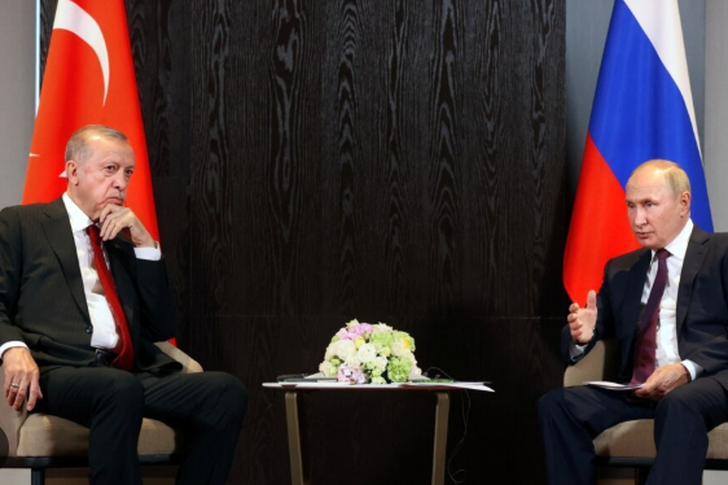
Turkish President Recep Tayyip Erdogan held a phone call w...
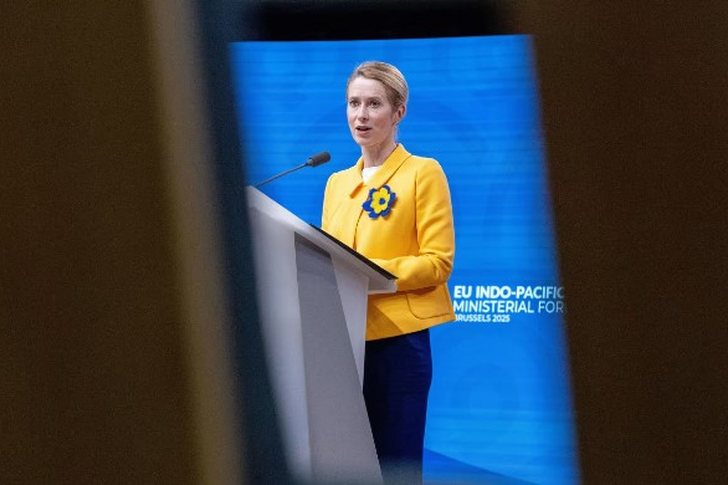
The EU High Representative for Foreign Affairs and Securit...
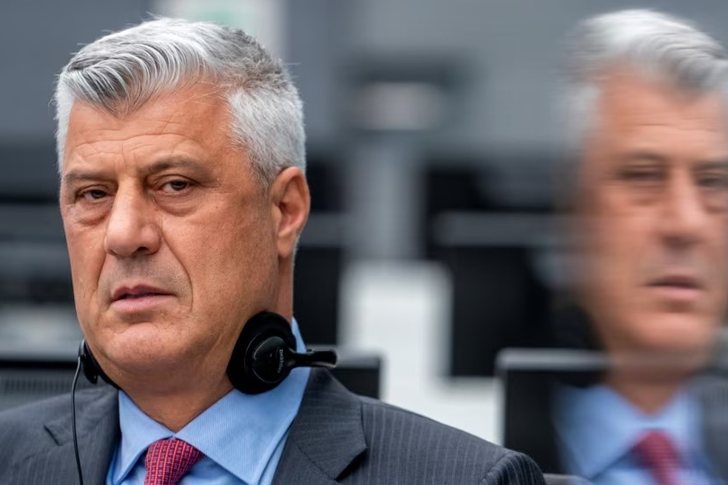
The Kosovo Specialist Chambers do not have an exact date f...
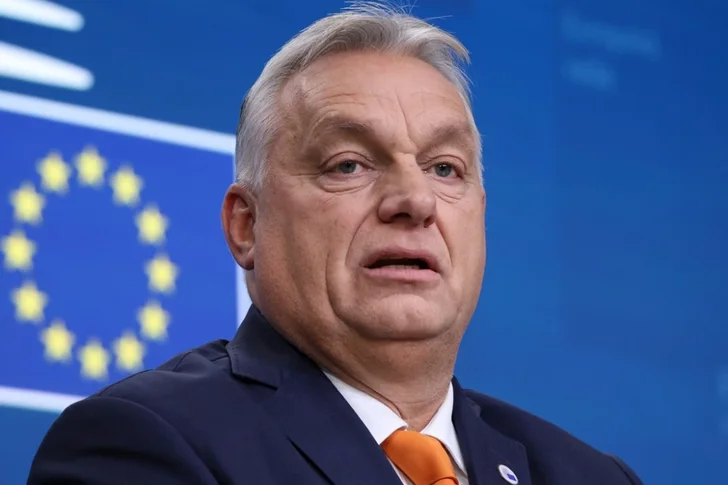
Hungarian Prime Minister Viktor Orban, after discussing th...
Two Romanian passengers were arrested by police at Cologne...
The Israeli military announced that it has dismissed three...

Gunfire was reported today in the Bregu i Diellit neighbor...
US President Donald Trump held a telephone conversation wi...
A volcano in northeastern Ethiopia has erupted for the fir...
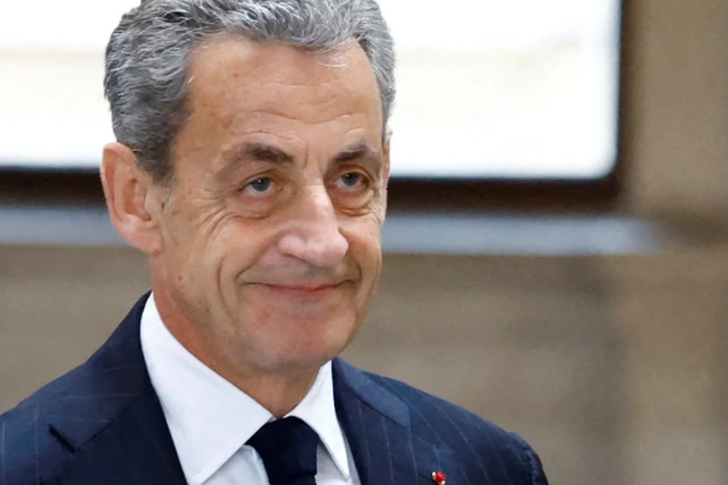
Former French President Nicolas Sarkozy is to publish a bo...
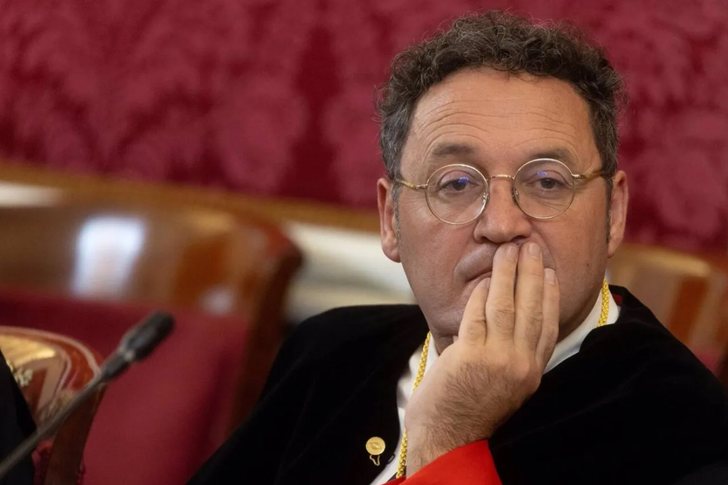
Spain's Chief Prosecutor, Alvaro Garcia Ortiz, has announc...

SHBA-ja dhe Ukraina njoftojnë se kanë rishikuar planin ame...
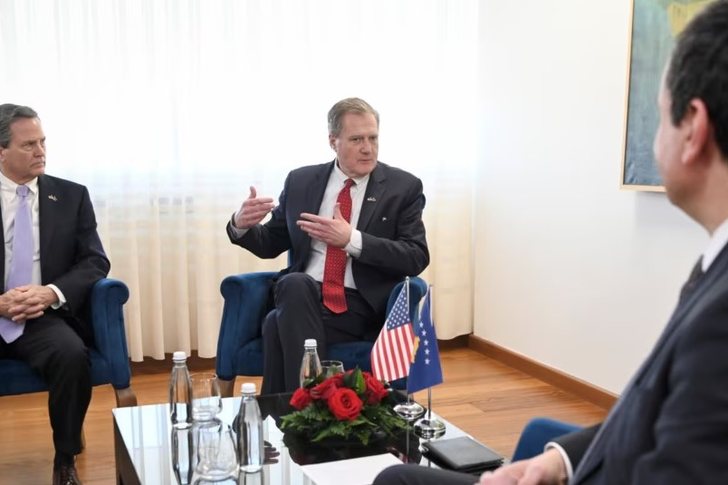
Republican Congressman Mike Turner and Democrat Donald Nor...

A woman in the Lower Lipjan/Lipljan Gadime district was at...

United States President Donald Trump has reacted again thr...
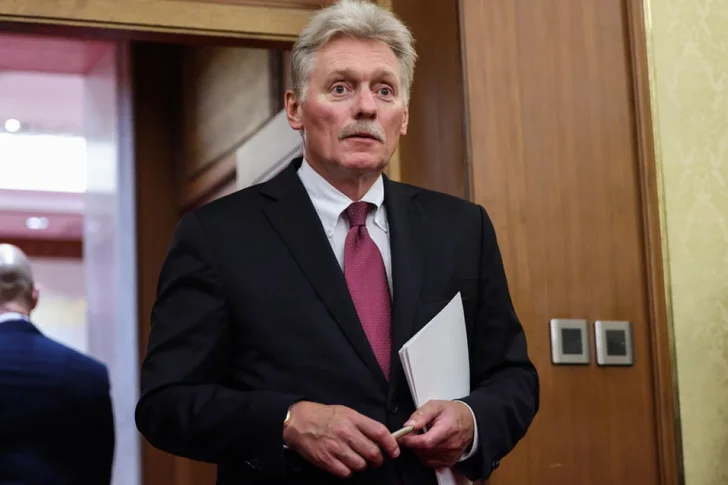
Dmitry Peskov, the spokesman for the Russian president, ha...

CNA has launched another investigation that could lead to ...

Irfan Hysenbelliu is a businessman that we call "Irfan the...

In March 2026, CNA launched another investigation centered...
The arrested mayor of Tirana, Erion Veliaj, with 13 charge...

The Special Board of Appeal (KPA) decided this Monday ...

The KPA vetting decided this Thursday to dismiss the p...

Suela Salavaçi, a prosecutor in the Prosecutor's Offic...

The Special Board of Appeal reinstated the prosecutor ...

Footage emerges from the serious accident that occurred th...

A Shkodra traffic police officer was hit with hard objects...
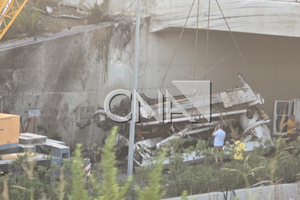
This Wednesday, around 4:00 PM, a serious accident occurre...

Tirana Police have shared details regarding the accident t...
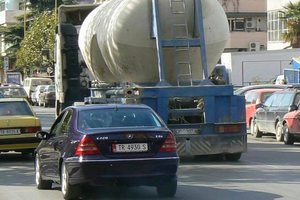
A serious accident that occurred this Wednesday with the c...

The Institute of Geosciences has shared a forecast for wea...
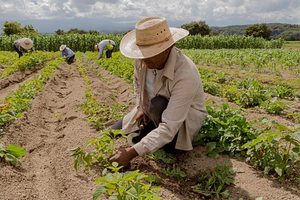
Rising energy and fertilizer prices are expected to contin...

Over 18,000 foreign citizens from 140 countries have appli...

The trial of ousted Venezuelan President Nicolas Maduro on...

US President Donald Trump has issued another warning to Ir...
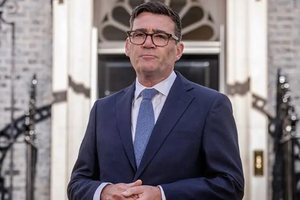
Prime Minister Andy Burnham has announced that most bus fa...

France's parliament has passed a law to ban social media f...

At a time when industrial products are increasingly taking...

Trust among people is not just a three-syllable word. It c...

Master of humor Todi Llupi has passed away at the age of 7...
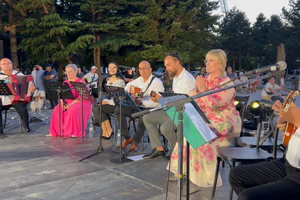
The ninth edition of "MIK Festival" kicked off with one of...
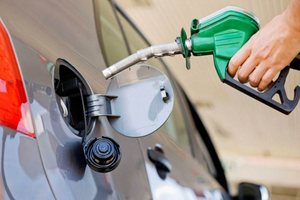
The price of diesel reached 206 lek per liter from 198 lek...

Businesses will no longer be required to simply register t...

Despite economic growth and income in recent years, Albani...

This Wednesday, one US dollar is bought for 81.4 lek and s...