

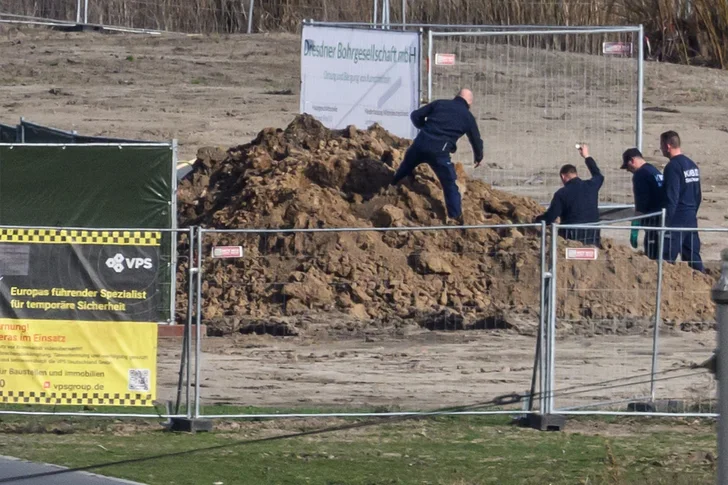
World War II bomb found, 18,000 residents evacuated in eastern German city
About 18,000 residents were forced to flee their homes in ...


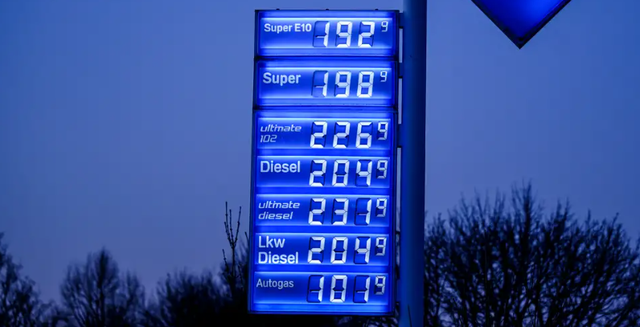
Germany authorizes the use of part of its oil reserves to curb rising prices in the markets. According to Economy Minister Katharina Reiche, there is no shortage, but too much risk premium and speculative profits.
Germany is using part of its national oil reserves. The reason is the sharp increase in oil and fuel prices worldwide due to the war with Iran. The release of reserves is intended to curb the rise in prices: "If market concerns about shortages disappear, prices will fall and we certainly expect a cushioning effect," German Economy Minister Katharina Reiche said at a press conference at noon about the release.
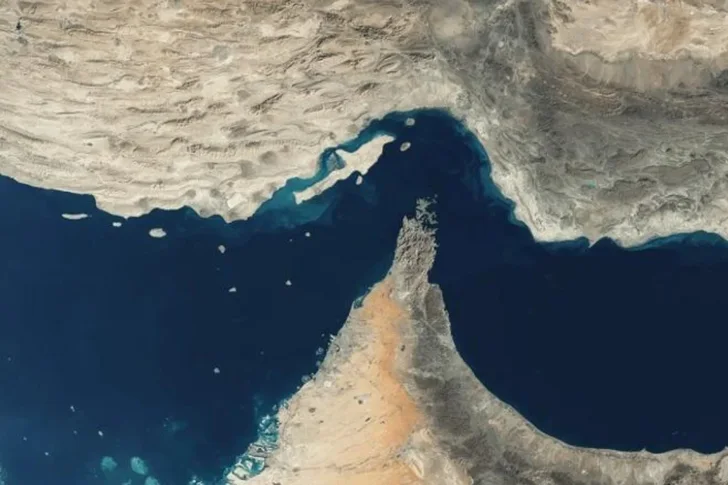
"The situation is tense in the field of oil supplies, as the Strait of Hormuz is currently impassable," the German minister explained. The global price of oil has increased by 30%. According to Reiche, the current high prices are a reflection of risk premiums and speculative profits.
IEA recommends its members to release reserves
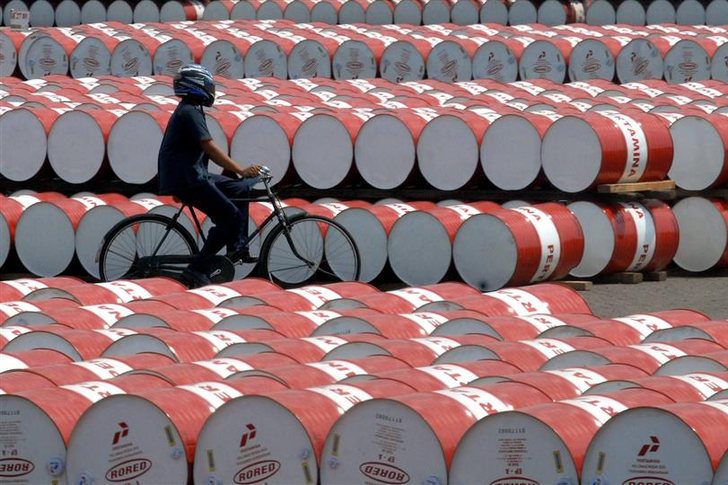
Therefore, the G7 countries discussed today the release of reserves. This measure is coordinated by the International Energy Agency (IEA), which held an extraordinary meeting yesterday. Reiche confirmed that the IEA has recommended that its member states release reserves. This amounts to a total of 400 million barrels of crude oil, the largest release in the history of the IEA. According to the Minister of Economic Affairs, Germany will release 2.64 million tons, equal to 19.51 million barrels.
Germany imports only small amounts of oil from the Middle East. However, according to Reiche, it will comply with the IEA's request: "Because Germany supports the IEA's fundamental principle: mutual solidarity."
Asian countries are the main importers of oil from the Gulf region
Reiche stressed solidarity within the IEA, because large quantities of oil from the Gulf region are destined for Asian countries, and maritime transport has practically stopped due to Iran's blockade of the Strait of Hormuz. According to Reiche, IEA member countries, such as Japan and South Korea, are particularly affected by the price increase.
Reiche stressed that there is no shortage of supply. Japan also has large reserves. It has already announced that it will follow the IEA recommendation, as has Austria.
The latest authorization after Russia's attack on Ukraine
The IEA’s 32 member countries have yet to accept the IEA’s recommendation, but Reiche assumes they will. Member states hold a total of 1.2 billion barrels of oil in emergency reserves. In addition, there are 600 million barrels of industrial reserves, according to the Paris-based organization. The IEA requires its members to hold oil reserves equivalent to at least 90 days of their net imports.
Reasons for releasing emergency reserves previously included the 1990/91 Gulf War, the damage caused by Hurricanes Katrina and Rita in 2005 in the United States, and the disruption of Libyan oil exports in 2011. The most recent use of national oil reserves occurred in 2022 due to the war against Ukraine.
Reiche stressed in the statement that Germany's gas supply remains secure. Gas storage facilities are at 21% capacity and dependence on gas from the Gulf region is very low, less than 4%./ DW

About 18,000 residents were forced to flee their homes in ...
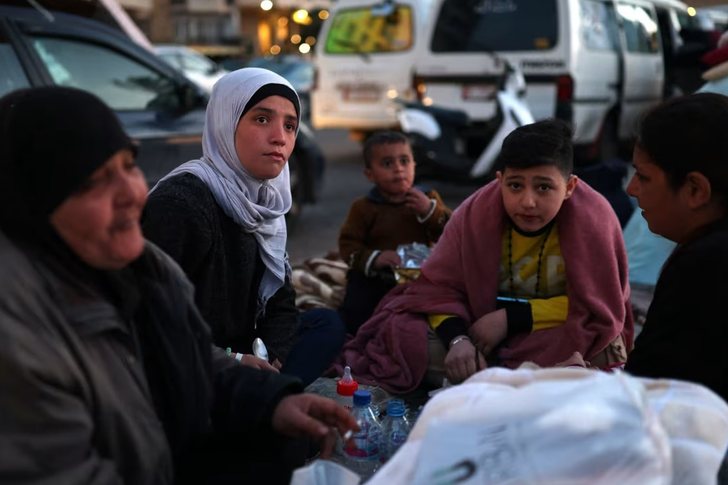
The European Union has offered around 100 million euros in...
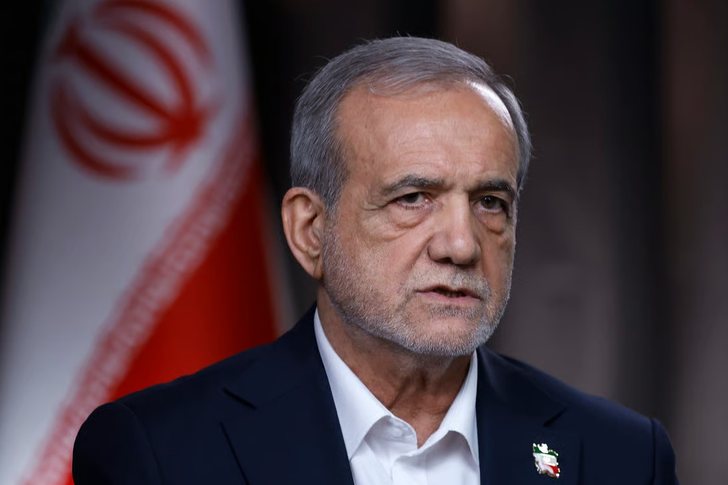
Iranian President Masoud Pezeshkian has said there is a wa...
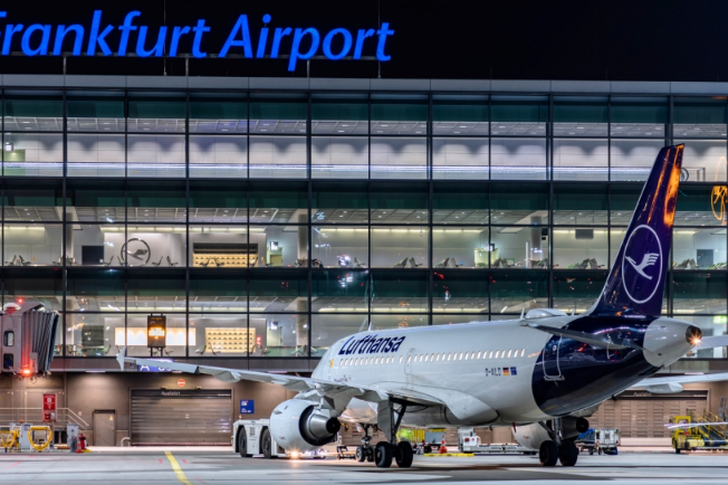
Hundreds of direct and transit flights have been canceled ...

French President Emmanuel Macron said the blockade of the ...
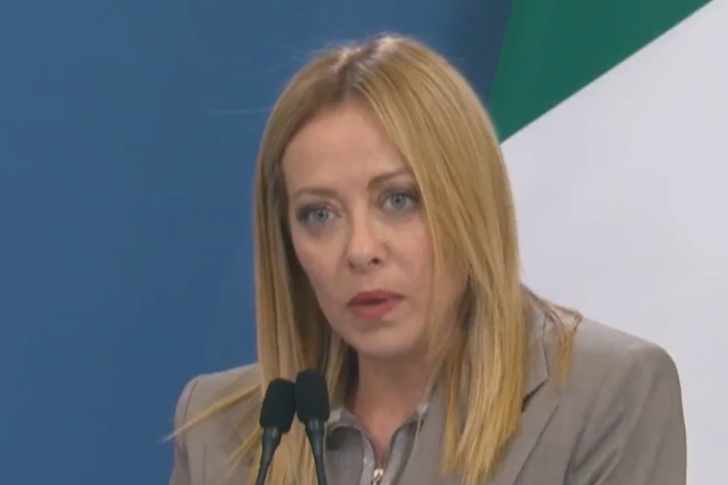
Italian Prime Minister Giorgia Meloni said leaders of the ...
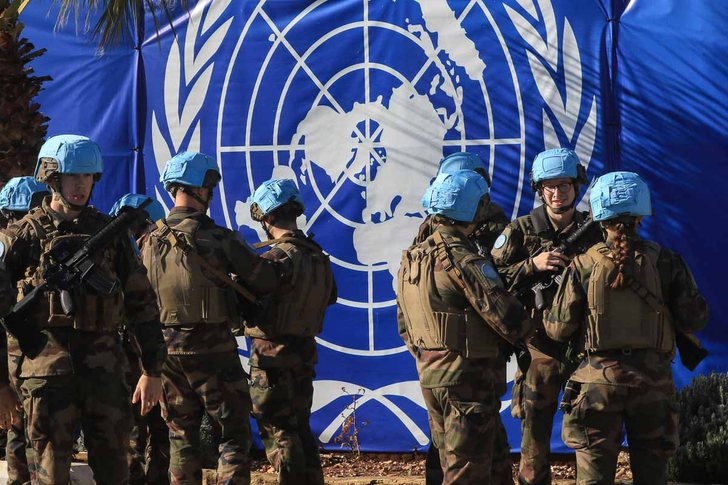
The conflict in the Middle East is threatening supply chai...
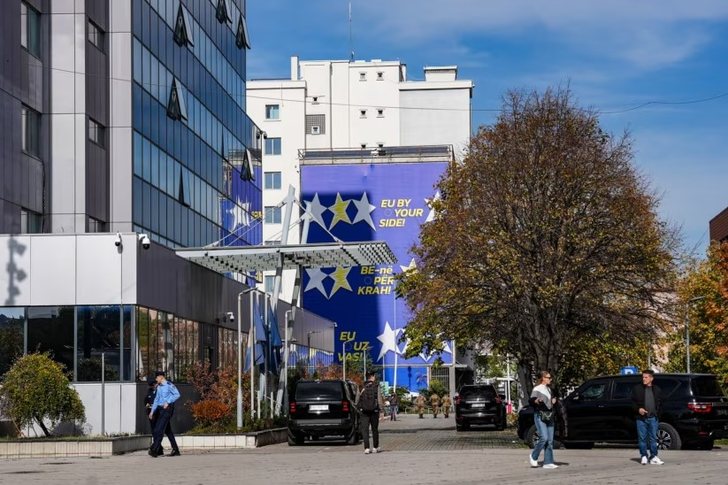
A draft annual report by the European Parliament (EP) on K...
The United States Central Command has warned civilians to ...

A stabbing incident has occurred at Thorpe St Andrew's Sch...
United States President Donald Trump stated that the war w...
Member countries of the International Energy Agency (IEA) ...
Komandanti i Komandës Qendrore të SHBA-së ka deklaruar se ...
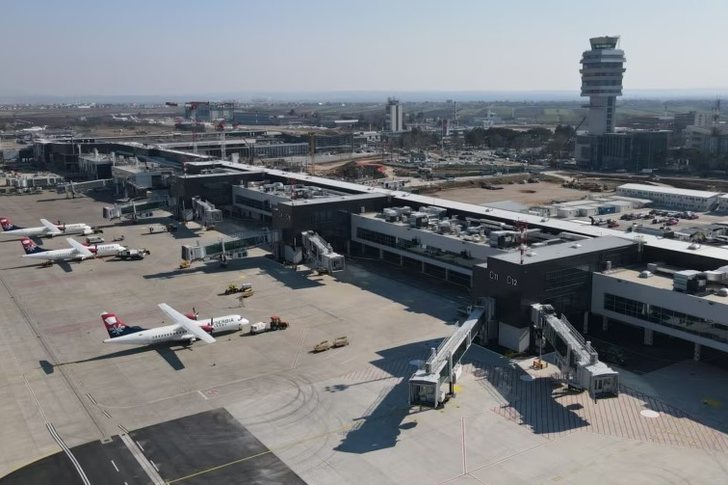
From Tel Aviv to Belgrade and then back to Tel Aviv. This ...
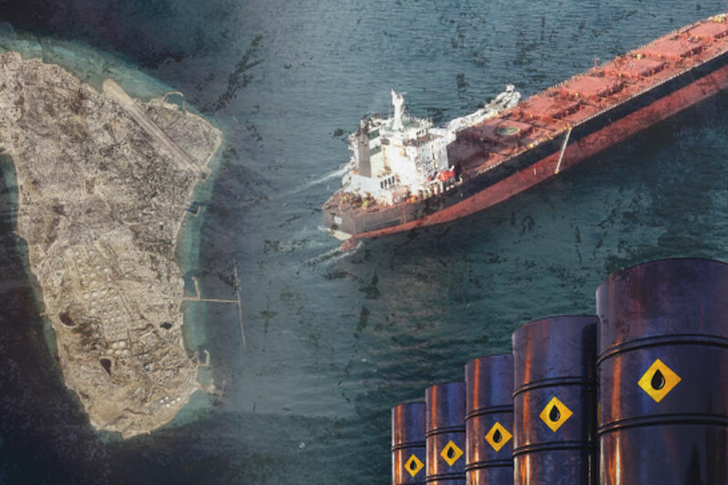
Kharg is a strategically important Iranian island that has...
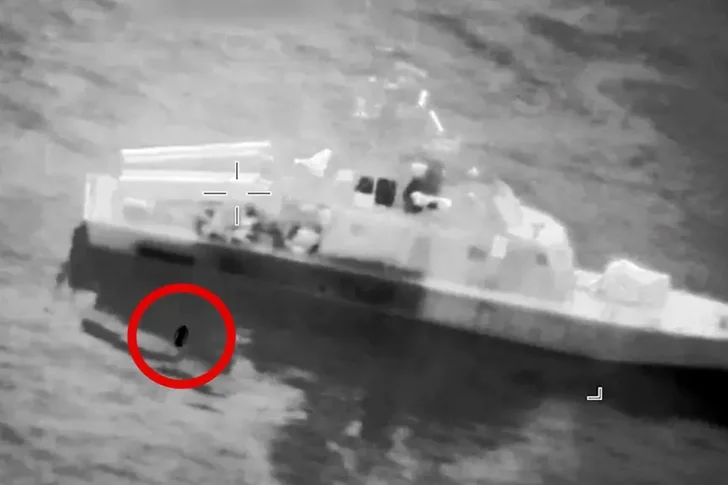
Iran says its policy of reciprocal attacks has ended, a sp...
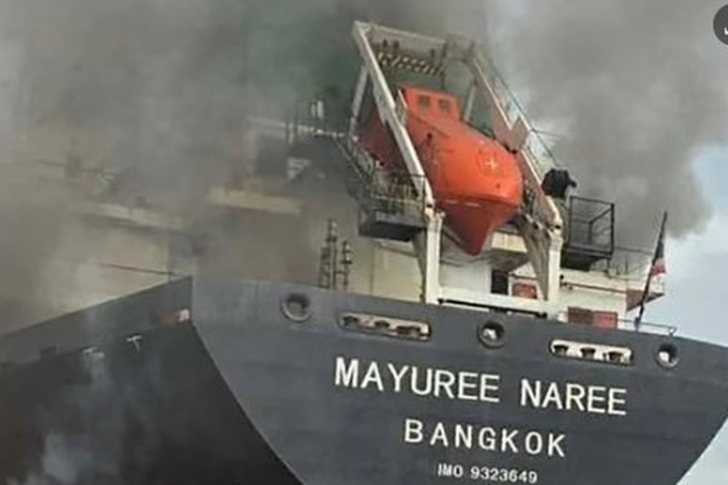
At least three ships were hit in and around the "vital" oi...
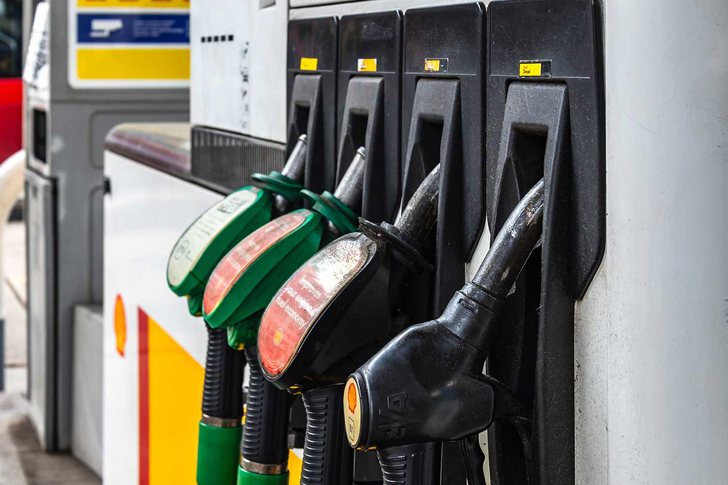
Drivers in the UK are continuing to feel the impact of the...
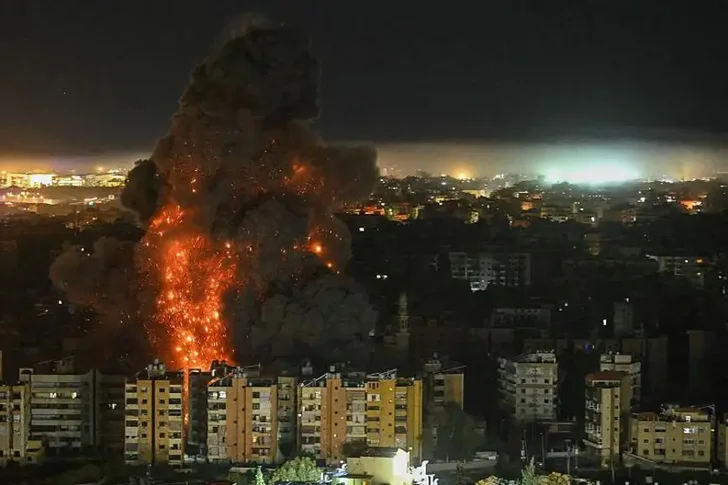
A drone struck a major US diplomatic facility in Baghdad o...
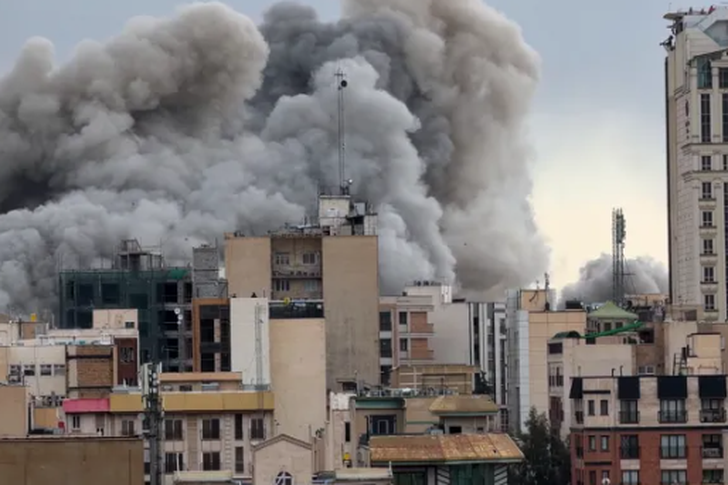
From one moment to the next, the Iran crisis seems to be s...

CNA has launched another investigation that could lead to ...

Irfan Hysenbelliu is a businessman that we call "Irfan the...

In March 2026, CNA launched another investigation centered...
The arrested mayor of Tirana, Erion Veliaj, with 13 charge...

The Special Board of Appeal (KPA) decided this Monday ...

The KPA vetting decided this Thursday to dismiss the p...

Suela Salavaçi, a prosecutor in the Prosecutor's Offic...

The Special Board of Appeal reinstated the prosecutor ...

Footage emerges from the serious accident that occurred th...

A Shkodra traffic police officer was hit with hard objects...
This Wednesday, around 4:00 PM, a serious accident occurre...

Tirana Police have shared details regarding the accident t...
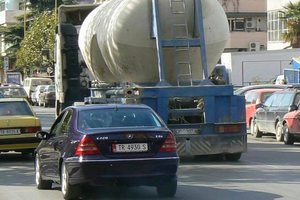
A serious accident that occurred this Wednesday with the c...

The Institute of Geosciences has shared a forecast for wea...
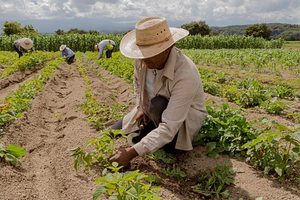
Rising energy and fertilizer prices are expected to contin...

Over 18,000 foreign citizens from 140 countries have appli...

The trial of ousted Venezuelan President Nicolas Maduro on...
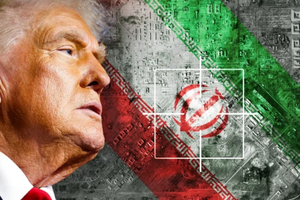
US President Donald Trump has issued another warning to Ir...

Prime Minister Andy Burnham has announced that most bus fa...

France's parliament has passed a law to ban social media f...

At a time when industrial products are increasingly taking...

Trust among people is not just a three-syllable word. It c...

Master of humor Todi Llupi has passed away at the age of 7...

The ninth edition of "MIK Festival" kicked off with one of...
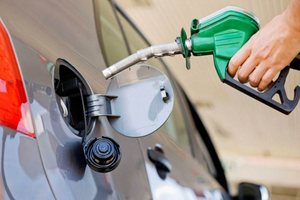
The price of diesel reached 206 lek per liter from 198 lek...

Businesses will no longer be required to simply register t...

Despite economic growth and income in recent years, Albani...

This Wednesday, one US dollar is bought for 81.4 lek and s...