

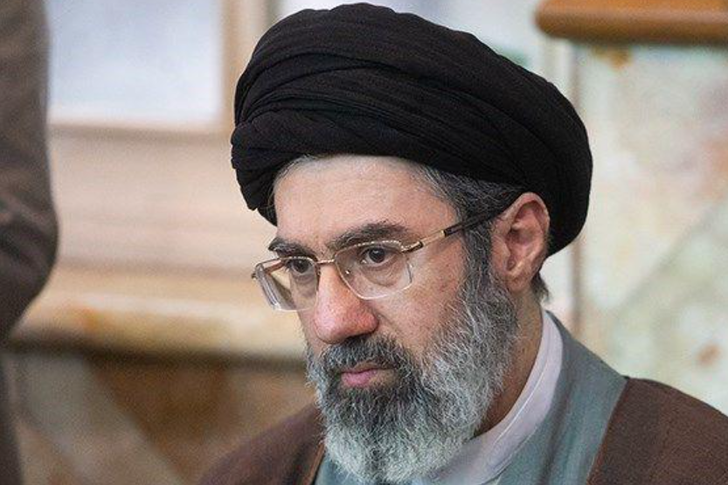
Suspicions of injury/ Iran: Mojtaba Khamenei is well and safe
According to reports in Iranian media, Mojtaba Khamenei, t...


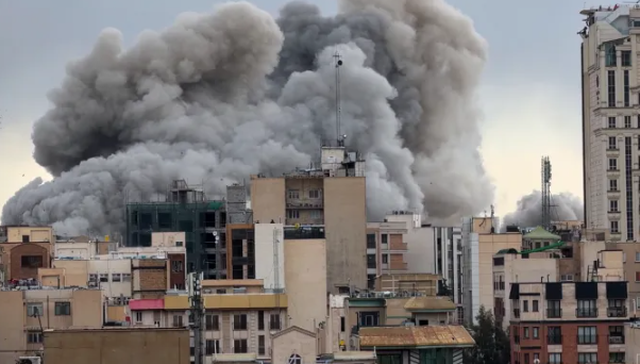
From one moment to the next, the Iran crisis seems to be spreading in ways that are increasingly uncertain for governments, investors, and ordinary citizens. Much now depends on the individual decisions of unpredictable leaders, including US President Donald Trump, and now perhaps even Iran's new and untested supreme leader, Mojtaba Khamenei.
So where is all this going?
1. Iran is deteriorating significantly, like Iraq in the 1990s
In the base case scenario, Trump gives the military the time it needs to complete this stated mission of degrading Iran’s power projection. This means that the United States, together with its allies and partners, can do enough to contain the economic shocks, and that the president remains committed to the mission he ordered.
This scenario assumes that by the end of this month, Iran’s power projection capacity and defense industrial base have been significantly degraded, but its political structures remain intact. The high-intensity military campaign would cease, having accomplished its stated objective, but without the promise of regime change in Tehran.
From this point on, US and international sanctions will remain in place against Iran unless and until its new government agrees to stop pursuing a nuclear program and abandon its long-range ballistic missile program. Both of these programs remain under UN Security Council sanctions, and that will continue.
Militarily, the US and Israel (and perhaps other partners) would continue to patrol Iranian skies with limited risk given Iran’s lack of air defenses. If Tehran sought to reinstate its missile, drone, or nuclear programs, it could be struck at will, thus deterring such moves.
This base case over the coming months and even years could resemble Iraq in the 1990s: weakened, contained, and with American pilots overhead to deter future threats. This would not promise regime change in Iran, but given the political turmoil in the country, we should anticipate future protests and a declining regime apparatus over time.
2. Iran empowered, worse than when the war began
The worst-case scenario would see economic shocks force Trump to declare victory prematurely before the military campaign is over. That would leave behind an Iran with reconsolidated, embittered, and emboldened power structures and with its military and nuclear capabilities sufficiently intact to rebuild. The region would be even less stable, as Gulf states would remain under the constant threat of an Iran with an expanding missile and drone capability, which Tehran has shown it is willing to use.
This scenario could pull the United States deeper into the Middle East, needed to further bolster the defenses of Gulf partners after facing thousands of missiles and drones, and with the U.S. military campaign pulled back before it could destroy those capabilities. The costs of doing business in the region, from securing shipping to long-term capital placement, could rise significantly before a new equilibrium develops. This new equilibrium would also assume a resurgent Iran with reinforced hard lines.
A decision to change course before the US military has completed its assigned task would risk a more unstable regional balance. Whatever the merits of launching this war, a premature halt to the campaign would risk leaving the Iranian regime emboldened and the region and the world in an even more precarious position.
3. The new Iran and a new Middle East
In the best-case scenario, military pressure on Iran, including attacks on its repressive security apparatus, weakens the regime and strengthens the confidence of Iranians to take back the streets and seek the overthrow of the Islamic Republic. The case might have had a better chance if not for the violent crackdown in January, which reportedly killed thousands of people.
In the short term, the Iranians can only regain critical mass of roads if Tehran's repressive apparatus, the Basij militias and the Islamic Revolutionary Guard Corps, are significantly and visibly degraded, something that is difficult to do through air power alone.
History shows that external military pressure alone rarely produces rapid regime collapse without an organized, internal, and armed opposition.

According to reports in Iranian media, Mojtaba Khamenei, t...
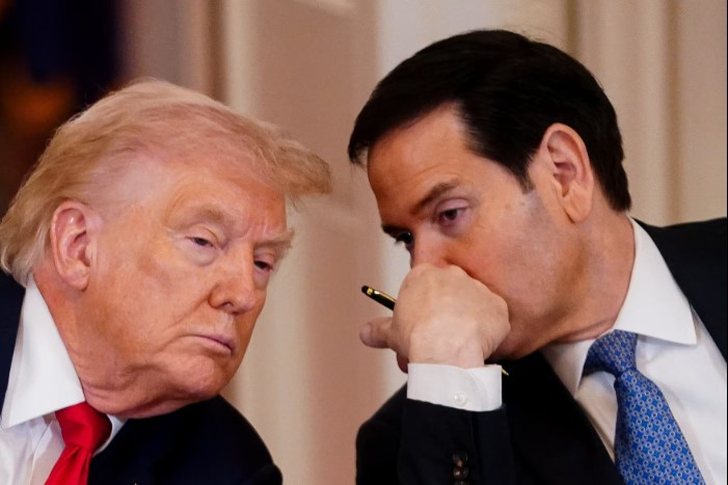
US President Donald Trump has hinted that the war with Ira...
According to a report by the prestigious American media ou...
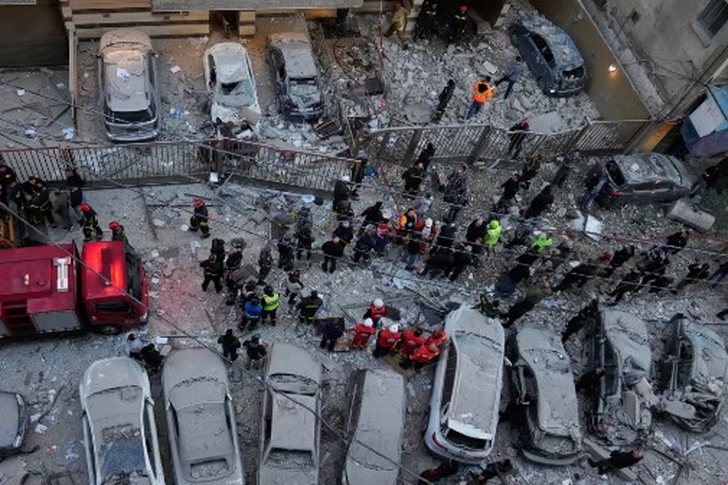
The Israel Defense Forces issued another evacuation order ...
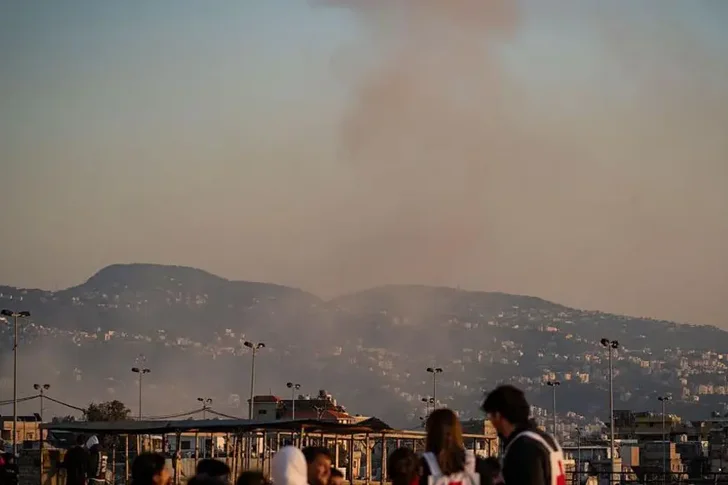
Iran has launched missile attacks on the US bases of Al Ud...
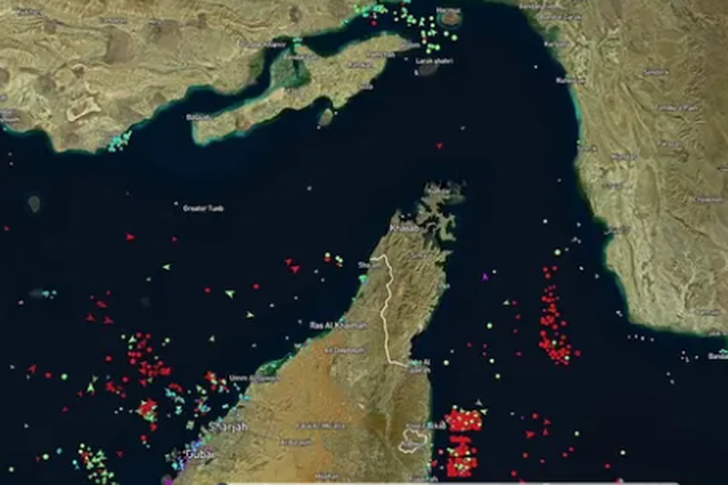
The Pentagon is considering additional options, such as es...
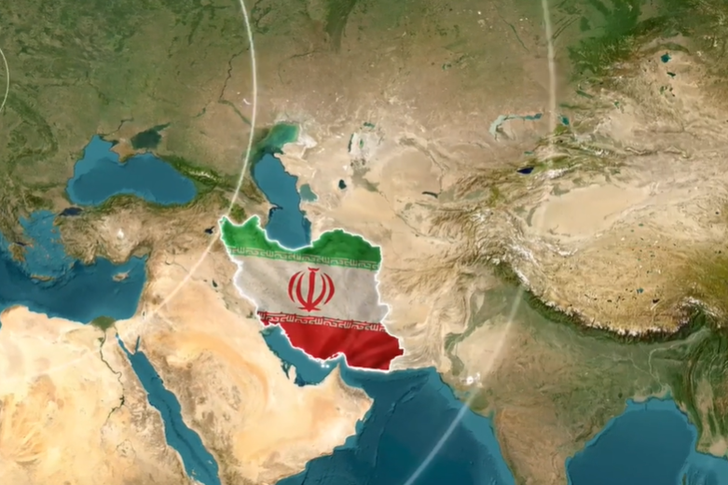
The radio signal first began broadcasting on February 28, ...
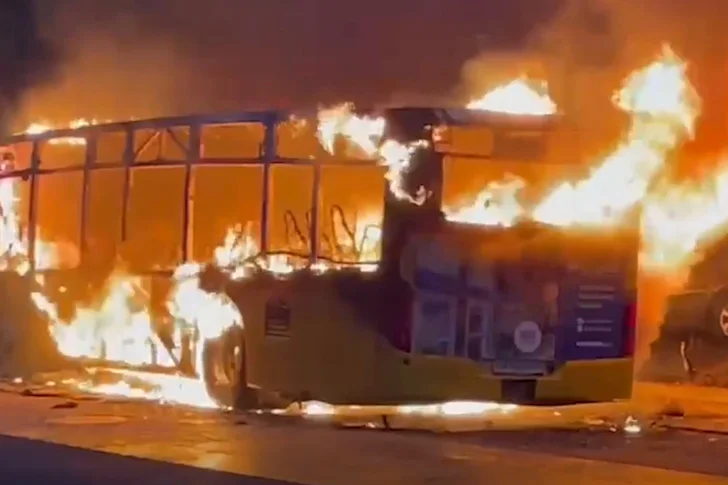
A tragic incident occurred today in Coeur d'Alene, Switzer...
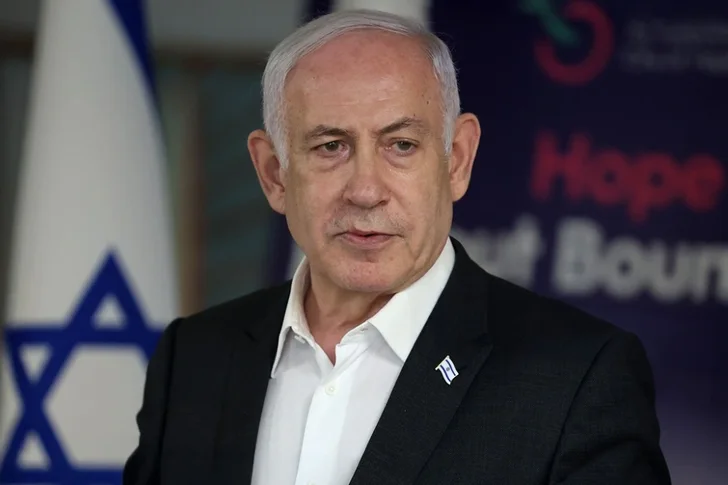
Israeli Prime Minister Benjamin Netanyahu has posted on X ...
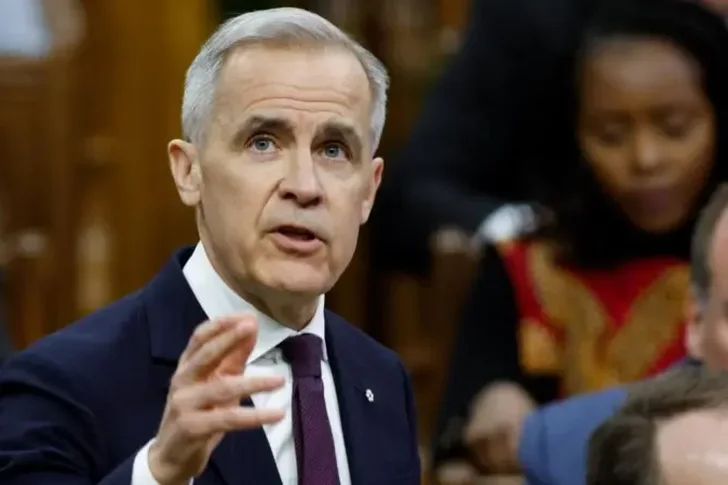
Canadian Prime Minister Mark Carney says the G7's strategi...
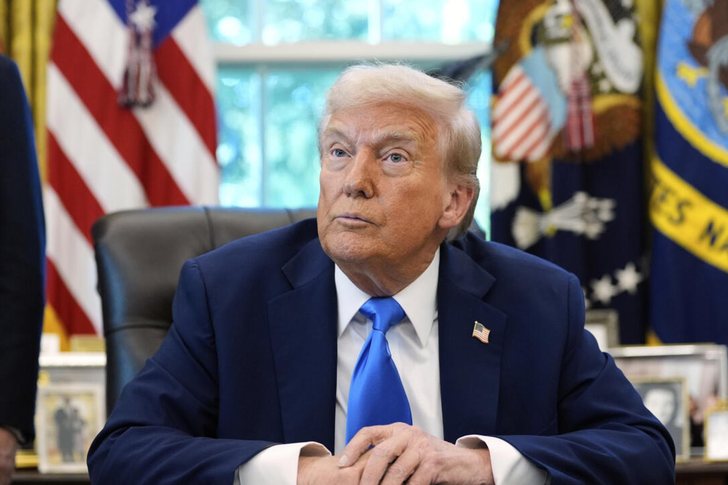
Presidenti i Shteteve të Bashkuara të Amerikës, Donald Tru...
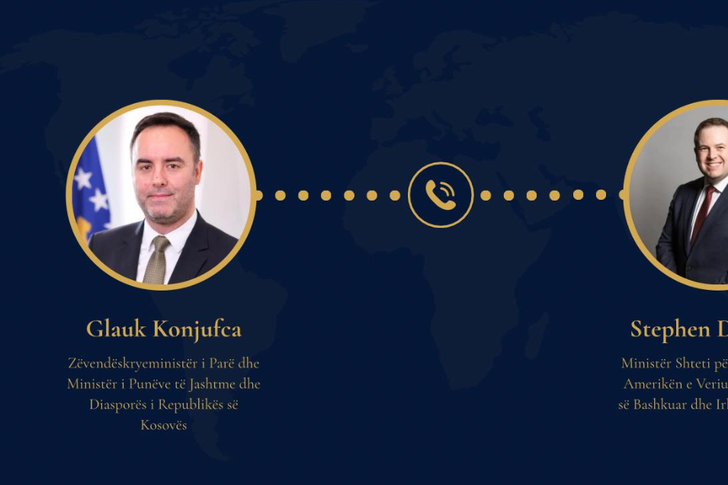
First Deputy Prime Minister and Minister of Foreign Affair...
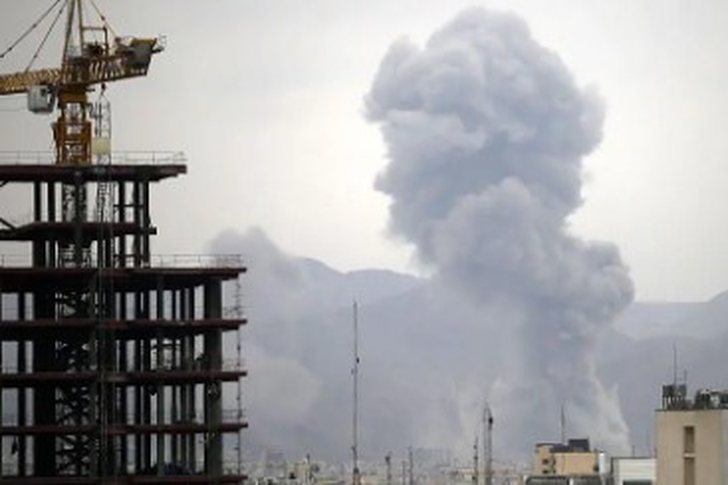
The most significant Iranian attack so far on Tuesday was ...
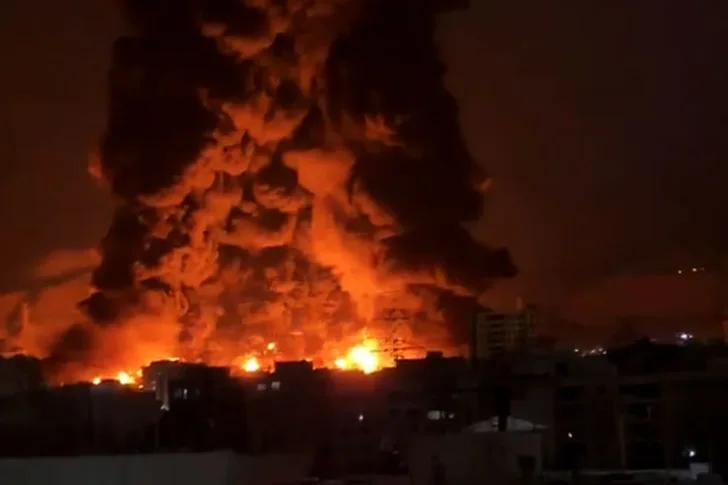
The World Health Organization has warned that "black rain...
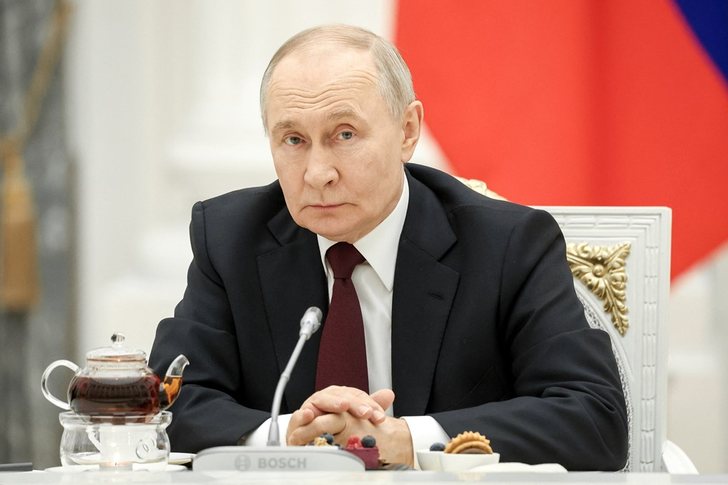
Russian President Vladimir Putin is a master at turning e...
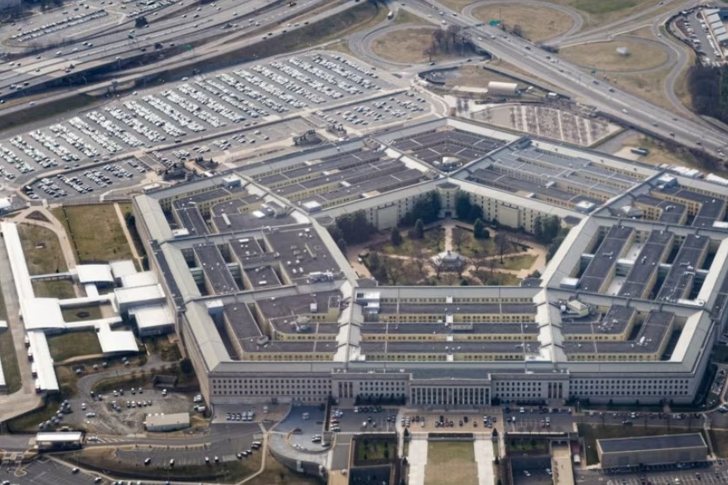
The Pentagon has issued a statement, saying that about 140...
White House Press Secretary Caroline Leavitt issued a stat...
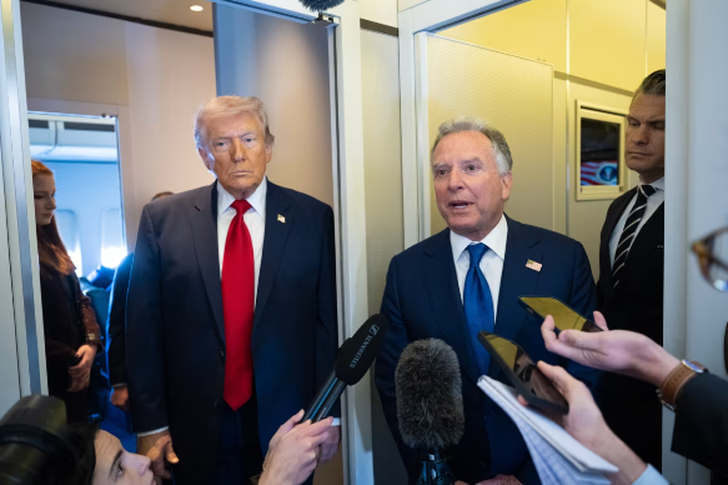
Trump's special envoy for the Middle East, Steve Witkoff, ...
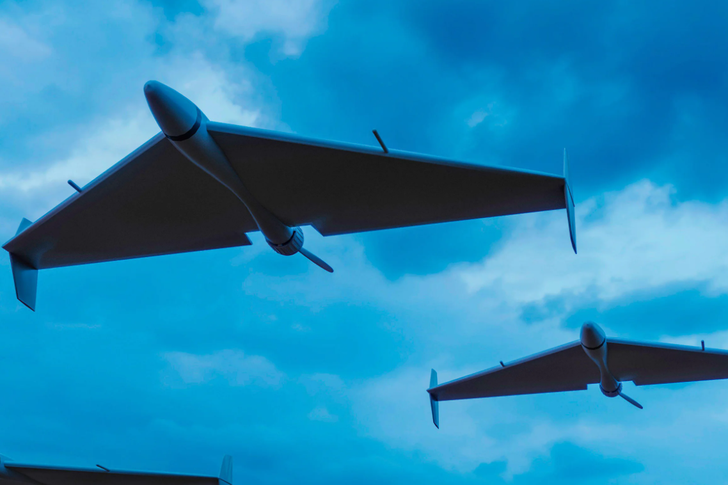
Ukrainian President Volodymyr Zelensky has announced that ...

Forbes has released its 40th annual "World's Billionaires"...

CNA has launched another investigation that could lead to ...

Irfan Hysenbelliu is a businessman that we call "Irfan the...

In March 2026, CNA launched another investigation centered...
The arrested mayor of Tirana, Erion Veliaj, with 13 charge...

The Special Board of Appeal (KPA) decided this Monday ...

The KPA vetting decided this Thursday to dismiss the p...

Suela Salavaçi, a prosecutor in the Prosecutor's Offic...

The Special Board of Appeal reinstated the prosecutor ...
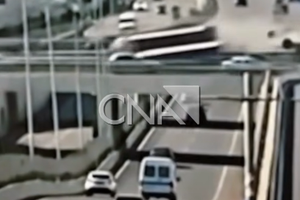
Footage emerges from the serious accident that occurred th...

A Shkodra traffic police officer was hit with hard objects...
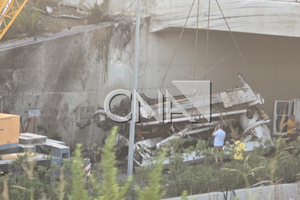
This Wednesday, around 4:00 PM, a serious accident occurre...
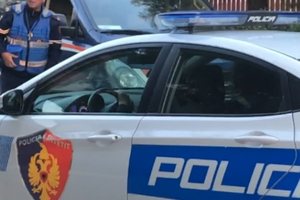
Tirana Police have shared details regarding the accident t...
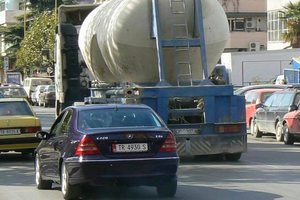
A serious accident that occurred this Wednesday with the c...

The Institute of Geosciences has shared a forecast for wea...
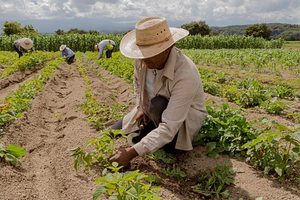
Rising energy and fertilizer prices are expected to contin...
Over 18,000 foreign citizens from 140 countries have appli...
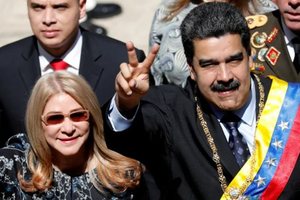
The trial of ousted Venezuelan President Nicolas Maduro on...
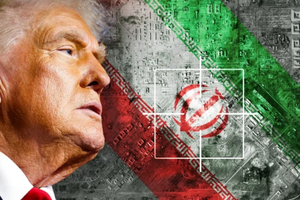
US President Donald Trump has issued another warning to Ir...
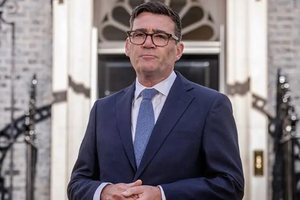
Prime Minister Andy Burnham has announced that most bus fa...

France's parliament has passed a law to ban social media f...

At a time when industrial products are increasingly taking...

Trust among people is not just a three-syllable word. It c...

Master of humor Todi Llupi has passed away at the age of 7...

The ninth edition of "MIK Festival" kicked off with one of...
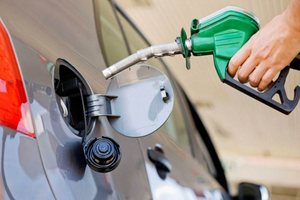
The price of diesel reached 206 lek per liter from 198 lek...

Businesses will no longer be required to simply register t...

Despite economic growth and income in recent years, Albani...

This Wednesday, one US dollar is bought for 81.4 lek and s...