

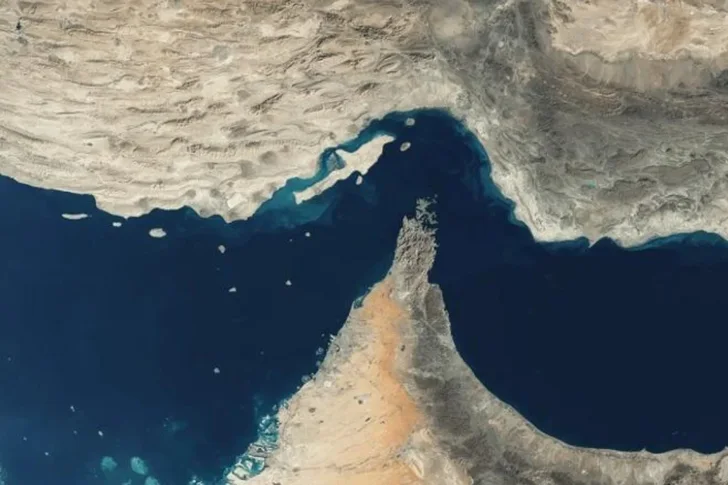
US warns civilians: Avoid the Strait of Hormuz area
The United States Central Command has warned civilians to ...


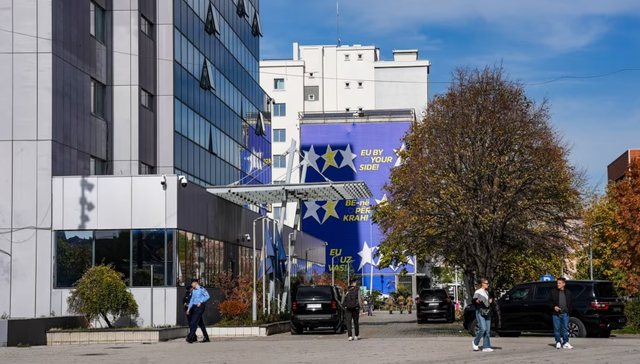
A draft annual report by the European Parliament (EP) on Kosovo assesses that 2025 was a “lost year” for the country, due to the ongoing political crisis throughout the 12 months.
The draft report, authored by the EP rapporteur for Kosovo, Riho Terras, welcomes the formation of the new Kosovo Assembly and Government following the December 28 elections, but regrets the Assembly's failure to elect a new president within the constitutional deadline, pushing the country towards new elections.
Kosovo had a dysfunctional Assembly and caretaker Government over the past year, after the February 9 parliamentary elections produced no clear winner and political parties failed to find consensus on a majority government.
This led the country to hold elections again on December 28, but the lack of an agreement on the election of the president, as the current president, Vjosa Omani, ends her term on April 4, risks leading the country to elections for the third time within a period of about a year.
The draft report, which Radio Free Europe has seen, should be subject to discussion and then a vote in the European Parliament. Terras, in his accompanying reasoning, assesses that some of the challenges for Kosovo are inherited problems, the solution of which requires the involvement of the entire region in a broader process of integration into the European Union.
dIALOGUE
He wrote in the report that the European Union-mediated dialogue between Kosovo and Serbia has failed to be fruitful.
"The dialogue between Pristina and Belgrade, which was launched to find a compromise acceptable to the parties, unfortunately has not yielded the expected results. The dialogue was essentially inactive during 2025. This also happened because Kosovo did not have a government with a mandate and full competencies, while negotiations in this form have no perspective," Terras emphasized in his justification.
In recent years, Kosovo and Serbia have held a series of rounds of dialogue at the level of chief negotiators, but there have been no high-level political meetings since September 2023.
Terras stressed that the European Commission, the European Parliament and EU member states must do everything to ensure that the dialogue between Pristina and Belgrade continues with renewed energy.
The draft document recalls that the normalization of relations with Serbia and the implementation of obligations from the normalization dialogue remain an integral part of Kosovo's future in the EU.
He reiterated the importance of constructive engagement by the Kosovo and Serbian authorities to reach a comprehensive and legally binding agreement on normalization, which, according to him, should be based on mutual recognition and in accordance with international law.
Kosovo and Serbia are called upon to implement the Agreement on the Path to Normalization, reached in Brussels in February 2023, as well as its annex, which the parties agreed to in March of that year in Ohrid.
Among the implementation obligations that the European Parliament is demanding include the creation of the Association of Serb-majority municipalities and for Serbia to drop its opposition to Kosovo's membership in regional and international organizations.
Both sides are also required to avoid unilateral actions that could undermine the dialogue process.
This document also calls on the five EU member states that have not recognized Kosovo's independence "to move towards recognition, enabling Kosovo to progress on an equal footing with other candidates."
The report welcomes the gradual lifting of EU measures against Kosovo as of May 2025 and calls for the urgent lifting of the remaining measures, which are no longer justified and continue to have a negative impact on Kosovar society; it emphasizes that this impact is visible throughout society and has particularly hit local communities, civil society organizations and small and medium-sized enterprises.
The draft document will be discussed in the European Parliament's Foreign Policy Committee (AFET) on March 17. The draft report on Serbia will also be discussed on the same day, as well as the report of the European Parliament delegation that visited the country in January.
Later in the year, both documents will be put to a vote in plenary and will take the form of a European Parliament resolution. /REL

The United States Central Command has warned civilians to ...

A stabbing incident has occurred at Thorpe St Andrew's Sch...
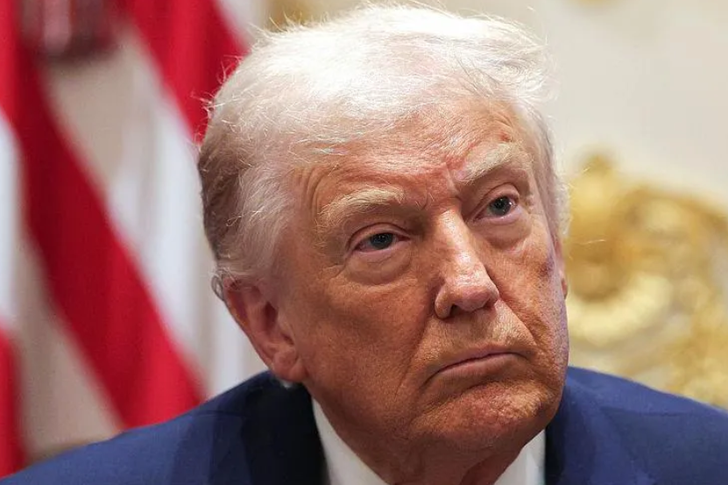
United States President Donald Trump stated that the war w...
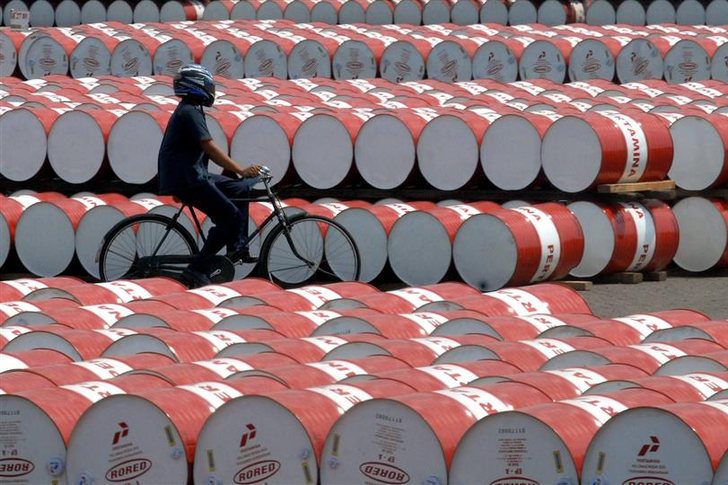
Member countries of the International Energy Agency (IEA) ...
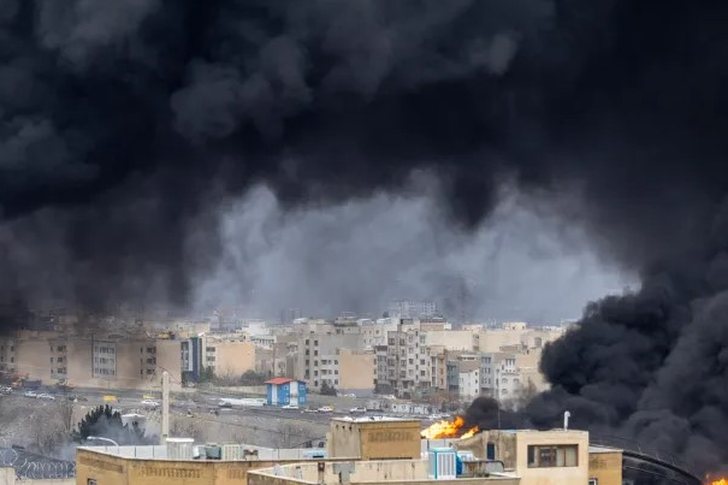
Komandanti i Komandës Qendrore të SHBA-së ka deklaruar se ...
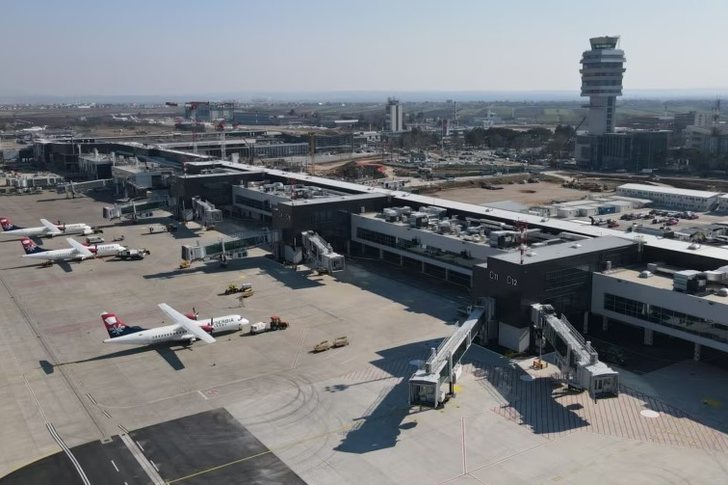
From Tel Aviv to Belgrade and then back to Tel Aviv. This ...
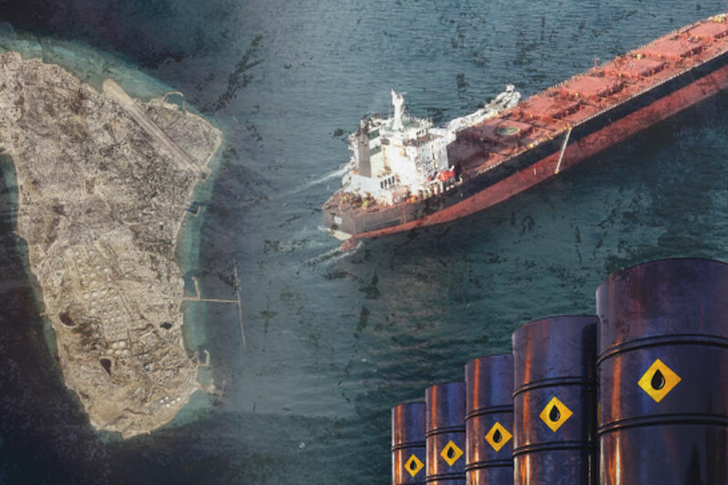
Kharg is a strategically important Iranian island that has...
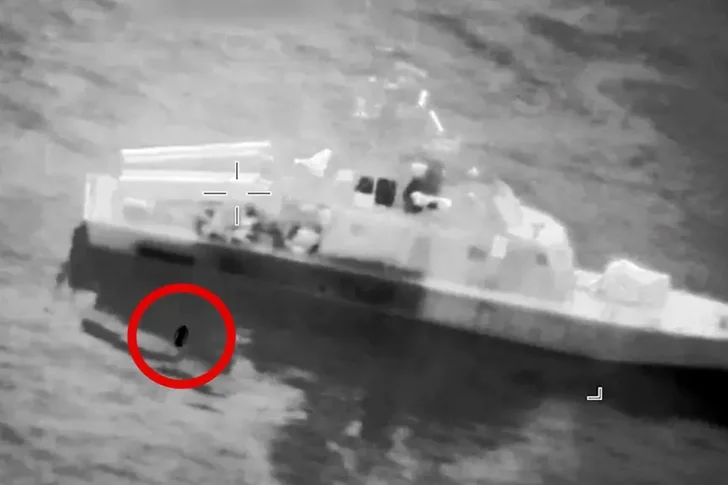
Iran says its policy of reciprocal attacks has ended, a sp...
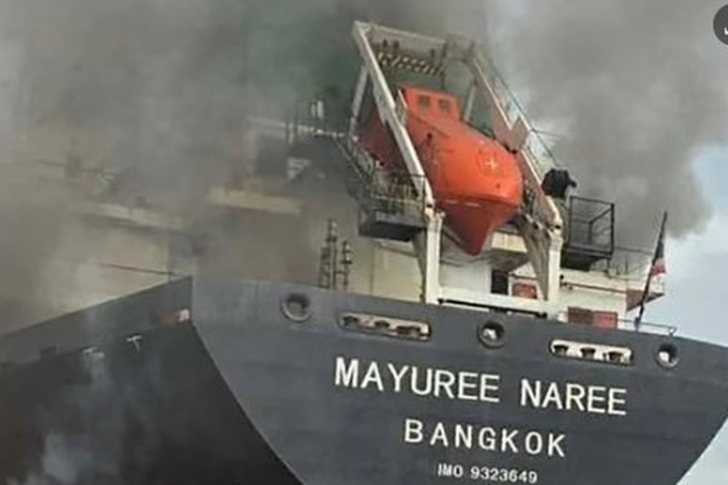
At least three ships were hit in and around the "vital" oi...
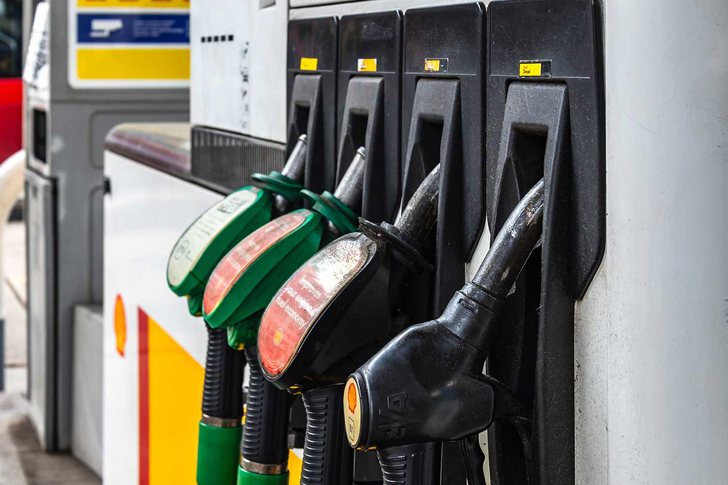
Drivers in the UK are continuing to feel the impact of the...
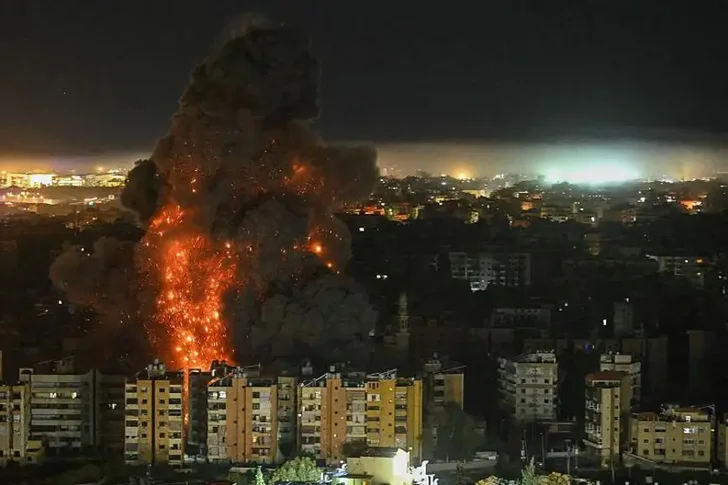
A drone struck a major US diplomatic facility in Baghdad o...
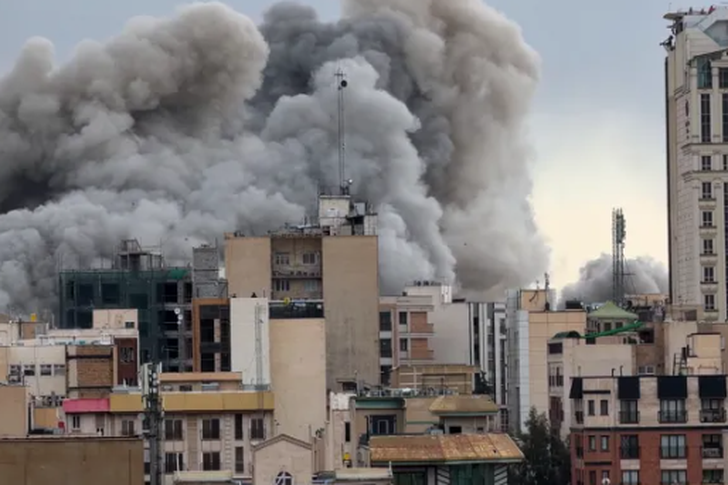
From one moment to the next, the Iran crisis seems to be s...
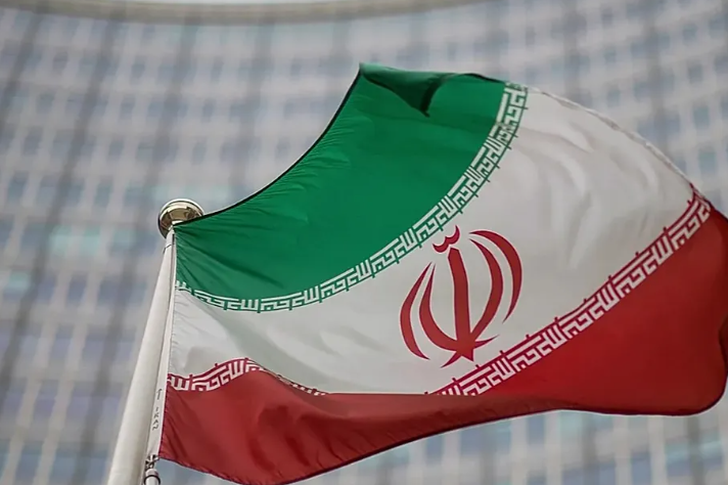
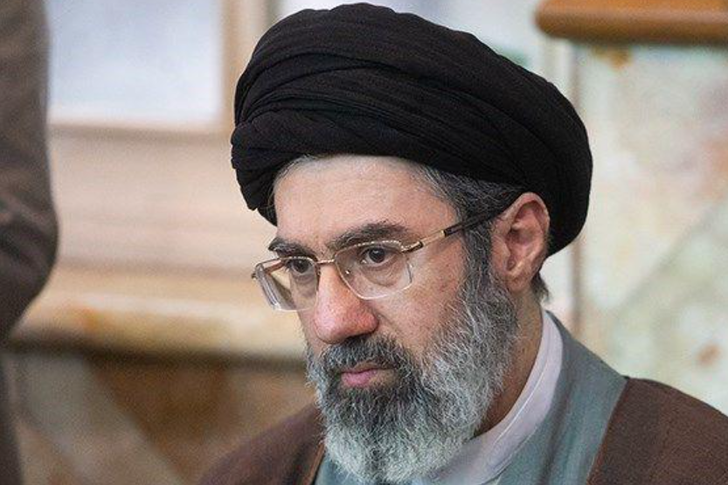
According to reports in Iranian media, Mojtaba Khamenei, t...
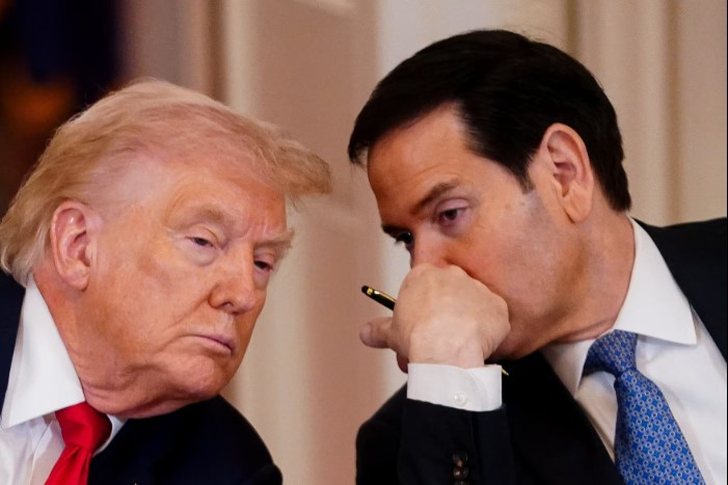
US President Donald Trump has hinted that the war with Ira...
According to a report by the prestigious American media ou...
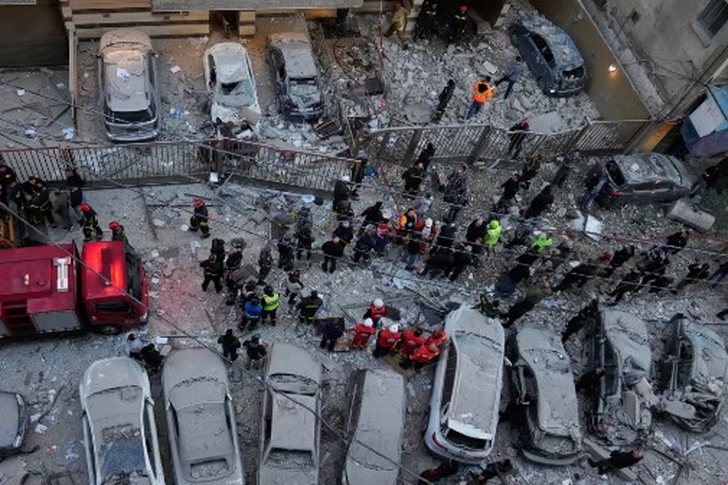
The Israel Defense Forces issued another evacuation order ...
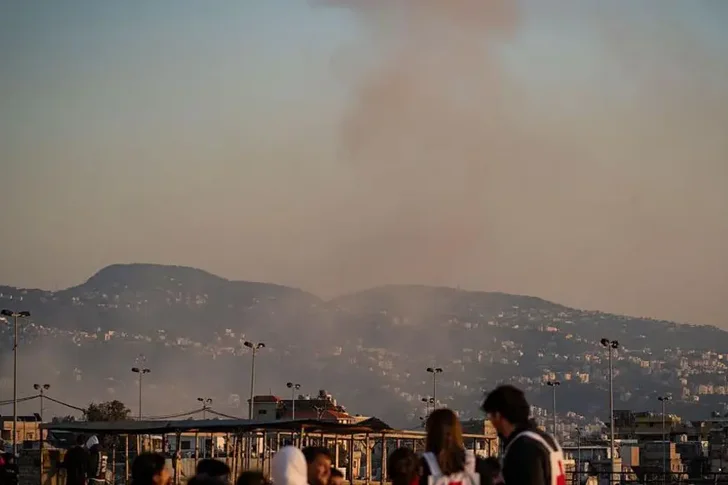
Iran has launched missile attacks on the US bases of Al Ud...
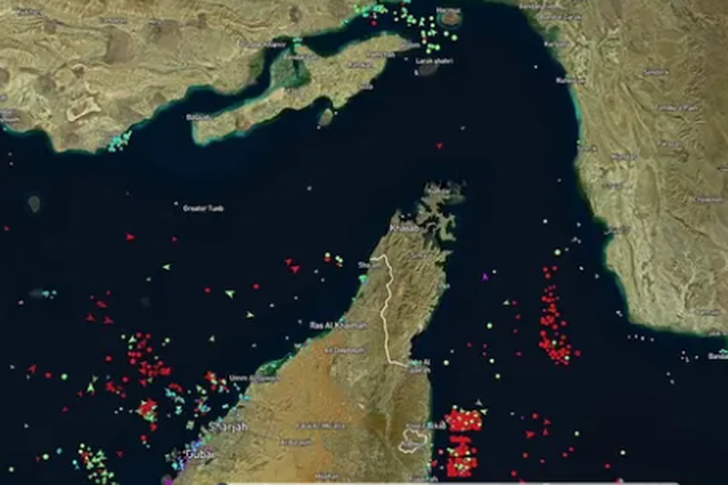
The Pentagon is considering additional options, such as es...
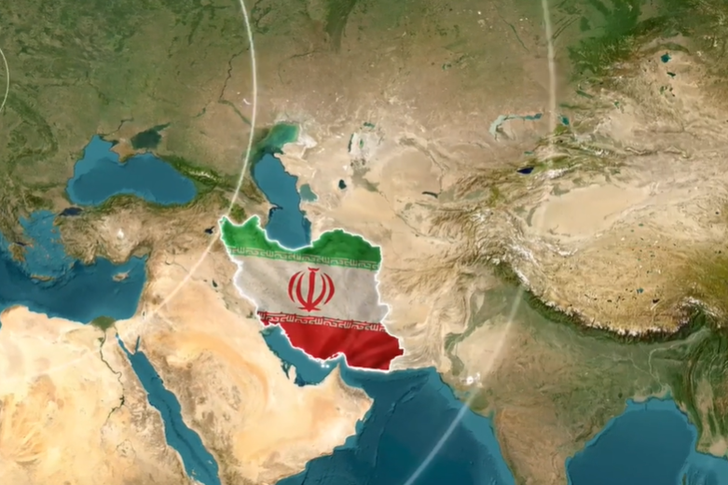
The radio signal first began broadcasting on February 28, ...
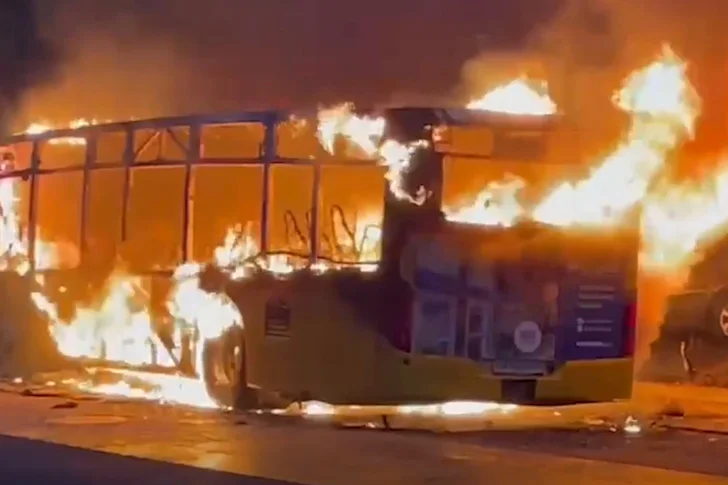
A tragic incident occurred today in Coeur d'Alene, Switzer...

CNA has launched another investigation that could lead to ...

Irfan Hysenbelliu is a businessman that we call "Irfan the...

In March 2026, CNA launched another investigation centered...
The arrested mayor of Tirana, Erion Veliaj, with 13 charge...

The Special Board of Appeal (KPA) decided this Monday ...

The KPA vetting decided this Thursday to dismiss the p...

Suela Salavaçi, a prosecutor in the Prosecutor's Offic...

The Special Board of Appeal reinstated the prosecutor ...
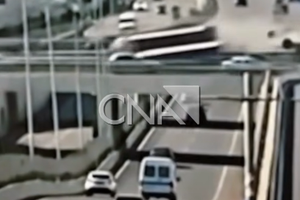
Footage emerges from the serious accident that occurred th...

A Shkodra traffic police officer was hit with hard objects...
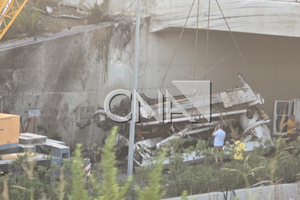
This Wednesday, around 4:00 PM, a serious accident occurre...
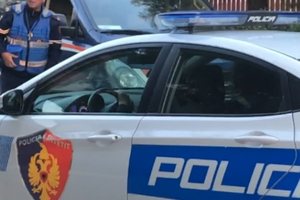
Tirana Police have shared details regarding the accident t...
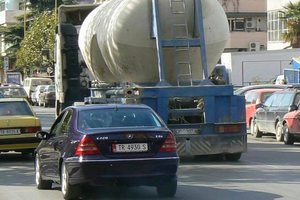
A serious accident that occurred this Wednesday with the c...

The Institute of Geosciences has shared a forecast for wea...
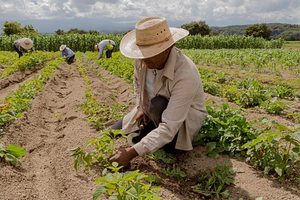
Rising energy and fertilizer prices are expected to contin...
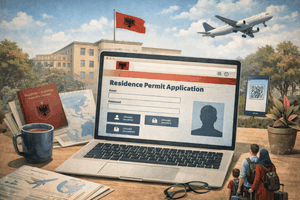
Over 18,000 foreign citizens from 140 countries have appli...
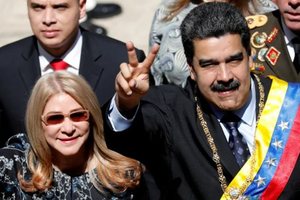
The trial of ousted Venezuelan President Nicolas Maduro on...
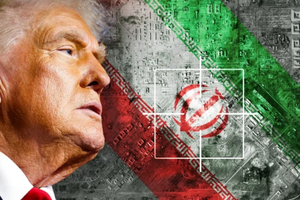
US President Donald Trump has issued another warning to Ir...
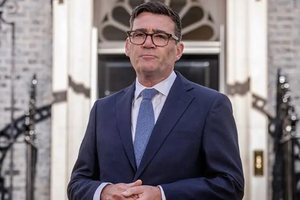
Prime Minister Andy Burnham has announced that most bus fa...

France's parliament has passed a law to ban social media f...

At a time when industrial products are increasingly taking...

Trust among people is not just a three-syllable word. It c...

Master of humor Todi Llupi has passed away at the age of 7...

The ninth edition of "MIK Festival" kicked off with one of...
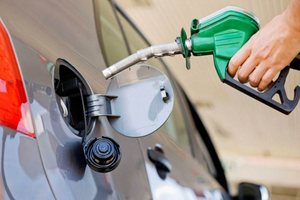
The price of diesel reached 206 lek per liter from 198 lek...

Businesses will no longer be required to simply register t...

Despite economic growth and income in recent years, Albani...

This Wednesday, one US dollar is bought for 81.4 lek and s...