

Germany: Normalization between Kosovo and Serbia means mutual recognition
The German ambassador in Pristina, Jorn Rohde, reiterated ...


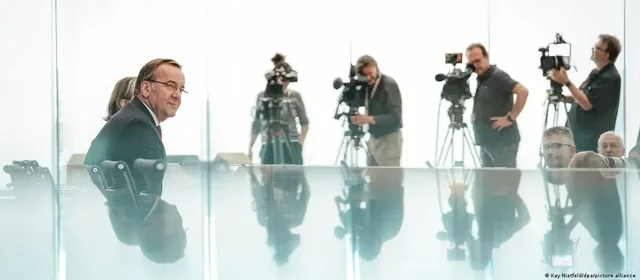
Since the recruitment freeze in 2011, the Bundeswehr has been short of soldiers. Instead of hiring more personnel, the Bundeswehr began to downsize. In March, statistics recorded only 181,123 recruits. According to the plans of Defense Minister Boris Pistorius (Social Democratic Party of Germany SPD), this must now change. Germany's promise to NATO: by 2031, the Bundeswehr should number 203,000 soldiers, and later perhaps even 240,000.
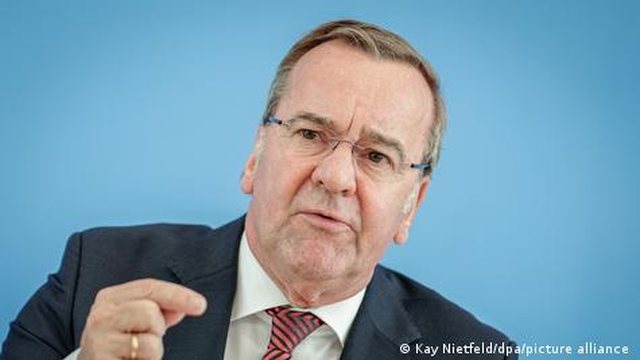
Defense Minister Pistorius has repeatedly said that the Bundeswehr must finally become "ready for war". Pistorius talks about a new threatening situation. "Russia is waging war," he told reporters in Berlin on Wednesday (13.06.2024). As he said, Russia will be able to attack one of the NATO members in 2029. Pistorius spent months preparing his concept for the new military service that he now presented in Berlin. However, there is no longer talk of compulsory military service: "We envisage selective military service. The best prepared, the most suitable and the most motivated should be selected for military service," explains Pistorius.
Pistorius' concept does not include general military conscription. Initially, the only requirement is that 18-year-olds fill out a questionnaire. This is an obligation for men, but not for women. Those contacted must explain whether they would generally be willing to serve in the military. This would last six months, with the possibility of extension up to 23 months. Pistorius estimates that around 400,000 men will have to fill out the questionnaire each year. He hopes a quarter of them may show interest. It is planned that about 40,000 candidates will be invited for the exam, ie control of their physical and mental abilities. Participation by invitation is mandatory. Of course, the right to subsequently refuse military service still exists.
The issue of sufficient capacity for full assembly and training remains unclear. "The limiting factor," according to Pistorius, is the limited infrastructure. This means barracks, instructors, equipment. It is estimated that to reach the target of 5,000 additional recruits per year, around 1.4 billion euros would be needed. Pistorius also expects an increase of the number of so-called reservists, mainly those who served before the suspension of military service in 2011. He wants to contact them and hopes to increase the number of reservists by 200,000 people.
These plans make the volunteer forces of the Bundeswehr less and less voluntary. For Hans-Peter Bartels, however, Pistorius' concept may only be the first step. He is president of the Association for Security Policy, and was previously defense commissioner of the German Bundestag. In an interview for DW, Bartels clearly states that the questionnaire alone "doesn't solve the problem". "The questionnaire is there to complete it. And if in doubt, fill it out so they don't touch you again. It might change things a little, but as a rule it doesn't change anything."
Bartels sees another problem: the principle of fairness in recruitment; it means that men and women are equally responsible. According to the constitution, compulsory military service in Germany currently only affects men. "If you wanted to achieve what the minister wants, you would have to change the Constitution. And Pistorius knows that. As it stands now, his plan is not working," says Bartels.
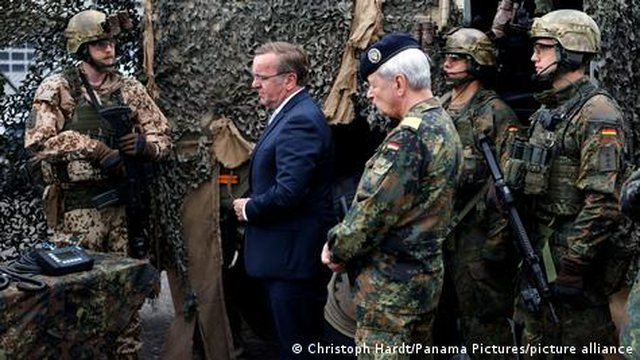
With the rearmament of the Federal Republic of Germany in the mid-1950s, men from the age of 18 were conscripted into military service. The idea: soldiers should be "citizens in uniform". In the summer of 2011, compulsory military service in Germany was suspended, but not abolished. At that time, the Bundeswehr would be reduced. But in case of any tension or need for defense, conscription can be activated again. Today, the Bundeswehr is a volunteer army in which women also serve. From the beginning, Boris Pistorius criticized the suspension of military service, even calling it a "mistake".
If you ask Germans whether the country needs military service again, most are of the opinion: Yes! A recent poll by the YouGov public opinion research institute for the daily "Welt am Sonntag" showed that 60 percent were in favor of general conscription.
Politicians reacted quite reservedly to the concept presented by Pistorius. Especially in the governing coalition of SPD, Greens and Liberals (FDP). SPD politician Boris Pistorius is also facing resistance within his own party. Chancellor Olaf Scholz was reserved from the start. SPD leader Lars Klingbeil spoke in favor of continuing to rely on voluntary recruitment. Even the green coalition partner is quite skeptical. FDP head Christian Lindner wrote in X: "Instead of new recruitment, we should get more people interested in serving in the Bundeswehr and strengthen the reserve." Pistorius received support in principle from the ranks of the opposition Christian Democratic Union CDU/CSU. However, the Union would like more obligations and less voluntarism.
Defense expert Hans-Peter Bartels sums up the situation for DW: "The concept is not a complete strike, but the beginning of a change that tells us that we urgently need more changes." Clearly, Pistorius' ideas are mostly just that - ideas. Now begins the real social and political discussion about the concept of Pistorius./ DW

The German ambassador in Pristina, Jorn Rohde, reiterated ...

The US military said late Thursday that it had destroyed t...
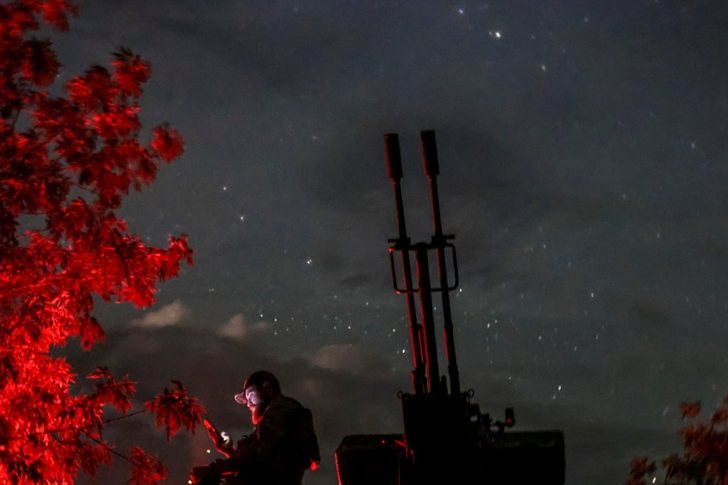
Ukraine and Russia exchanged drone strikes during the nigh...
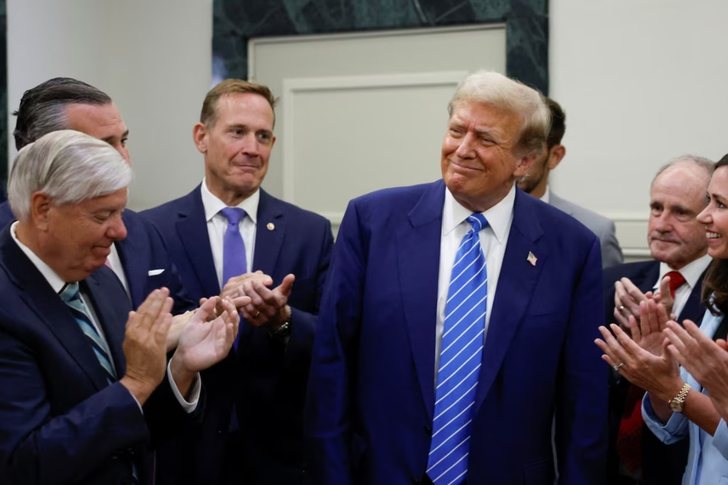
Former President Donald Trump was given a rapturous we...

Police officers from across Europe have flown to Germa...
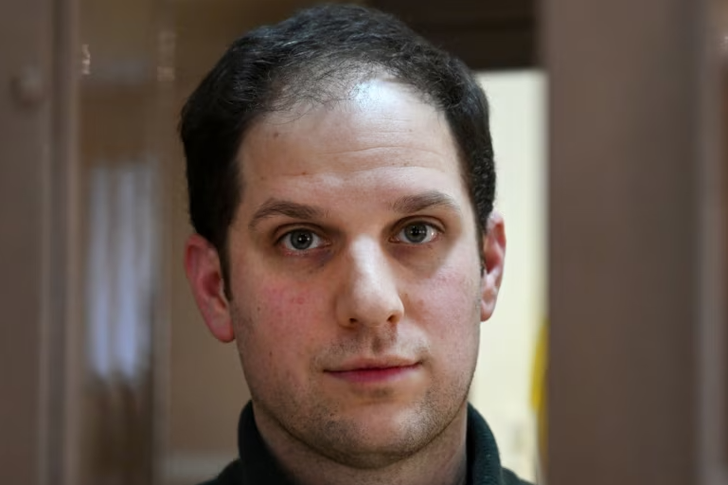
Russia's Prosecutor General's Office on June 13 confir...
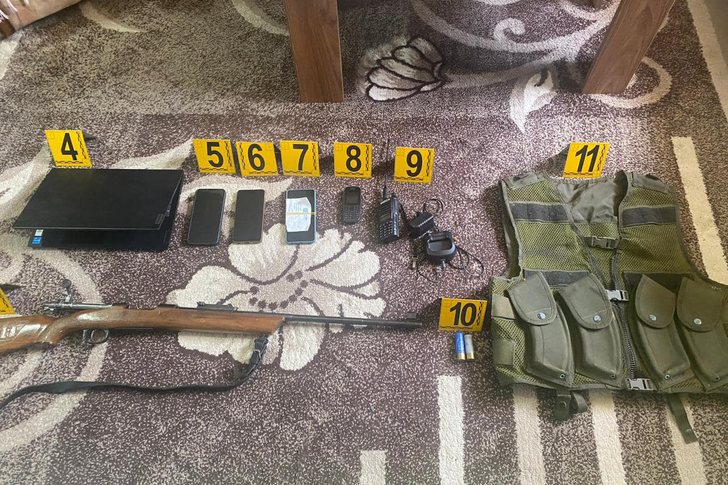
The Kosovo police have seized weapons and ammunition f...
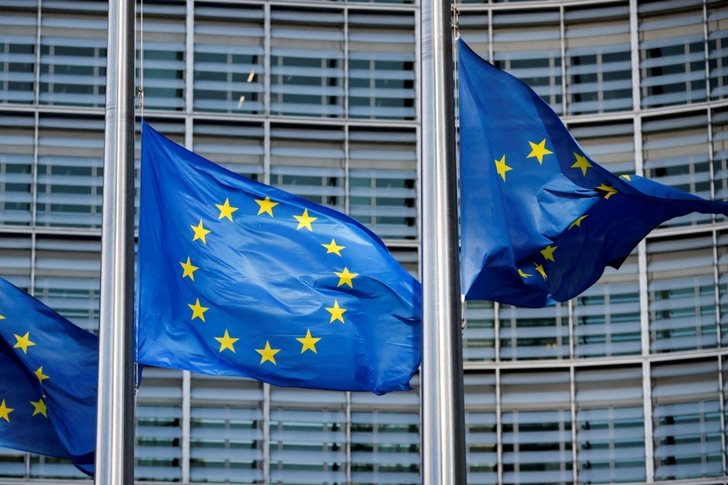
Serbia cannot become a member of the European Union withou...
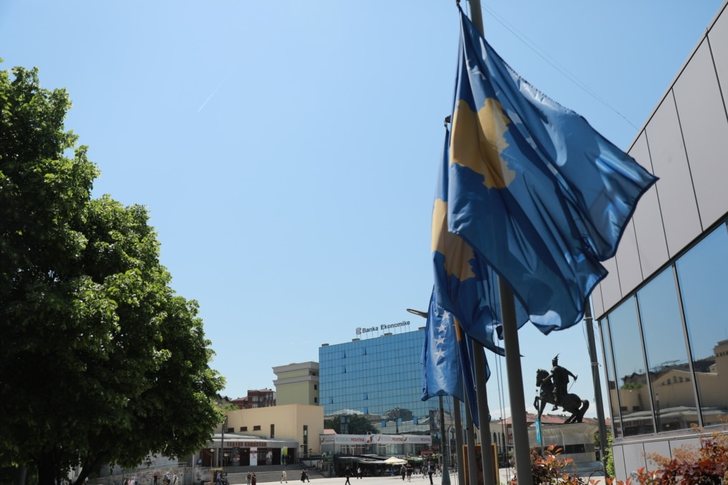
The Kosovo government has imposed sanctions against Russia...
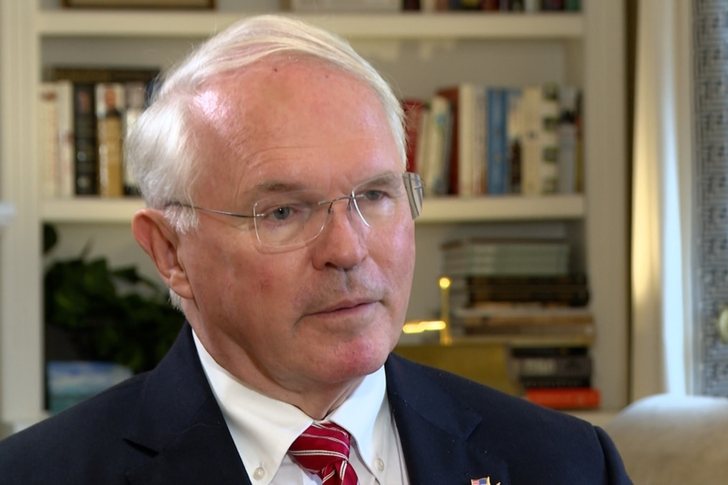
The American ambassador in Belgrade, Christopher Hill,...
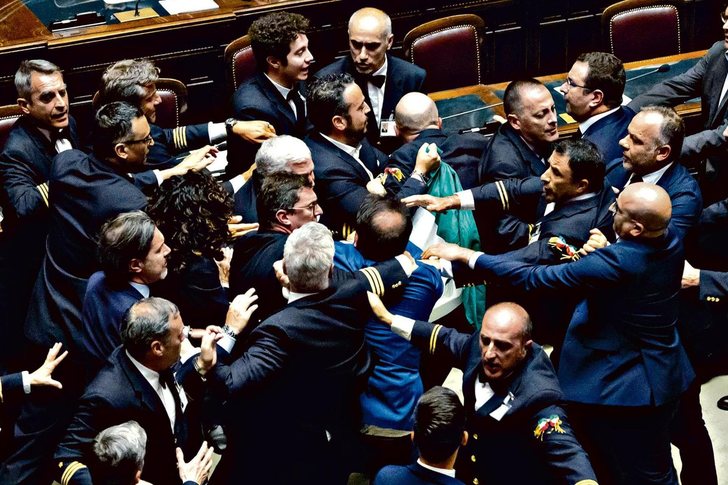
A fierce, tense debate, which degenerated into a physi...

The wording is not figurative: A scream was heard througho...
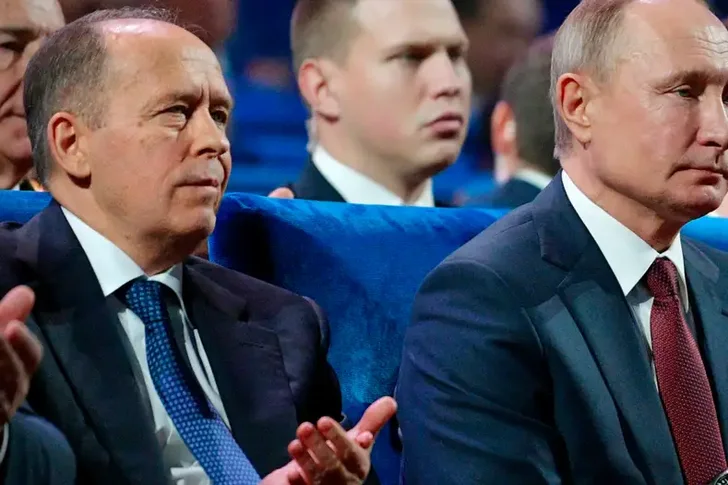
They seem like good neighbors, they are friendly. Some...
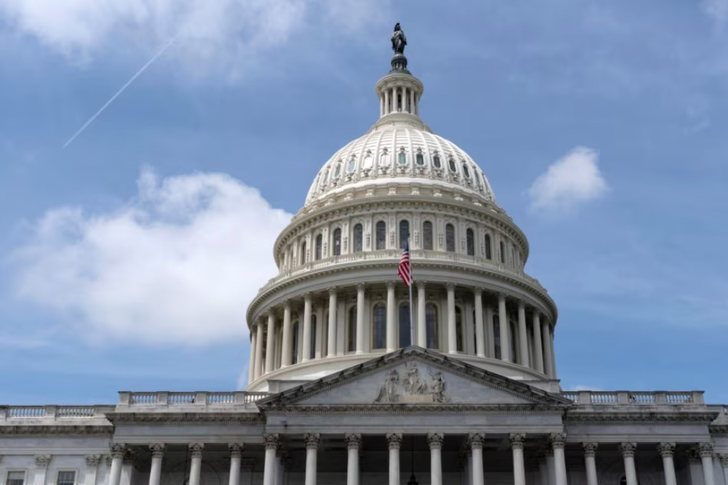
The House of Representatives voted Wednesday that Atto...
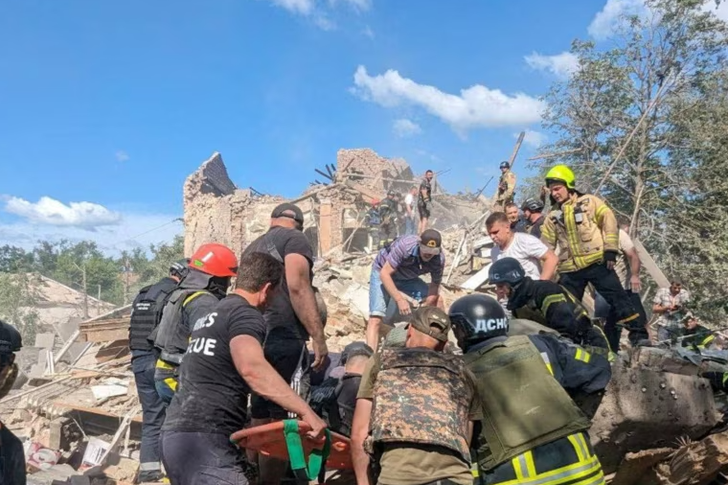
A Russian ballistic missile attack on the Ukrainian city o...

A fleet of Russian warships arrived in Cuban waters on...

Human rights experts commissioned by the United Nation...

The upheaval in Europe is great: in the most important EU ...
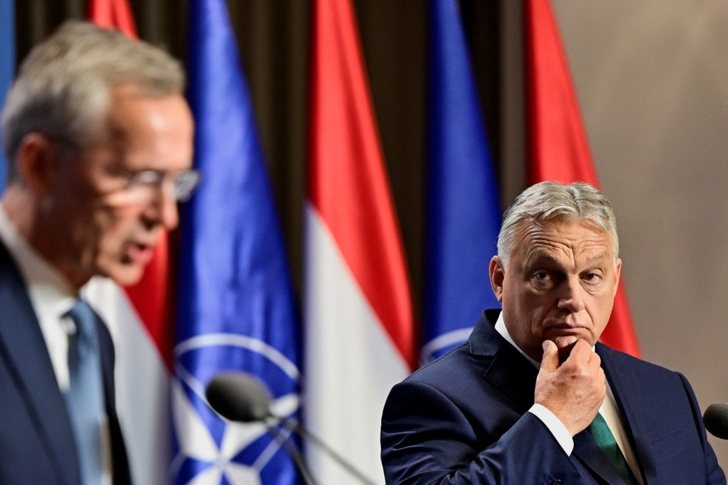
NATO chief Jens Stoltenberg says Hungary has agreed not to...
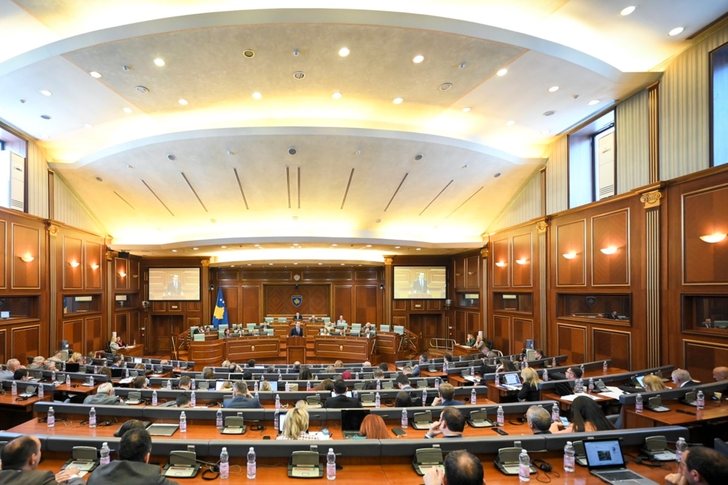
The Assembly of Kosovo is holding a solemn session on June...

CNA has launched another investigation that could lead to ...

Irfan Hysenbelliu is a businessman that we call "Irfan the...

In March 2026, CNA launched another investigation centered...
The arrested mayor of Tirana, Erion Veliaj, with 13 charge...

The Special Board of Appeal (KPA) decided this Monday ...

The KPA vetting decided this Thursday to dismiss the p...

Suela Salavaçi, a prosecutor in the Prosecutor's Offic...

The Special Board of Appeal reinstated the prosecutor ...
A road accident occurred this evening on Nikolla Zoraqi St...
Three people were shot and wounded in Elbasan last night b...
A serious incident occurred this Tuesday in the Yrshek are...

An accident occurred this Tuesday on "Dituria" street in K...

All of Southern Europe will face changing weather conditio...

Albania was hit by temperatures significantly higher than ...

For the first time, Pogradec welcomed the Inter-Lake Chess...

Albania has achieved a record for the employment of foreig...

US Secretary of State Marco Rubio arrived in Manila on Jul...
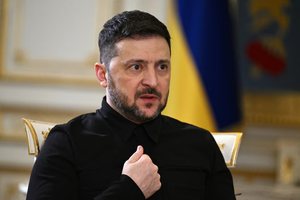
In the space of a few days, Ukrainian President Volodymyr ...
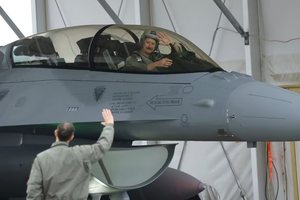
The spokesman for the Iranian Foreign Ministry warned Bulg...

Autoritetet italiane sekuestruan pako me afër 800 kilogram...

At a time when industrial products are increasingly taking...

Trust among people is not just a three-syllable word. It c...

Master of humor Todi Llupi has passed away at the age of 7...

The ninth edition of "MIK Festival" kicked off with one of...

Construction company licenses will have a validity period ...

The Centralized Purchasing Operator recently opened a tend...
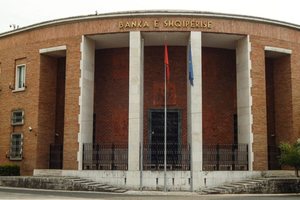
The new draft law "On the Bank of Albania" provides that t...

This Tuesday, one US dollar is bought for 81.2 lek and sol...