

UN expert report: Israeli forces and Palestinian militants have engaged in gender-based violence
Human rights experts commissioned by the United Nation...


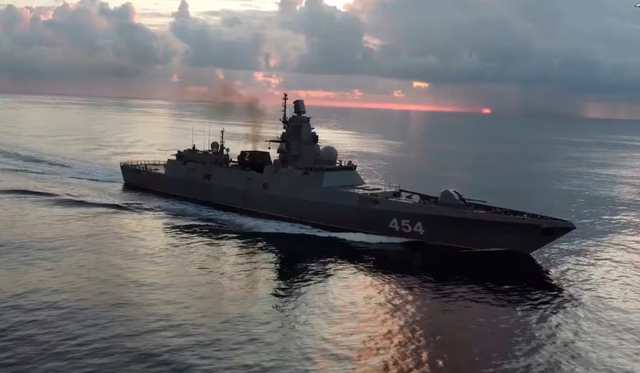
A fleet of Russian warships arrived in Cuban waters on Wednesday ahead of planned military exercises in the Caribbean, a move analysts see as a show of force as tensions continue to rise between Moscow and the West over the conflict in Ukraine.
Three warships entered Havana Bay in company with several small vessels, which guided them through the narrow channel of the bay.
A nuclear-powered submarine is expected to arrive after them.
The US military expects the drills to include a small number of Russian warships, which may also make a stop in Venezuela.
Russia is a longtime ally of Venezuela and Cuba, and its warships and aircraft have occasionally visited the Caribbean region. But the mission comes less than two weeks after President Joe Biden authorized Ukraine to use US weapons to strike targets inside Russia in an effort to defend Kharkiv, Ukraine's second-largest city. After the decision, President Vladimir Putin suggested that his military could respond "asymmetrically" in another area of ??the world.
"Above all, the warships are a reminder to Washington that it's annoying when an adversary intervenes close to your country," said Benjamin Gedan, a Latin America expert at the Wilson Center in Washington, referring to the West's involvement in Russia's war in Ukraine. . "It also reminds Russia's friends in the region, including America's adversaries like Cuba and Venezuela, that Moscow is on their side."
Although the fleet includes one nuclear-powered submarine, a senior US administration official said US intelligence has determined the ships are not equipped with nuclear weapons. The official, who spoke on condition of anonymity, said Russia's military deployments "do not pose a direct threat to the United States."
US officials last week said Russian warships were expected to remain in the region throughout the summer.
Russian warships have occasionally docked in Havana since 2008, when a group of Russian warships entered Cuban waters, a move that state media said at the time was the first Russian visit of its kind in almost two decades. In 2015, a reconnaissance and communications ship arrived unannounced in Havana, a day before talks between U.S. and Cuban officials on restoring diplomatic relations began.
A State Department spokesman told the Associated Press news agency that the Russian port visits to Cuba are "routine naval visits," while acknowledging that its military exercises "have increased due to United States support for Ukraine and training activity in support of our NATO allies".
On Wednesday, Russian Foreign Minister Sergey Lavrov hosted his Cuban counterpart, Bruno Rodríguez, for talks in Moscow. Speaking to reporters after the talks, Mr Lavrov thanked the Cuban authorities for their attitude towards Ukraine.
"From the very beginning, Havana gave an absolutely accurate and true assessment of what was being prepared in Ukraine by the West for many years," Minister Lavrov said.
Russian military doctrine values ??Latin America and the Caribbean as important regions, seeing those spheres under Washington's influence, acting as a counterweight to the United States' activities in Europe, said Ryan Berg, an expert on Central and South America at the Center for the Study Strategic and International in Washington.
"While this is likely to be little more than a provocation from Moscow, it sends a message about Russia's ability to project power in the Western Hemisphere, with the help of its allies, and will certainly keep the US military on alert. high, while they are close," said analyst Berg.
The timing of this year's mission may serve Russia's goals, but it is also raising the question of whether the Venezuelan government could use the occasion to boost support for a third term for President Nicolás Maduro in the July 28 election.
Venezuela's main opposition coalition is challenging the ruling party's decades-long grip. That challenge and the creation of a crisis with tensions simmering with Guyana are among the scenarios analysts believe President Maduro's government could use as justification to postpone or cancel the election.
"It is almost certain that Maduro will not risk losing power," said Evan Ellis, a professor of Latin America at the US Army War College.
"The clearest alternative, considering the recent movements of the Venezuelan army,. It is the fabrication of an international crisis that would justify the 'postponement' of elections in the country," says Professor Ellis.
"The presence of Russian warships in the vicinity would greatly increase the risk of escalation of a possible crisis, concocted by Mr. Maduro."
Venezuelans voted in a referendum in December in support of extending sovereignty to the Essequibo region, which comprises two-thirds of Guyana and is located near large offshore oil deposits. Venezuela says this territory was stolen when the border was changed more than a century ago.
Guyana is awaiting a ruling on Venezuela's claim from the International Court of Justice, but Mr. Maduro's government does not recognize the Court's authority.
The United States supports Guyana in this ongoing dispute and assisted it with surveillance flights late last year. Venezuela has threatened to invade this country.
Guyana's government last month authorized the US military to send two F-18 fighter jets to patrol the airspace over its capital to demonstrate close cooperation between the two countries.
Guyana's Vice President Bharrat Jagdeo said on June 6 that the Russian fleet does not pose "a direct threat" to his country.
"However, we are attentive and are closely following these political developments", said Mr. Jagdeo in a press conference./ VOA

Human rights experts commissioned by the United Nation...
The upheaval in Europe is great: in the most important EU ...
NATO chief Jens Stoltenberg says Hungary has agreed not to...
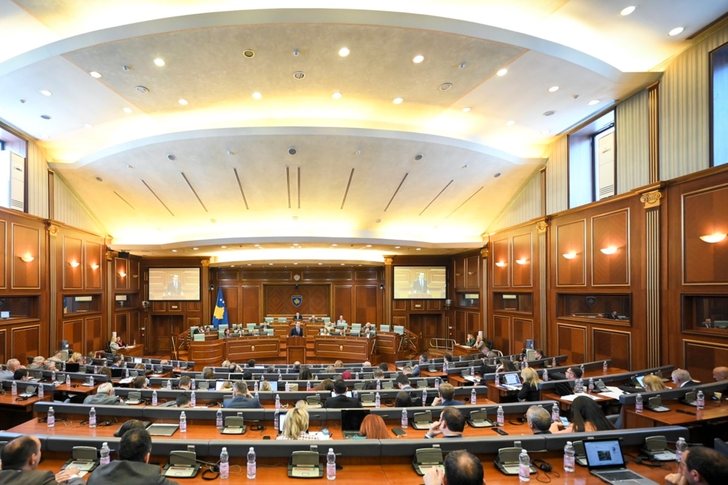
The Assembly of Kosovo is holding a solemn session on June...

Kosovo today marks the 25th anniversary of the Day of ...
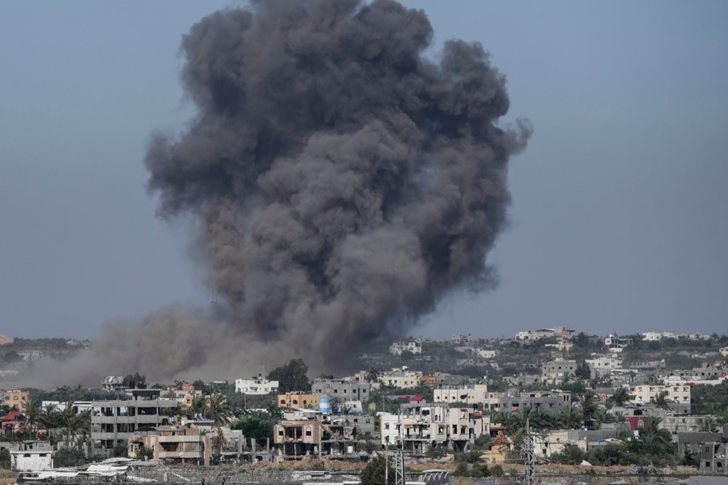
Hamas - the Palestinian group designated a terrorist o...
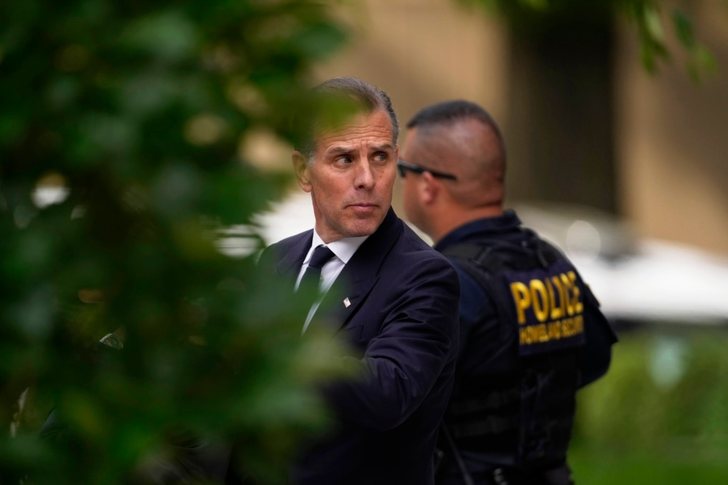
President Joe Biden's son, Hunter Biden, pleaded guilt...
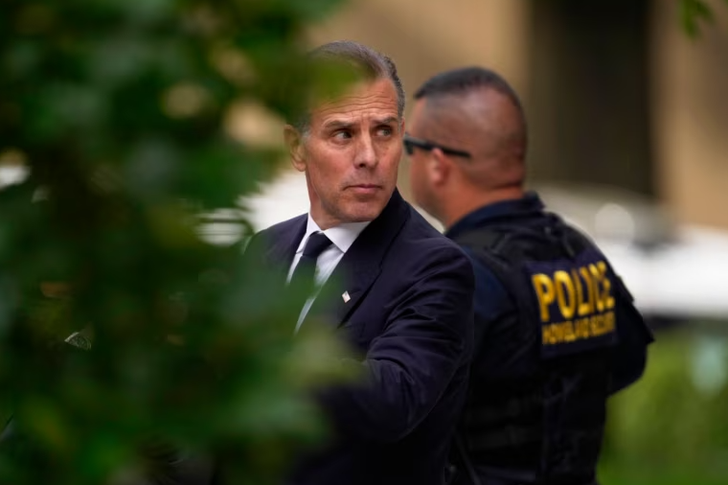
Hunter Biden pleaded guilty Tuesday to three felonies ...
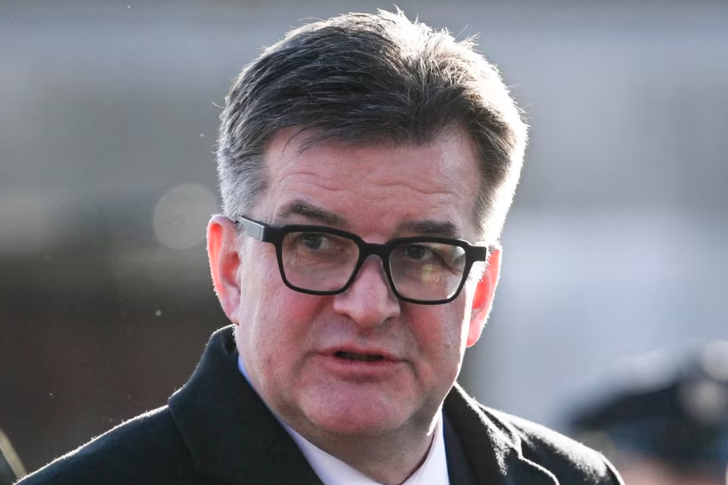
The special envoy of the European Union for the Kosovo...
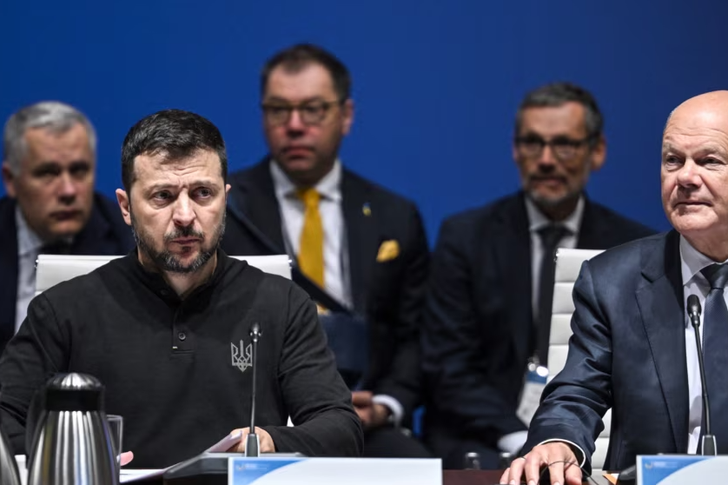
A two-day conference on the recovery of Ukraine started to...
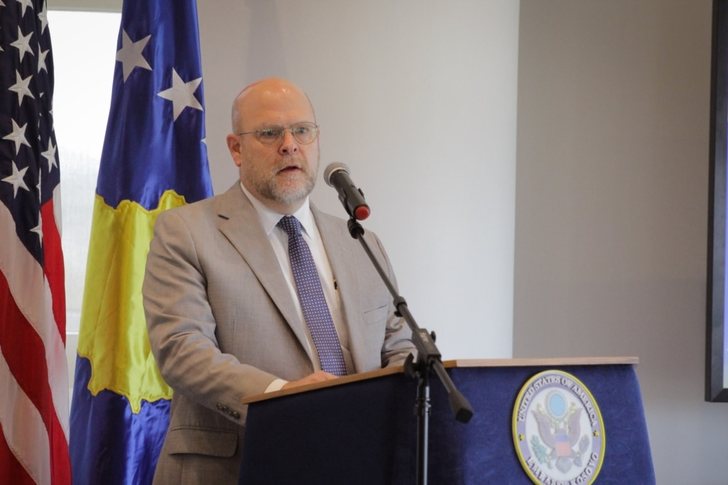
The Ambassador of the United States in Kosovo, Jeffrey...

The threat of Islamic terrorist attacks in Germany is ...
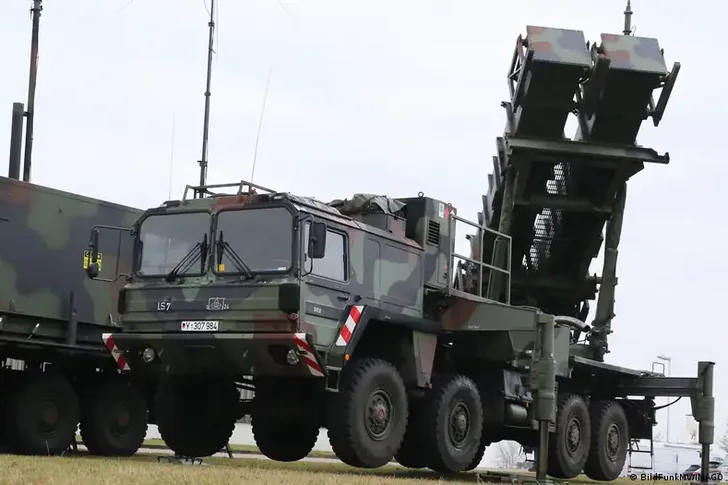
The German federal government has long hesitated: Shou...
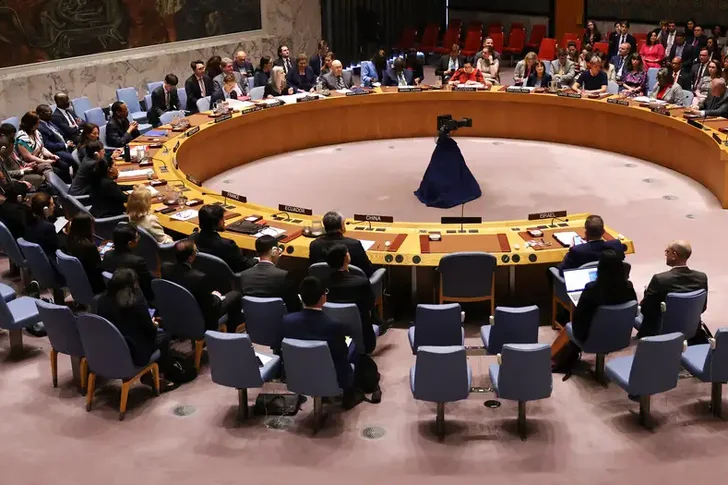
A plan presented by US President Joe Biden for a cease...
Two brothers from Kosovo have forged all the papers th...

A prosecutor said Monday that "no one is above the law...
The joint "all-Serbian" declaration between Serbia and...
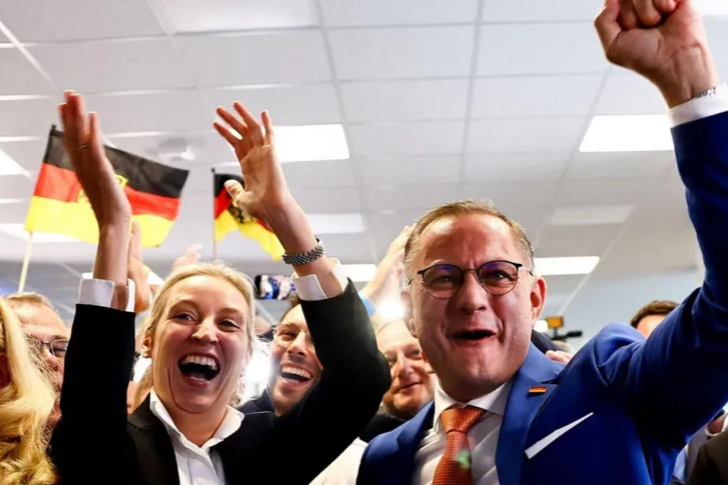
"We demand a vote of confidence and new elections," Al...
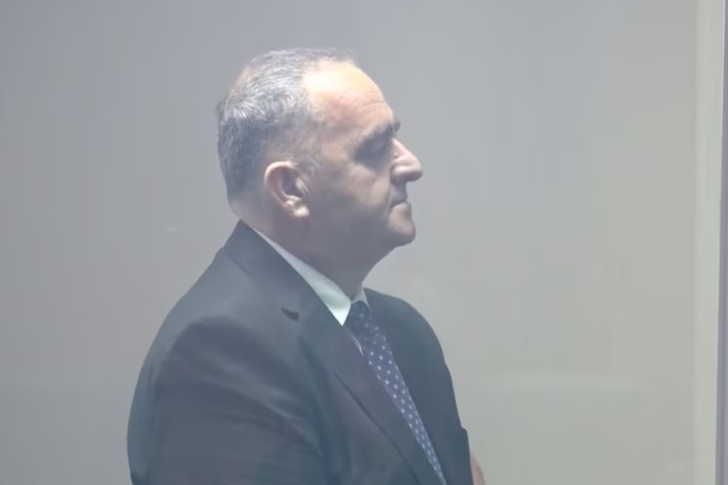
The elected Mayor of Himara, Fredi Beleri, is among th...
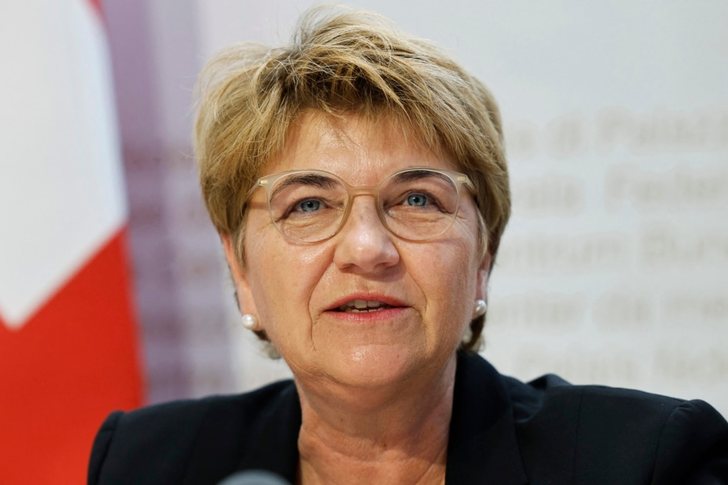
Swiss President Viola Amherd said nearly 90 countries and ...

CNA has launched another investigation that could lead to ...

Irfan Hysenbelliu is a businessman that we call "Irfan the...

In March 2026, CNA launched another investigation centered...
The arrested mayor of Tirana, Erion Veliaj, with 13 charge...

The Special Board of Appeal (KPA) decided this Monday ...

The KPA vetting decided this Thursday to dismiss the p...

Suela Salavaçi, a prosecutor in the Prosecutor's Offic...

The Special Board of Appeal reinstated the prosecutor ...

A road accident occurred this evening on Nikolla Zoraqi St...
Three people were shot and wounded in Elbasan last night b...

A serious incident occurred this Tuesday in the Yrshek are...

An accident occurred this Tuesday on "Dituria" street in K...
All of Southern Europe will face changing weather conditio...
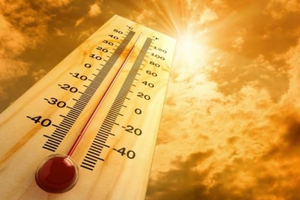
Albania was hit by temperatures significantly higher than ...

For the first time, Pogradec welcomed the Inter-Lake Chess...

Albania has achieved a record for the employment of foreig...
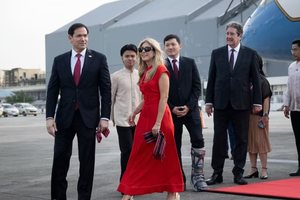
US Secretary of State Marco Rubio arrived in Manila on Jul...
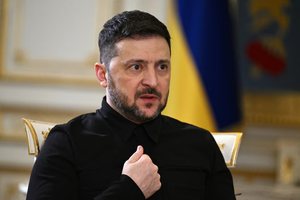
In the space of a few days, Ukrainian President Volodymyr ...
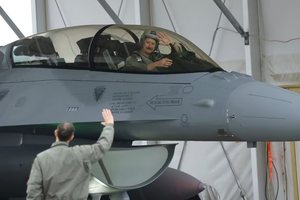
The spokesman for the Iranian Foreign Ministry warned Bulg...

Autoritetet italiane sekuestruan pako me afër 800 kilogram...

At a time when industrial products are increasingly taking...

Trust among people is not just a three-syllable word. It c...

Master of humor Todi Llupi has passed away at the age of 7...

The ninth edition of "MIK Festival" kicked off with one of...

Construction company licenses will have a validity period ...
The Centralized Purchasing Operator recently opened a tend...
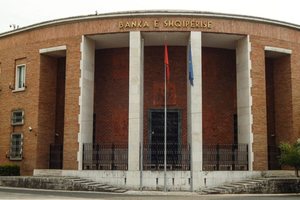
The new draft law "On the Bank of Albania" provides that t...

This Tuesday, one US dollar is bought for 81.2 lek and sol...