

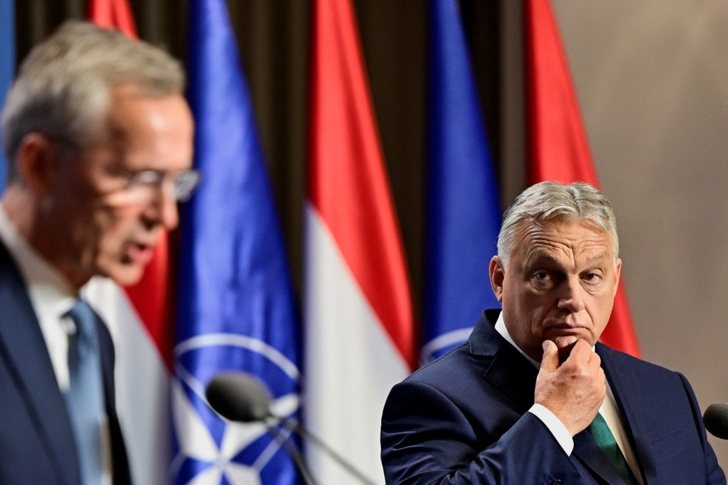
Stoltenberg: Hungary agreed not to block NATO support for Ukraine
NATO chief Jens Stoltenberg says Hungary has agreed not to...


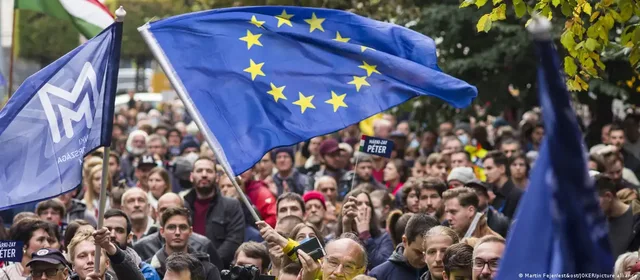
The upheaval in Europe is great: in the most important EU countries in Western Europe, extreme right or far-right parties have won many votes in the European elections - including Germany, France, Italy and Austria. Things look different in the east of the European Union - especially different than the image of this part of Europe suggests. In the minds of many, this region is a stronghold of Viktor Orban and Jaroslav Kaczynski, the right-wing nationalists and populists.
From the Baltic countries to Bulgaria, nationalist, far-right and Eurosceptic parties almost everywhere failed to receive or lost votes. Only in Slovenia and the Czech Republic did two parties allied with Orban and his right-wing nationalist party Fidesz win the European elections.
Otherwise the picture is surprising and varied. In Hungary, Orbán's party lost a significant share of the vote in an election for the first time in many years, with a newcomer and challenger to the prime minister taking 30 percent of the vote. In Poland, Prime Minister Donald Tusk's pro-European and liberal-conservative coalition unexpectedly won first place in the European elections. In Slovakia, a progressive party won clearly ahead of right-wing nationalist Prime Minister Robert Fico's ruling SMER party, which came under attack a few weeks ago. In Romania and Bulgaria, far-right nationalist and pro-Russian parties received fewer votes than expected.
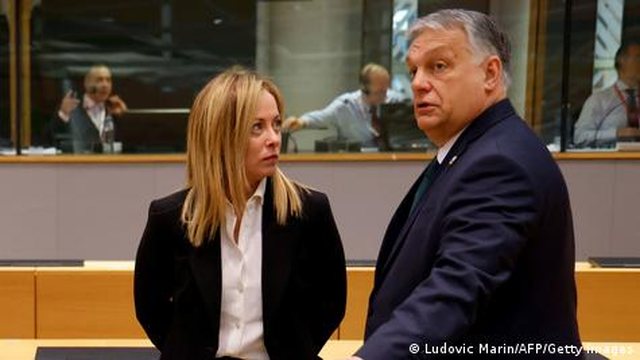
The most notable are perhaps the results of the European and local elections in Hungary, which were held at the same time. For the first time in a European election since 2009, the alliance of Orbán's right-wing nationalist party Fidesz and the small Christian Democratic party KDNP did not win an absolute majority, taking less than 45 percent. Although Fidesz won compared to all other parties, observers see the result as a slap in the face for Prime Minister Orban, who is used to convincing successes.
Orbán's biggest critic, Peter Magyar, who recently entered the political scene with his Tisza party, just weeks before the election, achieved around 30 percent - by far the highest result achieved by an opposition party against Orbani since 2010 when he came to power. Magyar is a Fidesz renegade, has held well-paid posts in Orbán's state apparatus in recent years, and appeared in public for the first time in February 2024 as an opposition politician. Magyar represents the conservative positions of the right-wing Fidesz in many aspects, for example on migration policy, but promises to clean up the corruption of the Orban system and problems in the health and education systems. In addition, unlike Orban, he is explicitly pro-European.
Orban commented on his party's poor performance in a defiant way: "We have defeated the old and the new opposition, and no matter what the current opposition is called, we will defeat it again and again," he told supporters on election night. on Sunday (June 9, 2024). On the other hand, his challenger, Peter Magyar promised a change of power in the next parliamentary elections in 2026 and announced: "Now the dance begins!"
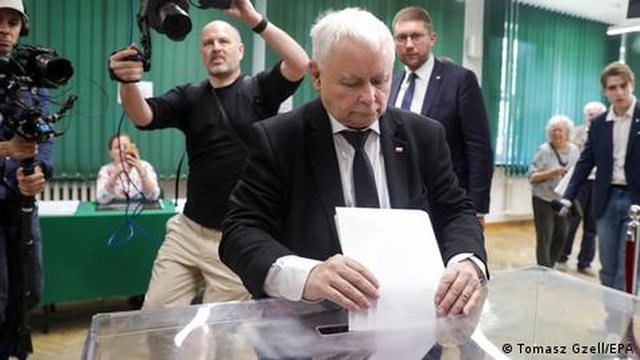
In Poland, Prime Minister Donald Tusk's liberal-conservative Civic Coalition (KO) came in first with 37 percent, although many observers expected the governing coalition, which has been in power since last fall, to suffer defeat. Jaroslav Kazczynski's right-wing nationalist Law and Justice (PiS) party, which was in power from 2015 to 2023, won 36 percent and thus second place, despite being ahead in preliminary polls.
"We showed today that we are a ray of hope for Europe", said Tusk on Sunday (06/09/2024) evening in Warsaw. Poland will decide in the coming months what Europe will look like", continued the prime minister. His country is a “leader in the EU.” PiS leader Kaczynski was belligerent and described the election results as “a big challenge.” Referring to the colors of the Polish flag, he called on his party to build a “red and white front.”
A setback for Tusk was the performance of his smaller coalition partners: the Christian Democratic Third Way achieved seven percent, while the Left six percent. And both were captured by the anti-European, nationalist far-right Confederation, which won just under 13 percent.
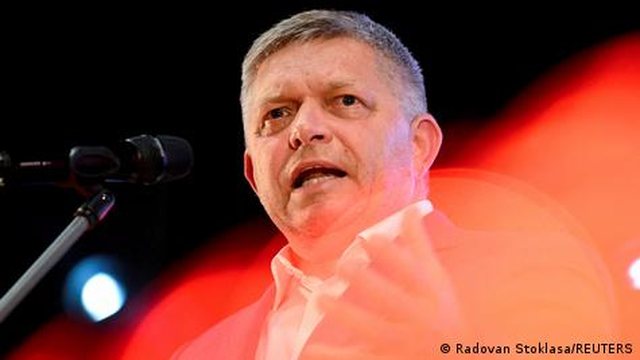
One of the big surprises of the European elections was the clear victory of the left-wing social-liberal opposition party Progressive Slovakia (SP) with 28 percent. This party won more than the SMER party of Prime Minister Robert Fico, who was seriously injured in an assassination attempt in mid-May. SMER's negative rhetoric after the attack apparently did more damage to the party - Fico, for example, recently accused the opposition in his first statement of being behind the attack and spread far-right conspiracy theories.
In the Czech Republic, the right-wing liberal Action of Disaffected Citizens (ANO) party led by former prime minister and billionaire Andrej Babis won with 26 percent. He belongs to the camp of right-wing nationalists in the east of the EU, he is mainly critical of migration but not anti-European. The pro-European, conservative-liberal alliance of Prime Minister Petr Fiala's government won only 22 percent of the vote. The far-right SPD party lost almost half of the vote compared to the 2019 European elections and the 2021 parliamentary elections and received only five percent.
In Croatia, Romania and Bulgaria, old government parties and alliances won, whose orientation is sometimes difficult to categorize. However, in general, they represent pro-European and at the same time conservative-nationalist positions. One of the winners of the elections was the Social Democratic Party of Romania (PSD), which entered into an alliance with the National Liberal Party (PNL) for the European elections. Far-right parties were unable to make a breakthrough in any of the three countries. In Romania, the pro-Russian, far-right Alliance for the Union of Romanians (AUR) won many votes, but remained at the low end of forecasts at 14 percent.
Not only has there not been a general shift to the right in the east. The self-proclaimed leader of the "sovereignists" in the region, Hungary's Prime Minister Orban, has clearly missed his goal of "occupying and transforming Brussels" in the European elections. Not only because of his poor election results, but also because he lacks strong allies in Central and Southeastern Europe./ DW

NATO chief Jens Stoltenberg says Hungary has agreed not to...
The Assembly of Kosovo is holding a solemn session on June...
Kosovo today marks the 25th anniversary of the Day of ...
Hamas - the Palestinian group designated a terrorist o...
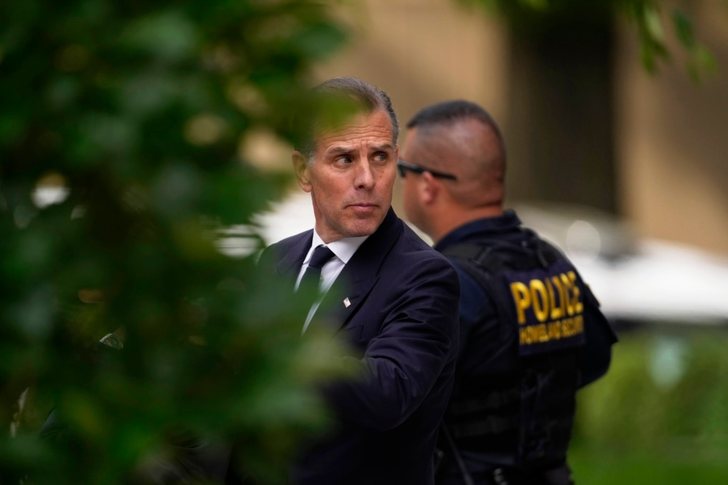
President Joe Biden's son, Hunter Biden, pleaded guilt...

Hunter Biden pleaded guilty Tuesday to three felonies ...
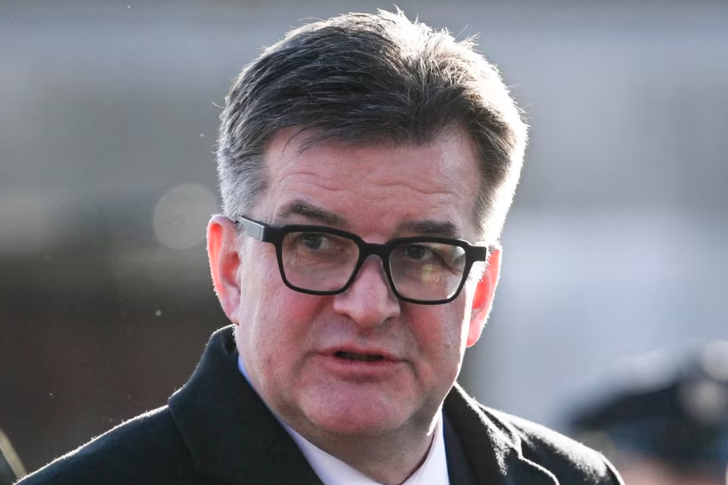
The special envoy of the European Union for the Kosovo...
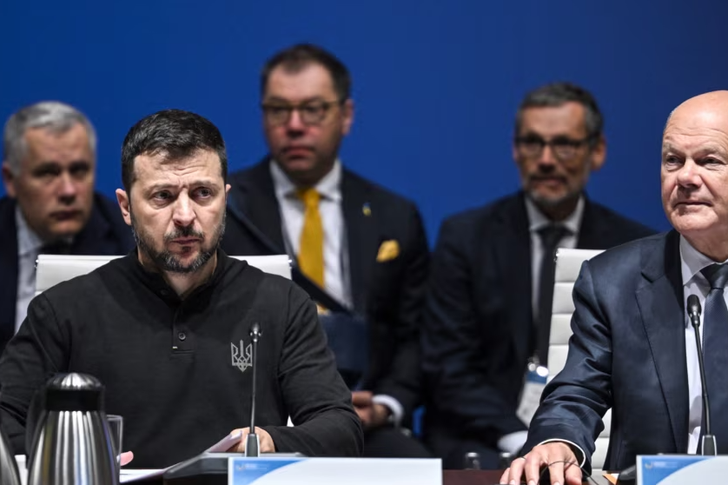
A two-day conference on the recovery of Ukraine started to...
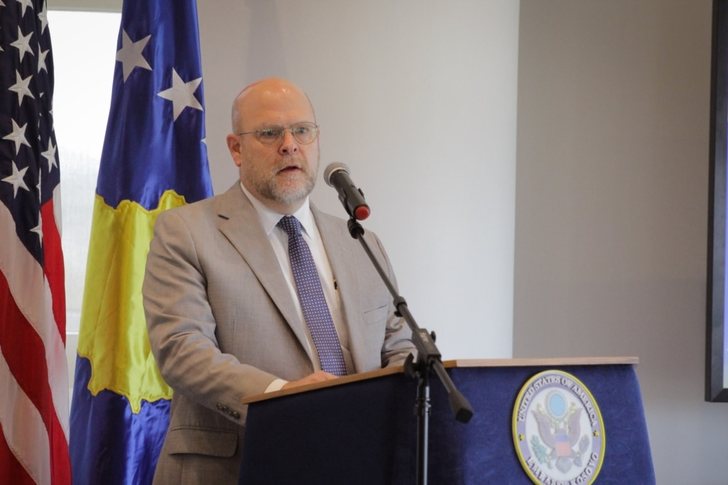
The Ambassador of the United States in Kosovo, Jeffrey...

The threat of Islamic terrorist attacks in Germany is ...
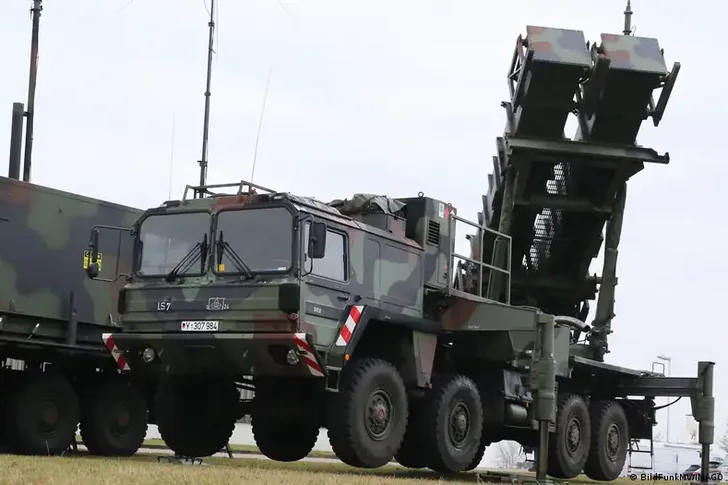
The German federal government has long hesitated: Shou...
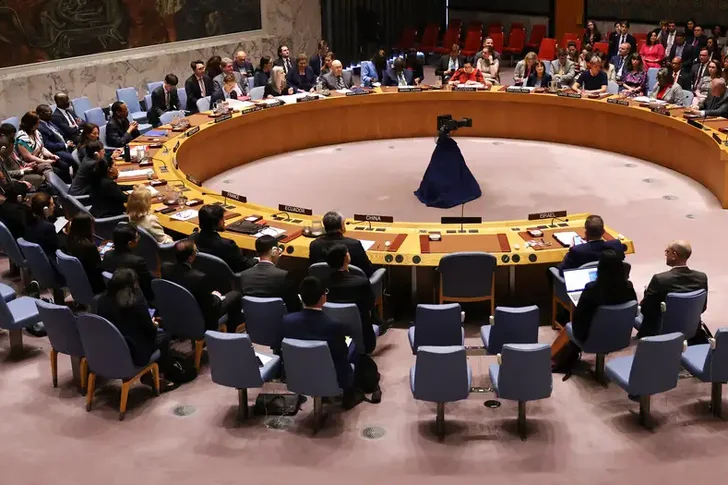
A plan presented by US President Joe Biden for a cease...
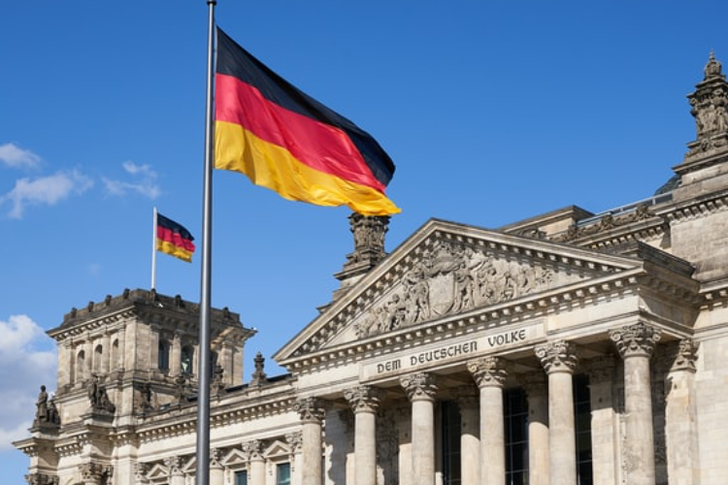
Two brothers from Kosovo have forged all the papers th...

A prosecutor said Monday that "no one is above the law...
The joint "all-Serbian" declaration between Serbia and...
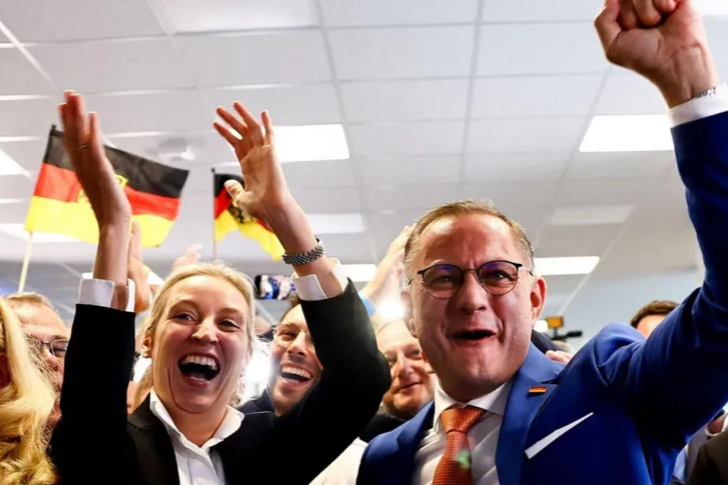
"We demand a vote of confidence and new elections," Al...
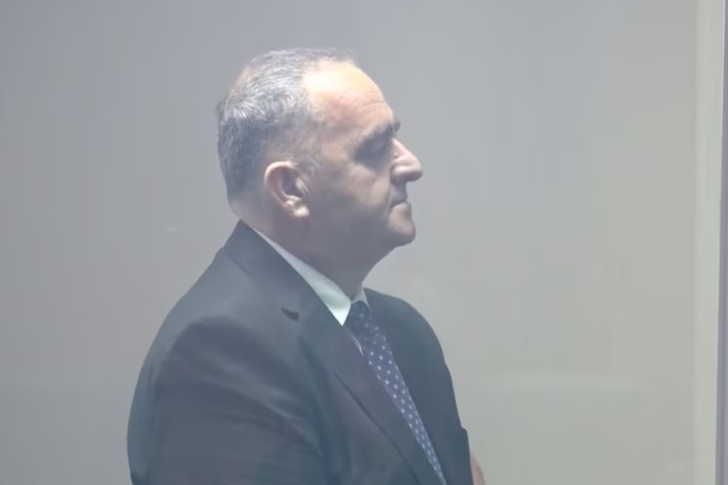
The elected Mayor of Himara, Fredi Beleri, is among th...
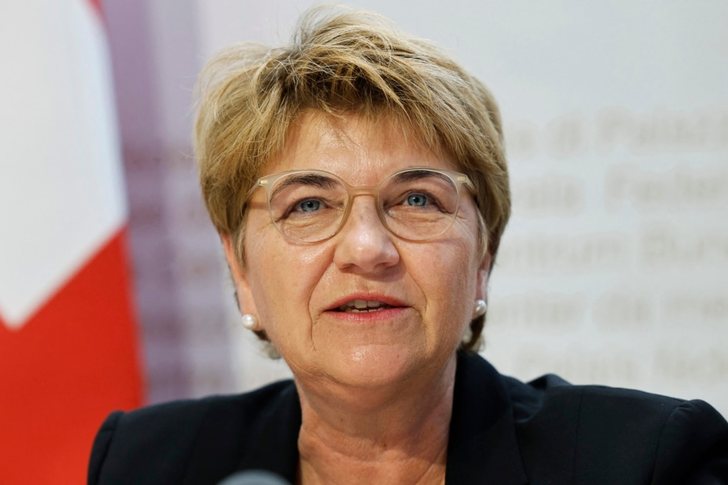
Swiss President Viola Amherd said nearly 90 countries and ...
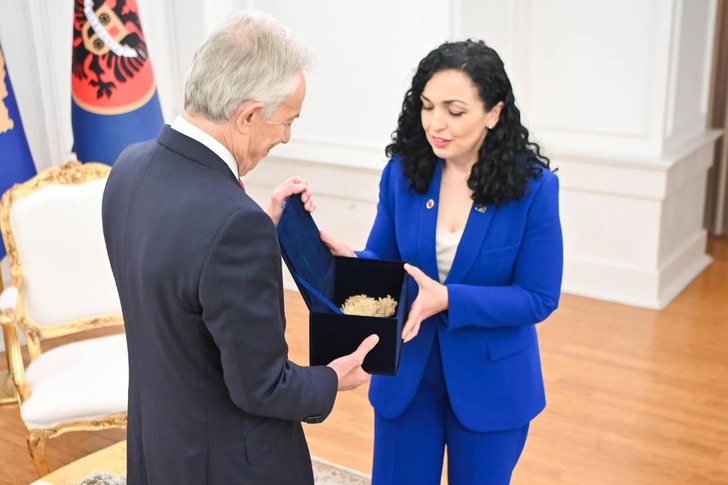
The former British Prime Minister, Tony Blair, address...
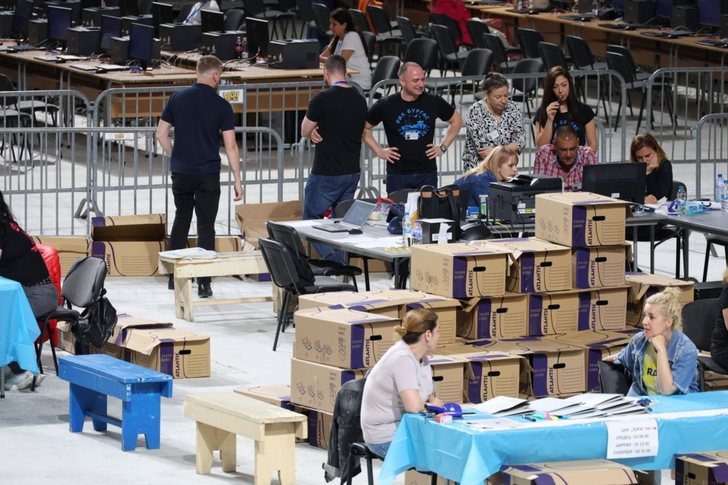
The preliminary results of the elections held in Bulga...

CNA has launched another investigation that could lead to ...

Irfan Hysenbelliu is a businessman that we call "Irfan the...

In March 2026, CNA launched another investigation centered...
The arrested mayor of Tirana, Erion Veliaj, with 13 charge...

The Special Board of Appeal (KPA) decided this Monday ...

The KPA vetting decided this Thursday to dismiss the p...

Suela Salavaçi, a prosecutor in the Prosecutor's Offic...

The Special Board of Appeal reinstated the prosecutor ...

A road accident occurred this evening on Nikolla Zoraqi St...

Three people were shot and wounded in Elbasan last night b...

A serious incident occurred this Tuesday in the Yrshek are...

An accident occurred this Tuesday on "Dituria" street in K...

All of Southern Europe will face changing weather conditio...

Albania was hit by temperatures significantly higher than ...

For the first time, Pogradec welcomed the Inter-Lake Chess...

Albania has achieved a record for the employment of foreig...

US Secretary of State Marco Rubio arrived in Manila on Jul...
In the space of a few days, Ukrainian President Volodymyr ...

The spokesman for the Iranian Foreign Ministry warned Bulg...

Autoritetet italiane sekuestruan pako me afër 800 kilogram...

At a time when industrial products are increasingly taking...

Trust among people is not just a three-syllable word. It c...

Master of humor Todi Llupi has passed away at the age of 7...

The ninth edition of "MIK Festival" kicked off with one of...

Construction company licenses will have a validity period ...
The Centralized Purchasing Operator recently opened a tend...
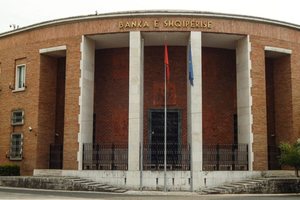
The new draft law "On the Bank of Albania" provides that t...

This Tuesday, one US dollar is bought for 81.2 lek and sol...